Santee State Park Fishing Spots on Lake Marion
It can feel overwhelming trying to find that perfect fishing spot on a massive body of water like Lake Marion, especially when you're looking for convenience and variety. Many anglers, whether seasoned veterans or families with kids, struggle to pinpoint locations that offer both great catches and easy access. This comprehensive guide will strip away that frustration, detailing the best fishing spots within and around Santee State Park on Lake Marion, complete with tips, techniques, and everything you need to know for a successful outing.
Understanding Santee State Park's Unique Position on Lake Marion
Santee State Park isn't just a pretty place to camp; it's a strategically located angler's paradise nestled right on the shores of South Carolina's largest lake, Lake Marion. This park provides direct access to some of the most productive waters in the state, making it an ideal basecamp for anyone looking to tangle with freshwater giants or simply enjoy a relaxing day by the water.
The Allure of Lake Marion and Its History
Lake Marion, often referred to as South Carolina's "inland sea," is a sprawling 110,600-acre reservoir formed in the 1940s as part of the massive Santee Cooper Hydroelectric Project. Its creation submerged vast tracts of cypress and pine forests, which now serve as incredible underwater structure, attracting a diverse array of fish species. This lake, along with its sister lake, Lake Moultrie, forms the renowned Santee Cooper Lakes system, a fishery legendary for its abundance of largemouth bass, striped bass, crappie, and monster catfish. Anglers come from all over to experience the thrill of these waters, which consistently produce trophy-sized fish across various species, earning it a reputation as one of the premier fishing destinations in the Southeast.
The sheer size and complexity of Lake Marion can be daunting, with countless coves, creeks, and submerged timber fields. However, this complexity is precisely what creates such a rich and varied habitat for fish. From shallow cypress-lined flats to deep river channels, the lake offers something for every angler and every preferred technique. Understanding the historical context of the lake's formation helps explain why there's so much structure beneath the surface, which is key to finding the best fishing spots today.
Why Santee State Park is a Prime Angling Hub
Santee State Park holds a prime position on Lake Marion, offering anglers unparalleled access to some of the lake's most fertile waters. The park's location provides a mix of shallow, protected coves and deeper open water, catering to both bank anglers and those launching boats. With its own boat ramp, two fishing piers, and plentiful shoreline, the park acts as a convenient launching point for all types of fishing adventures.
For families, the accessibility is a huge plus. You don't need a fancy boat to enjoy good fishing here. The piers offer a safe and easy way for kids to get their lines wet and experience the excitement of catching a fish. For more serious anglers, the park's boat ramp allows quick access to deeper channels and expansive flats where larger game fish lurk. The park’s infrastructure, including camping facilities and cabins, means you can stay right on the water, maximizing your fishing time from dawn till dusk. It’s truly designed with the angler in mind, aiming to make your Lake Marion experience as enjoyable and productive as possible.
Prime Fishing Spots Within Santee State Park
Santee State Park isn't just a gateway; it is a destination with a variety of productive fishing spots right within its boundaries or just a short boat ride away. Knowing where to cast your line can significantly improve your chances of success.
The Pier and Shoreline Access
One of the most accessible and family-friendly fishing options within Santee State Park is its main fishing pier. This pier extends out into Lake Marion, providing access to deeper water without needing a boat. It's a fantastic spot for catching a variety of panfish like bluegill and crappie, as well as catfish, especially during the warmer months. Many anglers use live bait such as crickets or worms under a bobber for panfish, or cut bait on a bottom rig for catfish. The pier is particularly popular for those early morning and late evening bites when the fish are most active.
Beyond the main pier, the park offers several accessible shoreline areas perfect for bank fishing. These spots, often found near camping loops or day-use areas, provide quieter alternatives to the bustling pier. For example, certain coves within the park offer calm, shallow waters where you can target smaller bass or bluegill hiding around submerged vegetation or fallen trees. Imagine a hypothetical scenario: a parent with two young children, ages 6 and 8, wants to introduce them to fishing. The calm waters off a designated bank fishing area, armed with simple cane poles and a tub of worms, would be ideal for them to experience the joy of reeling in a bluegill or two, creating lasting memories without the need for extensive gear or a boat. These easy-access spots embody the spirit of "Family-Friendly Fishing Spots in South Carolina".
Boat-Accessible Hotspots Near the Park
For anglers with a boat, Santee State Park opens up a world of prime fishing opportunities on Lake Marion. The park's boat ramp offers direct access to the main lake, where countless hotspots await. One of the most iconic features of Lake Marion is its vast fields of submerged timber and cypress stumps. These underwater forests act as natural fish attractors, providing cover and ambush points for largemouth bass, crappie, and even striped bass. Using your boat to navigate these areas, especially with a good depth finder, can lead to incredible catches.
Just a short distance from the park's boat ramp, you can find old creek channels that wind through the lakebed. These channels, often overlooked by less experienced anglers, are highways for catfish and offer deeper water where crappie and even striped bass will congregate, especially when water temperatures fluctuate. A common technique here involves anchoring near the edge of a channel and deploying multiple bottom rigs with fresh cut bait for channel cats, or vertically jigging for crappie around any submerged brush you mark on your sonar. For an experienced angler targeting trophy bass, navigating a jon boat or bass boat through the cypress stump flats and pitching jigs or Texas-rigged worms into dense cover can be incredibly productive, especially during the pre-spawn and post-spawn periods. Many local guides listed on platforms like FishingBooker specialize in these very areas, knowing the ins and outs of the submerged structure.
Targeting Specific Species Near Santee State Park
Santee State Park's location on Lake Marion puts you right in the heart of diverse species action. Knowing what you're targeting can help you fine-tune your approach.
-
Crappie: These popular panfish are abundant in Lake Marion, especially around Santee State Park. Look for them holding tight to brush piles, fallen trees, and the deeper edges of creek channels. During cooler months, they often suspend in open water over these deeper areas. "Crappie Fishing Techniques for Beginners" often involve using small jigs (1/16 to 1/8 oz) tipped with a minnow or soft plastic, fished vertically or slow-trolled. The cypress trees in the coves within and around the park are crappie magnets, especially in spring.
-
Catfish: Lake Marion is famous for its monster catfish, including blues, channels, and flatheads. The deeper holes in the main lake, particularly those associated with the old Santee River channel or near the "Santee Cooper Diversion Canal Fishing Spots", are prime areas. "Catfish Bottom Fishing Basics" here include using sturdy rods, heavy line, and large chunks of cut bait (shad, herring) or live bream. Night fishing for catfish can be exceptionally productive, as these nocturnal predators become more active under the cover of darkness.
-
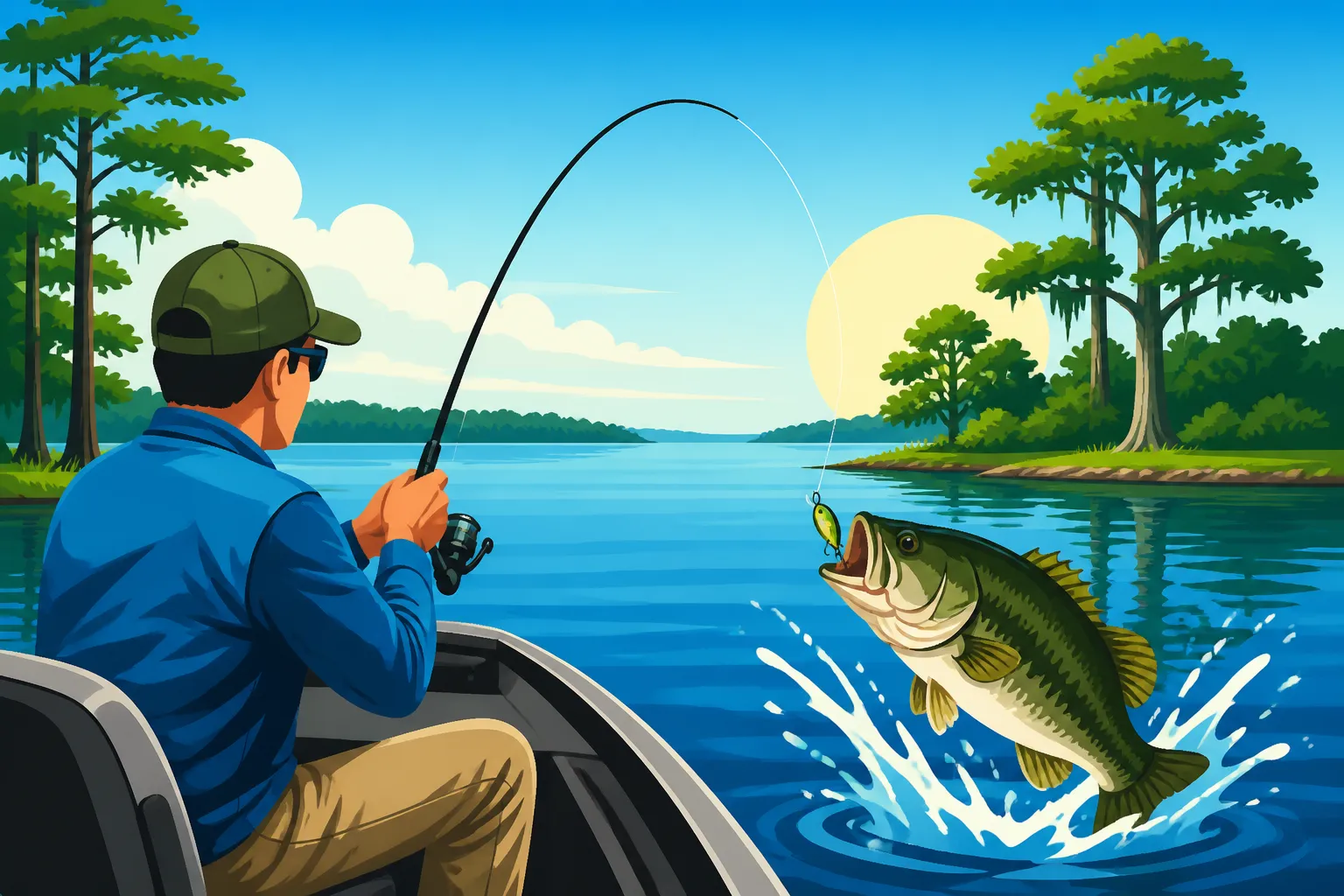
Largemouth Bass: The bass fishing here is phenomenal. The endless cypress stumps, lily pad fields, and hydrilla beds provide perfect habitat. Anglers targeting largemouth bass will find success by flipping and pitching jigs or soft plastics into dense cover, or by throwing topwater lures around structure in low-light conditions. Focus on the coves and shallower flats inside and directly adjacent to the park. For more specific insights, check out resources on "Lake Marion Bass Fishing Spots in South Carolina".
-
Striped Bass: While more commonly associated with the open waters of Lake Moultrie, stripers do frequent Lake Marion, particularly in the deeper, more oxygenated main lake channels, especially during cooler temperatures. They often chase schools of baitfish. Trolling with bucktail jigs or live bait (like gizzard shad) in the main lake basin near the park can yield impressive results. Keep an eye on your fish finder for schools of bait and larger arcs nearby.
Essential Tips and Techniques for Fishing Santee State Park
To make the most of your fishing trip to Santee State Park on Lake Marion, it's crucial to come prepared with the right gear, understand seasonal patterns, and be aware of local regulations. A little planning goes a long way!
Gear and Bait Recommendations
Having the right tackle can make all the difference in connecting with Lake Marion's diverse fish population. For panfish like bluegill and crappie, a light to ultra-light spinning rod and reel combo spooled with 4-6 lb monofilament line is ideal. Small hooks (size 6-10), bobbers, and split shot weights are essential. Live crickets, red worms, and small minnows are consistently effective baits. For crappie, small jigs in chartreuse, white, or black, often tipped with a minnow, are deadly.
When targeting largemouth bass, a medium-heavy baitcasting or spinning rod with 12-20 lb fluorocarbon or monofilament is a good all-around choice. A variety of lures will produce, including soft plastic worms (Texas-rigged or Carolina-rigged), jigs, crankbaits, and spinnerbaits. If you're fishing the dense cover around cypress stumps, heavier line and a stout rod are necessary to pull bass out of the snags.
For catfish, especially the trophy-sized blues and flatheads, you'll need heavy-duty gear. A medium-heavy to heavy conventional or spinning rod paired with a reel spooled with 30-50 lb monofilament or braided line is recommended. Circle hooks (size 5/0 to 8/0) are excellent for bottom fishing, and fresh cut bait (shad, herring, or even chicken liver) is king. A 2-4 oz egg sinker on a Carolina rig will help keep your bait on the bottom in current.
Seasonal Strategies and Best Times to Fish
Fishing success on Lake Marion, like any large body of water, is heavily influenced by the seasons and time of day. Understanding these patterns will help you predict where the fish will be and what they'll be biting.
-
Spring (March-May): This is prime time! Bass move shallow for their spawn, making them aggressive and easier to locate. Crappie also move into shallower waters around structure to spawn. Catfish become very active as water temperatures rise. Focus on coves, shallow flats, and areas with submerged timber within and adjacent to Santee State Park. Early mornings and late afternoons are generally best.
-
Summer (June-August): The heat can make fishing challenging, especially during midday. Fish tend to move to deeper, cooler waters or seek shade in dense cover. For bass, try early morning topwater action or target deep structure and grass beds. Crappie will be suspended deeper over brush piles. Catfish remain active, often found in deep channels or river bends, and night fishing becomes a popular and productive option. Consider checking out general advice on the "Best Time of Year to Fish Santee Cooper Lakes in South Carolina" for more insights.
-
Fall (September-November): As temperatures cool, fish become more active again, often feeding heavily in preparation for winter. Bass and crappie will move shallower, chasing baitfish. Striped bass can become very active in the main lake. This is a fantastic time for all species, with fish often found in similar areas as in spring, but perhaps a bit deeper as winter approaches.
-
Winter (December-February): Fishing slows down, but big fish can still be caught. Bass and crappie will hold in deeper water, often suspending over structure. Catfish can be found congregating in deep holes and channels. Slow presentations and patience are key during these colder months. Look for sunny days when fish might move shallower to warm up.
Navigating Regulations and Licensing
Before you even cast a line in Santee State Park or anywhere on Lake Marion, ensuring you have the correct South Carolina fishing license is paramount. The South Carolina Department of Natural Resources (SCDNR) strictly enforces fishing regulations. You'll need a valid freshwater fishing license if you're 16 years of age or older. It's easy to purchase one online through the Go Outdoors South Carolina portal, or from authorized vendors throughout the state. Missing this crucial step can lead to hefty fines, so don't let it ruin your trip. A good place to start is by reviewing the "South Carolina Fishing License Guide" or checking the "Fishing License Requirements in South Carolina".
Beyond the license, it's vital to be familiar with the "South Carolina's Freshwater Fishing Regulations" for specific species. These regulations include daily bag limits, which dictate how many fish of a certain species you can keep, and minimum size limits, which ensure fish have a chance to mature and reproduce. For instance, largemouth bass typically have a slot limit or a minimum size, and crappie often have a daily bag limit. Catfish regulations can vary, so always consult the latest SCDNR guide. A quick search for "South Carolina Fishing Bag Limits Explained" will give you updated details. If you're planning a trip and want to ensure you're fully compliant, especially if hiring a local expert, many guides listed on platforms like FishingBooker are well-versed in current regulations and can provide real-time updates for Lake Marion.
Maximizing Your Experience at Santee State Park
Santee State Park offers more than just fishing; it’s a full experience for nature lovers and families. Combining your angling adventures with the park's amenities and local expertise can create a truly unforgettable trip.
Beyond the Fishing – Park Amenities and Lodging
Santee State Park is designed to make your stay comfortable and enjoyable, whether you're there for a day or a week. Beyond its excellent fishing access, the park boasts a range of amenities perfect for families or groups. You can choose from various lodging options, including lakeside cabins that offer stunning views and direct access to the water, or campsites suitable for tents and RVs. Many of these sites are waterfront, allowing you to wake up to the sounds of the lake and even cast a line right from your campsite.
The park also features picnic areas, nature trails for exploring the local flora and fauna, and even a general store for forgotten essentials or a quick snack. For kids, there's often a playground, providing a welcome break from fishing and keeping them entertained. These amenities make it an ideal choice for "Family-Friendly Fishing Spots in South Carolina", allowing everyone in the group to find something they enjoy. After a long day of reeling in fish, coming back to a comfortable cabin or a campfire at your campsite truly caps off the perfect outdoor adventure.
Hiring a Local Guide for a Deeper Dive
While this guide provides a great starting point, nothing beats the local knowledge of an experienced fishing guide, especially on a vast lake like Marion. A good guide can significantly shorten your learning curve, putting you on fish quickly and teaching you techniques specific to the local conditions. They know the current hot spots, what baits are working best on any given day, and how to navigate the complex underwater structures of Lake Marion safely and efficiently. This can be invaluable for first-time visitors or anglers targeting a specific species for a trophy catch.
Hiring a guide means you don't have to worry about bringing all your own gear, as most charters provide high-quality rods, reels, and bait. They also handle all the necessary safety equipment and possess the proper licensing. If you're feeling overwhelmed by the sheer size of Lake Marion or want to increase your chances of landing that dream fish, a local guide is a smart investment. You can easily find reputable guides who specialize in Lake Marion fishing by browsing platforms like FishingBooker. They list experienced captains and their specialties, allowing you to book a trip tailored to your interests, whether it's chasing monster catfish, trophy bass, or abundant crappie. Many guides focus specifically on the productive waters around Santee State Park, ensuring you get the most out of your time on the water.
Safety and Conservation Practices
Enjoying the bounty of Lake Marion and Santee State Park comes with a responsibility to prioritize safety and practice good conservation. When boating, always ensure everyone on board has a U.S. Coast Guard-approved life jacket, and wear yours, especially if you're in a smaller vessel or on unfamiliar waters. Check the weather forecast before heading out, as conditions on large lakes can change rapidly, leading to strong winds and rough waters. Inform someone of your float plan – where you're going and when you expect to return.
Conservation is equally vital for preserving the incredible fishery that Lake Marion offers. Practice catch and release, especially for larger breeding fish, if you've already met your "South Carolina Fishing Bag Limits Explained" or if you're not planning to eat your catch. Handle fish gently, minimizing their time out of water, and use proper de-hooking tools. Always dispose of trash responsibly, leaving no trace behind. This means taking everything you bring in back out with you, including fishing line, bait containers, and food wrappers. By adhering to these safety and conservation practices, we ensure that Lake Marion and Santee State Park remain premier fishing destinations for generations to come.
| Fishing Spot / Area | Primary Species | Best Time of Year | Recommended Baits/Lures | Notes |
|---|---|---|---|---|
| Park Fishing Pier | Bluegill, Crappie, Catfish | Spring, Summer, Fall | Worms, Crickets, Small Minnows, Cut Bait | Family-friendly, no boat needed. |
| Shoreline Bank Access (Park Coves) | Bluegill, Small Bass, Catfish | Spring, Summer (early/late), Fall | Worms, Small Jigs, Bread Balls, Cut Bait | Quiet spots, good for kids and beginners. |
| Submerged Cypress Stumps (Boat) | Largemouth Bass, Crappie | Spring, Fall | Jigs, Texas-rigged Worms, Spinnerbaits, Minnows | Excellent structure for ambush predators. |
| Creek Channels (Boat) | Catfish, Crappie, Striped Bass | Year-round (deep in winter) | Cut Bait, Live Shad, Deep Diving Crankbaits, Jigs | Highways for larger fish, often deeper water. |
| Open Water Flats (Boat) | Striped Bass, Largemouth Bass | Spring, Fall, Summer (early) | Topwater Lures, Crankbaits, Live Bait | Look for schooling baitfish. |
Disclaimer
Please be aware that fishing regulations, conditions, and fish behavior can change. Always consult the official South Carolina Department of Natural Resources (SCDNR) website or their latest fishing guide for the most up-to-date rules and information before your trip. The information provided in this guide is for general informational purposes only and should not be considered legal or professional advice.