Is Flounder Good to Eat? What South Carolina Anglers Say
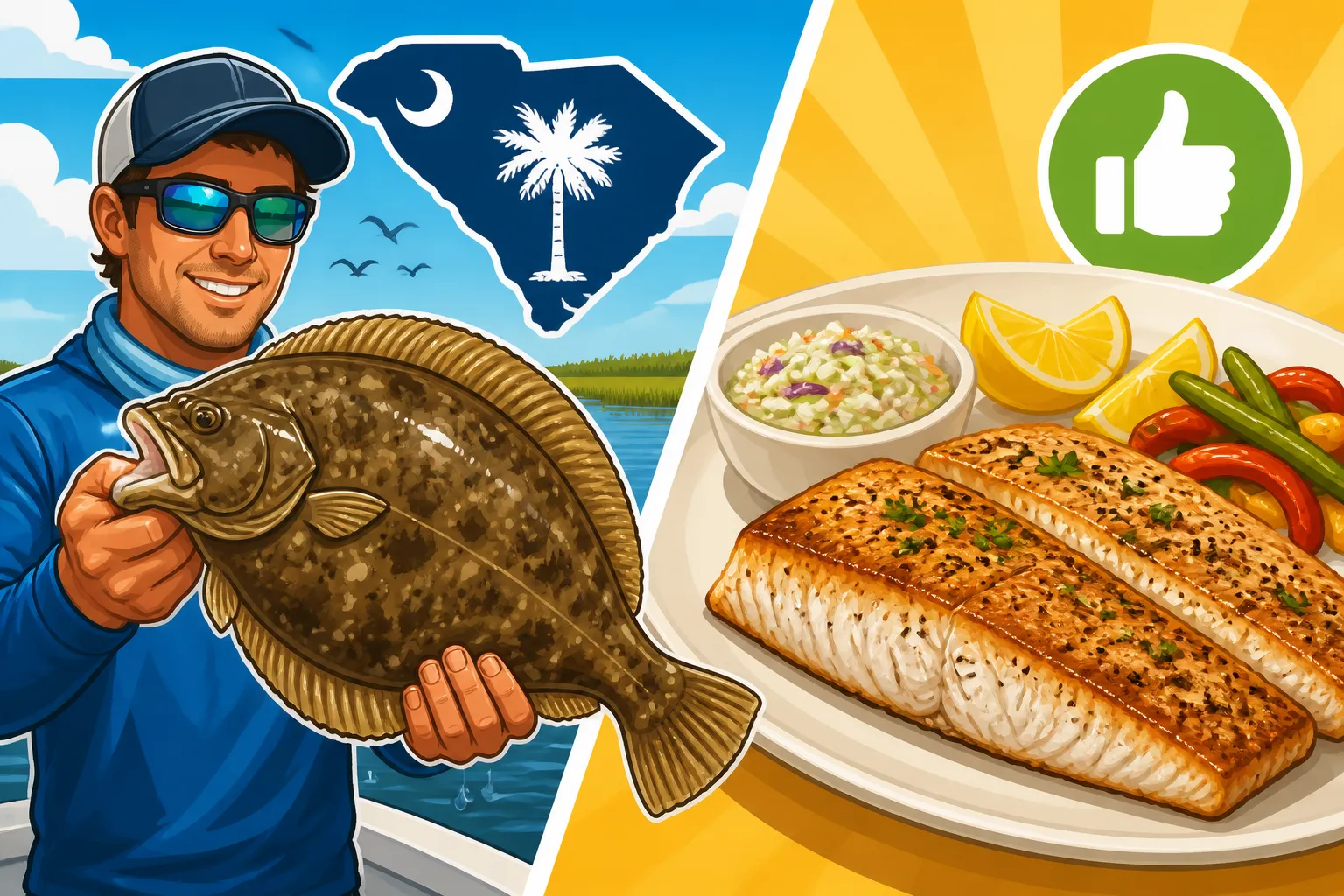
After a rewarding day out on the water, nothing quite compares to the anticipation of bringing your fresh catch home. But for many anglers, especially those new to targeting the delicious flatfish, a common question arises: is flounder good to eat? Believe me, you're not alone in wondering if your hard work reeling in that perfect Paralichthys dentatus or Paralichthys lethostigma (that's Summer Flounder and Southern Flounder for us common folk!) will truly translate into a memorable meal. This guide is here to dive deep into what makes South Carolina flounder a culinary delight, addressing all your questions from taste and texture to preparation and health benefits.
The Allure of South Carolina Flounder: A Culinary Gem
There’s a reason why flounder is a staple on menus across the South Carolina coast, from casual fish shacks in Murrells Inlet to upscale Charleston eateries. It's not just plentiful; it’s genuinely considered a delicacy by many who appreciate its unique characteristics. The waters off the Palmetto State, with their rich estuaries and fertile inshore fishing grounds, provide an ideal habitat for these bottom-dwellers, making them a prized catch for both recreational anglers and commercial fishermen alike.
Why Local Anglers Rave About It
South Carolina anglers will often tell you that there's nothing quite like fresh, locally caught flounder. The journey from hook to plate is often incredibly short, ensuring the fish retains its prime flavor and texture. Unlike some species that might travel hundreds or thousands of miles before reaching your dinner table, a flounder caught this morning off the coast near Mount Pleasant could be gracing your plate by supper. This freshness factor is paramount and contributes significantly to its reputation. Many seasoned fishermen would argue that the quality of a flounder caught right here in our own backyard far surpasses anything you might find frozen or shipped in from elsewhere.
Furthermore, the act of catching your own flounder adds a layer of satisfaction to the meal. Whether you've spent the day gigging for them in the shallows or patiently waiting for a bite while drift fishing, the effort and personal connection to your food elevate the dining experience. It's not just a meal; it's the culmination of an adventure. You can find excellent tips on finding these tasty fish in our guide to Best Flounder Fishing Spots Along the South Carolina Coast.
Factors Contributing to Flounder's Popularity
Flounder's popularity isn't accidental; it’s built on a combination of factors that appeal to a wide range of palates. Firstly, its mild flavor profile means it's incredibly versatile in the kitchen. It doesn't have an overpowering "fishy" taste, which can be a turn-off for some. Instead, it offers a subtle, sweet undertone that allows accompanying seasonings and sauces to shine without being overwhelmed. This makes it a great entry-level fish for those who might be hesitant about seafood.
Secondly, the texture of cooked flounder is highly regarded. It flakes beautifully, yielding tender, moist, and delicate meat. This texture stands up well to various cooking methods, from pan-frying to baking. Finally, the relative ease of filleting a flounder, once you get the hang of it, makes it a convenient choice for home cooks. With its flat body, you can typically yield four nice fillets from a single fish, offering a good amount of meat for a satisfying meal.
The Taste Profile of Flounder: What to Expect
When you sit down to a plate of fresh South Carolina flounder, you're in for a treat. Its culinary appeal lies primarily in its delicate flavor and soft, flaky texture. Understanding what to expect can help you appreciate it even more and inspire your cooking methods.
Flavor: Mild, Sweet, and Clean
The hallmark of flounder's flavor is its mildness. Unlike stronger-tasting fish such as mackerel or even some types of salmon, flounder offers a very subtle, clean taste. This means it rarely has that intense "fishy" aroma or flavor that can deter some eaters. Instead, many describe it as having a slight sweetness, almost buttery in its undertones, especially when prepared simply. This makes it an incredibly forgiving fish, as it pairs well with a vast array of herbs, spices, and sauces without clashing.
Think of it as a canvas for your culinary creativity. If you prefer light and zesty, a squeeze of lemon and some fresh dill will complement its natural mildness perfectly. If you're craving something with a bit more punch, cajun seasoning or a vibrant salsa will enhance it without overpowering it. This adaptability is precisely why flounder is so beloved by chefs and home cooks alike. Its inherent flavor is pleasant but not assertive, ensuring it complements rather than dominates your meal.
Texture: Flaky, Tender, and Moist
Beyond its flavor, flounder's texture is another significant reason for its widespread appeal. When cooked properly, it boasts a wonderfully tender, moist, and flaky consistency. The meat separates easily into beautiful, succulent flakes with just a fork, making it a joy to eat. It's lean, yet it retains moisture exceptionally well, preventing it from drying out if you're careful with your cooking times.
This delicate texture means it can be quite fragile when raw, so handling it gently during preparation is key. However, once cooked, it holds together surprisingly well on the plate, provided it isn't overcooked. The light, almost melt-in-your-mouth quality is a stark contrast to firmer, meatier fish, offering a different, equally satisfying dining experience. Many find this delicate texture particularly appealing, making it a favorite for those who enjoy lighter, more refined seafood dishes. Knowing how to land one of these beauties is half the battle; get some pointers from Is Flounder Hard to Catch?.
Preparing Flounder for the Plate: From Catch to Cook
You've successfully reeled in your flounder – congratulations! Now comes the exciting part: getting it ready for the kitchen. Proper handling and preparation are crucial to ensuring that delicate flavor and flaky texture shine through in your final dish.
Cleaning and Filleting Your Catch
The first step after catching your flounder is to get it on ice immediately. This is perhaps the single most important tip for maintaining freshness and quality. Once you're ready to clean it, you'll want a sharp fillet knife. For a flatfish like flounder, many anglers prefer a flexible, thin blade, which you can often find readily available on Amazon, alongside other useful cleaning tools like scaling gloves or sturdy cutting boards.
Filleting a flounder is a bit different from round fish, but it’s quite straightforward once you get the hang of it. You'll make an incision down the centerline from head to tail, then work your knife flat along the bones, separating the meat. A flounder yields four fillets: two from the top side and two from the bottom. Remember to remove any skin if your recipe calls for it, though some prefer to cook it with the skin on for added flavor and to help hold the fish together. Practice makes perfect, and soon you'll be filleting like a pro, ensuring minimal waste and maximum deliciousness from your South Carolina Flounder Fishing Regulations Explained compliant catch.
Popular Cooking Methods
One of the great things about flounder is its versatility in the kitchen. Its mild flavor and delicate texture lend themselves to a wide range of cooking methods.
- Pan-Frying/Sautéing: This is a classic method that many South Carolina cooks swear by. A light dredge in seasoned flour or cornmeal, then a quick pan-fry in a little butter or olive oil, will give you beautifully golden, crispy edges and a moist, tender interior. It’s fast, simple, and truly highlights the flounder's natural attributes.
- Baking/Broiling: For a lighter option, baking or broiling flounder fillets is an excellent choice. A simple preparation with lemon, herbs (like parsley or dill), a touch of white wine, and a pat of butter will create a wonderfully aromatic and healthy meal. Wrap it in parchment paper for "en papillote" style cooking to lock in moisture and flavor.
- Grilling: While a bit more challenging due to its delicate nature, grilling flounder can impart a fantastic smoky flavor. It's often best to use a grill basket or place the fillets on foil to prevent them from falling apart. Marinate lightly and cook quickly over medium-high heat.
- Frying (Deep/Air): For those who love a crispy coating, deep-frying or air-frying flounder can be incredibly satisfying. A good beer batter or a simple breading mixture will create a delightful crunch, contrasting beautifully with the soft fish inside. Ensure your oil is at the right temperature for deep-frying to get that perfect golden crust.
- Steaming: Steaming is arguably the healthiest way to cook flounder, preserving its delicate flavor and nutrients without added fats. It results in an incredibly tender, almost ethereal texture that pairs wonderfully with Asian-inspired sauces or a light vinaigrette.
Here's a quick comparison of some popular methods:
| Cooking Method | Preparation Difficulty | Texture Result | Flavor Profile Contribution | Best For |
|---|---|---|---|---|
| Pan-Frying | Easy | Crispy exterior, moist interior | Rich, savory | Quick weeknight meals, showcasing natural taste |
| Baking | Easy | Tender, very moist | Mild, allows seasonings to shine | Healthy options, hands-off cooking |
| Broiling | Medium | Slightly crispy top, moist interior | Intense top flavor, mild fish | Quick cooking, topping with breadcrumbs |
| Grilling | Medium | Smoky, slightly charred | Smoky, savory | Outdoor cooking, firming fish slightly |
| Deep-Frying | Medium | Crispy, often crunchy | Rich, savory | Comfort food, creating a firm crust |
| Steaming | Easy | Very delicate, moist | Pure fish flavor | Health-conscious, retaining original taste |
Many home chefs look for various kitchen gadgets and accessories to help with these methods. Whether it’s a specific type of frying pan, a baking sheet, or an air fryer, Amazon offers a wide selection of tools that can enhance your flounder cooking experience.
Health Benefits and Nutritional Value
Beyond its delicious taste, flounder is also an excellent choice from a nutritional standpoint. It's a lean protein source packed with essential vitamins and minerals, making it a healthy addition to any diet.
Lean Protein and Omega-3s
One of the standout nutritional benefits of flounder is its high protein content. It's a fantastic source of lean protein, which is essential for muscle repair, growth, and overall body function. For anglers who spend their days out on the water, a flounder meal is a perfect way to refuel with high-quality protein without consuming excessive fats.
While flounder isn't as rich in Omega-3 fatty acids as some fattier fish like salmon or mackerel, it still contributes to your intake of these crucial healthy fats. Omega-3s are renowned for their anti-inflammatory properties and their benefits for heart health, brain function, and overall well-being. Incorporating flounder into your diet regularly, alongside other fish, can help ensure you're getting a balanced spectrum of these vital nutrients. It’s a smart choice for maintaining a healthy lifestyle, especially after reeling in your South Carolina Fishing Bag Limits Explained worth of fish.
Vitamins and Minerals Packed In
Flounder is also a good source of several important vitamins and minerals. It provides a decent amount of Vitamin B12, which is vital for nerve function and red blood cell production, and Vitamin D, which is crucial for bone health and immune system support. Many people, especially in regions with less year-round sun, often don't get enough Vitamin D, so every source helps.
In terms of minerals, flounder contains selenium, a powerful antioxidant that helps protect cells from damage and supports thyroid function. It also offers phosphorus, important for strong bones and teeth, and potassium, which plays a role in blood pressure regulation and muscle function. So, when you're enjoying that delicious plate of flounder, you're not just treating your taste buds; you're nourishing your body with a wealth of beneficial compounds.
Common Concerns and How to Address Them
While flounder is widely enjoyed, some anglers and consumers might have questions or concerns about sustainability, mercury levels, or dealing with bones. It's good to be informed so you can make confident choices about your catch.
Sustainability and Responsible Fishing
For many South Carolina anglers, especially those who cherish our beautiful coastal environment, sustainability is a significant concern. The good news is that flounder populations, particularly species like Southern Flounder, are generally managed with conservation in mind. The South Carolina Department of Natural Resources (SCDNR) monitors populations and implements regulations, such as slot limits and seasonal closures, to ensure healthy stocks for future generations. Staying informed about these regulations is key, which is why resources like Flounder Fishing Season in South Carolina and South Carolina Redfish Slot Limit Rules are so important.
When fishing for flounder, practicing responsible angling is vital. This means adhering to bag limits and size restrictions, minimizing stress on released fish, and being mindful of habitat. If you're buying flounder, look for sources that emphasize sustainable practices. Many local fish markets and charter operations are proud of their commitment to responsible harvesting, often providing details about where and how their fish were caught. Supporting these efforts helps ensure that flounder remains a sustainable and enjoyable resource for years to come.
Mercury Levels and Consumption Advisories
Concerns about mercury in seafood are understandable, and it's always wise to be informed. Flounder, being a smaller, bottom-dwelling fish with a relatively short lifespan, typically has lower mercury levels compared to larger, longer-lived predatory fish like swordfish or shark. This makes it a safer choice for more frequent consumption.
While specific advisories can vary and are often based on local conditions and individual health factors (like pregnancy or young children), flounder is generally considered a low-mercury fish. However, it's always a good idea to check current guidelines from reputable health organizations or local fisheries departments if you have particular concerns. For most healthy adults, enjoying flounder as part of a balanced diet is perfectly safe and beneficial.
Dealing with Bones (or Lack Thereof)
One of the common hesitations people have with eating fish is the fear of bones. With flounder, this concern is significantly minimized due to its flat body shape and the ease of filleting. Once filleted correctly, flounder yields boneless strips of meat, making it a very user-friendly fish to eat, especially for children or those who dislike picking through bones.
While occasional small pin bones might remain if filleted quickly or by an inexperienced hand, they are usually large enough to be easily seen and removed with tweezers before cooking. Most professional fillets or those done with a bit of care will be virtually bone-free. This characteristic further enhances flounder's appeal, allowing diners to enjoy their meal without constant vigilance, making it a much more relaxing and pleasant experience. For general safety and health, always ensure any fish you eat is thoroughly cooked.
Comparing Flounder to Other Popular South Carolina Fish
South Carolina waters are brimming with incredible fish, each offering its own unique appeal. Understanding how flounder stacks up against other popular local species can help you appreciate its distinct qualities even more.
Flounder vs. Redfish
Redfish and flounder are both highly sought-after inshore species along the South Carolina coast, but they offer very different dining experiences. Redfish, known for its powerful fight and vibrant copper color, typically has a firmer, coarser texture than flounder. Its flavor is a bit more robust and "fishy," though still mild and sweet, particularly in smaller "slot" fish. Redfish meat is often described as steak-like due to its density, making it excellent for grilling or blackening.
Flounder, on the other hand, is all about delicate tenderness. Its meat is much softer and flakes more easily. The flavor is milder, more subtle, and less assertive than redfish. While redfish offers a satisfying, meaty bite, flounder provides a refined, delicate experience. Both are fantastic, but they cater to different preferences. If you prefer a firmer, more substantial fillet, redfish might be your pick. If you crave tender, flaky, and subtly sweet, flounder is your champion. You can learn more about how they compare in Redfish vs Black Drum: How to Tell Them Apart.
Flounder vs. Spotted Seatrout
Spotted seatrout, often just called "specks," are another inshore favorite in South Carolina. Like flounder, seatrout are known for their mild, delicate white flesh. The texture of seatrout is often described as slightly softer than flounder, almost creamy, and incredibly moist. Both fish share a similar mild, sweet flavor profile, making them both excellent choices for those who prefer less "fishy" seafood.
The primary difference often comes down to preparation and the overall eating experience. Flounder's flat shape yields those four distinct, thin fillets that are perfect for pan-frying or baking whole. Seatrout, being a round fish, provides two larger, thicker fillets. Some anglers find seatrout to be even more delicate in texture, requiring a bit more careful handling during cooking to prevent it from falling apart. If you love a super delicate, almost ethereal fish, seatrout is a strong contender, but flounder offers a slightly more robust flakiness that holds up beautifully to many recipes. Check out our guide to Spotted Seatrout in South Carolina Waters: The Full Guide for more on this popular species.
Flounder vs. Sheepshead
Now, this is where the comparison gets interesting! Sheepshead, often called "convict fish" due to their striped pattern, are renowned in South Carolina for their delicious, firm, and incredibly white meat. Their diet, consisting primarily of crustaceans and shellfish, gives their flesh a unique, sweet, and almost crab-like flavor. The texture is much firmer than flounder, almost meaty, and it holds up exceptionally well to grilling or frying.
Flounder is the complete opposite in terms of texture and a bit in flavor. While both are sweet, sheepshead's sweetness is often more pronounced and distinctive, a direct result of its diet. Flounder's flavor is milder and more universally appealing. If you love a firm, flavorful, and uniquely sweet fish with a substantial bite, sheepshead is an absolute winner. But if delicate, flaky, and subtly sweet is what you’re after, flounder remains the undisputed king. You might be surprised at how good a sheepshead tastes after you wrestle one off a barnacle-encrusted pilings; learn more in Sheepshead Fishing Tips for South Carolina's Brackish Waters.
At the end of the day, the answer to "Is flounder good to eat?" is a resounding YES! It's not just good; it's fantastic. Its mild flavor, delicate flaky texture, and versatility in the kitchen make it a perennial favorite among South Carolina anglers and diners alike. So next time you hook one of these flat beauties, don't hesitate to take it home and enjoy a truly delicious meal from our abundant Lowcountry waters.
Disclaimer
This article is for general informational purposes only and does not constitute professional advice. Laws, prices and regulations vary by location and change over time. Consult a qualified professional for guidance on your specific situation.