Best Flounder Fishing Spots Along the South Carolina Coast
Finding those elusive flounder along the South Carolina coast can sometimes feel like a treasure hunt, especially when you're dreaming of a delicious dinner but keep coming up short. It's a common frustration for anglers, seasoned and new alike, wondering where these flatfish prefer to hang out and how to coax them onto the hook. This comprehensive guide is here to shed light on the best flounder fishing spots across the Palmetto State's beautiful coastline, helping you pinpoint where to drop your line for the best chances of success.
Understanding Flounder Behavior and Habitat in South Carolina
Before we dive into specific locations, it's incredibly helpful to understand why flounder choose certain spots. They aren't just swimming around aimlessly; they have very specific preferences when it comes to their home turf. Knowing these habits will empower you to find flounder even in spots not explicitly listed, turning you into a more intuitive angler.
Where Flounder Like to Hide
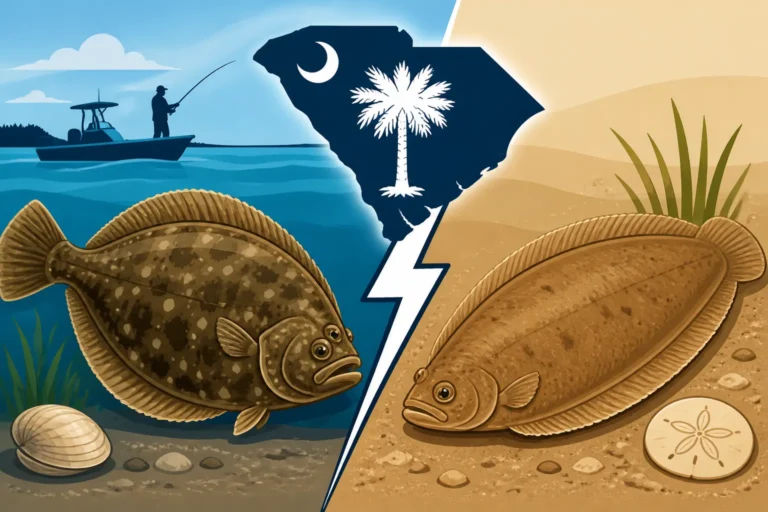
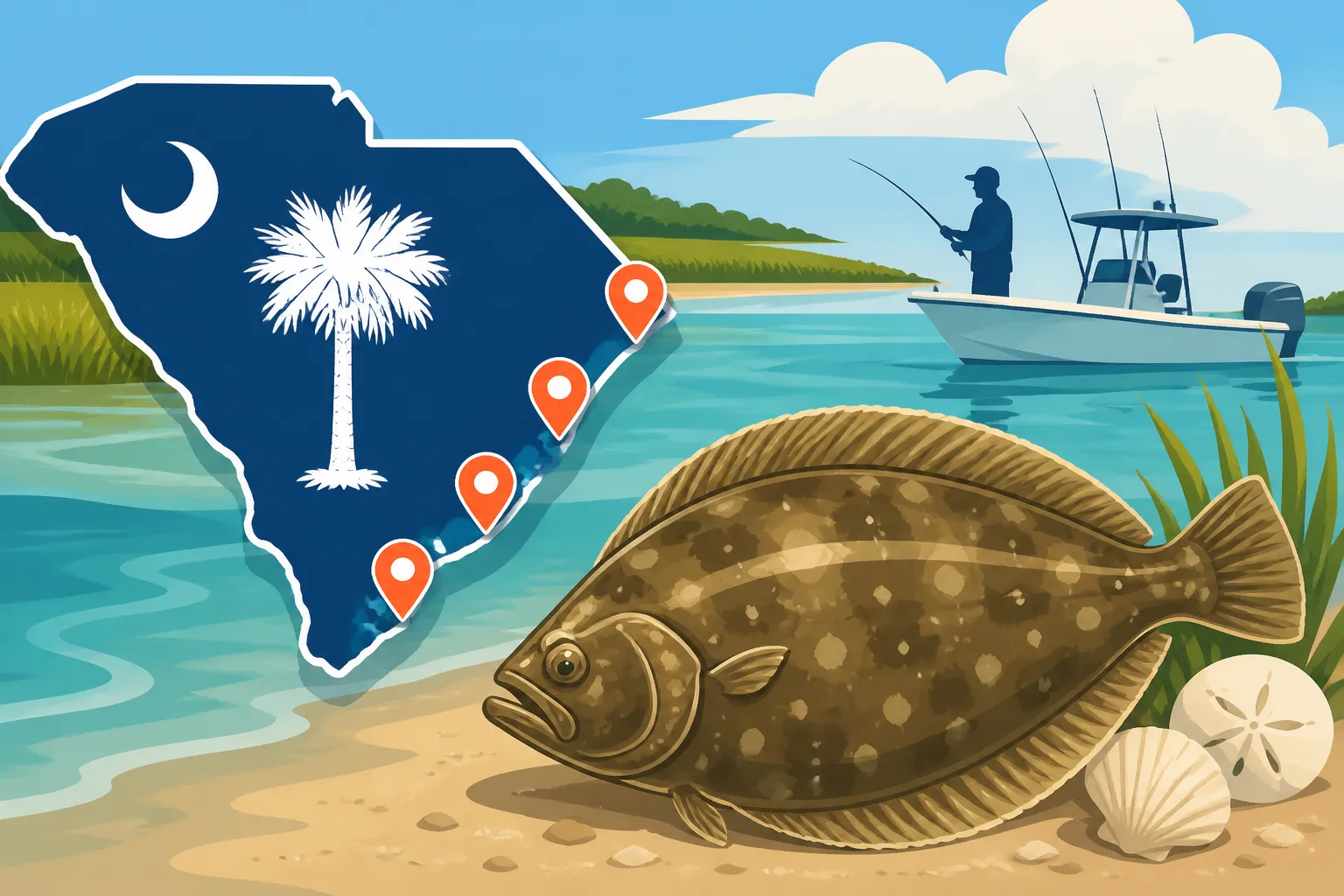
Flounder are ambush predators, masters of camouflage, and they absolutely love structure. Think about it: they lie flat, blending perfectly with the sandy or muddy bottom, waiting for an unsuspecting baitfish or shrimp to swim by. This means you'll often find them lurking near oyster beds, which provide excellent cover and attract smaller prey. The jagged edges of oyster shells also create current breaks where flounder can conserve energy.
Another prime hiding spot is around docks and piers. The pilings offer shade, structure, and a substrate for barnacles and other marine life, drawing in baitfish. A good rule of thumb is to look for areas where there's a transition from a sandy bottom to a shell rake, a drop-off, or even just a slight depression in the seabed. Bridge pilings, rock jetties, and submerged debris are also magnets for these flatfish. They'll use any irregularity in the bottom contour to their advantage, giving them the perfect ambush point. When the tide is moving, these structures create current eddies where bait collects, making them even more attractive.
Seasonal Movements and Feeding Patterns
Flounder in South Carolina exhibit pretty predictable seasonal movements, largely dictated by water temperature and their spawning cycle. In the colder months, they tend to move offshore into deeper, more stable waters to spawn. This means that late fall through early spring can be challenging for inshore flounder fishing. You might catch a straggler, but the numbers won't be there.
However, as the water temperatures begin to warm in late spring and through the summer and early fall, flounder migrate back into the estuaries, tidal creeks, and shallower coastal waters. This is when they are most accessible to inshore anglers. They're hungry after spawning and are actively feeding to rebuild their energy stores. You'll find them concentrating in the productive marsh systems, tidal rivers, and around inlets. Their feeding activity is often tied to the tides; many anglers find outgoing tides to be particularly productive as baitfish are washed out of the marshes, making them easy targets for waiting flounder. Understanding these patterns is key to figuring out the Flounder Fishing Season in South Carolina.
Top Inshore Flounder Fishing Hotspots on the Northern Coast
South Carolina's northern coast, particularly around the Grand Strand, offers some fantastic opportunities for flounder fishing. While it's known for its bustling beaches, tucked away are numerous inlets and marsh systems that flounder absolutely adore.
Murrells Inlet: A Flounder Haven
Murrells Inlet is legendary among South Carolina anglers, and for good reason—it's an incredibly productive estuary system, especially for flounder. This area is a complex network of creeks, oyster beds, and deeper channels that act as highways for baitfish and, consequently, for hungry flounder. Anglers here often target the main channel edges, particularly where they drop off into deeper water. The jetties at the mouth of Murrells Inlet are also prime locations, providing ample structure and strong currents that funnel baitfish.
Beyond the main channel, explore the smaller tidal creeks and feeder streams that branch off. These calmer waters, especially on an outgoing tide, will often reveal flounder lying in wait where the creek narrows or bends. Oyster rakes are prevalent throughout the inlet, making excellent ambush points. Kayak anglers especially love Murrells Inlet for its accessibility to these shallow, flounder-rich areas. You might even find success fishing directly from the causeway or public docks, casting parallel to the structure.
North Myrtle Beach and Little River Inlet
Just a bit further north, the areas around North Myrtle Beach and Little River Inlet also hold significant flounder populations. Little River Inlet, which forms the border between North and South Carolina, is another fantastic hotspot. The jetties here are a popular spot for both boat and bank anglers. These long rock structures extend into the ocean, creating currents and eddies that concentrate bait and attract a variety of inshore species, including flounder. Fishing near the base of the jetties, where the rocks meet the sandy bottom, can be incredibly productive.
Inside Little River Inlet, just like Murrells Inlet, you'll find extensive marsh grass flats, tidal creeks, and oyster beds. The deeper channels within the inlet itself, especially where they intersect with smaller creeks, are prime areas. Many anglers have success drifting live bait along these channel edges. For those without a boat, fishing from the public docks, bridges, or even doing a bit of surf fishing near the inlet's mouth can yield flounder. Look for troughs and depressions in the surf zone, particularly at lower tides, as flounder will move in and out with the tide to feed.
Central Coast Flounder Goldmines: Charleston and Surrounding Areas
The central coast of South Carolina, centered around the historic city of Charleston, is a sprawling estuary system that provides an embarrassment of riches for flounder anglers. The sheer volume of tidal creeks, rivers, and bays makes it a prime habitat.
Charleston Harbor and Its Tributaries
Charleston Harbor itself is a massive and diverse fishery, connecting several major rivers like the Ashley, Cooper, and Wando to the Atlantic Ocean. This creates a vast network of brackish water that flounder thrive in. Within the harbor, you'll find countless docks, submerged structures, and channel edges that hold fish. The Shem Creek area, while known for its restaurants, also offers excellent fishing opportunities from public access points and even from kayak. Flounder often congregate around the pilings and beneath the docks.
Venturing into the tributary rivers like the Ashley and Cooper, especially their lower reaches closer to the harbor, can be very rewarding. Look for areas where smaller creeks feed into the main river, creating current breaks and depositing food. Oyster beds are abundant in these areas, offering perfect ambush points. Anglers often drift live bait along these deeper channel edges, or target the shallow grass flats on an outgoing tide when flounder are pushed into slightly deeper channels and potholes. Exploring different depths and structures within this expansive system is key to consistent success.
Isle of Palms and Mount Pleasant Flats
Moving slightly northeast of Charleston, the waters around Isle of Palms and Mount Pleasant offer fantastic inshore flounder fishing. The vast marsh flats and tidal creeks behind the barrier islands here are textbook flounder habitat. Mount Pleasant, in particular, is a hub for inshore anglers, with numerous boat ramps providing access to these productive waters. The intricate network of creeks here, sometimes called the "backwaters," are often shallower and less trafficked than the main harbor, making for a more peaceful fishing experience.
The flats and channels between Isle of Palms and the mainland are especially productive. Target the edges of the marsh grass lines, focusing on any cuts, bends, or depressions in the bottom. These areas act as natural funnels for baitfish, creating ideal feeding zones for flounder. Drifting with the current using live minnows or shrimp is a highly effective technique here. Additionally, fishing around the bridges that connect the islands to the mainland, such as the Ben Sawyer Bridge, can yield good results, as the pilings provide excellent structure. You'll find many Flounder Fishing Spots Near Mount Pleasant to explore.
Southern Coast Secrets: Hilton Head and Lowcountry Estuaries
The Lowcountry region, stretching south from Charleston down to Hilton Head Island and beyond, is characterized by its expansive salt marshes and intricate tidal creek systems. This makes it a premier destination for inshore fishing, and flounder are definitely on the menu.
Hilton Head Island's Productive Waters
Hilton Head Island is surrounded by a labyrinth of tidal creeks, sounds, and estuaries that are teeming with flounder. The Calibogue Sound, separating Hilton Head from Daufuskie Island, is a particularly renowned spot. Its deeper channels, oyster shell beds, and abundant baitfish make it a prime location. Many guides operating out of Hilton Head specifically target flounder in these rich waters. Anglers often find success by drifting live bait along the channel edges, especially near major points and current breaks.
Beyond Calibogue Sound, explore the smaller creeks and backwater areas around Hilton Head, such as Broad Creek and Skull Creek. These areas are often more protected from the wind and heavy boat traffic, offering a tranquil fishing experience. Look for docks, fallen trees, and any structure that breaks the current. The shallow flats adjacent to deeper channels are also excellent spots, particularly when the tide is moving and bait is being flushed out. Hilton Head Flounder Fishing Charter Trips are very popular, with local captains knowing exactly where these flatfish like to lie in wait.
Edisto Island and the ACE Basin
Further south, Edisto Island and the sprawling ACE Basin (Ashepoo, Combahee, and Edisto Rivers) represent one of the most pristine and productive estuarine systems on the East Coast. This area is a true gem for flounder fishing, characterized by vast expanses of untouched marshland and winding tidal rivers. The sheer size and lack of development here mean less fishing pressure and an incredibly healthy ecosystem.
On Edisto Island, target the tidal creeks that crisscross the marsh, particularly those that feed into St. Helena Sound. The Edisto River itself, especially its lower reaches, is a fantastic spot. The key here is to identify areas with good current flow, abundant oyster shells, and varying bottom contours. Many of the creeks are lined with healthy spartina grass, providing excellent cover and food sources for flounder. While access might require a boat, the reward of fishing in these pristine Lowcountry Estuary Flounder Fishing Spots is well worth the effort. The sense of solitude and the abundant wildlife, along with the chance for a trophy flounder, make it an unforgettable experience.
Essential Gear and Techniques for South Carolina Flounder
Having the right gear and knowing how to use it is just as important as knowing where to go. Flounder aren't usually gear-shy, but a properly rigged setup will significantly increase your success rate.
The Right Rod, Reel, and Line Setup
For flounder fishing, you don't need heavy-duty offshore tackle. A medium-light to medium action spinning rod, typically 6'6" to 7'6" in length, is ideal. This length provides enough casting distance for most inshore situations and enough sensitivity to feel those subtle flounder bites. A fast or extra-fast tip action is preferred as it helps detect light bites and set the hook quickly. Pair this with a 2500-sized spinning reel, spooled with 10-15 pound braided line. Braided line offers superior sensitivity and strength for its diameter, which is crucial for feeling the often-light flounder bite.
You'll want to use a leader, typically 18-24 inches of 15-20 pound fluorocarbon. Fluorocarbon is nearly invisible underwater and is more abrasion-resistant than braid, which is important when fishing around oyster shells and other sharp structures where flounder hang out. A good quality leader material can be found on platforms like Amazon, offering a range of strengths and brands to suit your needs. Connect your braid to your fluorocarbon leader using a strong knot like an FG knot or an Albright knot. The right setup will give you the finesse to feel the bite and the power to pull a nice flounder out of cover.
Best Baits and Lures for Flounder
Flounder are opportunistic feeders, but they definitely have their favorites. Live bait is often king when it comes to flounder, with small mud minnows (sometimes called killifish), finger mullet, and live shrimp being top choices. These baits, fished on a Carolina rig or a simple jig head, are incredibly effective. The Carolina rig allows your bait to stay near the bottom, where flounder lie, while letting the bait swim freely. For a typical Carolina rig, you'll need an egg sinker (1/2 to 1 ounce depending on current), a small swivel, and a 1/0 to 3/0 circle or J-hook.
When live bait isn't available, or you prefer artificials, soft plastic baits that imitate minnows or shrimp can be highly productive. Grub tails, scented paddle tail swimbaits, or even Gulp! shrimp on a 1/4 to 1/2 ounce jig head are excellent options. The key with artificials is to present them slowly and on the bottom, mimicking an injured or unsuspecting baitfish. A slow retrieve with occasional bounces or drags along the bottom works wonders. Remember, flounder rarely chase bait; they ambush it, so a slow presentation is vital. Check out Best Bait for Flounder in Inshore Waters for a deeper dive into bait choices.
Popular Flounder Rigs & Bait Options
| Rig Type | Preferred Bait (Live) | Preferred Bait (Artificial) | Key Feature | Ideal Conditions |
|---|---|---|---|---|
| Carolina Rig | Mud Minnows, Finger Mullet | N/A | Keeps bait on bottom, natural movement | Moderate to strong current |
| Jig Head | Live Shrimp, Mud Minnows | Paddle Tails, Grub Tails | Direct bottom contact, active presentation | Light current, targeted spots |
| Dropshot Rig | Live Minnows | N/A | Suspends bait just off bottom, sensitive | Slow current, clear water |
| Bucktail Jig | Tipped with Gulp! Shrimp | N/A | Mimics baitfish, good for bouncing bottom | Deeper water, stronger current |
Navigating Regulations and Conservation for Flounder
As popular as flounder fishing is, it's incredibly important to understand and adhere to the regulations in place. These rules are designed to protect flounder populations and ensure there are healthy numbers for future generations of anglers. Ignoring them can lead to hefty fines and a negative impact on the fishery.
South Carolina Flounder Regulations at a Glance
South Carolina's Department of Natural Resources (SCDNR) sets specific regulations for flounder, including minimum size limits, daily bag limits, and sometimes even seasonal closures. These regulations can change, so it's paramount to always check the most current SCDNR rules before heading out. Generally, there will be a minimum length that a flounder must be to be legally harvested, and you'll have a daily limit on how many you can keep per person per day. There might also be vessel limits, meaning a cap on the total number of flounder kept by everyone on a single boat, regardless of how many individual anglers are on board.
For example, if the minimum size limit is 15 inches, and the bag limit is 5 fish per person, you cannot keep any flounder shorter than 15 inches, and you can only keep five legal-sized flounder in total for that day's trip. Always carry a measuring device with you, and if there's any doubt about a fish's size, it's best to release it. Many anglers keep a small, soft tape measure handy, often purchased affordably from a store like Amazon, to ensure quick and accurate measurements without harming the fish. Being aware of these rules ensures you're fishing responsibly and legally. For all the specifics, refer to South Carolina Flounder Fishing Regulations Explained.
Practicing Sustainable Flounder Fishing
Beyond simply following the rules, practicing sustainable fishing methods is crucial for the long-term health of our flounder populations. This means more than just releasing undersized fish; it involves careful handling of all fish, choosing appropriate tackle, and minimizing your impact on their habitat. When handling flounder you intend to release, try to minimize the time they are out of the water. Handle them gently with wet hands to protect their slime coat, which is their natural defense against disease.
Consider using circle hooks when fishing with live bait, as they are designed to hook fish in the corner of the mouth, reducing the chance of gut-hooking and increasing the survival rate of released fish. If a fish is deeply hooked, sometimes it's better to cut the line as close to the hook as possible rather than trying to extract it, especially if it means further injuring the fish. Being mindful of the environment by not littering and respecting sensitive marsh habitats also contributes to a healthier fishery. We all share a responsibility to protect these resources so that future generations can enjoy the thrill of flounder fishing along the beautiful South Carolina coast.
| Flounder Hotspot | Best Tide | Common Bait/Lure | Key Feature | Accessibility (Primary) |
|---|---|---|---|---|
| Murrells Inlet | Outgoing | Mud minnows, Gulp! Shrimp | Oyster beds, creek mouths | Boat, Kayak, Pier |
| Little River Inlet | Outgoing | Finger mullet, Paddle tails | Jetties, channel edges | Boat, Kayak, Shore |
| Charleston Harbor | Outgoing | Live shrimp, Soft plastics | Docks, bridge pilings, channels | Boat, Kayak |
| Isle of Palms/Mt. Pleasant | Outgoing | Mud minnows, Grub tails | Marsh flats, tidal creeks | Boat, Kayak |
| Hilton Head Estuaries | Incoming & Outgoing | Mud minnows, Finger mullet | Sounds, deeper channels | Boat, Kayak |
| Edisto River/ACE Basin | Outgoing | Live shrimp, Soft plastics | Pristine marsh, river bends | Boat, Kayak |
Disclaimer
This article is for general informational purposes only and does not constitute professional advice. Laws, prices and regulations vary by location and change over time. Consult a qualified professional for guidance on your specific situation.