Walleye vs Sauger: How to Tell Them Apart
It's incredibly common for anglers, even seasoned ones, to stare at a fish pulled from the water and wonder, "Is this a walleye or a sauger?" Especially in South Carolina, where both species might occasionally show up, though sauger are more prevalent, distinguishing between them can be a genuine challenge. This guide will help you understand the subtle yet crucial differences, ensuring you can confidently identify your catch and adhere to any specific regulations.
The Core Differences: A Quick Look
At first glance, walleye and sauger look remarkably similar, a testament to their close genetic relationship as members of the perch family. However, a closer inspection reveals several key features that set them apart. Think of it like distinguishing between two similar breeds of dog – you need to know what subtle characteristics to look for.
Size and Shape Considerations
Generally speaking, walleye tend to grow larger and have a more robust, cylindrical body shape than sauger. A trophy walleye can easily weigh into the double digits, while sauger, though respectable, typically don't reach those impressive sizes. When you pull a fish out of the water, a walleye often feels heavier for its length, with a slightly more streamlined build that tapers elegantly towards the tail.
Sauger, on the other hand, usually have a more slender and elongated body. While they can certainly put up a spirited fight, they generally top out at a smaller average size. If you're consistently catching fish that are around the 1-2 pound mark, with a maximum rarely exceeding 4-5 pounds, chances are you're dealing with sauger. It's not a foolproof method, of course, as young walleye can resemble sauger in size, but it's a good initial indicator. Always consider the overall proportions – is it stout and beefy, or long and lean?
Fin Markings and Distinctive Features
This is often the most reliable way to tell the two apart. The dorsal fin, specifically the spiny anterior dorsal fin, holds the biggest clue.
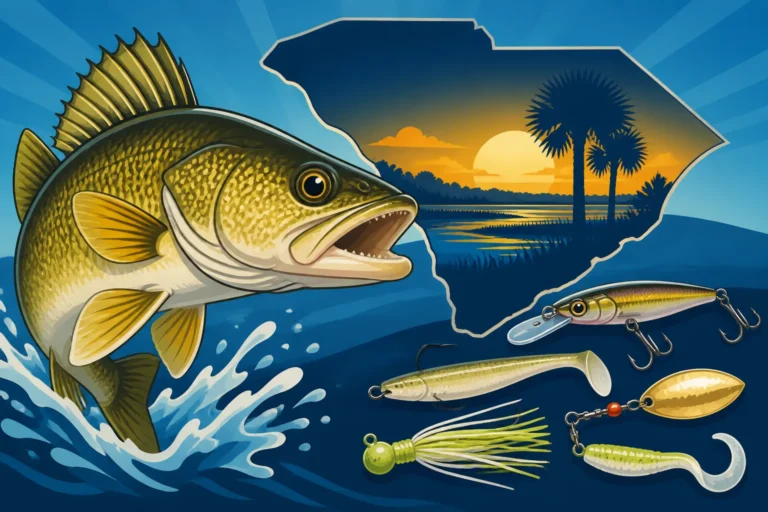
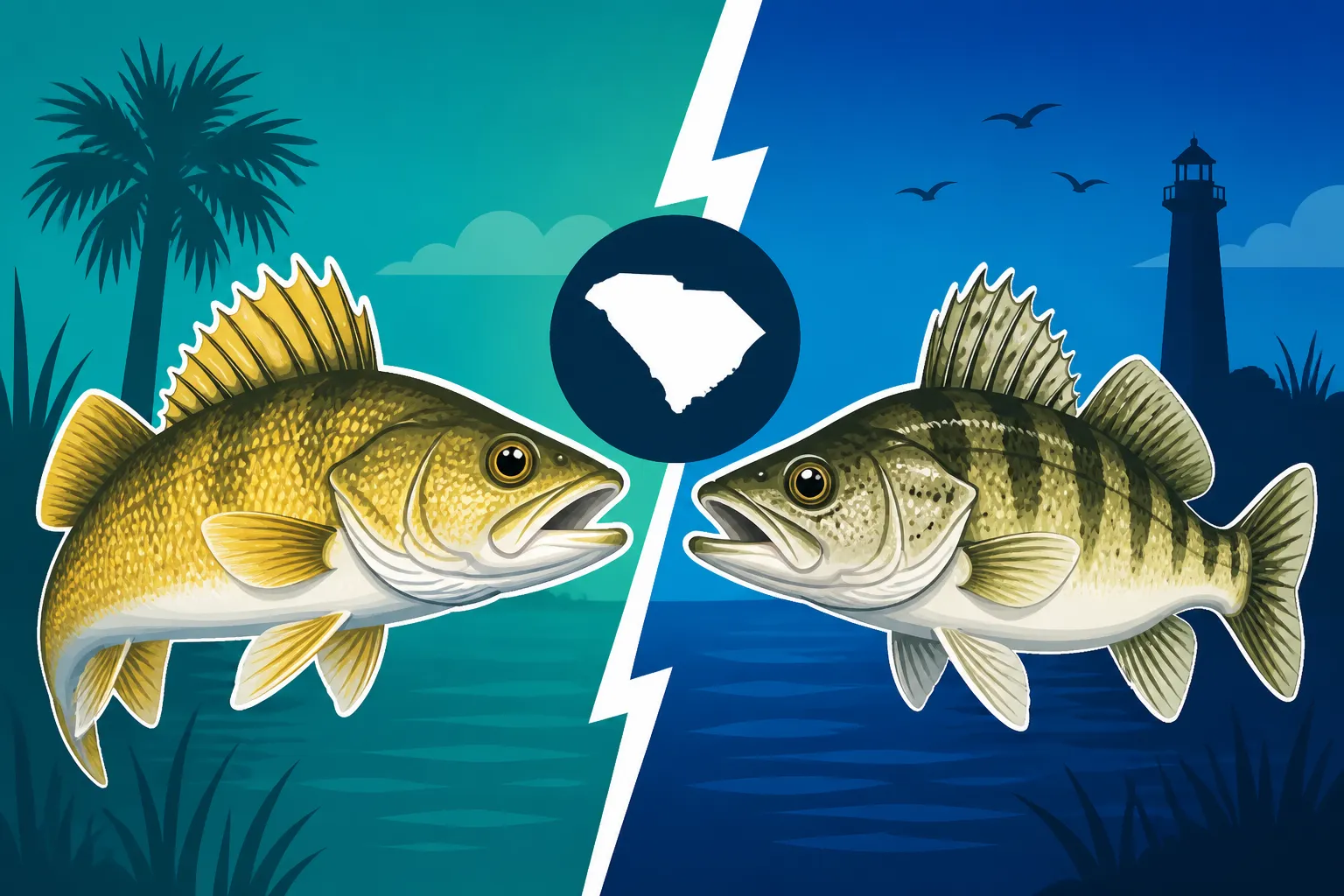
For a walleye, look for a distinct, dark blotch or spot at the very bottom rear of its spiny dorsal fin. This spot is usually quite prominent and is a hallmark feature. The rest of the fin is generally clear or lightly speckled. Think of it like a thumbprint – once you see it, it's hard to unsee.
Sauger, in contrast, lack this single dark spot. Instead, their spiny dorsal fin is characterized by several distinct dark bars or rows of spots that stretch across the entire fin, giving it a more mottled or banded appearance. It's like having several stripes instead of one big dot. This banded pattern is a dead giveaway for sauger.
Beyond the dorsal fin, take a moment to look at the caudal (tail) fin. Walleye typically have a white tip on the lower lobe of their caudal fin, almost as if it's been dipped in paint. Sauger's tail fin will usually lack this prominent white tip and instead be uniformly colored or lightly speckled. These fin details are your best friends in the identification process.
Coloration and Lateral Line
While coloration can vary greatly based on water clarity, diet, and habitat, there are some general tendencies. Walleye often have a more olive green to golden-brown coloration on their backs, fading to a lighter, often yellowish-white belly. They might have faint vertical bars along their sides, but these are usually subtle and less defined. Their eyes, famously, have a cloudy, almost pearlescent quality, which helps them see in low light conditions.
Sauger tend to be a bit darker and more mottled in appearance. Their bodies are typically brown or brassy, with more pronounced, irregular blotches or "saddles" across their backs and sides. These markings often create a camouflage pattern that helps them blend into rocky, turbid river environments. Their eyes, while also reflective, generally don't have the same cloudy, almost glowing appearance as a walleye's.
Another subtle but helpful clue is the lateral line. In walleye, the lateral line is often fairly straight and distinct. In sauger, it can sometimes appear a bit more broken or irregular, and the scales might feel rougher to the touch. These are minor points, however; the fin markings remain your primary identifiers.
Here's a quick comparison table for reference:
| Feature | Walleye | Sauger |
|---|---|---|
| Size | Generally larger, more robust body | Generally smaller, more slender body |
| Dorsal Fin | One distinct dark spot on the rear of the spiny dorsal fin | Several distinct dark bars/spots across the entire spiny dorsal fin |
| Caudal (Tail) Fin | Prominent white tip on the lower lobe | Lacks a prominent white tip |
| Body Coloration | Olive green to golden-brown, subtle bars | Brown to brassy, distinct mottled blotches/saddles |
| Eyes | Cloudy, pearlescent | Less cloudy, more uniformly reflective |
Habitat and Distribution in South Carolina
Understanding where these fish typically live can also provide strong clues, especially in a specific region like South Carolina. While both are cool-water fish, their preferred environments differ.
Where Walleye Prefer to Live
Walleye are generally fish of larger, deeper, and often clearer lakes and reservoirs. They thrive in environments with abundant structure, like submerged humps, rock piles, and deep points. They are highly light-sensitive and prefer to feed in low-light conditions, such as dawn, dusk, or at night, or in deeper, darker waters during the day. This sensitivity is why their eyes developed that unique, light-gathering capability.
In South Carolina, true walleye populations are much less common than sauger. They might be found in some of the larger, deeper reservoirs that were historically stocked or have cooler, clearer waters. However, you're less likely to encounter them spontaneously in many of the state's popular fishing spots compared to their sauger cousins. If you're fishing a vast, deep lake in the Upstate with clear water, you might encounter a walleye, but it's not their primary stronghold in the state. If you are specifically targeting these fish, doing your research on Best Bait and Lures for Walleye in South Carolina can definitely improve your chances.
Sauger's Preferred Haunts
Sauger, on the other hand, are much more at home in flowing water environments, particularly large rivers and tributaries, and often prefer turbid or stained water. They are less light-sensitive than walleye and are frequently found hugging the bottom, especially in areas with current breaks, eddies, and rocky bottoms. Their mottled camouflage pattern serves them well in these less clear, more structured riverine habitats.
In South Carolina, sauger are much more common, especially in the larger river systems that feed into our reservoirs or flow towards the coast. Anglers targeting species like catfish or stripers in these riverine settings might often find themselves reeling in a sauger. They are generally more tolerant of warmer, more stained waters than walleye, making South Carolina's river systems prime sauger territory. For those keen on finding them, exploring Sauger Fishing Spots in South Carolina would be a wise move.
Overlapping Territories and Hybridization
It's important to remember that fish don't always read the textbooks. While they have preferred habitats, walleye and sauger can sometimes be found in the same waters, especially in large river-reservoir systems where conditions might vary. This overlap can make identification tricky.
To further complicate matters, a hybrid species known as a "saugeye" exists. Saugeye are a cross between a male sauger and a female walleye. These hybrids often exhibit characteristics of both parents, making their identification particularly challenging. They might have some faint barring on their dorsal fin but also a hint of the walleye's dark spot, or a mix of body shapes. Saugeye are sometimes stocked by fisheries managers because they exhibit characteristics like faster growth and greater tolerance to various water conditions than pure walleye. If you catch something that just doesn't quite fit either description, you might have encountered a saugeye! Always refer to the most current regulations for any specific body of water you're fishing, as limits for hybrids might be different.
Angling Techniques: Do They Differ?
Given their distinct preferences for habitat and behavior, it stands to reason that the most effective angling techniques for walleye and sauger can also differ, though there's significant overlap. Understanding these nuances can help you target the species you're after more effectively.
Targeting Walleye
When pursuing walleye, anglers often focus on deeper waters, particularly during daylight hours, or switch to shallower areas during low-light periods like dawn, dusk, or throughout the night. Popular techniques include trolling with crankbaits or spinner rigs, which allows you to cover large areas and present baits at specific depths. Jigging, especially with vertical jigs tipped with live bait like minnows or nightcrawlers, is incredibly effective when walleye are concentrated around structure. Many anglers turn to their fish finders to locate these deep-water haunts. If you're looking for general advice on Jigging and Bait Fishing Techniques Explained, you'll find plenty that applies to walleye.
Walleye are known for their subtle bite, often feeling like a slight "thump" or just added weight on the line, rather than an aggressive strike. A sensitive rod and reel setup is crucial for detecting these light bites. Best Time of Year to Catch Walleye will often dictate the specific depths and presentations that are most productive. Remember, their light-sensitive eyes make them masters of low-light feeding, so early mornings and late evenings are prime times.
Fishing for Sauger
Sauger, being river dwellers and bottom-oriented, often respond well to slightly different tactics. Bottom-bouncing rigs, which keep your bait near the riverbed while allowing it to drift with the current, are a staple. This usually involves a weight (like a walking sinker) ahead of a snelled hook tipped with a minnow or a worm. Casting and retrieving jigs, often tipped with a piece of minnow or a soft plastic, is also highly effective, especially when fished slowly along the bottom through current seams and eddies.
Many sauger anglers use heavier tackle to combat strong currents and get their baits down quickly. Because sauger tend to school, once you find one, you're likely to find more. Using a good depth finder can help locate those critical current breaks and deep pockets where they congregate. While they also appreciate minnows, they can be a bit more aggressive than walleye in their strike, sometimes surprising you with a solid tug. If you're heading to places like Best River Fishing Spots in the South Carolina Upstate, these techniques will serve you well. For specific guidance, you might also look for articles on Sauger Fishing Tips for Beginners.
Why Identification Matters for South Carolina Anglers
Accurate fish identification isn't just about bragging rights or satisfying your curiosity; it has practical implications, especially for anglers in South Carolina.
Regulatory Compliance
The most significant reason to be able to tell a walleye from a sauger, or any other species for that matter, is to ensure you're complying with local fishing regulations. Different species often have different size limits, daily bag limits, and even seasonal restrictions. Imagine the frustration and potential legal trouble of mistaking a sauger for a walleye, only to find out you've kept too many, or one that's under the legal size limit for that particular species.
Even if the regulations for walleye and sauger are currently the same in a particular body of water in South Carolina, they can change. Fisheries management is dynamic, and rules are updated to protect fish populations. Always check the current South Carolina Department of Natural Resources (SCDNR) regulations before heading out. They are the ultimate authority. You'll find valuable information in resources like South Carolina Fishing License Guide and South Carolina Fishing Bag Limits Explained. These guides are essential for staying informed.
Conservation and Species Management
Beyond personal compliance, accurate identification plays a vital role in conservation and fisheries management. When anglers correctly identify their catch, it provides valuable data to state wildlife agencies. This data helps biologists monitor populations, understand distribution patterns, and make informed decisions about stocking, habitat protection, and regulation adjustments. If everyone reports their "walleye" as "sauger," or vice-versa, the data becomes skewed, potentially leading to mismanaged fisheries.
For instance, knowing if a rare walleye population is struggling versus a healthy sauger population is critical. We've seen how important it is to protect endangered species, even those not typically fished, such as the South Carolina's Sturgeon: The State's Rarest River Giants. While walleye and sauger aren't currently endangered in South Carolina, good data ensures all species are managed sustainably for future generations of anglers. By taking the time to correctly identify your catch, you're contributing to the health of South Carolina's aquatic ecosystems. Even if you're just looking for some new fishing gear on Amazon, remember that a good fish identification chart or book can be just as valuable as the latest lure.
Disclaimer
This article is for general informational purposes only and does not constitute professional advice. Laws, prices and regulations vary by location and change over time. Consult a qualified professional for guidance on your specific situation.