Sauger Fishing Spots in South Carolina
It can be incredibly frustrating to hear whispers about a unique fish species in South Carolina, only to find scant information on where to actually target them. Many anglers are familiar with the more common catches, but the sauger often remains a mystery, leaving many wondering if they're even present in our waters and, if so, where to cast a line. This comprehensive guide aims to pull back the curtain on sauger fishing in South Carolina, detailing the prime locations and practical advice you need to finally connect with these elusive, hard-fighting fish.
The Elusive Sauger in South Carolina Waters
Let's be honest, when most folks think about freshwater fishing in South Carolina, their minds probably jump to largemouth bass, crappie, or catfish. The sauger often gets overlooked, sometimes even mistaken for its larger cousin, the walleye. But for those in the know, the sauger offers a thrilling challenge and a delicious reward. They're a bit like a hidden gem, requiring a specific approach and knowledge of their preferred haunts. Don't let their relative obscurity fool you; these fish are definitely worth pursuing if you're looking to expand your angling horizons in the Palmetto State.
Understanding Sauger: Not Just a Walleye Lookalike
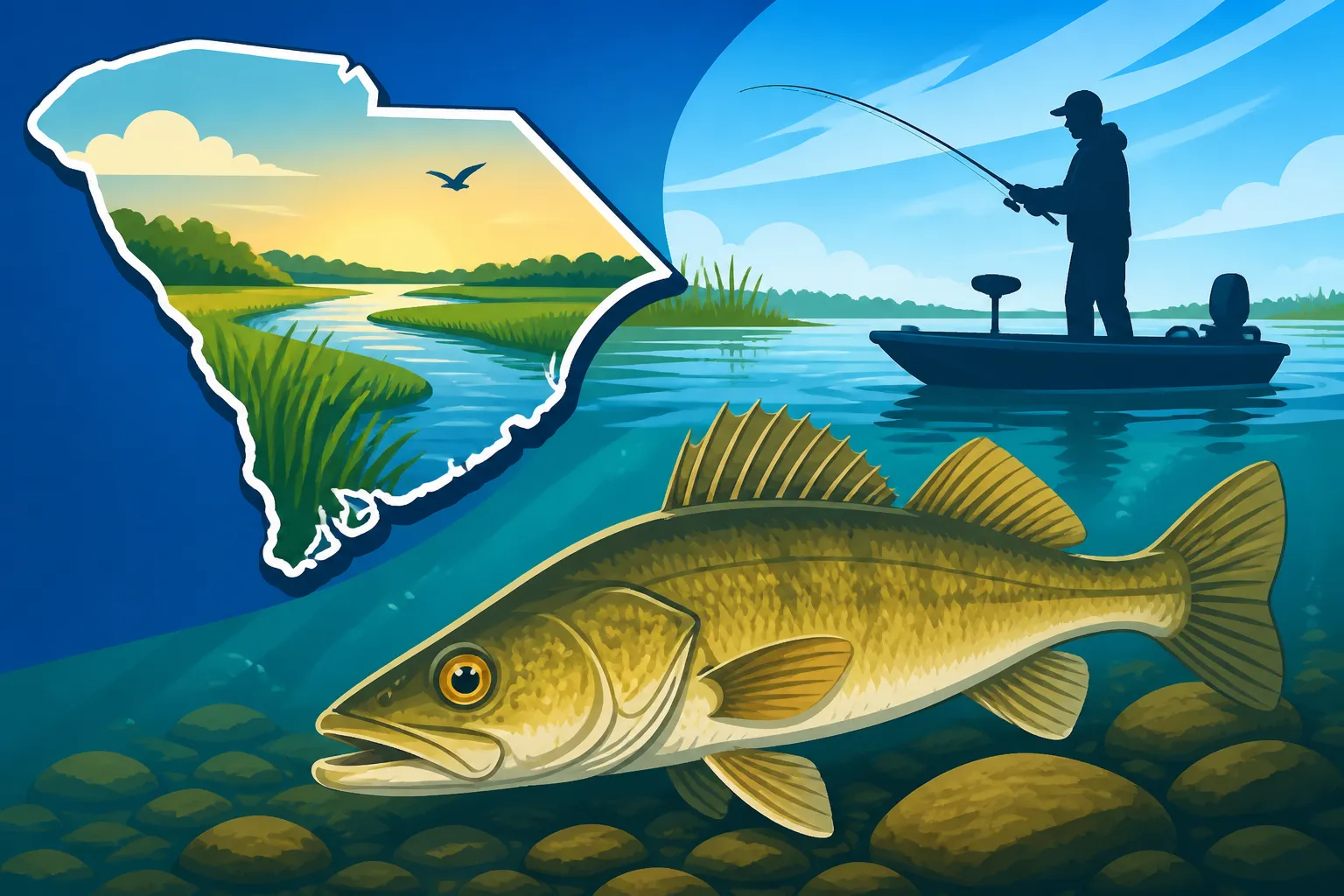
It’s easy to confuse a sauger with a walleye at first glance, especially if you're new to targeting them. Both belong to the perch family and share that distinctive torpedo-shaped body and sharp, spiny fins. However, there are key differences that once you know them, make identification much simpler. Sauger are generally smaller than walleye, typically topping out around 1 to 3 pounds in South Carolina, although larger specimens are certainly caught. The most reliable way to tell them apart is to look at their dorsal fin. Sauger will have distinct dark spots arranged in rows on their spiny dorsal fin, while walleye usually have a dark blotch at the base of the rear portion of this fin and a white tip on the lower lobe of their tail fin – a feature sauger lack. Their bodies also tend to be more mottled with dark blotches and saddles, which provides excellent camouflage in the turbid waters they often inhabit. Understanding these subtle distinctions is the first step to confidently identifying your catch. If you want to dive deeper into the differences, check out our guide on Walleye vs Sauger: How to Tell Them Apart.
Why Sauger Remain a Mystery to Many Anglers
The main reason sauger aren't as widely celebrated as other species in South Carolina largely boils down to their habitat preferences and behavior. Unlike bass that might school up in visible cover or crappie that are found around brush piles, sauger prefer deeper, often turbid waters, usually associated with rivers and larger reservoir tributaries. They're not a fish you typically find lurking around lily pads or shallow docks. They're also quite light-sensitive, often becoming most active during low-light conditions like dawn, dusk, or even at night. This nocturnal or crepuscular feeding pattern means many recreational anglers, who often fish during brighter daylight hours, simply aren't in the right place at the right time. Plus, they can be migratory, moving up and down river systems with changes in water flow and temperature, making them a moving target. Their populations aren't as widespread or dense as some other game fish, either, which adds to their elusive nature.
Historical Presence and Current Status in SC
Sauger have a historical presence in certain South Carolina river systems, particularly those that feed into the larger reservoirs. They are considered a native species to parts of the state, though their populations are not as robust as in some other states further north in their range. In South Carolina, their presence is often tied to the state's significant river systems and the impoundments created on them. While they may not be stocked as heavily as trout or other popular game fish, they do maintain self-sustaining populations in suitable habitats. Conservation efforts, though not specifically focused solely on sauger, often benefit them through broader initiatives to maintain water quality and river health. The good news is, for dedicated anglers, these populations offer a fantastic opportunity to chase a unique and challenging species right here in the Palmetto State.
Prime Sauger Fishing Grounds in South Carolina
Finding sauger in South Carolina means focusing on specific types of water: primarily major rivers and the deeper, riverine sections of large reservoirs. They are structure-oriented fish, meaning they'll relate to changes in the bottom, current breaks, and underwater features that offer them ambush points and protection from strong currents. Think of them as river nomads, always looking for that perfect blend of current, depth, and cover.
Upstate Rivers: The Heart of SC's Sauger Habitat
When we talk about sauger in South Carolina, the Upstate rivers are often the first place serious anglers consider. Rivers like the Savannah River system, particularly its upper reaches, and segments of the Broad River and Saluda River, offer some of the best potential. These rivers provide the ideal sauger habitat: flowing water, varying depths, and plenty of rocky or gravelly bottom structure.
For example, sections of the Savannah River, especially below major impoundments, can hold good numbers of sauger. The current keeps the water oxygenated and brings food, and the riverbed offers ledges, drop-offs, and rocky outcroppings where sauger love to hide. During cooler months, these fish tend to congregate in deeper pools and channels, making them a more concentrated target. You might find success near the outflow of dams, where the churning water creates current breaks and concentrates baitfish. It's not always easy access, mind you; sometimes it means navigating by boat or finding less-traveled bank access points. If you're looking for general river fishing advice, our guide on Best River Fishing Spots in South Carolina might give you some ideas for access points.
Large Reservoirs with Riverine Connections
While sauger are primarily river fish, they will also inhabit the upper, riverine sections of large reservoirs, especially where a strong current persists and the water maintains a river-like character. Think of the headwaters of impoundments where the river channel still dominates the landscape before the lake widens significantly.
Lake Hartwell, for instance, particularly in its upper reaches where the Tugaloo and Seneca Rivers feed into it, can be a sauger hotspot. Here, the deeper channels and submerged riverbeds offer excellent habitat. Similarly, parts of the Santee Cooper lakes system, specifically where the Santee and Congaree Rivers enter, might hold sauger, though they are perhaps less common here than in more distinctly riverine environments. It's about finding those deep, current-swept areas that mimic a river within the larger lake body. Anglers often find success fishing ledges, humps, and submerged points that are exposed to current. The key is to look for that transition zone from river to lake, where the water is still moving, and the bottom contour is complex. Our guide on Top Freshwater Fishing Lakes in South Carolina covers these large bodies of water generally, but remember to focus on the river-fed upper sections for sauger.
Lesser-Known Tributaries and Their Potential
Beyond the main arteries, some of South Carolina's smaller, lesser-known tributaries that feed into the larger river systems or reservoirs also hold sauger, especially during certain times of the year, like spawning runs. These can be incredible spots for those willing to explore and put in the effort. These smaller streams and rivers might not be as well-known for sauger, which often means less fishing pressure.
For example, smaller feeder creeks that drain into the Congaree River or other large systems might see sauger move into them during spawning periods, typically in late winter or early spring. This often involves targeting specific stretches with suitable gravelly bottoms for spawning. Access can be more challenging, often requiring wading or smaller boats like kayaks. These spots can be incredibly rewarding, offering a more intimate fishing experience away from the crowds. It's all about local knowledge and being observant of water conditions and fish movements. Sometimes, the best spots are the ones no one else is talking about. When fishing these areas, always remember to check the South Carolina Freshwater Fishing Regulations to ensure you're compliant with all local rules.
Here's a quick comparison of typical sauger habitats in South Carolina:
| Habitat Type | Typical Location | Key Features for Sauger | Best Time to Fish | Access Considerations |
|---|---|---|---|---|
| Upstate Rivers | Savannah River, Broad River, Saluda River | Deep channels, rocky ledges, current breaks, dam outflows | Late Fall to Early Spring | Often boat access, some limited bank access |
| Reservoir Headwaters | Upper Lake Hartwell (Tugaloo/Seneca arms) | Submerged river channels, deep humps, current-swept points | Cooler Months | Boat required for best access |
| Lesser Tributaries | Smaller creeks feeding major rivers/lakes | Gravelly bottoms, deep pools within smaller flows | Late Winter/Early Spring (Spawning) | Wading, kayak, or limited bank access |
When and How to Target Sauger in These Spots
Now that you know where to look, let's talk about when and how to actually catch these beauties. Sauger fishing isn't usually about sight fishing or casting to visible structure. It's a game of feel, understanding current, and presenting your bait or lure precisely in their strike zone.
Best Seasons and Times for Sauger Success
Sauger are typically a cool-water species, which means your best chances in South Carolina will usually be from late fall through early spring. As water temperatures drop, sauger become more active and tend to congregate in deeper areas, making them easier to locate. The fall bite can be fantastic as they feed aggressively before winter, and the pre-spawn and spawn periods in late winter to early spring can also be incredibly productive. During the warmer summer months, sauger become much harder to catch as they spread out, go deeper, and become less active.
Regarding the time of day, remember their light sensitivity. While you can catch them during bright daylight, your odds often increase significantly during low-light conditions. Think dawn, dusk, overcast days, or even at night. Many dedicated sauger anglers swear by fishing after dark, especially in clear river systems, where the sauger will move shallower to feed under the cover of darkness. Always check the South Carolina Fishing Seasons Guide for broader species activity, but keep these sauger-specific patterns in mind.
Essential Gear and Techniques for Sauger Fishing
Sauger fishing often involves vertical jigging, slow-trolling, or bottom-bouncing techniques that keep your bait or lure close to the riverbed.
- Rods and Reels: A medium-light to medium power spinning or baitcasting rod, about 6 to 7 feet long, with a sensitive tip is ideal. This sensitivity allows you to feel those subtle sauger bites, which can sometimes be just a light tap. Pair it with a reliable spinning reel spooled with 6-10 lb test fluorocarbon or braid with a fluorocarbon leader. Fluorocarbon is less visible in clear water and offers good abrasion resistance against rocky bottoms.
- Lures and Bait:
- Jigs: Lead head jigs ranging from 1/8 to 1/2 ounce, tipped with a soft plastic grub, curly tail, or minnow imitation, are highly effective. Colors like chartreuse, white, orange, and dark greens often produce well. You can find a fantastic selection of these on Amazon.
- Blade Baits: Small metal blade baits are excellent for vertical jigging in deeper water or strong currents. Their vibration often triggers strikes.
- Crawler Harnesses: For slow-trolling or drifting, a crawler harness with a live nightcrawler can be deadly, especially when fished near the bottom.
- Live Bait: Small minnows or shiners, fished on a simple Carolina rig or even under a float in slower current, are irresistible to sauger. A weighted treble hook can also be used effectively for specific live bait presentations. For a deeper dive into bait, check out Best Bait for Sauger in River Currents.
- Techniques:
- Vertical Jigging: This is a go-to. Position your boat directly over a likely sauger holding area (a ledge, drop-off, or deep hole). Drop your jig straight down, keeping just enough slack to feel the bottom. Lift and drop the jig rhythmically, keeping it close to the bottom.
- Bottom Bouncing/Drifting: Use a three-way swivel rig or a Lindy Rig with a lead sinker on a dropper line, and a short leader with a hook for a live minnow or crawler. Allow the rig to drift or slowly troll downstream, bouncing the weight along the bottom.
- Casting: In areas with less current, you can cast jigs or small crankbaits parallel to current breaks or deep banks, slowly retrieving them along the bottom.
Reading the Water: Locating Sauger Structure
Sauger are masters of using current breaks and underwater structure to their advantage. They don't want to fight strong currents constantly, so they'll often be found just out of the main flow, in areas where the current slows down, but still brings food.
Look for:
- Ledges and Drop-offs: These are prime ambush points. Sauger will sit on the deeper side of a ledge, waiting for baitfish to come over the top.
- Holes and Depressions: Deeper pockets in the riverbed offer refuge and a place for sauger to school, especially during colder periods.
- Submerged Rocks and Boulders: Any significant structure that breaks the current and creates an eddy or slack water pocket is a potential sauger hangout.
- Confluence Points: Where two rivers or a river and a major creek meet, the mixing currents often create prime feeding grounds.
- Bridge Pilings: The eddies and scour holes around bridge supports can hold sauger, particularly if the water is deep.
Using a good fish finder with down-imaging or side-imaging capabilities can be invaluable for identifying these subtle bottom changes. You're looking for baitfish schools and fish arches that are tightly hugging the bottom, often in deeper channels or around distinct structure. Remember, sauger will often suspend just off the bottom, so don't just look for fish on the bottom.
Sauger Fishing Regulations and Conservation Efforts
Anytime you're targeting a species, especially one that might be a bit more sensitive to fishing pressure, it's crucial to be aware of and follow all regulations. This isn't just about avoiding a fine; it's about being a responsible angler and ensuring healthy fish populations for future generations. If you're new to fishing in the state, make sure to read up on the South Carolina Fishing License Guide so you're legal on the water.
Current Sauger Rules and Why They Matter
While sauger aren't as heavily regulated as some other species in South Carolina, they are subject to statewide freshwater fishing limits. These typically involve daily creel limits (how many fish you can keep in a day) and sometimes size limits (a minimum or maximum length for kept fish). It's incredibly important to always double-check the latest regulations published by the South Carolina Department of Natural Resources (SCDNR) before you head out. Regulations can change, and what was true last year might not be true today. These rules are in place for a reason: to manage fish populations, prevent overfishing, and allow species like the sauger to reproduce and thrive. Ignoring them can lead to significant penalties, but more importantly, it undermines the health of our fisheries.
For example, sometimes there are specific regulations for different river basins or impoundments. What applies to the Savannah River might be slightly different than rules for the Congaree. It's on us as anglers to be informed.
Practicing Responsible Catch and Release
Even when within legal limits, practicing responsible catch and release for sauger, especially larger breeding-size fish, is a fantastic way to contribute to their conservation. Sauger are not always easy to locate, and their populations can be more localized than other fish.
Here are some tips for effective catch and release:
- Minimize Handling: Try to handle the fish as little as possible. If you need to net it, use a knotless, rubberized net to protect its slime coat and fins.
- Wet Hands: Always wet your hands before touching the fish to protect its protective slime layer, which acts as a barrier against disease.
- De-hook Quickly: Use needle-nose pliers or a de-hooking tool to remove the hook as gently and quickly as possible. If the fish is deeply hooked, especially in the gills or throat, it's often best to cut the line as close to the hook as possible rather than tearing sensitive tissues.
- Support the Fish: If you lift the fish for a quick photo, support its body horizontally, especially larger fish, to avoid damaging its internal organs or spine. Avoid hanging them vertically by the mouth.
- Revive If Necessary: If the fish seems sluggish, hold it gently in the water, facing into a mild current, until it can swim away strongly on its own.
By being mindful of these practices, you help ensure that sauger can continue to thrive in South Carolina's waters, providing exciting fishing opportunities for years to come. Plus, you’ll be doing your part to keep these unique fish in the ecosystem. You can find many of these specific tools like de-hookers and knotless nets on Amazon.
Contributing to Sauger Conservation
Beyond following regulations and practicing catch and release, there are other ways anglers can contribute to sauger conservation. Supporting organizations that focus on freshwater habitat restoration and water quality improvements is a big one. Sauger rely on clean, flowing water and healthy riverbeds for spawning and feeding. Any efforts to reduce pollution, prevent erosion, or maintain natural river flows will directly benefit sauger populations.
You can also report any unusual observations to the SCDNR, such as fish kills or suspected poaching. Your eyes on the water can be invaluable to biologists who monitor these species. Spreading awareness among fellow anglers about sauger and their unique needs can also help. Many anglers simply don't know much about them, and education is key to building a conservation ethic. If you're interested in learning more about their status or want to learn Sauger Fishing in South Carolina: What Anglers Should Know in more detail, there are resources available through the state's wildlife agencies that can help. Every little bit helps ensure that the elusive sauger remains a part of South Carolina's rich fishing heritage.
Disclaimer
This article is for general informational purposes only and does not constitute professional advice. Laws, prices and regulations vary by location and change over time. Consult a qualified professional for guidance on your specific situation.