Is Redeye Bass Good to Eat?
If you've ever found yourself casting a line in the cooler, clearer waters of South Carolina's Upstate, chances are you've hooked into a feisty redeye bass. A common question that pops up, especially for those who enjoy a fresh-caught meal, is "Can I eat this?" and more importantly, "Is redeye bass actually good to eat?" Many anglers are curious about its culinary merits, and I'm here to tell you that this often-overlooked species can indeed be a delightful addition to your dinner plate, provided you know a few things about it.
Understanding the Redeye Bass: A Freshwater Gem
Before we dive into the delicious details, let's take a moment to appreciate the redeye bass itself. It's a fantastic sport fish that doesn't always get the same fanfare as its larger cousin, the largemouth, but it certainly holds its own, especially in certain types of South Carolina waters.
Identifying a Redeye Bass
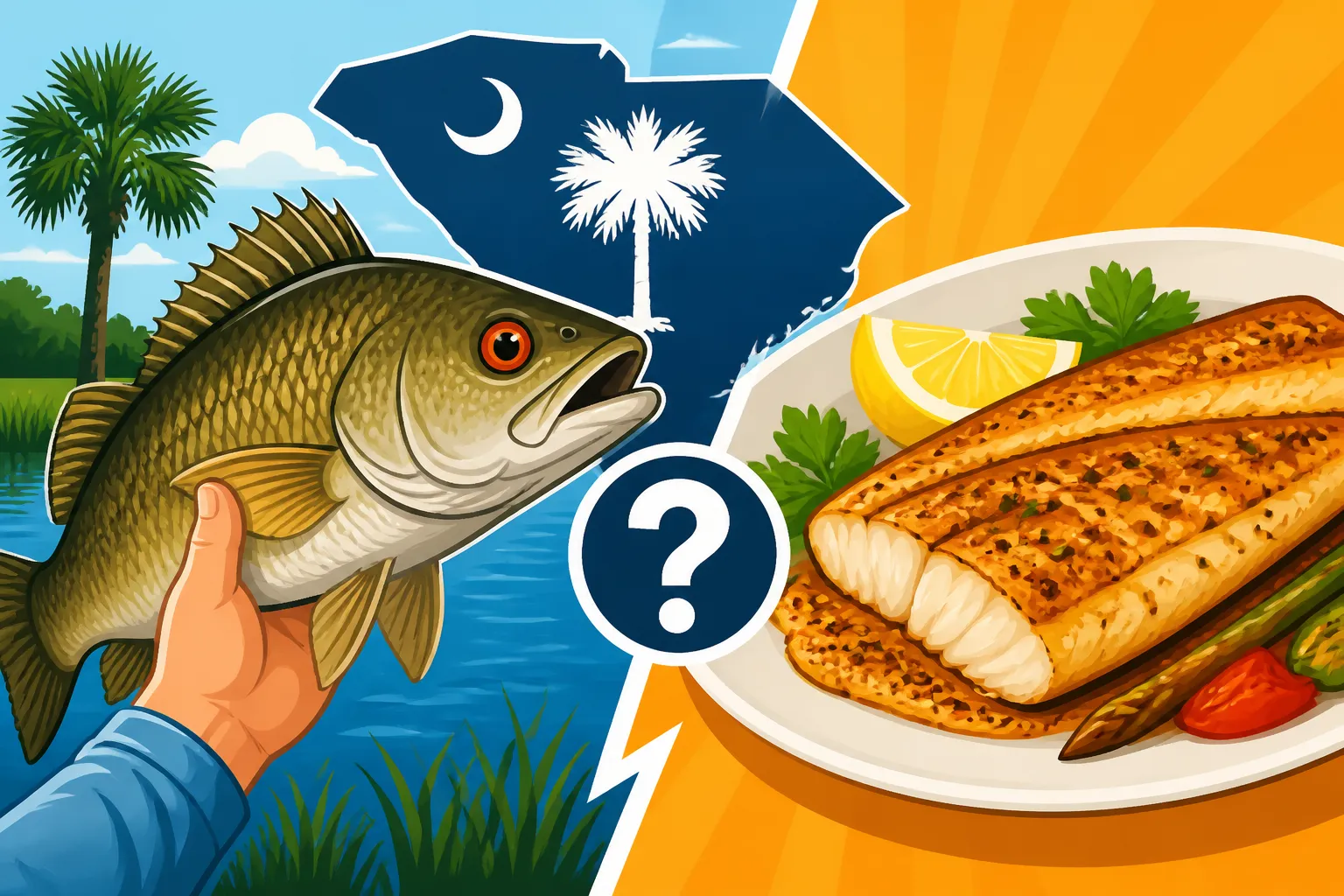
So, how do you know you've got a redeye on the line? It's pretty distinct once you know what to look for. Redeye bass, also known as shoal bass or Coosa bass in some regions, are generally smaller than largemouth bass, typically ranging from a half-pound to a couple of pounds, though larger ones are certainly caught. They have a more slender body shape compared to the chunky largemouth. Their coloration usually consists of dark olive green on the back, fading to lighter green or white on the belly, with prominent horizontal rows of dark spots along their lower sides.
The most defining characteristic, as the name suggests, is the reddish-orange tint in their eyes, which becomes more vibrant the fresher the fish. Another key identifier is their dorsal fins, which are usually connected, and their mouth doesn't extend past the back of their eye, unlike a largemouth. If you're keen on learning all the nuances, check out our guide on How to Identify a Redeye Bass. Knowing your species helps you understand its habits and, ultimately, its potential as table fare.
Where They're Found in South Carolina
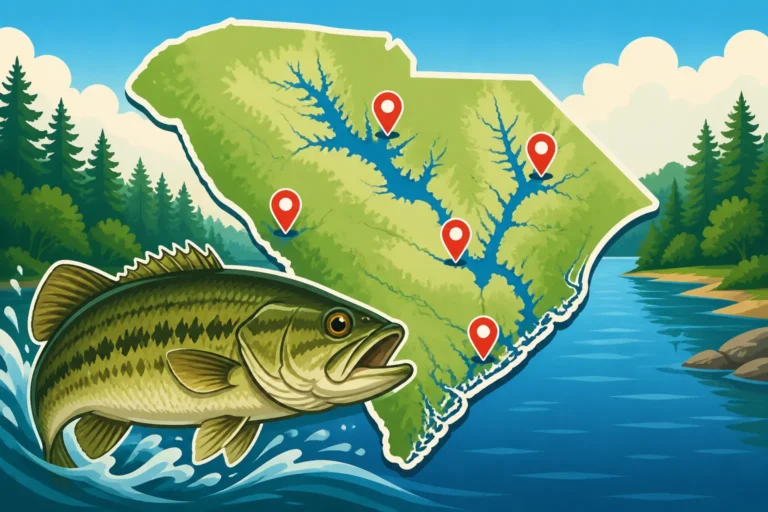
Redeye bass aren't just found anywhere; they have a very specific preference for habitat. These beauties thrive in the cool, clear, rocky streams and rivers of the South Carolina mountains and upper Piedmont region. Think about the fast-flowing tributaries and smaller rivers that feed into larger lakes, often with plenty of current, gravel bottoms, and submerged rocks. They aren't really a "farm pond" fish or a deep lake species like some other bass. They prefer environments that mimic mountain streams, where the water stays well-oxygenated and relatively cold.
In South Carolina, you'll primarily find them in the northwestern corner of the state, in river systems like the Chattooga, Chauga, and Saluda rivers, and their various feeder creeks. These are the kinds of places where you might also find trout, indicating the quality and temperature of the water. For more specific locations and how to target them, you might want to look at our piece on Where to Catch Redeye Bass in South Carolina's Mountain Streams. Their habitat plays a huge role in their diet and, consequently, their flavor profile.
The Culinary Verdict: Is Redeye Bass Good to Eat?
Alright, let's get down to the most pressing question: Is redeye bass actually good for eating? The short answer is a resounding YES! In fact, many anglers consider them among the best-eating freshwater fish, often preferring them over largemouth bass.
Flavor Profile and Texture
When it comes to flavor, redeye bass are generally praised for having a clean, mild taste that is less "fishy" or "muddy" than some other freshwater species. Their meat is white, firm, and flaky, which is a highly desirable texture for any panfish. Because they primarily inhabit clear, cold, moving water and feed on a diet of insects, crustaceans, and small minnows, their flesh tends to be much cleaner and sweeter. You won't typically find that strong, earthy taste that can sometimes be present in fish caught from warmer, muddier waters.
Think of it this way: if a largemouth bass is a hearty, robust meal, a redeye bass is more akin to a delicate, refined dish. It's got enough substance to satisfy but a subtle flavor that won't overwhelm your palate. Many people compare its taste favorably to crappie or even a freshwater trout, which are both highly regarded table fish.
Factors Affecting Taste (It's not just the fish!)
While redeye bass generally taste great, a few factors can significantly influence the quality of your meal.
- Water Quality and Habitat: This is paramount. As mentioned, redeye bass from clear, cold, flowing waters will consistently taste better than those from stagnant or warmer, murkier environments. Their preferred habitat naturally keeps their flesh clean and free from off-flavors.
- Diet: A natural diet of insects and small forage fish contributes to the clean, mild flavor. Fish that rely heavily on bottom-dwelling organisms in less-than-pristine water might have a different taste.
- Size of the Fish: Generally, smaller redeye bass (those up to about 1.5-2 pounds) are considered the best eating. Larger, older fish can sometimes develop a slightly stronger, more "gamey" flavor, though this is less pronounced in redeye than in some other bass species. For practical fishing advice in these areas, consider reading up on Redeye Bass Fishing Tips for Upstate South Carolina.
- Proper Handling After the Catch: This cannot be stressed enough. How you treat your fish from the moment it leaves the water until it hits your cooler or kitchen counter is critical.
- Bleeding: If possible and ethical for the species you're targeting, bleeding the fish immediately after catching it can significantly improve the taste and appearance of the meat. This involves making a small cut to sever the main artery and allowing the blood to drain.
- Icing: Get your fish on ice as quickly as possible. This stops the metabolic processes that can break down muscle tissue and introduce off-flavors. A quality cooler filled with ice is your best friend.
Ignoring these handling steps can turn even the best-tasting fish into a less-than-stellar meal.
Preparing Your Redeye Bass for the Plate
Now that you know redeye bass is delicious, let's talk about how to get it ready for cooking. Proper preparation enhances the natural flavors and ensures a delightful experience.
Catch to Kitchen: Best Practices
Once you've caught your redeye bass and ensured it's on ice, the next step is cleaning. For these smaller bass, you have a couple of good options:
- Pan-Dressing: This is a fantastic method for smaller fish. You scale the fish, remove the head, fins, and all internal organs, leaving the backbone and ribs intact. You then cook the whole fish. This method is great for locking in moisture and flavor, and the bones are usually easy to work around once cooked. For those who love simple, rustic meals, this is often the go-to.
- Filleting: If you prefer boneless portions, filleting is the way to go. Given their smaller size, you won't get huge fillets, but they'll be perfectly sized for a single serving. Simply remove the skin and any remaining pin bones. A sharp fillet knife makes all the difference here. If you're looking to upgrade your kitchen tools for fish prep, you can find a great selection of fillet knives and cutting boards on Amazon. Having the right gear makes the process much smoother and safer.
Regardless of the method, make sure to rinse the fish thoroughly with cold water after cleaning to remove any scales, blood, or debris. Pat the fish dry with paper towels before seasoning; this helps achieve a crispy skin or crust if you're pan-frying.
Popular Cooking Methods and Recipes
The beauty of redeye bass is its versatility. Its mild flavor lends itself well to many simple cooking methods.
- Pan-Frying: This is the classic method for a reason. Lightly dredge your pan-dressed fish or fillets in seasoned flour, cornmeal, or a mix of both. Fry them in a hot skillet with a shallow amount of oil (vegetable, peanut, or even butter for extra richness) until golden brown and cooked through. The meat will be flaky and separate easily. This method creates a lovely crispy exterior that complements the tender white flesh.
- Grilling: For whole, pan-dressed redeye bass, grilling can be fantastic. Brush them lightly with olive oil, season with salt, pepper, and your favorite herbs, and grill over medium heat. The smoky flavor from the grill pairs wonderfully with the bass. Just be sure to use a fish basket or foil to prevent sticking and breaking, as the meat is delicate.
- Baking/Broiling: If you're looking for a lighter, healthier option, baking or broiling works well for fillets. Place them on a baking sheet, drizzle with olive oil, a squeeze of lemon juice, and a sprinkle of herbs like dill or parsley. Bake at around 375°F (190°C) for 10-15 minutes, or broil for a few minutes until the fish is opaque and flaky.
- Air Frying: Many modern kitchens are equipped with air fryers, which are perfect for smaller fish fillets. A light coating of seasoned breading or just a spray of oil can give you a wonderfully crispy texture without deep-frying. You can find excellent air fryer cookbooks and accessories on Amazon to experiment with new techniques.
Keep it simple! Redeye bass has a great natural flavor, so you don't need to mask it with heavy sauces or complicated marinades. A little salt, pepper, garlic powder, and maybe some paprika is often all you need.
Pairing and Serving Suggestions
To complete your redeye bass meal, consider some classic pairings:
- Southern Sides: Hushpuppies, coleslaw, French fries, or potato salad are perfect companions, especially with pan-fried fish.
- Lighter Options: For grilled or baked bass, roasted vegetables (asparagus, green beans, broccoli), a fresh green salad, or wild rice pilaf can create a balanced meal.
- Sauces: A simple squeeze of fresh lemon juice is often all that's needed. Tartar sauce, a homemade remoulade, or a light lemon-butter-dill sauce can also elevate the flavors without overpowering the fish.
Remember, the goal is to let the clean, delicate taste of the redeye bass shine.
Redeye Bass vs. Other Freshwater Favorites (A Taste Comparison)
It's natural to compare the taste of redeye bass to other popular freshwater species you might encounter in South Carolina. While taste is subjective, here's a general rundown of how it stacks up.
Redeye Bass vs. Largemouth and Smallmouth Bass
- Largemouth Bass: While catch-and-release is popular for largemouth bass, many anglers do eat them. However, they can sometimes have a stronger, earthier, or "gamey" flavor, especially larger ones or those from warmer, murkier water. Their flesh can be a bit softer, and some find it less appealing than other species. Redeye bass almost always comes out ahead in taste tests against largemouth due to their habitat and diet. If you're curious about their culinary qualities, we have a detailed guide: Is Largemouth Bass Good to Eat? A South Carolina Angler's Guide.
- Smallmouth Bass: Smallmouth bass are often considered better eating than largemouth, with firmer, whiter, and flakier meat. They also prefer clearer, cooler waters, similar to redeye bass. The flavor is generally milder than a largemouth. Redeye bass and smallmouth bass are quite comparable in terms of eating quality, with many anglers finding them equally delicious. Sometimes, distinguishing between similar species like redeye and spotted bass can be tricky; our article Redeye Bass vs Spotted Bass: Key Differences can help clear that up.
Redeye Bass vs. Panfish (Bluegill, Crappie)
- Bluegill and Other Sunfish: These are universally loved as table fare, especially for their sweet, flaky white meat. They are smaller, making them perfect for pan-dressing. Redeye bass shares many of these characteristics and is very much in the same league as bluegill in terms of eating quality, though redeye can offer slightly larger fillets. When considering what fish species are good to eat, many anglers lump redeye bass right in with these panfish favorites.
- Crappie: Crappie is another highly prized eating fish, known for its very delicate, sweet, white flesh. It's often compared to some saltwater whitefish. Redeye bass has a firmer texture than crappie but shares that clean, mild flavor. For those who enjoy crappie, redeye bass will certainly be a hit. For more on the deliciousness of panfish, check out Is Sunfish Good to Eat?.
Here's a quick comparison table to summarize the general culinary characteristics of some popular South Carolina freshwater fish:
| Fish Species | Typical Habitat | Flavor Profile | Texture | Best for Pan-Dressing? | Best for Filleting? |
|---|---|---|---|---|---|
| Redeye Bass | Cool, clear, rocky streams/rivers | Mild, clean, sweet | Firm, flaky | Yes | Yes (smaller fillets) |
| Largemouth Bass | Warm, vegetated lakes/ponds | Mild to "gamey" | Softer, sometimes mushy | No (usually too big) | Yes |
| Smallmouth Bass | Cool, clear lakes/rivers, rocky | Mild, clean | Firm, flaky | No (usually too big) | Yes |
| Bluegill/Sunfish | Ponds, lakes, slow rivers | Sweet, very mild | Delicate, flaky | Yes | No (too small) |
| Crappie | Lakes, slow rivers, brush piles | Very mild, delicate | Very flaky | Yes | Yes (delicate) |
| Channel Catfish | Rivers, lakes, ponds, varied bottoms | Earthy to mild | Firm, moist | No | Yes |
| Stocked Trout | Cold mountain streams, put-and-take | Mild, sometimes oily | Medium-firm | Yes | Yes |
As you can see, redeye bass holds its own among the most desirable freshwater fish for eating. Its specific habitat and diet give it a distinct advantage in terms of flavor and texture compared to some of its larger bass cousins.
Ultimately, the best way to determine if redeye bass is good to eat is to catch a few, clean them properly, and cook them up yourself! You might just find a new favorite table fish. Just remember to always check South Carolina Fishing License Guide and local regulations before you head out, and adhere to any South Carolina Fishing Bag Limits Explained to ensure you're fishing legally and sustainably.
Disclaimer
This article is for general informational purposes only and does not constitute professional advice. Laws, prices and regulations vary by location and change over time. Consult a qualified professional for guidance on your specific situation.