Where to Catch Spotted Seatrout in South Carolina’s Inshore Waters
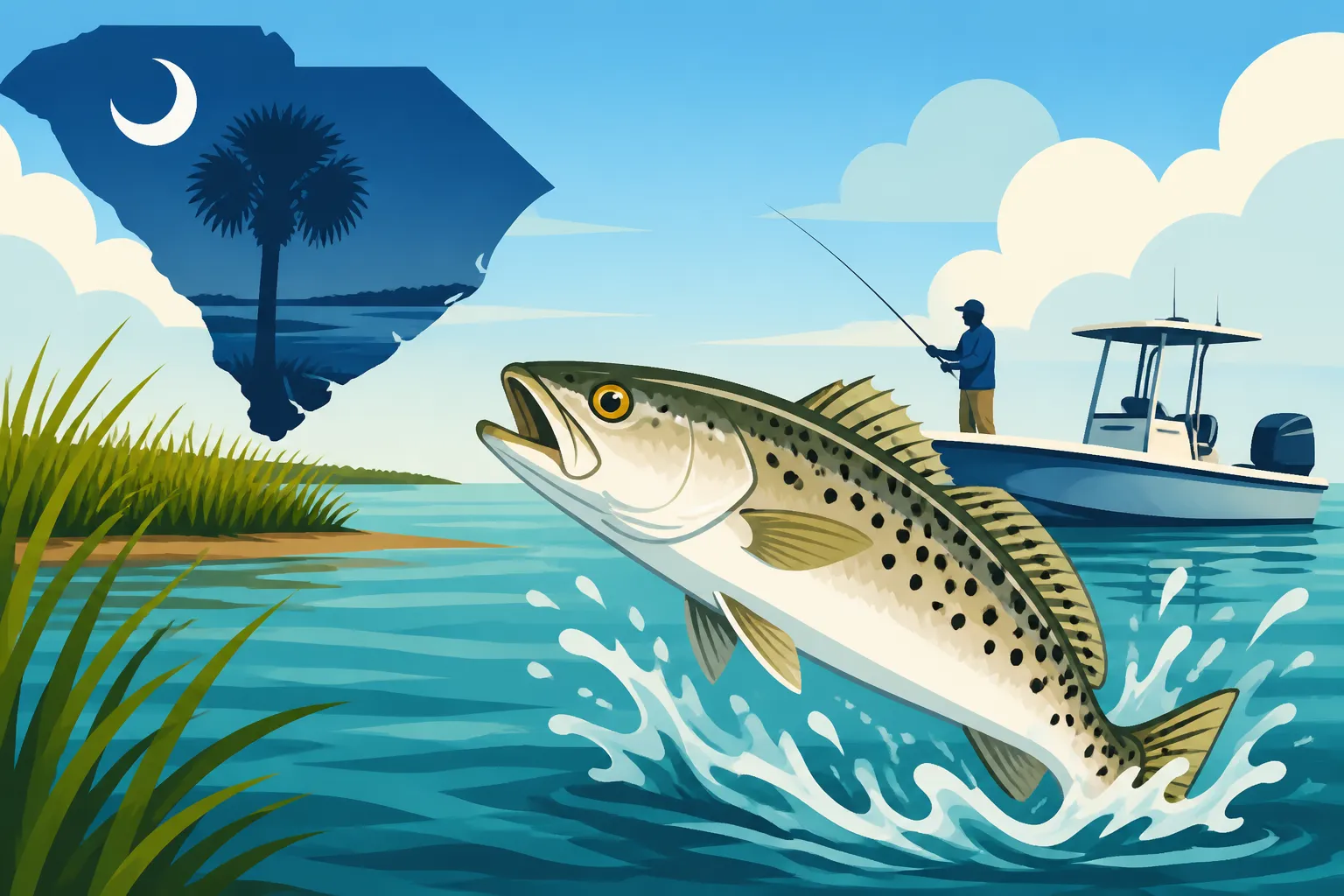
It can feel like a real treasure hunt trying to pinpoint those elusive spotted seatrout in South Carolina's vast and intricate inshore waters. You know they're out there, darting through the grass or lurking around oyster shells, but finding their sweet spots consistently can be a challenge even for seasoned anglers. This guide is going to break down exactly where to focus your efforts, helping you decode their preferred habitats and movements so you can spend less time searching and more time reeling in those beautiful speckled beauties.
Understanding Spotted Seatrout Habitats in South Carolina
Spotted seatrout, often just called "specks" by local anglers, aren't just swimming anywhere; they have very specific preferences when it comes to their home turf. Understanding these habitats is the first step to consistently finding them in South Carolina's rich coastal environment. It's all about finding that perfect blend of food, cover, and comfortable water.
The Importance of Estuaries and Salt Marshes
When you think about where spotted seatrout thrive, estuaries and salt marshes should immediately come to mind. These aren't just pretty landscapes; they are incredibly productive ecosystems, serving as nurseries and feeding grounds for countless marine species, including the baitfish that seatrout love to gorge on. South Carolina’s Lowcountry, with its sprawling marshlands and intricate creek systems, is practically tailor-made for these fish.
Specifically, look for areas with extensive oyster beds and grass flats. Oyster beds act like natural reefs, attracting small crabs, shrimp, and baitfish, which are all on the seatrout's menu. These structures also provide ambush points, allowing seatrout to hide and dart out at unsuspecting prey. Similarly, the vast Spartina grass flats offer incredible cover and a rich food source. Seatrout will cruise along the edges of these grass lines, using the cover to their advantage, especially during higher tides when they can push further back into the flooded marsh. The health of these marshes is absolutely crucial to a thriving seatrout population.
Tidal Influence and Seatrout Movement
Tides are the lifeblood of our inshore fisheries, and understanding their rhythm is paramount to success when targeting spotted seatrout. The movement of water brings in fresh food, provides cover, and dictates where baitfish will be concentrated, which in turn dictates where the seatrout will be. It's like a predictable buffet line for them, and if you know when and where the buffet is open, you're in business.
During an incoming tide, particularly the middle to high stages, seatrout often push into shallower areas, exploring the flooded grass flats and creek mouths where baitfish are seeking refuge. This is a fantastic time to work lures over grass beds or around shallow oyster points. As the tide begins to fall, especially during the latter stages, seatrout will often retreat from these shallower areas and position themselves along deeper creek channels, oyster rakes, or around submerged structures, waiting for bait to be flushed out. They'll stage in these strategic ambush points, conserving energy while letting the current deliver their meals. Tide-Based Techniques for Inshore Fishing can really make a difference here.
Prime Inshore Regions for Spotted Seatrout
South Carolina boasts a fantastic coastline, and while seatrout can be found nearly anywhere with suitable habitat, certain regions consistently stand out as prime hunting grounds. Each area offers slightly different characteristics, but the common thread is always healthy estuaries and a bountiful food supply.
The Lowcountry's Rich Estuaries Charleston, Beaufort, Hilton Head
When people talk about world-class inshore fishing in South Carolina, the Lowcountry inevitably comes up. This region, stretching from Charleston down to Hilton Head, is a labyrinth of tidal creeks, bays, and sounds that provide ideal habitat for spotted seatrout. Areas like the expansive Charleston Harbor and its surrounding marsh system are legendary. You'll find seatrout lurking around docks, pilings, and the countless small creek mouths that feed into the larger bodies of water.
Further south, the waters around Beaufort and Hilton Head Island are equally productive. Think about places like Murrells Inlet, which is famous for its intricate network of creeks and grass flats. Anglers here often target seatrout around the extensive oyster bars and submerged grass beds during different tidal stages. The health and vastness of these estuary systems provide endless opportunities, but also make pinpointing specific spots a challenge. Many seasoned anglers rely on local knowledge or spend years exploring to find their personal honey holes. The key takeaway is that where there's healthy marsh, there are likely seatrout. For a deeper dive into specific areas, check out Best Inshore Fishing Spots in South Carolina.
Northern Coastline Hotspots Georgetown, Myrtle Beach
While the Lowcountry might get a lot of the spotlight, South Carolina's northern coastline also offers excellent opportunities for spotted seatrout, especially around the Georgetown and Myrtle Beach areas. Georgetown, for instance, sits at the confluence of several major rivers flowing into Winyah Bay, creating a massive, nutrient-rich estuary. This area offers a slightly different character, with more expansive open waters and deeper channels, but still provides ample grass flats and oyster structure for seatrout.
Near Myrtle Beach, while surf fishing is popular, inshore anglers can find seatrout in the creeks and inlets, particularly around Murrells Inlet and the Intracoastal Waterway systems that connect to it. These areas might experience a bit more seasonal fluctuation in water temperature, which can influence seatrout patterns. Often, during cooler months, seatrout will seek out deeper pockets and slower-moving water in these northern regions. Always keep an eye on water temperature, as it's a huge factor in their behavior. South Carolina Fishing Seasons Guide can give you a general idea of what to expect throughout the year.
Key Structures and Features to Target
Okay, so we know where generally to look, but how do we narrow it down even further? Spotted seatrout aren't just in the estuaries; they're in specific parts of those estuaries. Learning to read the water and identify these key structures is what separates a good day from a great day on the water.
Oyster Rakes and Shell Hash
If there's one thing spotted seatrout absolutely love, it's a good oyster bar or a patch of shell hash. These natural formations are like bustling cities underwater, teeming with life. Small crabs, shrimp, and an abundance of baitfish use these shells for shelter and food, creating a perfect feeding ground for hungry seatrout. The jagged edges of oyster shells also create complex current breaks, allowing seatrout to ambush prey without expending too much energy.
When fishing oyster rakes, approach them stealthily. You'll often find seatrout sitting just off the edges of the rake, particularly on the downcurrent side, waiting for bait to be swept past. During higher tides, they might move directly over the top of the shallower rakes. Be prepared for snags, as those shells are sharp, but the reward can be well worth the risk. Many anglers find success casting soft plastics or suspending baits around these structures. A good pair of polarized sunglasses, available from retailers like Amazon, can help you spot these underwater structures.
Grass Flats and Edges
South Carolina's inshore waters are defined by their vast expanses of Spartina grass flats, which are essential nurseries and feeding grounds. Spotted seatrout absolutely adore these areas, using the dense vegetation for cover, especially from predatory birds, and as a hunting ground for shrimp and baitfish. The key here is to focus on the edges of these grass flats, as well as any potholes or channels within them.
During higher tides, seatrout will often push deep into the flooded grass, making them harder to target. But as the tide starts to fall, they'll often position themselves along the deeper grass lines, waiting for bait to be flushed out. Look for subtle changes in grass height, small channels, or points where the grass meets open water. Working topwater lures over these flats at dawn or dusk can be incredibly exciting, as seatrout will explode on the surface. For deeper exploration, consider how Inshore Redfish Techniques for Beginners can overlap, as both species often share similar grass flat habitats.
Tidal Creeks and Guts
The intricate network of tidal creeks and guts that weave through the South Carolina marshlands are prime highways and feeding lanes for spotted seatrout. These waterways connect larger bays and sounds to the shallowest parts of the marsh, acting as conduits for baitfish and seatrout alike. The constant flow of water through these creeks is what makes them so productive.
Focus your attention on bends in the creek, points, and the mouths of smaller feeder creeks. These are natural current breaks where baitfish will concentrate, and where seatrout will position themselves for an easy meal. During outgoing tides, pay special attention to any areas where water is draining from the shallower marsh into the main creek channel, as this flow will carry bait with it. Often, a slow retrieve with a soft plastic jig or a live shrimp under a popping cork, easily found on Amazon, can be incredibly effective in these creek environments. Understanding Tide-Based Techniques for Inshore Fishing will be a game changer in these spots.
Best Times and Conditions for Targeting Seatrout
Knowing where to find seatrout is one thing, but knowing when they're most likely to bite is another. Their activity levels are heavily influenced by environmental factors, and by understanding these, you can significantly increase your chances of a successful outing.
Seasonal Patterns and Water Temperature
Water temperature is arguably the most critical factor influencing spotted seatrout behavior in South Carolina. They are a semi-tropical species, meaning they thrive in warmer waters but can be sensitive to extreme cold.
- Spring (March-May): As water temperatures rise, seatrout become very active. They move out of their deeper winter haunts and spread throughout the estuaries. This is a fantastic time for consistent action, as they're feeding aggressively after the cooler months. You'll find them on grass flats, around oyster bars, and in tidal creeks.
- Summer (June-August): Seatrout are abundant, but the midday heat can make them less active. Early mornings and late evenings are often the most productive times. They might also seek slightly deeper, cooler water during the hottest parts of the day. Night fishing can also be surprisingly effective in summer.
- Fall (September-November): Many consider fall to be the absolute prime time for seatrout fishing. As water temperatures begin to cool, seatrout go on a feeding frenzy, bulking up for the winter. They are very active in the shallower grass flats and creek mouths, often congregating in larger schools. This "fall bite" is legendary among inshore anglers.
- Winter (December-February): This can be the trickiest season. Seatrout become less active and tend to seek out deeper holes, protected canals, and creek channels where water temperatures are more stable. They might school up tightly in these areas. You'll need to slow down your presentation considerably. Keep in mind there are sometimes South Carolina's Winter Gigging Ban for Seatrout rules in effect during this time, so always check local regulations.
Weather and Other Factors
Beyond the seasons, daily weather patterns also play a huge role.
- Light Conditions: Dawn and dusk are often peak feeding times for spotted seatrout. The lower light levels give them a predatory advantage, and baitfish are often more active. Overcast days can extend this bite throughout the day, as the reduced sunlight mimics twilight conditions.
- Wind: A light chop on the water can actually be beneficial, as it breaks up the surface, making it harder for seatrout to spot anglers and for prey to see approaching predators. However, strong winds can make fishing difficult, stir up sediment, and reduce water clarity, which can turn seatrout off.
- Barometric Pressure: While often debated, many anglers believe that a stable or slowly falling barometric pressure (often associated with approaching weather) can lead to more active feeding. A rapidly rising pressure after a cold front, however, often corresponds with a slower bite, as fish can become lethargic.
- Rain: Light rain can sometimes improve fishing by washing insects and nutrients into the water, and the reduced light can be favorable. Heavy, sustained rain, however, can muddy the water, lower salinity, and scatter baitfish, making fishing tougher. Always monitor local conditions for the best results.
Here's a quick reference table for targeting spotted seatrout:
| Region | Primary Habitat Types | Best Tide Stages | Optimal Seasons | Key Features to Target |
|---|---|---|---|---|
| Lowcountry | Extensive tidal creeks, oyster bars, grass flats, deep sounds | All stages, depending on specific spot | Spring, Fall, Summer (early/late) | Creek bends, oyster rakes, grass edges, docks, jetties |
| Northern Coastline | Winyah Bay, Intracoastal Waterway creeks, inlets, some grass flats | Falling tide often productive in creeks | Spring, Fall, Summer (early/late) | Deeper channels, creek mouths, protected bays, marsh edges |
Remember, while this guide provides excellent starting points, nothing beats time on the water and learning the nuances of specific areas. Get out there, explore, and enjoy the fantastic spotted seatrout fishing South Carolina has to offer! If you're looking to purchase new gear before your trip, many anglers find great deals on a variety of fishing equipment, from rods to lures, on platforms like Amazon.
Disclaimer
This article is for general informational purposes only and does not constitute professional advice. Laws, prices and regulations vary by location and change over time. Consult a qualified professional for guidance on your specific situation.