Hunting Island State Park Fishing Spots
It’s a common frustration, isn't it? You arrive at a beautiful coastal spot, rod in hand, ready for a fantastic day of fishing, only to realize you have no idea where the fish are, what bait to use, or even if you need a specific license for this slice of paradise. You just want to drop a line and feel that tug. Well, if you’re setting your sights on the breathtaking Hunting Island State Park in South Carolina, you've hit the jackpot, and this comprehensive guide is here to unravel all the mysteries and help you land some incredible catches in one of the state's most beloved natural treasures.
Fishing the Dynamic Waters of Hunting Island State Park
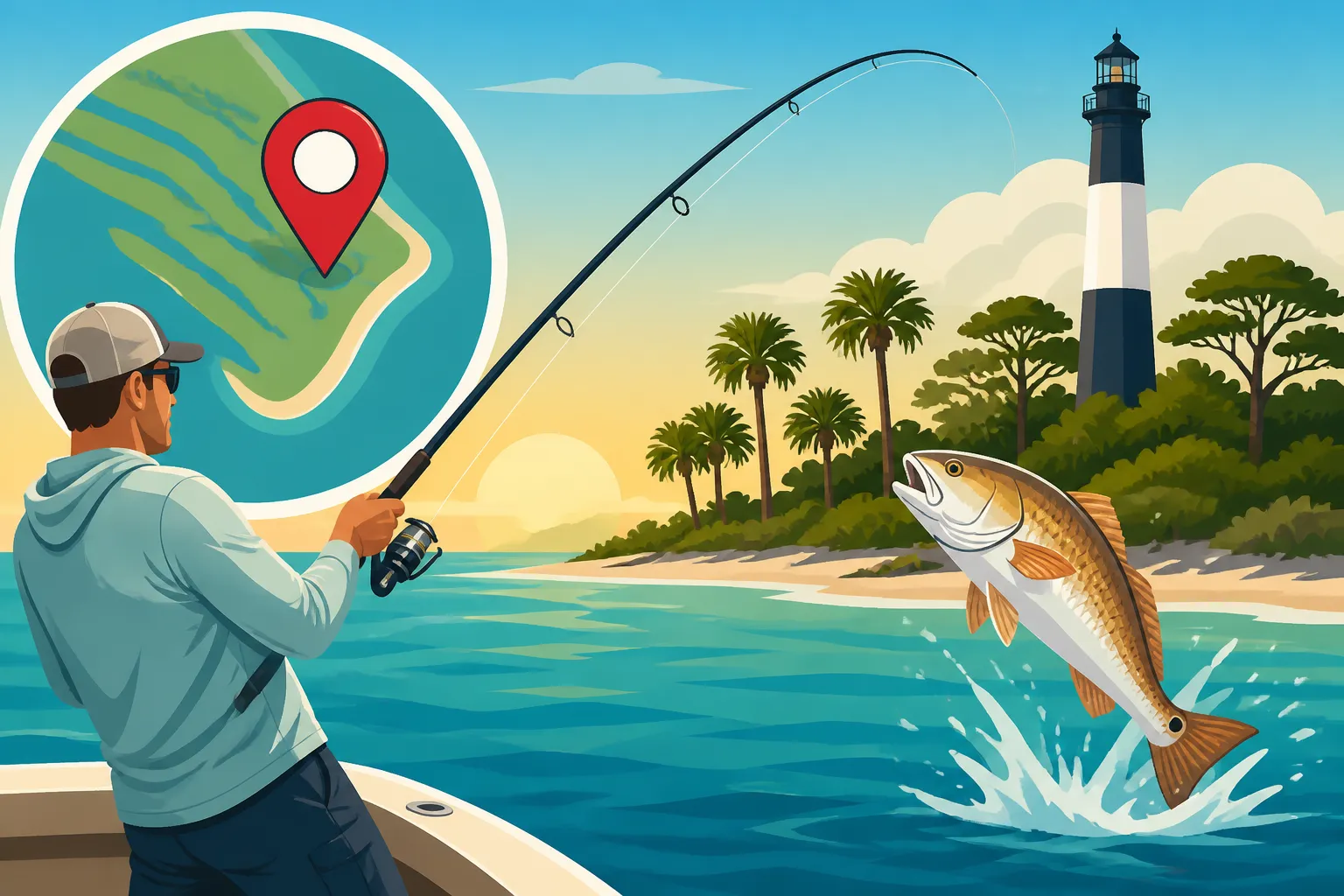
Hunting Island State Park, a barrier island just east of Beaufort, South Carolina, isn't just a picturesque getaway with its iconic lighthouse and pristine beaches; it's also a phenomenal destination for anglers. The park offers a diverse array of saltwater fishing opportunities, from its famous fishing pier to its expansive surf, and even the calmer waters of its lagoons and marshy creeks. It's truly a unique ecosystem that supports a vibrant population of coastal fish species.
Types of Fishing Available at Hunting Island
What makes Hunting Island so special for fishing is the sheer variety of experiences it offers. You’re not limited to just one type of angling here. For those who love the convenience of a sturdy structure, the pier provides easy access to deeper water without needing a boat. If you prefer the rhythm of the waves and the feeling of sand between your toes, the miles of undeveloped beach are perfect for surf casting. And for the more adventurous or those seeking a quieter experience, the numerous tidal creeks and hidden lagoons winding through the marshland can be incredibly rewarding. Each environment presents its own challenges and its own unique rewards, catering to different preferences and skill levels. It's a place where you can easily spend a week trying a new fishing style each day.
Why Hunting Island Stands Out for Anglers
Compared to many other coastal fishing spots, Hunting Island State Park truly shines due to its commitment to natural preservation and its diverse habitat. Unlike heavily developed beaches, Hunting Island maintains a wild, untamed feel, which directly translates to healthier fish populations and less pressure on the local ecosystems. The park's distinct features, such as the eroding maritime forest where ancient trees stand as ghostly sentinels in the surf, create unique underwater structures that attract baitfish and, consequently, game fish. You’ll find a mix of sandy bottoms, oyster beds, and deeper channels, all contributing to a rich feeding ground. Plus, the sheer accessibility, with well-maintained facilities and clear information from the park rangers, makes it less intimidating for newcomers. It’s a perfect blend of convenience and wild adventure, truly one of the Best Coastal Fishing Spots in South Carolina.
Navigating the Prime Fishing Locations Within the Park
Understanding where to cast your line is half the battle when you're exploring a new fishing destination. Hunting Island State Park boasts several distinct areas, each with its own charm and typical species. Knowing these spots will help you tailor your gear and approach for the best possible outcome, making your trip more productive and enjoyable.
The Iconic Hunting Island Fishing Pier
Undoubtedly the most famous fishing spot in the park is the Hunting Island Fishing Pier. Stretching 1,120 feet into the Atlantic Ocean, this pier is a hub of activity and a fantastic resource for anglers. You don't need a boat to reach deeper waters, making it incredibly accessible for families, beginners, and those without their own vessel. The pier has a history of being damaged by storms, notably Hurricane Matthew in 2016, but has always been repaired and rebuilt, a testament to its importance to the local community and visitors. It typically features benches for comfortable fishing, fish cleaning stations, and often a snack bar or bait shop at the entrance.
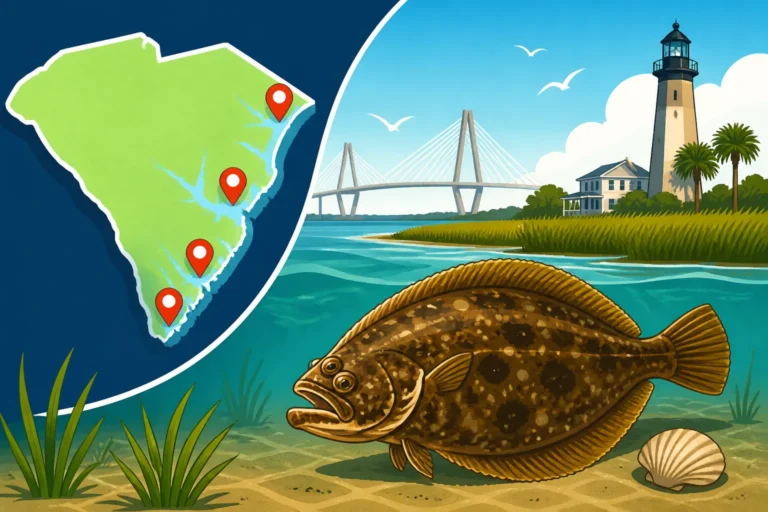
From the pier, you can target a wide variety of saltwater species depending on the season. Expect to find whiting, croaker, spot, and flounder closer to the pilings. Farther out, anglers often hook into larger species like red drum (redfish), spotted seatrout, bluefish, and even Spanish mackerel or king mackerel during their migrations. Sharks are also a common catch, though often released. The pier provides an excellent vantage point for observing marine life, and it's a great place to practice different techniques. You might also be wondering, Do You Need a Fishing License to Fish From a Pier? In South Carolina, the pier itself holds a blanket license that covers all anglers fishing from it, so you generally don't need an individual state license while on the pier. However, always double-check with the park office for the most current rules.
Surf Fishing the Expansive Beachfront
For many, there's nothing quite like the experience of surf fishing – the rhythmic crash of waves, the salty air, and the thrill of a fight from the shoreline. Hunting Island's five miles of undeveloped beach are prime territory for this. The beach is constantly shifting due to erosion, creating dynamic sandbars, troughs, and cuts that provide excellent feeding grounds for various species. The famous "boneyard" beach, where skeletal trees stand in the surf, offers additional structure that attracts fish.
When surf fishing here, you’re often targeting species like whiting, pompano, croaker, and drum (both red and black). During cooler months, you might even encounter some large red drum closer to shore. Remember that success in surf fishing often depends on reading the water: look for darker patches indicating deeper troughs, calmer water behind sandbars, or areas where birds are actively feeding. These are usually indicators of baitfish, and where the baitfish are, the game fish will follow. It's a completely different rhythm than pier fishing, demanding patience and a bit more walking to find the hot spots, but the solitude and connection with nature are unparalleled.
Lagoon and Marsh Fishing Opportunities
Beyond the oceanfront, Hunting Island State Park is interlaced with a network of saltwater lagoons and tidal marsh creeks, offering a completely different fishing experience. These calmer, nutrient-rich waters are nurseries for many inshore species and provide excellent habitat for others. Access to these areas can be found near the causeway leading into the park, or by launching a kayak or small boat from designated ramps.
Here, the focus shifts to classic Lowcountry species such as red drum, spotted seatrout, flounder, and various smaller panfish like sheepshead and black drum. The key to fishing these areas is understanding the tides, as water levels can fluctuate dramatically, exposing oyster beds and mud flats. Many anglers find success by targeting creek mouths, oyster rakes, and areas with submerged structure. These spots can be incredibly productive, especially for sight-fishing redfish tailing in shallow water during an incoming tide. You'll likely need lighter tackle and a keen eye for subtle signs of fish activity. Fishing in these quiet backwaters provides a stark contrast to the open ocean and is an incredible way to experience the park’s diverse ecosystems.
Essential Angler Wisdom for Hunting Island's Ecosystems
Successfully fishing at Hunting Island isn't just about showing up with a rod; it's about understanding the unique environment and respecting the local regulations. Being prepared and informed can significantly boost your chances of a successful and responsible outing.
Gear Recommendations and Bait Choices
The type of gear you bring should match the fishing location and target species.
- Pier Fishing: A medium to heavy spinning rod (7-9 feet) with a sturdy reel spooled with 15-30 lb monofilament or braided line is a good all-around choice. For bait, fresh shrimp, squid, or cut fish are reliable choices for bottom feeders. Live bait, like finger mullet or mud minnows, can be excellent for larger species like redfish, flounder, and trout. Basic Paternoster rigs (hi-lo rigs) with pyramid sinkers are common for bottom fishing, while a Carolina rig with a circle hook is great for live bait.
- Surf Fishing: You'll want a longer, heavier surf rod (9-12 feet) capable of casting heavy weights (3-6 oz) to reach deeper troughs beyond the breaking waves. A robust spinning reel or conventional reel spooled with 20-40 lb mono or braid is essential. Popular baits include shrimp, cut mullet, surf clams, and sand fleas. Fish finder rigs or Paternoster rigs are standard. Don't forget a sand spike to hold your rod while you wait for a bite!
- Lagoon and Marsh Fishing: Lighter tackle is generally preferred here. A medium-light to medium spinning rod (6.5-7.5 feet) with a 10-20 lb braided line is versatile. Live shrimp, mud minnows, or small baitfish are fantastic. Artificial lures like soft plastic paddletails on jig heads, popping corks with shrimp imitations, or weedless spoons can also be incredibly effective, especially for redfish and spotted seatrout. Remember that Tide-Based Techniques for Inshore Fishing are paramount in these environments.
Regardless of where you fish, always bring pliers, a knife, a cooler with ice (for keepers!), sunscreen, and plenty of water. A landing net or a gaff might be useful on the pier or for larger fish.
Understanding South Carolina Fishing Regulations and Licenses
Before you even wet a line, it’s critical to understand the rules. South Carolina takes its marine and freshwater resources seriously, and ignorance of the law is no excuse. Generally, anyone 16 years or older needs a valid South Carolina fishing license. For most of Hunting Island's waters, you'll need a saltwater fishing license. You can find detailed information on how to acquire one through the South Carolina Department of Natural Resources (SCDNR) website or local bait shops. Consider checking out a South Carolina Fishing License Guide for all the specifics, including the South Carolina Annual Fishing License Price Breakdown.
Beyond the license, you must be aware of species-specific regulations. These include minimum and maximum size limits (slot limits), daily bag limits, and vessel limits (for certain species like red drum). For instance, knowing the South Carolina Redfish Slot Limit Rules (currently 15-23 inches, with a 3-fish daily bag limit, subject to change) and the Spotted Seatrout Size and Bag Limits in South Carolina (currently 15-23 inches, with a 5-fish daily bag limit, again, subject to change) is crucial for avoiding penalties. Regulations can and do change, so always consult the most current SCDNR regulations before your trip. Park rangers and local bait shops are also excellent resources for up-to-date information on Saltwater Fishing Rules in South Carolina.
The Importance of Tides and Timing
Tides are the lifeblood of coastal fishing, especially in a marsh-rich environment like Hunting Island. Fish activity often correlates directly with tidal movement. An incoming tide often brings cooler, cleaner water and baitfish into the estuaries and nearshore areas, triggering feeding frenzies. An outgoing tide can concentrate bait and fish in deeper channels or near structure.
For pier and surf fishing, the two hours before and after high tide, or low tide, can often be the most productive, as the changing water movement stirs up food and positions bait. For marsh and lagoon fishing, an incoming tide allows fish like redfish to move into shallow grass flats to feed, while an outgoing tide can pull them back to deeper creek channels. Paying attention to tide charts (easily found online or at local bait shops) is not just a suggestion; it's a necessity for successful fishing at Hunting Island. Understanding when to fish can be just as important as where to fish.
Understanding Seasonal Shifts and Species Targets
Fishing in South Carolina is a year-round affair, but what you catch, and how you catch it, can vary dramatically with the seasons. Hunting Island State Park is no exception. Knowing what species are active during which months can help you plan your trip for maximum success and ensure you're using the most effective techniques.
Spring and Summer Hotspots
Spring (March-May) and Summer (June-August) are bustling times for fishing at Hunting Island. As water temperatures rise, many species become more active and migrate closer to shore.
- Spring: This is an excellent time for redfish in the marsh creeks and along the surf, as they become very active after the cooler winter months. You'll also find spotted seatrout making a strong showing in the estuaries. Flounder also start to become more prevalent as they move from offshore wintering grounds into the shallows. On the pier, you can expect whiting, croaker, and spot to be abundant, and migrating bluefish and Spanish mackerel can offer exciting action. The pier can be a fantastic place to cast for Spanish mackerel with small spoons or Gotcha plugs.
- Summer: The peak tourist season also brings plenty of fish. Tarpon can sometimes be found near the inlets and beaches, offering a true trophy fishing experience (though they are challenging to hook and land). Sharks are also more common in the surf and from the pier. Inshore, redfish, trout, and flounder remain strong targets, often retreating to deeper holes or shaded areas during the hottest parts of the day. Early mornings and late evenings are often the most productive times during summer due to heat and boat traffic. For specific tips on chasing these flatfish, refer to a Flounder Fishing Guide for South Carolina Anglers.
It's also worth noting that if you're looking to explore further afield for these species or try for offshore giants, resources like FishingBooker can help you connect with local charters that operate out of nearby ports, expanding your horizons beyond the park itself.
Fall and Winter Opportunities
While many fair-weather anglers pack up their gear, the cooler months (September-February) at Hunting Island can offer some of the most rewarding fishing, especially for certain prized species. The crowds thin out, and the fish often become more concentrated.
- Fall (September-November): This is arguably the best time of year for red drum (redfish), particularly the larger "bull reds" that migrate closer to shore and into the inlets. The famous "fall run" brings these powerful fish within casting range from the surf and the pier. Spotted seatrout fishing remains excellent in the estuaries, often schooling up in deeper channels as temperatures drop. Flounder are also very active, fattening up before heading offshore for the winter. This is a prime time for targeting a mixed bag. For an overall understanding of the yearly cycle, check out a South Carolina Fishing Seasons Guide.
- Winter (December-February): Don't let the cold deter you! While some species move offshore or become less active, winter offers unique opportunities. Large sheepshead can be caught around pier pilings and oyster beds, requiring finesse and specific baits like fiddler crabs. Black drum are also good targets, often found in deeper holes in the creeks or off the pier. Some redfish will remain in the backcountry, congregating in deep, protected holes. If you're willing to brave the chill, winter can produce some surprising and hefty catches. Plus, the solitude on the beach and pier is truly peaceful. You can often find great information on local captains offering trips even in the cooler months through platforms like FishingBooker.
| Species | Primary Location | Best Time of Year | Optimal Tide (Inshore/Surf) | Common Bait/Lure |
|---|---|---|---|---|
| Red Drum (Redfish) | Marshes, Surf, Pier | Fall, Spring, Summer | Incoming, High Tide | Live shrimp, Cut mullet, Gulp! shrimp, Spoons |
| Spotted Seatrout | Marshes, Pier | Spring, Fall, Summer | Incoming, Outgoing | Live shrimp, Soft plastics, Popping corks |
| Flounder | Marshes, Pier, Nearshore | Spring, Summer, Fall | Outgoing, Low Tide | Live minnows, Finger mullet, Gulp! shrimp |
| Whiting | Surf, Pier | Year-round | All tides, especially moving | Shrimp, Squid, Fish bites |
| Bluefish | Surf, Pier | Spring, Summer, Fall | Moving tides | Cut bait, Spoons, Plugs |
| Sheepshead | Pier Pilings, Oyster Beds | Winter, Early Spring | Moving tides | Fiddler crabs, Clams |
What to Expect Year-Round
Hunting Island State Park, being in the mild climate of the Lowcountry, truly offers fishing opportunities every month of the year. The key is to adapt your expectations and techniques to the prevailing conditions. Even on slower days, the sheer beauty of the park, the chance to see dolphins, pelicans, and other wildlife, makes the outing worthwhile. Whether you're sight-fishing for redfish in a shallow creek in the fall, casting for whiting from the pier in winter, or battling a summer bluefish in the surf, Hunting Island offers a diverse and engaging experience for any angler. Just remember to pack appropriately for the weather, check the tides, and always stay informed on the latest regulations to ensure a responsible and enjoyable trip. If you are ever unsure about regulations, or even fishing techniques, consider using a platform like FishingBooker to learn from a local guide before you go out on your own. For those who want to hone their skills in targeting species like Redfish, learning How to Catch Redfish in South Carolina's Lowcountry can be a game-changer.
Disclaimer
Fishing conditions and regulations in South Carolina can change rapidly. Always consult the latest South Carolina Department of Natural Resources (SCDNR) regulations before engaging in any fishing activity. This guide is for informational purposes only and should not be considered legal advice. Stay safe and fish responsibly!