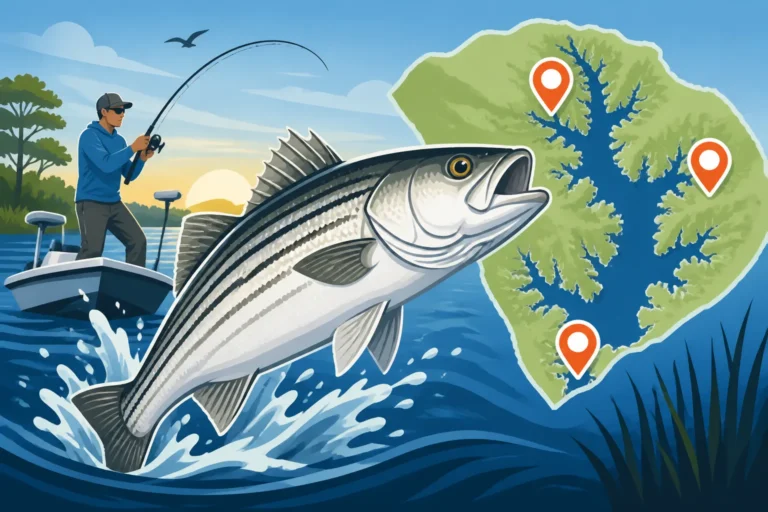
Dreher Island Striped Bass Fishing on Lake Murray
If you've ever stood on the shores of Lake Murray, gazing out at its vast expanse, you know how daunting it can feel to pinpoint the elusive striped bass. These powerful fish are a true prize, but their nomadic habits and the sheer size of the "Jewel of South Carolina" can leave even seasoned anglers scratching their heads. This guide is dedicated to unlocking the secrets of catching striped bass specifically around the iconic Dreher Island, providing you with the knowledge and tactics to make your next trip a success.
Understanding Dreher Island and Lake Murray's Striper Fishery
Lake Murray is legendary for its striped bass, a landlocked population that thrives in its fertile waters. But it's not just any spot on the lake that holds these magnificent fish; certain areas, like the vicinity of Dreher Island, consistently prove to be prime hunting grounds. Understanding why this particular area is so productive, and how the lake's environment influences striper behavior, is the first step toward a successful trip.
Why Dreher Island is a Striper Hotspot
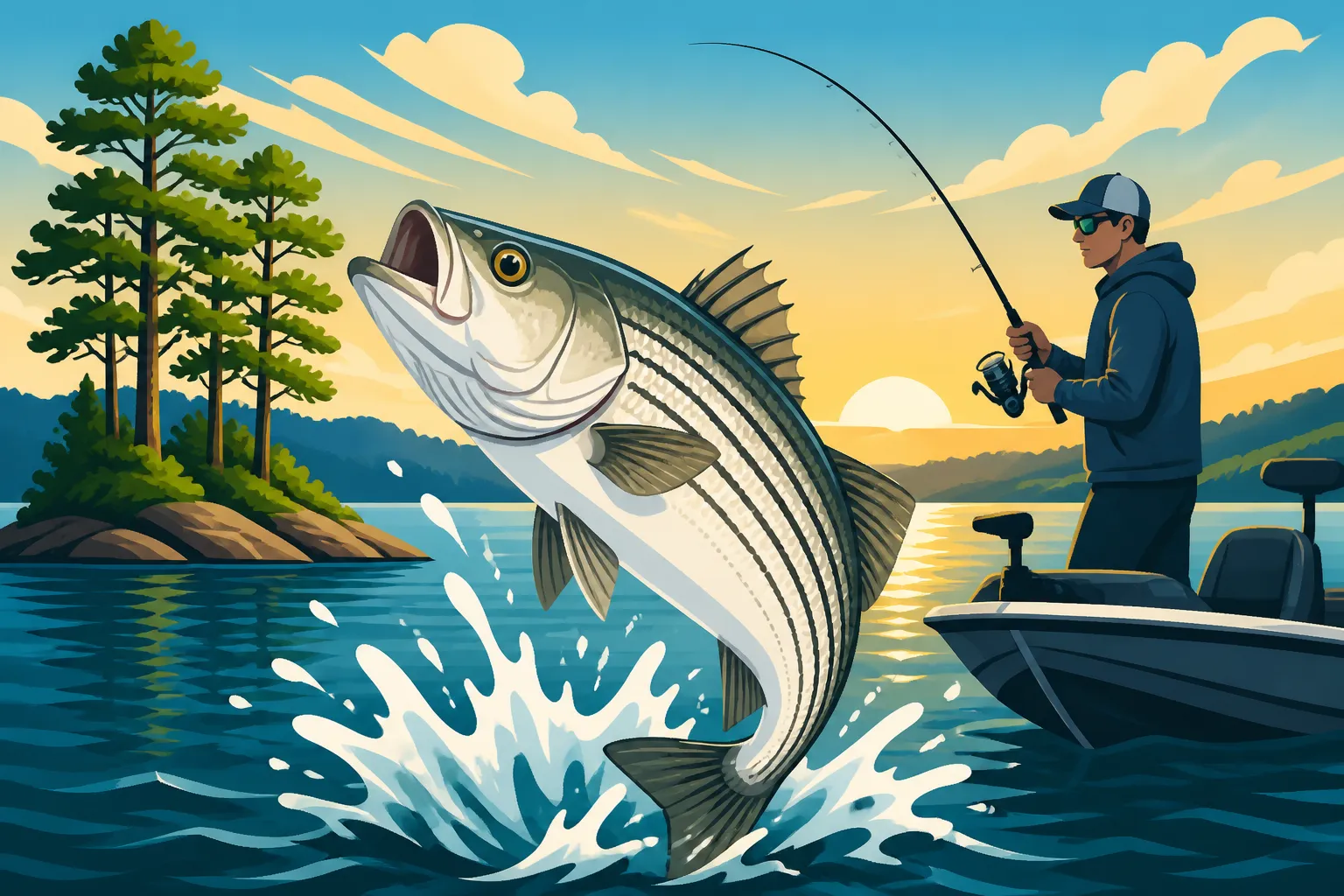
Dreher Island State Park isn't just a beautiful place for camping and recreation; it's a strategic nexus for striped bass activity on Lake Murray. The island's unique geographical features create a confluence of conditions that stripers absolutely love. Think about it: you have deep water access, submerged humps, rocky points, and proximity to the main river channel all converging here. These features provide a perfect mix of cover, feeding grounds, and migration routes for stripers throughout the year.
The island acts almost like a giant natural fish attractant, breaking up the otherwise vast open waters of Lake Murray. It creates current seams, natural funnels, and ambush points where baitfish congregate, and consequently, where stripers can be found lurking. Anglers often find success working the ledges and drop-offs that surround the island, especially during twilight hours when stripers are most active. This intricate underwater landscape makes Dreher Island a go-to destination for those serious about landing big stripers.
The Lake Murray Environment and Striper Behavior
Lake Murray is a massive, productive reservoir covering over 50,000 acres, and its environment plays a huge role in how striped bass behave. These fish are highly sensitive to water temperature, dissolved oxygen levels, and the presence of baitfish, primarily blueback herring. As the seasons change, so does the water column, leading stripers to constantly seek out their preferred comfort zones, which often means migrating vertically and horizontally across the lake.
During the warmer months, the lake stratifies, meaning distinct layers of water form with different temperatures and oxygen levels. Stripers will move to the "thermocline" – the layer where water temperature changes most rapidly – because it offers a balance of cooler, oxygen-rich water. Around Dreher Island, the varying depths and structures provide these essential thermal refuges, making it a reliable spot even when other parts of the lake become less hospitable. Learning to read your electronics to find this optimal zone is critical for consistent catches.
Seasonal Migrations and Patterns of Stripers
Striped bass on Lake Murray, much like their anadromous relatives, exhibit distinct seasonal migration patterns, even in a landlocked environment. Their movements are largely dictated by spawning instincts, water temperature, and the availability of their primary food source, the blueback herring. Knowing these patterns is like having a secret map to where the fish will be.
In spring, as water temperatures rise, stripers begin their pseudo-spawning runs up the Saluda River arm of the lake, often passing near Dreher Island as they stage. This is a time of increased activity, and they can be found shallower and more aggressive. As summer sets in, they move deeper, congregating around thermoclines and cool water refuges, often directly related to the deep channels and humps around Dreher Island. Fall brings a resurgence of activity as the lake "turns over" and water temperatures become more uniform, scattering baitfish and stripers alike. Finally, winter sees them school tightly in deeper water, often holding to structure or large bait balls. Understanding these broad movements, as detailed in our guide to South Carolina Fishing Seasons Guide, will significantly increase your odds around Dreher Island.
Essential Gear and Tackle for Dreher Island Stripers
Successfully targeting the hard-fighting striped bass around Dreher Island isn't just about knowing where to go; it's also about having the right tools for the job. These fish are powerful, often reaching impressive sizes, so your gear needs to be up to the challenge. Skimping on tackle can quickly lead to heartbreak when that trophy striper takes your bait and snaps your line.
Rods, Reels, and Line for Hard-Fighting Stripers
When it comes to rods and reels for Dreher Island stripers, think power and durability. You'll want a medium-heavy to heavy action rod, typically between 7 and 8 feet in length. This provides the backbone needed to cast heavier lures, handle big fish, and absorb the powerful runs these stripers are known for. Many anglers prefer a fast-action tip for sensitivity, allowing them to detect subtle bites while still having plenty of power in the lower section of the rod.
Pair that rod with a robust baitcasting or spinning reel capable of holding a substantial amount of line. Look for reels with strong drag systems, as a runaway striper will test every inch of your equipment. For line, 15-25 pound test monofilament or fluorocarbon is a common choice, but many experienced striper anglers opt for braided line in the 30-50 pound range, often with a fluorocarbon leader. Braid offers superior strength, sensitivity, and casting distance, which can be a huge advantage when fishing vast areas of Lake Murray. The sensitivity of braid can be particularly helpful when using certain techniques, which we cover in our guide on Best Lures for Striped Bass in South Carolina.
Top Baits and Lures for Lake Murray Stripers
Lake Murray stripers can be enticed by a variety of baits and lures, but certain options consistently outperform others, especially around Dreher Island. Live bait is often king, with blueback herring being the absolute preference, as it's their natural forage. If you can net or buy live blueback herring, you're already one step ahead. Other effective live baits include gizzard shad or large shiners, fished on a Carolina rig or under a balloon float.
For artificial lures, consider large bucktail jigs, often tipped with a piece of soft plastic or a pork rind trailer, particularly effective when jigging deep structure. Umbrella rigs, mimicking a school of baitfish, are deadly when trolling open water or along contours. Topwater plugs can create explosive strikes during low light conditions in spring and fall, especially when stripers are chasing bait on the surface near points and shallow humps. Keep a variety of options on hand, as striper preferences can change rapidly based on the day and water conditions.
Electronics and Navigation Tools
In a sprawling reservoir like Lake Murray, fishing without quality electronics is like trying to navigate a dense forest without a compass. A good fishfinder and GPS unit are not just helpful; they're practically mandatory for consistently finding Dreher Island stripers. Your fishfinder will reveal crucial information about water depth, temperature, the presence of baitfish schools, and most importantly, the stripers themselves. Look for units with high-definition side-imaging or down-imaging to effectively scan the submerged humps and ledges around the island.
The GPS functionality is equally vital. Lake Murray has countless underwater structures and hazards, and being able to mark and return to productive spots is key. You can plot courses for trolling, mark waypoints where you've caught fish, and safely navigate back to boat ramps. Many anglers even mark the thermocline or specific baitfish schools they've located. Having detailed lake maps on your unit will help you understand the topography around Dreher Island, allowing you to identify likely holding areas even before you drop a line.
Proven Techniques for Catching Striped Bass Near Dreher Island
Lake Murray stripers are known for their strong runs and aggressive bites, making them a thrilling target. To consistently hook into these powerhouses around Dreher Island, you need a diverse set of techniques in your angling arsenal. Different conditions and seasons call for different approaches, and mastering a few key methods will greatly increase your success.
Trolling Strategies for Open Water
Trolling is one of the most effective ways to cover large expanses of water and locate scattered schools of striped bass, especially in the deeper, open areas surrounding Dreher Island. The idea is to slowly pull baits or lures behind your boat, presenting them at various depths until you find where the fish are holding. This method is particularly productive during summer when stripers are suspended in the water column or during fall when they're chasing dispersed baitfish.
Successful trolling involves a few key elements. First, vary your speed. Sometimes a slow, almost barely moving pace is best, while other times a faster retrieve can trigger a reaction strike. Second, use planer boards or downriggers to spread your lines and present baits at different depths. Umbrella rigs, large crankbaits, and bucktail jigs are excellent choices for trolling. Pay close attention to your fishfinder; once you mark fish or bait, adjust your depth and speed to put your lures right in front of them. When you're ready to head out, knowing the best Top Boat Ramps for South Carolina Lake Fishing is a good starting point.
Live Baiting Submerged Structure
For many seasoned striper anglers on Lake Murray, live baiting is the preferred method, particularly when fish are concentrated around specific submerged structures near Dreher Island. Blueback herring, as mentioned, are the premier choice, but gizzard shad also work well. The goal is to present a live bait as naturally as possible, mimicking a distressed baitfish struggling near the striper's ambush point.
There are several ways to live bait effectively. A common approach is using a Carolina rig with a sliding egg sinker, a swivel, a fluorocarbon leader, and a circle hook. This allows the bait to swim freely while keeping it near the bottom where stripers often lurk. Another popular method is using a balloon or cork to suspend a live bait at a specific depth, especially when stripers are suspended over deeper water or near drop-offs. Anchor up-current from a promising hump or point around Dreher Island, and let your live baits drift naturally into the strike zone. This technique is often discussed in guides like Best Bait for Striped Bass in Freshwater Lakes.
Casting and Jigging Techniques
While trolling and live baiting are workhorses for Lake Murray stripers, casting and jigging can be incredibly exciting and productive, especially when fish are actively feeding or you're targeting specific structures. These techniques often require a more hands-on approach and can lead to some truly memorable battles.
Casting topwater lures, like Pencil Poppers or Whopper Ploppers, during dawn or dusk can result in explosive surface strikes, particularly in the spring and fall when stripers are more likely to push bait to the surface. Look for areas around Dreher Island where points extend into open water or where humps rise close to the surface. For deeper-holding fish, vertical jigging with heavy bucktails, spoons, or large soft plastic swimbaits is highly effective. Position your boat directly over marked fish or bait balls near ledges and humps, drop your jig, and work it with sharp lifts and drops. This method is fantastic for targeting individual fish or small, concentrated schools. For those interested in night fishing, similar tactics can be applied, as detailed in our discussion of Night Fishing Spots on Lake Murray, South Carolina.
Prime Fishing Spots Around Dreher Island
Dreher Island isn't just a general area; it's a complex underwater landscape with distinct features that attract striped bass. Knowing these specific types of structures and how to fish them will dramatically improve your chances of success. It's about understanding the nuances of the terrain and how stripers utilize it.
Submerged Humps and Points
The waters surrounding Dreher Island are riddled with submerged humps and points that rise dramatically from the lake floor. These are absolute magnets for striped bass. These structures create current breaks, ambush points, and often hold large schools of baitfish, providing everything a striper needs. Anglers often refer to these as "high spots" or "ridges," and they are prime targets for both trolling and live baiting.
When fishing humps and points, it's crucial to use your electronics to identify the exact contours and the presence of baitfish. Stripers will often sit on the deep edges of these structures, waiting to ambush prey that swims by. Try positioning your boat so you can drift live baits over the top or troll crankbaits along the edges. Anchoring on the windward side and casting jigs downwind can also be highly effective. Some of the most productive humps are those that come up from significant depths, providing a sharp change in topography. This particular tactic is expanded upon in our article about Anchoring the Submerged Humps Near Dreher Island for Stripers.
The Main Channel and Deep Drops
Lake Murray's main river channel cuts through the lake, providing the deepest water available. Near Dreher Island, this channel often runs close to shore, creating dramatic deep drops and ledges. These deep areas are critical for striped bass, especially during the warmer months when they seek cooler, oxygenated water. The channel acts as a highway for migrating fish and a consistent refuge.
Fishing the main channel requires a deep-water approach. Trolling deep-diving crankbaits or umbrella rigs along the channel edges is a popular method. Vertical jigging directly over marked fish in the channel can also produce strikes. Pay close attention to any bends or irregularities in the channel, as these can create current breaks or eddies that concentrate bait and stripers. Using your sonar to identify the thermocline in these deep areas will help you target the most productive depth range. For a broader overview of opportunities on the lake, check out the Lake Murray Fishing Guide for South Carolina Anglers.
Tributary Mouths and Feeder Creeks
While Dreher Island itself is a standout, its proximity to several tributary mouths and feeder creeks adds another layer of complexity and opportunity for striper fishing. These smaller waterways, such as Buffalo Creek or Bear Creek, contribute freshwater and nutrients to Lake Murray, creating unique ecosystems where baitfish gather, especially after rain events. Stripers will often patrol these areas, particularly near their confluence with the main lake, looking for an easy meal.
During spring, as water temperatures warm, baitfish will move into these creek arms, and stripers will follow. The mouths of these creeks can be excellent spots for casting topwater lures or suspending live baits. In fall, as water temperatures begin to drop, these areas can again become hotbeds of activity. The currents and eddies created where the creeks meet the larger lake can concentrate bait, making them ideal ambush points for hungry stripers. Always keep an eye on your electronics for baitfish schools when exploring these transitional zones.
Seasonal Considerations for Dreher Island Striped Bass
Fishing for striped bass on Lake Murray is a year-round pursuit, but success hinges on adapting your approach to the changing seasons. The behavior of stripers around Dreher Island shifts dramatically from the cool mornings of spring to the depths of summer, and understanding these patterns is key to being in the right place at the right time with the right technique.
Springtime Striper Action
Ah, springtime on Lake Murray – a truly magical time for striper anglers! As the water temperatures begin to climb into the 50s and 60s Fahrenheit, striped bass shake off their winter lethargy and become incredibly active. This is often when they make their pseudo-spawning runs up the Saluda River, and the areas around Dreher Island become a crucial staging ground for these movements. You'll find stripers shallower than almost any other time of year, making them accessible to a wider range of techniques.
During spring, look for stripers cruising points, humps, and the mouths of creeks near Dreher Island. Topwater lures, large swimbaits, and jerkbaits can be incredibly effective early and late in the day, providing explosive strikes that will get your heart pounding. Live baiting with blueback herring is also deadly, particularly fished on free lines or under small floats. As the water warms further, stripers will start to form more distinct schools, often chasing bait to the surface, signaling excellent opportunities for cast-and-retrieve methods. Many anglers find success following these patterns, a topic we also delve into in our guide on Striped Bass Fishing on Lake Murray, South Carolina.
Summer's Deepwater Challenge
When the scorching South Carolina summer heat descends upon Lake Murray, striped bass retreat to the cooler, more oxygenated depths, presenting a unique challenge for anglers. Around Dreher Island, this usually means targeting fish in the main channel, over deep humps, and along significant drop-offs. The thermocline becomes your best friend, as stripers will congregate in this narrow band of comfortable water, often suspending over depths of 40-80 feet or more.
Successful summer striper fishing often revolves around covering deep water efficiently. Trolling with downriggers and umbrella rigs is paramount to reach the depths where fish are holding. Live baiting also remains highly effective, but you'll need heavier weights to get your bluebacks down to the striper zone. Vertical jigging with heavy spoons or bucktails over marked schools is another excellent tactic. Don't overlook night fishing during the summer; stripers will sometimes move shallower under the cover of darkness, making them more accessible. For more detailed summer strategies, check out our piece on Lake Murray Summer Striped Bass Techniques in South Carolina.
Fall Feeding Frenzy and Winter Patterns
Fall is another fantastic season for striped bass fishing on Lake Murray, offering a burst of activity similar to spring, but often with larger, fatter fish. As lake temperatures begin to drop and the lake "turns over," oxygenated water becomes available throughout the water column. This often scatters baitfish and sends stripers into a voracious feeding frenzy as they bulk up for winter. Around Dreher Island, you'll find them actively chasing schools of herring in both shallow and deep water.
This is a prime time for a variety of techniques. Topwater action can be phenomenal, especially early and late in the day. Trolling lipless crankbaits, swimbaits, and Alabama rigs is highly effective for covering water. Live baiting remains a staple, and you might find stripers in areas they wouldn't inhabit during the summer. As winter approaches and water temperatures dip into the 40s, stripers will school up tightly in deeper areas. They become less active but can still be caught by vertical jigging slow-moving baits directly over their heads or by slow-trolling live bait at minimal speeds. It's a test of patience, but the rewards can be substantial.
To help visualize how these seasonal patterns affect your fishing strategy around Dreher Island, here's a quick overview of primary methods:
| Season | Typical Water Temperature | Primary Depths Around Dreher Island | Recommended Techniques | Key Baits/Lures |
|---|---|---|---|---|
| Spring | 55-68°F | Shallow to Mid-depth (5-30 ft) | Casting, Live Baiting | Topwaters, Swimbaits, Jerkbaits, Herring |
| Summer | 70-85°F | Deep (30-80+ ft), Thermocline | Trolling, Deep Live Baiting | Umbrella Rigs, Deep Cranks, Herring, Shad |
| Fall | 60-75°F | Mid to Deep (10-60 ft) | Casting, Trolling, Live Baiting | Topwaters, Alabama Rigs, Herring, Cranks |
| Winter | 45-55°F | Deep (40-100+ ft), Concentrated | Vertical Jigging, Slow Trolling | Spoons, Bucktails, Herring, Soft Plastics |
Pro Tips for Dreher Island Stripers
Successfully targeting stripers around Dreher Island often comes down to paying attention to the details and being willing to adapt. One of the biggest pieces of advice any seasoned angler will give you is to observe the birds. If you see seagulls diving into the water, especially in open areas near the island, it's a sure sign that stripers are actively chasing baitfish to the surface. Head straight for the action, but approach cautiously to avoid spooking the fish.
Another crucial tip is to always have multiple rods rigged with different baits or lures. Stripers can be finicky, and what worked an hour ago might not work now. Being able to quickly switch from a topwater to a subsurface lure or a live bait presentation can make all the difference. Moreover, if you're serious about learning the local nuances, consider booking a trip with a local guide. Platforms like FishingBooker can help you find experienced captains who spend every day on Lake Murray and know the Dreher Island area like the back of their hand. They can teach you subtleties that years of solo fishing might not reveal, dramatically shortening your learning curve.
Finally, remember that patience and persistence are key. Stripers are powerful and intelligent fish. There will be days when they seem impossible to find, and others when they bite every cast. Keep learning, keep experimenting, and most importantly, enjoy the incredible challenge and reward that Striped Bass: South Carolina's Official State Fish offers on Lake Murray. The beauty of Dreher Island and the thrill of a screaming reel make every moment on the water worthwhile. When exploring other local options, our comprehensive guide to the Best Fishing Spots in South Carolina is an excellent resource.
Disclaimer
The information provided in this guide is for general informational purposes only. Fishing regulations, conditions, and fish behavior can change rapidly. Always consult the latest regulations from the South Carolina Department of Natural Resources (SCDNR) before fishing. Exercise caution and practice safe boating when on Lake Murray.