Lake Moultrie Catfish and Crappie Fishing Guide
Lake Moultrie, with its sprawling waters and intricate underwater landscape, can feel like a complete mystery to anglers, especially those just getting their feet wet in the Santee Cooper Lakes system. It’s easy to feel overwhelmed by its sheer size, wondering where to even begin looking for the prized catfish and crappie it's famous for. This comprehensive guide is designed to cut through that confusion, giving you the insider knowledge and practical strategies you need to confidently target and catch these incredible fish on Lake Moultrie.
Unveiling Lake Moultrie: A Catfish and Crappie Paradise
Lake Moultrie isn't just a lake; it's a monumental part of South Carolina's fishing heritage, celebrated far and wide for its incredible catfish and crappie populations. Part of the larger Santee Cooper Lakes system, Moultrie offers an immense and diverse aquatic environment that can be both exhilarating and a tad intimidating. Many anglers come here with high hopes but sometimes leave scratching their heads, not because the fish aren't present, but because understanding this unique fishery requires a bit of local insight.
The Santee Cooper Connection and Moultrie's Character
Lake Moultrie, covering about 60,000 acres, is connected to the even larger Lake Marion by the famous Santee Cooper Diversion Canal. This interconnectedness means a rich flow of nutrients and fish, creating a dynamic ecosystem. While Lake Marion often gets the spotlight for its vastness, Moultrie holds its own, particularly for those passionate about big catfish and abundant crappie. It's generally deeper than Lake Marion in many areas, with a more pronounced bowl shape and fewer expansive shallow flats, though they certainly exist. The deep channels, often reaching over 60 feet, provide critical wintering grounds for fish and excellent deep-water fishing opportunities year-round.
The frustration often stems from the sheer scale. You're not fishing a small pond; you're on a massive inland sea. Without a game plan, it's like looking for a needle in a haystack. But once you understand the lake's unique characteristics – its vast stump fields, the old river beds, and the deep ledges – those daunting stretches of water start to reveal their secrets. It's this character that makes it such a phenomenal destination, but also why a focused approach is key. For those curious about the broader system, our guide on the Santee Cooper Lakes: South Carolina's Legendary Bass Fishery delves deeper into its overall significance.
Why Lake Moultrie Excels for Catfish and Crappie
So, what makes Lake Moultrie such a standout for these particular species? For catfish – and we're talking about massive blue catfish, hard-fighting flatheads, and abundant channel cats – the lake provides everything they need: vast food sources, deep sanctuaries, and plenty of structure. The expansive underwater terrain, riddled with submerged timber, old creek beds, and ledges, creates perfect ambush points and resting areas. These giants aren't just myths; they're a daily reality here.
Crappie, on the other hand, thrive in the abundant cover provided by the lake's submerged forests. Moultrie is known for its incredible crappie populations, with anglers often reporting limits of both black and white crappie. The lake's nutrient-rich waters support a strong forage base, leading to healthy, robust crappie. While many lakes have crappie, Moultrie's ability to consistently produce both numbers and quality is what sets it apart. It’s a place where dedicated crappie anglers can truly excel, especially once they learn to read the water and understand the seasonal patterns.
Navigating Lake Moultrie's Unique Underwater World
Understanding the anatomy of Lake Moultrie is paramount to successful fishing. This isn't just open water; it's a complex underwater landscape shaped by its history as a flooded basin. Ignoring these features is a surefire way to struggle, as fish relate directly to the structure and depth changes the lake offers.
The Maze of Submerged Timber and Stump Fields
Imagine an entire forest submerged under tens of feet of water – that's a significant part of Lake Moultrie. These vast fields of submerged timber and stumps are both a blessing and a curse. They provide incredible habitat for crappie, bass, and even catfish, offering shelter, ambush points, and areas for baitfish to congregate. However, they are also notorious for snagging lures and anchors, posing navigation hazards, especially at lower water levels. It’s a frustrating reality for many new anglers, who might feel like they're constantly getting hung up.
Successful fishing in these areas requires patience and specialized techniques. For crappie, knowing how to present jigs or minnows vertically among the stumps without getting snagged is a learned skill. For catfish, these areas offer great daytime retreats, especially for flatheads that love to hide in the thick cover. Investing in good electronics, like side-imaging sonar, can turn this frustrating maze into a treasure map, allowing you to identify lanes and pockets of clear water or isolated structures where fish might be holding.
Deep Channels and the Diversion Canal
Lake Moultrie is crisscrossed by old river and creek channels that now serve as deep highways for fish, especially during periods of extreme heat or cold. These channels, particularly the remnants of the Cooper River, offer consistent depth and often hold cooler, more oxygenated water in summer or warmer water in winter. They are prime locations for schooling baitfish, which in turn attract large concentrations of predatory catfish and striped bass.
The Santee Cooper Diversion Canal, connecting Lake Moultrie to Lake Marion, is a fishing hotspot in itself. It’s a bottleneck for migrating fish and often features strong currents, making it a unique challenge and opportunity. The canal banks and drop-offs are fantastic for targeting catfish, especially during feeding windows when they move out of the deeper main lake to forage. Understanding the current flow and how it positions bait and fish is critical here. For those looking to explore this specific area, we have a detailed guide on Santee Cooper Diversion Canal Fishing Spots.
Shallow Flats and Open Water
While Moultrie is known for its depth, it also features numerous shallow flats, particularly along its edges and in coves. These areas come alive during certain seasons, especially in spring, when crappie move in to spawn, and various baitfish school up. These shallower zones, often 5-15 feet deep, can be highly productive, offering a different kind of fishing experience than the deeper, more structured main lake.
Don't overlook the expansive open water either. While it might seem featureless, savvy anglers know that baitfish and schooling game fish, especially catfish, will suspend in these areas, particularly when chasing schools of shad. This is where drift fishing comes into its own, allowing you to cover vast amounts of water and locate scattered groups of fish. Often, the frustration for anglers is only focusing on visible structure, missing the vast opportunities that lie in the seemingly empty expanses.
Mastering Catfish Fishing on Lake Moultrie
Lake Moultrie is a true trophy catfish destination, attracting anglers from across the country hoping to land a monster blue, flathead, or channel cat. But landing these giants consistently isn't about luck; it's about understanding their behavior, preferred habitats, and employing the right tactics.
Targeting Blue and Flathead Catfish
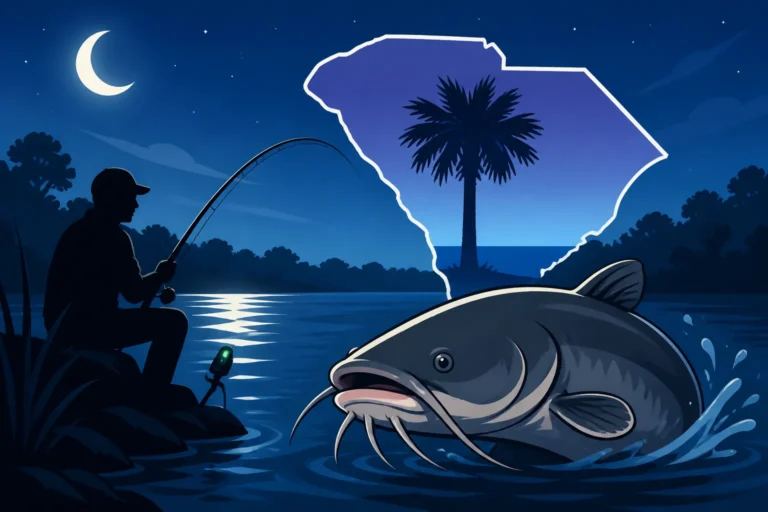
Blue catfish are the undisputed kings of Lake Moultrie, with fish regularly exceeding 50 pounds and trophy specimens pushing triple digits. They are primarily open-water predators, often found in the deeper sections of the lake, particularly along old river channels and main lake ledges. They are constantly on the move, chasing baitfish schools, especially gizzard shad and threadfin shad. Flathead catfish, while perhaps not as numerous as blues, are formidable opponents that prefer heavy cover and often lurk in the dense submerged timber and brush piles. They are ambush predators and tend to be more solitary.
One common frustration for catfish anglers is setting up shop in one spot and waiting. On Moultrie, particularly for blues, a more active approach is often needed. Drifting is a highly effective technique for blue catfish. Anglers will deploy multiple rod-and-reel setups, often using large pieces of cut bait (fresh shad, herring, or even smaller crappie or bream, where legal) on circle hooks, allowing the boat to drift slowly with the wind or current. This covers a lot of water and increases the chances of intercepting a feeding blue. GPS-guided trolling motors, like those from Minn Kota or Rhodan, have revolutionized this technique, allowing precise control over drift speed and direction, even in windy conditions. For flatheads, anchoring near dense cover, like a large brush pile or submerged tree, and presenting live bait (small bream or a live shad) is often the ticket. Patience is key here, as flatheads can take their time to commit. Our guide on Catfish Bottom Fishing Basics provides a great foundation for these methods.
Essential Catfish Baits and Rigs
Choosing the right bait is non-negotiable for success on Lake Moultrie. For blue catfish, fresh cut bait is king. Shad (gizzard or threadfin) is the natural forage, so it's often the most effective. Many experienced anglers will cast net for their own fresh bait before a trip. Herring, mullet, or even pieces of carp can also be productive. For flatheads, live bait is almost always preferred. A frisky 4-6 inch bream or a lively shad hooked through the back will often entice these solitary hunters.
Rigging for Lake Moultrie's catfish requires heavy-duty tackle to handle potential trophy fish and the snaggy environment. A basic Carolina rig or a three-way swivel rig are popular choices.
- Carolina Rig: A sliding egg sinker (1-8 ounces, depending on current and depth) above a swivel, with a 1-3 foot leader of heavy monofilament or fluorocarbon (50-80 lb test) and a large, strong circle hook (8/0-12/0).
- Three-Way Swivel Rig: This rig uses a three-way swivel, with one eye tied to the main line, one to a short leader (6-12 inches) with a pyramid or cannonball sinker, and the third to a longer leader (1-3 feet) with the hook. This rig is excellent for keeping your bait near the bottom in current without excessive rolling.
It's common to see anglers using stout conventional reels spooled with 30-50 lb monofilament or braided line, paired with heavy-action rods. Terminal tackle should be robust – strong swivels, heavy leaders, and sharp, durable hooks. Don't skimp on quality, as a trophy fish can quickly expose weak links in your setup.
| Catfish Species | Preferred Habitat | Primary Baits | Key Techniques |
|---|---|---|---|
| Blue Catfish | Deep channels, ledges, open water, current | Fresh cut shad, herring, mullet | Drifting, anchoring on ledges |
| Flathead Catfish | Heavy submerged timber, brush, structure | Live bream, live shad | Anchoring in cover, set lines |
| Channel Catfish | Creek channels, humps, shallower flats, current | Cut bait, chicken livers, stink baits | Anchoring, bottom fishing |
Excelling at Crappie Fishing on Lake Moultrie
Crappie fishing on Lake Moultrie is a year-round affair, offering fantastic opportunities for anglers willing to adapt to the fish's seasonal movements. Whether you prefer jigging, spider rigging, or pitching minnows, Moultrie has the habitat to support your passion.
Seasonal Crappie Strategies
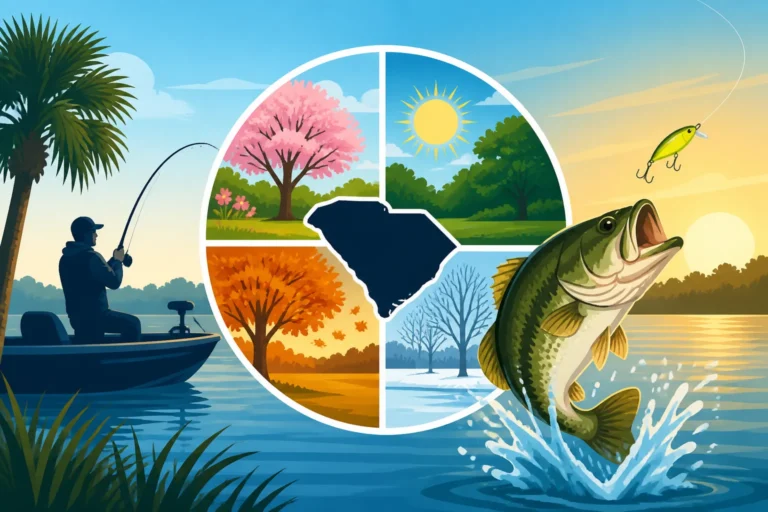
Crappie fishing truly shines on Lake Moultrie, but success hinges on understanding their seasonal patterns. In spring, as water temperatures rise into the 60s, crappie move to shallower water to spawn. Look for them in less than 10 feet of water, especially around submerged brush, cypress trees, and other cover in protected coves. This is a prime time for sight fishing or pitching small jigs and minnows to visible cover. The excitement of catching spawning crappie is unmatched, but don't overlook their pre-spawn staging areas just outside these shallow coves.
As summer heats up, crappie retreat to deeper, cooler water. They'll often suspend over brush piles, submerged timber, or along deep ledges and creek channels in 15-30 feet of water. This is when spider rigging (slow trolling multiple rods with jigs or minnows at different depths) becomes incredibly effective. You're trying to locate schools of crappie holding tight to structure. Many anglers will spend hours using their electronics to map out underwater brush piles before a summer trip.
Fall sees crappie becoming more active again as water temperatures cool. They'll often move back into shallower creek channels and flats, feeding aggressively in preparation for winter. This can be a fantastic time for single-pole jigging around cover. And in winter, crappie will often congregate in large schools in deep holes, main lake channels, or around isolated deep structures. Vertical jigging or tightlining minnows directly over these schools can lead to incredibly productive days. Our article on Winter Fishing Techniques in South Carolina Lakes offers broader winter insights.
Best Baits, Lures, and Techniques for Crappie
When it comes to baits for Moultrie crappie, live minnows are hard to beat, especially when presented under a slip bobber or tightlined vertically. For artificial lures, small jigs are the go-to.
- Jigs: Tiny hair jigs, tube jigs, and soft plastic grubs in sizes 1/32 to 1/8 ounce are highly effective. Popular colors vary, but chartreuse, white, black, and various greens are usually safe bets. Experiment with different colors and sizes until you find what the fish prefer on any given day.
- Minnows: Live minnows, particularly small shiners, are excellent for enticing crappie, especially when they are finicky. Hook them lightly through the back or lips.
Techniques are varied:
- Vertical Jigging: This involves dropping a small jig directly down to fish holding on structure. It's precise and effective for targeting tight schools or fish in dense cover.
- Spider Rigging: This technique uses multiple rods (sometimes 6-10 or more) rigged with jigs or minnows, deployed from the front of the boat while slowly trolling. It allows you to cover a wide area and present baits at various depths simultaneously. This is a phenomenal way to locate scattered fish.
- Casting and Retrieving: In shallower areas, especially during the spawn, casting small jigs or grubs to visible cover and slowly retrieving them can be very productive.
- Trolling: Similar to spider rigging but often with fewer rods and a slightly faster pace, trolling small crankbaits or jigs can also be effective for covering water and finding active fish.
Many anglers find it frustrating when they can see fish on their sonar but can't get them to bite. Often, the solution is in adjusting jig size, color, presentation speed, or simply switching to live bait. For deeper insights into targeting these panfish, check out our guide on the Best Crappie Spots on the Santee Cooper Lakes.
Essential Tips for a Successful Lake Moultrie Trip
Preparing for a trip to Lake Moultrie requires more than just bait and tackle. Given the lake's size and complexity, a thoughtful approach to planning and execution can make all the difference between a frustrating day and a memorable one.
Checking Regulations and Licenses
Before you even launch your boat, make sure you're squared away on all the necessary permits and rules. South Carolina has specific fishing regulations that apply to Lake Moultrie, including size and bag limits for various species. These regulations can change, so it's crucial to check the most current information provided by the South Carolina Department of Natural Resources (SCDNR). The last thing you want is a hefty fine for an honest mistake. Our comprehensive South Carolina Fishing License Guide is an excellent resource for understanding what you need before you even get on the water.
This includes having the appropriate fishing license. Generally, you'll need a valid South Carolina Freshwater Fishing License. If you're fishing with a guide, they often cover the boat's license, but it's always best to confirm if individual licenses are still required for passengers. For detailed breakdowns of freshwater rules, our South Carolina's Freshwater Fishing Regulations post is a must-read. Don't forget to keep your license readily accessible, whether it's a physical copy or on your phone, as SCDNR wardens are active on the lake.
Utilizing Electronics and Mapping
Modern fishing electronics are game-changers on a lake like Moultrie. GPS, sonar, and especially side-imaging or 360-imaging technology can turn a daunting body of water into an open book. Use your GPS to mark waypoints for brush piles, old creek channels, humps, and other productive structures. Navionics and other mapping apps offer incredibly detailed charts of Lake Moultrie, highlighting depth contours, submerged roads, and even some known structures. Studying these maps before your trip can give you a significant advantage.
Sonar allows you to "see" what's directly beneath your boat – baitfish schools, individual fish, and submerged structures. Side-imaging expands your view, showing you what's off to the sides, which is invaluable for locating subtle changes in bottom composition or hidden brush piles that traditional sonar might miss. Many anglers find themselves frustrated trying to "feel" for structure with a weight when their electronics could easily show them the underwater world. Investing in good electronics and learning how to interpret them will drastically improve your success rate on Lake Moultrie.
Weather, Water Levels, and Safety Considerations
Lake Moultrie is a large body of water, and weather can change rapidly. Always check the forecast before heading out, paying close attention to wind speed and direction. High winds can quickly make the lake very rough and dangerous, particularly in open water. Being caught far from a ramp in choppy conditions is a common, and scary, frustration.
Water levels on Lake Moultrie, while generally stable, can fluctuate, which impacts fishing. Lower water levels expose more stumps, making navigation trickier but also concentrating fish in deeper channels. Conversely, higher water levels might flood new areas, offering fresh foraging grounds. Stay updated on current water levels, as they can affect access at boat ramps and the areas where fish are holding. For information on getting your boat in the water, check out our guide on Boat Ramps on Lake Marion and Lake Moultrie.
Finally, safety should always be your top priority. Ensure you have all required safety gear, including life jackets for everyone on board, a fire extinguisher, a throw cushion, and a sound-producing device. File a float plan, telling someone where you're going and when you expect to return. Be mindful of boat traffic, especially on weekends, and always operate your vessel responsibly.
Planning Your Ultimate Lake Moultrie Fishing Adventure
Embarking on a fishing trip to Lake Moultrie is an exciting prospect, but like any grand adventure, a little planning goes a long way. From choosing whether to go guided to finding the best places to stay and gear up, these steps will help ensure your trip is smooth and successful.
Booking a Guided Trip Versus Solo Exploration
For many anglers, especially those visiting Lake Moultrie for the first time, the sheer size and complexity of the lake can be overwhelming. This is where a professional fishing guide truly shines. A local guide possesses invaluable knowledge of the lake, including current fish patterns, hotspots, and the most effective techniques. They'll have the right boat, tackle, and often, fresh bait ready to go. While booking a guide might seem like an added expense, it can save you days of trial and error and significantly increase your chances of a successful and enjoyable trip. Platforms like FishingBooker make it incredibly easy to find and book experienced guides specializing in Lake Moultrie catfish and crappie. You can read reviews, compare prices, and ensure you're getting a guide who matches your fishing goals. This is often the best way to get on fish quickly and learn the nuances of the lake without the initial frustration. For general information, our South Carolina Fishing Charters: The Complete Guide provides a good overview.
However, if you're an experienced angler with your own boat and equipment, or you enjoy the challenge of figuring out a new body of water, solo exploration can be incredibly rewarding. Just be prepared to put in the time and effort. Study maps, use your electronics diligently, and be willing to experiment. The satisfaction of cracking the code on a vast lake like Moultrie on your own is immense. Remember, even solo anglers can benefit from a short, initial guided trip to get a lay of the land and learn some local tips, then apply that knowledge to their own future trips.
Accommodations and Local Amenities
Lake Moultrie offers a range of accommodations, from lakeside cabins and vacation rentals to campgrounds and hotels in nearby towns like Moncks Corner or Eutawville. If you're bringing your own boat, look for places with ample parking and easy access to boat ramps. Many anglers opt for campgrounds around the lake that offer direct water access and dockage, like those within Santee State Park on the adjacent Lake Marion, which still provides easy access to the Santee Cooper system.
Beyond a place to sleep, consider the local amenities. Are there bait shops nearby that sell fresh shad or minnows? Where can you fuel up your boat? Knowing these details in advance can save precious fishing time. A quick search on FishingBooker for local guides might also point you toward areas with good services, as guides tend to operate out of convenient locations. The convenience of having everything you need close at hand can significantly reduce the stress of a fishing trip, especially for families. If you're planning a family trip, consider our advice on Family-Friendly Fishing Spots in South Carolina.
Gear Prep and Best Practices
Before you hit the water, a thorough gear check is crucial.
- Rods and Reels: Ensure your reels are spooled with fresh line, and check your rods for any damage. For catfish, medium-heavy to heavy action rods with robust reels are essential. For crappie, light to ultralight action rods are perfect for feeling those subtle bites.
- Terminal Tackle: Stock up on hooks, sinkers, swivels, and leaders. You'll lose tackle in the stumps, so spares are a must.
- Bait: If using live bait, make sure your livewell or bait bucket is functioning properly. Consider a portable aerator for minnows.
- Safety Gear: Double-check that all required safety equipment is aboard and easily accessible.
- Navigation: Ensure your boat's lights are working, especially if you plan on some early morning or late evening fishing, or if you're exploring Night Fishing Spots on Lake Moultrie, South Carolina. Your GPS unit should be updated with the latest maps.
Embrace a "leave no trace" mentality. Pack out everything you pack in, and dispose of fishing line responsibly. Practice selective harvesting, keeping only what you'll eat and releasing larger breeder fish, especially for trophy catfish. This helps ensure the incredible fishery of Lake Moultrie remains healthy and vibrant for generations to come.
Disclaimer
Please remember that fishing regulations, conditions, and fish behavior can change. Always consult the latest South Carolina Department of Natural Resources (SCDNR) regulations before your trip. Fishing inherently involves risks, and safety should always be your priority on the water.