Murrells Inlet Inshore Fishing Spots in South Carolina
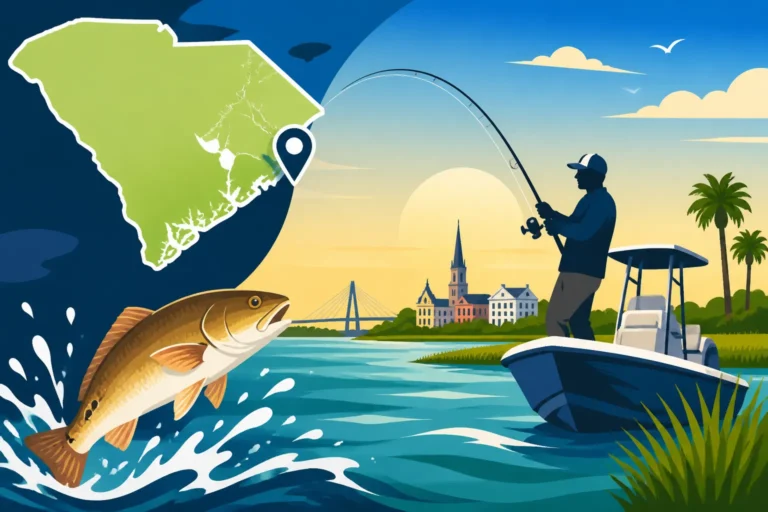
It can be incredibly frustrating to roll into a new fishing destination, or even a familiar one, and feel completely lost about where the fish are hiding. Murrells Inlet, with its intricate network of tidal creeks and sprawling marshlands, can seem like a puzzle, but with the right knowledge, it transforms into an angler's paradise. This comprehensive guide is here to unravel the secrets of Murrells Inlet's inshore waters, detailing the best spots and techniques to help you consistently find redfish, spotted seatrout, flounder, and more.
Understanding Murrells Inlet's Unique Inshore Ecosystem
Murrells Inlet isn't just a place; it's a living, breathing ecosystem that constantly changes with the rhythm of the tides. Understanding its nuances is the first step to successful fishing. This estuary, nestled between Garden City Beach and Litchfield Beach, is a prime example of South Carolina's rich coastal environment, characterized by its labyrinthine tidal creeks and extensive saltmarsh habitats.
The Tidal Creeks and Saltmarsh Habitats
The true heart of Murrells Inlet's inshore fishery lies within its endless network of tidal creeks. These waterways, ranging from narrow, winding channels to broader, navigable passages, serve as crucial highways for baitfish, shrimp, and crabs, which in turn attract a plethora of game fish. The creeks are flanked by vast expanses of Spartina grass, the iconic saltmarsh cordgrass that defines the Lowcountry landscape. This grass isn't just scenery; it's a vital nursery habitat, providing shelter and sustenance for juvenile fish and invertebrates.
As the tides ebb and flow, they dictate the movement of both predator and prey. On an incoming tide, baitfish and shrimp push deep into the grass, seeking refuge and food. This is often when redfish will follow them, sometimes "tailing" in the impossibly shallow water as they root for crabs and shrimp. Conversely, as the tide recedes, bait is flushed out of the grass, concentrating in the deeper channels and creek mouths, creating prime ambush opportunities for larger fish. Anglers who master reading these tidal movements and understanding their impact on fish behavior will find themselves consistently in the right place at the right time. It's a dance between the water and the wildlife, and knowing the steps is paramount.
Shallow Water Flats and Oyster Beds
Beyond the main channels, Murrells Inlet boasts numerous shallow water flats that become exposed or barely covered during low tide. These flats, often dotted with treacherous but ecologically crucial oyster beds, are vibrant feeding grounds, especially for redfish. Oyster beds act as natural filtration systems, creating clearer water, and providing a haven for countless small crustaceans and baitfish that are irresistible to game fish.
Fishing these shallow flats and oyster-laden areas requires a stealthy approach. Kayaks, paddleboards, or shallow-draft boats are ideal for navigating these skinny waters. The challenge is navigating without spooking the fish, which can be easily alarmed in such shallow environments. However, the reward can be incredible sight-fishing opportunities for actively feeding fish. Imagine poling silently across a flat, spotting the tell-tale wake of a cruising redfish, and making a precise cast. The visual thrill of watching a fish react to your lure or bait in crystal-clear, shallow water is an experience that few other types of fishing can offer. These areas are particularly productive during cooler months when water clarity improves, making it easier to spot fish.
Prime Redfish Hotspots in Murrells Inlet
Redfish, or Red Drum, are perhaps the most iconic inshore species in Murrells Inlet, prized for their powerful fights and willingness to chase a variety of baits and lures. They are year-round residents, but their behavior and preferred locations shift with the seasons and, most importantly, the tides. Following the South Carolina Redfish Slot Limit Rules is essential for responsible angling.
Targeting Tailing Redfish on Flood Tides
One of the most exhilarating experiences an inshore angler can have is targeting tailing redfish. This phenomenon occurs on high flood tides, when the water rises sufficiently to cover the vast Spartina grass flats. As the water creeps into these shallow areas, redfish follow the bait and shrimp, often rooting around in the grass for fiddler crabs and other crustaceans. When their tails break the surface as they feed head-down, it’s a clear signal that they are actively hunting.
The key to success here is stealth and precision. Anglers typically use lightweight tackle, casting weedless spoons, soft plastics, or even live fiddler crabs into the path of these feeding fish. Specific areas within Murrells Inlet that consistently produce tailing redfish include the vast marsh expanses behind the Garden City Beach pier and the endless grass flats found throughout the various unnamed creek systems branching off the main inlet. Timing is crucial; you often only have a window of a few hours during the peak of the flood tide. It’s a game of patience, observation, and quick, accurate casts, but the explosive strike of a redfish in inches of water is truly unforgettable. It’s a testament to how the Tide-Based Techniques for Inshore Fishing can really pay off.
Redfish in Deeper Creek Bends and Oyster Racks
While tailing fish offer an incredible sight-fishing experience, redfish spend a significant amount of their time in deeper creek bends and around oyster racks, especially during lower tides or when they are not actively tailing. These areas provide excellent ambush points, as baitfish and shrimp are funneled through the channels or seek refuge among the jagged oysters. The oysters themselves are a food source for redfish, who use their powerful mouths to crush the shells and extract marine worms and other delicacies.
When fishing these deeper spots, tactics shift to bottom fishing with live bait like mud minnows, shrimp, or cut bait. Scent is a big factor, so cut bait can often attract fish from a distance. Artificial lures such as jig heads with soft plastic paddle tails or Gulp! shrimp are also highly effective, mimicking the natural forage. Areas like Hog Inlet, located at the northern end of Murrells Inlet, and the deeper bends of the main creek running towards the Murrells Inlet public boat landing, are known producers. Anglers often look for points, depressions, or areas where current eddies form around oyster beds. These subtle changes in structure can hold a significant number of fish, especially when they are looking for an easy meal without expending too much energy.
Finding Spotted Seatrout in Murrells Inlet's Waters
Spotted seatrout, often affectionately called "specks," are another prized inshore species in Murrells Inlet. Known for their aggressive strikes and delicious flaky white meat, they offer a different challenge than redfish. While they can be found year-round, their activity often peaks in cooler weather. Remember that the South Carolina Spotted Seatrout Daily Bag Limit of 10 Fish is currently in effect, and always check for the most up-to-date regulations before you head out.
Focusing on Creek Mouths and Shell Bottoms
Spotted seatrout have a keen preference for areas with good current flow and an abundance of shell bottom. Creek mouths, where smaller tidal creeks empty into larger channels, are absolute magnets for trout. These locations offer a buffet line for predators as baitfish and shrimp are swept out with the tide. The shell bottoms, typically composed of broken oyster and clam shells, hold warmth in cooler months and provide excellent cover for the small crustaceans and worms that trout feed upon.
Anglers targeting trout in these areas often use light tackle and focus on presenting their baits or lures naturally with the current. Live shrimp under a popping cork is a classic and incredibly effective method. The "pop" of the cork attracts attention, mimicking a feeding fish, while the live shrimp dangles temptingly below. Artificial lures like soft plastic grubs, paddle tails, or twitch baits, often in natural baitfish colors or bright chartreuse, can also be deadly. Good spots to investigate include the mouths of the smaller creeks draining into the main Murrells Inlet channel, particularly those near the Murrells Inlet MarshWalk area or around the Garden City Connector bridge. These areas have consistent current and ample shell beds, making them prime real estate for a hungry trout.
Fishing Docks, Piers, and Structure for Trout
Beyond natural features, spotted seatrout are also notorious for congregating around man-made structures. Docks, piers, bridge pilings, and even submerged debris offer excellent cover and ambush points for these predatory fish. The shade provided by these structures can also offer a comfortable respite during warmer parts of the day.
When fishing around structure, precision casting is key. You want to get your bait or lure as close to the pilings or dock edges as possible, where trout are often hiding. Again, popping corks with live shrimp or small artificial baits are highly effective. A slow retrieve that allows the bait to suspend and flutter naturally often entices a strike. The Murrells Inlet MarshWalk, with its numerous docks and piers, is a fantastic land-based option for those without a boat, offering direct access to prime trout habitat. Even charter passengers, when booked through platforms like FishingBooker, often find themselves targeting trout around these structures. Just be mindful of other anglers and boat traffic, especially during peak times. Understanding the structure and how trout relate to it is a fundamental aspect of successful inshore fishing.
Flounder Fishing Tactics and Locations
Flounder, with their camouflaged bodies and ambush hunting style, are another highly sought-after species in Murrells Inlet. These flatfish lie patiently on the bottom, waiting for an unsuspecting baitfish or shrimp to swim within striking distance. They provide excellent table fare and a rewarding challenge for anglers. If you're planning a trip, be sure to check the Flounder Fishing Season in South Carolina to ensure you're fishing within legal limits.
Ambush Points Around Inlets and Channels
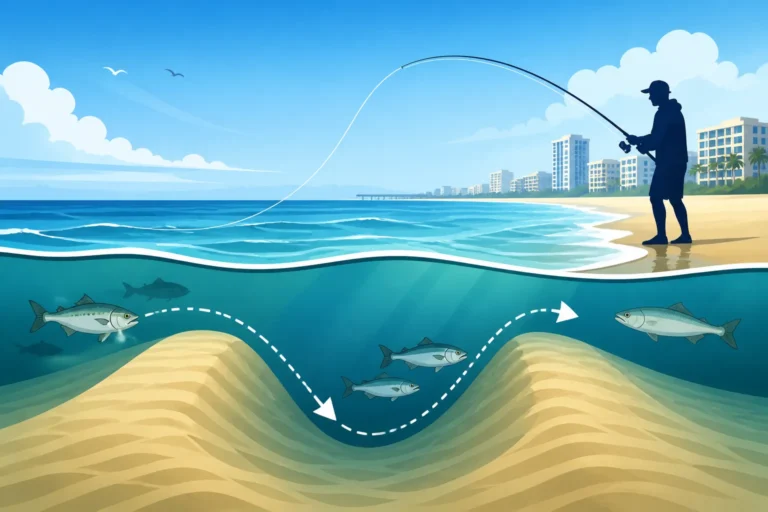
Flounder are masters of camouflage and ambush, making specific locations their preferred hunting grounds. The key is to think like a flounder: where would a flatfish hide to catch passing prey without expending much energy? The answer lies in areas with current and structure, particularly around inlets, channel edges, and drop-offs. The main Murrells Inlet channel, particularly where it meets the ocean and experiences strong tidal flow, is a prime location. Flounder will often bury themselves in the sandy or muddy bottom along these edges, waiting for the current to deliver a meal.
Traditional methods for flounder include jigging with soft plastics or live mud minnows on a jig head. A slow, steady retrieve with occasional taps on the bottom mimics a struggling baitfish, often proving irresistible. The Carolina rig, a weight-and-swivel setup that allows the bait to drift freely just above the bottom, is also incredibly effective, especially when tipped with a live mud minnow or small finger mullet. Areas near the jetties or where sand bars create deeper troughs along the main channel are excellent starting points. Remember, flounder often congregate, so if you catch one, there are likely more nearby.
Docks, Pilings, and Hard Structure for Flounder
Much like spotted seatrout, flounder also utilize man-made structures for ambush and cover. Docks, bridge pilings, seawalls, and even submerged rubble provide excellent hiding spots where flounder can blend in with the bottom and wait for prey. These structures often create eddies and current breaks, which further concentrate baitfish.
When targeting flounder around these hard structures, the focus should be on getting your bait or lure as close as possible to the pilings or submerged edges. A common tactic is to drift a live bait, like a mud minnow or small shrimp, parallel to a dock or seawall, allowing the current to carry it naturally. Using a Carolina rig or a simple bottom rig with a small egg sinker is effective. Don't be afraid to experiment with different depths; flounder might be right on the bottom or slightly elevated in the water column depending on the current and structure. The numerous private docks lining the main Murrells Inlet channel, as well as the larger public piers, offer great opportunities. Always be mindful of private property, but many public areas provide accessible access.
Exploring Other Productive Inshore Species
While redfish, trout, and flounder often take center stage, Murrells Inlet's inshore waters are teeming with a diverse array of other species that offer fantastic angling opportunities. Don't limit yourself; sometimes the unexpected catch can be the most memorable!
Sheepshead on Pilings and Rock Structures
Known affectionately as "convict fish" due to their distinctive black and white stripes, sheepshead are notorious bait stealers but offer a fantastic fight and even better table fare. These fish have human-like teeth, perfectly adapted for crushing the shells of barnacles, oysters, and fiddler crabs—their primary diet. They are almost exclusively found around hard structures, making them a specific target for those who enjoy precision fishing.
The prime locations for sheepshead in Murrells Inlet are any areas with abundant barnacle-encrusted pilings, jetties, oyster beds, or rock structures. This includes the Murrells Inlet jetties, the pilings of bridges like the Garden City Connector, and even the legs of older, barnacle-laden docks along the main channel. The key to catching sheepshead is using small, strong hooks (like a J-hook or small circle hook) and a very sensitive rod. Their bite is incredibly subtle – often just a light tap – before they strip your bait clean. Live fiddler crabs, small pieces of shrimp, or even small barnacles are the best baits. A common rig involves a small weight (split shot or a very light Carolina rig) to present the bait directly to the structure. Learning how to identify their subtle bite is a skill that takes practice, but once you master it, you'll be consistently hooking into these feisty fighters. For more detailed insights, check out Sheepshead Fishing Tips for South Carolina's Brackish Waters.
Black Drum in Deeper Channels and Oyster Beds
Often mistaken for redfish by the untrained eye, black drum are another robust species found throughout Murrells Inlet. While they share some similarities with redfish, black drum tend to be deeper-bodied, have distinctive barbels (whiskers) under their chin for foraging on the bottom, and typically lack the prominent "spot" on their tail. They can grow significantly larger than inshore redfish, offering a truly powerful fight.
Black drum prefer deeper channels, oyster beds, and areas with muddy or sandy bottoms where they can use their barbels to locate crustaceans and mollusks. They are less structure-oriented than sheepshead but will often be found in the vicinity of oysters or along channel edges where food is plentiful. Good spots include the deeper pockets of the main Murrells Inlet channel, especially near the inlet's mouth, and the edges of large oyster rakes. Unlike redfish, black drum are less likely to chase fast-moving lures. Instead, fresh cut bait (like crab or shrimp) or whole pieces of shrimp fished on the bottom with a Carolina rig or a simple bottom rig is highly effective. They are slower, more methodical eaters than redfish, often "mouthing" the bait before fully committing, so a bit of patience is required when you feel that first tug. They are an excellent target for anglers looking for a strong pull and a delicious meal.
Essential Tips for Murrells Inlet Inshore Success
Fishing in Murrells Inlet, like any complex estuary, demands more than just knowing where to cast. It requires an understanding of the environment, proper gear, and sometimes, a little help from the pros. These tips will set you on the path to consistent success.
Understanding Tides and Weather Patterns
Inshore fishing success in Murrells Inlet is inextricably linked to the tides and prevailing weather conditions. The ebb and flow of the tide dictate everything from fish feeding patterns to boat access in shallow areas. As discussed, certain species like redfish actively feed in the grass on high flood tides, while others concentrate in creek mouths on outgoing tides. Missing the optimal tidal window can mean the difference between a banner day and a frustrating one. Always consult a local tide chart before heading out. Websites and apps like Fishbrain or Tide Charts by FishingBooker often provide accurate, real-time tidal data for the Murrells Inlet area.
Weather also plays a significant role. A sudden cold front can shut down a bite, making fish lethargic and less willing to feed. Strong winds can make casting difficult, muddy the water, and create uncomfortable chop, especially in open bay areas. Conversely, a stable weather pattern with light winds and moderate temperatures often translates to active fish. Paying attention to factors like water temperature (which can fluctuate wildly with air temperature and rainfall), barometric pressure, and recent rainfall amounts (which affect salinity and clarity) will give you a significant advantage. The best anglers are often the ones who are also amateur meteorologists. Considering the Best Time of Year to Fish in South Carolina can also heavily influence your success in Murrells Inlet.
Gear, Bait, and Lure Recommendations
Having the right tackle for Murrells Inlet's diverse inshore fishery is paramount. Generally, medium-light to medium action spinning rods (6'6" to 7'6") paired with 2500-3000 series reels spooled with 10-15 lb braided line are versatile choices. A fluorocarbon leader of 20-30 lb test is crucial for abrasion resistance and invisibility, especially in clear water.
When it comes to bait, live shrimp are almost always a universal crowd-pleaser for redfish, trout, and flounder. Live mud minnows (killifish) are excellent for flounder and redfish, and fiddler crabs are the go-to for sheepshead. Cut mullet or blue crab pieces can be deadly for larger redfish and black drum. For artificial lures, a diverse tackle box is your friend:
- Soft Plastics: Paddle tails, jerk baits, and grubs (e.g., Z-Man, Gulp! by Berkley) in natural colors like white, green, and "new penny" are highly effective when fished on jig heads.
- Popping Corks: Essential for suspending live or artificial shrimp above grass flats or oyster beds, attracting fish with their "pop."
- Spoons: Weedless spoons, like a Johnson Silver Minnow, are great for casting into grass flats without snagging, especially for redfish.
- Topwater Lures: Walk-the-dog style baits or poppers can provide explosive strikes from redfish and trout during low-light conditions.
Don't forget essentials like a good pair of polarized sunglasses for spotting fish in shallow water, a net, pliers, and a cooler to keep your catch fresh.
Hiring a Local Guide for Maximized Results
While this guide provides a wealth of information, there's simply no substitute for local knowledge and experience, especially if you're new to Murrells Inlet or inshore fishing in general. Hiring a local fishing guide can dramatically increase your chances of success and provide an invaluable learning experience. A good guide knows the honey holes, understands the subtle nuances of the local tides and fish behavior, and can put you on fish when you might otherwise struggle.
Many excellent guides operate out of Murrells Inlet, offering trips tailored to specific species or fishing styles. Platforms like FishingBooker are excellent resources for finding and booking reputable guides in the area. You can compare different captains, read reviews from other anglers, and find a trip that fits your budget and preferences. A guide will typically provide all the necessary gear, bait, and often cover the boat's South Carolina Fishing License Requirements in South Carolina, meaning you don't need your own. They can also teach you essential techniques, help you identify species, and even clean your catch at the end of the day. For families, a guided trip can be a fantastic way to introduce kids to fishing in a fun and successful environment. It's an investment that pays off in knowledge, memories, and often, a cooler full of fish.
Murrells Inlet Inshore Species at a Glance
Here’s a quick overview of some of the fantastic inshore species you can expect to encounter in Murrells Inlet, along with their preferred habitats and effective baits/lures.
| Species | Preferred Habitat | Common Baits/Lures | Best Times |
|---|---|---|---|
| Redfish | Saltmarsh grass flats, oyster beds, creek bends | Live shrimp, mud minnows, cut bait, soft plastics, spoons | Year-round, especially flood tides |
| Spotted Seatrout | Creek mouths, shell bottoms, docks, bridge pilings | Live shrimp (popping cork), soft plastics, twitch baits | Year-round, cooler months |
| Flounder | Channel edges, inlets, docks, sandy/muddy bottom | Live mud minnows, live shrimp, soft plastic jigs | Spring-Fall, especially outgoing tides |
| Sheepshead | Barnacle-encrusted pilings, jetties, oyster racks | Fiddler crabs, small shrimp | Year-round |
| Black Drum | Deeper channels, oyster beds, muddy bottoms | Cut crab, whole shrimp, cut mullet | Year-round |
| Bluefish | Open channels, creek mouths, near ocean | Live/cut bait, spoons, topwater lures | Warmer months |
Disclaimer
The information provided in this guide is for general informational purposes only. Fishing regulations, seasons, and limits in South Carolina can change frequently. It is the angler's responsibility to consult the latest South Carolina Department of Natural Resources (SCDNR) regulations before engaging in any fishing activities. Always prioritize safety and practice responsible angling to preserve our natural resources for future generations.