Remote Coves on Lake Keowee for Fishing
It's a familiar scenario for many of us: you've packed your gear, launched your boat onto Lake Keowee, and are ready for a peaceful day of fishing, only to find the prime spots already bustling with other anglers. The frustration of crowded ramps and overfished banks can quickly overshadow the joy of the outing. But what if there was a way to truly escape the hustle and bustle, to find those untouched pockets of water where the fish are less pressured and the tranquility is absolute? This guide is all about uncovering the remote coves on Lake Keowee, showing you how to find them, what to expect, and how to make the most of your secluded angling adventures.
Why Seek Out Remote Coves on Lake Keowee?
Let's be honest, there's a certain magic to discovering a hidden gem, especially when it comes to fishing. Lake Keowee, with its vast expanse and intricate shoreline, is a prime candidate for these kinds of discoveries. While the popular marinas and well-known fishing holes are often great for consistent action, they rarely offer the sense of peace and the thrill of the unknown that truly remote coves can provide.
Escaping the Crowds for Peace and Solitude
One of the biggest draws to remote coves is simply the opportunity to get away from it all. Modern life is noisy, and popular fishing spots often reflect that. You've got the roar of ski boats, the chatter of fellow anglers, and the general commotion that comes with any busy recreational area. In a remote cove, however, you might just hear the gentle lapping of water against your boat, the call of an osprey, or the subtle splash of a fish breaking the surface.
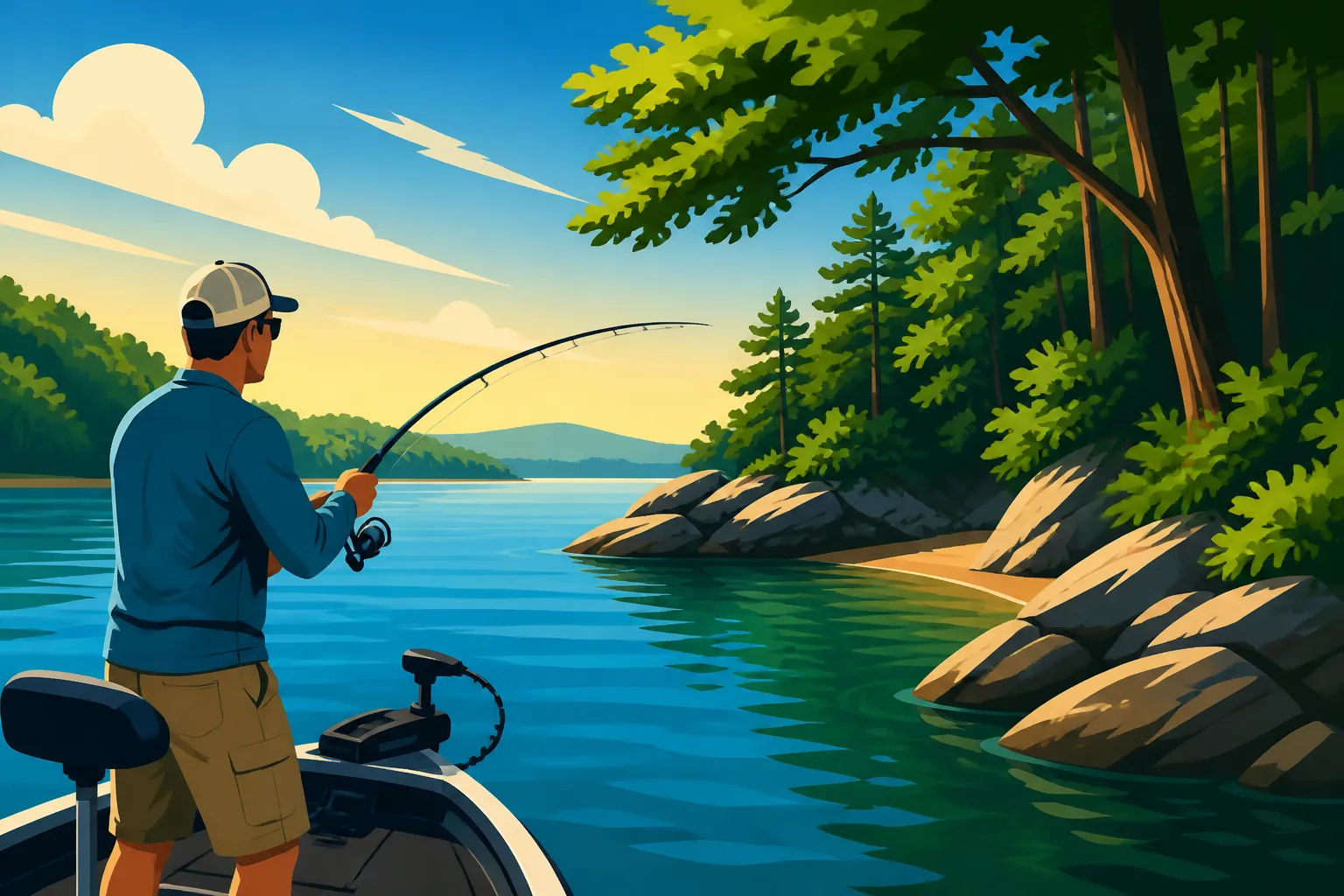
Imagine a Saturday morning: instead of vying for space at a crowded ramp or dodging jet skis, you're nestled deep within a secluded arm of Lake Keowee, the only soul for miles. This isn't just about avoiding other people; it's about reconnecting with nature, clearing your head, and truly focusing on the rhythm of the water. For many of us, fishing is as much about the experience as it is about the catch, and solitude amplifies that experience tenfold. It’s where you truly feel immersed in the natural beauty of the Palmetto State, a feeling that's hard to come by in more accessible areas.
Unpressured Fish and Better Bites
Fish, especially larger, smarter ones, become incredibly wary in heavily fished areas. They learn to avoid certain lures, recognize boat engines, and generally become much harder to fool. Remote coves, by their very nature, see far less angling pressure. This often means the fish inhabiting these waters are more willing to strike, less accustomed to seeing artificial presentations, and potentially larger.
Think about it: a bass that sees a hundred different crankbaits every week is going to be much harder to entice than one that rarely encounters human activity. In these untouched pockets, fish might be more focused on their natural forage and less on evasion tactics. This can translate to more aggressive bites, longer fights, and ultimately, a more rewarding day on the water. It's not uncommon to find schools of crappie or eager bream in these remote spots, often providing fast action once you locate them. You might even stumble upon some of the Best Bass Spots on Lake Keowee that very few others know about.
Discovering Untouched Beauty and Wildlife
Lake Keowee is renowned for its pristine waters and stunning mountain backdrop. While the main channels and popular areas offer beautiful views, the remote coves often unveil a raw, untamed side of the lake that's truly breathtaking. These areas are often bordered by dense forest, untouched by development, offering a glimpse into South Carolina's natural wilderness.
Beyond the scenery, remote coves are often teeming with wildlife. You might spot deer coming down to the water's edge, eagles soaring overhead, or various waterfowl nesting in secluded reeds. For birdwatchers and nature enthusiasts, these coves are a paradise. Every cast becomes an opportunity to observe the intricate ecosystem of the lake, making the fishing experience richer and more holistic. It's a chance to see South Carolina's natural world as it truly is, away from human interference, and that alone is worth the effort of finding these spots.
Identifying and Accessing Lake Keowee's Hidden Gems
Finding those truly remote coves on Lake Keowee isn't always easy, and that's precisely why they remain remote. It takes a bit of research, a keen eye for topography, and sometimes a willingness to venture a little further than most. But with the right approach, you can unlock a whole new world of angling opportunities.
Navigating Maps and Sonar for Prime Seclusion
Your most important tools for finding remote coves are detailed maps and, if you have one, a good sonar or fish finder with GPS capabilities. Start with satellite imagery on apps like Google Maps or Navionics. Look for long, winding creek arms or fingers that branch off the main lake, especially those that appear to have limited road access or no visible docks. Areas with dense tree cover extending right to the shoreline are often good indicators of seclusion.
Once you're on the water, your sonar becomes invaluable. Use it to confirm depth contours, identify submerged timber, rock piles, or ledges that might hold fish. Remote coves often have less defined boat lanes, so paying close attention to your depth sounder is crucial to avoid running aground. Mark promising structure or sudden depth changes on your GPS for future trips. A little scouting work, either online or on the water, goes a long way. Services like FishingBooker can even sometimes connect you with local guides who specialize in these lesser-known areas, though most of the adventure lies in finding them yourself.
Understanding Lake Keowee's Topography for Remote Spots
Lake Keowee's unique topography, formed by the impoundment of the Little River and Keowee River, creates a multitude of deep channels, rocky points, and submerged structures. Remote coves often exist where the original riverbed or creek channels snake into less accessible terrain. Look for areas where the shoreline dramatically changes, from steep rocky banks to gradual, muddy flats.
These transitions often create ideal fish habitat, offering both deep-water refuge and shallow feeding grounds. Coves tucked away behind large islands or those with very narrow entrances tend to be the most secluded. Pay attention to areas where feeder creeks flow into the lake; these can bring in cooler, oxygenated water and vital nutrients, attracting baitfish and, consequently, game fish. Understanding the lay of the land, both above and below the water, is key to unlocking these undisturbed zones. Knowing the patterns of fish movement throughout the year can also help you predict which coves might be most productive, so understanding the South Carolina Fishing Seasons Guide is a good idea.
Strategies for Reaching Secluded Coves
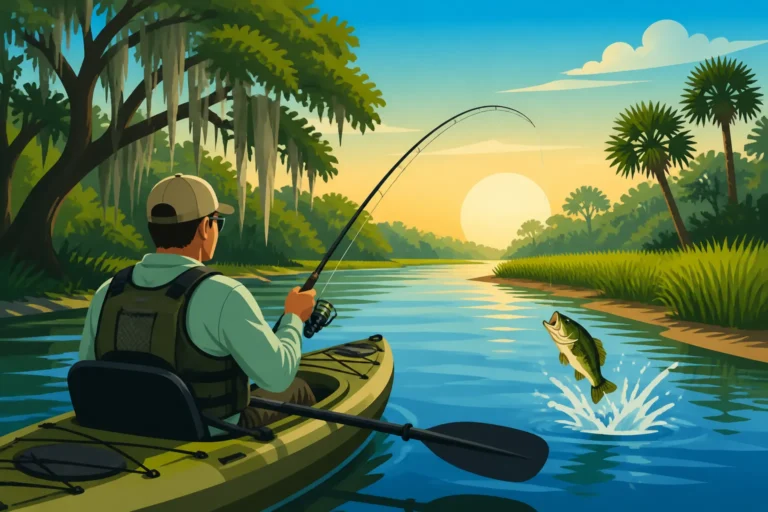
Reaching these out-of-the-way coves often requires a boat. While some might be accessible via long hikes or primitive trails, the true gems are usually boat-access-only. For those without a large fishing vessel, a smaller aluminum boat, kayak, or canoe can be an excellent option. These smaller crafts allow you to navigate tighter spaces, paddle quietly into shallow pockets, and access areas larger boats can't. You can find several public access points and boat ramps around the lake by checking out the guide on Lake Keowee Boat Ramps for South Carolina Anglers.
When planning your approach, consider wind direction and potential boat traffic on the main lake before you enter the cove. A calm approach is essential for not spooking the fish in these less pressured areas. If you're using an outboard, trim it up once you enter shallower waters or switch to a trolling motor. The less disturbance you create, the better your chances of a successful and peaceful outing. Always be mindful of submerged hazards like stumps or rocks, which are more common in remote, unmaintained areas.
Fishing Techniques Tailored for Remote Keowee Coves
Once you've successfully navigated your way into a pristine, remote cove on Lake Keowee, the real fun begins. But don't just throw out your usual go-to lure. These unpressured fish often respond best to slightly different tactics, making your efforts to find these spots even more rewarding.
Targeting Bass in Undisturbed Waters
Largemouth and Spotted Bass absolutely thrive in the undisturbed environment of remote coves. Because they face less pressure, they might not be as wary of a boat or a shadow overhead. This often means you can be a bit more aggressive with your presentations, or conversely, find success with subtle approaches that work on unpressured fish. Start by focusing on cover: fallen trees, brush piles, rocky outcrops, and even deeper weed lines. These are classic bass hideouts, and in remote coves, they haven't been picked over repeatedly.
Casting jigs, Texas-rigged worms, or spinnerbaits into these types of structure can be incredibly effective. Don't be afraid to let your bait sit for a moment after it lands near cover; sometimes the fish need a second to decide to strike without the constant commotion of other boats. Topwater lures, especially early in the morning or late in the evening, can also be dynamite. The quiet environment allows the fish to key in on the surface disturbance without being distracted by other sounds. For deep-water structure you might find in some coves, check out tips for Boat Fishing Techniques for Deep Water Bass.
Light Tackle and Finesse for Wary Fish
While remote coves often mean less pressured fish, some species, or even particularly large bass, can still be surprisingly wary. This is where light tackle and finesse techniques truly shine. A lighter line (6-8 lb test) paired with smaller baits like Ned rigs, drop shots, or small shaky head jigs can produce incredible results. These presentations are subtle, mimicking natural forage, and are less likely to spook fish in clear, calm waters.
Finesse fishing is also excellent for covering water slowly and meticulously, which is often required in complex cove structures. Cast to specific targets, let your bait sink slowly, and work it with minimal movement. The goal is to make your lure appear as natural as possible. Don't underestimate the power of a simple worm or a small grub on a light jig head. Sometimes, the less "fancy" the bait, the more effective it is on fish that aren't accustomed to seeing a tackle shop's worth of options flying past their noses. This approach is particularly effective for catching crappie and bream that congregate around submerged structure.
Exploring Trout Opportunities in Cooler Coves
While Lake Keowee is primarily known for its bass and panfish, some of its deeper, cooler coves and creek arms can surprisingly hold trout, especially in the colder months or in areas fed by mountain springs. These might not be the typical trout streams of the Upstate, but pockets of brown or rainbow trout can sometimes be found seeking refuge in oxygenated, colder water. If you're looking for more general trout spots, then the Lake Keowee Trout Fishing Spots in South Carolina article is a great read.
When targeting trout in these coves, think small and natural. Small inline spinners, tiny spoons, or even live bait like red worms or corn under a bobber can be very effective. Fly fishing with small nymphs or emergers can also be a quiet and productive method, especially in areas with a clear, gentle flow. The key is to present your bait as naturally as possible, mimicking the insects and small aquatic life that trout feed on. Stealth is paramount; trout have excellent eyesight and can be easily spooked by sudden movements or bright colors. Always be sure to check current regulations for trout in South Carolina, as they can vary by water body and season.
Essential Gear and Responsible Angling in Secluded Areas
Venturing into remote coves is an adventure, and like any good adventure, it requires proper preparation. Beyond your fishing rods and tackle box, there are some specific items and practices that will ensure your trip is both safe and respectful of the pristine environment you're exploring.
Must-Have Gear for Remote Excursions
When heading into areas where you might be the only person for miles, being self-sufficient is key. Here’s a checklist of items that are crucial for a remote Keowee cove fishing trip:
- Reliable Boat & Motor: Ensure your boat, whether it's a bass boat, jon boat, or kayak, is in top working order. Check your fuel, battery, and trolling motor. A spare propeller or a patch kit for kayaks can save a trip.
- Navigation Tools: In addition to your boat's GPS, carry a fully charged phone with a mapping app (like Navionics or Google Maps) and, ideally, a physical map and compass as a backup. Service can be spotty in remote areas.
- Safety Gear: A well-stocked first-aid kit, whistle, paddle (even if you have a motor), life jackets for everyone on board, and a fire extinguisher are non-negotiable. Always let someone know your float plan – where you're going and when you expect to return.
- Food and Water: Bring more than you think you'll need. Pack non-perishable snacks and plenty of water, especially during South Carolina's warmer months.
- Sun Protection: Sunscreen, a wide-brimmed hat, and sunglasses are essential. The sun reflects off the water, intensifying its effects.
- Trash Bag: This ties into responsible angling, but always carry a dedicated bag for all your trash, including fishing line and bait containers.
- Anchor: Even in a quiet cove, an anchor is vital for holding your position, especially if you find a productive spot or need to take a break.
- Fishing License: Crucial for any fishing trip in South Carolina. Make sure yours is current! You can learn more about how to purchase and manage it by checking out the South Carolina Fishing License Guide.
Practicing Leave No Trace Principles
The beauty of remote coves lies in their untouched nature, and it's our responsibility as anglers to keep them that way. Adhering to Leave No Trace principles is paramount. This means packing out everything you pack in, and perhaps even picking up any stray litter you find from less mindful visitors.
This includes fishing line, bait containers, snack wrappers, and anything else you bring with you. If you're bringing live bait, be careful not to introduce non-native species to the ecosystem. Practice catch and release, especially for larger breeding fish, to ensure these remote havens remain productive for future generations. If you do keep fish within the legal limits, clean them at home, not on the lake, to avoid leaving behind unwanted fish waste. The goal is to leave the area exactly as you found it, or even better. These principles help maintain the integrity of all Remote and Uncrowded Fishing Spots in South Carolina.
Safety Considerations for Solo Adventures
Fishing in remote coves often means fishing alone or with a very small group, which inherently carries additional safety considerations. While the solitude is a huge draw, it also means you're further from assistance if something goes wrong.
- Communicate Your Plan: As mentioned, always tell someone your exact float plan. Give them details on where you intend to launch, the general area you'll be fishing, and your estimated return time.
- Check Weather Forecasts: Lake Keowee can experience sudden weather changes. Always check the forecast before you go and be prepared to cut your trip short if storms or high winds are predicted.
- Stay Hydrated and Fed: Dehydration and low blood sugar can impair judgment. Keep fluids and snacks readily available.
- Know Your Limits: Don't take unnecessary risks. If a cove looks too shallow, too choked with timber, or too difficult to navigate, err on the side of caution. There will always be another remote cove to explore.
- Emergency Contact Information: Have emergency numbers programmed into your phone and, if possible, carry a satellite messenger device like a Garmin inReach or a SPOT device for areas with no cell service.
By being prepared and responsible, you can fully enjoy the unique magic of Lake Keowee's remote coves. Whether you're chasing trophy bass, subtle trout, or simply seeking a moment of peace, these hidden spots offer an unparalleled South Carolina fishing experience. If you ever want to expand your search for these kinds of quiet excursions, remember that a platform like FishingBooker can sometimes help connect you with guides who specialize in exploring these less-traveled waterways.
Disclaimer
Fishing regulations, license requirements, and fish populations can change. Always consult the latest South Carolina Department of Natural Resources (SCDNR) guidelines before fishing. This guide is for informational purposes only and does not constitute professional advice. Fish responsibly and safely.