South Carolina Fishing Spots for Every Angler
Trying to figure out where to cast your line in South Carolina can feel like an overwhelming task. With so many diverse waterways, from the mountain streams of the Upstate to the vast Lowcountry estuaries, it’s easy to get lost in the options and wonder if you’re picking the best spot for your target species or preferred fishing style. This guide is here to cut through the confusion and highlight some of the absolute best fishing spots across the Palmetto State, ensuring every angler, no matter their experience or preference, can find their next perfect fishing adventure.
Unlocking the Upstate's Freshwater Gems
The Upstate region of South Carolina might be known for its stunning mountains and vibrant cities, but for anglers, it’s a treasure trove of pristine freshwater fishing opportunities. From massive impoundments to smaller, scenic lakes, this area offers diverse experiences, whether you're chasing trophy bass or tranquil panfish. The cooler, clearer waters here provide a unique environment compared to the warmer, slower rivers further east.
Lake Hartwell: A Bass Angler's Dream
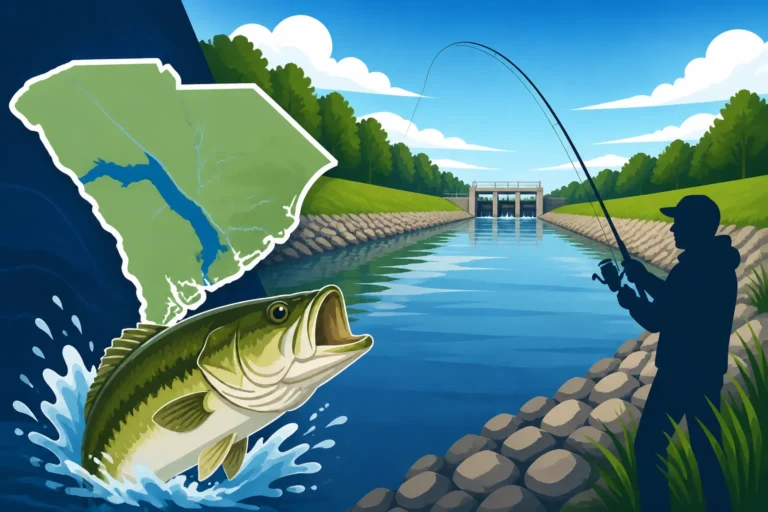
Lake Hartwell, straddling the border between South Carolina and Georgia, is consistently ranked as one of the top bass fishing lakes in the nation. This massive reservoir, fed by the Tugaloo and Seneca rivers, boasts over 56,000 acres of water and more than 960 miles of shoreline, offering an endless array of structures and cover for bass and other species. Its clear, deep waters and abundant forage make it a prime location for both largemouth and spotted bass.
Springtime on Lake Hartwell is legendary for its bass bite. As the water temperatures rise, largemouth bass move into shallower coves and creeks for their pre-spawn and spawning rituals. Anglers often find success targeting rocky points and submerged timber on Hartwell's Tugaloo Arm with crankbaits, jigs, and soft plastics. Later in the spring and into early summer, the topwater bite can be absolutely explosive around grass beds and docks. For those looking for a real challenge, the spotted bass here fight incredibly hard and can be found schooling in deeper water, often chasing baitfish. Don't forget to check out our detailed guide on Lake Hartwell Fishing Spots on the South Carolina-Georgia Border for more specific locations and techniques that can help you land that trophy.
Beyond bass, Lake Hartwell also holds significant populations of crappie and stripers. Crappie fishing is particularly popular in the cooler months, with anglers targeting brush piles and submerged structure using small jigs or live minnows. Striped bass are often found in the main lake channels and around the dam, especially during the warmer months when they tend to school up and feed on baitfish. Whether you're a seasoned pro or just starting, Lake Hartwell provides an exhilarating and rewarding fishing experience that keeps anglers coming back year after year.
Lake Keowee: Clear Waters and Diverse Species
Just a stone's throw from Clemson, Lake Keowee is another Upstate gem, though it offers a distinctly different fishing experience than Lake Hartwell. Known for its exceptionally clear, deep, and cool waters, Lake Keowee is a hydroelectric reservoir fed by the Keowee River. This clarity makes for excellent sight fishing opportunities, but it can also make the fish a bit warier, demanding a more finesse approach from anglers.
Lake Keowee is particularly renowned for its robust populations of both largemouth and smallmouth bass. The smallmouth, in particular, thrive in the lake's cooler, rocky environments, making it one of the few places in South Carolina where you can consistently target this hard-fighting species. Anglers often find success around rocky points, humps, and drop-offs using finesse worms, drop shots, and small swimbaits. The largemouth bass, while present, tend to inhabit the stained backwaters and coves, providing a different challenge. If you're looking for Lake Keowee Trout Fishing Spots in South Carolina, you'll be pleased to know that the colder, deeper waters also support a healthy population of rainbow and brown trout, especially in the lower reaches near the dam.
Fishing on Lake Keowee often requires patience and attention to detail. The fish can be finicky due to the clear water, but when you crack the code, the rewards are fantastic. Beyond the bass and trout, you'll also find crappie, bluegill, and catfish, making it a truly versatile fishery. Many anglers enjoy exploring the remote coves on Lake Keowee for fishing, offering a peaceful and uncrowded experience. Whether you're paddling a kayak or navigating a bass boat, Keowee’s serene beauty and diverse fish populations make it a standout destination.
Exploring the Midlands' Productive Waters
Moving towards the heart of the state, the Midlands region is dominated by some of South Carolina's largest and most productive lakes and rivers. These waters are often warmer and shallower than their Upstate counterparts, creating ideal conditions for a wide array of warm-water species, from trophy catfish to hard-fighting striped bass.
Lake Murray: Striper Capital of the Southeast
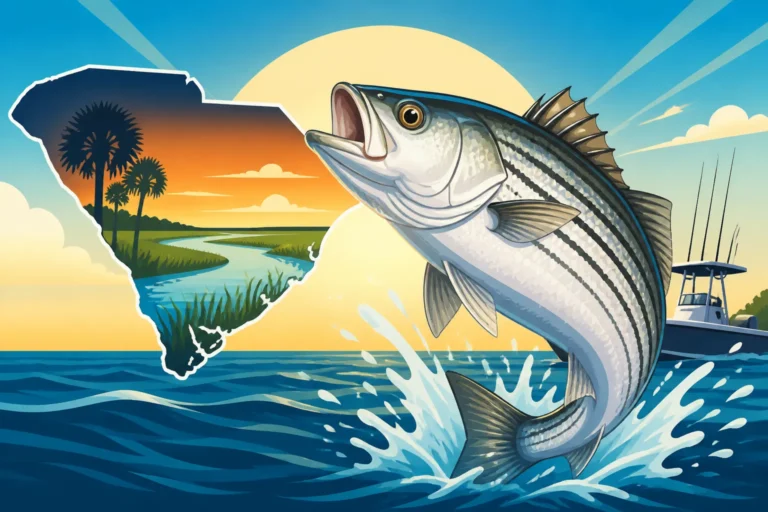
Lake Murray, affectionately known as the "Jewel of South Carolina," is an expansive 50,000-acre reservoir near Columbia that has earned a reputation as the "Striper Capital of the Southeast." This lake is famous for its incredible striped bass fishery, attracting anglers from all over the country who come to experience the thrill of battling these powerful fish. The sheer size of Lake Murray, combined with its abundant forage base, allows stripers to grow to impressive sizes, with fish regularly exceeding 20 pounds.
During the warmer months, particularly summer, the striped bass on Lake Murray tend to move deeper to find cooler, more oxygenated water. Anglers often target them by downlining live bait, such as herring or shad, over submerged humps and channels. The area around Dreher Island is particularly popular, with many experienced anglers anchoring the submerged humps near Dreher Island for stripers. In the cooler months, especially spring and fall, the stripers become more active throughout the water column and can be caught using a variety of techniques, including casting bucktail jigs, umbrella rigs, or even topwater lures during aggressive feeding frenzies. You can learn more about specific techniques in our guide to Lake Murray Summer Striped Bass Techniques in South Carolina.
But Lake Murray is far from a one-fish wonder. It also offers excellent fishing for largemouth bass, crappie, and catfish. Bass anglers will find plenty of structure, from docks and brush piles to rocky points and submerged islands. Crappie fishing picks up in the spring around shallow cover, while the lake’s abundant catfish, including big flatheads and blues, provide a fantastic night fishing opportunity. No matter what you're after, Lake Murray offers a vibrant and rewarding fishing experience that epitomizes the best of South Carolina freshwater angling. Many anglers rely on platforms like FishingBooker to find experienced guides who specialize in Lake Murray's unique challenges and opportunities, ensuring a successful trip.
Santee Cooper Lakes: A Legendary Fishery
The Santee Cooper Lakes—comprising Lake Marion and Lake Moultrie—are perhaps the most legendary fishing destination in South Carolina. These two massive, interconnected reservoirs cover over 170,000 acres and are celebrated for their incredible diversity and sheer abundance of fish. Often considered the birthplace of trophy striped bass in freshwater, the Santee Cooper system consistently produces record-breaking fish across multiple species.
Lake Marion, the larger of the two, is characterized by its vast shallow flats, cypress tree forests, and abundant submerged vegetation. This makes it a prime habitat for largemouth bass, which grow to impressive sizes here. Anglers often target the cypress stump flats on Lake Marion for bass fishing, particularly during the spring spawn when big females move into the shallows. The lake also holds phenomenal populations of crappie and bream, with countless brush piles and standing timber providing ideal cover. If you're looking for Lake Marion Bass Fishing Spots in South Carolina, you'll find plenty of local knowledge points you towards the blackwater tributaries and shallow coves.
Lake Moultrie, while smaller, is deeper and offers excellent fishing for species like catfish and striped bass. It’s particularly famous for its giant catfish, with blues and flatheads exceeding 50 pounds being a regular occurrence. Anglers targeting catfish on Lake Moultrie often use cut bait or live bait on the bottom, especially in the deeper channels and around submerged structure. The Santee Cooper Diversion Canal, connecting the two lakes, is a hotspot for both stripers and catfish, offering unique current-driven fishing opportunities. For those looking to maximize their experience, booking a trip through a service like FishingBooker can connect you with guides who know the intricate patterns of the Santee Cooper system, especially for trophy species like catfish and striped bass. The sheer productivity of these lakes ensures that every trip to Santee Cooper holds the potential for a memorable catch.
Coastal Treasures: Saltwater Adventures
The South Carolina coast is a dynamic environment where freshwater meets saltwater, creating rich estuaries, tidal creeks, and expansive ocean waters teeming with marine life. From inshore redfish to offshore pelagics, the saltwater fishing opportunities here are as varied as they are exciting.
Charleston Harbor and Surrounding Estuaries
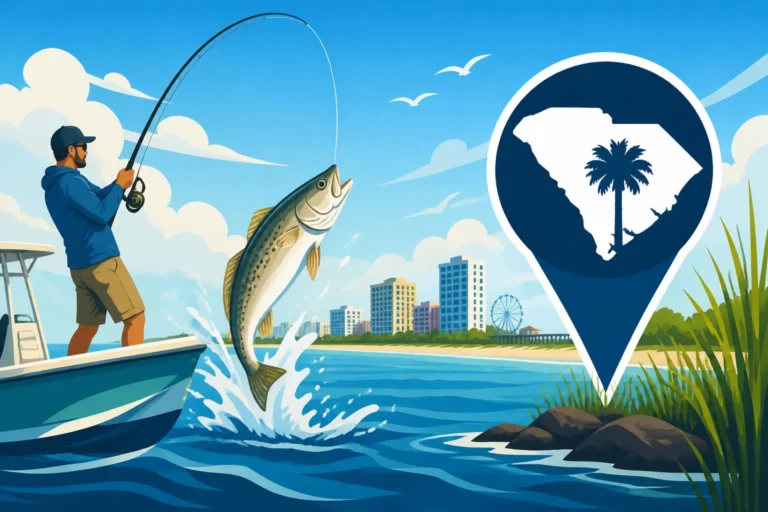
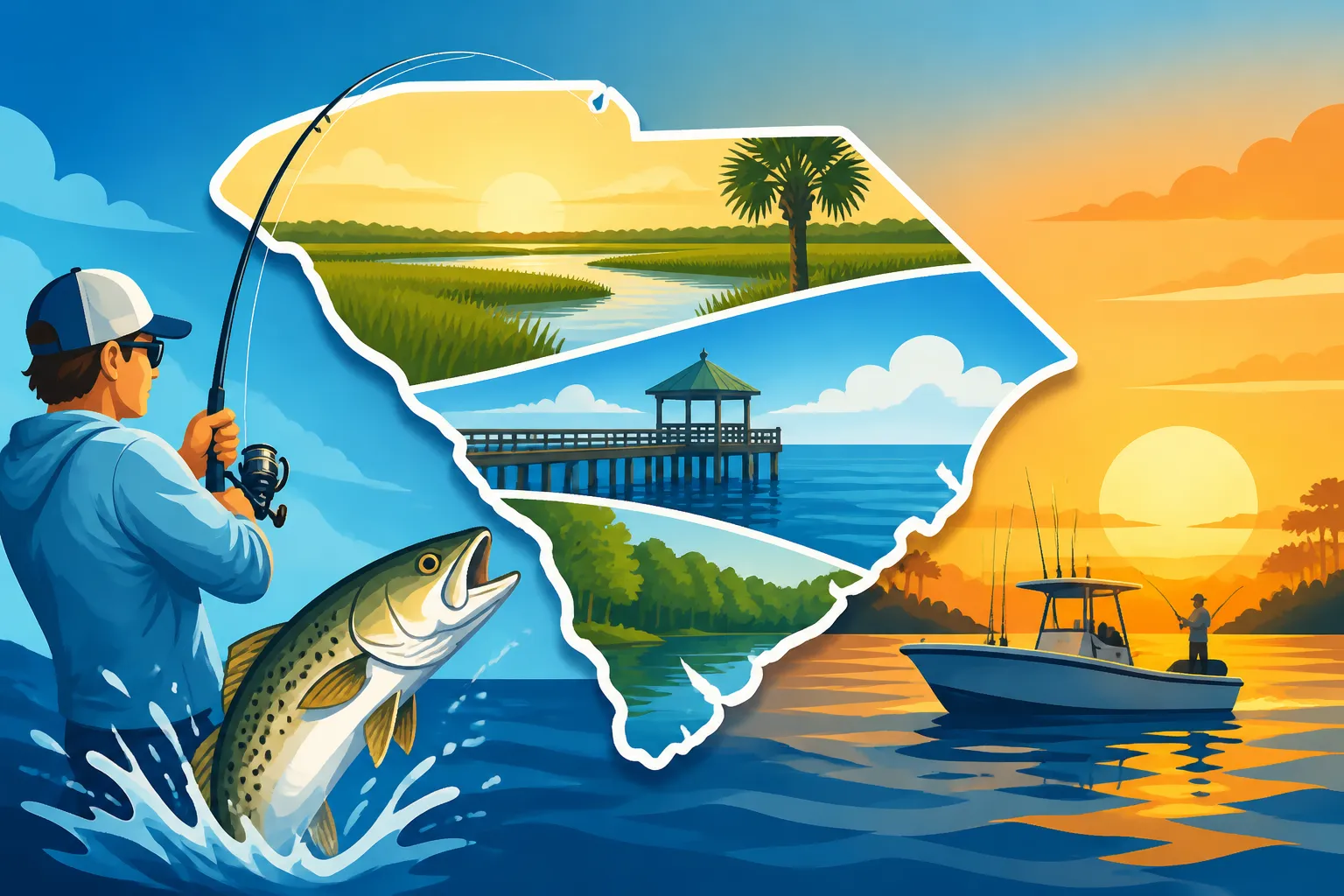
Charleston, with its historic charm, also serves as a major hub for some of the best inshore saltwater fishing on the East Coast. Charleston Harbor itself is a massive estuary, fed by multiple rivers, and surrounded by a labyrinth of tidal creeks, oyster beds, and marsh grass flats. This intricate system provides ideal habitat for a variety of popular inshore species, making it a year-round destination for anglers.
The most sought-after species in Charleston's inshore waters are redfish (red drum), spotted seatrout (speckled trout), and flounder. Redfish are particularly abundant, with anglers targeting them on flood tides when they tail in the grass, or during lower tides as they school in deeper creek bends. The jetties at the mouth of the harbor are famous for large redfish, as well as sheepshead and even tarpon during the summer months. For spotted seatrout, the warmer months and early fall are prime, with anglers using popping corks with live shrimp or artificial lures over oyster beds and grass lines. You can learn more about where to find these fish in our article on Charleston Harbor Sheepshead Fishing Spots.
Beyond these primary species, you'll find black drum, whiting, and various panfish closer to shore. The beauty of fishing in the Charleston area is the sheer variety and accessibility. Many public boat ramps and fishing piers dot the coastline, offering easy access to different fishing environments. Whether you prefer shallow water sight fishing from a kayak or targeting deeper channels from a center console, Charleston’s diverse estuaries offer an endless array of options for the avid saltwater angler. Local fishing charters, often found and booked through platforms like FishingBooker, can offer unparalleled insights into the best seasonal spots and techniques, especially for newcomers to the area.
Murrells Inlet: A Coastal Fishing Paradise
South of Myrtle Beach, Murrells Inlet stands out as a charming fishing village and a true paradise for inshore and nearshore anglers. This historic inlet is a natural estuary, protected by barrier islands, which creates a rich and productive environment for a multitude of fish species. Its unique geography, with deep channels, expansive mudflats, and intricate creek systems, makes it a prime location for targeting popular coastal game fish.
Murrells Inlet is particularly famous for its redfish and spotted seatrout populations. Anglers regularly find schools of redfish cruising the shallow flats and creek banks, especially on rising tides. The fishing for spotted seatrout can be exceptional, particularly during the cooler months when they school up in the deeper channels. Flounder are also a popular target, often ambushing baitfish around oyster beds, dock pilings, and sandy bottoms near creek mouths. If you're looking for Murrells Inlet Redfish Fishing Spots in South Carolina, you'll find plenty of advice pointing to the numerous smaller creeks feeding into the main inlet.
Beyond these inshore staples, Murrells Inlet also provides excellent access to nearshore fishing opportunities. Just outside the inlet, anglers can target king mackerel, Spanish mackerel, cobia, and various snapper and grouper species around artificial reefs and ledges. The jetties themselves offer fantastic fishing for sheepshead, black drum, and even some large bull reds. With numerous charter boats, bait shops, and knowledgeable locals, Murrells Inlet offers a quintessential South Carolina coastal fishing experience, blending serene marsh landscapes with thrilling saltwater action.
River Fishing Adventures Across South Carolina
South Carolina’s rivers are the lifeblood of its diverse ecosystems, offering a completely different fishing experience from its lakes and coastal waters. From the swift currents of mountain streams to the wide, slow-moving blackwater rivers of the Lowcountry, these waterways are teeming with a variety of species and present unique challenges and rewards for anglers.
Edisto River: The Longest Uninterrupted Blackwater River
The Edisto River holds a special place in South Carolina's natural heritage as the longest free-flowing blackwater river in North America. Its dark, tannin-stained waters wind through ancient cypress swamps and pristine bottomland forests, creating an incredibly scenic and productive fishery. Fishing the Edisto is less about wide-open spaces and more about navigating intimate stretches of river, where the ancient trees cast long shadows and every bend in the river feels like a hidden gem.
The Edisto is renowned for its excellent populations of largemouth bass, various species of bream (sunfish), and catfish. Bass fishing is particularly good around fallen timber, cypress knees, and lily pad fields, especially during the spring and fall. Anglers often use topwater lures, spinnerbaits, and soft plastics to entice bites from bass hiding in the cover. For those who enjoy a more relaxed pace, the bream fishing can be phenomenal, with redbreast sunfish being a local favorite. Simple cane pole setups with crickets or worms can yield dozens of feisty panfish. You can explore Blackwater Bends on the Edisto River Worth a Cast for some truly unique experiences.
Catfish, including channel cats and flatheads, are also abundant in the Edisto, thriving in the river's deeper holes and logjams. Jug fishing and trotlines are popular methods for targeting these larger whiskered predators, particularly after heavy rains when the current picks up. The Edisto's wild character means that access can sometimes be a challenge, but public landings and a growing number of outfitters offering Edisto River Kayak Fishing Spots make it more accessible than ever. Its untouched beauty and prolific fishery make the Edisto a must-visit for any angler seeking a true wilderness experience in the Palmetto State.
Congaree River: Urban Fishing for Giant Catfish
Flowing right through the heart of Columbia, the Congaree River offers a surprisingly productive and accessible urban fishing experience, particularly for trophy catfish. Formed by the confluence of the Broad and Saluda rivers, the Congaree is a powerful waterway with a diverse array of habitats, from swift shoals to deep holes, all within easy reach of the state capital.
While you might not expect it in such an urban setting, the Congaree River is a national hotspot for giant blue and flathead catfish. Anglers regularly pull out fish weighing 50, 60, or even 80+ pounds from its depths. The river’s strong currents and abundant forage make it an ideal environment for these massive fish to thrive. The best approach for targeting these behemoths is often heavy tackle, stout lines, and large cut bait, fished on the bottom in deep holes and current seams. If you're specifically after Congaree River Catfish Fishing Spots Near Columbia, look for areas with deep drop-offs and structure where catfish can ambush prey.
Beyond the catfish, the Congaree also holds healthy populations of striped bass, particularly during their seasonal runs from Lake Murray and the Santee Cooper system. These anadromous fish migrate upriver to spawn, offering fantastic opportunities for anglers targeting them with live bait or artificial lures. Largemouth bass and various panfish can also be found in the calmer backwaters and oxbow lakes adjacent to the main river. The Congaree National Park also offers unique fishing opportunities within its boundaries. With multiple public access points and boat ramps, the Congaree River proves that world-class fishing can indeed be found right in the middle of a bustling city.
Bank Fishing and Family-Friendly Spots
Not every great fishing trip requires a boat or extensive gear. South Carolina is dotted with numerous accessible spots perfect for bank fishing, a relaxing afternoon with the family, or introducing kids to the joys of angling. These locations often provide a less intimidating entry point into the sport, focusing on easy catches and memorable experiences.
State Parks and Community Ponds
South Carolina’s state parks are fantastic resources for anglers seeking easily accessible and well-maintained fishing spots. Many parks feature lakes, ponds, or river access specifically managed for recreational fishing, often stocked with popular species to ensure a good chance of success. These areas are typically family-friendly, with amenities like picnic tables, restrooms, and sometimes even tackle loaner programs.
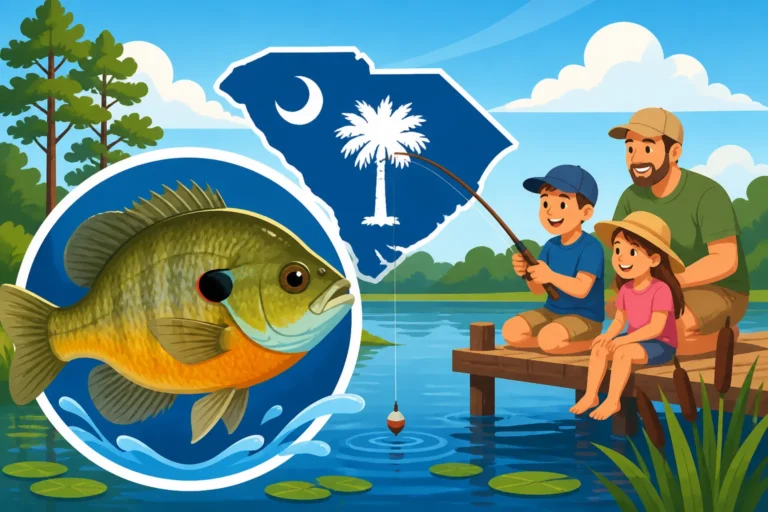
For example, Santee State Park, located directly on Lake Marion, offers incredible bank fishing for catfish, crappie, and bream. You can find detailed information about Santee State Park Fishing Spots on Lake Marion that highlight prime areas for shore-bound anglers. Table Rock State Park in the Upstate provides access to smaller, scenic lakes perfect for catching bluegill and bass from the bank, especially great for kids. These parks are often stocked with various panfish, which are ideal for beginners due to their abundance and willingness to bite. Simple setups with a bobber, a hook, and some worms or crickets are usually all you need to keep the little ones engaged.
Beyond state parks, many communities across South Carolina maintain public ponds and lakes specifically for fishing. These smaller bodies of water are often less crowded and provide excellent opportunities for catching bluegill, bass, and sometimes catfish. They are perfect for a quick fishing outing without the hassle of launching a boat. These spots are fantastic for fostering a love of fishing in younger generations, offering safe and productive environments to learn the ropes. Checking local county parks and recreation department websites is a great way to discover these hidden gems near you.
Public Piers and Beaches for Coastal Fun
For coastal bank fishing, South Carolina offers an abundance of public piers and beaches that provide excellent access to saltwater species without needing a boat. These locations are particularly popular during the warmer months and offer a different kind of angling experience, often with a vibrant, social atmosphere.
Many coastal towns boast long fishing piers that extend well into the ocean or bay, providing access to deeper water and a wider array of species than you might find from the immediate shoreline. Popular piers in areas like Myrtle Beach, Folly Beach, and Isle of Palms are prime spots for catching whiting, pompano, flounder, Spanish mackerel, king mackerel, and even some smaller sharks. Fishing from a pier often requires heavier tackle to handle the current and larger fish, but it’s an incredibly rewarding experience. You can find out more about Best Fishing Piers Near Myrtle Beach to plan your next trip.
Surf fishing from the beach is another fantastic bank fishing option along the entire South Carolina coastline. While you might not target the same trophy species as offshore, surf anglers regularly catch whiting, pompano, redfish, and various small sharks. The key to successful surf fishing often involves understanding the tides, reading the beach for troughs and sandbars, and using appropriate bait like shrimp, cut bait, or fish bites. For many, the joy of surf fishing is as much about the serene beauty of the ocean as it is about the catch itself. These accessible coastal spots provide endless opportunities for anglers of all skill levels to enjoy the Palmetto State’s rich marine fisheries.
Table: South Carolina Fishing Spot Types at a Glance
To help you decide where to cast your line next, here's a quick overview of the different types of fishing spots in South Carolina, outlining their typical characteristics and target species.
| Spot Type | Typical Location | Water Characteristics | Primary Target Species | Best Techniques | Accessibility |
|---|---|---|---|---|---|
| Large Lakes | Upstate, Midlands | Clear to stained, deep to shallow, vast | Largemouth Bass, Striped Bass, Crappie, Catfish | Trolling, Jigging, Live Bait, Topwater | Boat ramps, Marinas, Some bank access |
| Rivers | Midlands, Lowcountry, Upstate | Flowing current, blackwater or clear | Catfish, Largemouth Bass, Striped Bass, Bream | Bottom Fishing, Finesse, Live Bait, Fly Fishing | Boat ramps, Kayak launches, Limited bank access |
| Coastal Estuaries | Lowcountry Coast | Brackish, tidal creeks, marsh | Redfish, Spotted Seatrout, Flounder, Sheepshead | Sight fishing, Popping Corks, Jigging, Live Bait | Boat ramps, Kayak launches, Some public docks |
| Piers/Beaches | Coastal | Saltwater, ocean frontage | Whiting, Pompano, Redfish, Spanish Mackerel | Surf Casting, Bottom Rigs, Live Bait | Easy pedestrian access, Parking available |
| Community Ponds | Across the State | Small, calm, often stocked | Bluegill, Bass, Catfish | Bobber & Bait, Spin Casting | Easy bank access, Family-friendly |
The Best Times to Fish Each Region
Understanding the seasonality of fishing in South Carolina can dramatically improve your success. Fish behavior is highly influenced by water temperature, spawning cycles, and feeding patterns, all of which shift throughout the year. Knowing what to target and where can make all the difference.
Spring: Spawning Season and Aggressive Bites
Spring in South Carolina is arguably the most exciting time for freshwater anglers. As water temperatures rise into the 50s and 60s, a multitude of species begin their spawning rituals, becoming more active and often more aggressive. This is prime time for catching trophy-sized fish in many of the state’s lakes and rivers.
For largemouth bass, the pre-spawn and spawn periods are legendary. In lakes like Santee Cooper and Lake Murray, bass move into shallow coves and protected areas, making them more accessible to anglers. Targeting these areas with spinnerbaits, crankbaits, and soft plastics can lead to incredible action. Similarly, crappie fishing explodes in the spring as these panfish congregate around submerged brush, docks, and fallen trees in shallower water. Small jigs and live minnows are deadly during this time. You can learn more about Largemouth Bass Spawn Timing in South Carolina Reservoirs. On the coast, redfish also become very active in the estuaries as they prepare to spawn, often found in larger schools in the marsh grass. Trout fishing also picks up as they become more active in shallower water. The abundance of baitfish returning to estuaries makes it a feeding frenzy.
Summer: Deep Water and Early Morning Action
While the summer heat can be intense, it doesn’t mean fishing slows down in South Carolina; it just changes. Many species move to deeper, cooler waters, and early morning or late evening become the prime times to be on the water.
On large lakes like Murray and Hartwell, striped bass and largemouth bass will often retreat to thermoclines or deep structure during the day. This is when techniques like downlining live bait for stripers or slow-rolling deep-diving crankbaits for bass become highly effective. Catfish, however, remain active throughout the summer, often feeding heavily at night in the deeper channels of rivers like the Congaree and lakes like Moultrie. For coastal anglers, summer is fantastic for offshore species like mahi-mahi and king mackerel, while inshore, anglers often target redfish and seatrout at dawn and dusk, or fish over deeper oyster beds during the day. Make sure to check out Summer Tarpon Charters on the South Carolina Coast if you're looking for a serious battle. Platforms like FishingBooker can help you find charters specializing in these summer fishing patterns, maximizing your chances of a successful trip during the warmer months.
Fall: The Migration and Feeding Frenzy
Fall is a favorite season for many South Carolina anglers, offering a respite from the summer heat and a surge in fish activity. As water temperatures cool, many species become incredibly active, feeding aggressively to build up reserves for the winter.
In freshwater, the fall "feeding frenzy" for striped bass on Lake Murray and Santee Cooper is legendary. These powerful fish often school up and chase baitfish on the surface, creating thrilling topwater action. Largemouth bass also become highly active, moving into shallower depths to ambush baitfish, making it a prime time for cranking, jigging, and using jerkbaits. For coastal fishing, fall is arguably the best season. Redfish, spotted seatrout, and flounder are all actively feeding throughout the estuaries, and the milder temperatures make for very pleasant days on the water. The bait migration out of the creeks sparks intense feeding frenzies, making this a truly special time to be fishing in South Carolina.
Winter: Finesse and Deepwater Challenges
Winter fishing in South Carolina can be challenging, but for those willing to brave the colder temperatures, it offers unique rewards. Many species become less active, but they often school up, making them easier to locate once you find them.
In freshwater, largemouth bass and crappie will often move to deep structure and channel swings. Finesse techniques, such as drop-shotting and slow-jigging, become critical. Striped bass on Lake Murray will also congregate in deeper water, often in large schools, providing excellent opportunities for vertical jigging or slow-trolling live bait. Catfish, while slower, can still be caught in deeper holes with cut bait. For saltwater anglers, winter means focusing on the warmer, deeper parts of the estuaries where redfish and spotted seatrout will gather. While the bites can be subtle, catching a big winter redfish from a deep hole is incredibly satisfying. Don't forget the South Carolina Spotted Seatrout Gigging Ban Explained if you're usually a gigging enthusiast; other methods are required in winter.
Essential Gear and Local Knowledge
Having the right gear and tapping into local knowledge are crucial for successful fishing in South Carolina's diverse environments. While a basic spinning rod and reel can get you started almost anywhere, tailoring your equipment to the specific spot and species will greatly enhance your experience.
Freshwater Gear Considerations
For freshwater fishing in South Carolina, a medium-action spinning rod (6'6" to 7' medium power) paired with a 2500-3000 series reel spooled with 10-15 lb braided line (with a fluorocarbon leader) is a versatile setup. This will cover most bass, crappie, and even smaller catfish situations. For dedicated trophy catfish angling on rivers like the Congaree, you'll want to step up to heavy-action rods, larger conventional or baitcasting reels, and 30-80 lb braided line.
Lures and baits will vary by season and species. For bass, a tackle box should include crankbaits, spinnerbaits, jigs, and a variety of soft plastics like worms and creature baits. Crappie anglers will rely on small jigs (1/16 to 1/8 oz) and live minnows. When it comes to bait for catfish, live or cut shad, herring, chicken livers, or commercial stink baits are popular choices. Don't forget essentials like pliers, a net, sunscreen, and plenty of water, especially during the warmer months.
Saltwater Gear Considerations
Saltwater fishing, whether inshore or offshore, demands corrosion-resistant gear. For inshore fishing (redfish, trout, flounder), a medium-light to medium-action spinning rod (7' to 7'6") with a 3000-4000 series reel spooled with 10-20 lb braided line (and a 20-30 lb fluorocarbon leader) is ideal. Artificial lures like soft plastic paddletails, popping corks with live shrimp, and weedless spoons are staples. For flounder, jigging with Gulp! shrimp or live mud minnows works wonders.
If you venture nearshore or offshore, you'll need heavier gear. A medium-heavy to heavy conventional rod and reel combo with 30-50 lb mono or braid is suitable for species like king mackerel, cobia, or smaller sharks. For deep-sea trips targeting tuna or wahoo, specialized heavy-duty trolling gear is a must. Always carry a good pair of fishing pliers, a fillet knife, and a cooler with ice to keep your catch fresh. Remember, a South Carolina Fishing License Guide is crucial for both freshwater and saltwater angling, so make sure you're properly licensed before you head out.
The Value of Local Guides and Information
While this guide provides a solid starting point, nothing beats local knowledge. Speaking with bait shop owners, other anglers, or even consulting online fishing forums specific to South Carolina can provide invaluable real-time information about what's biting, where, and on what.
For those looking to accelerate their learning curve or target specific trophy species, booking a trip with a local fishing guide or charter captain is highly recommended. These professionals spend countless hours on the water and understand the intricate nuances of local fisheries, from tidal patterns in the Lowcountry to seasonal movements of stripers in the Midlands. Services like FishingBooker make it incredibly easy to find and book experienced guides across South Carolina, connecting you with local experts who can put you on the fish and teach you the specific techniques that work best for any given spot and season. This can turn a good fishing trip into an unforgettable one.
Disclaimer
The information provided in this guide is for general informational purposes only and is not intended as legal advice. Fishing regulations in South Carolina can change, and it is the responsibility of every angler to be aware of and comply with current laws, licensing requirements, and catch limits set by the South Carolina Department of Natural Resources (SCDNR). Always consult the latest SCDNR regulations before fishing.