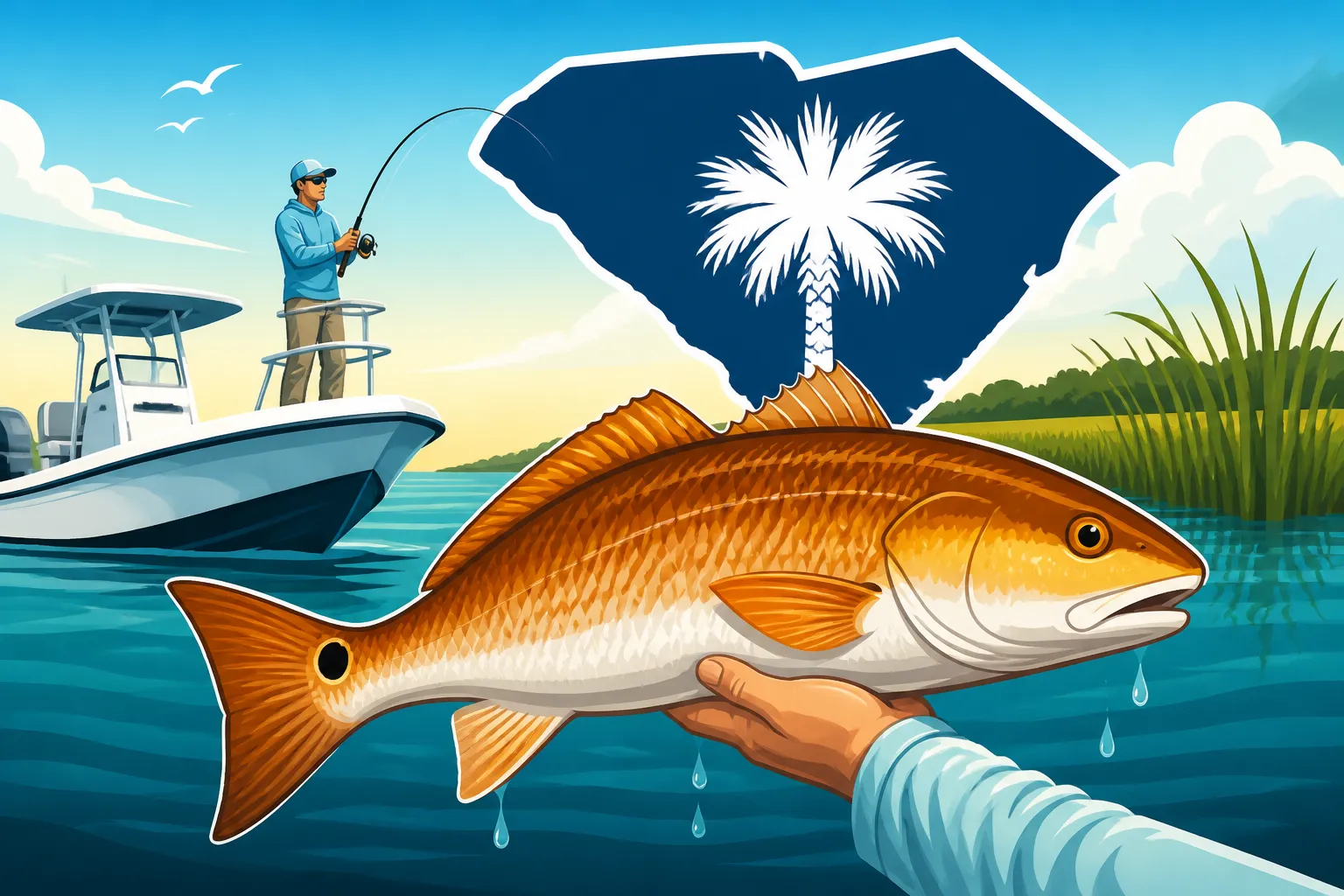
South Carolina Redfish Slot Limits and What You Can Keep on Charter Trips
One of the most common questions I get from fellow anglers heading out on the South Carolina coast, especially if they're joining a charter, is about redfish. Specifically, people worry they'll get all excited catching these beautiful bronze beauties only to find out they can't keep them due to complex regulations. It's totally understandable to feel a bit overwhelmed by the rules, but don't you fret! This guide is here to unravel all the mysteries surrounding South Carolina's redfish slot limits and what you can realistically expect to take home when you're fishing with a professional charter.
Understanding South Carolina's Redfish Regulations
Fishing for red drum, affectionately known as redfish or spot-tail bass, is a quintessential Lowcountry experience here in South Carolina. These powerful, copper-colored fish are a blast to catch, whether you're poling through shallow grass flats or casting around oyster beds. But like any popular species, they require careful management to ensure healthy populations for years to come. That's where regulations like slot limits, bag limits, and vessel limits come into play. It’s not just about stopping you from catching fish; it’s about making sure future generations get to enjoy this amazing fishery, too.
The Importance of Slot Limits for Redfish Conservation
You might wonder why we have these specific size restrictions, known as slot limits, instead of just a minimum size. Well, it's a smart conservation strategy designed to protect the most vital parts of the redfish population. Slot limits ensure that both the very smallest, immature fish and the largest, breeding-size fish are returned to the water. The smaller fish need more time to grow and contribute to the population, while the big "bull" reds, often over the slot, are the most prolific spawners. By protecting these large breeders, we're safeguarding the genetic diversity and reproductive capacity of the entire redfish stock. It’s a delicate balance, allowing anglers to enjoy catching fish while making sure enough are left to keep the cycle going strong.
Think of it like this: if you only kept the biggest fish, you'd quickly deplete the prime breeding stock, which would be disastrous for future generations of redfish. Conversely, if you kept all the small ones, they wouldn't have a chance to grow and mature. The slot limit targets that sweet spot in the middle—fish that have had a chance to reproduce at least once, but aren't yet the super-spawners we need to protect for the long haul.
South Carolina's Current Redfish Slot Limit
Okay, let's get down to brass tacks regarding the numbers. In South Carolina, the redfish slot limit is pretty specific: fish must be between 15 and 23 inches in total length. This means if you catch a redfish that's shorter than 15 inches from the tip of its nose to the tip of its tail (with the tail pinched together), it has to go back in the water. The same goes for any redfish longer than 23 inches. It's crucial to measure your fish accurately, and most charter boats will have a measuring board right on deck to make this easy. You might even hear guides refer to the South Carolina Redfish Slot Limit 18 to 25 Inches from past years, but it's important to know the current rules. Always double-check with your guide or the SCDNR website before heading out, because these regulations can and do change.
This slot range is carefully determined by marine biologists who study the growth rates and reproductive cycles of redfish in our local waters. It ensures that the fish you're allowed to keep are typically those that have had a chance to spawn at least once, but aren't the large, highly fertile breeders that contribute the most to the overall population health. So, when your guide tells you a fish is "undersize" or "overslot," they're simply helping to enforce these vital conservation efforts.
Daily Bag Limits and Vessel Limits
Beyond the size restrictions, there are also limits on how many redfish you can keep. This is where it can get a little tricky, especially on a charter with multiple people. Here in South Carolina, the daily bag limit for redfish is one fish per person, per day. Simple enough, right? However, there's another layer: the vessel limit. This means that no matter how many people are on the boat, the maximum number of redfish that can be kept on that single vessel is two fish per day.
So, let's say you're on a charter with four people. Even if everyone catches a slot-sized redfish, you can only collectively keep two fish for the entire boat. The first two slot reds caught (and desired to be kept) by anyone on board will count towards that vessel limit. This South Carolina Redfish Two-Fish Vessel Limit Explained is designed to further reduce overall harvest and protect the stock, acknowledging that charter boats often have multiple anglers targeting these fish. Your guide will be well-versed in these rules and will help manage the catch accordingly. It’s a system that takes some getting used to, but it’s all part of ensuring a sustainable future for our redfish populations.
Redfish Rules When Fishing with a Charter
Stepping onto a fishing charter can feel a bit different from fishing on your own boat or from the bank. A lot of the regulatory burden shifts from you, the individual angler, to the professional guide who is responsible for the entire operation. This is actually a huge benefit of charter fishing, as your guide is an expert not just in finding fish, but also in navigating all the local rules and regulations.
Do You Need a Personal License on a Charter?
This is a really common and valid question, and the answer can sometimes be a pleasant surprise! When you fish on a licensed for-hire charter boat in South Carolina, you generally do NOT need to purchase your own individual recreational fishing license. The charter captain or the vessel itself holds a special commercial fishing license that covers everyone on board. This is one of the fantastic perks of booking a guided trip – it takes one more thing off your plate, allowing you to simply show up and enjoy the fishing. The captain’s license essentially extends to cover all passengers for the duration of the trip.
However, there can sometimes be nuances, especially if you're participating in certain tournaments or if the charter is operating under a very specific type of permit. It's always a good idea to confirm this directly with your chosen charter captain when you book your trip. A quick call or email to ask, "Do I need my own license for this trip?" will give you complete peace of mind. For a deeper dive into general licensing, check out South Carolina Fishing License Requirements in South Carolina.
Who Manages the Catch on a Charter Trip?
On a charter trip, the captain or guide is ultimately in charge of ensuring all state and federal fishing regulations are followed. This includes making the final call on whether a fish is a legal keeper, measuring fish, and adhering to bag and vessel limits. While you might reel in the fish, the guide is the one who will bring it into the boat, measure it, and decide if it meets the How Many Redfish Can You Keep in South Carolina? requirements. If it's undersize or overslot, they'll promptly and carefully release it. If it's a keeper and you wish to retain it, they'll often place it in a cooler or livewell.
This professional oversight is a key advantage of booking a charter. You don't have to stress about making a mistake or facing penalties. Your guide's reputation depends on their knowledge and adherence to the rules, so you can trust their judgment implicitly. They are there to ensure a fun, productive, and legal fishing experience for everyone on board. They often have years of experience judging fish sizes and knowing the regulations by heart, even when they change.
How Charter Captains Navigate Redfish Regulations
Charter captains are truly masters of the local regulations, and they adapt their strategies to ensure compliance while maximizing your chances of a great catch. They understand that while everyone loves to keep a fish for dinner, the experience itself is paramount. Here's how they typically operate:
- Up-to-Date Knowledge: Professional guides are constantly monitoring changes in regulations. They subscribe to fisheries updates and are often involved in local angler communities where these discussions happen. This means they'll know the current Redfish Slot Limit Rules for Coastal Anglers the moment you step on the boat.
- Education on Board: Your guide will usually brief you on the key regulations for the target species, like redfish, at the beginning of the trip. They'll show you how to measure, explain the slot, and remind everyone about the bag and vessel limits. Don't be shy about asking questions!
- Conservation-Minded Practices: Many charter captains are strong advocates for conservation. They often employ careful handling techniques for released fish, using barbless hooks or circle hooks, and minimizing the time a fish is out of the water. Their goal isn't just to catch fish, but to ensure the fishery remains robust.
- Decision-Making on the Fly: If you're on a multi-person charter and the two-fish vessel limit for redfish is met early in the trip, the guide will inform everyone. From that point on, all subsequent redfish will be catch-and-release, regardless of their size. They might then shift focus to other species that have different limits, or simply enjoy the thrill of the catch without the intention of keeping.
- Focus on the Experience: A good captain understands that the memories made on the water—the fight of the fish, the beautiful scenery, the camaraderie—are often more valuable than the cooler full of fillets. While they’ll help you keep legal fish, they’ll also ensure you have a fantastic time even if all the fish go back. Booking a South Carolina Redfish Charter Fishing Trips means getting the full experience, not just a meal.
What to Expect Regarding Your Catch on a Charter
So you've hooked into a gorgeous redfish on your South Carolina charter trip! Excitement is high, and naturally, you're wondering if this beauty is destined for the dinner table. Understanding the typical procedures for handling your catch on a charter boat will help manage expectations and enhance your overall experience.
Keeper Redfish: What Happens to the Fish You Catch?
Once you've landed a redfish that your captain determines is within the legal slot limit (15 to 23 inches) and falls within the daily personal and vessel limits, it's a keeper! Your guide will usually handle the fish, place it carefully into a cooler of ice or a livewell to ensure it stays fresh. For those who want to take their catch home, this is fantastic news!
At the end of the trip, most reputable South Carolina fishing charters offer the service of cleaning and filleting your catch for you. This is an incredible convenience, as handling and preparing fish can be messy and time-consuming, especially if you're not experienced. The guide will skillfully fillet your redfish, often bagging it up for you so it's ready to cook or freeze when you get back. It’s always a good idea to confirm this service when you book your trip, but it's a widely expected offering. Some guides might even share a favorite recipe! If you want to know more about this, check out Does a Hilton Head Charter Clean Your Fish for You?.
Catch and Release Practices on Charters
It's important to remember that not every fish caught on a charter, even a redfish, is destined for the cooler. Many times, you’ll encounter fish that are either too small (undersize), too large (overslot), or simply caught after the vessel limit has been reached. In these cases, catch and release becomes the practice.
Professional charter captains are experts in proper catch and release techniques. They understand how to quickly and safely unhook a fish, minimize its time out of the water, and release it in a way that maximizes its chances of survival. This often involves using de-hooking tools, handling the fish with wet hands, supporting its belly, and allowing it to recover in the water before swimming away. They’re invested in the health of the fishery, so they treat every released fish with care. Many anglers find immense satisfaction in releasing a healthy fish, knowing it can contribute to future fishing opportunities. The thrill of the catch is often enough, even without taking the fish home.
Communicating Your Expectations with Your Guide
Before you even step foot on the boat, it’s a great idea to have an open conversation with your charter captain about your expectations regarding keeping fish. Are you solely focused on bringing home dinner, or is the experience of catching fish, regardless of whether you keep them, your main priority?
For instance, you might say, "Captain, we'd love to take home some redfish if we catch legal ones, but we also love the challenge of catch-and-release. What's your approach to the limits?" This helps the guide understand your preferences and can influence their strategy for the day. If taking home fish is a critical part of your trip, they might focus on areas where keeper-sized fish are more prevalent, or adjust the trip to target other species if the redfish limits are quickly met. Honest communication upfront ensures that both you and your guide are on the same page, leading to a more enjoyable and fulfilling experience for everyone. This kind of discussion is key to Choosing the Right South Carolina Fishing Guide.
Practical Tips for Anglers on Redfish Charters
Going on a redfish charter in South Carolina is an incredible experience, offering both thrilling fishing and the chance to learn from local experts. To make the most of your trip and avoid any misunderstandings, a little preparation and respect for the process go a long way.
Pre-Trip Research: Checking Current Regulations and the Guide's Policy
Even though your charter captain is the ultimate authority on regulations during your trip, it's always a good idea to do a little homework yourself. Before your departure, take a moment to briefly review South Carolina's current redfish regulations. While I've given you the general limits here, regulations can change, and being aware means you’re more engaged and informed. A quick search for "South Carolina redfish regulations" will typically lead you to the South Carolina Department of Natural Resources (SCDNR) website. This information will help you understand the context of what your captain tells you on the water.
Furthermore, when booking your charter, don't hesitate to ask about the captain's specific policy on keeping fish, especially redfish. Some charters might have a more conservation-oriented approach and encourage catch-and-release even for legal fish, or they might clarify how they manage the vessel limit if it’s a mixed group. A great way to find and vet charters is through platforms like FishingBooker, where you can often see captain profiles and even ask questions before booking. This communication ensures that your expectations align with the charter's practices.
Respecting Your Guide's Decisions
On the water, your guide is the captain, and their word is law when it comes to fish handling and regulations. They have years of experience, a deep understanding of the local ecosystem, and a vested interest in following the rules. If your guide tells you a fish is undersize and needs to be released, or if the vessel limit for redfish has been met, accept their decision gracefully. Do not argue or try to sneak an illegal fish into the cooler. Not only is it disrespectful to the guide, but it also puts them at risk of fines and jeopardizes the sustainability of the fishery.
Remember, your guide’s primary role is to provide a safe and enjoyable trip while adhering to all laws. They are working hard to put you on fish, and their expertise extends far beyond just baiting hooks. Trust their judgment, learn from their knowledge, and appreciate that they are protecting the resources that make your trip possible. This professional relationship is foundational to a successful charter experience.
Maximizing Your Experience Beyond Just Keepers
While taking home a delicious redfish fillet is a fantastic bonus, try to embrace the entire fishing experience. The thrill of the strike, the powerful fight of a redfish, the beautiful scenery of the South Carolina coast, the camaraderie with friends or family, and the knowledge shared by your guide are all invaluable parts of a charter trip. Focus on the adventure, the learning, and the joy of being on the water.
Even if you only catch a couple of legal redfish for the boat, or if you end up releasing every fish, the memories of bending a rod and battling a strong fish will last much longer than any meal. Take pictures, ask your guide questions about the local ecosystem, and enjoy the moment. Platforms like FishingBooker allow you to read reviews from other anglers, many of whom highlight the overall experience—not just the fish count—as the most important aspect of their trip. The goal is to create lasting memories, and a professional guide is there to ensure that happens, regardless of the size or number of fish that end up in the cooler. Fishing is about more than just the harvest; it’s about connecting with nature and the sport itself. For more information on what's allowed, refer to South Carolina Charter Fishing Rules for Keeping Fish.
Beyond the Slot: Why Redfish Regulations Matter
Understanding the specific slot limits and bag limits for redfish in South Carolina is important for individual anglers, but it’s even more critical to grasp the broader implications. These regulations aren't just arbitrary rules; they are carefully crafted components of a larger strategy to ensure the long-term health and abundance of redfish populations. When we respect these rules, we're doing more than just avoiding a fine; we're actively participating in the conservation of a vital natural resource.
The Ecosystem Impact of Healthy Redfish Populations
Redfish are more than just a prized catch for anglers; they play a significant role in the coastal ecosystem. As a predatory species, they help maintain the balance of their food web, preying on smaller fish, shrimp, and crabs. A healthy population of redfish indicates a healthy inshore environment overall. When redfish numbers are strong, it often signifies robust seagrass beds, thriving oyster reefs, and clean water – all essential components of the delicate estuarine system along the South Carolina coast.
Conversely, a decline in redfish populations due to overfishing or habitat degradation can send ripple effects throughout the ecosystem. It can lead to an explosion in their prey species or impact other predators that rely on redfish as a food source during their different life stages. Therefore, adhering to slot and bag limits helps ensure that redfish continue to fulfill their ecological role, contributing to the biodiversity and stability of our precious coastal waters.
How Anglers Contribute to Conservation Efforts
As anglers, we are not just consumers of the resource; we are also its stewards. Every time we measure a fish accurately, release an undersize or overslot redfish carefully, and adhere to bag limits, we are directly contributing to conservation efforts. Our collective actions have a profound impact on fish populations. It’s a shared responsibility, and professional guides on platforms like FishingBooker often lead by example, demonstrating best practices for sustainable angling.
Beyond simply following the rules, anglers can also get involved in conservation in other ways. Participating in citizen science programs, supporting organizations dedicated to habitat restoration, or advocating for responsible fisheries management are all ways to give back. When you're out on the water, you become an unofficial ambassador for the fishery, and your actions reflect on the entire angling community. The passion we have for catching redfish should be matched by our dedication to protecting them. Understanding How Often Redfish Regulations Get Updated is also part of this responsibility.
The Future of Redfish Fishing in South Carolina
The future of redfish fishing in South Carolina depends heavily on our commitment to sustainable practices today. Fisheries management is an ongoing process, with regulations often adjusted based on scientific data, stock assessments, and public input. The slot limits and bag limits we have in place are dynamic tools designed to adapt to the changing needs of the redfish population and environmental conditions.
By continuously following these regulations, supporting research, and practicing ethical angling, we can help ensure that redfish remain abundant for generations to come. Imagine your children or grandchildren being able to experience the same thrill of sight-casting to a tailing redfish in a pristine South Carolina marsh. That vision is achievable, but it requires a collective effort from all of us who love to fish these incredible waters. So, the next time you're out on a charter, remember that every legal fish kept and every protected fish released contributes to that vibrant future.
| Redfish Regulation Category | Specific Rule in South Carolina | Key Purpose |
|---|---|---|
| Slot Limit | 15 to 23 inches (total length) | Protects juvenile and large breeding-size fish. Ensures fish kept have had a chance to spawn. |
| Daily Bag Limit | 1 fish per person, per day | Controls individual harvest levels. |
| Vessel Limit | 2 fish per vessel, per day | Controls total harvest from a single boat, especially for multiple anglers. |
Disclaimer
This article is for general informational purposes only and does not constitute professional advice. Laws, prices and regulations vary by location and change over time. Consult a qualified professional for guidance on your specific situation.