Hilton Head vs Charleston Charter Fishing Trips
Deciding between a fishing charter out of Hilton Head Island or Charleston can feel like trying to pick your favorite child – both are absolutely fantastic destinations for anglers, but they offer distinct experiences. It's a common dilemma, especially for those visiting South Carolina with a fishing trip in mind, as each location boasts its own charm, target species, and overall atmosphere. This comprehensive guide is here to break down the nuances of charter fishing in these two iconic Lowcountry spots, helping you figure out which one aligns best with your angling dreams.
Understanding Hilton Head Island's Angling Appeal
Hilton Head Island, with its pristine beaches, golf courses, and family-friendly resorts, often conjures images of relaxed vacations. But beneath that calm exterior lies a vibrant fishing scene, particularly renowned for its inshore and nearshore opportunities. The island's unique estuarine system, characterized by intricate marsh creeks, sounds, and close proximity to the open ocean, creates a diverse habitat for many coveted species. It’s a place where you can truly connect with the Lowcountry's natural beauty while reeling in some impressive catches.
The Laid-Back, Family-Focused Fishing Vibe
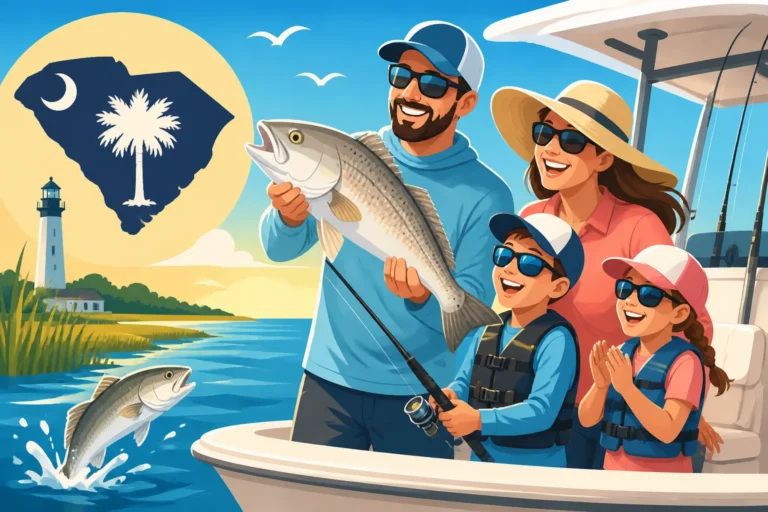
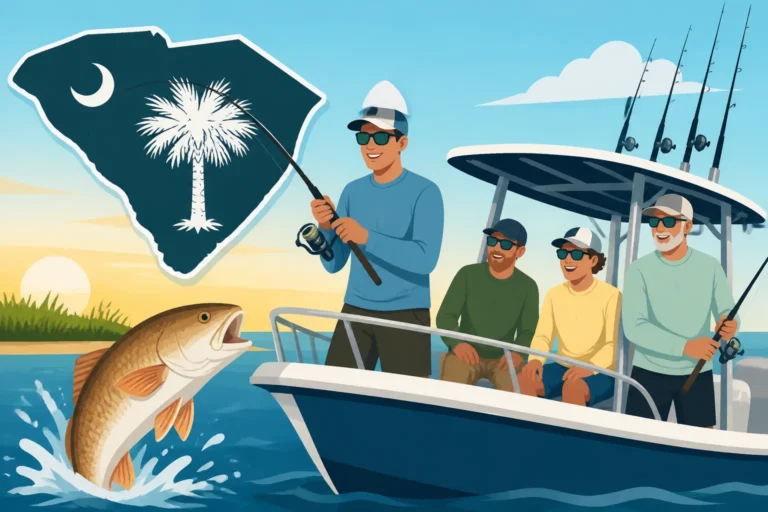
One of the first things you'll notice about Hilton Head fishing is its generally relaxed pace, which makes it incredibly appealing for families and anglers of all skill levels. Guides here are often seasoned veterans who specialize in making the experience enjoyable and accessible, even for first-timers or young children. Imagine gliding through tranquil marshlands, the air filled with the scent of salt and pluff mud, as your guide helps your kids cast for their first redfish. It's less about chasing trophy after trophy (though those opportunities certainly exist!) and more about the joy of the catch, the camaraderie, and soaking in the stunning coastal scenery. Many charters cater specifically to this family-friendly atmosphere, ensuring everyone on board has a memorable day.
The focus in Hilton Head often leans towards steady action rather than grueling offshore battles, making it perfect for those who might get seasick easily or prefer a shorter, more comfortable ride to the fishing grounds. You'll find a strong emphasis on light tackle and live bait techniques, which are both effective and incredibly fun, especially when a feisty redfish or speckled trout takes the bait. It’s an ideal place to introduce someone new to the sport or just enjoy a peaceful day on the water without the intensity of a deep-sea expedition.
Primary Species Targeted Around Hilton Head
The inshore waters around Hilton Head are teeming with life, offering anglers a fantastic variety of species. The intricate network of creeks, oyster beds, and grass flats provides perfect ambush points for predatory fish. Without a doubt, the undisputed king of these waters is the Redfish, also affectionately known as spottail bass. These powerful fish are a blast to catch on light tackle, and they inhabit the flats year-round, making them a consistent target. You can often find them tailing in shallow water during high tides, an exciting sight for any angler.
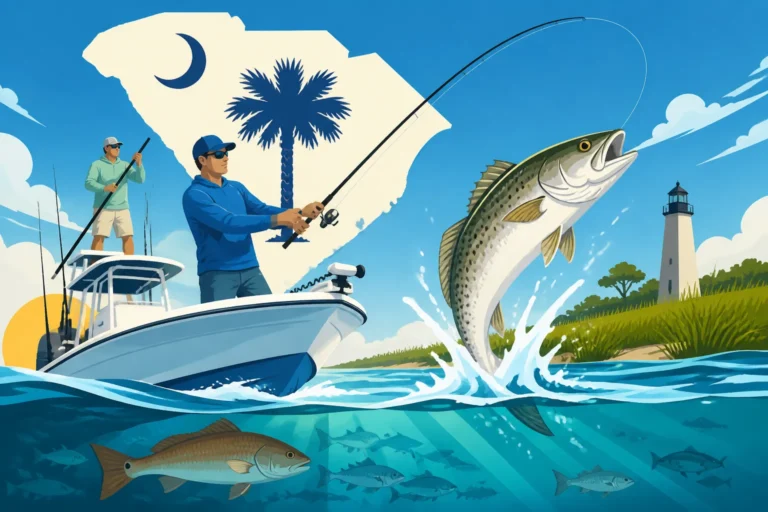
Another highly sought-after species is the Spotted Seatrout. These beautiful fish, with their iridescent spots, offer a delicious reward for anglers. They tend to school up in deeper pockets of the creeks and around oyster rakes, especially during cooler months. Flounder, masters of camouflage, are also abundant, often ambushing baitfish from their sandy or muddy hiding spots. Beyond these "big three," you'll also encounter plenty of Sheepshead around structure, various species of Jack, and even the occasional Tarpon during the warmer summer months. For those looking for a bit more fight without going too far offshore, nearshore wrecks and reefs hold species like Black Sea Bass, Spanish Mackerel, and King Mackerel.
Exploring Charleston's Dynamic Fishing Scene
Charleston, with its rich history, cobblestone streets, and world-class culinary scene, offers a different flavor of coastal living – and fishing. The city sits at the confluence of several major rivers, including the Cooper and Ashley, which flow into a vast harbor and then out to the Atlantic. This unique geography provides an incredible diversity of fishing environments, from expansive estuarine systems to accessible nearshore and offshore opportunities. Fishing out of Charleston feels like an adventure, often blending the historical charm of the city with the raw excitement of the open water.
The More Adventurous, Diverse Fishing Experience
Charleston's fishing scene often presents a slightly more adventurous and diverse angling experience compared to Hilton Head. While there are certainly plenty of family-friendly options, many charters lean towards targeting a wider range of species across different environments, sometimes requiring longer runs to the fishing grounds. The sheer size of Charleston Harbor and its surrounding waters means guides have a vast playground to explore, whether it's navigating the strong currents of the harbor, exploring barrier island inlets, or venturing offshore to the expansive reefs and ledges. This variety means you might be casting for redfish in a shallow marsh creek one day and battling a Mahi-Mahi miles offshore the next.
The historical backdrop of Charleston adds a unique element to your fishing trip. Imagine reeling in a powerful striped bass while the iconic Ravenel Bridge looms in the distance, or spotting dolphins playing near Fort Sumter as you head out to sea. It’s a blend of natural beauty and historical grandeur that few other fishing destinations can offer. Anglers here often come seeking that "big catch" or the thrill of exploring new waters, making it a fantastic choice for those who crave a bit more challenge and variety in their fishing adventures.
Primary Species Targeted Around Charleston
Just like Hilton Head, Redfish and Spotted Seatrout are cornerstone species in Charleston's inshore waters, offering consistent action year-round. However, the larger river systems and the expansive harbor also open up opportunities for some truly impressive catches. During certain times of the year, particularly in the cooler months, the waters of Charleston Harbor and the lower reaches of its tributary rivers can become prime grounds for Striped Bass. These hard-fighting fish provide an exhilarating challenge, especially when they school up and feed aggressively. Many anglers specifically seek out striped bass for a truly memorable battle.
Beyond the inshore favorites, Charleston's proximity to the open ocean means a strong emphasis on nearshore and offshore fishing. Nearshore artificial reefs and natural bottom structure attract a bounty of species like Sheepshead, Black Sea Bass, and various Snapper species. Heading further offshore into the blue water opens up possibilities for pelagic giants. We're talking about species like Mahi-Mahi, Tuna, Wahoo, King Mackerel, and even Sailfish. South Carolina Offshore Fishing Charters Explained often target these formidable game fish, providing an adrenaline-pumping experience for those who dare to venture out. The diversity here means you can truly tailor your trip to whatever species is biting and whatever challenge you're up for.
Key Differences in Fishing Opportunities
When it comes down to choosing between Hilton Head and Charleston for your charter fishing trip, the distinct fishing opportunities are often the deciding factor. Both locations are spectacular, but they cater to slightly different angling preferences and offer varying levels of access to certain types of fisheries. It's about aligning your expectations and desired experience with what each destination naturally excels at.
Inshore vs. Offshore Access and Focus
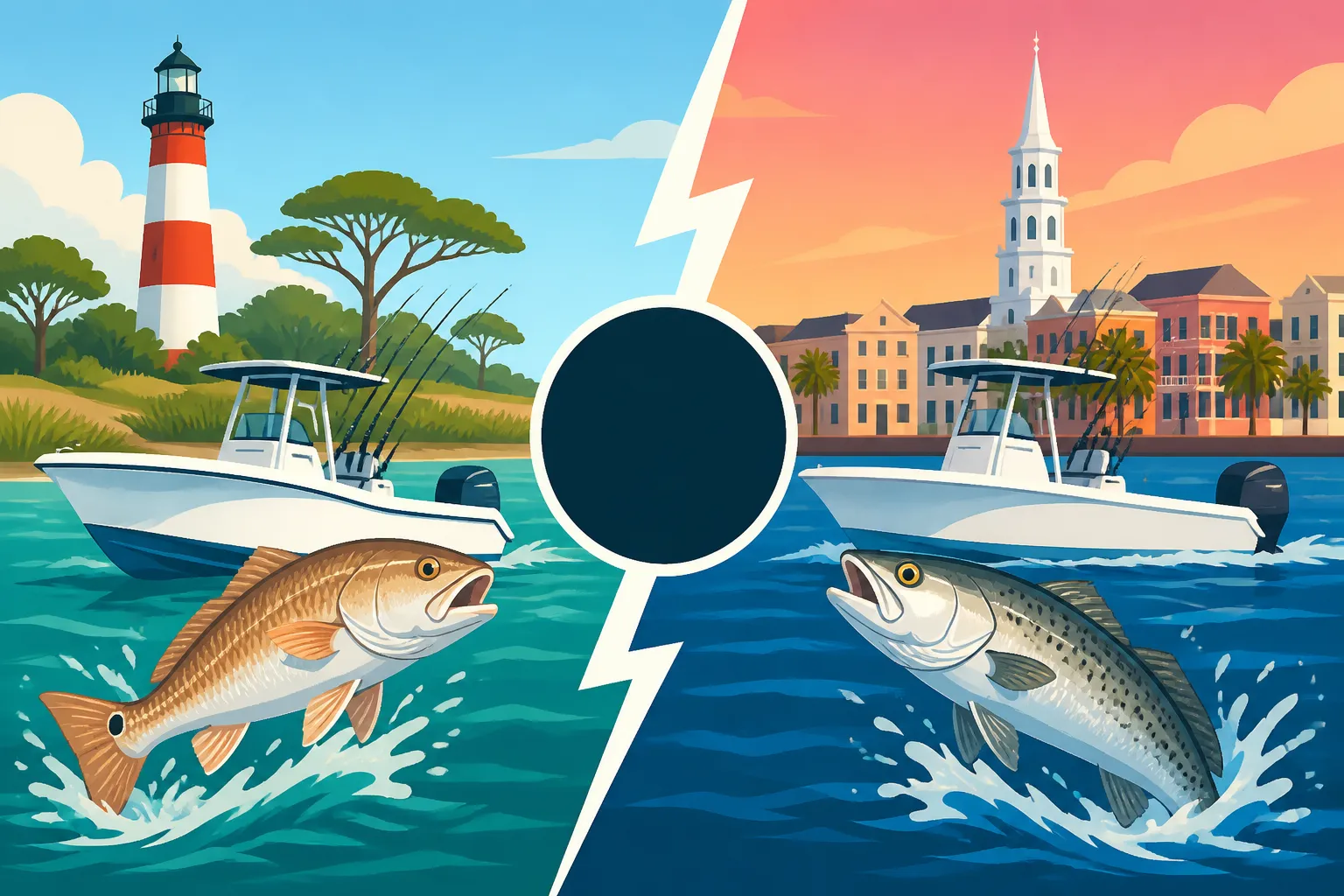
Hilton Head Island is often lauded for its unparalleled inshore fishing. The labyrinthine creeks, salt marshes, and shallow estuaries are easily accessible from numerous launch points across the island. This means less travel time to the fishing grounds and more time with lines in the water. Charters here are frequently specialized in navigating these shallow, intricate systems, focusing heavily on Redfish, Spotted Seatrout, and Flounder. The "inshore" experience is truly the heart of Hilton Head fishing. While nearshore wrecks and reefs are certainly available for species like Black Sea Bass and Spanish Mackerel, the emphasis generally remains close to shore. If your ideal day involves sight-casting to tailing redfish in glass-calm water, Hilton Head is a prime choice. You can find more details about these types of trips at South Carolina Inshore Fishing Charters Explained.
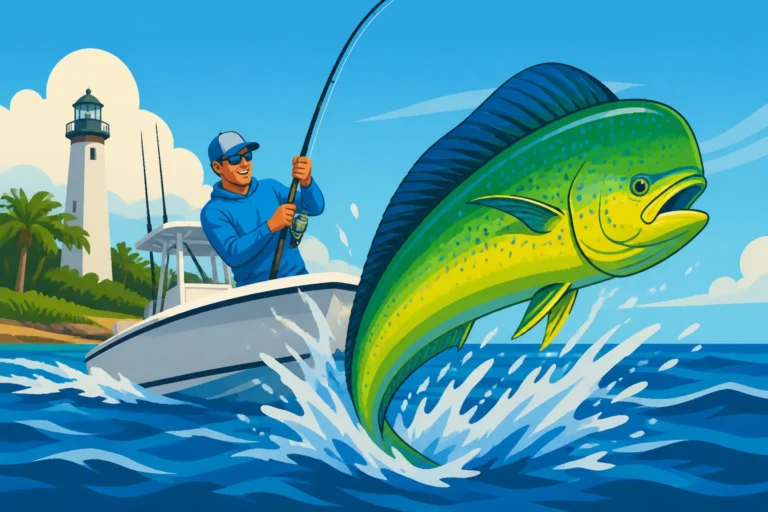
Charleston, on the other hand, boasts a more balanced approach to its fisheries. While its inshore marsh systems are just as productive for Redfish and Trout, the expansive Charleston Harbor and its direct, deep channels to the Atlantic make offshore fishing incredibly accessible. You can depart from downtown Charleston and be in prime nearshore or offshore waters relatively quickly. This direct access means a greater focus on species like Mahi-Mahi, Tuna, King Mackerel, and even billfish for those willing to venture further out. Many Charleston charters are equipped for these longer, more demanding offshore runs, offering a wider spectrum of fishing environments. If chasing pelagic species in the blue water is your dream, Charleston offers a more robust and varied offshore fleet.
Seasonal Variations and Species Availability
Both destinations experience seasonal shifts that influence fishing, but these changes often highlight their unique strengths. In Hilton Head, the inshore bite remains strong throughout most of the year. Redfish are a reliable target no matter the season, though their behavior changes with water temperature (tighter schools in winter, more scattered in summer). Spotted Seatrout fishing is fantastic in the cooler months, while Flounder are more active in warmer waters. The consistency of the inshore fishery is a major draw. Even during peak summer, the protected creeks offer refuge from harsher ocean conditions.
Charleston's fishing calendar is perhaps more pronounced in its seasonal offerings, especially when factoring in offshore opportunities. Spring and fall are generally fantastic for inshore species, with migrating baitfish fueling aggressive feeding. Summer brings the excitement of offshore pelagics like Mahi-Mahi and King Mackerel, but it can also be very hot for inshore fishing unless you head out at dawn or dusk. Winter sees the departure of many offshore species, but the inshore Redfish bite can be excellent, and the harbor Striped Bass become a major draw. If you're targeting a specific migratory offshore species, Charleston will likely offer a better window, whereas Hilton Head provides more year-round consistency for its core inshore species. Understanding South Carolina Fishing Seasons Guide can further help anglers plan their trips.
Cost Comparison for Charter Fishing Trips
Let's be real, price matters. When you're planning a fishing trip, especially a charter, you want to know what kind of investment you're looking at. While I can't give you exact dollar figures (those change with the wind!), I can definitely talk about the general shape of charter costs in both Hilton Head and Charleston and what factors might make one a bit pricier than the other. No one likes sticker shock, so having a good understanding of the typical cost structures can help you budget and pick the right trip.
Average Price Points and Influencing Factors
Generally speaking, charter fishing costs in both Hilton Head and Charleston fall within a similar range for comparable trip types. A standard half-day (4-hour) inshore trip will naturally be less expensive than a full-day (8-hour) offshore excursion. However, certain factors can subtly influence the average price point in each location.
In Hilton Head, many charters focus on smaller, shallower draft boats perfectly suited for the intricate marsh creeks. These boats often have lower operating costs, which can sometimes translate to slightly more competitive pricing for inshore trips, especially for smaller groups. The emphasis on light tackle and live bait (which guides often catch themselves) also keeps overhead manageable. Trips focused on targeting specific popular inshore species like redfish and trout tend to be the most common and widely available, offering a good baseline for comparison.
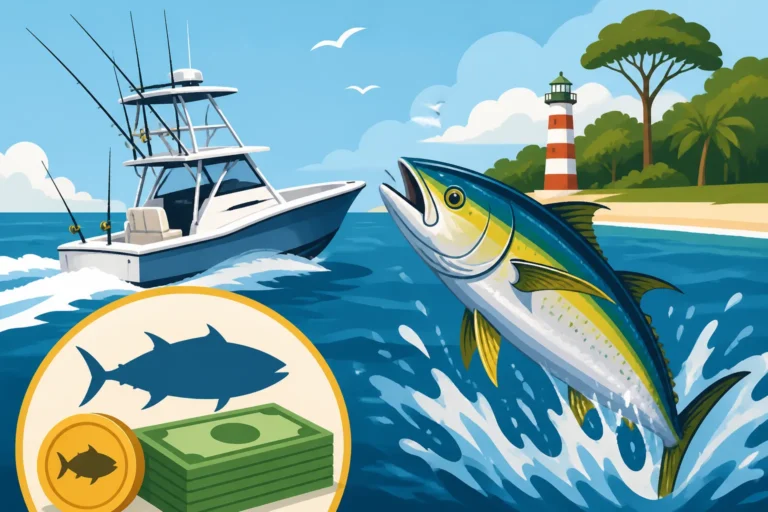
In Charleston, while inshore charters are plentiful, the robust offshore fleet often involves larger, faster, and more heavily equipped vessels. These boats require more fuel, more specialized gear for big game fishing, and typically command a higher operational cost. Therefore, if you're looking at an offshore trip, Charleston might present a slightly higher average price point due to the nature of the vessels and the distance traveled. Longer trips, especially those aimed at deep-sea species, will always be at the higher end of the spectrum. The number of anglers on board also significantly impacts the per-person cost, as most charters charge a flat rate for the boat, regardless of how many people are fishing (up to their legal limit).
| Trip Type | Typical Duration | Primary Focus | General Cost Shape (Relative) |
|---|---|---|---|
| Hilton Head Inshore | 4-6 hours | Redfish, Trout, Flounder | Moderate |
| Hilton Head Nearshore | 5-7 hours | Sea Bass, Mackerel | Moderate to High |
| Charleston Inshore | 4-6 hours | Redfish, Trout, Stripers | Moderate |
| Charleston Offshore | 6-10+ hours | Mahi, Tuna, Wahoo, Billfish | High to Very High |
For a deeper dive into overall expenses, check out South Carolina Charter Fishing Costs and Trip Types.
What's Typically Included and Hidden Fees
Understanding what you're paying for is crucial to avoid any unpleasant surprises. Thankfully, most reputable charter operations in both Hilton Head and Charleston are pretty upfront about what's included in their prices.
Standard inclusions often cover:
- Fishing Licenses: Your individual fishing license is almost always covered by the charter's blanket commercial license. So, you usually don't need to worry about buying your own.
- Rods, Reels, and Tackle: All necessary fishing gear is provided. This includes high-quality rods and reels appropriate for the target species, along with all the hooks, weights, and lures you'll need.
- Bait: Whether it's live shrimp, mud minnows, cut bait, or artificial lures, your guide will have the right bait for the day.
- Cooler and Ice: Most boats have a cooler stocked with ice for your drinks and to keep your catch fresh.
- Fuel: The cost of fuel for the boat is typically rolled into the charter price.
Things that are generally not included (and should be budgeted for):
- Gratuity for the Guide: This is perhaps the most important "hidden fee" to remember. Tipping your guide is customary and highly encouraged, typically ranging from 15-20% of the trip cost if they did a good job. Guides work incredibly hard to put you on fish and ensure your safety and enjoyment. For more on this, see Tipping Your South Carolina Fishing Guide.
- Food and Drinks: While ice and a cooler are usually provided, you're responsible for bringing your own snacks, sandwiches, and beverages.
- Sun Protection: Sunscreen, hats, and sunglasses are essential and not provided.
- Fish Cleaning: Some guides include basic fish cleaning as part of their service, while others might offer it for a small additional fee, or direct you to a local fish cleaning station. Always clarify this upfront.
- Special Requests: If you have very specific requests for tackle or bait that are outside the norm, these might incur extra costs.
When booking, don't hesitate to ask detailed questions about what's included. Reputable operators, like those found through platforms such as FishingBooker, will clearly outline their inclusions and any potential extra costs in their listings. This transparency ensures you know exactly what you're getting and can plan accordingly.
Trip Lengths and Types Offered
The beauty of charter fishing in South Carolina is the sheer variety of trips available, allowing anglers to customize their experience based on time, budget, and target species. Both Hilton Head and Charleston offer a range of trip durations and specialized excursions, but the emphasis can subtly differ between the two. Understanding these options is key to picking the perfect adventure.
Half-Day vs. Full-Day Charters
The most common decision anglers face is between a half-day or a full-day charter.
Half-Day Charters (typically 4-5 hours):
These are incredibly popular in both Hilton Head and Charleston, especially for families, beginners, or those with limited time. They offer a fantastic taste of the local fishing without committing to a full day on the water.
- Hilton Head: Half-day inshore trips are the bread and butter here. You'll spend plenty of time targeting Redfish, Spotted Seatrout, and Flounder in the nearby marsh creeks. The shorter travel time to productive spots means you get maximum fishing action. It's often enough time for kids to stay engaged before they start getting restless.
- Charleston: Half-day options are also plentiful, focusing on the harbor and closer inshore waters for similar species. You might also get a crack at Striped Bass in the harbor, depending on the season. While you won't venture far offshore, it's a great way to experience Charleston's waters and get some bites.
Full-Day Charters (typically 6-8+ hours):
For the more serious angler or those who want to maximize their chances and explore more distant waters, full-day trips are the way to go.
- Hilton Head: A full-day inshore trip allows for exploring a wider range of creeks and tides, potentially hitting multiple spots for different species. It also opens up more opportunities for nearshore fishing, targeting wrecks and reefs a few miles offshore for species like Black Sea Bass and Spanish Mackerel.
- Charleston: Full-day charters truly shine here, especially for offshore adventures. This duration allows enough travel time to reach the Gulf Stream for pelagic species like Mahi-Mahi, Tuna, and Wahoo. Even for inshore, a full day provides ample time to thoroughly work the harbor, rivers, and barrier island inlets, maximizing your chances for diverse catches, including potentially larger specimens. For a detailed comparison, look into Half-Day vs Full-Day Fishing Charters in South Carolina.
Specialized Trips and Opportunities
Beyond the standard half-day and full-day options, both locations offer unique specialized trips that cater to specific interests or target species.
Hilton Head's Specialties:
- Sight Fishing for Tailing Redfish: During certain tides, redfish will "tail" as they feed in shallow marsh grass, exposing their tails above the water. This is a highly visual and exciting form of fishing, often done with fly rods or light spinning gear. Many Hilton Head guides are experts in this niche.
- Kids' First Fish Trips: With its calm waters and abundant panfish, many Hilton Head charters focus specifically on creating a memorable first fishing experience for young children, providing patient guidance and ensuring consistent bites.
- Shark Fishing: While primarily a summer activity, nearshore shark fishing for species like Blacktip and Spinner sharks is a thrilling option for those seeking a stronger fight closer to shore.
Charleston's Specialties:
- Deep Sea and Billfish Expeditions: Charleston's direct access to the deeper waters of the Atlantic makes it a prime departure point for serious deep-sea fishing. Trips specifically targeting Tuna, Wahoo, Mahi-Mahi, and even Marlin or Sailfish are a major draw for seasoned offshore anglers. You can explore South Carolina Offshore Fishing Charters Explained for more.
- Tarpon Fishing: During the late summer and early fall, large migratory Tarpon can be found along the South Carolina coast, particularly around Charleston's inlets and nearshore waters. Specialized Tarpon charters offer the chance to battle these acrobatic "silver kings."
- Night Fishing for Catfish/Stripers: While less common for charters, some guides in Charleston's rivers and harbor may offer night trips, especially for species like Catfish or Striped Bass that feed actively after dark.
Both locations also offer South Carolina Redfish Charter Fishing Trips and South Carolina Speckled Trout Charter Trips, allowing you to focus on these popular inshore species. When booking, especially through platforms like FishingBooker, you can often filter by trip type or target species to find the perfect specialized adventure.
Family-Friendly Aspects: Which Destination Wins?
Planning a fishing trip with the whole family, especially if you have little ones or mixed experience levels, requires a bit of extra thought. You want a trip that's fun, safe, and engaging for everyone, not just the most avid angler. Both Hilton Head and Charleston boast excellent family-friendly options, but they cater to slightly different family dynamics and preferences. Let's break down which destination might edge out the other depending on what your family values most in an outing.
Calm Waters and Beginner-Friendly Environments
For families with very young children, beginners, or anyone prone to seasickness, Hilton Head Island often holds a slight advantage when it comes to calm waters and beginner-friendly environments.
- Sheltered Inshore Waters: Hilton Head's primary fishing grounds are the vast network of inland marsh creeks, tidal rivers, and sounds. These waters are almost always protected from the open ocean swell, meaning a much smoother, calmer ride. This significantly reduces the risk of motion sickness, making for a more comfortable experience for everyone on board, particularly the little ones.
- Abundant, Accessible Fish: The inshore fishery here is incredibly productive and consistent. Guides are adept at finding areas where fish like Redfish, Spotted Seatrout, and even various panfish are biting readily. Constant action keeps kids engaged and prevents boredom, which is crucial for a successful family outing. Imagine your child's delight as they reel in their first fish, even if it's not a monster – that immediate gratification is priceless.
- Focus on the Experience: Many Hilton Head guides specifically market themselves as family-friendly and specialize in teaching kids how to cast, bait hooks, and handle fish. The emphasis is often on creating a positive, memorable experience rather than just catching the biggest fish, which is perfect for a multi-generational trip.
While Charleston also has extensive inshore waters, the larger harbor and proximity to the open ocean can mean slightly choppier conditions on some days, even inshore. However, many Charleston guides are equally skilled at catering to families and finding calmer spots.
Additional Activities and Off-Water Fun
Beyond the fishing itself, what else is there to do? This is where the overall vacation experience comes into play, and both destinations offer unique attractions.
Hilton Head Island:
- Resort-Style Amenities: Hilton Head is a premier resort destination, meaning families have access to endless off-water activities. Think pristine beaches for swimming and sandcastle building, bike paths, mini-golf, dolphin watching tours, water parks, and numerous family-friendly restaurants. After a morning of fishing, there’s no shortage of ways to keep everyone entertained.
- Relaxed Pace: The island has a generally relaxed, slower pace of life, which can be ideal for families looking to unwind and escape the hustle and bustle. The atmosphere is calm and safe, making it easy to navigate with children.
- Nature Focus: Beyond fishing, families can explore nature preserves, go kayaking or paddleboarding in the calm creeks, or simply enjoy the abundant wildlife.
Charleston:
- Historic Charm and City Exploration: Charleston offers a rich historical experience that can be fascinating for older children and adults. Carriage tours, visits to historic plantations, exploring the USS Yorktown at Patriots Point, and wandering through the Battery are all engaging activities. The city's vibrant food scene is also a major draw.
- Diverse Attractions: While not as "resort-centric" as Hilton Head, Charleston boasts the South Carolina Aquarium, numerous museums, and plenty of parks. It provides a more urban and cultural experience alongside the natural beauty of the coast.
- More Energetic Vibe: Charleston's bustling downtown and popular attractions might appeal to families who enjoy a faster pace and more varied cultural experiences in addition to outdoor activities.
Ultimately, for families prioritizing calm waters, consistent easy action, and a resort-style vacation with plenty of kid-centric activities right at their fingertips, Hilton Head often shines. For families who want a blend of rich history, diverse cultural experiences, and the option for more adventurous fishing, Charleston offers an equally compelling package. Both destinations have fantastic Family-Friendly Fishing Charters in South Carolina, so you really can't go wrong, but knowing these subtle differences helps tailor the perfect trip.
Logistics and Booking Your Trip
Once you've decided which incredible South Carolina fishing destination is right for you, the next step is to nail down the logistics and get your trip booked. This process is generally similar for both Hilton Head and Charleston, but understanding the common practices will help you navigate it smoothly.
Finding and Selecting a Reputable Charter
The key to a successful fishing trip, regardless of location, is choosing a reputable captain and charter service. You want someone experienced, knowledgeable, safety-conscious, and who communicates well.
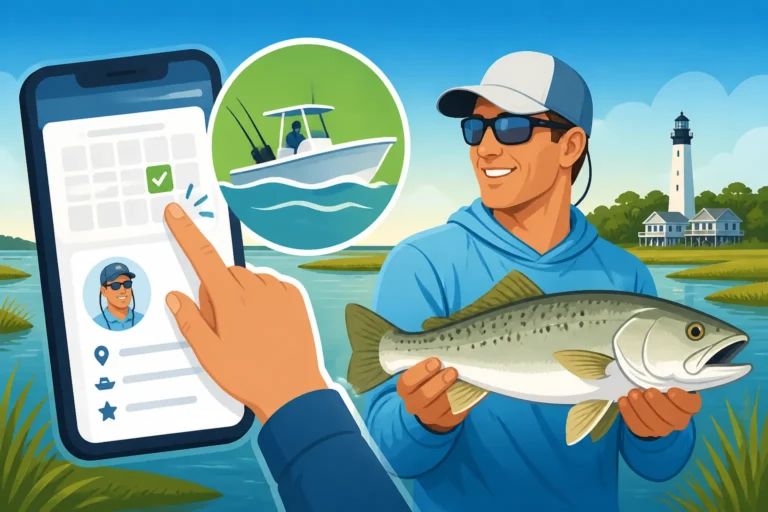
- Online Platforms: Websites like FishingBooker are incredibly popular and useful for finding charters in both Hilton Head and Charleston. They allow you to browse numerous captains, view their boats, read angler reviews, see available dates, and compare prices all in one place. These platforms also often handle the payment processing, providing a layer of security and convenience. This is a great way to compare the offerings of different Hilton Head Island Fishing Charters, South Carolina or Charleston Fishing Charters: South Carolina's Harbor Trips.
- Local Marinas and Word-of-Mouth: If you're already in the area, visiting local marinas and talking to other anglers can yield great recommendations. Fishing supply shops and tackle stores are also excellent sources of local knowledge and might have business cards for local guides.
- Social Media and Websites: Many captains maintain active social media pages and their own websites where they post recent catches, boat information, and contact details. This can give you a good feel for their personality and fishing style.
When selecting, pay close attention to reviews, especially those mentioning specific target species, captain's demeanor, and how they handle families or beginners. Also, make sure the boat is licensed and insured, which reputable charters will always be.
What to Discuss Before Booking
Before you commit, a quick conversation or email exchange with the captain can iron out many details and ensure a perfect fit. Here are some key questions to ask:
- Target Species: Clearly communicate what you hope to catch. While guides can't guarantee fish, they can tell you what's biting best at that time of year and whether your expectations are realistic. For example, if you specifically want to target South Carolina Redfish Slot Limit Rules, make sure the captain is focused on that.
- Group Size and Experience Level: Let them know how many people will be fishing and if there are children or absolute beginners in your group. This helps the captain prepare the right gear and plan the most suitable spots.
- What's Included/Not Included: Reconfirm what the price covers (licenses, gear, bait, ice) and what you need to bring (food, drinks, sunscreen). Also, clarify the tipping etiquette and fish cleaning policy.
- Cancellation Policy: Understand their policy regarding weather cancellations or if you need to reschedule. Booking Deposits and Cancellation Policies for South Carolina Charters are important to review.
- Departure Location and Time: Confirm the exact meeting point and departure time.
- Specific Requests: If you have any special needs, like accessibility concerns or a preference for artificial lures, discuss them upfront.
Being proactive with these questions ensures that there are no misunderstandings and that your charter trip is set up for success from the very start. Whether you're booking well in advance or looking for a last-minute trip, clear communication is always your best friend.
The "Vibe" and Overall Experience: Beyond the Fish
Beyond the logistics and the fish in the cooler, a fishing charter is about the entire experience. It's the moments shared, the scenery, and the overall atmosphere that truly make a trip memorable. Hilton Head and Charleston, while geographically close, offer distinctly different "vibes" that can deeply influence your enjoyment. Thinking about what kind of overarching experience you're seeking can be just as important as knowing what fish you want to catch.
Hilton Head: Tranquil Beauty and Nature Immersion
Hilton Head Island offers an experience that is deeply intertwined with the tranquility and natural beauty of the Lowcountry. The "vibe" here is one of peaceful escapism, where the marsh itself often feels like a character in your fishing story.
- Serene Backwaters: Imagine gliding through mirror-flat marsh creeks at sunrise, the only sounds being the gentle lapping of water against the hull and the distant cries of seabirds. Hilton Head charters often operate in these calm, intimate environments, allowing for a profound connection with nature. You're more likely to see dolphins, ospreys, and wading birds up close, enhancing the overall experience beyond just fishing.
- Relaxed Pace: The pace of a Hilton Head charter is typically more relaxed. It's about enjoying the journey, soaking in the views, and making memories. Guides are often patient storytellers, sharing insights about the local ecosystem and history, adding a layer of educational enjoyment to your trip. It feels less like a competitive sport and more like a peaceful communion with the environment.
- Focus on Family & Comfort: The emphasis on comfort and accessibility means even non-anglers in your group can appreciate the beauty and calm of the surroundings. It's a fantastic backdrop for family photos and creating lasting memories together, whether a fish is on the line or not. This is particularly appealing for those looking for a stress-free outing where the overall enjoyment takes precedence over a massive haul.
Charleston: Historic Grandeur and Urban Connection
Charleston, on the other hand, provides a fishing experience that seamlessly blends the raw excitement of coastal angling with the sophisticated charm and historical significance of one of America's oldest cities.
- Iconic Scenery: Departing from Charleston means your journey begins and ends with breathtaking views of the city's historic waterfront, the majestic Ravenel Bridge, and significant landmarks like Fort Sumter. Fishing in the harbor, you're constantly surrounded by this unique blend of urban elegance and natural beauty. It's a dynamic backdrop that offers something different from the more secluded marshlands.
- Diverse Energy: Charleston's fishing scene reflects the city's diverse energy. While calm inshore trips are readily available, there's a palpable sense of adventure, especially when venturing out towards the open ocean. The scale of the harbor and the Atlantic access often means more powerful boats and a slightly more "expeditionary" feel to trips targeting offshore species.
- Post-Fishing Exploration: One of Charleston's biggest draws is the incredible array of activities available after your lines are reeled in. You can step off the boat and immediately immerse yourself in world-class dining, art galleries, historic tours, and vibrant nightlife. For many, the charter fishing is an exciting part of a broader, culturally rich vacation experience. The ability to dock your boat and walk to a gourmet meal or a historic site adds a unique dimension to the trip.
So, if your ideal day involves soaking in serene natural beauty, a calm pace, and a strong family focus, Hilton Head is likely your sanctuary. If you're drawn to a dynamic environment, iconic historical backdrops, and the thrill of diverse fishing options with immediate access to urban delights, Charleston will undoubtedly captivate you. Both destinations offer world-class angling, but their overall "vibe" caters to different hearts.
Disclaimer
This article is for general informational purposes only and does not constitute professional advice. Laws, prices and regulations vary by location and change over time. Consult a qualified professional for guidance on your specific situation.