Lake Hartwell Striped Bass Fishing Spots
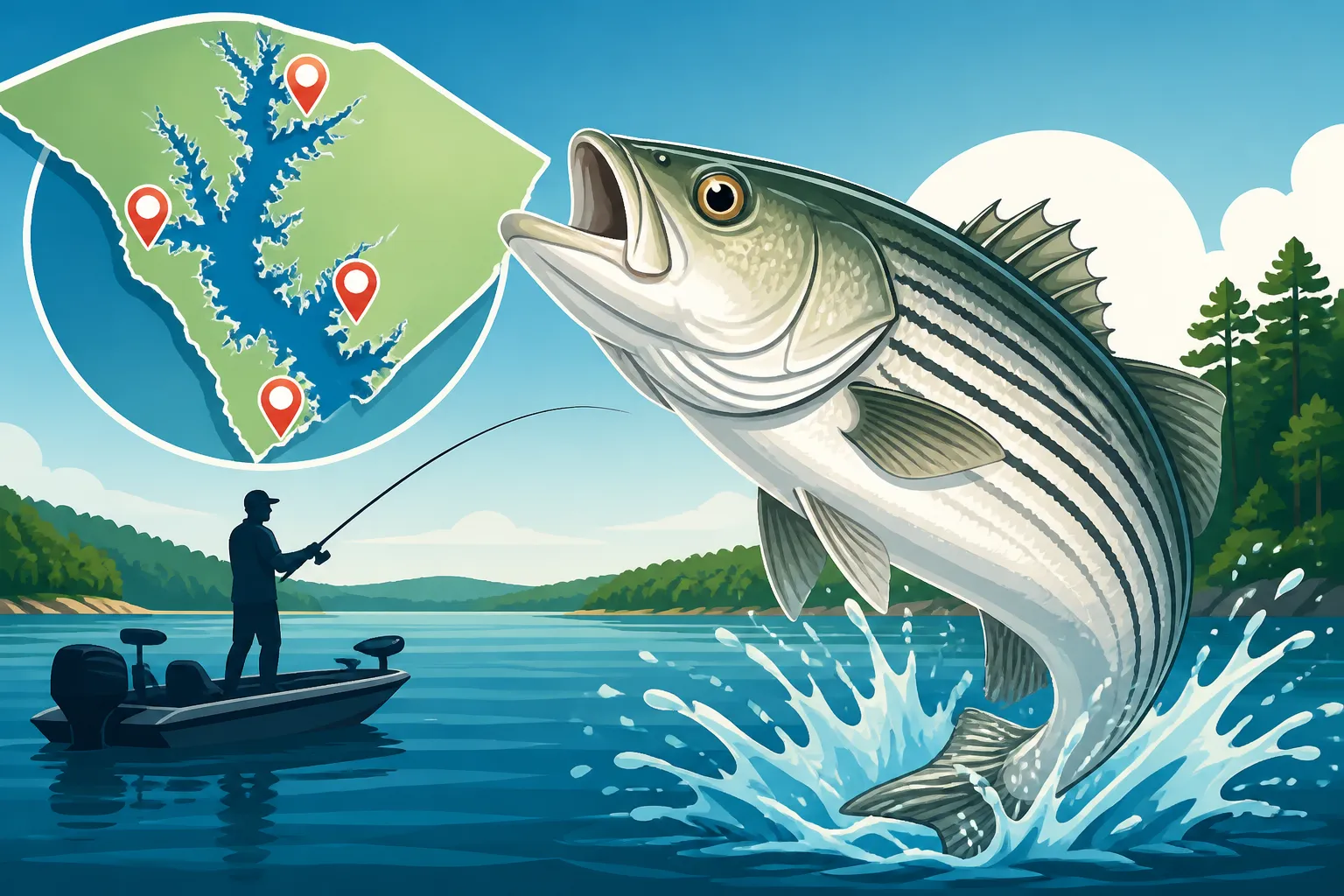
For anglers eager to tackle the powerful fight of a striped bass, but who find themselves a bit overwhelmed by the sheer size and diverse waters of Lake Hartwell, it can feel like searching for a needle in a haystack. This comprehensive guide is here to cut through the confusion, pinpointing the best Lake Hartwell striped bass fishing spots and sharing the most effective strategies to help you land that trophy striper.
Understanding Lake Hartwell's Thriving Striped Bass Fishery
Lake Hartwell, a massive reservoir spanning parts of South Carolina and Georgia, is renowned for its incredible striped bass fishery. These aren't just any stripers; they're hard-fighting, often large, and provide an exhilarating challenge for even the most seasoned anglers. Unlike their saltwater counterparts, these landlocked stripers rely heavily on deep, cool, oxygenated water, which influences their behavior and where you'll find them throughout the year. The lake's vast network of creeks, open water, and diverse submerged structures creates an ideal, albeit complex, habitat for these magnificent fish.
The Ecosystem That Supports Stripers
Lake Hartwell’s deep, clear waters and abundant forage, primarily threadfin and gizzard shad, create a perfect environment for striped bass to thrive. The U.S. Army Corps of Engineers manages the lake, and the South Carolina Department of Natural Resources (SCDNR) and Georgia Department of Natural Resources (GADNR) work together to manage the fish populations, including regular stocking programs to maintain the healthy striper numbers. This careful management ensures a sustainable and exciting fishery for years to come. Anglers often flock to areas where the main river channels—the Seneca and Tugaloo—converge, as these deeper sections offer the thermal refuge stripers need, especially when the summer heat sets in.
Seasonal Behavior of Lake Hartwell Stripers
Striped bass are highly migratory within the lake, constantly on the move in search of food and comfortable water temperatures. Their behavior changes dramatically with the seasons. In spring and fall, they are more active and can be found closer to the surface and in shallower coves as they chase baitfish. Summer sees them retreat to the thermocline in deeper, cooler oxygenated water, often suspended over old riverbeds or around main lake points. Winter fishing can be phenomenal, with stripers schooling tightly and responding well to vertical jigging or slow-trolling live bait in deeper pockets. Understanding these seasonal shifts is absolutely crucial for success, ensuring you're not wasting time casting where the fish aren't.
Top Lake Hartwell Striped Bass Hotspots
Finding the right spot on a lake as sprawling as Hartwell can be daunting. But don't worry, certain areas consistently produce excellent striper fishing due to their unique underwater topography, proximity to baitfish, and depth. These aren't secret spots, but they are proven producers that seasoned anglers target repeatedly.
The Mouths of Major Creeks and River Channels
During the cooler months of spring and fall, and even into early summer, the mouths of major creeks like Eighteen Mile Creek, Seneca River Arm, and Tugaloo River Arm become prime real estate for striped bass. These areas are baitfish highways, drawing in hungry stripers. The confluence of the Seneca and Tugaloo rivers, especially near the I-85 bridge area, is a legendary spot. Here, the deeper channels provide comfort, while the shallower surrounding flats offer ambush points for schooling bait.
When fishing these areas, look for underwater humps, points, and channel swings. Stripers will often hold on the edges of these structures, waiting for schools of shad to pass by. Many anglers have fantastic success trolling planer boards with live bait or large swimbaits through these creek mouths at dawn and dusk. You'll often see other boats doing the same, a good indicator that fish are in the vicinity. For those without a boat, accessing points near bridges can sometimes yield results, but a boat generally offers more flexibility.
Deep Water Humplines and Submerged Islands
As Lake Hartwell warms up, especially from late spring through early fall, striped bass abandon the shallower areas and seek refuge in the cooler, more stable temperatures found deeper in the main lake. This is when submerged humps, ledges, and deep main lake points become key. These structures act as underwater mountains, concentrating baitfish and, consequently, hungry stripers. Good examples include areas around Little River, near Andersonville Island, and the numerous humps scattered throughout the mid-lake region.
Advanced electronics become invaluable here. You're not just looking for fish; you're looking for baitfish. If you can mark large schools of shad, chances are the stripers aren't far behind. Popular techniques for these deep-water haunts include downlining live herring or shad, vertical jigging heavy spoons, or even using specialized deep-diving crankbaits. The key is to present your bait at the depth where the fish are holding, which often means paying close attention to your sonar. This is where patience and persistence truly pay off, as the fish can move quickly.
Rocky Points and Brush Piles
While deep water and creek mouths get a lot of attention, don't overlook rocky points and brush piles, especially during the spring and fall migrations. These structures offer cover and ambush points for stripers, particularly younger fish, and also attract baitfish. Many of these spots might not hold massive schools of stripers, but they can be excellent for picking off individual, aggressive fish.
One common scenario involves casting topwater lures or suspending jerkbaits around these points during low light conditions in spring and fall. The violent strikes of a striper exploding on a topwater bait are truly unforgettable. For brush piles, especially those intentionally placed by anglers, soft plastics or bucktail jigs worked slowly through the branches can entice a bite. Remember, you might sacrifice a few lures, but the reward of a hard-fighting striper can be well worth it. These are also great spots to investigate when trying to find Lake Hartwell Tournament Fishing Spots, as they can hold concentrated schools of fish.
Table: Lake Hartwell Striped Bass Hotspots & Seasonal Tactics
| Hotspot Type | Prime Seasons | Typical Depths | Recommended Tactics | Key Considerations |
|---|---|---|---|---|
| Creek Mouths & River Channels | Spring, Fall, Early Summer | 15-40 feet | Trolling, Live Bait, Casting Swimbaits | Look for schooling bait, current breaks, distinct edges. |
| Deep Water Humps & Ledges | Summer, Winter | 40-100+ feet | Downlining Live Bait, Vertical Jigging | Advanced electronics crucial for marking fish & bait. |
| Rocky Points & Brush Piles | Spring, Fall | 5-30 feet | Topwater, Jerkbaits, Soft Plastics | Low light conditions are often best; focus on cover. |
| Dam and Power Generation | Year-Round (variable) | Deep to very deep | Live Bait, Heavy Jigs | Check generation schedule, often attracts active fish. |
Essential Techniques and Baits for Lake Hartwell Stripers
Successfully targeting striped bass on Lake Hartwell requires a combination of proven techniques and the right bait or lure. These fish are powerful and savvy, so presenting your offering correctly is paramount.
Live Bait Strategies
When it comes to consistency, especially for larger fish, live bait is often the king for Lake Hartwell stripers. The most popular choices are blueback herring and gizzard shad, both native forage for the stripers. Anglers typically catch their own bait using cast nets, often in the early morning around main lake points or in creek backs.
- Downlining: This is perhaps the most common and effective technique for targeting deep-water stripers, especially in summer and winter. You use a heavy weight (often a 1-3 oz egg sinker) above a swivel, then a 2-4 foot leader to a circle hook (sized 3/0 to 7/0, depending on bait size). The live bait is hooked lightly through the nose or back, and the rig is lowered directly down to the depth where fish are marked on the sonar. This mimics a struggling baitfish, making it irresistible to hungry stripers suspended in the water column. Many anglers run multiple rods at different depths to cover the water column effectively.
- Planer Boards/Freelines: During spring and fall, when stripers are shallower and more scattered, planer boards are excellent for presenting live bait away from the boat, covering a wider area. A single live bait is sent out on a long leader with no weight, or minimal weight, allowing it to swim naturally. Freelines are similar but fished directly behind the boat with no board. This is particularly effective over submerged humps or along the edges of creek channels during low-light conditions.
Artificial Lure Presentations
While live bait certainly has its place, artificial lures can be incredibly exciting and effective, especially when stripers are actively chasing bait near the surface. The versatility of artificials also means you can quickly adapt to changing conditions.
- Topwater Lures: There's nothing quite like a striper blowing up on a topwater plug. Large walk-the-dog baits like a Zara Spook or poppers can be phenomenal during dawn and dusk, or on overcast days in spring and fall. Cast these over main lake points, around rocky banks, or near schooling baitfish, and work them with an erratic retrieve to simulate a struggling baitfish on the surface.
- Spoons and Jigs: For fish holding deep, heavy spoons (like a 1-2 oz Hopkins spoon or a similar jigging spoon) are fantastic. Drop them down to the marked depth and aggressively jig them up and down. This erratic motion often triggers an impulse strike. Bucktail jigs (1/2 oz to 2 oz) are also versatile; they can be cast and retrieved, trolled, or jigged vertically. Tipping them with a piece of soft plastic or a small piece of cut bait can enhance their appeal. These are often great choices when you're exploring the Best Lures for Striped Bass in South Carolina.
- Swimbaits and Crankbaits: Large soft plastic swimbaits, often rigged on a jig head, are excellent for mimicking shad. They can be cast and retrieved, or slow-trolled. Deep-diving crankbaits are also effective for covering a lot of water and reaching fish holding at specific depths, especially along channel ledges or over humps. Brands like Berkley and Rapala offer excellent deep-diving options that can be productive.
Planning Your Lake Hartwell Striper Trip
A successful fishing trip isn't just about showing up; it's about preparation, understanding regulations, and knowing the best times to go. Lake Hartwell is a fantastic destination, but a little planning goes a long way.
Best Times to Visit and Weather Considerations
While you can catch striped bass year-round on Lake Hartwell, certain seasons offer more consistent action. Spring (March-May) and Fall (September-November) are often considered the prime times, as stripers are more active and can be found across a wider range of depths and locations. During these shoulder seasons, the water temperatures are ideal, and fish are aggressively feeding in preparation for spawning or winter. This is also when you might encounter the most surface activity, making it perfect for topwater enthusiasts.
Summer can be challenging due to the heat, which pushes fish deep, but if you know how to fish the thermocline with downlined live bait, it can be incredibly productive for larger fish. Winter offers some of the most consistent fishing for schooling fish, often found in deep pockets where they can be targeted with vertical jigging. Always keep an eye on the weather forecast, as strong winds can make navigating the large lake difficult and dangerous, and cold fronts can significantly impact fish behavior.
Regulations and Licensing
Fishing on Lake Hartwell means you're often dealing with regulations from both South Carolina and Georgia, especially if you venture across state lines. It's imperative to have the correct fishing license. Generally, a South Carolina fishing license or a Georgia fishing license is valid anywhere on Lake Hartwell, as long as you possess the appropriate state's license for the water you are actively fishing or crossing. However, always double-check the latest regulations from both the SCDNR and GADNR websites before your trip, as rules can change. For more details on what you might need, check out our guide on the South Carolina Fishing License Guide.
When it comes to striped bass, there are specific size and creel limits that are strictly enforced. For instance, currently, South Carolina has a daily creel limit of two striped bass per person, and they must be between 23 and 27 inches long. One fish may be over 27 inches. Georgia might have slightly different rules, so again, always consult the current year's fishing regulations booklet. Ignorance of the law is not an excuse, and game wardens do patrol the lake.
Equipment and Safety Gear
For Lake Hartwell striped bass, you'll want sturdy gear. Medium-heavy to heavy action rods (7-8 feet) paired with conventional or heavy spinning reels spooled with 15-30 lb monofilament or braid are standard. A good baitcasting setup is also excellent for handling the heavy lures and live bait rigs. Don't forget an ample supply of terminal tackle: swivels, hooks, weights, and leaders (fluoro or mono). A net is essential for landing these powerful fish, and a cooler with ice is a must if you plan to keep your catch.
Safety should always be your top priority on the water. Given the size of Lake Hartwell, sudden weather changes can occur. Ensure your boat is properly equipped with all required safety gear, including life jackets for everyone on board, a first-aid kit, and communication devices. If you're planning to hire a guide, platforms like FishingBooker can help you find reputable local captains who will provide all necessary safety equipment and ensure you have a legal and enjoyable trip. These professional guides are also invaluable sources of current information about Lake Hartwell Striped Bass Fishing.
Conclusion: Your Next Trophy Striper Awaits
Lake Hartwell offers some of the most exciting and rewarding striped bass fishing in the Southeast. While its vastness can initially be intimidating, understanding the seasonal patterns, key fishing spots, and effective techniques will dramatically increase your chances of success. Whether you prefer the thrill of a topwater blow-up in the spring or the steady pull of a downlined live bait in the summer depths, Hartwell's stripers are waiting. Do your homework, respect the regulations, and get ready for some unforgettable battles with South Carolina's official state fish. With a little planning and the right approach, your next trophy striper could be just a cast away.
Disclaimer
This article is for general informational purposes only and does not constitute professional advice. Laws, prices and regulations vary by location and change over time. Consult a qualified professional for guidance on your specific situation.