Best Striped Bass Fishing Spots in South Carolina
For anglers in South Carolina, the pursuit of striped bass is often a passionate, year-round endeavor, but knowing exactly where these powerful fish congregate can feel like a constantly evolving puzzle. From vast freshwater lakes to tidal river systems, stripers present unique challenges and incredible rewards. This guide will take you deep into the heart of South Carolina's top striped bass fishing spots, helping you unravel the mysteries of their movements and find consistent success.
The Allure of Striped Bass Fishing in South Carolina
There's something truly captivating about chasing striped bass. Their sheer power, aggressive strikes, and impressive size make them a trophy fish for many, and South Carolina offers some of the best opportunities in the Southeast to hook into these magnificent creatures. But it’s not just about the fight; it’s about understanding their habits, their environment, and the thrill of the chase.
Why Stripers Are Such a Coveted Catch
Striped bass, often simply called "stripers" or "rockfish," are celebrated for their incredible fighting spirit. When you hook into a substantial striper, be prepared for a battle. They make strong, sustained runs and often test both your tackle and your endurance. This makes them an exciting target for experienced anglers seeking a challenge, as well as a thrilling introduction to sport fishing for newcomers. Many anglers speak of the sheer adrenaline rush of a striper hitting a topwater lure at dawn or the deep, powerful tug of a fish taken on live bait.
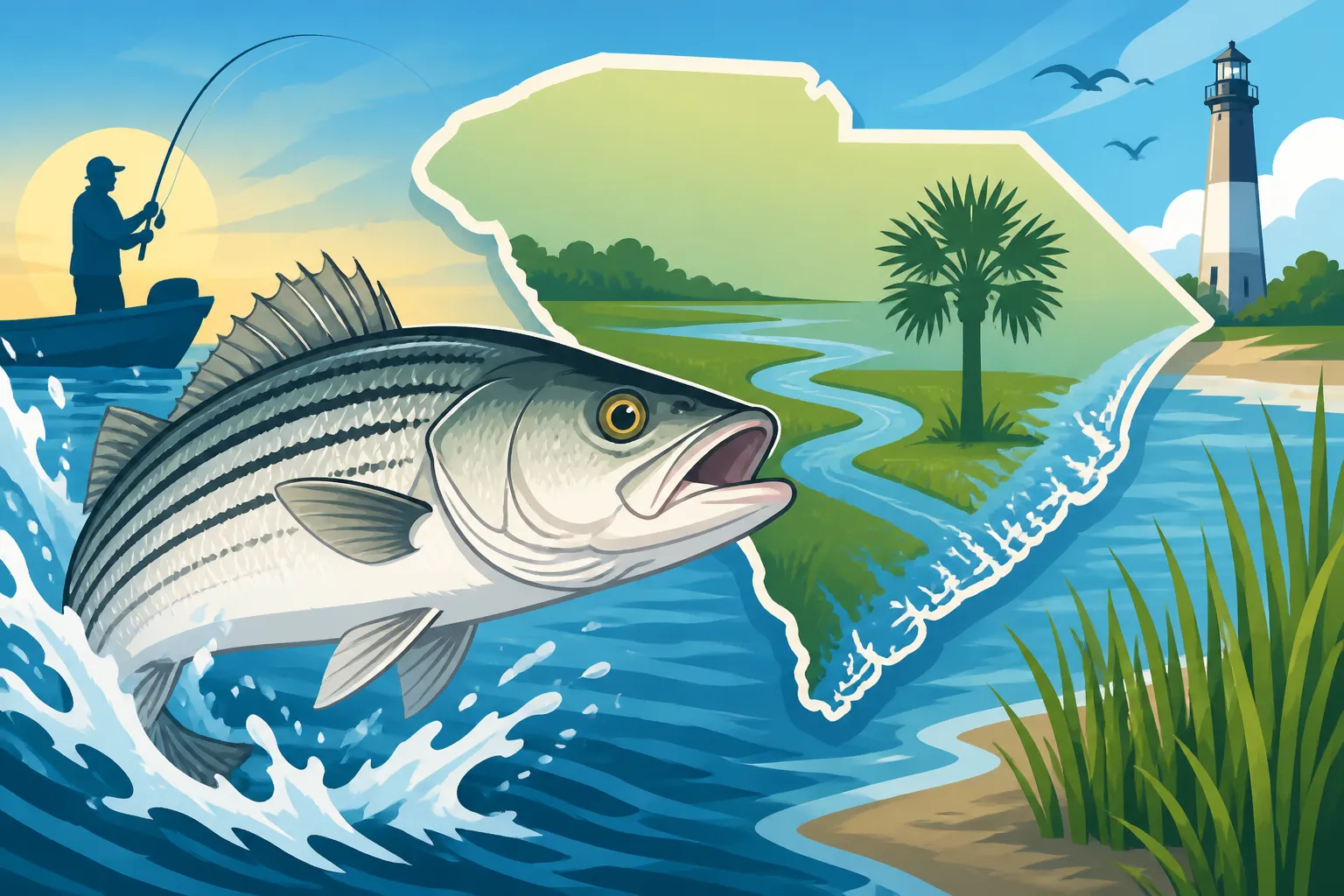
Beyond their fighting prowess, stripers are also a beautiful fish, with their distinctive dark, horizontal stripes running down their silver bodies. They thrive in diverse environments, from landlocked freshwater reservoirs to coastal estuaries, adapting to different food sources and water conditions. This adaptability means they can be found in a wide variety of South Carolina's waters, offering different types of fishing experiences depending on where you cast your line.
Understanding South Carolina's Unique Striper Fisheries
South Carolina is quite special because it boasts both landlocked (or "freshwater") striped bass populations in its major reservoirs and anadromous (or "coastal") populations that migrate between saltwater and freshwater to spawn. These two distinct types of fisheries offer varied angling experiences. The freshwater populations in lakes like Murray and Santee Cooper are famous for producing truly massive fish, often exceeding 30 or even 50 pounds, sustained by abundant baitfish like threadfin and gizzard shad. These populations are essentially "stuck" in freshwater, completing their life cycle without ever returning to the ocean.
Coastal stripers, on the other hand, spend much of their lives in the estuaries and nearshore ocean waters but make annual migrations up rivers like the Cooper and Santee to spawn. These fish are often targeted during their migratory runs, offering incredible opportunities for anglers to intercept them in concentrated numbers. Understanding the difference between these fisheries and their unique seasonal patterns is key to becoming a successful striper angler in the Palmetto State, allowing you to tailor your approach to the specific type of fishing you’re undertaking.
Premier Freshwater Striped Bass Hotbeds
When most people think of trophy striped bass in South Carolina, their minds immediately drift to the expansive freshwater lakes that dot the state's landscape. These colossal reservoirs are not just pretty places; they are thriving ecosystems perfectly suited for growing massive stripers, fed by fertile waters and an endless supply of forage.
Lake Murray: The Jewel of the Midlands
Known affectionately as the "Jewel of the Midlands," Lake Murray is arguably South Carolina's most famous striped bass destination. This 50,000-acre reservoir near Columbia boasts a robust striper population, consistently producing impressive catches, including many fish in the 20-40 pound range, with some true giants tipping the scales even heavier. The lake's deep, clear waters and abundant forage base, primarily threadfin and gizzard shad, create ideal conditions for stripers to grow large and healthy. It's a challenging but incredibly rewarding fishery, demanding a strategic approach due to its sheer size and depth.
Anglers on Lake Murray often employ a variety of techniques. During the warmer months, when stripers retreat to cooler, deeper water, vertical jigging with heavy spoons or live baiting with blueback herring or shad is incredibly effective. Trolling deep-diving crankbaits or umbrella rigs can also yield excellent results, especially when fish are suspended over submerged structures or around the dam. As the seasons change, especially in spring and fall, stripers will move shallower, often chasing baitfish schools on the surface, creating thrilling topwater blow-ups. For those looking to dive deeper into successful tactics, our guide on Lake Murray Summer Striped Bass Techniques in South Carolina offers invaluable advice. Access is excellent, with numerous public boat ramps and marinas spread around the lake, making it easy to launch your boat and explore the vast striper grounds.
Santee Cooper Lakes: A Legendary Inland Empire
Comprising Lake Marion and Lake Moultrie, the Santee Cooper Lakes system is an absolute legend in the angling world, not just for stripers but for its incredible diversity of fish. These two massive lakes, totaling over 170,000 acres, are connected by a diversion canal and are renowned for their incredible productivity. While famous for trophy largemouth bass and catfish, the striper fishing here is nothing short of phenomenal, especially during peak seasons when fish migrate through the system. If you want to know more about the overall fishery, check out our Santee Cooper Lakes: South Carolina's Legendary Bass Fishery article.
The Santee Cooper system’s vastness means stripers have plenty of room to roam and an almost limitless food supply. Live bait, particularly gizzard shad or blueback herring, drifted or slow-trolled, is a highly effective method here, especially in the diversion canal or around humps and ledges in the main lakes. Trolling with large artificial lures, like deep-diving crankbaits or bucktail jigs, is also very popular. Anglers should pay close attention to depth finders to locate baitfish schools and the stripers feeding below them. The spring and fall months are particularly productive as stripers become more active and are found in shallower depths, offering exciting topwater opportunities.
Lake Hartwell: Upstate Striper Action
Nestled in the beautiful Upstate region, Lake Hartwell offers another fantastic opportunity to pursue striped bass. While perhaps not as widely known for stripers as Lake Murray or Santee Cooper, this sprawling reservoir, straddling the border with Georgia, holds a very healthy and active population of these powerful fish. The lake's clear waters, rocky points, and abundant hydrilla beds create diverse habitats that stripers utilize throughout the year. For a broader look at this lake, consult our Lake Hartwell Fishing Spots on the South Carolina-Georgia Border guide.
Fishing for stripers on Lake Hartwell often involves targeting deep water structures during the summer months, similar to Lake Murray. Downrigging with live bait or artificial lures is a common strategy to reach fish holding in cooler thermal refuges. As temperatures cool in the spring and fall, stripers become more accessible, frequently schooling near the surface, especially around major creek channels and river bends. Early mornings and late evenings are prime times for casting topwater plugs or working swimbaits through breaking schools of fish. Lake Hartwell’s impressive size and varied topography mean that understanding current conditions and local patterns is crucial for consistent striper success.
Coastal River Runs: Brackish Water Stripers
Beyond the big freshwater lakes, South Carolina's coastal plain is crisscrossed by a network of rivers that host a different, yet equally thrilling, striped bass fishery. These are the anadromous stripers, fish that spend most of their lives in the brackish estuaries and nearshore ocean but make incredible migrations upriver to spawn. Targeting these fish requires a different approach, often dictated by tides, river currents, and seasonal runs. You can find more general information about these kinds of locations in our article on Top River Fishing Spots in South Carolina.
Cooper River: Historic Runs and Reliable Action
The Cooper River, flowing into Charleston Harbor, is steeped in history and renowned for its significant striped bass runs. While the freshwater section above the Pinopolis Dam (Lake Moultrie) is part of the landlocked Santee Cooper fishery, the lower Cooper River, below the dam, offers a classic anadromous striper experience. During the cooler months, typically from fall through spring, ocean-run stripers push upriver from Charleston Harbor, often congregating in deeper holes, around structure, and at the confluence of tributaries.
Anglers targeting Cooper River stripers often use live bait, such as herring or shrimp, fished on the bottom or under a float, especially around submerged logs, rock piles, or bridge pilings. Trolling deep-diving crankbaits or casting bucktail jigs and soft plastics can also be very effective, particularly when fish are actively feeding. The tides play a crucial role here; understanding how the current affects fish positioning and feeding behavior is paramount. The strength and timing of these runs can vary year to year, but when they're on, the Cooper River offers some of the most exciting striper action on the coast.
Congaree River: The Heart of Columbia's Striper Fishery
Flowing right through the state's capital, the Congaree River offers a truly urban striper fishing experience. This river, formed by the confluence of the Broad and Saluda Rivers, holds a strong population of both resident and migratory striped bass. The stretch of river within and immediately surrounding Columbia is particularly popular, especially below the Columbia Canal and the Gervais Street Bridge. This area is easily accessible for bank anglers and kayakers, providing a unique opportunity to catch powerful fish within city limits.
During the cooler months, from late fall through early spring, the Congaree sees excellent striper activity. Anglers often target deeper channels, current seams, and areas around submerged timber or rock outcroppings. Live bait, like cut shad or blueback herring, fished on a Carolina rig, is a proven method. Artificial lures such as large swimbaits, lipless crankbaits, and even topwater plugs during low-light conditions can also entice strikes. The tailrace areas below dams on the Broad and Saluda Rivers, which feed the Congaree, can also be hotspots, especially for migrating fish concentrating before spawning runs.
Broad River: Upstate's Hidden Gem
Further upstream in the Piedmont region, the Broad River, before it joins the Saluda to form the Congaree, is another fantastic, albeit often overlooked, striper fishery. This river offers a more wild and scenic experience compared to the urban Congaree, with stretches of swift current, rocky shoals, and deep pools that hold impressive numbers of striped bass. Access might be a bit more challenging in some areas, but the reward of a powerful Broad River striper is well worth the effort.
Striped bass in the Broad River are often caught by anglers drift fishing with live bait (such as shad or herring) through deeper holes and current breaks. Casting large swimbaits, spinnerbaits, or topwater plugs in the early morning or late evening can also be incredibly productive, especially when fish are actively chasing baitfish near the surface. The areas around Lockhart, Neal Shoals Dam, and upstream towards Cherokee Falls are known hot spots. Anglers should be mindful of the strong currents and rocky bottom, which can make fishing challenging but exciting. Success on the Broad often comes down to understanding the river's flow and finding those key ambush points where stripers lie in wait for unsuspecting forage.
Seasonal Strategies for Maximizing Your Striper Success
Striped bass are highly migratory and their behavior changes dramatically with the seasons, driven primarily by water temperature, oxygen levels, and spawning instincts. To consistently catch these powerful fish in South Carolina, understanding these seasonal patterns is more than just helpful – it's absolutely critical. Our comprehensive South Carolina Fishing Seasons Guide can give you a broader overview of how fish move throughout the year.
Spring Migration and Spawning Runs
Spring is arguably one of the most exciting times to target striped bass in South Carolina. As water temperatures begin to rise, anadromous stripers that spent the winter in coastal estuaries or deep river holes begin their arduous migration upstream to spawn. These fish are driven by an instinctual urge to reproduce, making them concentrated targets for anglers. In freshwater reservoirs, resident stripers also become much more active, moving into shallower waters to feed aggressively before and after their own spawning efforts.
During this period, focus your efforts on river sections with good current, rocky bottoms, and gravel beds – prime spawning habitat. Live bait, such as shad or herring, fished on the bottom or under a float, is exceptionally effective. Casting artificial lures like lipless crankbaits, bucktail jigs, or even large swimbaits can also trigger aggressive strikes from pre-spawn and post-spawn fish. Remember that regulations, particularly on coastal rivers, might change during spawning season to protect the populations, so always double-check the latest rules with the SCDNR.
Summer Deepwater Tactics
Once the scorching South Carolina summer heat sets in, freshwater striped bass populations typically retreat to deeper, cooler, and more oxygenated waters. This doesn't mean the fishing stops; it just shifts to a more technical game. Stripers will often suspend over thermoclines or congregate around deep structures like humps, ledges, and channels where baitfish also seek refuge.
To reach these deep-water fish, anglers often employ specialized techniques. Downrigging with live bait (like blueback herring or gizzard shad) or large artificial lures is incredibly popular on lakes like Murray and Santee Cooper. Vertical jigging with heavy spoons or flutter spoons can also be highly effective when you mark schools of fish on your electronics. Trolling umbrella rigs or large deep-diving crankbaits can cover a lot of water and help locate active fish. Early mornings and late evenings might offer brief windows for shallower action, but generally, summer striper fishing is a deep-water game.
Fall Feeding Frenzies
As the oppressive summer heat breaks and water temperatures begin to cool, striped bass fishing explodes into one of the most productive times of the year. Fall brings with it a "feeding frenzy" as stripers gorge themselves, building up reserves for the colder months ahead. This is when baitfish schools become highly visible, and stripers will often drive them to the surface in spectacular displays, commonly known as "busts" or "boils."
During the fall, keep a keen eye out for bird activity, as diving birds often signal feeding stripers below. Topwater lures, such as poppers, walk-the-dog baits, and large prop baits, are incredibly effective and offer some of the most exciting strikes in all of fishing. When fish are not busting on the surface, casting swimbaits, bucktail jigs, or lipless crankbaits into baitfish schools can be equally productive. This is also a fantastic time for live baiting, especially if you can get your hands on fresh shad or herring. The shallower coves and creek mouths become prime targets as stripers move in to chase bait.
Winter Holdovers and Schooling Fish
While often overlooked, winter can provide some surprisingly good striped bass fishing, especially in South Carolina's larger lakes and river systems. As water temperatures reach their lowest points, stripers tend to school up tightly in deeper areas, often congregating in major channels, creek mouths, and thermal refuges. These fish might be less active than in fall, but when you find a school, the action can be fast and furious.
Slow-trolling live bait or large artificial lures is a reliable winter strategy. Fish your baits very slowly, as stripers are less inclined to chase quickly moving prey in cold water. Vertical jigging with heavy spoons or blade baits directly over marked schools is also very effective. On coastal rivers, anadromous stripers that have completed their spawning run or decided to winter over will often hold in deep, slow-moving pools. Focusing on slack-water areas adjacent to strong currents or deep bends can yield good results. Patience is key in winter, but the rewards of catching a powerful striper on a crisp, cold day are immense.
Essential Gear and Techniques for South Carolina Stripers
Having the right gear and understanding effective techniques are paramount to consistently catching striped bass in South Carolina. These powerful fish demand tackle that can handle their aggressive runs and a variety of approaches to match their ever-changing behavior across different environments. From your rod and reel setup to your choice of bait, every detail can make a difference.
Rods, Reels, and Line Choices
For striped bass, you'll want tackle that can withstand a serious fight. A medium-heavy to heavy action spinning or baitcasting rod, typically 6'6" to 7'6" in length, is a good starting point. This length provides enough leverage for casting larger lures and fighting strong fish, while offering sensitivity for detecting subtle bites. Rods with a fast or moderate-fast action are preferred, as they offer the backbone needed for hook sets and control.
Pair your rod with a durable spinning reel in the 4000-6000 size range, or a baitcasting reel capable of holding a good amount of line. For line, 15-30 pound braided line is a popular choice for its strength, sensitivity, and casting distance. You'll want to use a fluorocarbon leader (20-40 pound test, typically 2-4 feet long) tied to your braid. This leader offers abrasion resistance against sharp rocks and rough striper mouths, and its near invisibility underwater can be an advantage in clear waters. The choice between mono and braid really depends on personal preference and the specific fishing scenario, but many striper anglers lean towards braid for its no-stretch qualities.
Top Baits and Lures for Stripers
Stripers are opportunistic predators, so a wide array of baits and lures can work. However, some are consistently more effective than others.
For live bait, nothing beats natural forage. Blueback herring, gizzard shad, threadfin shad, and even large shiners or panfish are excellent choices in freshwater lakes. On coastal rivers, live shrimp, mullet, or menhaden can be deadly. These are often fished on a simple Carolina rig or under a slip float, allowing the bait to swim naturally.
When it comes to artificial lures, the options are extensive:
- Topwater Plugs: Poppers, walk-the-dog baits (like Heddon Super Spook or Zara Spook), and prop baits are incredibly exciting, especially during low-light conditions or when stripers are actively schooling on the surface.
- Swim Baits: Large soft plastic swimbaits, often rigged on jig heads or as castable umbrella rigs, mimic baitfish perfectly and can be fished at various depths.
- Jigs: Bucktail jigs (1/2 oz to 2 oz+) are classic striper lures, often tipped with a soft plastic trailer. Spoons, particularly heavy flutter spoons or jigging spoons, are excellent for vertical jigging in deep water.
- Crankbaits: Deep-diving crankbaits are essential for trolling in deeper water, especially in summer. Lipless crankbaits are great for covering water in shallower areas during spring and fall.
- Umbrella Rigs: These multi-lure rigs, often pulled behind a boat, simulate a school of baitfish and can be incredibly effective in freshwater reservoirs.
Many anglers also find success with the diverse selection of lures available from brands like Rapala, Zoom, and Strike King, all of which offer options well-suited to South Carolina's striper fisheries. To get a better handle on what lures work best, check out our guide on Best Lures for Striped Bass in South Carolina.
Trolling, Live Baiting, and Artificials
Mastering a variety of techniques will make you a more versatile and successful striper angler.
Trolling is a highly effective way to cover vast expanses of water and locate active fish, especially in large reservoirs like Lake Murray or Santee Cooper. You can troll deep-diving crankbaits, umbrella rigs, or even live bait behind your boat. Downriggers are often used to present lures at precise depths when fish are holding deep in the water column. The key is to match your trolling speed and lure depth to where the fish are holding and what they're actively feeding on.
Live baiting is often the go-to method for many striper anglers, especially when targeting larger, more lethargic fish or during times when artificials aren't cutting it. Whether you're drifting live shad under a balloon, free-lining a blueback herring, or bottom-fishing with a Carolina rig, presenting natural bait can be irresistible to hungry stripers. The challenge often lies in catching or acquiring fresh, lively bait.
Artificial lures offer a more active and dynamic fishing experience. Casting topwater plugs during a surface bite is exhilarating. Working swimbaits or jigs through submerged timber, along ledges, or into current breaks can be incredibly productive. The advantage of artificials is that you don't need to worry about keeping bait alive, and you can cover a lot of water quickly. The retrieve speed, action, and color of your lure should be adjusted based on water clarity, light conditions, and the fish's mood. Experimentation is key!
Planning Your Striper Adventure: Guides and Resources
Embarking on a striped bass fishing trip in South Carolina, whether it's your first time or your hundredth, requires careful planning. From understanding the rules to deciding whether to hire a professional, preparation can make all the difference between a frustrating day and an unforgettable experience.
When to Consider a Professional Fishing Guide
Hiring a professional fishing guide can be one of the best investments you make, especially when targeting a challenging species like striped bass or exploring a new body of water. A seasoned guide brings invaluable local knowledge, years of experience, and specialized equipment that most recreational anglers simply don't have. They know the subtle nuances of specific fishing spots, the seasonal patterns, and the most effective techniques for that particular day. This is especially true for complex fisheries like the Santee Cooper Lakes or the migratory runs of the Cooper River.
Guides can save you countless hours of trial and error, putting you directly on fish and teaching you techniques specific to the area. This is particularly beneficial for beginners who want to learn the ropes without the frustration, or for experienced anglers looking to refine their skills or tackle a new challenge. Many reputable guides can be found through online platforms like FishingBooker, which allows you to browse local charters, read reviews, and book trips directly. For those considering a guided trip, our article on How to Book a Fishing Charter in South Carolina offers comprehensive advice on finding the right fit for your adventure.
Important Regulations and Licenses to Remember
Before you even think about casting a line for striped bass in South Carolina, it is absolutely essential to understand and adhere to the state's fishing regulations. These rules are in place to protect fish populations and ensure sustainable angling for future generations. Failing to comply can result in hefty fines and penalties, so ignorance is never an excuse.
First and foremost, you will need a valid South Carolina fishing license. Whether you're a resident or a non-resident, and whether you're fishing freshwater or saltwater (or both), there's a specific license for you. Our South Carolina Fishing License Guide is an excellent resource to help you navigate the requirements and purchase the correct license. You can easily buy them online through the South Carolina Department of Natural Resources (SCDNR) website or at authorized retailers.
Beyond the license, pay close attention to bag limits (how many fish you can keep), size limits (minimum and sometimes maximum lengths), and seasonal closures that may apply to striped bass. These regulations can vary significantly depending on the specific body of water (e.g., Lake Murray often has different rules than the Santee Cooper Lakes or coastal rivers) and the time of year. For instance, there might be specific slot limits for freshwater stripers or closures during coastal spawning runs. Always consult the latest SCDNR Fishing Regulations guide, which is updated annually. Keep a copy, either physical or digital, with you whenever you're fishing, as game wardens are diligent in checking compliance. Our article on South Carolina's Freshwater Fishing Regulations offers a good starting point for understanding the rules in inland waters.
Comparing South Carolina's Top Striped Bass Fisheries
To help visualize the distinct opportunities each of South Carolina's premier striped bass fisheries offers, here's a comparative table summarizing their key characteristics. This should give you a quick overview to help decide which destination best suits your angling preferences and schedule.
| Feature | Lake Murray | Santee Cooper (Lakes Marion & Moultrie) | Lake Hartwell | Cooper River | Congaree River | Broad River |
|---|---|---|---|---|---|---|
| Type of Fishery | Landlocked Freshwater | Landlocked Freshwater | Landlocked Freshwater | Anadromous (Coastal/Brackish) | Anadromous (Coastal/Fresh) | Anadromous (Coastal/Fresh) |
| Primary Season | Year-round, Fall & Summer peaks | Year-round, Fall & Spring peaks | Year-round, Spring & Fall peaks | Fall – Spring Migratory Runs | Fall – Spring Migratory Runs | Fall – Spring Migratory Runs |
| Avg. Fish Size | Excellent (10-40 lbs+) | Excellent (10-30 lbs+) | Good (5-20 lbs+) | Good (5-20 lbs+) | Good (5-20 lbs+) | Good (5-20 lbs+) |
| Common Techniques | Trolling, Live Bait, Jigging | Live Bait, Trolling, Jigging | Trolling, Live Bait, Downrigging | Live Bait, Jigs, Trolling | Live Bait, Jigs, Swimbaits | Live Bait, Jigs, Spinners |
| Notable Features | Deep, clear, abundant shad | Vast, diverse habitat, diversion canal | Clear, rocky, SC/GA border | Tidal, historical runs | Urban access, strong current | Wild, scenic, rocky shoals |
| Guide Availability | High | High | Moderate | High | Moderate | Moderate |
| Best for Trophy Fish | Yes | Yes | Possibly | Less likely | Less likely | Less likely |
This table provides a snapshot, but remember that conditions on the water can change daily. Local knowledge, whether from a guide, tackle shop, or online forum, is always your best bet for up-to-the-minute information. Using resources like FishingBooker can help you find guides who specialize in these particular locations, ensuring you get the most out of your trip. South Carolina truly offers a diverse and exciting playground for any angler passionate about chasing stripers.
Disclaimer
Fishing conditions and regulations in South Carolina can change frequently. Always consult the latest South Carolina Department of Natural Resources (SCDNR) regulations guide before heading out on the water. This information is provided for general guidance and educational purposes only.