Backcountry Creek Fishing Spots in South Carolina
Finding truly quiet, unspoiled fishing spots can feel like a treasure hunt in South Carolina, especially when you're craving that solitude away from crowded boat ramps and popular lakes. Many anglers yearn for the peace of a hidden stream, where the only sounds are rushing water and the rustle of wildlife. This guide is all about uncovering those fantastic backcountry creek fishing spots in South Carolina, helping you discover serene waters where the fishing can be as rewarding as the journey itself.
What Defines Backcountry Creek Fishing in South Carolina?
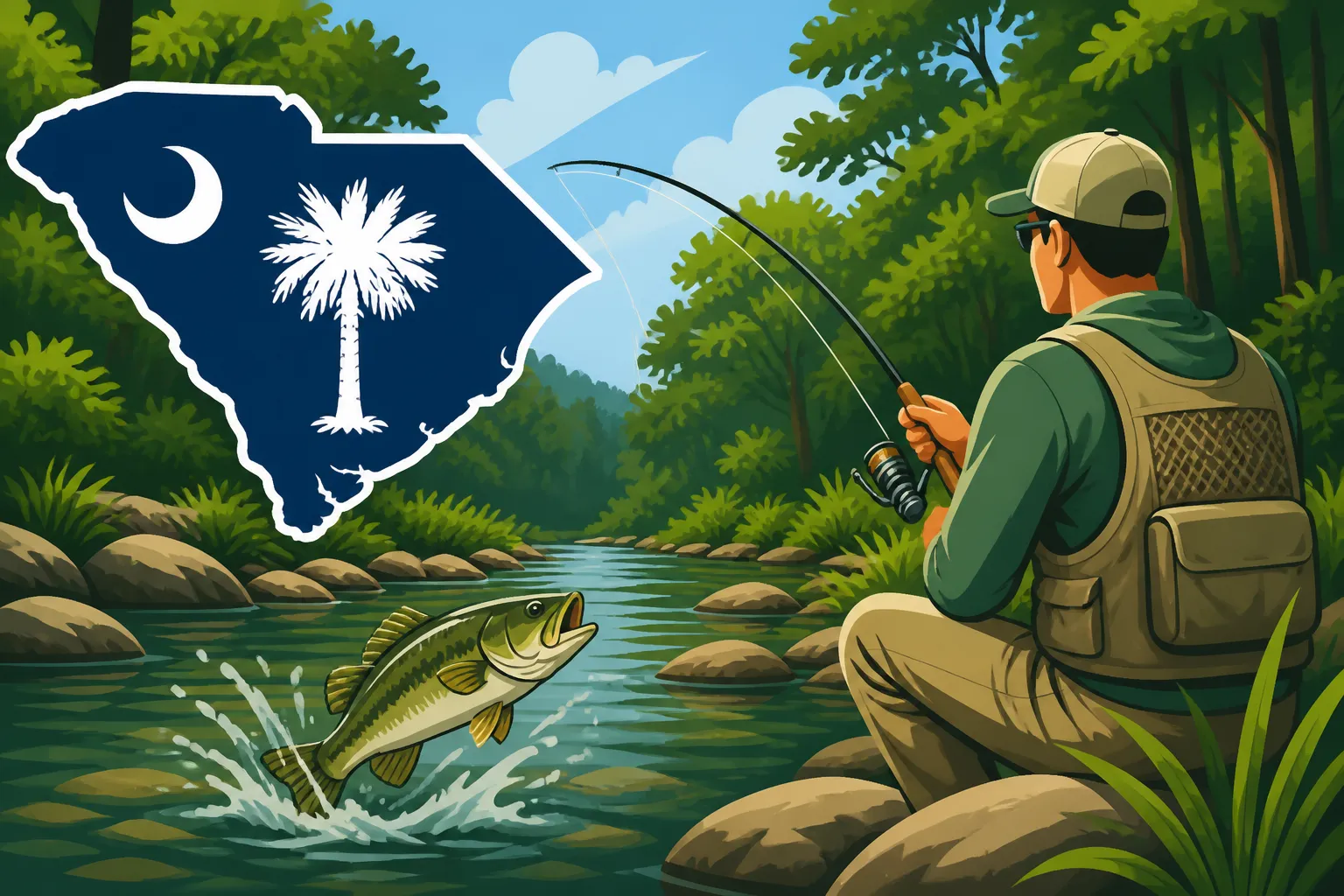
When we talk about "backcountry creek fishing" here in the Palmetto State, we're really talking about stepping off the beaten path. It's not about the big, well-known reservoirs or the bustling coastal piers. Instead, it’s about those smaller, often overlooked waterways – the streams, tributaries, and narrow estuaries that wind their way through dense forests, private lands, or less developed public areas. These are the places where you often need to hike a bit, sometimes navigate by canoe or kayak, or even wade the banks to reach.
The appeal is huge, especially for those who feel overwhelmed by the crowds that can flock to popular fishing destinations like Lake Murray or the Charleston Harbor. There’s a distinct sense of adventure, a quiet satisfaction that comes from exploring a remote stretch of water. It's about connecting with nature in a profound way, hearing the birds, seeing deer at the water's edge, and experiencing fishing in its purest form. You might not always catch the biggest fish, but the experience of being out there, far from the hustle and bustle, is often the real trophy. This type of fishing truly caters to the angler looking for an immersive, tranquil escape.
The Unique Appeal of Secluded Waters
There’s something magical about arriving at a creek where you know you’re likely the only angler for miles. The water often runs clearer, the fish can be less pressured, and the entire ecosystem feels more vibrant and untouched. Imagine casting a line into a crystal-clear mountain stream, watching a native brook trout rise to your fly, or silently paddling a blackwater creek as a redfish busts bait on the surface nearby. These are moments that stick with you, far more than battling for space at a public boat landing.
Another huge benefit is the biodiversity. These smaller, more natural environments often support a wider range of species, and sometimes even unique genetics that haven't been crossbred or impacted by heavy stocking programs. For instance, in the mountainous regions, these backcountry creeks are often the last strongholds for South Carolina's Native Brook Trout: A Blue Ridge Mountain Original. This pursuit becomes less about filling a cooler and more about the challenge of finding and appreciating these pristine fish in their natural habitat. It's a slower, more deliberate form of fishing that rewards patience and a keen eye.
Understanding the Different Types of Backcountry Creeks
South Carolina, with its diverse geography, offers a surprising variety of backcountry creek fishing experiences. From the cold, clear mountain streams in the Upstate to the meandering blackwater creeks of the Midlands and the tidal estuaries of the Lowcountry, each region presents its own unique challenges and rewards. Understanding these differences is key to planning your adventure.
In the Upstate, you’re looking at higher elevations, cooler water temperatures, and rocky bottoms, perfect for trout. The Midlands might offer slow-moving, tannin-stained creeks through forests and farmlands, holding bass and panfish. And down in the Lowcountry, the backcountry creeks are often tidal, winding through Spartina grass marshes, brimming with saltwater species. Each environment demands a different approach, different gear, and a different mindset, but all share that common thread of offering an escape into wilder, less-frequented waters.
Prime Backcountry Creek Regions in South Carolina
South Carolina offers an incredible diversity of landscapes, and with that comes a fantastic array of backcountry creek fishing opportunities. Depending on what you're hoping to catch and the type of scenery you prefer, you can find quiet waters in the mountains, through dense forests, or deep in the coastal marshes. It's about knowing where to look and what each region truly offers.
Upstate Mountain Streams: Trout Country
If you dream of cool, rushing water and elusive trout, the Upstate is your paradise for backcountry creek fishing. Here, the foothills of the Blue Ridge Mountains give rise to countless small streams and tributaries that hold populations of brook, rainbow, and brown trout. Many of these waters are within the vast Sumter National Forest, providing ample public access, though it often requires a hike.
Creeks like those feeding into the Chattooga River, or smaller independent systems like the Chauga River, offer fantastic opportunities for fly fishing or ultralight spinning. These aren't your easily accessible, heavily stocked ponds. We're talking about navigating slippery rocks, dense rhododendron thickets, and sometimes steep terrain. But the reward? Pristine, often wild, trout that fight with surprising vigor. When planning your trip, remember to check current regulations for these areas, as Stocked Trout Limits in South Carolina can vary widely, with some streams having catch-and-release only sections to protect these sensitive populations. It's an immersive experience that feels a world away from civilization.
Midlands Blackwater Creeks: Bass and Panfish Haven
Moving into the central part of the state, the landscape changes dramatically, and so do the backcountry creeks. Here, you'll find slow-moving, tannin-stained "blackwater" creeks that wind through pine forests, cypress swamps, and agricultural lands. These waters might not have the dramatic elevation changes of the mountains, but they offer their own quiet beauty and excellent fishing for warm-water species. Think of tributaries feeding into larger river systems like the Edisto River or the Congaree River.
These creeks are perfect for those who enjoy targeting Largemouth Bass Fishing in South Carolina: The Complete Guide, as well as a variety of sunfish and catfish. A canoe or kayak is often the ideal way to explore these narrow, winding waterways, allowing you to slip silently through dense vegetation, casting into shaded pockets, around submerged logs, and under overhanging branches. Public access can be found through various state parks, wildlife management areas, or even small, unmarked dirt roads. Always be mindful of private property boundaries, and be prepared for primitive access points.
Lowcountry Tidal Creeks: Redfish and Seatrout Havens
For those drawn to the coast, the Lowcountry's backcountry tidal creeks offer an entirely different, yet equally rewarding, experience. These are the intricate networks of waterways that snake through vast salt marshes, connecting to larger estuaries and the ocean itself. While some larger tidal creeks are popular, the true backcountry spots require navigating shallow water, often by kayak or paddleboard, to reach areas that bigger boats can't access.
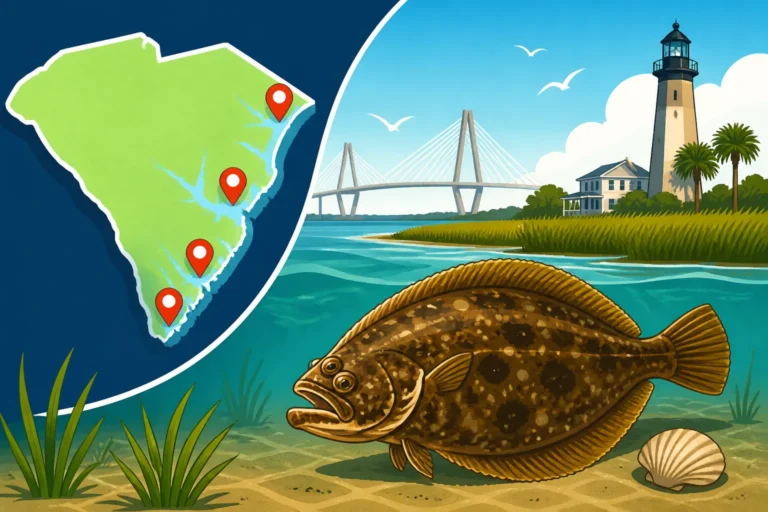
These hidden gems are teeming with saltwater species, primarily redfish and spotted seatrout, but also flounder and even sheepshead near oyster beds. The tides play a crucial role here, influencing fish behavior and access. Fishing an incoming tide can bring fish into shallow grass flats, while an outgoing tide concentrates them in deeper channels and creek mouths. Navigating these areas takes skill and local knowledge. This is where using a service like FishingBooker can be incredibly valuable, as many experienced local guides specialize in shallow-water sight fishing in these very backcountry zones, helping you understand the tide-based techniques for inshore fishing. They can lead you to productive areas that would be impossible to find on your own, ensuring a safe and successful trip.
Target Species and Essential Gear for Backcountry Fishing
The fish you'll encounter and the gear you'll need will largely depend on which of South Carolina's diverse backcountry regions you choose to explore. Each environment dictates a specific approach, so being prepared is crucial for a successful and enjoyable trip.
What You'll Catch: From Trout to Tailing Redfish
In the Upstate mountain creeks, the stars of the show are undoubtedly trout. You'll find native brook trout, identifiable by their vibrant worm-like markings and red-orange fins with white leading edges, often in the higher, colder reaches. Rainbow trout and brown trout are also common, particularly in streams that have been stocked. These fish are generally smaller in these intimate environments, but their wild beauty and spirited fight make them a prized catch. Remember that South Carolina Streams With a 5-Fish Trout Limit are common, but it's essential to check specific creek regulations as catch-and-release is often encouraged or even mandated in certain areas to protect sensitive populations.
For the Midlands blackwater creeks, expect a strong population of largemouth bass, particularly the feisty smaller ones that thrive in these environments. You'll also encounter plenty of sunfish, including bluegill and the vibrant redbreast sunfish, which are incredibly fun to catch on ultralight gear. Channel catfish and bullheads are also common, lurking in the deeper holes and under submerged structure. These waters can offer consistent action, making them perfect for a relaxing day of fishing.
Down in the Lowcountry tidal creeks, the primary targets are redfish and spotted seatrout. Redfish are notorious for "tailing" in shallow water during high tides, pushing their tails out of the water as they root for crabs and shrimp in the grass. Spotted seatrout often hold in the deeper bends of creeks or along oyster rakes. Flounder can be found lying in wait on sandy bottoms, and sheepshead congregate around barnacle-encrusted structures like old docks or fallen trees. This diverse fishery provides exciting opportunities, whether you're sight fishing the flats or probing creek channels.
Choosing the Right Rod, Reel, and Line
For Upstate trout fishing, a light to ultralight spinning rod (4-6 foot) paired with a small spinning reel spooled with 4-6 lb monofilament or fluorocarbon line is ideal. This setup allows for precise casting in tight quarters and provides a thrilling fight with smaller trout. If you're a fly angler, a 2-4 weight fly rod is perfect, offering delicate presentations for wary fish.
In the Midlands blackwater creeks, a medium-light spinning or baitcasting setup (6-7 foot) with 8-12 lb line will handle most bass and panfish. Consider using braided line for its strength and sensitivity, especially when fishing around heavy cover. For panfish specifically, a simple cane pole or ultralight spinning gear with 4 lb test is all you need for endless fun.
For Lowcountry tidal creeks, a medium-light to medium power spinning rod (7-7.5 foot) with a fast action tip is versatile for both redfish and trout. Pair it with a 2500-3000 series spinning reel spooled with 10-15 lb braided line, topped with a 2-3 foot fluorocarbon leader (20-30 lb for redfish, 15-20 lb for trout). This setup provides the casting distance, power, and sensitivity needed for saltwater species in these environments.
Must-Have Lures and Baits
When targeting Upstate trout, small inline spinners (like Panther Martins or Mepps), tiny jigs, and natural baits such as worms or corn are highly effective. For fly anglers, small dries, nymphs, and streamers mimicking local aquatic insects will produce.
For Midlands bass and panfish, a variety of lures work well. Soft plastics like worms and creature baits rigged Texas-style are great for bass in cover. Small crankbaits, spinnerbaits, and topwater frogs can also be deadly. For panfish, live worms, crickets, or small artificial jigs under a bobber are irresistible.
In the Lowcountry, live bait is king for redfish and trout – think live shrimp, mud minnows, or finger mullet. Artificials like scented soft plastics (e.g., those from Z-Man or Gulp!) rigged on jig heads, popping corks with grubs, and weedless spoons are also incredibly effective, especially when sight fishing in shallow grass flats. Consider packing a variety to adapt to changing conditions. Many charter guides found on platforms like FishingBooker will supply all the necessary bait and tackle, which can be a huge relief for anglers less familiar with local preferences.
Here's a quick comparison of gear and target species by region:
| Region | Primary Target Species | Recommended Rod/Reel | Recommended Line (Test) | Top Baits/Lures |
|---|---|---|---|---|
| Upstate | Brook, Rainbow, Brown Trout | Ultralight Spinning (4-6ft) | 4-6 lb Mono/Fluorocarbon | Small Spinners, Tiny Jigs, Worms, Flies |
| Midlands | Largemouth Bass, Sunfish, Catfish | Medium-Light Spinning/Baitcasting (6-7ft) | 8-12 lb Braid/Mono | Soft Plastics, Crankbaits, Worms, Crickets |
| Lowcountry | Redfish, Spotted Seatrout, Flounder | Medium-Light Spinning (7-7.5ft) | 10-15 lb Braid (w/ Fluorocarbon Leader) | Live Shrimp/Minnows, Soft Plastics, Spoons |
Navigating Access and Environmental Stewardship
Exploring South Carolina's backcountry creeks is an incredibly rewarding experience, but it comes with the responsibility of understanding access rules and practicing good environmental stewardship. Getting to these secluded spots can be half the adventure, but ensuring you're fishing legally and respectfully is paramount.
Finding Public Access and Respecting Private Lands
One of the biggest challenges, and joys, of backcountry creek fishing is finding legal access. While many major rivers and lakes have designated public boat ramps, backcountry creeks often do not. In the Upstate, areas within the Sumter National Forest offer extensive public access. You'll often find small parking areas or even just pull-offs along forest service roads that lead to trailheads, which in turn lead to creek access. However, these are typically walk-in spots, sometimes requiring significant hiking. Similarly, state parks like Table Rock State Park Fishing Spots in South Carolina can offer excellent access to smaller streams within their boundaries, but you might need to check with park rangers for specific fishing regulations and access points.
In the Midlands and Lowcountry, things can get a bit trickier. Many blackwater creeks and tidal marshes are surrounded by private property. It's absolutely crucial to respect these boundaries. Trespassing, even unknowingly, can lead to serious legal issues and tarnish the reputation of anglers. Always look for signage, consult property maps (like those available through county GIS systems or mapping apps), and when in doubt, choose another spot. Public boat landings, even small ones, or designated Wildlife Management Areas (WMAs) often provide the only legal access to these waterways. Sometimes, a friendly knock on a landowner's door might open up an opportunity, but always ask permission first.
Minimum Impact Fishing: Leave No Trace Principles
When you venture into these wilder places, it's vital to embrace the "Leave No Trace" principles. The goal is to leave the environment exactly as, or even better than, you found it. This means packing out everything you pack in, including all trash, fishing line, and any other waste. Even biodegradable items like fruit peels can take a long time to break down and can attract wildlife, disrupting their natural foraging habits.
Consider using artificial lures that minimize entanglement risks for wildlife, and always properly dispose of any broken fishing line. Using biodegradable baits when possible is also a good practice. Beyond trash, it's about minimizing your physical impact. Stay on established trails where they exist, avoid trampling delicate vegetation along creek banks, and don't disturb wildlife or their nesting areas. If you're wading, be mindful of spawning beds or areas of sensitive aquatic life. The beauty of backcountry fishing lies in its pristine nature, and it's up to every angler to ensure it stays that way for future generations.
The Role of Responsible Catch and Release
Many backcountry creeks, especially those in the mountains, are home to sensitive fish populations. Practicing responsible catch and release is not just a suggestion; it's often a necessity for conservation. If you do plan to keep fish, always check current South Carolina Fishing Bag Limits Explained and size restrictions, as these can vary significantly by species and location. For instance, while you might be able to keep a certain number of trout in one stream, another might be entirely catch-and-release.
When releasing fish, handle them as little as possible, with wet hands, and try to keep them in the water. Use barbless hooks or crimp down barbs to make hook removal easier and less stressful for the fish. If a fish is deeply hooked, it's often best to cut the line as close to the hook as possible rather than trying to rip the hook out, which can cause irreparable damage. The health of these fragile ecosystems depends on our respectful interaction, ensuring that the thrill of a catch can be enjoyed again and again. These considerations are fundamental to preserving the remote charm and ecological balance of South Carolina's precious backcountry fishing spots.
Disclaimer
Please remember that fishing regulations, access points, and environmental conditions in South Carolina can change frequently. Always consult the latest rules and advisories from the South Carolina Department of Natural Resources (SCDNR) before planning any fishing trip. This guide is for informational purposes only and should not be considered legal advice. Stay safe, be respectful, and enjoy your time on the water.