Top River Fishing Spots in South Carolina
It can feel a bit overwhelming trying to figure out where to cast your line when South Carolina is absolutely brimming with incredible fishing opportunities. You’ve got lakes, ponds, and miles of coastline, but for many of us, there's just something inherently special about river fishing. This guide is going to take a deep dive into the very best river fishing spots across the Palmetto State, helping you cut through the noise and get straight to the action.
Why River Fishing in South Carolina is Unforgettable
There's a raw, untamed beauty to river fishing that's hard to match. It’s not just about the fish you catch; it’s about the journey, the ever-changing current, and the feeling of being immersed in nature. South Carolina's rivers offer a unique angling experience that often feels a world away from the busy boat ramps and crowded shorelines of larger lakes or popular coastal spots.
The Unique Appeal of River Ecosystems
Rivers are dynamic, living systems, constantly moving and evolving. Unlike the more static environments of lakes or ponds, a river's flow brings new nutrients, creates diverse habitats, and constantly challenges fish to adapt. This means you’re always learning, always adjusting, and always finding new surprises. One bend in the river might be a slow, deep pool holding trophy catfish, while the next might be a rocky riffle where feisty bass ambush prey. The water clarity can change with the seasons or after a good rain, and the fish adapt right along with it. It’s this constant variability that makes every single trip to a South Carolina river feel like a fresh adventure, full of potential discoveries around every corner. You truly get to engage with the natural world in a way that feels very primal and rewarding.
Diverse Species and Year-Round Opportunities
One of the coolest things about South Carolina's rivers is the incredible variety of fish you can encounter, often within the same stretch of water! In the freshwater systems, you'll find everything from aggressive largemouth bass lurking under fallen trees to powerful striped bass migrating upstream, and even massive catfish waiting in the deep holes. Further upstream in the cooler mountain waters, native brook trout thrive in pristine conditions. As you move closer to the coast, the rivers become brackish, mixing fresh with saltwater, opening up a whole new world of species like redfish, spotted seatrout, and flounder. This means that no matter what time of year it is, there's always a productive river system to explore. Fall might be prime for bass and striper, while spring brings incredible panfish action, and winter can be surprisingly good for catfish and certain coastal species. It's a year-round playground for anglers, offering a different challenge with each changing season.
Escaping the Crowds for Serenity
Let's be honest, sometimes you just want to get away from it all. The hustle and bustle of popular fishing spots, especially on weekends or during peak season, can really detract from the peaceful experience we crave. River fishing in South Carolina often provides that much-needed escape. While some rivers have well-known access points, many offer miles of secluded stretches that are best accessed by kayak, canoe, or even by simply wading. Imagine casting your line with nothing but the sounds of birds and the gentle gurgle of the water around you. It's an opportunity to truly decompress, connect with nature, and find that inner calm that only a quiet day on the water can provide. Even on more accessible rivers, the sheer length and winding nature of the waterways mean you can often find your own little piece of paradise without too much effort.
The Mighty Santee River System: A Freshwater Powerhouse
The Santee River system, often synonymous with the Santee Cooper lakes, is a monumental waterway that winds its way through the heart of South Carolina before spilling into the Atlantic. While the lakes get a lot of attention, the river itself, both above and below the lakes, offers some truly world-class fishing. This system is a prime example of South Carolina's diverse angling opportunities.
The Santee's Main Stem and Its Bountiful Waters
The main stem of the Santee River below the Lake Marion dam is a wide, powerful waterway, carving through the lowcountry landscape. This stretch is legendary for its massive catfish populations, particularly blue catfish and flatheads that can reach truly astonishing sizes. Anglers regularly pull out fish weighing 50 pounds or more, with many exceeding the 100-pound mark. The river's deep channels, submerged timber, and swift currents provide ideal habitat for these bottom dwellers. Beyond catfish, you'll find excellent populations of largemouth bass, especially in the oxbows and backwaters, as well as crappie and bream.
Fishing here often involves anchoring up in a strategic spot near a deep bend or structure and deploying multiple rod and reel setups with heavy tackle. Cut bait, such as shad or bream, are local favorites for tempting those monster cats. During the spring, the Santee River comes alive with the striped bass run, as these powerful fish migrate upstream from the coast to spawn. It's an incredible time to target them with live bait or large artificial lures. For more specific information on prime locations, check out some of the excellent resources on Santee River Fishing Spots in South Carolina.
Exploring the Santee Cooper Diversion Canal
Connecting Lake Marion and Lake Moultrie, the Santee Cooper Diversion Canal is a man-made marvel that has become a fishing hotspot in its own right. This relatively straight, deep canal maintains a consistent current, making it a fantastic year-round fishery. It acts as a superhighway for fish moving between the two massive lakes, concentrating them in predictable patterns.
The canal is renowned for its incredible striped bass fishing, often producing fast and furious action, especially during cooler months. Anglers frequently troll with live bait or artificial lures like bucktail jigs and deep-diving crankbaits. The canal also holds a significant population of largemouth bass, particularly around any structure or current breaks along its edges. Crappie and catfish are also abundant, making the diversion canal a versatile spot for many different angling pursuits. Because it's a canal, bank access is often easier here than on wide-open river sections, and there are several boat ramps along its length. Pay attention to current and water flow, as conditions can change rapidly based on generation schedules from the dams.
Access Points and Local Insights for the Santee
Accessing the vast Santee River system can seem daunting, but there are numerous public boat ramps and fishing piers available. Below Lake Marion, popular access points include those near Wilson's Landing and the Santee State Park area, offering direct entry to prime river sections. Upstream, before the lakes, smaller ramps can be found in more rural areas. For the Diversion Canal, multiple ramps are situated along its banks, providing easy entry to this fish-rich waterway.
Local bait and tackle shops are invaluable resources for up-to-the-minute information on what's biting, where, and on what bait. They can also advise you on specific regulations, which are crucial for success and legal compliance. For example, understanding South Carolina's Freshwater Fishing Regulations is key before you head out. Consider visiting local shops in towns like Santee, Eutawville, or Moncks Corner. If you're new to the area or river fishing in general, hiring a local guide through platforms like FishingBooker can provide an immediate advantage, giving you hands-on experience and insights into the Santee's complex waters. They know the subtle nuances of the river's bends, depths, and current flows that can take years to learn on your own.
Navigating the Edisto River: The Longest Uninterrupted Blackwater
The Edisto River is truly a gem of South Carolina, boasting the distinction of being the longest free-flowing blackwater river in North America. Its dark, tannin-stained waters, winding through ancient cypress and tupelo swamps, create an almost mystical fishing environment. It’s a completely different experience than the wider, more open Santee.
Unveiling the Edisto's Pristine Blackwater Charms
The Edisto is a poster child for the Lowcountry's unique natural beauty. Its blackwater characteristic comes from the decaying vegetation that dyes the water a dark tea color, but don't let that fool you into thinking it's murky or dirty. These waters are often surprisingly clear beneath the surface and teem with life. The river's slow, meandering pace and countless oxbows, sloughs, and creek mouths provide endless opportunities for exploration and discovery.
Fishing the Edisto isn't about covering vast expanses of open water; it's about dissecting the intricate network of cover and structure. Think fallen trees, cypress knees, and lily pad fields. These areas are prime ambush points for largemouth bass, the undisputed king of the Edisto's freshwater sections. You'll also find an abundance of various sunfish species (bream, redbreast, bluegill) that offer fantastic light tackle action, especially for families or those looking for consistent bites. The serene surroundings, often devoid of motorboat traffic, make it an incredibly peaceful place to spend a day on the water.
Key Fishing Zones and What to Target
The Edisto River can be broadly divided into upper, middle, and lower sections, each offering slightly different fishing experiences. The upper Edisto, particularly above Givhans Ferry State Park, is a fantastic place for anglers seeking a more intimate, paddle-friendly experience. Here, you'll encounter numerous bass and panfish in a truly wild setting. Look for eddies behind fallen trees and pockets of calmer water where fish might be holding.
As you move downstream into the middle and lower sections, the river widens, and tidal influences become more pronounced. Below Givhans Ferry, the water still maintains its blackwater character, but you might start to encounter some brackish water species mixing with the freshwater ones, especially during higher tides. This is where redbreast sunfish thrive, often considered one of the most beautiful and aggressive panfish. They love to hide under overhanging branches and along current seams. Further downstream, as the Edisto approaches the coast, it transitions into a true estuary, opening up opportunities for redfish and spotted seatrout. Anglers often fish cut bait or live shrimp in these areas. You can find more detailed information on productive areas in Edisto River Fishing Spots in South Carolina.
Kayak and Canoe Adventures on the Edisto
While some sections of the Edisto are accessible by small motorboats, the river truly shines as a destination for kayak and canoe anglers. The quiet nature of paddling craft allows you to stealthily approach prime fishing spots without spooking fish, and to navigate into tight, cypress-lined sloughs that larger boats simply cannot reach. Many public landings and private outfitters offer access points along the river, making it easy to plan a day trip or even an overnight paddle-and-camp adventure.
When planning a kayak trip, always consider the river's flow and potential takeout points. Shuttle services are often available from local liveries. Essential gear for Edisto paddlers includes a lightweight spinning rod for bass and panfish, an assortment of soft plastics, spinnerbaits, and small crankbaits for bass, and crickets or worms for bream. Don't forget your PFD, plenty of water, and insect repellent! The tranquility you'll find exploring the Edisto by paddle is unmatched, offering a truly immersive fishing experience.
The Congaree River: Urban Angling and Trophy Catfish
Flowing right through the heart of Columbia, the capital city, the Congaree River offers a unique blend of urban accessibility and wild fishing potential. It’s a robust river, formed by the confluence of the Broad and Saluda Rivers, and it’s especially famous for one thing: monster catfish.
Fishing the Congaree Near Columbia's Skyline
The beauty of the Congaree is that you don't have to venture far into the wilderness to find incredible fishing. Right outside downtown Columbia, the river provides excellent opportunities for bank anglers and those with smaller boats. The Three Rivers Greenway offers multiple access points and fishing platforms, allowing you to cast a line with the city skyline as your backdrop. It’s a fantastic way to enjoy a quick fishing trip without a long drive.
While catfish are the main draw, the Congaree also holds healthy populations of largemouth bass, striped bass (especially during their seasonal runs), and various panfish. The river's character changes depending on water levels and current, which are heavily influenced by the upstream dams on the Broad and Saluda. Anglers often keep an eye on these conditions to predict the best fishing days. You'll find deeper channels and slower eddies that serve as prime holding areas for fish. For those looking for local hotspots, searching for Congaree River Fishing Spots Near Columbia, South Carolina can provide up-to-date guidance.
Targeting the Congaree's Giant Catfish
If you're dreaming of landing a truly colossal catfish, the Congaree River should be high on your list. This river is home to an astonishing population of blue catfish, channel catfish, and flathead catfish, many of which reach impressive sizes. It’s not uncommon for anglers to hook into blues weighing 30, 40, or even 50 pounds, with records pushing well beyond that. The combination of nutrient-rich waters and deep, stable habitats makes it an ideal environment for these whiskered giants to thrive.
Serious catfish anglers on the Congaree often employ heavy-duty rod and reel setups, spooled with strong braided line. Bottom fishing with fresh cut bait (shad, herring, or even chunks of bream) is the most popular and effective method. Look for deep holes, submerged logs, and current seams where catfish tend to congregate. Night fishing for catfish on the Congaree can be particularly productive, as these nocturnal predators become more active under the cover of darkness. Techniques like "Catfish Bottom Fishing Basics" are essential reading for anyone hoping to land a trophy on the Congaree. It requires patience and robust gear, but the reward of battling a true river monster is well worth the effort.
Public Access and Best Practices for Congaree Fishing
The accessibility of the Congaree River is one of its greatest assets. In and around Columbia, there are several convenient public boat ramps and bank fishing areas. The public docks at the Gervais Street Bridge and the various access points along the Congaree Riverwalk are popular choices. Further downstream, more secluded ramps offer access to wider sections of the river.
When fishing the Congaree, especially from the bank, it's always wise to be aware of your surroundings, as you are in an urban environment. Practicing "leave no trace" ethics is paramount to keeping these valuable urban fishing spots clean and enjoyable for everyone. Always check the current river conditions, as rapid rises or falls in water levels can affect safety and fishing success. A South Carolina Fishing License Guide is a must-read for all anglers, ensuring you’re compliant with state regulations. Also, consider the specific rules for the area you are fishing, as some urban parks may have additional guidelines.
Broad River's Rapids and Rocky Shoals: Upstate Gems
As we move away from the Lowcountry's blackwater and urban rivers, the Broad River presents an entirely different fishing landscape. Flowing through the Upstate region of South Carolina, the Broad is characterized by its rocky bottom, swift currents, and picturesque shoals, offering a more exhilarating angling experience.
The Broad River's Diverse Habitats and Species
The Broad River, with its varied topography, creates a mosaic of habitats that support a wide array of fish species. Unlike the deep, muddy bottom of some Lowcountry rivers, the Broad features extensive rocky shoals, gravel bars, and faster-moving water, punctuated by deeper pools. This diversity means you can encounter different fish species within relatively short distances.
The cooler, more oxygenated waters of the Broad are ideal for game fish that prefer a bit more current. Largemouth bass are plentiful, often found lurking in the calmer pockets behind rocks or submerged timber. But what truly sets the Broad River apart are its populations of smallmouth bass and the feisty shoal bass. These hard-fighting fish thrive in the rocky, current-heavy environments and offer a thrilling challenge on lighter tackle. You'll also find various panfish, channel catfish, and even some striped bass making their way upstream during seasonal migrations. The dynamic nature of the river means that understanding where fish hold in different current conditions is key to consistent success.
Smallmouth Bass and Shoal Bass Opportunities
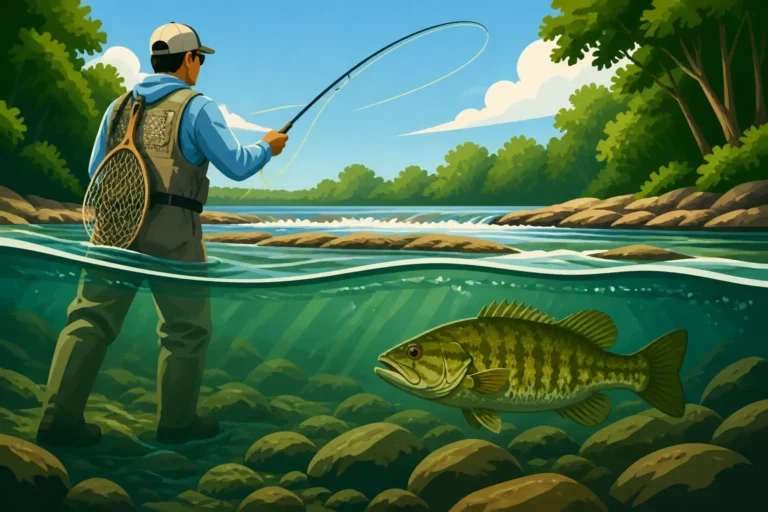
For many Upstate anglers, the opportunity to target smallmouth bass and shoal bass is the main draw to the Broad River. Smallmouths, known for their powerful fights and acrobatic jumps, are an absolute blast to catch. They tend to prefer the clearer, cooler sections of the river, especially around rocky structures and current breaks. Look for them in deeper eddies or along the edges of rapids. Topwater lures, small crankbaits, and soft plastic presentations like tubes or shaky heads are often effective.
Shoal bass, a lesser-known but equally exciting species, are native to river systems in the southeastern U.S. and thrive in the Broad's rocky habitats. They are incredibly strong for their size and provide an unforgettable fight. Targeting shoal bass often involves fishing jigs, crankbaits, or even flies around the rocky shoals and ledges. Understanding the nuances of their behavior and preferred habitats can lead to some truly rewarding catches. For anglers interested in this unique species, focusing on the Broad River from its upper reaches down to just above Columbia offers the best chances. Access points along the Broad River Fishing Access Points in South Carolina can help guide your adventure.
Safe Access and Wading Tips for the Broad
Accessing the Broad River can sometimes be more challenging than its Lowcountry counterparts due to its swift currents and rocky terrain. Public boat ramps are available, but many anglers prefer to use kayaks, canoes, or even wade-fish in certain sections. Wade fishing on the Broad can be incredibly productive, allowing you to get into spots that boats cannot reach. However, safety is paramount.
Always wear a good pair of studded wading boots for grip on slippery rocks, and use a wading staff for stability, especially in faster currents. Never wade alone, and always let someone know your float or wading plan. Pay close attention to water levels and current strength, especially after heavy rains, as conditions can change quickly and become dangerous. The shoals can be deceiving, and deep pockets can appear unexpectedly. When planning your trip, consult local resources or an experienced guide. A guide can also help you understand the specific South Carolina Fishing License Guide requirements, which may vary depending on the exact location you choose to fish. The rewards of fishing the Broad – solitude, stunning scenery, and hard-fighting fish – are well worth the careful planning.
Coastal Rivers and Estuaries: Where Freshwater Meets Salt
Shifting gears from the Upstate and large freshwater systems, South Carolina's coastal rivers and estuaries offer a thrilling blend of freshwater and saltwater fishing. These dynamic environments are shaped by the tides, creating a constantly changing fishery that demands adaptability and local knowledge.
The Intriguing Dynamics of Tidal Rivers
The rivers that flow into South Carolina's Atlantic coast don't just stop at a clear line where "fresh" becomes "salt." Instead, they transition through expansive estuarine systems where freshwater from inland rivers mixes with the salty ocean tides. This creates a brackish environment, an incredibly productive ecosystem that supports a unique blend of species. The tides play a huge role here, influencing water depth, current strength, and fish feeding patterns.
Understanding the tide charts is absolutely crucial for success in these waters. An incoming tide might push baitfish into shallow marsh grass, bringing redfish right behind them. An outgoing tide could draw shrimp and crabs out of the creeks, concentrating spotted seatrout at creek mouths. The habitat is a maze of marsh grass, oyster beds, mudflats, and intricate creek systems, offering endless cover and feeding opportunities. Fishing these waters requires a different mindset than still lakes or constant-flow rivers, but the rewards are immense.
Targeting Redfish and Trout in Estuarine Environments
Redfish (red drum) and spotted seatrout are the rockstars of South Carolina's inshore estuarine fishing. These two species thrive in the brackish creeks, rivers, and bays along the coast. Redfish are powerful fighters, known for their distinctive "tailing" behavior in shallow water as they root for crabs and shrimp in the grass. They can be found cruising mudflats, hugging oyster beds, and lurking around docks. The South Carolina Redfish Slot Limit Rules are important to follow, as they help protect this prized species. Anglers often target them with live bait like shrimp or mud minnows, or with artificial lures such as soft plastic jerkbaits and spoons.
Spotted seatrout, often simply called "specks," are equally popular, prized for their delicate white meat and aggressive strikes. They tend to prefer deeper grass beds and creek channels, often congregating around structures or along current lines. The Spotted Seatrout Size and Bag Limits in South Carolina are also crucial for conservation. Popular techniques for trout include fishing live shrimp under a popping cork, or casting soft plastic grubs and twitchbaits. During cooler months, these fish often move into deeper pockets within the rivers for warmth. For detailed strategies and specific spots, checking out resources like "Best Inshore Fishing Spots Along the South Carolina Coast" or "Sea Trout Fishing Spots in South Carolina's Lowcountry" can provide invaluable guidance.
Popular Coastal Rivers and Their Unique Offerings
South Carolina boasts numerous coastal rivers and estuaries, each with its own character and hot spots.
- Waccamaw River: Near Myrtle Beach, this river offers a mix of freshwater species in its upper reaches and excellent brackish fishing for redfish and trout as it nears the Intracoastal Waterway. It's a vast system with plenty of hidden creeks.
- Ashley and Cooper Rivers (Charleston Harbor): These two rivers converge into the famous Charleston Harbor, creating an incredible fishery. While navigating the harbor can be busy, the numerous creeks, docks, and bridges hold plenty of redfish, trout, flounder, and even sheepshead.
- North Edisto and South Edisto Rivers: These are distinct from the main Edisto River, comprising a complex network of tidal creeks, marsh flats, and oyster beds. They are prime territories for sight fishing redfish in the shallow grass and for targeting trout in deeper channels.
- May River (Hilton Head Island): On the southern end of the coast, the May River system around Hilton Head Island is a picturesque estuary, renowned for its redfish and trout fishing, particularly on its extensive oyster bars and grass flats. It's a fantastic place to fish if you're visiting the Hilton Head area.
Each of these systems offers unique challenges and rewards. Many anglers find that hiring a local fishing charter for a day or two, especially through a service like FishingBooker, is an excellent way to quickly learn the ropes and discover productive areas in these complex tidal waters. They can also explain current Saltwater Fishing Rules in South Carolina.
Essential Gear and River Fishing Strategies
Having the right gear and a solid strategy can make all the difference between a frustrating day and a fantastic one on South Carolina's rivers. It's not just about having a rod and reel; it's about matching your equipment and approach to the specific environment and target species.
Rods, Reels, and Lines for River Success
The type of rod, reel, and line you choose should be tailored to the fish you're pursuing and the conditions you're fishing in.
- For Freshwater Bass and Stripers: A medium to medium-heavy spinning or baitcasting rod (6'6" to 7'6") paired with a matching reel (2500-3000 size spinning or a standard baitcaster) is a versatile choice. Spool with 10-15 lb fluorocarbon or braided line with a fluorocarbon leader for sensitivity and strength. For heavier applications or larger stripers, you might step up to a medium-heavy or heavy power rod and 20-30 lb line.
- For Catfish: You'll need serious tackle for the Congaree or Santee's monster cats. Heavy-action, robust casting rods (7'-9') with large baitcasting reels (like an Abu Garcia 6500 or Penn Squall) spooled with 30-50 lb monofilament or 50-80 lb braided line are standard. Don't skimp on rod holders!
- For Panfish (Bream, Crappie): Light spinning rods (5'-6'6") with ultra-light or light power are perfect. Pair with small spinning reels (1000-2000 size) and 4-6 lb monofilament line. This setup makes even small bream feel like a trophy.
- For Inshore Saltwater Species (Redfish, Trout): Medium-light to medium power spinning rods (7') with 2500-3000 size reels are ideal. Spool with 10-15 lb braided line and tie on a 20-30 lb fluorocarbon leader for abrasion resistance against oyster shells and stealth.
Having a selection of these setups can help you adapt to whatever a South Carolina river throws at you. Remember, a balanced setup feels better in your hand and casts more efficiently.
Bait and Lure Choices for Different Species
What you tie on the end of your line is just as important as your tackle. Matching the hatch (or the baitfish) is often key.
- Bass (Largemouth, Smallmouth, Shoal):
- Artificials: Spinnerbaits, crankbaits (especially lipless and squarebill for shallower rocky areas), soft plastic worms and creature baits (Texas-rigged or Carolina-rigged), jigs, and topwater lures (frogs, poppers, walking baits) are all highly effective.
- Live Bait: Live shiners or wild-caught minnows can be deadly, especially in colder water.
- Catfish (Blue, Channel, Flathead):
- Bait: Fresh cut bait is king. Shad, herring, bream, or even chicken liver are popular choices. Flatheads often prefer live bait like sunfish or small eels. Stink bait can work for channel cats but is less effective for large blues or flatheads.
- Panfish (Bream, Crappie):
- Bait: Live crickets, redworms, wax worms, and small minnows are irresistible.
- Artificials: Small jigs (1/32 to 1/8 oz) tipped with tiny soft plastics (like Bobby Garland crappie baits or beetle spins) are excellent for crappie and aggressive bream.
- Striped Bass:
- Artificials: Large bucktail jigs, sassy shads, lipless crankbaits, and topwater plugs are popular.
- Live Bait: Live shad or herring are often the most effective, especially when fished on a free line or under a float.
- Redfish and Spotted Seatrout:
- Bait: Live shrimp, mud minnows, cut mullet, or small crabs are deadly.
- Artificials: Soft plastic paddle tails and jerkbaits (often under a popping cork for trout), gold spoons, and topwater walking baits.
The trick is to experiment! Fish often key in on specific baits or colors, so be prepared to change it up until you find what they want.
Safety First: Understanding River Currents and Conditions
River fishing, while incredibly rewarding, carries inherent risks, especially in systems with strong currents or rapidly changing water levels. Safety should always be your top priority.
- Know the Water: Before you go, research the river. Understand its average depth, any known hazards (like rapids or submerged dams), and typical current patterns. If you're using a boat, be aware of no-wake zones, navigation markers, and potential shallow areas.
- Check Water Levels and Flow: Many of South Carolina's rivers are influenced by dam releases or recent rainfall. Websites like the USGS provide real-time streamflow data, which can tell you if the river is high, low, or running particularly swift. Never underestimate a strong current, even if you’re a good swimmer.
- Wear a PFD: A personal flotation device (life vest) is not just a legal requirement for boats; it's a life-saving piece of equipment. Wear it, especially if you're in a kayak, canoe, or wading.
- Tell Someone Your Plan: Always let a friend or family member know where you're going, your estimated return time, and your plan. This is crucial in case of an emergency.
- Be Prepared for Weather Changes: South Carolina weather can be unpredictable. Carry rain gear, extra layers, and be mindful of approaching thunderstorms. A small first-aid kit, whistle, and fully charged phone are also essential.
- Wading Safety: If wading, use a sturdy wading staff and wear appropriate footwear with good grip. Move slowly, shuffle your feet, and probe the bottom before stepping. Never wade in strong currents or if water levels are rising.
By taking these precautions, you can ensure your river fishing adventure is as safe as it is enjoyable.
Maximizing Your River Fishing Experience
To truly make the most of your time on South Carolina's rivers, a little extra planning and an open mind can go a long way. Beyond the gear and the spots, it's about how you approach the entire experience.
Hiring a Local Guide for Insider Knowledge
Let's face it, some of South Carolina's river systems are vast and complex, filled with hidden channels, ever-changing currents, and subtle nuances that take years to master. For those who are new to a particular river, visiting from out of state, or simply want to fast-track their learning curve, hiring a local fishing guide is an investment that pays dividends.
A good guide doesn't just put you on fish; they teach you how to read the water, explain the seasonal patterns, and share the specific techniques and baits that work best for that particular system. They often have access to specialized equipment, know the safest routes, and can provide invaluable insights into the local ecosystem. Imagine floating down a blackwater river with an expert pointing out every subtle eddy where a bass might be holding, or navigating the intricate marsh creeks with someone who knows exactly how the tides affect redfish movements. Platforms like FishingBooker make it incredibly easy to find and book experienced guides for virtually any of South Carolina's river systems, whether you're targeting trophy catfish on the Congaree or redfish in a coastal estuary. Their local knowledge can transform a potentially frustrating trip into an unforgettable success. This is also a great way to learn about specific South Carolina Fishing License Requirements in case you're unsure about what's needed for the area you're visiting.
Respecting the Environment and Fellow Anglers
As anglers, we are stewards of the natural resources we enjoy. Practicing ethical angling and showing respect for the environment and other users is not just good manners; it's essential for preserving these valuable fisheries for future generations.
- Leave No Trace: Carry out everything you carry in, and then some. Pick up any trash you find, even if it's not yours. Keep our riverbanks and waters clean.
- Practice Catch and Release: While it's fine to keep some fish for dinner (within legal limits), consider practicing catch and release for larger breeding fish, especially trophy-sized specimens or those that are out of slot limits. Handle fish gently, minimize their time out of water, and use proper de-hooking tools.
- Know and Follow Regulations: Always be aware of South Carolina's Freshwater Fishing Regulations or Saltwater Fishing Rules in South Carolina, including bag limits, size limits, and any special seasonal restrictions. These rules are in place for a reason – to protect fish populations.
- Respect Private Property: If you're fishing from the bank or launching a kayak, ensure you have legal access. Do not trespass on private land.
- Be Courteous to Others: Share the water. Don't crowd other anglers, blast loud music, or leave your trash. A friendly nod or wave goes a long way. Whether it's other anglers, kayakers, or wildlife watchers, we all share these precious waterways.
By embracing these principles, we contribute to a positive and sustainable fishing culture that benefits everyone.
Planning Your Trip and Checking Regulations
A successful river fishing trip often begins long before you cast your first line. Thorough planning is key to maximizing your enjoyment and staying safe and legal.
- Choose Your River and Target Species: Decide which river system appeals most to you and what kind of fish you hope to catch. This will dictate your gear, bait choices, and overall strategy. For example, if you want to try your hand at the species commonly found in the South Carolina's Best Bass Fishing Lakes, you might target the upper Broad River for smallmouths or the Edisto for largemouths.
- Research Access Points: Identify public boat ramps, kayak launches, or bank fishing spots. Check for any parking fees or specific hours of operation.
- Monitor Weather and Water Conditions: As mentioned earlier, river conditions can change rapidly. Check the forecast, river gauges (if available), and recent reports from local bait shops.
- Secure Your License: Ensure you have a valid South Carolina Fishing License Guide. Know whether you need a freshwater, saltwater, or combination license based on your chosen river and where you plan to fish. You can buy a South Carolina Fishing License on Go Outdoors South Carolina online, which makes it super convenient. Don't risk facing Penalties for Fishing Without a License in South Carolina.
- Pack Essentials: Beyond your fishing gear, always pack plenty of water, snacks, sunscreen, insect repellent, a hat, polarized sunglasses, a first-aid kit, and a fully charged phone. If you're planning a longer trip, consider bringing a cooler with ice to keep your catch fresh (if you plan to keep any).
- Consult Local Experts: Don't hesitate to call local bait and tackle shops. They are a treasure trove of current information on fishing conditions, hot spots, and effective techniques. Many of these shops also serve as unofficial community hubs for anglers, and their advice is often priceless.
By diligently planning your trip and staying informed, you set yourself up for a safe, productive, and memorable experience on South Carolina's incredible rivers.
Table: South Carolina's Top River Fishing Spots at a Glance
| River System | Primary Species Targeted | Best Fishing Method(s) | Key Access Points (Examples) | Unique Features / Notes |
|---|---|---|---|---|
| Santee River System | Blue Catfish, Flathead, Striper | Heavy bottom fishing (cut bait), Trolling (live bait) | Wilson's Landing, Santee State Park, Moncks Corner Ramps | Trophy catfish; Striped bass runs; Santee Cooper Canal |
| Edisto River | Largemouth Bass, Redbreast Sunfish | Light tackle (lures, worms, crickets), Kayak/Canoe fishing | Givhans Ferry State Park, Various rural landings | Longest free-flowing blackwater river; Serene paddling |
| Congaree River | Blue Catfish, Flathead, Channel Catfish | Heavy bottom fishing (cut bait), Bank fishing, Night fishing | Three Rivers Greenway, Gervais St. Bridge Docks | Urban access in Columbia; Giant catfish potential |
| Broad River | Smallmouth Bass, Shoal Bass, Largemouth Bass | Wade fishing, Kayak fishing, Spinning (lures, jigs) | Alston Public Boat Ramp, Peak Access | Rocky shoals and rapids; Upstate mountain feel |
| Coastal Rivers (e.g., Waccamaw, Ashley, May) | Redfish, Spotted Seatrout, Flounder | Live bait (popping cork), Soft plastics, Sight fishing | Myrtle Beach area ramps, Charleston Harbor, Hilton Head | Tidal influence crucial; Diverse estuarine habitat |
Disclaimer
Please remember that fishing regulations, conditions, and fish populations can change. Always consult the official South Carolina Department of Natural Resources (SCDNR) website or their current regulations handbook before heading out to ensure you have the most up-to-date information regarding licenses, bag limits, and any special advisories for your chosen fishing spot. Your safety and adherence to regulations are your responsibility.