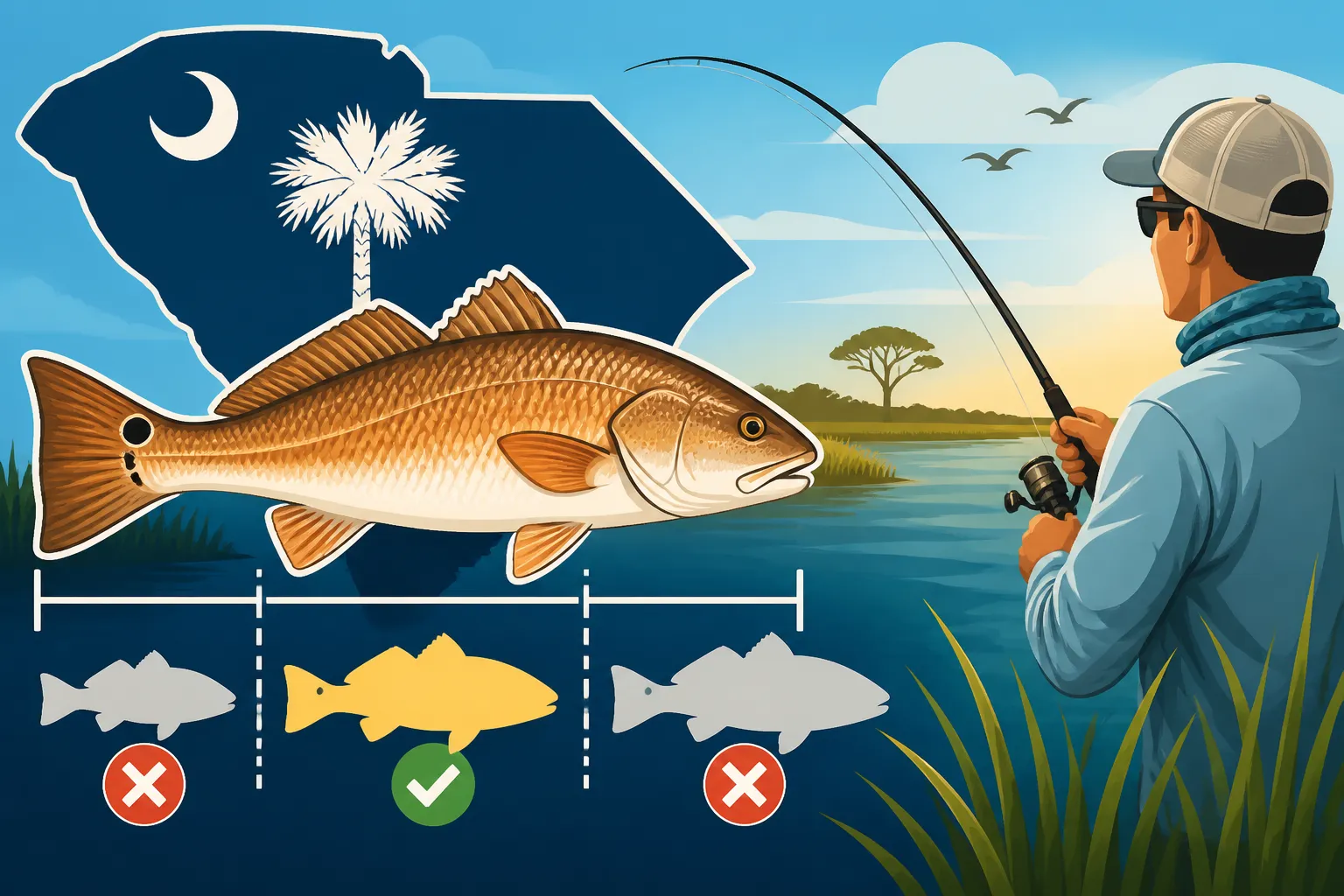
Redfish Slot Limit Rules for Coastal Anglers
It can be incredibly frustrating to head out to your favorite South Carolina coastal fishing spot, ready to target some beautiful red drum, only to feel uncertain about the latest regulations. Rules, especially around size and bag limits, can change, leaving even seasoned anglers scratching their heads. This guide is designed to cut through that confusion, giving you a clear, comprehensive understanding of the redfish slot limit rules specifically for coastal anglers in South Carolina.
Understanding the South Carolina Redfish Slot Limit
The term "slot limit" might sound a bit like something from a casino, but in the world of fishing, it's a vital conservation tool. It’s not just about what you can keep, but why these specific rules are in place, aiming to protect fish populations for future generations. For coastal anglers in South Carolina, understanding the redfish slot limit is paramount, not only for legal compliance but also for contributing to sustainable fishing practices.
The 'Why' Behind the Slot Limit
Imagine a fish population like a forest. You don't want to cut down all the saplings, because then you won't have big trees later. Similarly, you don't want to remove all the massive, mature trees that are crucial for seeding new growth. This is the essence of a slot limit. For redfish (also known as red drum), the slot limit is designed to protect both the very young fish and the large, mature breeding fish. The smaller fish are allowed to grow into the protected slot size, ensuring a healthy population enters the reproductive stage. The larger, older "bull reds" are also protected because they are the primary breeders, laying millions of eggs each year. By releasing these breeders, we safeguard the species' ability to replenish itself. It's a delicate balance, and these rules are constantly refined based on scientific data from the South Carolina Department of Natural Resources (SCDNR).
These regulations aren't just arbitrary lines drawn on a calendar or a ruler; they are the result of extensive research into fish biology, population dynamics, and environmental factors. Without these measures, overfishing could quickly deplete our precious redfish stocks, impacting the entire coastal ecosystem and the recreational fishing industry that so many of us enjoy. Anglers often feel the pinch of stricter regulations, but it's important to remember that these rules are put in place to ensure that our children and grandchildren can experience the thrill of catching a redfish.
What a Slot Limit Actually Means for Anglers
In practical terms, a slot limit means you can only keep fish that fall within a specific size range – not too small, not too large. For South Carolina redfish, the current regulation dictates a slot limit of 18 to 25 inches. This means any redfish you catch that is shorter than 18 inches must be immediately and carefully released. Likewise, any redfish that measures longer than 25 inches must also be released. Only those beautiful reds that fall squarely between 18 and 25 inches (inclusive) are considered "keepers." This can take some getting used to, especially if you're accustomed to simple minimum size limits, but with a reliable measuring board, it becomes second nature.
The challenge, of course, is accurately measuring your catch, especially when the fish is lively. You need to ensure the fish's mouth is closed and its tail is compressed to get the true length. We'll dive into practical tips for this a bit later. The important takeaway here is that both ends of the size spectrum are protected. It's a system that truly values the long-term health of the fishery over immediate harvest potential.
Specific Redfish Size and Bag Limits
Beyond the core slot limit, there are additional rules that dictate how many redfish you can keep per person and per vessel. These bag limits are just as critical as the size restrictions and are designed to further manage harvest pressure, especially during peak fishing seasons or in areas with high angler activity. Misunderstanding these limits can lead to unwanted penalties, so it's essential to be clear on the specifics before you even launch your boat. You can find detailed information on these rules in the South Carolina Redfish Daily Bag Limit Per Person guide.
The Inches and Numbers: 18 to 25 Inches
Currently, South Carolina's redfish slot limit is strictly set at 18 to 25 inches total length. This measurement must be taken from the tip of the snout (mouth closed) to the end of the tail (compressed). No exceptions, no leeway. If your redfish measures 17.75 inches, it goes back. If it measures 25.25 inches, it also goes back. This precision is important for enforcement and for the health of the fish. Always carry a sturdy, easily readable measuring device on your boat. Many anglers swear by rigid measuring boards that you can lay the fish on, rather than flexible tape measures that can be inaccurate with a squirming fish. You can find excellent, durable fish measuring boards on platforms like Amazon, making sure you're always prepared.
This specific range is determined by the SCDNR to allow sub-adult redfish to grow into reproductive maturity, ensuring a robust spawning stock. The upper limit protects the large, highly fertile breeder fish, which are responsible for producing the vast majority of eggs. Think of those big, bruising "bull reds" – while they're an incredible fight, releasing them is a contribution to the future of the species. It's a testament to our commitment as anglers to practice responsible fishing.
Individual Versus Vessel Limits
Now, let's talk about how many of those slot-sized redfish you can actually put in your cooler. In South Carolina, there's a daily bag limit of three (3) redfish per person. This means that each licensed angler can harvest up to three redfish that fall within that 18-25 inch slot in a single day. However, there's another crucial layer to this: the vessel limit. The South Carolina Redfish Two-Fish Vessel Limit Explained details that no more than six (6) redfish can be possessed per boat, regardless of how many licensed anglers are on board.
Let's break that down with an example. If you have four licensed anglers on a boat, each person could theoretically keep three fish, totaling 12. But because of the vessel limit, you can only keep a maximum of six fish for the entire boat. So, in that scenario, your group would need to decide which six fish to keep and release the rest. This vessel limit is a smart way to prevent large groups from harvesting an excessive number of fish, especially in popular inshore areas. It encourages conservation on a broader scale, ensuring that the cumulative impact of many boats doesn't deplete local populations too quickly. It’s a rule designed for the collective good, and understanding it prevents a lot of headaches on the water.
Why Redfish Regulations Matter and How They Evolve
It’s easy to get caught up in the specifics of the rules, but it’s just as important to understand the broader context. Why do these regulations exist? And why do they seem to change every few years? The answers lie in the dynamic nature of marine ecosystems and the constant effort to balance recreational opportunities with conservation imperatives. For those passionate about South Carolina fishing, being informed about these underlying reasons makes adherence to the rules feel less like an obligation and more like a shared responsibility.
Conservation Efforts and the Health of the Fishery
The primary reason for these stringent redfish regulations is conservation. Redfish are highly prized by anglers for their fighting spirit and delicious table fare, making them susceptible to overfishing. Organizations like the SCDNR continuously monitor redfish populations, assessing factors such as spawning success, juvenile survival rates, and overall biomass. When data suggests that the population might be declining or struggling, regulations are often tightened to give the fish a chance to rebound. Conversely, if the population is robust, there might be discussions about slightly loosening limits, though this is far less common with highly sought-after species like redfish. The goal is always a sustainable fishery that can support both the ecosystem and the angling community for the long haul.
It's a testament to the hard work of scientists and conservationists that we still have healthy redfish populations in South Carolina's coastal waters. Without their dedicated research and the implementation of adaptive management strategies, we could easily see the decline that other popular species have experienced elsewhere. Every time an angler carefully releases an oversized redfish, they are directly contributing to the breeding stock that ensures future generations of anglers will have the same opportunities. It's a powerful act of stewardship.
How Regulations Change and Staying Updated
Redfish regulations are not set in stone; they are living documents that evolve with new scientific data, environmental shifts, and even angler feedback. Has South Carolina's Redfish Slot Limit Changed Recently? is a question often on anglers' minds, and the answer is that they absolutely can and do change. The SCDNR conducts regular stock assessments and stakeholder meetings to review current rules and propose adjustments. These changes can come in various forms: alterations to the slot limit, changes to the daily bag limit, modifications to the vessel limit, or even seasonal closures in certain areas. It's not uncommon for new rules to be implemented with relatively short notice, which is why it's so crucial for anglers to stay on top of the latest information.
So, how do you stay updated without constantly checking government websites? The best practices include: regularly visiting the official SCDNR website (especially before any major fishing trip), subscribing to their newsletters or social media channels, checking with local tackle shops or marinas (they're often the first to hear about changes), and even downloading fishing regulation apps that provide real-time updates. Never assume the rules are the same as last year, or even last month. A quick check before you head out can save you from a costly fine or, more importantly, from unintentionally harming the fishery. For a complete overview of all the rules, refer to Current Redfish Regulations for Coastal Waters.
| Regulation Type | Current Limit (South Carolina Redfish) | Notes |
|---|---|---|
| Slot Limit | 18 to 25 inches total length | Fish shorter than 18" or longer than 25" must be released. |
| Daily Bag | 3 fish per person | Each licensed angler can keep up to 3 slot-sized redfish per day. |
| Vessel Limit | 6 fish per boat | Maximum of 6 slot-sized redfish can be possessed on one vessel. |
Practical Tips for Adhering to Redfish Rules on the Water
Knowing the rules is one thing; successfully implementing them on a rocking boat with a feisty fish is another. It takes practice, the right tools, and a commitment to handling fish ethically. Nobody wants to unintentionally break a regulation or, worse, harm a fish they intend to release. These practical tips are designed to help you confidently navigate the redfish slot limit and bag limits, ensuring a responsible and enjoyable fishing experience.
Measuring Your Catch Accurately and Efficiently
The cornerstone of adhering to redfish slot limits is accurate measurement. First and foremost, invest in a good, rigid fish measuring board. Forget the flimsy tape measures that stretch or get blown away. A sturdy, non-slip board, often marked with bold, contrasting numbers, will be your best friend. Many experienced anglers keep a dedicated measuring board on their boat, ensuring it's easily accessible and secured. Before you even cast your first line, make sure you know where your measuring device is and how to use it quickly. When a redfish comes aboard, especially in a tournament setting or when the bite is hot, speed and accuracy are key.
To measure correctly, gently lay the fish flat on its side on the measuring board. Close its mouth and ensure the tip of its snout is pressed against the end stop of the board. Then, gently squeeze its tail fin to get the maximum length measurement. Avoid "power stretching" the fish; a natural compression of the tail is sufficient. If the fish is thrashing, consider using a wet towel over its eyes to calm it, or have a fishing partner assist. The goal is a swift, precise measurement to minimize stress on the fish. You can find durable, brightly colored measuring boards that float if they accidentally go overboard on online retailers like Amazon, ensuring you're never caught without your essential gear.
Safe Release Practices for Protected Redfish
For every keeper redfish, you'll likely encounter several that are either undersized or oversized and need to be released. How you handle these fish is just as important as the regulations themselves. Improper release can lead to injury, stress, or even delayed mortality, negating the conservation efforts of the slot limit. Always use appropriate tackle for redfish; overly light gear can prolong the fight, exhausting the fish, while overly heavy gear might tear its mouth. Barbless hooks, or at least de-barbed hooks, can significantly speed up hook removal.
When you're ready to release a fish, handle it gently with wet hands or gloves to protect its slime coat, which is vital for disease prevention. If possible, keep the fish in the water while unhooking it. Use long-nosed pliers or a dehooking tool to remove the hook quickly. If the fish is deeply hooked, especially in the gills or gut, it's often best to cut the line as close to the hook as possible rather than attempting to rip it out. This gives the fish a better chance of survival. For larger fish, support their belly and tail, avoiding hanging them vertically by the jaw. Allow them to recover in the water, sometimes gently moving them back and forth to help water flow over their gills, until they swim off strongly. Remember, a healthy released fish is a future catch and a vital part of the ecosystem, which is Why You Should Always Double-Check Current Redfish Rules is so important.
Disclaimer
Please note that fishing regulations, including slot limits and bag limits, are subject to change by the South Carolina Department of Natural Resources (SCDNR). While we strive to provide the most accurate and up-to-date information, it is always the angler's responsibility to verify current regulations directly with the SCDNR before heading out to fish. This guide is for informational purposes only and should not be considered a substitute for official SCDNR publications or legal advice.