Mount Pleasant Redfish Fishing Spots in South Carolina
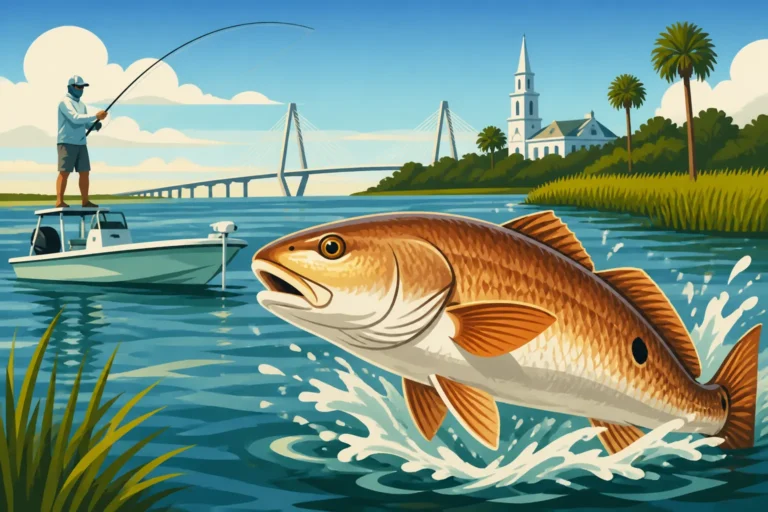
Mount Pleasant, with its picturesque tidal creeks and expansive marsh systems, is a dream destination for many anglers hoping to hook into a feisty Redfish. But if you’ve ever stared out at the seemingly endless water, wondering exactly where to cast your line, you know the frustration. This guide is here to unravel the mystery, showing you the prime Redfish fishing spots in Mount Pleasant, alongside the techniques and tips you need to make your next outing a success.
Understanding Mount Pleasant's Unique Redfish Habitat
Mount Pleasant isn't just a beautiful coastal town; it's an ecological hotspot perfectly designed for Redfish. These bronze beauties thrive in the shallow, nutrient-rich waters of the Lowcountry, making understanding their preferred habitat your first step to a successful day on the water.
Tidal Creeks and Saltmarsh Ecosystems
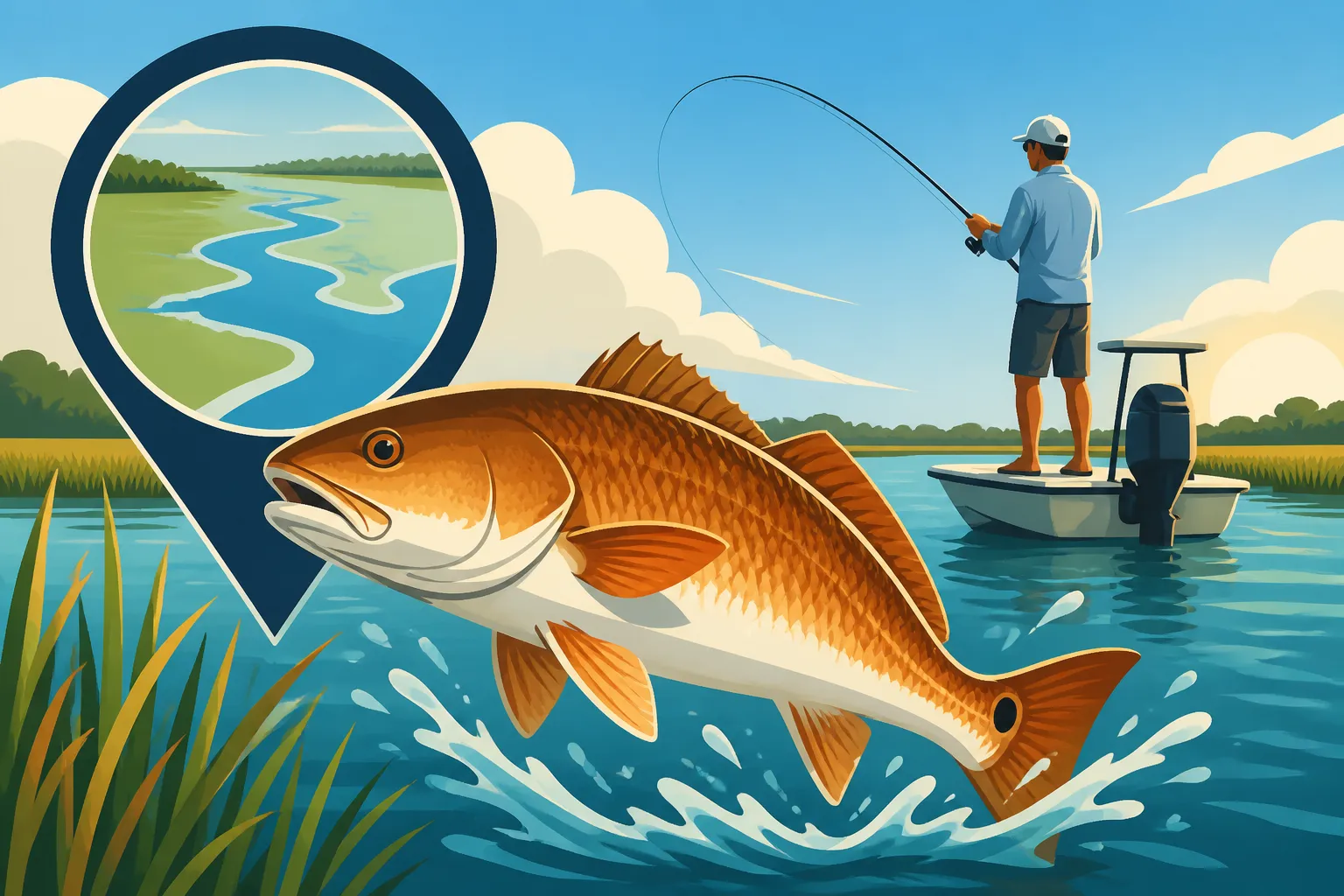
The intricate network of tidal creeks and vast saltmarshes is the beating heart of Mount Pleasant's Redfish fishery. Imagine miles of Spartina grass, swaying gently with the tides, hiding countless baitfish, shrimp, and crabs – the primary food sources for Redfish. These areas offer both abundant forage and crucial protection from predators and harsh weather.
During high tide, Redfish will often push deep into the grass, tailing as they forage for fiddler crabs and other crustaceans that become accessible. It's a truly incredible sight to witness. As the tide recedes, they often funnel back into the main creek channels, congregating around oyster beds, points, and sudden drops in depth. Oyster beds are absolute magnets for Redfish because they provide structure, attract bait, and offer small morsels for the Redfish to munch on. Look for these natural features, as they almost always hold fish. This rich environment is why learning How to Catch Redfish in South Carolina's Lowcountry is so rewarding in this area.
The Influence of Tides on Redfish Behavior
Tides are the lifeblood of inshore fishing in Mount Pleasant, dictating where Redfish feed, rest, and move. Ignoring the tides is like trying to navigate a maze blindfolded – you might get lucky, but it's a lot harder.
- Incoming Tide: As the water begins to flood the marsh, Redfish become very active. They'll follow the rising water into the shallow grass flats and smaller feeder creeks, often "tailing" as their heads are down rooting for food. This is an excellent time for sight-fishing with artificial lures like weedless soft plastics or topwater baits if you're feeling adventurous. The bait is pushed into these areas, and the Redfish aren't far behind.
- High Tide: At the peak of the high tide, Redfish can be scattered deep within the flooded marsh. This can be challenging for anglers without a shallow-draft boat or kayak, as the fish have ample room to roam. However, some experienced anglers target deep pockets and small ponds within the marsh that are only accessible during the highest tides.
- Outgoing Tide: This is arguably the most consistent tide for targeting Redfish in Mount Pleasant. As the water drains from the marsh, Redfish are forced out of the grass and into the main creek channels. They'll often stage along the edges of oyster bars, points, and mouths of smaller creeks, ambushing baitfish that are washing out with the current. This is a prime time for using live bait under a popping cork or a simple Carolina rig. Understanding these ebb and flow patterns is crucial for mastering Tide-Based Techniques for Inshore Fishing.
- Low Tide: While low tide might seem barren, it can actually concentrate Redfish in deeper holes, sloughs, and along the very edges of exposed oyster beds. Sometimes you can spot them laid up, or "mudding," in sandy potholes. This is a great time for stalking fish in clear water, though they can be spooky. You'll need to be stealthy with your approach, as they are more exposed and wary.
Top Redfish Fishing Spots in Mount Pleasant
While the entire Mount Pleasant coastline is essentially one big Redfish playground, certain areas consistently produce better results due to their habitat, access, and structure.
Shem Creek and Its Tributaries
Shem Creek isn't just famous for its waterfront restaurants and shrimp boats; it's a fantastic Redfish haven right in the heart of Mount Pleasant. The main creek itself, especially around the pilings, docks, and bridge structures, holds Redfish year-round. These structures offer shelter and ambush points for hungry fish.
However, the real magic often happens in the numerous smaller tributaries that branch off from Shem Creek. These narrower, shallower creeks are less trafficked by larger boats and offer intimate settings for targeting Redfish. Look for creek mouths, bends with deeper water, and sections lined with healthy oyster beds. Popular access points include the Shem Creek Boat Landing, which puts you right in the action. Anglers can often find success casting Gulp! shrimp or mud minnows near the spartina grass lines on an incoming or outgoing tide. Remember to keep an eye on the South Carolina Redfish Slot Limit 18 to 25 Inches to ensure your catch is legal.
Wando River and Cooper River Estuaries
Venturing slightly further afield, the expansive estuaries of the Wando and Cooper Rivers offer a different kind of Redfish experience. These larger bodies of water feature deeper channels, vast flats, and numerous islands and marsh complexes. Redfish here can be larger and often school in bigger numbers, especially during cooler months.
- Wando River: The Wando is known for its extensive marsh flats and oyster reefs. Areas around the Wando River Park boat ramp offer good access to these systems. Focus on fishing the myriad of small creeks feeding into the main river, as well as the edges of the larger oyster shell banks. The confluence of smaller creeks creating a current break is often a hotspot.
- Cooper River: The Cooper River, particularly its lower reaches closer to Charleston Harbor, provides strong currents and deeper water. Redfish can be found holding near submerged structures, bridge pilings (like the Ravenel Bridge supports), and along the many marsh islands. Look for areas where the tide creates eddies or current breaks, as these are natural feeding zones. Battery Island and Drum Island are historic fishing spots within this system, offering excellent opportunities for deeper water Redfish, often caught on heavier Carolina rigs with cut bait like mullet or menhaden.
Capers Island and Bulls Bay Areas Nearshore
For those with access to a boat and a bit more adventure in their hearts, the nearshore waters around Capers Island and into Bulls Bay offer some truly spectacular Redfish opportunities. These areas are characterized by vast, pristine marsh systems, unpressured flats, and even some nearshore reefs and inlets.
- Capers Island: This undeveloped barrier island boasts incredible tidal creeks and flats on its backside, providing an ideal environment for Redfish. It's a bit of a run by boat, typically launched from Mount Pleasant or Awendaw, but the rewards can be immense. Sight-fishing for tailing Redfish on the flood tide in the clear water around Capers can be an unforgettable experience. The protected waters around Capers Inlet also offer consistent action.
- Bulls Bay: North of Capers Island, Bulls Bay is a massive, shallow estuary rich with oyster beds, grass flats, and countless small islands. It's a vast wilderness, perfect for anglers seeking solitude and big Redfish. Access typically requires launching from Garris Landing or other points further north, but it's considered by many to be among the Best Redfish Spots Along the South Carolina Coast. This area holds trophy Redfish, especially in the cooler months when they school up. Fishing the edges of the major creeks like the Awendaw Creek and smaller unnamed tributaries here can be incredibly productive.
Essential Techniques and Tackle for Mount Pleasant Redfish
Knowing where to fish is only half the battle; knowing how to fish for Redfish in Mount Pleasant is what truly puts fish in the boat. These fish can be caught using a variety of methods, but certain approaches tend to be more effective in the local waters.
Best Baits and Lures for Local Redfish
Redfish are opportunistic eaters, so you have a good range of options, from live bait to artificials. Your choice often depends on the season, water clarity, and tidal conditions.
- Live Bait: This is often the most effective method, especially for anglers new to the area or when the bite is tough.
- Live Shrimp: The quintessential Lowcountry bait. Rigged under a popping cork, it's irresistible to Redfish. The "pop" mimics a shrimp flicking its tail, drawing attention. You can also fish them on a Carolina rig near the bottom.
- Mud Minnows (Killifish): Tough, hardy, and a natural food source. They stay alive well on a hook and can be deadly on a Carolina rig or under a float, especially in cooler water or when fishing around oyster shells.
- Finger Mullet: Excellent for targeting larger Redfish. Can be fished live or as cut bait on the bottom. Redfish absolutely love mullet.
- Fiddler Crabs: Primarily used for tailing Redfish in the grass during high tide. A small piece of a crab or a whole fiddler crab rigged weedless is often the ticket.
- Artificial Lures: For those who prefer to cast and retrieve, Mount Pleasant offers fantastic artificial lure fishing.
- Soft Plastics: These are incredibly versatile. Paddle tails, jerk shads, and shrimp imitations (like those from Z-Man or Gulp!) rigged on a jig head are highly effective. Colors like "new penny," "chartreuse," and "white" are local favorites. Fish them slowly along creek bends, oyster bars, and grass lines. Many anglers swear by the Best Bait for Redfish in South Carolina's Marsh Creeks, and soft plastics often mimic natural baits perfectly.
- Spoons: Gold or silver weedless spoons are excellent for covering water and fishing around oyster shells or grass without snagging. They mimic fleeing baitfish.
- Topwater Plugs: Early mornings and late evenings, especially in calmer waters, are prime times for topwater action. Zara Spooks, Pop-Rs, and other walk-the-dog style baits can elicit explosive strikes from aggressive Redfish.
Rigging and Presentation Strategies
Your rigging and how you present your bait are just as important as the bait itself.
- Popping Corks: A classic for live shrimp or soft plastics. The cork creates a "pop" that sounds like feeding shrimp or baitfish, attracting Redfish. Adjust your leader length so the bait is just above any structure or grass. This is an excellent technique for Inshore Redfish Techniques for Beginners.
- Carolina Rig: Simple and effective for bottom fishing with live or cut bait. A sliding egg sinker, a swivel, and a leader with a hook. This allows the bait to move naturally while keeping it on the bottom where Redfish often feed. Ideal for deeper channels, oyster shell points, or when fish are holding tight to structure.
- Jig Heads: For soft plastics, jig heads ranging from 1/8 oz to 1/4 oz are standard. Match the weight to the current and depth. A heavier jig head might be needed in stronger currents, while a lighter one allows for a slower, more natural fall in shallower water.
- Weedless Presentations: When fishing in the grass or around heavy oyster growth, consider rigging soft plastics weedless (like a Texas rig for bass) or using weedless spoons to minimize snags and frustration.
Reading the Water and Seasonal Considerations
Successful Redfish anglers are keen observers. Learning to "read the water" will dramatically increase your catch rate.
- Spotting Fish: Look for subtle signs: "tailing" fish with their tails sticking out of the water as they feed head-down in the grass; "wakes" or "pushes" of water as fish move in the shallows; or even nervous baitfish suddenly scattering. Ospreys diving or pelicans feeding can also indicate baitfish presence, which means Redfish might be nearby.
- Seasonal Patterns:
- Spring: As water temperatures rise, Redfish become very active. They'll be moving into the shallower creeks and flats, actively feeding. This is an excellent time for sight-fishing and using live shrimp or soft plastics.
- Summer: Water can get hot, sometimes pushing Redfish into deeper, cooler water during the day. Early mornings and late evenings are prime. Night fishing can also be productive. Topwater lures are great in the low light.
- Fall: Many consider fall the absolute best time for Redfish in Mount Pleasant. Water temperatures are ideal, and Redfish aggressively feed to bulk up for winter. Large schools of Redfish, sometimes called "bull reds," congregate in the estuaries and nearshore waters.
- Winter: Redfish will often school tightly in deeper channels, mud flats, or dark-bottomed creeks that absorb more heat. They become less active, requiring slower presentations. Live mud minnows or slow-rolled soft plastics are effective.
Planning Your Mount Pleasant Redfish Adventure
Getting out on the water requires a bit of planning, especially if you're exploring new areas. Mount Pleasant offers various access points, and sometimes, the best way to learn the ropes is from a local expert.
Public Access Points and Boat Ramps
Mount Pleasant provides several public access points for anglers looking to launch a boat, kayak, or even fish from shore.
- Shem Creek Boat Landing (Shrimp Boat Lane): This is arguably the most popular and accessible boat ramp in Mount Pleasant, putting you directly into Shem Creek and offering quick access to Charleston Harbor and the surrounding estuaries. It's great for kayaks, small skiffs, and larger boats. Be aware that it can get very busy, especially on weekends.
- Wando River Park Boat Ramp (Riverwatch Dr.): Located further up the Wando River, this ramp provides access to the vast Wando River estuary system and its many creeks. It's generally less crowded than Shem Creek and is an excellent launching point for exploring the upper sections of the Wando.
- Remley's Point Boat Landing (Remley's Point Rd.): Offering access to Charleston Harbor and the Cooper River, Remley's Point is another popular ramp that can handle various boat sizes. From here, you can easily reach the lower Cooper River or venture towards the harbor jetties.
- Mount Pleasant Piers and Bridges: While not always the most productive for Redfish, fishing from the Mount Pleasant Pier (on the Cooper River) or near bridge pilings can sometimes yield results, especially for smaller "puppy drum." However, these are generally better for other species like Sheepshead or various bottom fish. For serious Redfish action, a boat or kayak is usually preferred.
Hiring a Local Guide or Charter
If you're new to Mount Pleasant or just want to maximize your chances of success, hiring a local fishing guide or charter is an invaluable investment. These professionals know the water like the back of their hand, constantly monitoring fish movements, tides, and bait patterns.
A good guide will provide all the necessary gear, bait, and often even handle the fishing license for everyone on board, making your trip hassle-free. They'll take you directly to the hot spots, teach you the best local techniques, and ensure you're compliant with all South Carolina Redfish Daily Bag Limit Per Person and other regulations.
Websites like FishingBooker make it incredibly easy to find and book experienced local Redfish guides in Mount Pleasant. You can read reviews, compare prices, and see what's included in different trips. Whether you're interested in a full-day excursion or a shorter, family-friendly trip, FishingBooker offers a wide selection of captains who specialize in Mount Pleasant Redfish. They can teach you about specific techniques like using a popping cork effectively or how to sight fish in the clear marsh waters, dramatically shortening your learning curve. Many guides also offer specialized trips targeting specific species or using particular methods, like fly fishing for Redfish. If you're considering a guided trip, checking FishingBooker for Mount Pleasant Redfish charters is a smart move.
| Fishing Spot / Area | Primary Target | Best Tide(s) | Key Features for Redfish | Access Level | Common Techniques |
|---|---|---|---|---|---|
| Shem Creek & Tributaries | Redfish | Incoming/Outgoing | Oyster beds, dock pilings, creek mouths, grass lines | High (boat ramps) | Popping corks, Carolina rigs, soft plastics |
| Wando River Estuary | Redfish | Incoming/Outgoing | Expansive grass flats, numerous oyster reefs, feeder creeks | Medium (boat ramps) | Soft plastics, live bait rigs, spoons |
| Cooper River Estuary | Redfish | Outgoing/Low | Deeper channels, bridge pilings, submerged structure, marsh islands | Medium (boat ramps) | Carolina rigs, cut bait, jigging spoons |
| Capers Island (Backside) | Redfish | Incoming/High | Pristine shallow flats, clear water, secluded marsh systems | Low (boat required) | Sight fishing, weedless soft plastics, topwater |
| Bulls Bay (Nearshore) | Redfish | All | Vast, unpressured marsh, extensive oyster reefs, larger schools | Low (boat required) | Live bait, cut bait, large soft plastics, spoons |
Disclaimer
Fishing conditions and regulations in South Carolina can change. Always check the latest rules and regulations from the South Carolina Department of Natural Resources (SCDNR) before heading out. This guide is for informational purposes only and does not constitute professional advice.