Easy-Catch Fishing Spots for Families in South Carolina
Trying to introduce your kids to the joys of fishing can be an amazing experience, but let's be real: sometimes it feels like a daunting task. You want them to have fun, catch something, and not get bored or frustrated. The last thing you need is to spend hours at a spot with no bites, dealing with tangled lines and disappointed faces. Finding those truly easy-catch spots in South Carolina, places where the fish are often plentiful and the environment is welcoming for families, is key to making lasting memories. This guide is all about helping you discover those ideal locations, both freshwater and saltwater, so your next family fishing trip is a resounding success.
Understanding What Makes a Spot "Easy-Catch" for Families
Before we dive into specific locations, it’s helpful to define what makes a fishing spot genuinely "easy-catch" and family-friendly. It’s not just about the number of fish; it's about the entire experience. When you're fishing with kids, especially little ones, convenience, safety, and a reasonable expectation of success are paramount. A spot that might be a challenge for an experienced angler could be a total bust for a family outing.
Key Characteristics of Family-Friendly Fishing Spots
The best spots for families share several crucial traits. First and foremost is accessibility. You don't want to hike half a mile with gear, snacks, and impatient kids just to reach the water. Parking should be close, and the path to the fishing area should be smooth and easy to navigate, perhaps even paved. Safety is another non-negotiable factor. Look for areas with stable banks, railings if on a pier, and no strong, unpredictable currents. You want peace of mind, not constant worry about a tumble into the water.
Beyond safety, consider the type of fish present. For easy catches, you want abundant species that are generally eager biters, not elusive trophy fish. Panfish like bluegill and shellcrackers in freshwater, or smaller species like croaker and whiting in saltwater, are often perfect. These fish don't require complicated techniques or specialized gear, making them ideal for young anglers. Finally, amenities play a huge role. Restrooms, picnic tables, and perhaps even playgrounds can turn a fishing trip into a full-day family adventure, offering breaks when attention spans wane. You might even find some listed on platforms like FishingBooker, indicating their popularity and accessibility.
Managing Expectations for Young Anglers
It’s easy to get caught up in the idea of reeling in a monster fish, but when you're taking kids fishing, the biggest catch should always be fun. Even at "easy-catch" spots, there will be slow periods. It's important to set realistic expectations for your young anglers – and for yourself! Focus on the process: learning to cast, feeling a nibble, patiently waiting, and enjoying nature. If a fish is caught, it’s a bonus!
Emphasize the excitement of just being outdoors. Point out birds, butterflies, or interesting plants. Pack plenty of snacks, drinks, and maybe even a small toy or book for downtime. A short, successful trip is far better than a long, frustrating one. Remember, the goal is to ignite a lifelong passion for fishing, not to win a tournament on the first try. Showing them Simple Bream Fishing Techniques for Kids or how to properly bait a hook can be just as rewarding as catching a fish.
Freshwater Havens for Little Anglers in South Carolina
South Carolina boasts an incredible array of freshwater fishing opportunities, and many are perfectly suited for families looking for easy catches. From serene state park ponds to community lakes, there are plenty of places where bluegill, catfish, and other eager biters reside. These spots often come with the added bonus of family-friendly facilities, making your outing even more enjoyable.
State Parks and Ponds: Accessible and Stocked Options
South Carolina's State Parks are truly hidden gems for family fishing. They are usually well-maintained, offer great accessibility, and often feature ponds or lake access specifically managed for recreational fishing. For instance, Table Rock State Park in the Upstate offers beautiful scenery and lake access where kids can try their luck. Similarly, Santee State Park on Lake Marion provides excellent bank access and fishing piers, making it easy to cast a line without needing a boat. These locations frequently have facilities like restrooms and picnic areas, which are essential when fishing with young children.
Many of these park ponds are regularly stocked by the South Carolina Department of Natural Resources (SCDNR) with species like catfish and bream, increasing the chances of a bite. This stocking ensures a healthy fish population, directly contributing to those "easy-catch" opportunities. When looking for Best Family Fishing Spots for Beginners in South Carolina, state parks often top the list due to their reliable fishing and clean, safe environments. You can often find detailed information about fishing opportunities and amenities directly on the SCDNR website or even by checking listings on platforms like FishingBooker, which sometimes highlight public access points within parks.
Community Ponds and Local Lakes
Beyond the state parks, many local communities across South Carolina maintain public fishing ponds and small lakes that are perfect for beginners. These spots might not always be stocked as formally as state parks, but they often hold healthy populations of bluegill, crappie, and channel catfish, which are fantastic targets for kids. Look for ponds designated by local municipalities or county recreation departments. For example, Kid-Friendly Fishing Ponds Near Columbia include several municipal parks that are well-known for their panfish populations.
These local spots tend to be less crowded than larger lakes, offering a more relaxed atmosphere. They often have walking paths around the perimeter, making it easy to move if a spot isn't producing bites. Always check local regulations, as some community ponds might have specific rules regarding bait, catch limits, or even require a separate permit in addition to a standard fishing license. However, the general rule of thumb is that if you're a resident, you'll need a basic South Carolina fishing license. It's always good to be informed about South Carolina Fishing License Exemptions by Age so you know if your little one even needs one.
Targeting Panfish and Catfish
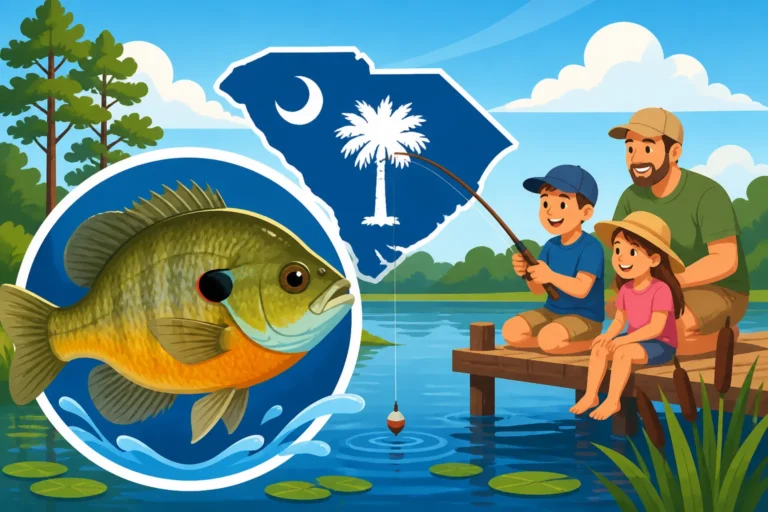
For maximum success with young anglers in freshwater, focus on panfish and catfish. Panfish, which include species like bluegill, redbreast sunfish, and shellcrackers, are abundant, relatively small, and incredibly eager to bite. They're often found close to shore, especially around submerged structures like logs, docks, or lily pads, making them accessible even for bank fishing. A simple cane pole or a light spinning rod with a bobber, a small hook, and a piece of worm is often all you need. You'd be surprised how much joy a child gets from catching a feisty bluegill! Learn more about South Carolina Sunfish and Panfish: A Beginner's Guide.
Catfish, particularly channel catfish, are another excellent target. While they can grow large, smaller channels are plentiful in many ponds and lakes and are known for their consistent biting behavior, especially in warmer months. They're not picky eaters either; a piece of hot dog, corn, or commercial stink bait fished on the bottom can yield great results. They offer a bit more of a fight than panfish, which can be thrilling for older kids. For guidance on bait, consider reading up on Best Bait for Panfish in Farm Ponds, which can drastically improve your catch rate. And for those curious about what sustains these fish, check out What Do Largemouth Bass Eat in South Carolina Ponds? as part of understanding the local food web.
| Freshwater Easy-Catch Spots (Examples) | Target Species | Key Features | Best for |
|---|---|---|---|
| Table Rock State Park | Bluegill, Catfish | Scenic, amenities, stocked | All ages, nature lovers |
| Santee State Park | Crappie, Catfish, Bream | Lake access, piers, camping | All ages, longer trips |
| Sesquicentennial State Park (Columbia) | Bluegill, Catfish | Urban access, picnic areas | Younger kids, quick trips |
| Local Community Ponds (e.g., in Greenville, Spartanburg) | Bluegill, Crappie | Quiet, easy bank access | Beginners, short sessions |
Coastal Gems for Easy Saltwater Action with Kids
South Carolina’s coastline is a paradise for anglers, and thankfully, it offers plenty of "easy-catch" opportunities for families looking to introduce their kids to saltwater fishing. The key here is focusing on safe, accessible spots with predictable species that don’t require a boat or complex offshore gear.
Fishing Piers and Jetties: Convenience and Variety
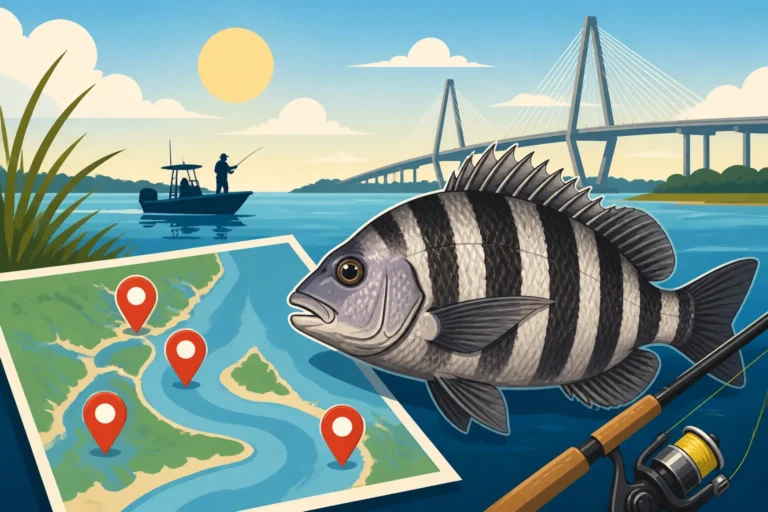
One of the absolute best options for family saltwater fishing is a public fishing pier. Places like the Folly Beach Pier, Myrtle Beach State Park Pier, or the Isle of Palms Pier are designed for public access and offer a fantastic experience. They extend out into the ocean, allowing anglers to reach deeper water without a boat, and often have bait shops, tackle rentals, and restrooms right on site. This convenience is a game-changer when you have kids in tow. These spots are also great for catching a variety of species.
On a pier, you might hook into croaker, spot, whiting, flounder, or even a smaller redfish or speckled trout. The structure of the pier itself attracts baitfish, which in turn attracts larger predators. Plus, many piers operate under a blanket fishing license, meaning you typically don't need your own South Carolina Fishing License Guide when fishing directly from the pier, although it's always smart to double-check with the pier office. This can simplify things greatly for visiting families. When thinking about Best Fishing Piers Near Myrtle Beach, remember the amenities and ease of access make them perfect for kids.
Jetties, like those found at the mouth of Charleston Harbor or Murrells Inlet, can also be productive. However, they can sometimes be more challenging to navigate with young children due to uneven surfaces and strong currents, so exercise caution and choose calmer sections if you decide to try a jetty.
Calm Inshore Waters and Creek Banks
For a more tranquil saltwater experience, look for calm inshore waters and accessible creek banks. Estuaries, tidal creeks, and protected bays provide excellent fishing away from the open ocean swells, making them much more pleasant for kids prone to seasickness or those who prefer solid ground. Many public boat landings and parks along the coast offer bank access to these productive waters. For example, areas around Murrells Inlet are renowned for their calm, productive creeks, where families can easily fish from designated spots. Similarly, parts of Mount Pleasant offer numerous public docks and bank access points along tidal creeks.
These calm areas are fantastic for targeting species like smaller redfish, speckled trout, flounder, and various panfish species that thrive in brackish water. A simple rig with live or cut shrimp, or even Gulp! artificial baits, can be incredibly effective. The slow current and diverse ecosystem mean there’s usually plenty of action. Just remember that for these spots, you will need a valid South Carolina Fishing License Requirements in South Carolina as you won't be covered by a pier's general license.
Ideal Species for Coastal Family Fun
When fishing saltwater with kids, target species known for being relatively easy to catch and plentiful.
- Croaker: These feisty little fish are abundant in coastal waters and are known for their distinct "croaking" sound when caught. They readily bite small pieces of shrimp or squid.
- Whiting (Southern Kingfish): Another common bottom feeder, whiting are delicious and often school up, meaning if you catch one, more are likely around. They also prefer small pieces of shrimp or fishbites.
- Spot: Similar to croaker, spot are small, pan-sized fish that are easy to catch and great for kids.
- Smaller Redfish and Speckled Trout: While these are popular sportfish, smaller individuals often cruise shallow, inshore areas and are more accessible to beginners, especially using live bait under a popping cork. Understanding South Carolina Redfish Slot Limit Rules is crucial if you plan to keep them.
- Flounder: While sometimes a bit more challenging, flounder can be caught from piers and creek banks using live or artificial bait fished on the bottom. They require a bit more patience but are a rewarding catch. For tips on where to find them, you might look into Myrtle Beach Surf Fishing Spots in South Carolina, as flounder are often found close to shore.
Focusing on these species with simple bait and tackle setups will maximize your chances of success and keep the kids engaged.
Planning Your Family Fishing Adventure
A successful family fishing trip, especially with kids, requires a little bit of planning. It's not just about finding the right spot; it's also about having the right gear, understanding the basics, and ensuring everyone has a good time, regardless of what's biting.
Essential Gear and Bait for Easy Catches
Keeping things simple is the golden rule when fishing with kids. You don't need fancy, expensive equipment. Here's a basic checklist for an "easy-catch" setup:
- Rods and Reels: "Kid combos" or inexpensive spinning rod and reel setups (around 5-6 feet in length) are perfect. They're lightweight, easy to cast, and durable enough to withstand a few bumps. For very young children, a simple cane pole can be ideal, eliminating the need for casting practice.
- Line: Stick with 6-10 lb monofilament line. It's affordable, easy to tie knots with, and strong enough for most easy-catch species.
- Hooks: Small, sharp hooks are key. Size 6 or 8 for panfish, and perhaps a size 1 or 1/0 for catfish or larger saltwater panfish like croaker. Avoid hooks that are too large, as they'll deter smaller, more abundant fish.
- Bobbers: These are essential for visual excitement! A simple red and white bobber dancing on the water as a fish nibbles is pure joy for a child.
- Sinkers: A few split shot weights are all you need to get your bait down to the fish.
- Bait: Live bait is usually the most effective for easy catches. For freshwater, earthworms, crickets, or small pieces of hot dog work wonders. For saltwater, live or frozen shrimp, cut pieces of squid, or fish bites are excellent. These choices will help you catch what you're after in South Carolina's Best Ponds for Panfish Fishing.
Don't forget a cooler with plenty of water and snacks, sunscreen, hats, insect repellent (especially in freshwater areas), and a small first-aid kit. A five-gallon bucket can double as a seat and a place to put fish!
Licenses and Regulations: Keeping it Legal and Fun
Navigating fishing licenses and regulations can feel like a chore, but it's crucial for a smooth trip. In South Carolina, generally, anyone age 16 or older needs a valid fishing license. However, there are some important exemptions for younger anglers and specific situations. For example, Do Kids Need a Fishing License in South Carolina? is a common question, and the answer is typically no if they are under 16, but it's always best to be sure.
If you plan to fish in freshwater, you’ll need a freshwater license. If you're heading to the coast, a saltwater license is required. If you're doing both, a combination license might be the most economical choice. Remember that fishing from a licensed public pier usually means you don't need your own license, but always confirm with the pier staff.
Beyond licenses, familiarize yourself with basic bag and size limits for the species you might encounter. The SCDNR website is the authoritative source for all regulations. While younger kids might not be concerned with limits, it’s a good habit to teach responsible fishing practices from an early age. The goal is to make memories, not break rules! Always carry your license (or proof of exemption) with you, whether it's a physical copy or a digital one on your phone. For more detailed information, check out the comprehensive South Carolina Fishing License Guide.
South Carolina Family Fishing Fun: A Quick Comparison
Here's a handy table to help you compare the general characteristics of easy-catch spots for families in South Carolina:
| Feature | Freshwater Fishing (Ponds, Lakes) | Saltwater Fishing (Piers, Inshore Creeks) |
|---|---|---|
| Accessibility | High (State Parks, community ponds, easy banks) | High (Piers, public docks, easy creek access) |
| Target Species | Bluegill, Redbreast Sunfish, Catfish, Crappie | Croaker, Whiting, Spot, small Redfish, Trout |
| Bait | Worms, Crickets, Hot dogs, Corn | Shrimp (live/frozen), Squid, Fish bites |
| Gear | Light spinning rods, cane poles, bobbers | Light spinning rods, sabiki rigs, bobbers |
| License Need | Required for 16+, check exemptions for kids | Required for 16+ (unless on licensed pier), check exemptions |
| Safety | Generally calm, safe banks, less current | Piers have railings, inshore creeks are calm. Watch for tides |
| Amenities | Often restrooms, picnic areas, playgrounds (esp. State Parks) | Often restrooms, bait shops, tackle rentals on piers |
| Best For | Younger kids, quiet outings, learning fundamentals | Slightly older kids, more diverse catches, coastal atmosphere |
No matter which type of fishing you choose, the most important thing is to make it a positive and enjoyable experience for everyone. A little preparation and a lot of patience will go a long way in creating cherished family memories on the water in beautiful South Carolina.
Disclaimer
Please be aware that fishing regulations, including license requirements, bag limits, and size restrictions, can change. Always consult the official South Carolina Department of Natural Resources (SCDNR) website or their current fishing regulations guide before your trip to ensure you have the most up-to-date information. This guide is for informational purposes only and does not supersede official regulations.