Myrtle Beach Surf Fishing Spots in South Carolina
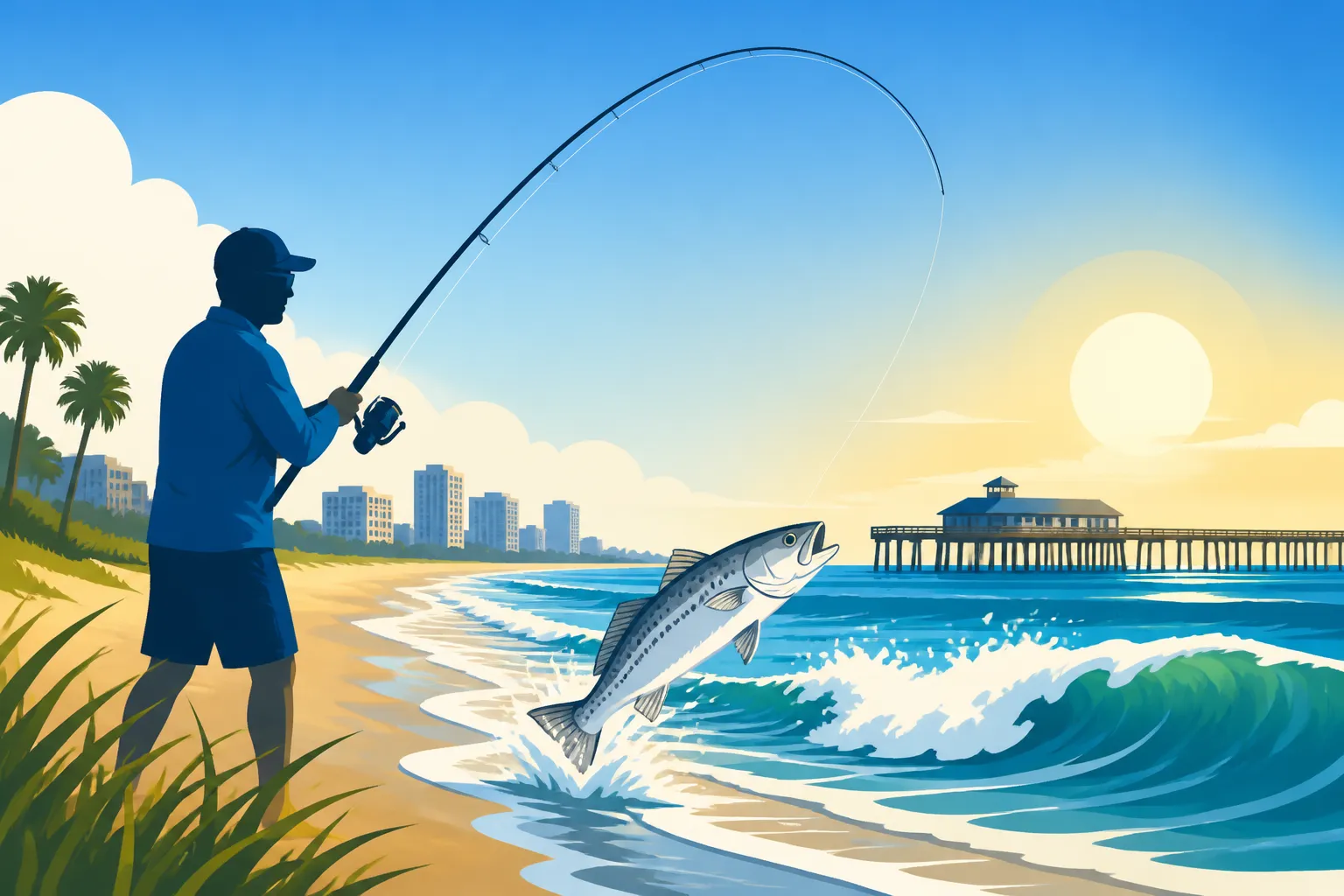
Oh, the allure of the South Carolina coast! There's nothing quite like standing on the shore, the rhythmic crash of waves at your feet, casting your line into the vast expanse of the Atlantic Ocean. But let's be honest, for all its beauty, Myrtle Beach is a huge stretch of coastline, and for many anglers, the sheer number of options can be overwhelming. Where do you even begin to find a good spot that isn't packed with sunbathers, or where you actually stand a decent chance of reeling in something worthwhile? This guide is here to cut through the confusion, offering a deep dive into the best surf fishing spots around Myrtle Beach and the strategies to make your trip a success.
Understanding Myrtle Beach's Unique Surf Fishing Landscape
Myrtle Beach, part of the wider "Grand Strand" stretching for 60 miles, offers a diverse array of surf fishing experiences. It's not just one uniform beach; you'll find everything from bustling tourist hubs to quieter state park stretches and even nearby inlets. Understanding this variety is the first step to a successful outing.
The Dynamic Nature of the Grand Strand Coastline
The coastline along Myrtle Beach is constantly changing, shaped by the relentless action of waves, tides, and currents. Sandbars can shift with major storms or even just a strong northeaster, creating new troughs and cuts that are prime feeding grounds one week and gone the next. This dynamic environment means that while some spots are consistently good, being able to "read" the beach and adapt to current conditions is crucial.
Imagine you've driven an hour, set up all your gear, and cast your line, only to realize the water is uniformly shallow, like a bathtub. That's a common frustration! The key is looking for irregularities: darker patches of water that indicate deeper troughs, areas where waves are breaking further out then reforming closer to shore (a tell-tale sign of an outer sandbar), or even subtle points and indentations in the beach line. These features concentrate baitfish and, consequently, game fish. During calmer periods, you might even spot these sandbars and guts by looking down the beach from a higher vantage point, like a dune crossover.
Common Fish Species You'll Encounter
When you're surf fishing in Myrtle Beach, you're primarily targeting species that cruise the shallow nearshore waters, following baitfish and foraging along the bottom. The exact catch will depend heavily on the season, but there are some consistent players you can expect to hook into.
One of the most sought-after catches, especially during warmer months, is Pompano. These feisty, delicious fish love to feed in the surf zone, often in the troughs right behind the first sandbar. You'll also encounter a good number of Whiting (also known as Southern Kingfish), which are smaller but incredibly abundant and fantastic table fare. Many anglers head out specifically for these two. Another popular target, particularly for those using heavier gear, is the Red Drum, especially the slot-sized fish that hug the shallow water. Sometimes, you'll hear them called Redfish, and they put up a fantastic fight.
Beyond these, you can also expect to reel in a variety of other species. Depending on the time of year, you might find Spanish Mackerel, Bluefish, and even some smaller Sharks if you're using cut bait. In the cooler months, you might encounter Black Drum or even a stray Speckled Trout. Knowing what fish are likely to be around helps you choose the right bait and tackle, which can save you a lot of wasted time and effort. It's truly a diverse fishery right from the beach! If you're wondering about the specific targets, a good place to start would be to check out our detailed guide on South Carolina Saltwater Fish Species Worth Targeting.
Top Public Access Surf Fishing Hotspots in Myrtle Beach
Myrtle Beach offers an extensive coastline, but not all of it is equally suitable or accessible for surf fishing. Understanding the difference between pier fishing and straight-up beach fishing, and knowing the best public access points, will significantly improve your experience.
Pier Fishing vs. Beach Fishing: Pros and Cons
Both pier fishing and beach fishing have their unique appeals and drawbacks in the Myrtle Beach area. Choosing between them often comes down to your personal preference, the type of fish you're targeting, and even how much gear you want to lug around.
Pier Fishing: The piers are iconic structures along the Grand Strand, extending hundreds of feet into the ocean. This gives anglers access to deeper water that's often beyond the casting range of most surf anglers, and these deeper sections tend to hold larger fish or different species altogether. Many piers, like the Apache Pier or Cherry Grove Pier, have bait and tackle shops right on site, offer rod rentals, and often have a daily fee that covers your fishing license for the pier, which is a huge convenience. They also provide amenities like restrooms and snack bars. The downside? Piers can get incredibly crowded, especially during peak tourist season, and you're often shoulder-to-shoulder with other anglers. This can limit your casting space and lead to tangled lines. You also have less mobility to "follow the bite" compared to fishing from the open beach. For specific details on some great options, you might want to look at our guide on Best Fishing Piers Near Myrtle Beach.
Beach Fishing: Fishing directly from the sand offers much more freedom and solitude. You can walk miles of beach, scouting for promising cuts and holes, and move easily if the fish aren't biting in one spot. It's often free (beyond your state fishing license) and gives you a more immersive, natural experience. However, beach fishing requires more specialized gear for long casts, and you'll need to carry all your bait, tackle, and refreshments with you. The fish you target will generally be those that feed closer to the shore, such as Pompano, Whiting, and smaller Red Drum. While you might not reach the deeper waters like from a pier, the thrill of walking a pristine stretch of sand and finding your own hot spot is truly rewarding. Plus, there's a certain satisfaction in knowing you've mastered the art of casting beyond the break.
Popular Public Beaches for Anglers
Myrtle Beach has numerous public access points, but some stretches are simply better suited for fishing due to less crowding, better structure, or clearer regulations.
Myrtle Beach State Park: This park is a jewel for surf anglers. Because it's a state park, it's generally much cleaner and less crowded than the highly commercialized sections of central Myrtle Beach. The park charges an entrance fee, but this helps maintain the facilities and limit the crowds. The stretch of beach north and south of the pier here is fantastic for Pompano, Whiting, and even some good-sized Bluefish. The park's pier is also a renowned fishing spot, but for those who prefer the sand, the accessibility and natural setting make it a top choice. They have ample parking, restrooms, and beach access points that make setting up for a day of fishing relatively easy.
Garden City Beach: Just south of Myrtle Beach proper, Garden City offers a slightly more relaxed atmosphere while still being lively. The beaches here are known for good Pompano and Whiting fishing, and the relative lack of high-rise hotels compared to central Myrtle Beach means less congestion. The Garden City Pier is also a popular spot, but the surrounding beach is often overlooked by tourists, providing more space for surf anglers. Anglers often find good success targeting the troughs and sloughs that form close to shore, especially around the jetties or rock structures that might concentrate baitfish. Many local anglers prefer this area for its consistent action and slightly calmer vibe. For those looking for a specific public access point, checking out Surf Fishing Access Points Near Murrells Inlet might also give some good ideas, as Garden City is quite close.
North Myrtle Beach (Cherry Grove Area): Moving up the coast, the Cherry Grove section of North Myrtle Beach is another excellent option. The iconic Cherry Grove Pier is a major draw, but the public beaches flanking it are also very productive. This area tends to have good sandbars and deeper sloughs that hold fish, especially during incoming and outgoing tides. It's still a busy area, but the vastness of the beach often allows anglers to find their own space. Early mornings or late evenings are particularly good for avoiding the worst of the crowds and enjoying some prime fishing. Whether you’re walking the beach or settling into a prime spot, these areas consistently produce.
Essential Gear and Bait for Myrtle Beach Surf Fishing
You can't just show up to the beach with a flimsy freshwater rod and expect to haul in a trophy Pompano. Surf fishing demands a specific setup, and understanding what works best for the local species is key to avoiding frustration and maximizing your catch.
Rods, Reels, and Line: Choosing Your Setup
The right equipment is paramount for surf fishing in Myrtle Beach. You need tackle that can stand up to saltwater, cast heavy weights, and handle strong fighting fish.
Rods: For general surf fishing in Myrtle Beach, a medium to medium-heavy action spinning rod, typically between 9 and 12 feet long, is a great starting point. The longer length allows for longer casts, which are often necessary to reach the outer sandbars and deeper troughs where fish congregate. Brands like Ugly Stik offer durable, affordable options that can withstand the rigors of surf fishing. If you're targeting larger species like big Red Drum or even sharks, you might want to step up to a 12-15 foot heavy action rod. For lighter tackle enthusiasts chasing Whiting and smaller Pompano in calmer conditions, an 8-9 foot medium action rod can be perfectly enjoyable, offering more sensitivity for those subtle bites.
Reels: Pair your rod with a sturdy, saltwater-resistant spinning reel in the 5000 to 8000 size range. Look for reels with good drag systems and sealed bearings to prevent corrosion from the salty environment. Penn Battle II/III, Shimano Spheros, or Daiwa BG are popular choices that offer good performance without breaking the bank. Ensure your reel can hold at least 200-250 yards of line, as a strong fish can make a significant run. A good quality reel is an investment that will last for many seasons.
Line: For your main line, 15-30 lb braided line is highly recommended. Braid offers superior casting distance, sensitivity, and strength compared to monofilament of the same diameter. However, because braid is less abrasion-resistant and can be harder to untangle knots, you'll want to use a monofilament or fluorocarbon leader. A 30-50 lb fluorocarbon leader, 2-3 feet long, tied to your braid with an FG knot or similar strong knot, will provide the necessary abrasion resistance against shell beds and fish teeth, and also offer a bit of stretch that braid lacks, which can prevent hooks from pulling out. For leader material and basic setups, consider guides like How to Rig a Texas-Rig Worm for Bass (though for freshwater, the rigging principles are similar) and adapt to saltwater needs.
Best Baits and Rigs for Local Species
Matching your bait and rig to the target species and conditions is crucial. What works for Pompano might not be ideal for a larger Red Drum.
Baits:
- Fishbites: This synthetic bait is a secret weapon for many surf anglers. It's incredibly effective for Pompano, Whiting, and other smaller bottom feeders. It comes in various flavors (shrimp, clam, crab) and is durable, staying on the hook even after repeated casts. It's especially useful when live bait isn't readily available.
- Fresh Shrimp: Live or fresh dead shrimp are universal fish attractors. They work for almost everything that swims in the surf, from Pompano and Whiting to Red Drum and Speckled Trout. Peeling the shrimp can often increase its effectiveness, as it releases more scent into the water. However, it's also prone to being stolen by smaller baitfish, so check your bait often.
- Cut Bait: For larger targets like Red Drum, Bluefish, or even small sharks, fresh cut bait (like mullet, spot, or even small bluefish fillets) is often the ticket. The scent trail it puts out can draw in bigger predators. Just make sure your cut bait is fresh; frozen bait can work, but fresh is always superior.
- Sand Fleas (Mole Crabs): These small crustaceans live in the wash zone and are a natural food source for Pompano and Whiting. They can be dug up right on the beach, making them a free and highly effective bait. They're particularly good when the surf is calm.
Rigs:
- Pompano Rigs: These are typically two-hook dropper rigs, often with small floats (like colored beads or foam) above the hooks. The floats help suspend the bait slightly off the bottom, making it more visible and preventing it from getting buried in the sand. They are incredibly effective for Pompano and Whiting.
- Carolina Rigs: A simple but effective rig consisting of a sliding egg sinker, a swivel, and a leader with a single hook. This rig allows the fish to take the bait without feeling the weight of the sinker immediately. It's versatile and works well for Red Drum, Flounder, and larger Whiting.
- Fish Finder Rigs: Similar to a Carolina rig but with a clip or slider for the sinker, allowing you to easily change weights. This is a good choice when targeting bigger fish with heavier baits, as it keeps the bait on the bottom while allowing the line to run freely.
Remember to consider the current conditions when choosing your sinker weight. You want just enough weight to hold bottom without being so heavy that it prevents the rig from moving naturally. Typically, pyramid or Sputnik sinkers in the 2-5 oz range are most common, depending on the current strength. If you’re ever unsure about what to use, many local bait and tackle shops are excellent resources, offering up-to-date advice on what's biting and with what bait. They might even recommend specific setups available for easy purchase, which can be particularly handy for visitors. You can even sometimes get local insight by browsing charter listings on platforms like FishingBooker, where guides often share details about their preferred techniques and gear.
Navigating Tides, Seasons, and Weather for Success
Surf fishing success isn't just about having the right gear; it's also about understanding the rhythm of the ocean. Tides, seasons, and weather patterns play a huge role in fish behavior and can dictate when and where you'll find the most action.
The Importance of Tide Cycles and Current
The tide is arguably the single most important factor in surf fishing. It dictates water movement, food availability, and ultimately, where the fish will be feeding. Ignoring the tides is like trying to catch a bus without knowing the schedule—you might get lucky, but chances are you'll be waiting a long time.
Incoming Tide: As the tide rises, it brings in fresh, clean water and often pushes baitfish closer to shore. This is typically a very productive time for many species, especially Pompano and Whiting, as they move into the shallow troughs and sloughs to feed on dislodged crustaceans and worms. The last two hours of the incoming tide and the first hour of the high tide are often peak feeding times. Fish will cruise the edges of sandbars and the newly flooded areas, looking for an easy meal. This is when you want your lines in the water, focused on those newly accessible feeding lanes.
Outgoing Tide: As the tide recedes, it pulls water and often baitfish back out to deeper waters. While sometimes slower than the incoming tide, the outgoing tide can still be excellent, especially for species that ambush prey in deeper channels or near inlets as the water drains. The currents can also concentrate bait, creating feeding opportunities. Fishing around creek mouths, jetties, or points where water is funneled can be particularly effective during this phase. Understanding how tide direction changes where certain fish feed is crucial. For example, our article on How to Fish an Outgoing Tide for Trout provides valuable insight into this dynamic, even though it's focused on a different species.
Slack Tide: This is the period of minimal water movement at the peak of high or low tide. Fishing can sometimes slow down during slack tide because there's less current to dislodge food or move baitfish around. However, it can also offer a brief window of opportunity for species that prefer less current, or for targeting specific structures that become more accessible during these calm periods. Don't write it off entirely, but certainly focus your prime efforts around the moving water.
Seasonal Changes in Fish Activity
Myrtle Beach experiences distinct fishing seasons, with different species becoming more active at different times of the year. Being aware of these patterns will help you plan your trips and manage your expectations.
Spring (March – May): This is arguably one of the best times for surf fishing in Myrtle Beach. As water temperatures rise, many species migrate into the shallow waters to spawn and feed aggressively. You'll find excellent Pompano fishing, good numbers of Whiting, and often increasing catches of Bluefish and Spanish Mackerel. Early spring can still be cool, so watch the water temperature; the warmer it gets, the better the bite. This is when the beaches start to come alive with both anglers and fish.
Summer (June – August): Summer is peak tourist season, meaning more crowded beaches, but also consistently warm water temperatures that keep a wide variety of fish active. Pompano and Whiting remain strong targets, and you'll see more Spanish Mackerel and Bluefish. Small sharks are also very common catches during the summer months, especially in the evenings or early mornings. The challenge here is often finding less crowded spots, so consider fishing very early or late, or heading to the state park or less developed areas. The heat can also be a factor, so bring plenty of water and sun protection.
Fall (September – November): Many experienced anglers consider fall to be the absolute best time for surf fishing in South Carolina. The "fall run" brings a surge of baitfish moving south, followed by hungry predators. You'll find incredible action for large Bluefish, Spanish Mackerel, and often some bigger Red Drum. Pompano and Whiting are still present, especially early in the fall. The weather is usually more comfortable, and the tourist crowds start to thin out. This is the time to chase those trophy catches!
Winter (December – February): While less popular, winter fishing can still be surprisingly productive for those willing to brave the colder temperatures. Whiting are a reliable target throughout the winter, and often some larger Red Drum can be found lurking in deeper troughs. This is also when you might encounter more Black Drum. The key is to fish on warmer days, ideally after a few days of mild weather, and focus on the deeper cuts. While the variety might be less, the solitude on the beach can be a peaceful experience, and the fish you do catch are often larger.
Local Regulations and Ethical Angling Practices
Fishing in South Carolina, whether from the surf or a boat, comes with a set of rules and responsibilities. Understanding these regulations and practicing ethical angling ensures that the fishery remains healthy for future generations and that you avoid any legal trouble.
Understanding South Carolina's Surf Fishing Rules
Just like anywhere else, South Carolina has specific laws governing fishing, and ignorance is no excuse. Always make sure you're compliant before casting a line.
Fishing Licenses: For nearly all saltwater fishing in South Carolina, including surf fishing, you need a valid South Carolina saltwater fishing license. There are exceptions, of course, such as when fishing from a licensed public pier (where the pier's daily fee often covers your license), or during designated South Carolina Free Fishing Days Explained, but it's always safest to assume you need one. Licenses can be purchased online through the South Carolina Department of Natural Resources (SCDNR) website, at many bait and tackle shops, or even at some Walmart locations. Make sure to have it with you, either physically or digitally on your phone, as SCDNR officers do patrol the beaches. For a full rundown, refer to our comprehensive South Carolina Fishing License Guide.
Bag and Size Limits: South Carolina implements strict bag and size limits for various species to ensure sustainable populations. For instance, there are specific rules for Red Drum (Redfish), often including a slot limit (e.g., 15-23 inches, with a daily bag limit of 3 fish per person, though these can change, so always check current regulations). Spotted Seatrout also have size and bag limits; currently, it's a 15-20 inch slot with a daily bag limit of 5 per person. These regulations are designed to protect breeding fish and juvenile fish. Catching a fish outside the legal slot limit means it must be immediately released unharmed. Make sure you're familiar with the current rules for the species you intend to target, especially for popular ones like Red Drum (check out South Carolina Redfish Slot Limit 18 to 25 Inches) and Spotted Seatrout (our guide on South Carolina Spotted Seatrout Daily Bag Limit of 10 Fish has the specifics). Keep a measuring tape handy!
Prohibited Species and Areas: Certain species, like Sturgeon, are strictly protected and must be immediately released if caught. Additionally, some areas might have seasonal closures or specific restrictions, particularly around nesting bird sites or sensitive marine habitats. Always pay attention to signage on the beach or pier that indicates any local rules or prohibitions.
Respecting the Environment and Other Beachgoers
Myrtle Beach is a shared space, a vibrant ecosystem for marine life and a cherished destination for tourists. Practicing ethical angling ensures everyone can enjoy it responsibly.
Leave No Trace: This is perhaps the most important rule. Whatever you bring to the beach, take it back with you. This includes all trash, discarded fishing line, bait containers, and any other litter. Fishing line is especially harmful to wildlife, so make sure to collect any snags or cut-offs. Consider carrying a small trash bag specifically for your fishing waste. A clean beach is a productive beach for both fish and people.
Share the Beach: Surf fishing often involves long rods and casting heavy weights, which can be hazardous to swimmers and sunbathers. Always be mindful of others around you. Fish away from congested swimming areas, and if the beach is particularly crowded, consider moving to a less populated stretch or choosing an early morning or late evening slot. A simple "Heads up!" before a cast can go a long way in preventing accidents and maintaining good relations with fellow beachgoers. Remember, we're all out there to enjoy the natural beauty of the South Carolina coast, and mutual respect is key.
Responsible Catch and Release: If you're catching fish that are undersized, over the bag limit, or species you don't intend to keep, practice proper catch and release techniques. Minimize handling time, use de-hooking tools when necessary, and get the fish back into the water quickly and gently. This helps ensure the survival of released fish and contributes to the sustainability of the fishery.
Advanced Tips and Troubleshooting Common Challenges
Even with the right gear and knowledge of tides, surf fishing presents its own set of challenges. Learning to "read" the beach and adapt to unexpected issues can turn a frustrating day into a successful one.
Reading the Beach: Identifying Prime Fishing Structure
The ocean surface might look uniform, but beneath the waves lies a complex topography of sandbars, troughs, and cuts. Learning to spot these subtle structures is a game-changer for surf fishing.
Gutters and Sloughs: These are deeper channels of water that run parallel to the beach, usually situated between the shore and an outer sandbar. Fish, especially Pompano, Whiting, and Red Drum, love to cruise these gutters, feeding on baitfish, crustaceans, and worms that get dislodged by the current. Look for areas where waves break further out, then reform closer to shore, indicating an outer sandbar with a deeper channel behind it. Often, the water in the gutter will appear slightly darker or calmer than the breaking waves over the bars. Sometimes, a strong outgoing current can create a visible "rip" in the water where a gutter drains into the deeper ocean, a prime ambush point for predators.
Sandbars: These elevated ridges of sand are natural barriers. Fish will often hold on the ocean side of a sandbar, in the deeper water before the wave breaks, or they'll move over the sandbar into the calmer, deeper water of the gutter on the landward side. The trick is to identify where these sandbars have "breaks" or "cuts" – gaps in the bar where water funnels through. These cuts are like highways for baitfish and often concentrate predators. Casting your bait into or near these cuts, especially on a moving tide, can be incredibly productive. Spend some time just observing the waves before you even cast; their patterns will tell you a lot about the underwater landscape. Our guide on Sandbar Troughs to Target When Surf Fishing at Myrtle Beach delves into this specifically.
Inlets and Jetties: While not strictly "beach structure," nearby inlets and jetties dramatically influence surf fishing. Inlets are natural funnels for water and bait, concentrating fish around their entrances. Jetties, man-made rock structures, create current breaks, eddies, and often hold crabs, oysters, and other marine life, attracting a variety of fish, including Sheepshead, Black Drum, and Red Drum. Fishing near these structures requires careful casting to avoid snags, but the rewards can be substantial. Just be sure to adhere to any posted regulations around these areas.
Dealing with Weeds, Crowds, and Other Obstacles
Surf fishing is rarely a perfectly serene, uninterrupted experience. You'll inevitably face challenges, but knowing how to troubleshoot them can save your day.
Weeds and Debris: One of the most common frustrations is a heavy wash of seaweed or debris that constantly fouls your line and bait. This can happen after storms or during certain tides. When facing heavy weeds, consider using heavier sinkers to help your bait punch through the weed line, or switch to artificial lures that are less prone to snagging vegetation, like a spoon or a swim bait. Sometimes, just moving a hundred yards down the beach can put you past a patch of weeds. If all else fails, it might be a day for a different type of fishing, or simply enjoy the beach and try again another time.
Crowds: Myrtle Beach is a popular destination, and crowds, especially during summer, are a given. As mentioned, early mornings and late evenings are often less crowded. Also, consider heading to less developed stretches of beach, like those within state parks or a bit further north or south of the main tourist zones. If you do find yourself amidst a crowd, be extra careful with your casting, communicate with other anglers, and keep your lines spread out to minimize tangles. A shared charter trip, which you can often find options for on platforms like FishingBooker, might be a good alternative if the beach crowds become too much, offering a different angling experience entirely.
Dealing with "No Bites": There will be days when the fish simply aren't biting, no matter what you try. It's part of fishing! Don't get discouraged. Instead, use these times to experiment. Try different baits, different rigs, vary your casting distance, or even move to a completely new section of the beach. Sometimes, a slight change in presentation or location is all it takes to trigger a bite. If it's truly a slow day, focus on enjoying the natural beauty, the sound of the waves, and the company of friends or family. Every day on the water, even a slow one, is better than a day at the office!
Disclaimer
Please remember that fishing regulations, including license requirements, bag limits, and size restrictions, are subject to change by the South Carolina Department of Natural Resources (SCDNR). Always consult the most current SCDNR regulations before your fishing trip to ensure compliance. This guide is for informational purposes only and should not be considered a substitute for official legal or safety advice. Stay safe and have fun out there!