Blackwater Bends on the Edisto River Worth a Cast
For many anglers, the dream isn't just catching fish; it's about finding those quiet, untouched stretches of water where nature feels wild and the fish feel truly challenging. If you've ever felt that pull, that desire to escape the crowded boat ramps and find a truly unique fishing experience, the Edisto River's blackwater bends are calling your name. This guide will walk you through the magic and methodology of fishing these distinct Southern waters, ensuring your next trip is both productive and profoundly rewarding.
Understanding the Edisto River's Blackwater Bends
The Edisto River is a true gem of South Carolina, a ribbon of dark, tannin-stained water that winds its way from the heart of the state to the Atlantic. But it's within its meandering bends, particularly in the upper and middle reaches, that a special kind of fishing experience awaits.
What Makes a Blackwater River Unique?
Blackwater rivers, like the Edisto, get their distinctive tea-colored hue from decaying vegetation – leaves, cypress knees, and other organic matter – which release tannins into the water. This natural staining process gives the water a rich, dark appearance, earning it the "blackwater" moniker. Unlike clear, rocky mountain streams or wide, silty lowland rivers, blackwater systems have a unique chemistry and ecology. The water tends to be more acidic, and sunlight penetration is limited, which affects everything from aquatic plant growth to fish behavior.
For us anglers, this low visibility means fish often rely more on sound, vibration, and scent to hunt. It also means the fish themselves can be harder to spot, adding a layer of stealth and strategy to your approach. The riverbed itself is typically soft, muddy, and often littered with submerged timber – fallen trees, cypress stumps, and brush that create fantastic cover and ambush points for predatory fish. It’s a completely different ballgame from fishing open reservoirs or the clear, flowing waters you might find in other parts of the country.
The Allure of Edisto River Bends for Anglers
Why focus specifically on the bends? Well, river bends are natural fish magnets. As the current flows around a curve, it creates a dynamic environment. On the outside bend, the water is typically deeper and the current is stronger, often scouring out holes and undercuts that provide excellent holding spots for larger fish. The inside bend, on the other hand, usually features slower current, shallower water, and accumulating debris like sandbars or logjams. This offers sanctuary for baitfish and smaller species, and consequently, a hunting ground for predators.
The Edisto River's blackwater bends amplify these features. The deep pockets on the outside bends become prime real estate for catfish and larger bass seeking refuge from the main current and looking for an easy meal. The slower, shallower waters of the inside bends, often choked with cypress roots and fallen trees, are perfect for ambushing panfish and smaller bass. These complex structures also mean less boat traffic from larger vessels, offering a more serene and often less-pressured fishing environment. Finding the perfect "Blackwater Bends on the Edisto River Worth a Cast" truly means learning to read the river's curves.
Target Species and Seasonal Opportunities in Blackwater Bends
Fishing the blackwater bends of the Edisto offers a diverse bounty, but knowing what to target and when can significantly improve your success.
Freshwater Favorites: Bass, Bream, and Catfish
The Edisto River is renowned for its healthy populations of several popular freshwater species, all of which thrive in its blackwater bends.
-
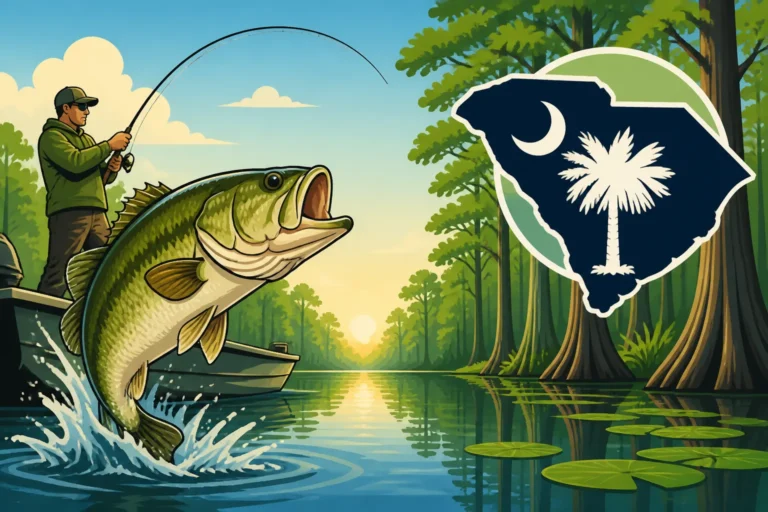
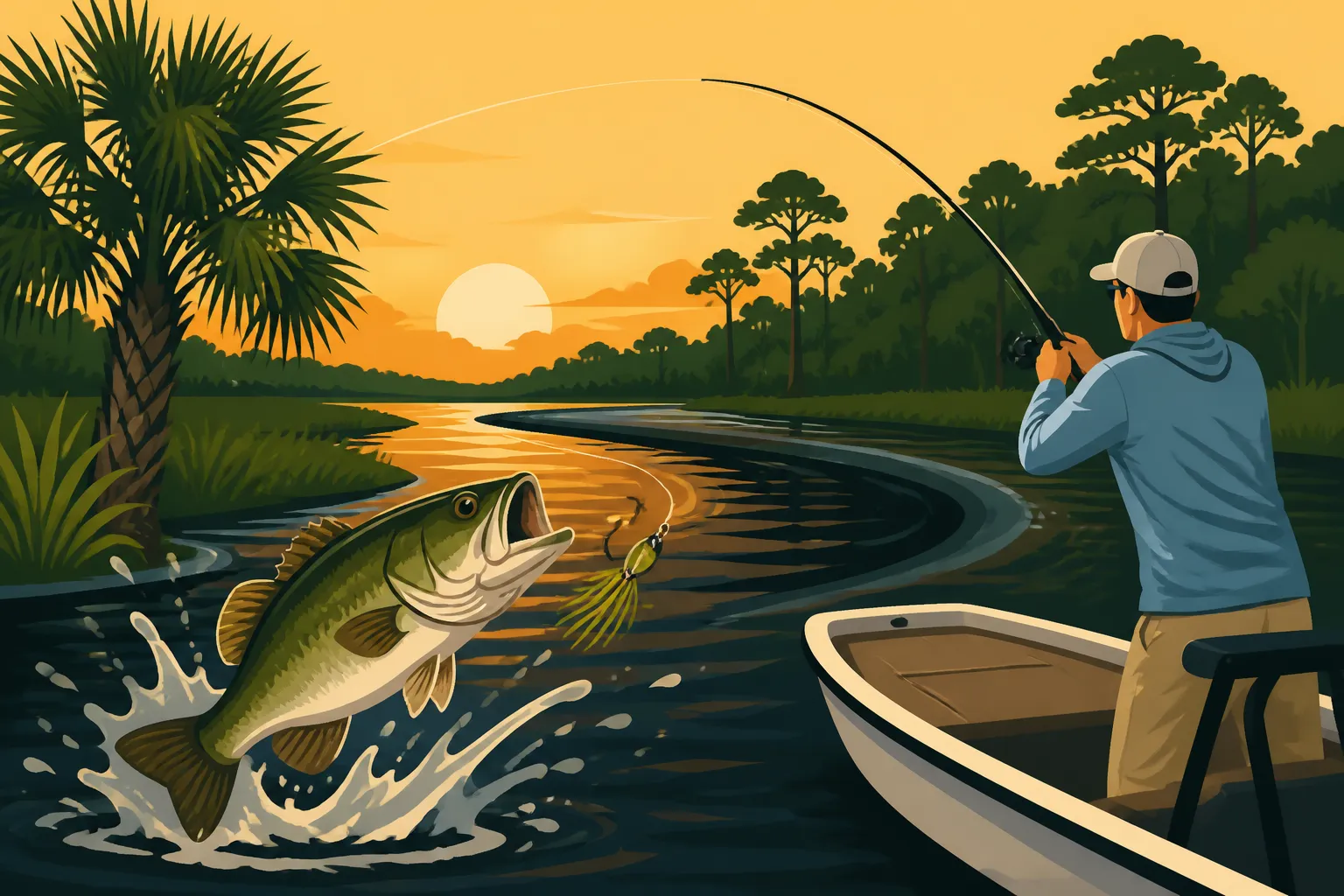
Largemouth Bass: These iconic sportfish are kings of the blackwater. They love the cover provided by cypress knees, fallen timber, and weed lines that often establish in the slower sections of the bends. The low visibility allows them to ambush prey effectively. You’ll find them patrolling the edges of current seams, hidden deep within brush piles, or lurking under overhanging branches. Targeting them requires a keen eye for structure and a willingness to get your lure into tight spots. If you're passionate about pursuing these green giants, our comprehensive guide to "Largemouth Bass Fishing in South Carolina: The Complete Guide" offers even more in-depth strategies.
-
Bream (Sunfish): This category includes several species like bluegill and redbreast sunfish, which are abundant in the Edisto. Bream are perfect for family outings and beginner anglers. They prefer the shallower, calmer waters of the inside bends, especially areas with submerged vegetation, lily pads, or overhanging cover. They are often found in large schools, making for fast and exciting action once you locate them. They're not just for kids, though; a big redbreast sunfish can put up a surprisingly strong fight on light tackle. For more specialized advice, check out our tips on "Bluegill Fishing Tips for South Carolina Ponds" which can be adapted for river fishing.
-
Catfish: The Edisto is a fantastic river for catfish, particularly channel catfish, flathead catfish, and even some impressive blue catfish. These bottom-dwelling powerhouses congregate in the deeper holes created by the outside bends, especially where there's significant submerged structure or current breaks. They're often most active in lower light conditions or at night, using their keen sense of smell to locate food in the dark water. Targeting them often means using robust gear and strong baits. For a primer on tried-and-true methods, you might find our "Catfish Bottom Fishing Basics" incredibly useful.
Seasonal Strategies for Edisto River Bends
Just like anywhere else, fish behavior in the Edisto's blackwater bends is heavily influenced by the seasons.
- Spring (March-May): As water temperatures rise, fish become incredibly active. This is prime time for bass as they move into shallower water for their spawn. You'll find them closer to shore, around woody debris and vegetation on the inside bends. Bream also become very aggressive, making them easy to catch. Catfish start to feed more heavily after their winter dormancy. This is arguably the most productive season for a variety of species in the blackwater.
- Summer (June-August): The Edisto River can get quite warm in the summer. Fish will often move to deeper sections of the bends, seeking cooler water and more oxygen, especially during the heat of the day. Early morning and late evening become the best times to fish for bass and bream. Catfish, however, often remain active throughout the summer, particularly at night. Look for shaded areas, logjams, and deeper holes.
- Fall (September-November): As temperatures begin to cool, the fishing picks up again, often rivaling spring. Bass and bream go on a feeding frenzy to fatten up for winter, making them highly receptive to a variety of baits and lures. This is a fantastic time for topwater action in the mornings and evenings. Catfish continue to feed well before the cold sets in. The scenery, with changing leaves along the riverbanks, is an added bonus.
- Winter (December-February): Fishing can be slower, but not impossible. Fish generally become less active and move into deeper, more stable water in the outside bends. Targeting them requires slower presentations and often smaller baits. While not as action-packed as other seasons, winter can still produce some impressive catches, especially larger, slower-moving fish. Always consult the "South Carolina Freshwater Fishing Calendar" to get an idea of peak times for specific species.
Essential Techniques and Gear for Blackwater Bend Fishing
Fishing the Edisto's blackwater bends requires a slightly different approach than your average lake or pond. The dark water and abundant structure demand specific tactics and gear choices.
Best Lures and Baits for Edisto River Angling
Given the low visibility of blackwater, scent, vibration, and contrast become critical factors in attracting fish.
- For Largemouth Bass:
- Jigs: Especially dark-colored jigs (black and blue, green pumpkin) with a bulky trailer. Flipping and pitching these into dense cover like logjams, cypress knees, and brush piles is incredibly effective. The slow fall and jigging action mimic crawfish or baitfish perfectly in the dark water.
- Spinnerbaits and Bladed Jigs: These create significant vibration and flash, which can be irresistible to bass in low-visibility conditions. Choose darker skirt colors or those with high contrast like black/red or chartreuse. Fish them along current seams and the edges of cover.
- Soft Plastics: Texas-rigged worms, creature baits, or senkos in dark colors (junebug, black/blue) are fantastic for working through heavy cover. The subtle movements can entice a bite from a wary bass. Our guide on "Best Bait for Largemouth Bass in South Carolina Lakes" also offers excellent general advice applicable here.
- Topwater Lures: In low-light conditions (dawn, dusk) or overcast days, a noisy topwater lure like a popper, frog, or buzzbait can draw explosive strikes. The distinct surface disturbance makes it easy for bass to locate.
- For Bream (Sunfish):
- Live Bait: Nothing beats a live cricket, red wiggler, or small piece of worm under a bobber. This is classic Edisto River bream fishing.
- Small Jigs: Tiny jigs (1/32 to 1/16 oz) tipped with a piece of Gulp! or a small soft plastic grub can be deadly, especially when fished around submerged timber or lily pads.
- For Catfish:
- Cut Bait: Freshly cut pieces of shad, mullet, or even bream are excellent. The strong scent trail is crucial in blackwater.
- Live Bait: A live bream or shad can entice larger flathead or blue catfish.
- Prepared Baits: Stink baits or punch baits can also be effective, especially for channel catfish, though they can be messy!
Regardless of your target, using a heavy enough line (10-20 lb mono or fluorocarbon for bass, 4-6 lb for bream, 20-50 lb braid for catfish) is crucial due to the abundance of snags and strong currents.
Kayak, Canoe, or Jon Boat: Navigating the Bends
One of the biggest advantages of fishing the Edisto's blackwater bends is the ability to access areas larger, heavier boats often can't. This not only offers solitude but also opens up genuinely untouched fishing grounds.
- Kayaks and Canoes: These are arguably the best vessels for truly exploring the Edisto's bends. Their shallow draft allows you to navigate skinny water, paddle over submerged logs, and slip silently into tight coves and oxbows. The stealth factor is huge; you can approach prime fishing spots without spooking fish. This is particularly true for targeting bass in tight cover or for "Edisto River Kayak Fishing Spots". You can anchor quietly, drift through productive stretches, and access bank-fishing spots that are otherwise unreachable.
- Small Jon Boats: A lightweight jon boat with a shallow-running outboard (or even an electric trolling motor) is another excellent option. They offer more stability and carrying capacity than kayaks or canoes, making them suitable for longer trips or carrying more gear. The key is still a shallow draft and maneuverability. You'll want to be able to trim your motor up to clear logs and navigate tight turns.
- Larger Boats: While you might be able to navigate the main channel of the Edisto in a larger bass boat or bay boat, many of the most productive and secluded bends will be inaccessible due to draft limitations, width restrictions, and the sheer amount of submerged timber. Stick to smaller, nimbler craft for the best experience.
Remember, navigating these waters requires caution. The blackwater can hide significant obstacles just beneath the surface. Always keep an eye out for submerged logs, stumps, and shallow sandbars. Wearing a PFD (personal flotation device) is always a smart choice, especially when navigating unfamiliar waters.
Navigating Access and Preservation on the Edisto River
The wild beauty of the Edisto River is a privilege to experience, and it comes with the responsibility of respectful access and strong conservation practices.
Public Access Points and Hidden Gems
While the Edisto feels wild, there are numerous public access points that allow anglers to launch their chosen craft and begin their adventure. These typically consist of public boat ramps managed by the South Carolina Department of Natural Resources (SCDNR) or local counties. Popular spots might include access points near Givhans Ferry State Park, or various landings along Highway 61 and Highway 17. However, the true "hidden gems" of the blackwater bends often require a bit more effort.
These aren't usually marked on standard maps as "fishing spots." Instead, they are found by exploring the river's numerous tributaries, oxbow lakes, and the less-traveled stretches between major landings. This is where a kayak or canoe really shines, allowing you to venture off the beaten path. Look for small, unpaved paths leading to the river's edge, or areas where you can safely pull off the road and hand-launch a smaller boat. Local knowledge is invaluable here; talking to bait shop owners or other seasoned anglers can often reveal these less-known spots. For those unfamiliar with the area, you could even consider booking a trip through services like FishingBooker to get a local perspective and discover some of these secluded treasures. A good guide, found through such platforms, can not only show you where to go but also teach you the nuances of "How to Choose the Right Fishing Technique for Each Species" in this unique environment.
Practicing Responsible Angling in Sensitive Environments
Fishing in the Edisto's blackwater bends isn't just about catching fish; it's about preserving a precious natural resource. The river is designated as a National Scenic River, highlighting its ecological significance.
- Leave No Trace: This is paramount. Pack out everything you pack in. This includes all fishing line, bait containers, food wrappers, and anything else you bring. The pristine nature of the Edisto is its greatest asset, and it's up to us to keep it that way.
- Respect Private Property: A significant portion of the Edisto's banks is privately owned. Always be mindful of property lines. If you're wading or bank fishing, ensure you have public access. If you're boating, avoid tying up to private docks or venturing onto private land without permission.
- Mind Your Wake: When running an outboard, be considerate of other anglers, paddlers, and wildlife. Keep your wake down, especially in narrower sections or when passing other boats.
- Know the Regulations: Always ensure you have a valid "South Carolina Fishing License Guide" and are aware of current bag limits, size restrictions, and any seasonal closures for the species you are targeting. This is not just a formality; it's essential for sustainable fishing.
- Practice Catch and Release: While keeping some fish for a meal is part of the experience, consider practicing catch and release, especially for larger breeding fish. This helps ensure healthy fish populations for future generations of anglers. If you're handling fish for release, do so quickly and carefully, minimizing their time out of water.
Remember, fishing the blackwater bends of the Edisto River is an immersive experience. It's a chance to connect with a truly unique ecosystem. Taking a moment to appreciate the tranquility and actively participating in its preservation will enhance your trip immeasurably. If you're new to fishing these specific waters, or even South Carolina in general, many experienced guides listed on platforms like FishingBooker are passionate about conservation and can offer invaluable insights into responsible angling practices on the Edisto.
Here's a quick reference table to help you plan your next trip to the Edisto River's blackwater bends:
| Target Species | Preferred Habitat in Bends | Best Baits/Lures | Prime Season | Key Technique |
|---|---|---|---|---|
| Largemouth Bass | Deep pockets (outer bends), submerged timber, cypress knees | Dark jigs, spinnerbaits, Texas-rigged soft plastics, topwater | Spring, Fall, Summer (early/late) | Flipping/pitching, working current seams |
| Bream (Sunfish) | Shallower, calmer water (inner bends), vegetation, lily pads | Live crickets/worms, small jigs | Spring, Summer, Fall | Bobber fishing, ultralight jigging |
| Catfish | Deep holes, logjams, current breaks (outer bends) | Cut bait, live bait, prepared stink bait | Spring, Summer, Fall (especially night) | Bottom fishing, tightlining |
Exploring South Carolina's Unique Fishing Opportunities
The Edisto River's blackwater bends offer a truly special angling adventure, but South Carolina is brimming with diverse fishing experiences, both freshwater and saltwater. From the vast reservoirs like Lake Murray and the Santee Cooper lakes to the rich estuaries of the Lowcountry, there's always a new challenge or a serene escape waiting.
If you're someone who loves the tranquility of "Remote and Uncrowded Fishing Spots in South Carolina", the Edisto's bends are just the beginning. You might also enjoy exploring other river systems like the Santee River, or searching for hidden coves on larger lakes. Whether you prefer "Bank Fishing Techniques for Freshwater Anglers" or navigating by boat, there are countless opportunities to hone your skills and discover new favorite spots.
For those interested in the broader picture, understanding "South Carolina Fishing License Requirements in South Carolina" is your first step before any trip. And if you're looking to expand your freshwater horizons, our guide on "Top Freshwater Fishing Lakes in South Carolina" can point you towards other excellent destinations. For a more direct approach, especially if you're targeting specific species or prefer a guided trip, consider searching for local charters on platforms like FishingBooker. They can provide invaluable local knowledge and get you right to the fish, whether it's for "Best River Fishing Spots in South Carolina" or something else entirely.
The fishing opportunities in the Palmetto State are as rich and varied as its landscapes. So grab your gear, respect the water, and cast a line into the captivating blackwater bends of the Edisto, or whatever South Carolina water calls to you next.
Disclaimer
Please remember that fishing regulations, conditions, and fish behavior can change. Always check the latest South Carolina Department of Natural Resources (SCDNR) regulations before heading out. Safety should always be your top priority when on the water.