Do Tournament Anglers Need a Special License in South Carolina?
It’s a common scenario for competitive anglers: you’ve spent countless hours practicing, honing your techniques, and scouting prime locations for that big tournament, only to be hit with a wave of anxiety about the paperwork. "Do I need something extra for this?" you might wonder, especially when fishing a competition in a new state like South Carolina. The good news is, for most tournament anglers, the answer to needing a special license beyond your standard fishing license is often less complicated than you fear. This guide will meticulously break down exactly what licenses South Carolina requires for those looking to compete, clearing up any confusion so you can focus on landing that prize-winning fish.
The Standard Fishing License Requirement for All Anglers
Let's cut right to the chase: if you're going to wet a line in South Carolina, whether it's for leisure or a high-stakes tournament, you absolutely need a valid South Carolina fishing license. This isn't just a suggestion; it's a legal requirement enforced by the South Carolina Department of Natural Resources (SCDNR). The idea that tournament fishing somehow exempts you from this fundamental rule is a common misconception. Think of it like driving a car to a race; you still need a driver's license, even if you’re competing on a closed track. Your fishing license proves you have the basic legal right to participate in the sport.
The type of license you need depends primarily on two factors: where you live and the kind of water you'll be fishing. South Carolina, like many coastal states, distinguishes between freshwater and saltwater, and also between residents and non-residents. Getting the correct license is your first, non-negotiable step before any tournament. Without it, you risk fines and disqualification, which would be a heartbreaking end to an otherwise promising competition. For a deeper dive into all the general requirements, check out our comprehensive guide on a South Carolina Fishing License Guide.
Resident vs. Non-Resident Licenses for Tournaments
The first hurdle many anglers face, especially those traveling from out of state for a tournament, is understanding the residency rules. South Carolina offers different pricing and options for its residents versus those visiting. If you've been living in the Palmetto State for at least 30 consecutive days, you generally qualify for a resident license, which is significantly more affordable. However, if you're coming from North Carolina, Georgia, or anywhere else beyond South Carolina's borders, you'll need a non-resident license.
This distinction is crucial for tournament planning. Imagine you're an avid bass angler from Florida, excited to compete in a prestigious event on Lake Murray. You can't just buy the cheaper resident license and expect to be compliant. You'll need to secure the appropriate non-resident freshwater fishing license. Failing to do so could lead to penalties, even if you legitimately purchased a license. Conservation officers are well-versed in checking these details, and ignorance is rarely an accepted excuse. It’s always best to be upfront and verify your residency status before making any purchase. For a detailed breakdown of costs for out-of-state anglers, our South Carolina Nonresident Fishing License Guide provides all the necessary information.
Freshwater vs. Saltwater: The Tournament Arena
South Carolina offers incredible fishing opportunities in both freshwater and saltwater environments, and tournament trails often cater to one or the other. Therefore, your license must match the water type you’ll be fishing. A freshwater license covers you for lakes like Murray, Hartwell, and Santee Cooper, as well as rivers and ponds. A saltwater license is necessary for the coastal estuaries, sounds, and the open ocean, perfect for targeting redfish, speckled trout, or flounder in areas like Charleston Harbor or Murrells Inlet.
Let's say a local bass club is hosting a major event on Lake Wateree. You'd need a freshwater license. If your sights are set on a redfish tournament weaving through the marsh creeks near Mount Pleasant, then a saltwater license is your ticket. What about tournaments that might cross into brackish water, where freshwater meets saltwater? This is where it can get tricky. Generally, if you're fishing in waters predominantly influenced by tides and the ocean, a saltwater license is advisable. When in doubt, it’s often safer to hold both, or at least consult the tournament organizers or the SCDNR for clarification. Understanding these distinctions is fundamental to staying legal, and you can compare the various options in our guide on Freshwater vs Saltwater Fishing License Costs Compared.
Do Tournament Anglers Need a Special License? The Core Question
This is the million-dollar question that often leads to a lot of head-scratching. For the vast majority of individual anglers participating in a fishing tournament in South Carolina, the answer is a resounding no, you do not need a "special" tournament angler license beyond your standard freshwater or saltwater license. The confusion often stems from the fact that while individual anglers typically don't need a special license, the tournament itself often requires permits from the SCDNR. This distinction is paramount.
Your personal fishing license grants you the right to fish according to state regulations. The permits obtained by tournament organizers grant them permission to host a competitive event, often involving special weigh-in procedures, specific fishing zones, or even temporary rule modifications that align with conservation efforts. So, as an angler, your focus remains on ensuring your personal license is valid and appropriate for the waters you'll be fishing. Don't let the idea of a "special" license for you distract from that primary responsibility. For more on the specifics, our article on Tournament Angler License Rules in South Carolina can offer additional clarity.
Understanding Tournament Permits for Organizers
While you, as an individual angler, likely don't need a "tournament license," it's worth understanding why the question even comes up. Tournament organizers, especially for larger events, are required to apply for permits through the SCDNR. These permits ensure that the tournament complies with state regulations, considers the health of fish populations, and doesn't unduly impact public access or resources. For instance, a bass tournament might need a permit for a live release program, or a redfish tournament might have specific weigh-in protocols to minimize stress on the fish.
These permits are a layer of regulation designed for the event, not the individual angler. They cover things like:
- Fish Management: Ensuring proper handling, weigh-in, and release procedures that minimize mortality.
- Event Logistics: Coordinating with local authorities for access, parking, and public safety.
- Conservation: Sometimes, these permits allow for data collection that helps the SCDNR monitor fish populations and adjust regulations for future sustainability.
So, while you might hear organizers talk about their "tournament permit," rest assured that this is their responsibility, not yours, as long as you have your personal fishing license in order. It’s part of the behind-the-scenes work that makes competitive fishing possible and sustainable.
What About Fishing Guides in Tournaments?
Here's another point of common confusion: what if you're fishing a tournament with a professional guide, or what if you are a licensed guide participating in a tournament? If you are simply a client on a guided trip that happens to be part of a tournament, your guide will have their captain's license and often a commercial fishing license if they are taking paying clients. You, however, still need your personal recreational fishing license. Your guide's license does not cover you.
If you are a licensed fishing guide in South Carolina and you decide to compete in a tournament as an individual angler (not guiding a client during the event), you still only need your personal recreational fishing license for the competition. Your guide license is for when you are operating commercially, taking paying customers out on the water. It doesn't replace your basic recreational license when you're fishing for yourself or in an amateur competition. This distinction is crucial. Many guides enjoy competing on their off-days, and they simply use their standard recreational license for those events, just like any other angler. If you're considering becoming a guide or just curious about their requirements, topics like Tournament Permit Requirements for Fishing Guides can offer useful insights.
Beyond the License: Essential Gear and Rules for Tournament Success
While ensuring you have the correct fishing license is paramount, success in a South Carolina fishing tournament involves much more. It's not just about what permits you hold, but also about how you prepare, what gear you bring, and your understanding of both state-wide regulations and tournament-specific rules. Think of your license as your entry ticket; everything else is about performing well and staying compliant once you're inside the arena.
One of the easiest ways to get caught off guard, even with a valid license, is not having it accessible or failing to understand the specific rules of the event. Tournament organizers often have highly detailed rulebooks that cover everything from eligible species and minimum sizes to weigh-in procedures and acceptable tackle. Ignoring these details can be just as detrimental as not having a license at all. Preparing thoroughly, from your paperwork to your tackle box, is key to a smooth and successful tournament experience.
Staying Compliant: License Accessibility and Display
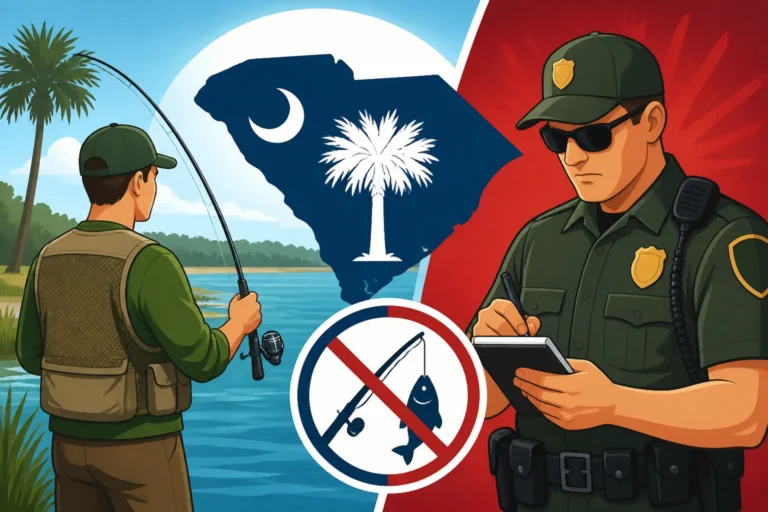
It sounds simple, but having your fishing license readily available for inspection is a requirement. South Carolina offers convenient ways to carry your license. You can have a physical copy, which is always a good idea, or keep a digital version on your phone. Many anglers find durable, waterproof pouches for their licenses on Amazon, ensuring they stay protected from the elements and are easy to retrieve. The point is, when a conservation officer asks to see your license, you need to be able to produce it quickly.
Imagine you're deep in the backwaters of a Lowcountry marsh, having a fantastic day catching redfish during a tournament. A SCDNR officer pulls up to check licenses. Fumbling through a wet tackle box, or worse, realizing your paper license disintegrated, is not a good look. A clear, laminated card or a digital display on your phone, visible even in bright sunlight, can save you a lot of hassle. If you chose to purchase your license online, which is increasingly common, ensure you know how to access it digitally or have a printed backup. For more details on digital vs. physical, our guide on Digital Fishing License vs Printed Paper Copy is a great resource.
Adhering to Tournament-Specific Regulations
Beyond the general state regulations covered by your license, every tournament will have its own specific set of rules. These often go above and beyond the statewide limits to ensure fair play, promote conservation, or fit the format of the competition. For instance:
- Slot Limits: While South Carolina might have a general slot limit for certain species, a tournament might impose an even stricter or slightly different slot to manage catch sizes or promote the release of larger breeding fish. Always verify the tournament's specific slot limits, as these can vary significantly from general state regulations.
- Daily Bag Limits: Similarly, a tournament might have a lower daily bag limit than the state maximum to distribute prize-winning opportunities or reduce pressure on the fishery.
- Livewell Requirements: Many bass tournaments require specific livewell conditions to ensure fish are kept alive and healthy for weigh-in and release.
- Off-Limits Areas: Tournaments often designate certain areas as "off-limits" prior to the event, preventing pre-fishing or fishing during the competition.
- Approved Lures/Baits: Some tournaments might restrict certain types of lures or baits, or only allow artificial lures.
It's imperative to read the tournament rulebook thoroughly before the event. Don't assume anything. If you have questions, ask the tournament director well in advance. Ignorance of tournament rules is not an excuse for violations, and penalties can range from deductions in weight to complete disqualification. Don't forget to grab a good measuring board for those strict slot limits; you can find highly-rated options on Amazon. Understanding rules like the South Carolina Redfish Slot Limit Rules can give you a competitive edge and keep you compliant.
Key Regulations for Tournament Anglers
To summarize the various license and permit requirements, here’s a quick overview:
| Requirement Type | Who Needs It | What It Covers | Key Considerations |
|---|---|---|---|
| Recreational Fishing License | All Anglers (Required) | Legal right to fish, adhering to state-wide bag/size limits. | Match to water type (fresh/salt) and residency (resident/non-resident). Keep accessible. |
| Tournament Permit | Tournament Organizers | Permission to host a competitive event, weigh-ins, etc. | Organizer's responsibility; ensures event compliance and conservation. |
| Commercial Guide License | Professional Guides | Legally operate a fishing charter for paying clients. | Not required for individual tournament anglers, even if they are guides on their off-time. |
| Tournament Rulebook Adherence | All Tournament Anglers | Event-specific rules on slot limits, bag limits, gear, etc. | Often stricter than state rules; read thoroughly to avoid disqualification. |
Even if you already have a tackle box, checking out new storage solutions on Amazon can make organizing tournament gear a breeze, ensuring you have everything you need for both compliance and performance. A comfortable fishing shirt that offers UV protection is a must for long tournament days, and Amazon has a wide selection to keep you comfortable and protected.
Final Thoughts on Tournament Angling in South Carolina
Participating in fishing tournaments in South Carolina is an incredibly rewarding experience, offering both the thrill of competition and the chance to explore some of the most beautiful and productive waters in the country. The licensing aspect, while sometimes confusing, is actually quite straightforward for the individual angler: get your standard freshwater or saltwater license, depending on where you're fishing, and ensure it's valid for your residency status.
The perceived need for a "special" tournament license for anglers is usually a misunderstanding of the permits required by tournament organizers. As long as you have your personal ducks in a row with the SCDNR regarding your license, and you diligently study and adhere to the specific rules of the tournament you're entering, you'll be in good shape. Don't let licensing worries overshadow the excitement of the competition. Prepare properly, stay informed, and enjoy your time on the water chasing that tournament glory!
Disclaimer
Please note that fishing regulations and license requirements can change. While this guide provides the most up-to-date information available at the time of writing, it is always your responsibility to verify current regulations with the South Carolina Department of Natural Resources (SCDNR) before engaging in any fishing activities, especially competitive events.