Freshwater vs Saltwater Fishing License Costs Compared
It can feel like you need a secret decoder ring just to figure out what kind of fishing license you need in South Carolina, let alone how much it's going to cost you! The waters of the Palmetto State, from our sparkling freshwater lakes to our vibrant saltwater estuaries, offer incredible angling opportunities, but navigating the different license types and their associated fees can be genuinely confusing. This guide is here to untangle the complexities, offering a clear, side-by-side comparison of freshwater and saltwater fishing license costs, so you can spend less time scratching your head and more time casting your line.
Understanding the South Carolina Fishing License System
Before we dive into the nitty-gritty of dollars and cents, it’s crucial to grasp the fundamental distinction that shapes South Carolina’s fishing license structure. Unlike some states where one license covers all public waters, our system is neatly divided into two primary categories: freshwater and saltwater. This isn't just a bureaucratic decision; it reflects the vastly different ecosystems, the unique species that inhabit them, and the distinct management strategies required to keep these fisheries healthy and thriving for generations to come.
The Fundamental Split: Freshwater vs. Saltwater
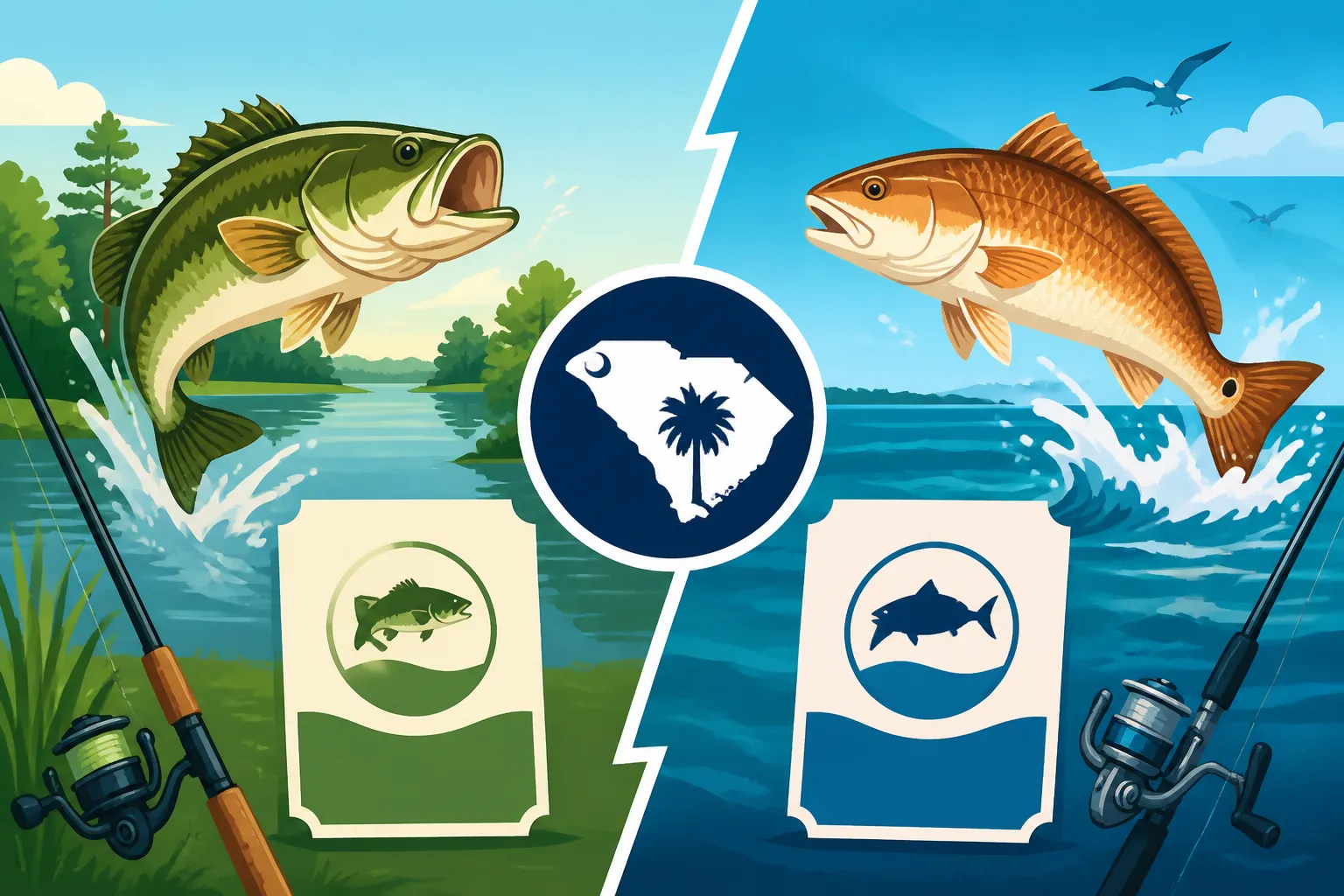
The state's division of fishing licenses into freshwater and saltwater categories is deeply rooted in ecological and conservational realities. Freshwater licenses cover all non-tidal rivers, lakes, ponds, and streams across South Carolina, from the mountain trout streams of the Upstate to the sprawling Santee Cooper lakes in the Midlands. These environments are home to species like largemouth bass, catfish, crappie, and various panfish, each requiring specific management plans, stocking programs, and habitat protection efforts funded, in part, by freshwater license sales. When you're dreaming of reeling in a trophy bass from Lake Murray or a hefty catfish from the Congaree River, you'll be looking at a freshwater license.
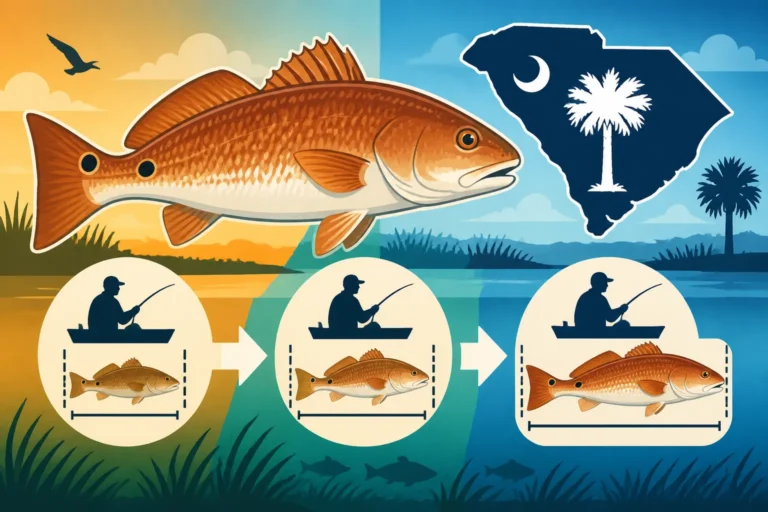
Conversely, a saltwater license is your ticket to the expansive coastal waters, including our sounds, bays, tidal creeks, and the Atlantic Ocean itself. This realm supports an entirely different array of species such as redfish, spotted seatrout, flounder, and countless offshore game fish. The challenges of managing a dynamic marine environment—considering factors like tides, ocean currents, and the migratory patterns of saltwater species—are unique and necessitate a separate funding stream and regulatory framework. If your ideal day involves surf fishing at Myrtle Beach, exploring the marsh creeks around Mount Pleasant, or heading offshore from Hilton Head, a saltwater license is what you'll need. It's not just about what you're catching, but where you're casting, so always be sure to match your license to your intended fishing environment.
The delineation isn't always as clear-cut as it seems, especially in transitional zones like tidal rivers or brackish estuaries where freshwater meets saltwater. However, generally speaking, if the water is subject to tidal influence, even if it's not overtly salty, a saltwater license is typically required. It's always best to err on the side of caution and check the specific regulations if you're unsure about a particular fishing spot. Understanding this foundational split is the first step in ensuring you're compliant and contributing to the conservation efforts specific to the fishery you plan to enjoy.
Who Needs a License and When
Generally speaking, anyone aged 16 or older who intends to fish in the public waters of South Carolina needs a valid fishing license. This applies whether you're a resident or a nonresident, and whether you're targeting freshwater or saltwater species. The only exceptions are very specific and narrow, designed to make fishing accessible for certain demographics or in particular circumstances. For instance, children under the age of 16 are typically exempt from needing a license, making it incredibly easy and cost-free to introduce the next generation to the joys of angling. This is a wonderful incentive for families to get out on the water together, and many parents cherish those early fishing memories with their little ones without the added hassle of purchasing multiple licenses.
There are also instances where specific private ponds, often fully contained on private land and without inlets or outlets to public waters, might not require a state fishing license. However, if that pond has any connection to public waterways, even intermittently, a license would likely be required. It’s also important to note that if you're fishing from a licensed public pier, like the Myrtle Beach State Park Pier or the Folly Beach Pier, the pier itself often holds a blanket license that covers all anglers fishing from it. In these cases, you wouldn't need your own individual saltwater license, but it's always wise to confirm with pier staff before you cast your line, as rules can occasionally change.
For everyone else, from the seasoned local angler to the vacationing visitor, a license is a must. Conservation officers from the South Carolina Department of Natural Resources (SCDNR) regularly patrol our lakes, rivers, and coastal areas, and they will absolutely check for valid licenses. Getting caught fishing without the correct license can lead to fines and other penalties, which are always significantly more expensive and frustrating than simply purchasing the proper license in the first place. You can read more about specific requirements in our comprehensive guide on South Carolina Fishing License Requirements in South Carolina.
Breaking Down Resident Freshwater License Costs
For those of us lucky enough to call South Carolina home, the costs for fishing licenses are designed to be quite affordable, reflecting a commitment to making outdoor recreation accessible to our residents while still funding vital conservation efforts. The structure offers flexibility, allowing anglers to choose between annual licenses for consistent access or short-term options for occasional trips. Understanding these options can help you make the most economical choice for your fishing habits.
Annual Freshwater License Details
As a South Carolina resident, your annual freshwater fishing license is arguably one of the best deals around. Currently, the annual cost for a resident freshwater license is a mere $10. This single purchase grants you permission to fish in all public freshwater bodies across the state for a full 12 months from the date of purchase. It’s not tied to the calendar year, which means if you buy it in July, it’s good until the following July, offering maximum value. This annual license is the backbone for many local anglers who frequently visit their favorite lakes and rivers throughout the seasons.
Imagine Joe, who lives in Columbia and spends nearly every other weekend with his family at Lake Murray. He enjoys targeting striped bass in the cooler months and switching to largemouth bass or crappie when the water warms up. For just $10 a year, Joe can fish to his heart’s content, whether he's exploring the coves near Dreher Island or drifting the main channel. The cost is so minimal that it hardly makes a dent in his annual budget, especially when compared to the countless hours of enjoyment and fresh fish he brings home. This affordable annual option encourages consistent participation and provides a stable funding source for the SCDNR's freshwater fisheries programs, ensuring that lakes like Murray, Hartwell, and Wateree remain vibrant fishing destinations.
Beyond the low price, the convenience of an annual license is unparalleled. You buy it once, and you're set for the year, eliminating the need to constantly remember to renew or purchase short-term options. This ease of access is crucial for busy individuals who want to spontaneously hit the water without jumping through hoops. For a deeper dive into annual costs, check out South Carolina Annual Fishing License Price Breakdown.
Short-Term Freshwater Options
While the annual license is fantastic for regular anglers, South Carolina also provides flexible short-term options for residents who might only fish a couple of times a year. The primary short-term choice for freshwater is a 14-day license, currently priced at $5. This option is incredibly appealing for those who might take one or two fishing trips throughout the year or for those who are just dipping their toes into the angling world and aren't ready to commit to a full year. It’s essentially half the cost of an annual license for two weeks of access, which, depending on your frequency, could be more economical.
Consider Sarah, a South Carolina resident who lives inland and only gets to fish when her grandchildren visit for a two-week summer vacation. Rather than buying an annual license that would largely go unused for ten months, she can pick up a 14-day freshwater license for $5. This allows her to take the kids out to a local pond or a nearby state park lake for some bluegill and crappie fishing without overspending. The 14-day option ensures she's compliant without feeling like she's paying for something she won't fully utilize. It's a perfect example of how the state tries to cater to different levels of participation.
For those who are in it for the long haul, a 3-year freshwater license is also available for residents at $30. While it might seem like a larger upfront cost, it essentially locks in the current annual rate for three years, providing peace of mind and protection against potential future price increases. This is a smart choice for dedicated anglers who know they'll be fishing consistently and appreciate the convenience of not having to think about renewal for a longer period. It's a testament to planning ahead and investing in uninterrupted enjoyment of South Carolina's bountiful freshwater resources. These short-term options are detailed further in our guide on Short-Term Fishing License Options in South Carolina.
Decoding Resident Saltwater License Costs
Just as with freshwater, South Carolina offers resident saltwater anglers a range of license options designed to be both affordable and flexible. Whether you're a seasoned surf caster, an inshore enthusiast, or someone who ventures into the open ocean, there's a license structured to fit your coastal fishing adventures. The fees collected from these licenses are critical for managing our precious marine ecosystems, funding research, habitat restoration, and enforcement along the extensive South Carolina coastline.
Annual Saltwater License Specifics
For South Carolina residents who frequent our beautiful coastal waters, the annual saltwater fishing license is an essential purchase. Priced at $15, it's slightly more than its freshwater counterpart, reflecting the different management complexities and often higher operational costs associated with marine conservation. This license grants you full access to all public saltwater fishing opportunities for a 12-month period from the date of purchase. It covers everything from fishing in tidal creeks and estuaries to casting from the surf or dropping a line from a boat within state waters.
Imagine Mary, who lives in Charleston and absolutely loves spending her evenings surf fishing along Folly Beach or wading the mudflats in pursuit of redfish and spotted seatrout. For just $15 a year, she has the freedom to fish whenever the mood strikes her, without any additional hassle. She can confidently visit her favorite spots, knowing she's legal and contributing directly to the health of the very fisheries she enjoys. The annual saltwater license is a small investment for year-round access to some of the East Coast's most productive inshore and nearshore fishing grounds. The relative affordability ensures that coastal residents can participate actively in their local fisheries.
This annual permit simplifies things immensely for anyone who fishes the coast with any regularity. There’s no need to constantly re-evaluate or purchase new licenses for different trips; one purchase covers a full year of diverse saltwater opportunities. This allows anglers to focus on mastering techniques and finding hot spots rather than worrying about administrative details. This crucial aspect of fishing in South Carolina is part of a larger framework discussed in our Saltwater Fishing Rules in South Carolina guide.
Short-Term and Long-Term Saltwater Choices
Just like freshwater, saltwater fishing also offers flexible options beyond the annual license, catering to various fishing schedules and commitments. For residents, a 14-day saltwater license is available for $7.50. This is an excellent choice for those who might only get to the coast once or twice a year, perhaps during a short vacation or a specific fishing tournament. It offers a more budget-friendly alternative to the annual pass if your time on the water is limited to a couple of weeks.
Consider David, a resident from Greenville who drives down to Myrtle Beach for a week-long family vacation each summer. During that trip, he might spend a few mornings fishing from a kayak in the Murrells Inlet marsh or try his hand at some pier fishing. For $7.50, the 14-day saltwater license is a perfect fit, providing coverage for his entire stay without the commitment of an annual purchase. It's a small price to pay for the chance to reel in a flounder or a redfish during his coastal escape. This flexibility ensures that even occasional visitors can enjoy the saltwater experience responsibly.
For the most committed saltwater anglers, or those who prefer the convenience of multi-year coverage, a 3-year resident saltwater license is also an option, priced at $45. This offers the same peace of mind as the 3-year freshwater license, insulating you from potential price changes and eliminating the need for annual renewals for an extended period. It’s a smart investment for those who are deeply passionate about South Carolina's coastal fishing and know they'll be spending a lot of time on the water in the coming years. By offering these varied options, the SCDNR aims to provide solutions that meet the diverse needs of its resident fishing community.
Nonresident License Costs: A Different Ballgame
When you're visiting South Carolina from out of state and hoping to cast a line, you'll quickly notice that nonresident fishing license costs are significantly higher than those for residents. This isn't unique to South Carolina; it's a common practice across states to ensure that local residents, who contribute to the state's tax base and long-term conservation efforts, receive a discounted rate. Nonresident fees help to offset the costs of managing fisheries and providing access for those who are here for shorter durations.
Nonresident Freshwater License Breakdown
For our friends visiting from other states, the freshwater fishing license structure involves a more substantial investment, but it still offers flexibility depending on the length of your stay. An annual nonresident freshwater license will cost you $35. This allows a full 12 months of fishing access to South Carolina's lakes and rivers, just like the resident version. While it’s certainly more than the resident's $10 fee, it’s still a relatively fair price for a year of access to some fantastic fishing grounds, especially if you plan multiple trips throughout the year.
Think about Mark, who lives just over the state line in Charlotte, North Carolina. He loves fishing the border waters of the Savannah River or making regular trips down to Lake Wylie or Lake Wateree for some serious bass fishing. For him, the $35 annual nonresident license is a no-brainer. If he plans on making three or more trips in a year, this annual pass quickly becomes more economical than buying multiple short-term licenses. It provides him with the freedom to spontaneously decide on a weekend fishing excursion without worrying about obtaining a new license each time.
For those planning a shorter visit, a 14-day nonresident freshwater license is available for $11. This is a popular choice for families on vacation or anglers participating in a specific short-term event, like a fishing tournament. If you’re only going to be in South Carolina for a week or two and your fishing will be limited to freshwater, the 14-day option is likely your most cost-effective solution. Comparing this to the annual fee, you can see how the state encourages longer-term commitment for the greater discount, but still provides reasonable access for short-term visitors, ensuring everyone can enjoy our beautiful waters. For more details, our South Carolina Nonresident Fishing License Guide is a helpful resource.
Nonresident Saltwater License Scenarios
Venturing into South Carolina's coastal waters as a nonresident also comes with a distinct set of license costs, again at a higher rate than residents, but with options tailored for various visit lengths. An annual nonresident saltwater fishing license is $75. This provides 12 months of access to all public saltwater fishing areas, from the marsh creeks to the open ocean, making it a solid choice for nonresidents who plan extended stays or multiple coastal fishing trips throughout the year.
Consider Emily, who comes down from Ohio every year with her family for a month-long vacation on Hilton Head Island. During her stay, she loves chartering a boat for some deep-sea fishing and also enjoys some casual crabbing and casting from the beach. For her, the $75 annual nonresident saltwater license makes perfect sense. It covers all her coastal activities for the entire month, and if she decided to come back for another visit later in the year, she'd already be covered. This ensures her vacation is uninterrupted by licensing concerns.
For shorter trips, South Carolina offers even more granular options for nonresident saltwater anglers: a 7-day license for $35 and a 1-day license for $10. These short-term options are incredibly convenient for tourists who might only have a day or a weekend set aside for fishing. If you're only planning one specific offshore fishing trip or a single day of surf casting, the 1-day or 7-day license is designed precisely for that minimal commitment. For instance, a group of friends visiting Myrtle Beach for a bachelor party might opt for individual 1-day licenses for a charter fishing excursion. These choices highlight the state's effort to accommodate all types of visitors, ensuring that whether you're here for a day or a year, you have a suitable and legal way to enjoy our rich marine fisheries. You can also explore Resident vs Nonresident Fishing License Price Differences for more context.
Side-by-Side Comparison: Freshwater vs. Saltwater Costs
The differences in license costs between freshwater and saltwater, and resident and nonresident, become particularly clear when viewed side-by-side. This comparison isn't just about the numbers; it helps us understand the underlying rationale for the separate systems and the varied approaches to managing our diverse aquatic environments. Seeing all the options laid out can empower you to make an informed decision that best suits your fishing plans and budget.
Direct Cost Differences
To give you the clearest picture, here's a direct comparison of the most common fishing license options in South Carolina. Please note that these prices are subject to change, so always verify the current rates with the SCDNR before purchasing.
| License Type | Resident Annual | Resident 14-Day | Nonresident Annual | Nonresident Short-Term |
|---|---|---|---|---|
| Freshwater | $10.00 | $5.00 | $35.00 | $11.00 (14-Day) |
| Saltwater | $15.00 | $7.50 | $75.00 | $35.00 (7-Day) / $10.00 (1-Day) |
| Fresh/Salt Combo (Annual) | $25.00 | N/A | $100.00 | N/A |
(Note: "N/A" for short-term combo licenses means these specific options are not typically offered as combined short-term packages, requiring separate purchases if you need both for a brief period.)
Looking at this table, several insights immediately jump out. For residents, the annual saltwater license is only slightly more expensive than freshwater, indicating a balanced approach to funding both types of fisheries within the state. The combination license for residents, at $25, is actually a small discount compared to buying both annual licenses separately ($10 + $15 = $25), but it combines them for convenience. However, the most significant price disparities appear when comparing resident versus nonresident fees, especially for saltwater. A nonresident annual saltwater license is five times the cost of a resident one, highlighting the premium placed on access for out-of-state visitors to our highly sought-after coastal fisheries. These differences are designed to support the state's conservation efforts, ensuring that those who utilize the resources contribute to their sustainability. For a deeper understanding of costs, check out our guide on Fishing License Costs in South Carolina.
Understanding the "Why" Behind the Prices
The varying price points for South Carolina fishing licenses aren't arbitrary; they are meticulously structured to support the diverse and complex needs of the state's aquatic ecosystems and the anglers who enjoy them. A significant portion of the funds generated from license sales goes directly into conservation efforts. This includes crucial activities such as habitat restoration, scientific research on fish populations, species management (like stocking programs for freshwater species or monitoring initiatives for saltwater fish), and the enforcement of regulations. For instance, freshwater license fees help maintain healthy populations of largemouth bass in our numerous reservoirs and support the unique native brook trout populations in the Blue Ridge Mountains.
Saltwater license revenues, on the other hand, are vital for protecting our delicate estuarine environments, monitoring species like redfish and spotted seatrout, and managing complex coastal fisheries that are influenced by tides, ocean currents, and even broader migratory patterns. The South Carolina Department of Natural Resources (SCDNR) relies heavily on these funds to conduct critical work that ensures sustainable fishing opportunities for both residents and visitors. Without these fees, the health of our fisheries would inevitably decline, impacting everything from recreational opportunities to the local economy.
The higher fees for nonresidents can be attributed to several factors. Firstly, nonresidents typically do not contribute to the state's tax base in the same way residents do, yet they still benefit from the state's natural resources and infrastructure. The increased cost helps to balance this out. Secondly, nonresident anglers often travel specifically for premium fishing experiences, such as trophy bass fishing in Lake Santee Cooper or targeting popular inshore species like redfish in the Lowcountry. The higher fees reflect the demand and the value of these experiences. It’s a way of ensuring that everyone who enjoys South Carolina's exceptional fishing opportunities contributes equitably to their preservation, maintaining a healthy balance for all. These management efforts align with specific rules, such as those covered in South Carolina's Freshwater Fishing Regulations.
Practical Considerations and Where to Purchase Your License
Once you've decided which type of license you need, the next step is actually acquiring it. Thankfully, South Carolina has made the process incredibly accessible and convenient, offering multiple ways to purchase your fishing license, whether you prefer the speed of an online transaction or the personal touch of a local vendor. There are also options to simplify things further, especially if you plan to fish both freshwater and saltwater.
Combination Licenses and Bundles
For anglers who enjoy the best of both worlds—meaning they fish both freshwater lakes and saltwater coastal areas throughout the year—South Carolina offers a fantastic solution: the annual combination license. For residents, this "all-inclusive" annual license covers both freshwater and saltwater fishing for a combined price of $25. As noted in our comparison table, this is the same price as buying both annual licenses separately ($10 for freshwater + $15 for saltwater = $25), but it simplifies things by consolidating it into a single purchase. You get one license that covers all your fishing needs across the state, eliminating any confusion about which waters you're legally allowed to fish.
For nonresidents, an annual Freshwater/Saltwater Combination License is also available, priced at $100. Again, this covers both environments for a full year. While this is a more substantial investment, it offers tremendous value for nonresidents who plan on frequent or extended visits to South Carolina and want to experience the full spectrum of fishing opportunities, from the Upstate's trout streams to the Lowcountry's redfish flats. It’s a worthwhile consideration for dedicated anglers who want maximum flexibility during their time in the Palmetto State.
Beyond the standard annual combinations, South Carolina also offers special lifetime licenses for residents, particularly seniors. For example, residents aged 64 and over can purchase a lifetime comprehensive license (which includes hunting and fishing) at a significantly reduced rate. While not a direct "bundle" in the traditional sense, these lifetime options offer incredible long-term savings and convenience, ensuring continuous access to fishing without the need for annual renewals. These types of licenses are an investment in a lifetime of outdoor enjoyment and are deeply appreciated by our seasoned anglers.
Purchasing Options and Digital Convenience
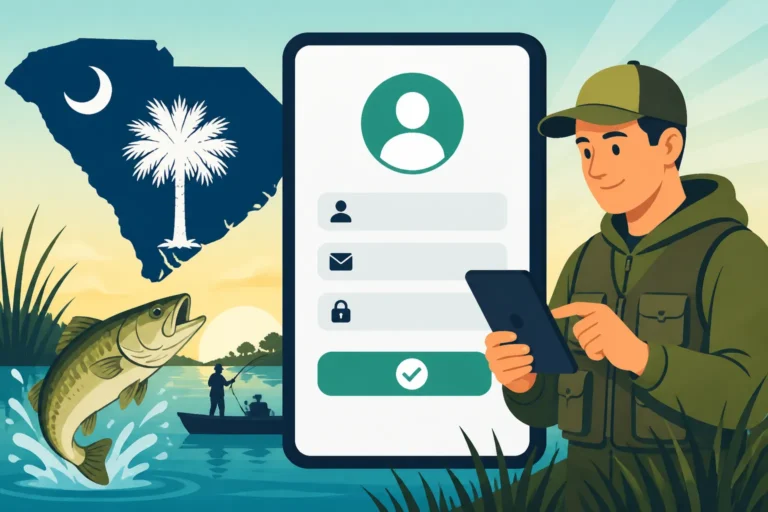
Getting your South Carolina fishing license is easier than ever, thanks to a variety of purchasing avenues. The most convenient and increasingly popular method is online through the official Go Outdoors South Carolina portal. This user-friendly website allows you to purchase your license from the comfort of your home, using your computer or even your smartphone. It’s a straightforward process: you create an account, select your desired license type, provide some basic information, and pay securely. Once purchased, you'll receive a digital copy of your license that you can display on your phone, or print out if you prefer a physical copy. This digital flexibility means you can buy your license moments before you hit the water, even if you’re already at the boat ramp.
If you prefer a more traditional approach, or simply need to pick up some last-minute bait or tackle, you can also purchase your license in person. Authorized license vendors are scattered throughout the state, including many local tackle shops, sporting goods stores like Academy Sports + Outdoors, and even some general retailers. These locations often have knowledgeable staff who can help answer any questions you might have about license types or local regulations. This face-to-face interaction can be particularly helpful for new anglers or visitors unfamiliar with the system. Many anglers like to stop at a local shop, grab their license, and maybe pick up a new lure or some fresh shrimp for bait all in one go.
No matter where you purchase it, carrying proof of your license while fishing is mandatory. A printed copy, a digital image on your phone, or even simply having your customer ID number readily available for an SCDNR officer are generally acceptable. This convenience is crucial for modern anglers. After securing your license, you might head to a site like Amazon to pick up any fishing gear you're missing, from new lines to tackle boxes, knowing you're fully ready to hit the water. This combination of easy licensing and readily available gear makes getting out on the water a breeze. Our guide on Where to Buy a Fishing License in South Carolina provides a comprehensive list of purchase points, including Buying a South Carolina Fishing License Online.
Staying Legal and Avoiding Penalties
Fishing in South Carolina is a truly rewarding experience, but it comes with the responsibility of adhering to the rules and regulations set forth by the state. This isn't just about avoiding fines; it's about contributing to the long-term health and sustainability of our fisheries. Understanding the importance of having the correct license and staying informed about current regulations is paramount for every angler.
The Importance of the Correct License
It’s not enough to simply have a fishing license; it has to be the right fishing license for the waters you're in and the species you're targeting. An annual resident freshwater license won't cut it if you decide to go crabbing in a tidal creek near Beaufort, and a nonresident 7-day saltwater license won't cover you for bass fishing on Lake Hartwell. This distinction is critical because each license type funds specific conservation programs tailored to those environments. Using the wrong license is essentially fishing without the proper authorization, and the consequences can be just as severe as having no license at all.
Consider a scenario: you're excitedly fishing for redfish in Murrells Inlet, thinking your freshwater license from your bass fishing trip covers you. A South Carolina DNR game warden approaches, asks to see your license, and quickly realizes it's the wrong type. This isn't a small oversight; it’s a violation of state law. You could face a citation, a significant fine, and even the confiscation of your gear or catch. These penalties are designed to deter misuse and ensure compliance, reminding anglers that diligence is key. The fines for fishing without a license or with the wrong license can easily exceed the cost of an annual license, making it a very expensive mistake to make. This is a common pitfall that can be easily avoided by double-checking your license type before heading out.
The SCDNR officers are dedicated to protecting our natural resources, and they are well-versed in the various license requirements. They patrol all types of waters, from remote mountain streams to busy coastal harbors. It’s always best to be prepared and ensure your paperwork is in order before you cast your first line.
Keeping Up with Regulations
Fishing regulations and license costs are not set in stone; they can and do change. The SCDNR constantly monitors fish populations, environmental conditions, and angler impact to make necessary adjustments to ensure the health of our fisheries. This means that a regulation or cost that was valid last year might have been updated this year. Relying on outdated information can inadvertently lead to violations, even if you have the best intentions.
For instance, limits on certain species like redfish or spotted seatrout might be adjusted based on stock assessments, or there might be seasonal closures in specific areas to protect spawning fish. Similarly, license fees can be periodically reviewed and modified to reflect increasing operational costs for conservation efforts. It's the angler's responsibility to stay informed about the most current rules. The best way to do this is to regularly check the official SCDNR website (www.dnr.sc.gov) before each fishing season or before any major trip. They publish comprehensive guides, regulation summaries, and updates that are easily accessible.
Many local bait and tackle shops are also excellent resources, as their staff often stay up-to-date on local changes. You can also pick up a copy of the SCDNR's annual Fishing Regulations booklet, which is available at most license vendors. Taking a few minutes to review these resources can save you a lot of headache and ensure that your fishing adventures remain legal, enjoyable, and contribute positively to the future of South Carolina fishing. Remember, being an informed angler is just as important as being a skilled one. For further information, our South Carolina Fishing License Guide offers general overviews of all requirements.
Disclaimer
Please remember that the information provided in this guide is for general informational purposes only and is based on current understanding. Fishing regulations and license costs in South Carolina are subject to change by the South Carolina Department of Natural Resources (SCDNR). Always verify the most up-to-date rules, regulations, and pricing directly through the official SCDNR website (www.dnr.sc.gov) or by consulting an authorized license vendor before engaging in any fishing activities.