Best Time of Year to Book a South Carolina Fishing Charter
Trying to figure out the absolute "best time" to book a fishing charter in South Carolina can feel like trying to catch a fish with your bare hands – exciting, but often a bit overwhelming! You want to maximize your chances of a great catch, beautiful weather, and a memorable experience, but with so many seasons and species, where do you even start? This guide is here to untangle that complexity, helping you pinpoint the ideal window for your perfect Palmetto State angling adventure.
Understanding South Carolina's Diverse Fishing Seasons
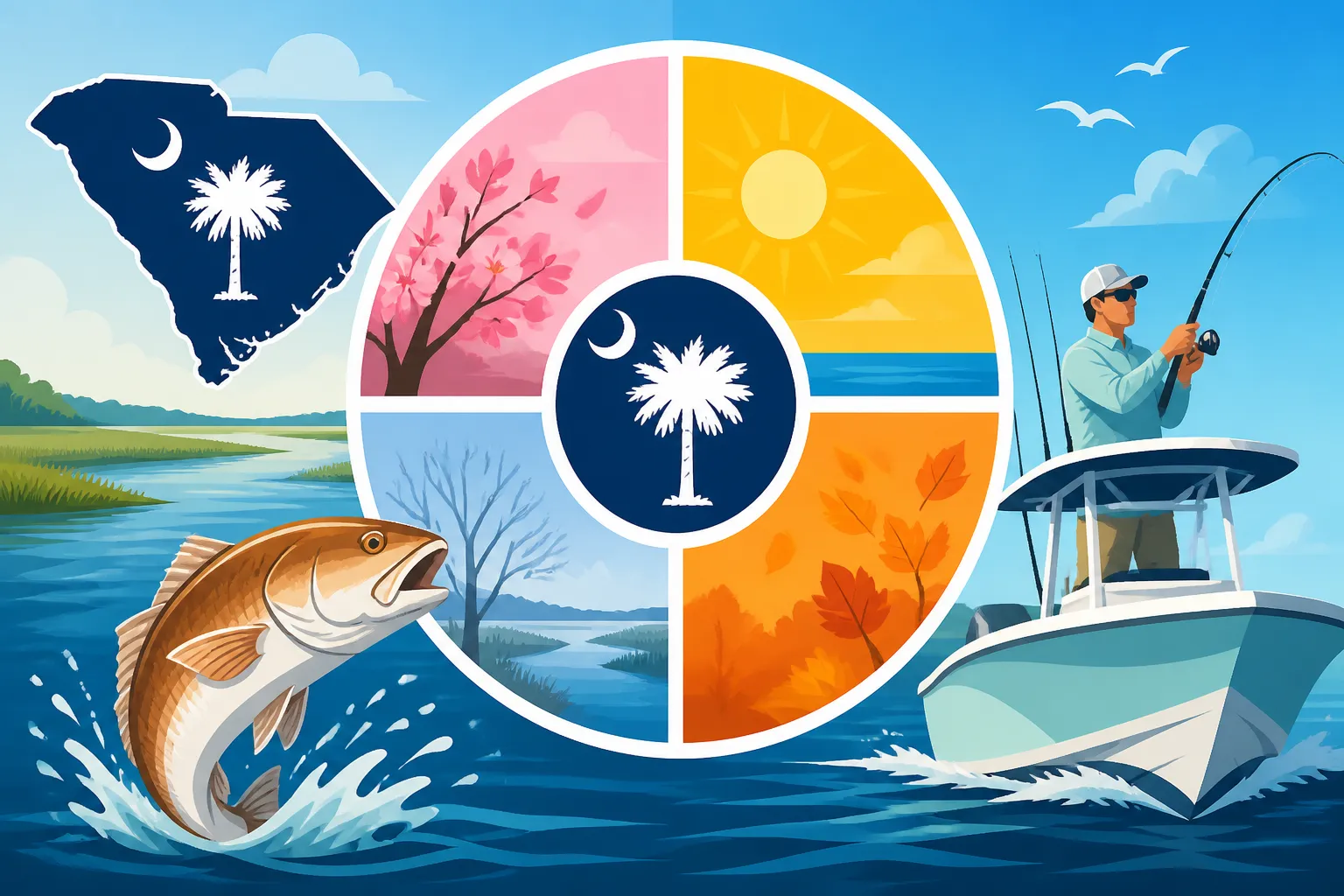
South Carolina boasts an incredible diversity of fisheries, from the tranquil freshwater lakes and rivers inland to the vibrant saltwater estuaries and deep blue offshore waters. What makes it even more special, and sometimes a little confusing, is that there isn't one single "best" time to cast a line. The perfect time for your charter depends entirely on what kind of adventure you're dreaming of, what species you're hoping to target, and even what kind of weather you prefer. Each season brings its own unique opportunities and challenges, influencing fish behavior, water temperatures, and even the availability of your favorite captains.
Understanding these seasonal shifts is key to booking a charter that aligns with your angling goals. It's not just about the calendar date; it's about the patterns that emerge as the environment changes throughout the year. Thinking about the local fish species and their habits will help you narrow down your choices considerably.
Spring's Promise: Warming Waters and Spawning Runs
Ah, spring in South Carolina! It's a magical time when the air loses its winter chill, and everything starts to burst with life, including the fish. As the water temperatures begin to climb steadily from March through May, both freshwater and saltwater species become incredibly active. This is often considered prime time by many anglers, and for good reason. The fish are hungry after a slower winter and are preparing for or engaging in their spawning rituals, which often makes them more aggressive and predictable.
In the freshwater realm, this is when largemouth bass start moving into shallower waters for their spawn, making them more accessible to anglers. South Carolina's Best Bass Fishing Lakes truly come alive. You'll find excellent opportunities for sight fishing and targeting active fish with a variety of lures. For saltwater enthusiasts, the inshore bite picks up dramatically. Redfish shake off their winter sluggishness, patrolling marsh flats and oyster beds with renewed vigor, and the first waves of migrating species start to show up. This transition period offers some truly fantastic fishing, but it also means charters can book up quickly.
Summer's Abundance: Offshore Adventures and Inshore Action
When summer officially rolls in, typically from June through August, South Carolina transforms into a sun-drenched playground, both on land and water. The days are long, the sun is high, and the water is warm, ushering in a whole new set of fishing opportunities. For many, summer is synonymous with offshore fishing, as pelagic species like Mahi-Mahi, Wahoo, and Tuna migrate closer to the coast and gather around offshore structures. This is when deep-sea charters truly shine, offering thrilling battles with powerful game fish far from shore.
Inshore, the action remains steady, though you might need to adjust your tactics. Redfish and spotted seatrout are still plentiful, but they might seek deeper, cooler waters during the hottest parts of the day, leading to excellent dawn or dusk bite opportunities. Early morning charters can be incredibly productive and offer a more comfortable experience before the midday heat sets in. This is also a fantastic time for family-friendly trips, as the calmer waters and abundant smaller species make for a fun day out, even for beginners.
Fall's Bounty: Cooler Temperatures and Feeding Frenzies
Fall, spanning roughly September through November, is arguably one of the "best" times to book a South Carolina fishing charter, especially for inshore and nearshore action. The oppressive summer heat begins to wane, and the water temperatures start a gradual cool-down, triggering a massive feeding frenzy among many species as they prepare for winter. Baitfish are abundant, and predators are gorging themselves. This means aggressive bites and fantastic action.
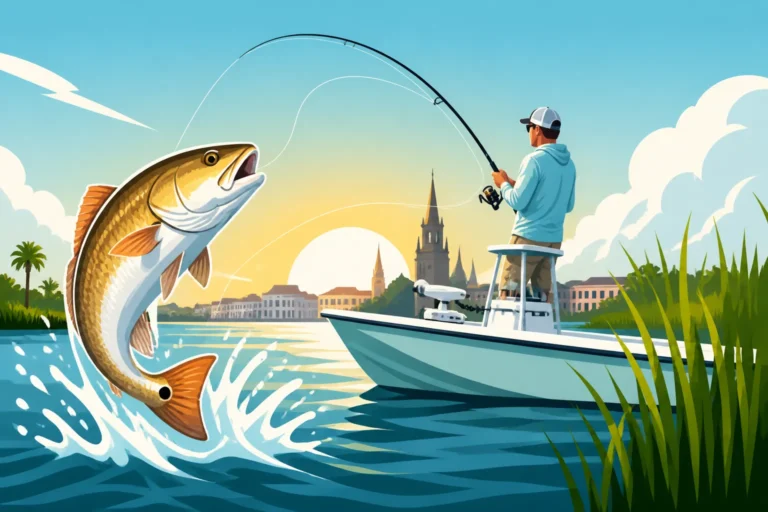
Redfish become incredibly active, often schooling up in large numbers in the estuaries and along the beaches, making for some spectacular sight fishing opportunities. Spotted seatrout also become very prevalent, often found in impressive sizes. Beyond inshore, species like king mackerel and Spanish mackerel are often still around, offering exciting nearshore trolling. The crowds tend to thin out a bit after the summer rush, and the weather is often absolutely perfect – comfortable temperatures, less humidity, and generally calmer winds, making for a truly enjoyable day on the water.
Winter's Hidden Gems: Mild Weather and Specific Targets
While many people might pack away their fishing gear when winter arrives (December through February), those in the know understand that South Carolina's mild winters offer some unique and often exceptional fishing. This isn't the "off-season" everywhere! For starters, the tourist crowds are at their absolute minimum, meaning more elbow room on the water and potentially more availability for popular charter captains. The key to winter fishing is understanding that fish behavior changes – they become less active and often congregate in deeper, warmer pockets of water, but when you find them, the action can be furious.
Inshore, winter can be phenomenal for redfish, which often school tightly in large numbers in deeper creeks and protected coves. When you locate a school, you can often catch them one after another. Sheepshead are another popular winter target, known for their powerful bite around structure like bridge pilings and oyster reefs. Offshore, while many pelagics have moved on, deep-dropping for species like snapper and grouper can be very productive on calm days. Plus, the crisp air and often sunny skies make for a surprisingly pleasant day on the water, even if you need an extra layer or two.
Matching Your Target Species to the Season
Choosing the best time to book a South Carolina fishing charter really boils down to what kind of fish you dream of catching. Different species have different habits, spawning cycles, and temperature preferences, which dictate when and where they'll be most abundant and most willing to bite. A charter captain might be a master at finding redfish, but if you book in January hoping for a tarpon, you're likely to be disappointed! It's crucial to align your expectations with the natural rhythms of the local ecosystem.
Consider doing a little research on the fish that excite you most. Are you after the thrill of a big offshore fight, or do you prefer the finesse of targeting inshore game? Your answer will quickly narrow down the prime windows for your trip. This preparation helps ensure your charter is a success, putting you on the water at the moment your dream fish are most active.
Redfish and Spotted Seatrout: Inshore All-Stars
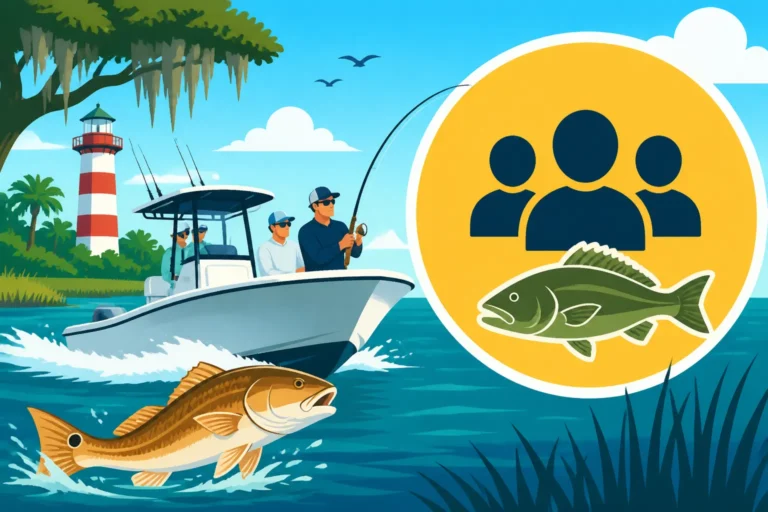
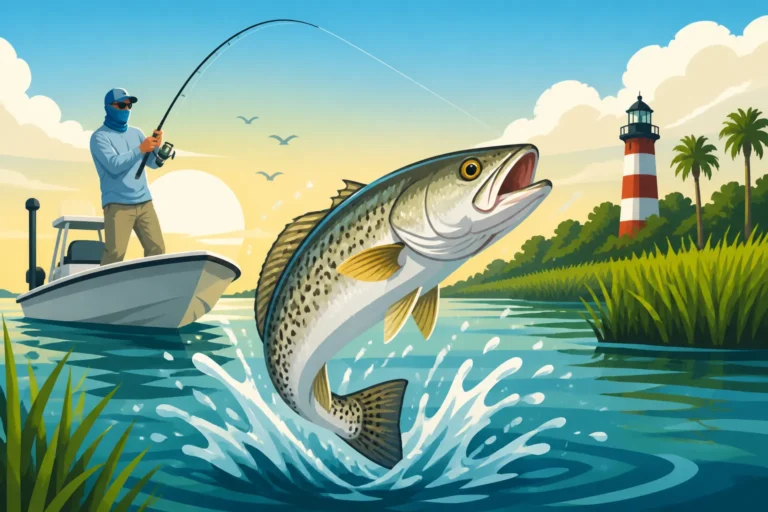
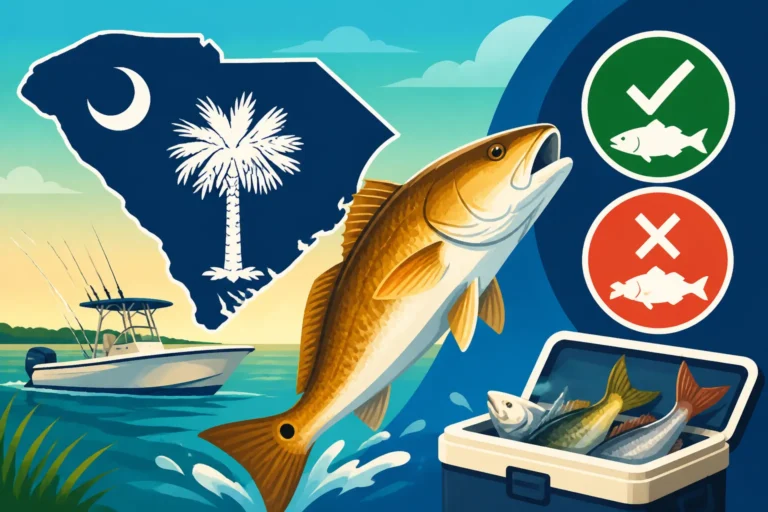
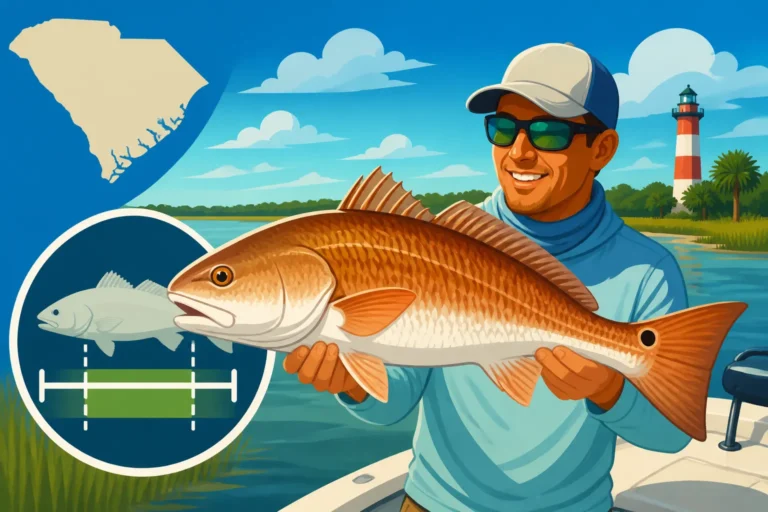
For many anglers visiting South Carolina, the draw of inshore fishing, particularly for redfish and spotted seatrout, is irresistible. These species are year-round residents of our coastal estuaries, but their behavior and accessibility shift with the seasons. Spring and fall are generally considered peak times for both. In spring, as waters warm, redfish become extremely active, often moving onto shallow flats, and spotted seatrout begin their post-winter feeding. Fall, however, is arguably the pinnacle for these species. Redfish school up in impressive numbers, often "tailing" in the shallows on flood tides, and trout are voracious as they fatten up. South Carolina Redfish Slot Limit Rules and Spotted Seatrout Size and Bag Limits in South Carolina are important considerations, as these regulations are designed to protect these vital populations throughout their active seasons.
While spring and fall offer exceptional opportunities, don't discount summer and winter. In summer, the action is still strong, especially during cooler morning and evening hours. Redfish might be found in deeper holes or under mangrove shade, and trout will often hold near current and structure. Winter brings tightly schooled redfish in deeper creeks, offering some truly memorable days when you find them. Spotted seatrout fishing can also be excellent in winter, as they concentrate in specific areas. No matter the season, a skilled inshore guide will know how to find these local favorites.
Offshore Giants: Mahi-Mahi, Tuna, and Wahoo
If your idea of a perfect fishing trip involves battling powerful, acrobatic fish far out in the deep blue, then targeting offshore giants like Mahi-Mahi, Tuna, and Wahoo is probably on your bucket list. For these species, summer is unequivocally the prime season in South Carolina. From late spring through early fall, typically May through October, the warm offshore currents bring these pelagic predators within reach of our charter boats. Mahi-Mahi are particularly abundant in the warmer months, known for their vibrant colors and acrobatic leaps. Tuna species, including Blackfin and sometimes Yellowfin, can also be found further offshore, offering a serious test of strength and endurance.
Wahoo, with their incredible speed and razor-sharp teeth, are often targeted during the warmer months as well, though they can be present almost year-round depending on water conditions. Booking an offshore charter during this window gives you the best chance at a truly epic deep-sea experience. These trips often involve longer durations, like full-day or extended charters, to reach the prime fishing grounds. Always discuss your target species with your captain when booking to ensure they specialize in the type of offshore adventure you're seeking.
Coastal Pelagics: King Mackerel and Spanish Mackerel
For those who enjoy fast-paced action and delicious table fare without venturing too far offshore, coastal pelagic species like King Mackerel and Spanish Mackerel are fantastic targets. These toothy speedsters are migratory and follow baitfish and warm waters along the coast. The best time to target both King and Spanish Mackerel in South Carolina is typically from late spring through early fall, often peaking in summer and early fall. Spanish Mackerel, being smaller, are often found closer to shore, sometimes even within sight of the beach or near inlets, making them popular for shorter trips or even Myrtle Beach Surf Fishing Spots in South Carolina if you're lucky.
King Mackerel, the larger of the two, will be found a bit further out, often near artificial reefs, wrecks, and ledges in the nearshore waters. They are known for their blistering runs and impressive aerial displays. Trolling is a common technique for both species. If you're looking for exciting, relatively accessible saltwater action that doesn't require a full day far offshore, focusing on the warmer months for these mackerel species is an excellent choice. Many inshore and nearshore charters will target them during their peak migration.
The Elusive Tarpon: Summer's Challenge
The "Silver King," the mighty Tarpon, is a dream catch for many avid anglers. Known for their spectacular jumps and incredible fighting ability, tarpon are truly one of the most challenging and rewarding fish to pursue. In South Carolina, tarpon are a strictly seasonal visitor. They typically arrive in our coastal waters with the warmest summer temperatures, usually from late June through September, with the peak often being in August. Targeting tarpon is not for the faint of heart; it requires patience, skill, and often a bit of luck.
These magnificent fish are usually found in the larger coastal rivers, estuaries, and nearshore ocean waters. Charters specializing in tarpon fishing will typically use live bait, sometimes sight casting to rolling fish. Because of their limited season and challenging nature, if tarpon is your primary goal, you absolutely must book your charter during the narrow summer window and prepare for a potentially long day of chasing these elusive giants. It's a highly specialized type of charter, so ensure your captain has experience and success specifically with tarpon.
Considering Trip Types and Durations
Beyond just the fish you want to catch, the type of fishing trip you envision, and how long you want to be on the water, also play a huge role in determining the best time to book your South Carolina fishing charter. Are you looking for a quick morning outing, a full day of serious angling, or something in between? Do you prefer the calm waters of the back bays or the open expanse of the ocean? These choices have direct implications for seasonal availability, comfort, and the overall experience.
Thinking through these logistical preferences ahead of time will help you narrow down your search and ensure you and your group have the best possible time. A short trip might be perfect in the heat of summer, while a longer duration could be ideal for cooler, more temperate days.
Half-Day vs. Full-Day Charters: Seasonal Implications
The choice between a half-day and a full-day charter often comes down to budget, stamina, and what you hope to achieve. However, seasonality also plays a significant role in making this decision. Half-Day vs Full-Day Fishing Charters in South Carolina delves into this comparison, but it's worth reiterating here. In the scorching heat of summer, a half-day trip, especially an early morning one, can be a fantastic option. You get out on the water during the most active bite window, avoid the harshest midday sun, and still have time for other activities. This is particularly popular for family trips or for targeting inshore species that are most active at dawn or dusk.
Conversely, a full-day charter might be more advantageous in spring, fall, or even winter. During these cooler seasons, you have more comfortable temperatures throughout the day, allowing you to maximize your time on the water without battling heat exhaustion. Full-day trips also offer the flexibility to travel further, try multiple spots, and target a wider variety of species, which can be especially productive during these active seasons. For offshore adventures, a full-day or extended trip is almost always necessary to reach the prime fishing grounds.
Inshore vs. Offshore: When Each Shines Brightest
Deciding between an inshore or offshore experience is another critical factor influencing your booking timeline. South Carolina's Best Inshore Fishing Spots in South Carolina offer year-round opportunities, with particular peaks in spring and fall. These calmer waters are perfect for targeting redfish, spotted seatrout, flounder, and sheepshead. The protected nature of the estuaries means these trips are less susceptible to adverse weather conditions, making them a more reliable option for booking any time of year, though rough seas might still impact going out of the inlets.
Offshore fishing, which involves venturing into the open ocean, is much more dependent on favorable weather and sea conditions. The prime window for targeting pelagic species like Mahi-Mahi, Tuna, and Wahoo is typically from late spring through early fall when the ocean is generally calmer and these migratory fish are present. While you can go offshore in winter for bottom fish, good weather windows are fewer and further between. Therefore, if offshore action is your goal, aim for the warmer months and be prepared for potential reschedules due to weather.
Family-Friendly Trips: Prioritizing Comfort and Action
For many families, a fishing charter is about creating memories, not necessarily landing a trophy fish. When planning a family-friendly fishing trip in South Carolina, prioritizing comfort, safety, and consistent action for younger anglers is key. The ideal time for these trips often coincides with milder weather and calmer waters. Spring and fall offer fantastic conditions – comfortable temperatures, less intense sun, and generally active inshore fish like smaller redfish, trout, and various panfish that are eager to bite, keeping kids engaged.
Summer can also be great, especially if you book an early morning half-day trip to beat the heat. Many captains who specialize in family charters will have kid-friendly setups and know the best spots to find plenty of action. You'll want to avoid the choppiest conditions, so check the forecast and consider inshore options over offshore for a smoother ride. Ultimately, the "best" time for a family trip is when everyone can be comfortable and have fun, which usually means moderate temperatures and good chances for a steady stream of bites.
Factors Beyond Fish: Weather, Crowds, and Cost
While the thrill of the catch is certainly a driving force, savvy anglers know that there's more to booking the perfect South Carolina fishing charter than just fish seasonality. External factors like the weather, the density of other visitors, and the cost can significantly impact your experience. Overlooking these practical considerations can turn a dream trip into a less-than-ideal outing, even if the fish are biting.
Taking a holistic approach to your booking decision means weighing these elements alongside your target species and preferred trip type. Sometimes, choosing a slightly "off-peak" time can lead to a more relaxed, more personal, and even more affordable experience, making it the "best" time for you.
Navigating South Carolina's Weather Patterns
South Carolina's weather is generally delightful, but it definitely has its moods, and these can impact your fishing charter. Summer, while prime for many offshore species, can bring intense heat, high humidity, and afternoon thunderstorms. While these storms often pass quickly, they can lead to delays or uncomfortable conditions. Hurricane season, generally June through November, is another factor, with peak activity typically from August to October. While direct hits are rare, tropical systems in the Atlantic can create significant swells and make offshore fishing impossible for days or even weeks.
Spring and fall generally offer the most stable and pleasant weather, with moderate temperatures and fewer extreme events, making them highly desirable for almost any type of fishing. Winter is usually mild, but cold fronts can bring strong winds and choppy seas, especially for offshore adventures, though many inshore days remain calm and sunny. Always check the long-range forecast when planning your trip, and be prepared for your captain to make calls on safety based on current conditions. Flexibility is key!
Avoiding the Peak Season Crowds
South Carolina is a popular tourist destination, and that means certain times of the year can see significant crowds, both on the water and off. The summer months, particularly June, July, and August, are peak tourist season. This means more boats on the water, busier ramps, and potentially less availability for prime charter slots. Popular fishing spots, both inshore and nearshore, might see more pressure, and lodging and restaurant prices can be higher. If you prefer a more serene and less competitive angling experience, you might want to consider the shoulder seasons.
Spring (April-May) and Fall (September-October) strike a wonderful balance. The weather is fantastic, the fishing is often red-hot, but the sheer volume of tourists has usually subsided compared to mid-summer. You'll find more breathing room on the water, more choice when booking your captain, and potentially better deals on accommodations. Winter is the quietest time of all, offering the most solitude, though the fishing targets are more specific. If peace and quiet are high on your priority list, aiming for the shoulder seasons or winter can significantly enhance your experience.
Seasonal Pricing and Availability Considerations
Just like hotels and flights, fishing charter prices and availability can fluctuate throughout the year based on demand. Peak seasons, namely summer and certain prime weeks in spring and fall (like major holidays or local fishing tournaments), will generally see the highest prices and the tightest booking schedules. During these times, you'll need to book well in advance – sometimes months ahead – to secure your preferred date and captain. South Carolina Fishing Charter Costs and Trip Types can provide more detailed context on how pricing works generally.
Conversely, the shoulder seasons (early spring, late fall) and winter often present more flexibility and potentially better value. While charter rates don't typically drop dramatically, you might find more options for shorter trips, better availability for last-minute bookings, and more personalized attention from captains who aren't stretched as thin. If budget or flexibility is a primary concern, consider booking during these less-demanding times. Using platforms like FishingBooker can help you compare options and check real-time availability across various seasons.
Tips for Booking Your South Carolina Fishing Charter
You've got a better handle on the seasons, the species, and the practicalities. Now, let's talk about actually getting that trip booked! It's one thing to know when to go, but it's another to navigate the booking process successfully to ensure you land the perfect charter for your group. A little preparation and smart decision-making can make all the difference between a good trip and a truly unforgettable one.
Remember, a great charter experience starts long before you ever step foot on the boat. It begins with clear communication, smart timing, and utilizing the resources available to you. These tips will help you secure the best possible fishing adventure in the Palmetto State.
Early Booking for Peak Seasons
If you have specific dates in mind, especially during peak fishing seasons like summer or the prime spring and fall weeks, or if you're targeting a holiday weekend, booking early is absolutely non-negotiable. The most reputable and experienced captains, with their top-notch boats and track records, fill up their calendars months in advance. Waiting until the last minute will severely limit your options, potentially leaving you with less experienced guides or inconvenient departure times.
Consider booking 3-6 months out for highly desirable dates. For very specific, limited-season targets like tarpon, you might even want to book closer to a year in advance. Early booking not only secures your spot but also gives you ample time to communicate with your captain, discuss your expectations, and make any necessary preparations, such as obtaining a South Carolina Fishing License Guide if it's not included in your charter package. Don't underestimate the demand for quality charters in South Carolina!
Using Online Platforms like FishingBooker
In today's digital age, online booking platforms have revolutionized how anglers find and book fishing charters. Websites like FishingBooker are invaluable resources when planning your South Carolina trip. They allow you to browse a wide array of captains, boats, trip types (inshore, offshore, half-day, full-day), and target species all in one place. You can filter by location, read real customer reviews, compare prices, and check availability for specific dates. This level of transparency and convenience makes the research and booking process much smoother.
Using these platforms can also give you insights into peak booking times for different regions and species. You can see which captains are highly rated and what their specialties are, helping you make an informed decision. Remember that while some charters might include your fishing license, many do not, so be sure to check those details. Booking a South Carolina Charter Through an Online Marketplace vs Direct highlights some pros and cons, but for sheer convenience and comparison, online platforms are hard to beat.
Communicating Your Expectations to the Captain
Once you've narrowed down your choices and are ready to book, clear and open communication with your chosen captain is paramount. Don't be shy about expressing your expectations for the trip. Are you hoping to catch a trophy fish, or is it more about quantity and consistent action for the kids? Do you have a specific species in mind, or are you open to whatever is biting best? Are you interested in keeping fish, or is it strictly catch and release? The more information you provide, the better your captain can tailor the trip to your desires and manage your expectations.
It's also a good idea to discuss what's included in the charter. Does it cover bait, tackle, and a South Carolina Fishing License Guide? Will the captain clean your catch? What's the policy on tipping, and Tipping Your South Carolina Fishing Guide is always a good idea? Understanding these details upfront prevents misunderstandings and ensures a smooth, enjoyable experience for everyone on board. A good captain will appreciate your questions and transparency, ensuring you're both on the same page for your South Carolina fishing adventure.
Seasonal Fishing Opportunities in South Carolina
| Season | Primary Target Species (Inshore) | Primary Target Species (Offshore/Nearshore) | General Weather Conditions | Typical Crowds | Ideal Trip Types |
|---|---|---|---|---|---|
| Spring (Mar-May) | Redfish, Spotted Seatrout, Flounder, Bass (freshwater) | Spanish Mackerel, King Mackerel (late spring), Cobia | Mild, pleasant, increasing warmth | Moderate to High | Inshore, Nearshore, Half-day, Full-day |
| Summer (Jun-Aug) | Redfish, Spotted Seatrout, Flounder, Tarpon (late sum) | Mahi-Mahi, Tuna, Wahoo, King Mackerel, Spanish Mackerel | Hot, humid, chance of thunderstorms | High (Peak Season) | Offshore, Early Morning Half-day Inshore, Family |
| Fall (Sep-Nov) | Redfish, Spotted Seatrout, Flounder, Sheepshead | King Mackerel, Spanish Mackerel, False Albacore | Mild, comfortable, less humidity | Moderate to Low | Inshore, Nearshore, Full-day |
| Winter (Dec-Feb) | Redfish (schooled), Sheepshead, Black Drum | Snapper, Grouper (bottom fishing), Trolling for occasional Wahoo | Mild, cool, possibility of cold fronts | Low (Off-Peak) | Inshore (deep creeks), Full-day (calm offshore) |
Disclaimer
This article is for general informational purposes only and does not constitute professional advice. Laws, prices and regulations vary by location and change over time. Consult a qualified professional for guidance on your specific situation.