Best Techniques for Post-Front Fishing
Oh, the dreaded cold front! You know the feeling, right? You've had a fantastic week of fishing, maybe even landed a few personal bests, and then overnight, a strong cold front rolls through South Carolina. The air turns crisp, the skies are brilliantly clear, and suddenly, the fish seem to have vanished into thin air. That once-hot bite turns stone cold, and you're left wondering if you should even bother untying the boat. But don't despair, because those fish are still there, they're just acting a little bit different. This guide is all about equipping you with the best techniques to adapt your approach and find success when fishing post-front conditions, turning those frustrating days into triumphs.
Understanding the Impact of a Cold Front on South Carolina Fish
When a cold front makes its grand entrance, it's not just the air temperature that changes. It triggers a cascade of environmental shifts that profoundly impact fish behavior, essentially hitting a reset button on their activity levels. Ignoring these changes is like trying to convince a toddler to eat their veggies – you're just setting yourself up for disappointment.
The Sudden Shift: Barometric Pressure and Water Temperature
One of the most immediate and impactful changes a cold front brings is a dramatic fluctuation in barometric pressure. Before the front, the pressure often drops, which can sometimes trigger a feeding frenzy as fish sense the incoming change and feed aggressively. Then, as the front passes and the skies clear, the barometric pressure rises sharply and stabilizes at a higher point. Think of it like a sudden weight pressing down on their swim bladders, which are sensitive to pressure changes. This can make them feel uncomfortable and less inclined to move freely or feed.
Beyond pressure, there's the obvious drop in air temperature, which, especially in shallower waters, quickly translates to a drop in water temperature. For cold-blooded creatures like fish, temperature is everything. Their metabolism is directly linked to the water temperature around them. A sudden chill can slow everything down, from their digestion to their muscle activity. In our beautiful South Carolina lakes and coastal estuaries, species like largemouth bass, crappie, redfish, and spotted seatrout are all sensitive to these environmental shifts. You'll notice this change acutely, and it’s important to understand How Cold Fronts Affect Fish Behavior to even begin to strategize your fishing.
Fish Behavior: From Active Feeding to Sulking
So, what does all this mean for the fish themselves? Prior to a cold front, especially during the falling pressure phase, it's common to experience what anglers affectionately call a "pre-front bite." Fish often become very active, feeding aggressively as if stocking up for the lean times ahead. They might be chasing baitfish in open water or hitting topwater lures with gusto. It’s an exhilarating time to be on the water.
However, once that cold front has settled in, the picture changes dramatically. The fish often become lethargic and generally less willing to chase down a meal. They'll typically move to deeper water, seeking more stable temperatures and the comfort of heavier cover or structure. In freshwater lakes, this could mean retreating to deep creek channels, submerged timber, or the steepest drop-offs. In saltwater, they might hunker down in deep holes within marsh creeks, along channel edges, or around dense oyster beds. Their once-wide feeding windows shrink to brief, almost imperceptible moments, and they're far less inclined to expend energy. It feels like they're sulking, and honestly, they probably are! The key is recognizing that they haven't vanished; they've just changed their address and their mood.
Adapting Your Approach: Core Post-Front Fishing Techniques
Given this shift in fish behavior, your usual tactics simply won't cut it. You need to adjust your mindset and your techniques to appeal to a fish that is, frankly, not in the mood to play. This means slowing everything down, refining your presentations, and cultivating a level of patience you might not typically need on a warm, stable day.
Slow Down and Go Deep: Targeting Lethargic Fish
The most crucial rule for post-front fishing is to slow everything down. Forget those fast retrieves, aggressive jerks, or quick-moving baits. Fish in these conditions are rarely willing to chase. Instead, they need an easy meal presented directly to them, often right on their nose. This means embracing a methodical, almost snail-paced approach. Think of it as convincing a sleepy teenager to get out of bed – you need gentle nudges, not a marching band.
Vertical presentations become incredibly effective. Techniques like jigging, drop-shotting, or even just slowly dragging a Texas-rigged worm along the bottom are prime examples. The goal is to keep your bait in the strike zone for as long as possible, allowing those lethargic fish ample time to decide if they want to bite. Subtle movements are key – a tiny twitch of the rod tip, a long pause, and then another slight movement. For freshwater bass and crappie, you'll want to target deeper main lake points, defined ledges, creek channel bends, or even isolated brush piles and submerged timber that provide both cover and deeper water. Along the South Carolina coast, focus on the deeper holes in tidal creeks, the edges of oyster beds, or channel drop-offs where redfish and trout can escape the cold shallows. Mastering How to Fish Deep Water From a Boat becomes an invaluable skill during these tough times.
Downsizing Baits and Natural Presentations
When fish are in a sluggish, post-front mood, a large, aggressive lure can often be intimidating or simply ignored. Their metabolism is slower, meaning they need less food, and they're less likely to expend energy chasing something big. This is where downsizing your baits comes into play. Think finesse. Smaller baits, often those that perfectly mimic natural forage, tend to be much more appealing.
Consider using smaller soft plastics like 3-inch finesse worms, tiny grub tails, or micro jigs. These don't demand a lot of effort from the fish to consume. Live bait, if you can get it, often shines in these conditions because it looks, smells, and acts like a real meal. Think small shiners or minnows for freshwater species, or live shrimp and mud minnows for redfish and trout in our coastal waters. Presenting these naturally, perhaps with a minimal weight to allow for a slow, subtle fall, can make all the difference. Natural colors – greens, browns, clear, or white – often outperform flashy, vibrant options. For example, a small, subtle plastic grub in a natural green pumpkin color could be deadly for bass, while a live shrimp fished slowly under a popping cork (or even without one, on a Carolina rig) can entice a hesitant redfish. Many anglers find great success exploring a wide array of specialized baits and lures, which you can often find readily available on platforms like Amazon.
Patience is a Virtue: Working Smaller Windows
Let's be realistic: post-front fishing is rarely about catching a limit in an hour. It's about persistence, calculated effort, and making the most of very small opportunities. You're not going to find fish feeding continuously. Instead, they might have short, sporadic feeding windows, perhaps only for 15-30 minutes, often during the warmest part of the day, typically around midday when the sun has had a chance to slightly warm the upper water column.
This means you need to exercise extreme patience. Don't be afraid to make repeated casts to a promising piece of structure or cover. Sometimes, it takes multiple passes, or a bait sitting in the zone for an extended period, for a fish to finally commit. It can be frustrating, especially when you're used to a faster pace of fishing. You might find yourself casting to the same log or oyster rake a dozen times before you get a subtle tap. But that subtle tap, when it finally comes, feels like a monumental victory because you know you earned it. Resist the urge to quickly move from spot to spot; instead, thoroughly dissect each promising area.
Tactical Lure and Bait Choices for Post-Front Success
Selecting the right lure or bait is critical when the fish are in a post-front funk. You need options that can be presented slowly, stay in the strike zone, and appeal to a fish's hesitant appetite. Here's a breakdown of some tried-and-true choices for South Carolina's diverse fisheries.
Freshwater Favorites: Finesse for Bass and Panfish
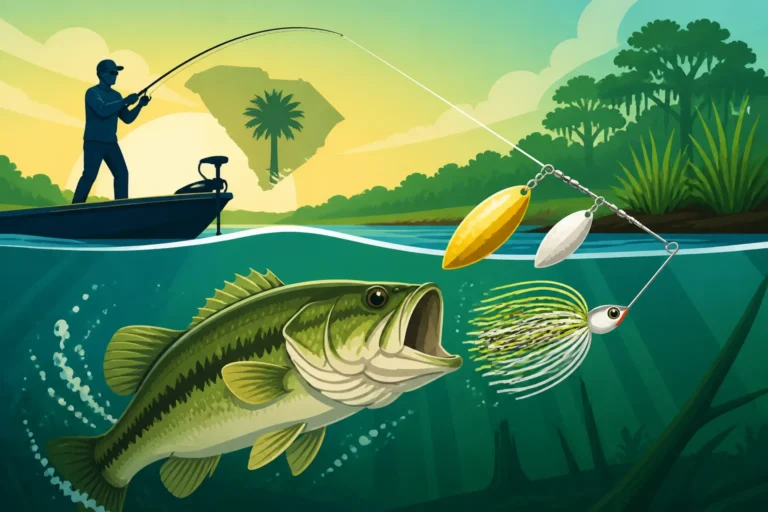
For largemouth bass in South Carolina's lakes like Murray, Hartwell, or Santee Cooper, finesse techniques truly shine. Forget the big spinnerbaits and crankbaits for a bit. Instead, reach for:
- Jigs: Football jigs or casting jigs in darker colors like black and blue, or natural tones like green pumpkin or brown. Tip them with a small creature bait or craw imitation. Fish these slowly along ledges, brush piles, and main lake points, letting them sit for extended periods on the bottom.
- Shaky Heads and Drop Shots: These are phenomenal for pinpointing fish holding tight to structure. Use a lightweight shaky head jig (1/8 oz to 1/4 oz) with a finesse worm, or a drop shot rig with a small soft plastic. These allow you to keep your bait hovering right in a fish's face, wiggling enticingly with minimal rod movement.
- Weightless Worms: A Senko-style worm rigged weightless and allowed to slowly flutter down, or slowly twitched along the bottom, can often tempt a finicky bass. Their natural, slow fall is hard for a sluggish fish to resist.
For crappie, those tasty panfish that love structure, the post-front approach is also about slowing down.
- Small Jigs: Tiny jigs, often 1/32 oz or 1/16 oz, paired with a small soft plastic grub or tube. The key is to tip them with a live minnow. This adds scent and natural movement. Fish these vertically around deep brush piles, bridge pilings, or submerged timber. How to Jig for Crappie in Deep Water is an excellent resource for refining this technique.
- Spider Rigs/Tightlining: If you're boat fishing, setting up a spider rig with multiple rods, each presenting a live minnow at a different depth, allows you to cover the water column thoroughly and find where the crappie are holding. Tightlining, which is essentially jigging or still fishing a live minnow on a very tight line, is also highly effective.
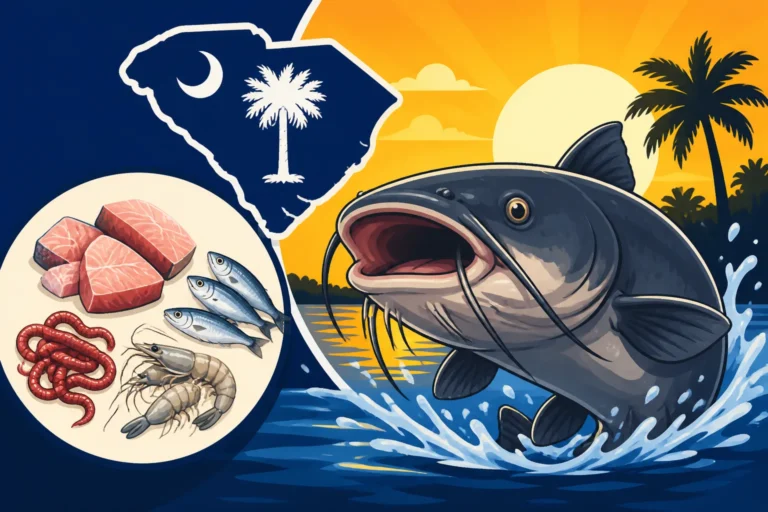
Catfish are often less impacted by cold fronts than other species, given their bottom-dwelling habits and less reliance on sight feeding. However, they can still become more lethargic. Focus on presenting strong-smelling cut bait, chicken livers, or worms directly on the bottom in deep holes of rivers like the Congaree or Santee, or in the main channels of large lakes.
Saltwater Strategies: Subtlety for Inshore Species
Along South Carolina's beautiful coast, redfish and spotted seatrout are the primary targets, and they too require a subtle approach after a cold front.
- Live Bait Rigs: Live shrimp or mud minnows are gold. Rig them on a lightweight Carolina rig or a very slow-sinking setup. Cast near oyster beds, deeper creek bends, or along the edges of channels during slack tide. If you use a popping cork, cast it out and let it sit for much longer than usual between pops, or skip the popping altogether and go for a weightless presentation.
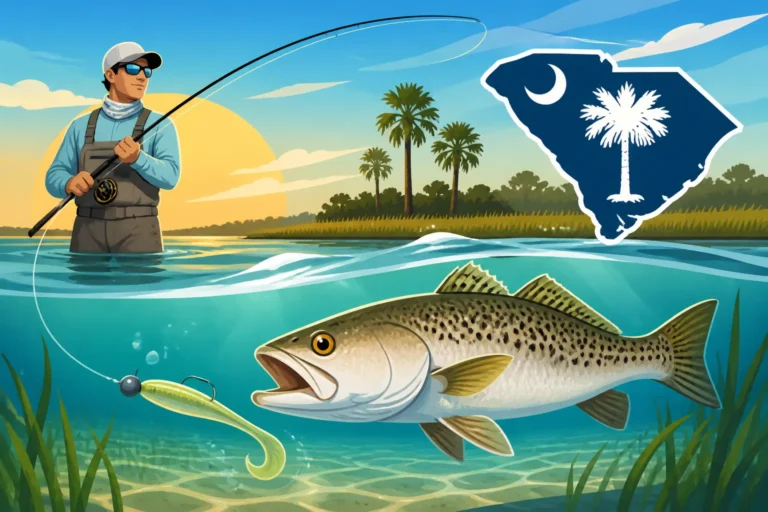
- Soft Plastics: Small soft plastic paddletails or jerk shads, especially in natural colors, can be effective. Rig them weedless with a light jig head (1/8 oz to 1/4 oz) and fish them extremely slowly. Think slow bumps, drags, and long pauses along the bottom. You're trying to imitate a stunned or dying baitfish, an easy meal for a hesitant predator. For specific options, check out Best Lures for Inshore Redfish Fishing.
- Flounder: These flatfish are already ambush predators that prefer to lie in wait, so cold fronts can make them even more stationary. Jigging Gulp! shrimp or live finger mullet/mud minnows right on the bottom, with very long pauses between lifts, is your best bet. Concentrate your efforts around channel drop-offs, docks, and submerged structures where they can bury themselves and wait for an easy meal.
platforms like Amazon offer a fantastic array of the jigs, soft plastics, and hooks you’ll need for these subtle presentations.
Locating Fish After the Front: Where to Focus Your Efforts
Knowing how to fish slowly and with finesse is only half the battle; you also need to know where to direct those efforts. Fish won't be scattered haphazardly after a cold front; they'll congregate in specific areas that offer comfort, stability, and security.
Structure and Cover: The Fish's Safe Havens
When a cold front hits, fish immediately look for places to hunker down. This means they seek out the most prominent and protective structure and cover available in their environment. These spots offer refuge from the fluctuating temperatures, increased light penetration from clear skies, and a sense of security from predators.
In South Carolina's vast freshwater reservoirs, fish will often move to deeper main lake structure. Think pronounced ledges, deep humps, submerged roadbeds, or dense stands of submerged timber. These areas provide vertical relief and stable temperatures. For instance, on a lake like Lake Murray, you might find striped bass or largemouth bass retreating to the deeper thermocline or holding tight to underwater rock piles and main river channel bends. If you're fishing rivers like the Edisto or Congaree, search for deep bends with undercut banks, large log jams, or any significant depth changes where fish can get out of the main current and find stable water. This is where understanding How to Fish Deep Structure for Bass in Summer can surprisingly apply, even outside of summer, as the principles of targeting deep structure remain relevant.
For saltwater anglers, the focus shifts to deeper pockets within marsh creeks, the edges of oyster reefs that drop off into deeper channels, and docks or bridge pilings that extend into deeper water. Redfish and spotted seatrout will often push into these areas to escape the cooler, shallower flats. Any anomaly on the bottom, a shell rakes, a sudden depth change, or a rock pile, becomes a potential holding spot.
The Sun's Influence: Finding Warmer Pockets
While fish generally go deep after a cold front, a brief reprieve can sometimes be found in areas that benefit from the sun's warmth. Even a slight increase in water temperature can be enough to trigger a short feeding window or make fish slightly more active. This is a subtle effect, but it's worth considering. You can check How Water Temperature Affects Fish Feeding for more detailed insights into this phenomenon.
In freshwater environments, look for north-facing banks (which receive more direct sunlight throughout the day) or shallow, dark-bottomed coves that are protected from the wind. These areas can absorb more solar radiation and warm up a degree or two, especially during the brightest part of the day, typically from late morning to early afternoon. Bass or crappie might briefly move into these slightly warmer, shallower areas for a quick feed before retreating again. In saltwater, shallower mud flats that are adjacent to deeper channels can also warm up faster, drawing in redfish or trout for a brief period if the tide is right. Using a water thermometer can be incredibly helpful in pinpointing these warmer pockets. It's all about playing the percentages and seeking out any small advantage you can find.
| Fish Species | Post-Front Reaction | Key Technique | Recommended Bait/Lure |
|---|---|---|---|
| Largemouth Bass | Lethargic, deep, tight to structure | Slow finesse, vertical | Shaky head, drop shot, jig (dark colors) |
| Crappie | Deep, schooling on brush/timber | Vertical jigging, tightlining | Small jig + minnow, spider rig |
| Redfish | Deep holes, channel edges, oyster beds | Slow bottom presentation | Live shrimp, mud minnow, small soft plastic |
| Spotted Seatrout | Deeper creek bends, docks, channels | Very slow retrieve, live bait | Live shrimp, small soft plastic (natural) |
| Catfish | Still deep, can be less active | Bottom fishing (strong scent) | Cut bait, chicken liver, large worms |
Fishing after a cold front in South Carolina can be challenging, but it's far from impossible. By understanding the impact of pressure and temperature changes, adapting your techniques to be slow and subtle, choosing appropriate baits, and knowing where to find fish seeking refuge, you can still have a successful day on the water. Remember to pack your patience, bundle up against that crisp air, and enjoy the peace that often comes with fishing these quieter, tougher conditions. You might not catch a boatload, but the fish you do land will feel truly earned. Before you head out, always make sure you're up to date on all regulations; for freshwater, take a look at South Carolina's Freshwater Fishing Regulations, and for saltwater, Saltwater Fishing Rules in South Carolina will be essential reading. And of course, ensure you have your South Carolina Fishing License Guide sorted out.
Disclaimer
This article is for general informational purposes only and does not constitute professional advice. Laws, prices and regulations vary by location and change over time. Consult a qualified professional for guidance on your specific situation.