Flounder Fishing Spots Near Mount Pleasant
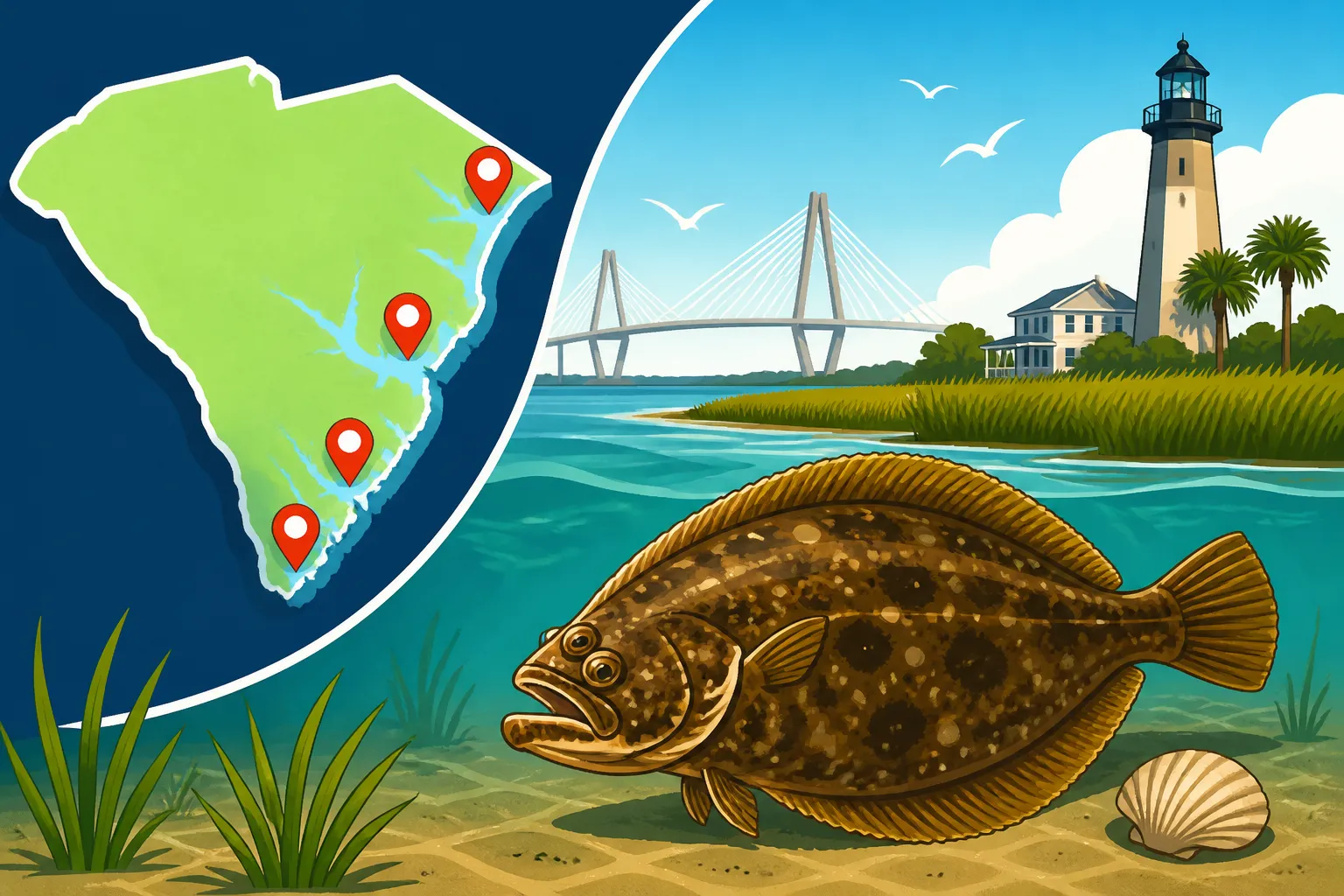
Finding those prime flounder fishing spots around Mount Pleasant, South Carolina, can sometimes feel like searching for a needle in a haystack, especially with so many beautiful creeks and estuaries winding through the Lowcountry. It's frustrating to spend a day on the water, hopeful for that tell-tale thump of a doormat flounder, only to come up empty-handed. This guide is here to cut through the guesswork, offering up the local intel you need to pinpoint productive flounder grounds in and around Mount Pleasant, along with the techniques that will put more fish in your cooler.
Understanding Flounder Behavior Near Mount Pleasant
Before you even think about casting a line, it helps to get inside the head of a flounder, or at least understand what makes them tick in the Mount Pleasant area. These flatfish are ambush predators, masters of camouflage, and they rely heavily on structure, current, and specific bottom types to hunt effectively. Knowing why they are in a certain spot is often more valuable than just knowing where to go.
Preferred Habitats and Structures
Flounder aren't just randomly spread out across the bottom; they have definite preferences when it comes to where they set up shop. Think of them as the ultimate couch potatoes of the sea, waiting for their meal to come to them. Around Mount Pleasant, this usually means targeting areas with a mix of cover and current. Oyster beds are a huge draw, offering not only hiding spots but also a buffet of small crabs and shrimp that flounder love to munch on. The jagged edges of these beds create current breaks where flounder can lie in wait.
Another prime habitat is around man-made structures like dock pilings, bridge abutments, and jetties. The shadow lines and eddies formed by these structures provide perfect ambush points. Imagine a flounder nestled right at the base of a piling, almost invisible against the sandy or muddy bottom, ready to dart out and grab a passing baitfish. Don't overlook the sandy bottoms adjacent to grass lines in tidal creeks either. These transition zones between marsh grass and open water are highways for baitfish, and flounder know it. They'll bury themselves in the sand with just their eyes poking out, perfectly blending in.
Seasonal Movements and Feeding Habits
The calendar plays a significant role in where you'll find flounder in the Mount Pleasant area. As the water temperatures fluctuate throughout the year, so do their patterns. In the cooler months of late fall and winter, flounder tend to move offshore or seek deeper, more stable waters within the estuaries, often around deeper channels or holes. This doesn't mean they're impossible to catch, but you'll have to adjust your tactics and target deeper spots.
Spring is a fantastic time as water temperatures rise, drawing flounder back into the shallower creeks and flats. They're hungry and actively feeding after the colder months. But the real peak for flounder fishing around Mount Pleasant is often late spring through fall. During these warmer months, they are abundant in the inshore waters, staging along creek mouths, shell beds, and structure. They become incredibly aggressive feeders, targeting mud minnows, finger mullet, and shrimp that are plentiful in the estuaries. Understanding these seasonal shifts is crucial for consistent success. You can learn more about general patterns in our guide to South Carolina Saltwater Fishing Seasons.
Top Flounder Fishing Spots Near Mount Pleasant
Now for the good stuff: where exactly should you drop your line to increase your chances of hooking into some tasty flounder? Mount Pleasant is blessed with an intricate network of waterways, and while many spots hold fish, some consistently outperform others.
Shem Creek and Nearby Tidal Creeks
Shem Creek itself is legendary, not just for its vibrant restaurant scene, but also for its fishing potential. While the main thoroughfare is often busy with boat traffic, the key here lies in its quieter, less-trafficked side creeks and feeder channels. These smaller arteries branch off the main creek, offering ideal ambush points. Look for areas where these creeks narrow, creating a natural funnel for baitfish, or where oyster beds line the banks. The deeper pockets and eddies right where these smaller creeks meet Shem Creek are also prime territories.
For those with a kayak or a shallow-draft boat, exploring the countless unnamed tidal creeks that feed into Shem Creek and the larger Charleston Harbor is highly recommended. These often overlooked spots can hold impressive numbers of flounder. Focus on the outgoing tide, as it pulls baitfish out of the marsh grass and past the waiting flounder. The mouths of these creeks, especially those with sandy or muddy bottoms adjacent to shell rakes, are consistently productive. If you're new to the area, a guided trip can really unlock these secrets; services like FishingBooker can connect you with experienced local captains who know these hidden gems.
Isle of Palms Connector and Intracoastal Waterway Edges
The area around the Isle of Palms Connector is another hotspot, particularly for boat anglers. The bridge structure itself, with its numerous pilings, creates excellent habitat. Flounder love to lie right at the base of these pilings, especially on the down-current side, waiting for bait to be swept past. This requires precise boat positioning and casting. The current can be strong here, so heavier jig heads or Carolina rigs are often necessary to get your bait to the bottom.
Beyond the bridge, the edges of the Intracoastal Waterway (ICW) near the connector offer promising opportunities. Look for sharp drop-offs, particularly those that transition from shallow flats to deeper channels. These ledges provide a natural current break and a distinct hiding spot for flounder. Many anglers find success by slowly drifting along these edges, bumping a live bait or jig along the bottom. The erosion around navigation markers and docks along the ICW also creates deeper scour holes that flounder will utilize. Don't forget to pay attention to current speed; the ideal scenario is often a moderate flow that brings food but doesn't make it too difficult for the flounder to strike.
Capers Island and Bulls Bay Estuaries
For anglers willing to venture a bit further north of Mount Pleasant, the pristine estuaries surrounding Capers Island and extending into Bulls Bay offer some truly exceptional flounder fishing. These areas are less developed, more remote, and consequently, can hold larger, less pressured fish. Access usually requires a boat, but the rewards can be significant. Here, you'll find expansive grass flats crisscrossed by numerous tidal creeks, vast oyster reefs, and sandbars.
The strategy in these areas often involves targeting the mouths of the larger creeks as they empty into the main bay, especially during a falling tide. The sandy pockets and deeper holes within the creeks are also prime. You'll likely encounter less boat traffic, allowing for a more relaxed and focused fishing experience. Keep an eye out for signs of baitfish, like nervous water or diving birds, as these are often indicators that predators, including flounder, are nearby. The sheer abundance of natural structure and clean water makes these estuaries a flounder angler's paradise, offering some of the Best Inshore Fishing Spots in South Carolina.
Essential Techniques and Optimal Conditions
Even the best spots won't produce if you're not using the right techniques. Flounder fishing is about presentation, patience, and knowing how to read the water.
Tides, Tackle, and Bait
When it comes to flounder, the tide is king. An outgoing tide is often considered the most productive, as it washes baitfish out of the marsh and concentrates them in channels and creek mouths, right where flounder love to ambush. However, a strong incoming tide can also be effective, pushing bait into shallower feeding zones. The key is to fish moving water; slack tide usually means slower fishing. Understanding Tide-Based Techniques for Inshore Fishing is crucial for consistent success.
For tackle, a medium-light to medium action spinning rod paired with a 2500-3000 series reel spooled with 10-15 lb braided line is a versatile setup. A fluorocarbon leader of 20-30 lb test is essential for abrasion resistance and stealth. The classic Carolina Rig is a flounder killer: a lead egg sinker (1/2 to 1 oz, depending on current), a swivel, a 12-18 inch fluorocarbon leader, and a 1/0 or 2/0 Kahle hook. This rig keeps your bait on the bottom where flounder live. Jigheads, often tipped with live bait or artificials, are also highly effective, especially when drifting or casting around structure.
As for bait, live bait reigns supreme for flounder. Mud minnows (also called tiger minnows or killifish) are perhaps the most popular and consistently productive. They're hardy and flounder can't resist them. Finger mullet are another excellent choice, especially larger ones for bigger flounder. Live shrimp can also be effective, though they're more prone to getting picked off by smaller bait stealers. For artificials, soft plastics resembling shrimp or baitfish, like those from Z-Man or Berkley Gulp!, rigged on a jighead and slowly hopped along the bottom, can be incredibly successful, especially when you need to cover more ground. Our guide on Best Bait for Flounder in Inshore Waters offers more details.
Boat, Kayak, and Bank Access Tips
The type of access you have will significantly influence your approach.
-
Boat Fishing: A boat gives you the ultimate flexibility to reach remote creeks, fish the ICW edges, and navigate around bridge pilings. When boat fishing, always pay attention to your drift. Flounder are usually facing into the current, waiting for food. A controlled drift, where your bait is bouncing along the bottom ahead of your boat, is ideal. Consider using your trolling motor to slow your drift or precisely position yourself. For those who don't own a boat but want to explore the Mount Pleasant waters, looking into Mount Pleasant Guided Fishing Trips is a fantastic option. Services like FishingBooker make it easy to find and book local charters, providing all the gear and expertise you need for a successful trip.
-
Kayak Fishing: Kayaks are perfect for silently penetrating the shallow, tight creeks that larger boats can't access. The stealth of a kayak allows you to get right on top of flounder without spooking them. Focus on paddling slowly, often with the current, and casting to creek bends, oyster bars, and any noticeable structure. The ability to slowly fan-cast areas with minimal disturbance is a huge advantage. Just be mindful of tides, as getting stuck in a shallow creek on a rapidly falling tide can be a real headache.
-
Bank Fishing: While less versatile than boat or kayak fishing, there are still opportunities for bank anglers to catch flounder near Mount Pleasant. The Shem Creek fishing pier can occasionally yield flounder, especially at its deeper end. Other options include public docks and bridges that allow foot access to tidal creeks. The key for bank anglers is patience and targeting points, creek mouths, or deeper holes that are accessible from shore. Casting parallel to a grass line on a falling tide can be surprisingly effective. Always check local regulations to ensure fishing is permitted from your chosen bank access point.
Mount Pleasant Flounder Fishing Year-Round Considerations
While flounder can be caught throughout much of the year, certain times and conditions stack the odds heavily in your favor. Being aware of these factors will help you plan your trips more effectively.
Best Times of Year and Weather Factors
The prime flounder fishing season in Mount Pleasant generally runs from late spring through early fall, roughly April to October. During this period, the water temperatures are consistently warm, and the estuaries are teeming with baitfish, leading to highly active flounder. The peak often occurs in late summer and early fall when flounder are feeding heavily before they begin their migration offshore for spawning. You'll find these fish in their most aggressive state, willing to hit a variety of baits and lures. This is often when you catch the larger "doormat" flounder.
Weather conditions also play a significant role. Overcast days can sometimes be beneficial as they reduce light penetration, making flounder less wary and more likely to feed throughout the day. However, flounder are bottom dwellers, so bright, sunny days don't necessarily shut them down, especially if you're fishing deeper or around heavy cover. What can impact them is strong winds that churn up the water, making it murky and difficult for them to see bait, and making it challenging for you to maintain a good feel for the bottom. Post-cold front conditions, characterized by high pressure and clear skies, can sometimes make fish lethargic, so a stable weather pattern is generally preferred.
Navigating Regulations and Ethical Angling
Before you even make your first cast, it is absolutely paramount to familiarize yourself with the current South Carolina fishing regulations for flounder. These regulations, particularly slot limits and bag limits, can change, so always check the latest guidelines published by the South Carolina Department of Natural Resources (SCDNR). The slot limit dictates the minimum and maximum size fish you can keep, while the bag limit specifies how many you can harvest per day. Following these rules is not just about avoiding fines; it's about ensuring the sustainability of our beloved flounder population for future generations. Our detailed guide on South Carolina Flounder Fishing Regulations Explained can give you the most up-to-date information.
Beyond just following the rules, ethical angling practices are crucial. If you're targeting flounder, try to use tackle appropriate for the size of the fish to minimize stress during the fight. When releasing fish, handle them gently, supporting their body, and return them to the water as quickly as possible, especially if they are undersized or out of the slot. Consider using circle hooks with live bait, as they tend to hook fish in the corner of the mouth, reducing gut-hooking and improving survival rates for released fish. Remember, everyone needs a valid South Carolina Fishing License Guide when fishing in public waters, so make sure yours is up to date before you head out. By being responsible anglers, we all contribute to a healthier fishery in Mount Pleasant.
| Flounder Spot Type | Best Tide | Recommended Bait | Notes |
|---|---|---|---|
| Tidal Creek Mouths | Outgoing | Live Mud Minnow | Fish edges of grass and oyster beds |
| Bridge Pilings | Both | Live Finger Mullet | Position up-current, cast to down-current side |
| ICW Ledges | Both | Live Shrimp / Jighead | Drift slowly, feel for drops and structure |
| Oyster Rakes | Outgoing | Live Mud Minnow | Cast to breaks in current, sandy pockets |
| Shallow Flats (adj. to deep water) | Incoming | Live Mud Minnow | Work edges, especially during warmer months |
Conclusion
Flounder fishing around Mount Pleasant offers some of the most rewarding experiences in the Lowcountry, blending the thrill of the hunt with the delicious reward of fresh catch. By understanding their behavior, focusing on these proven local hotspots, and employing the right techniques for the conditions, you'll significantly increase your chances of success. Whether you're patiently soaking a live bait on a Carolina rig near a Shem Creek oyster bed, or aggressively hopping a jighead along an ICW drop-off, remember that patience and persistence are your greatest assets. So grab your gear, pay attention to the tides, and get out there to explore the incredible flounder fishery that Mount Pleasant has to offer!
Disclaimer
The information provided in this guide is for general informational purposes only and is not intended as legal advice regarding fishing regulations. Fishing regulations, seasons, and licensing requirements in South Carolina are subject to change. Always consult the official South Carolina Department of Natural Resources (SCDNR) website or their current regulations handbook before engaging in any fishing activities to ensure compliance with all applicable laws and rules.