Edisto River Fishing Spots in South Carolina
It can be incredibly challenging to pinpoint those truly special fishing destinations, especially when you're looking for something a bit different than the typical lake or coastal hotspot. Navigating the sheer volume of information to find accessible, productive, and unique fishing grounds can feel like searching for a needle in a haystack. This comprehensive guide is designed to cut through that noise, focusing specifically on the Edisto River, South Carolina's magnificent blackwater gem, to help you discover its best fishing spots, target species, and essential techniques.
Why the Edisto River is a Premier Fishing Destination
The Edisto River holds a special place in the hearts of many South Carolina anglers, and for good reason. As one of the longest free-flowing blackwater rivers in North America, it offers a pristine, unadulterated fishing experience that sets it apart from many other waterways in the state. Its winding, tannin-stained waters, dense cypress and tupelo swamps, and incredibly diverse ecosystem create an environment unlike any other, promising both challenge and immense reward for those willing to explore its depths.
The Blackwater Charm and Ecosystem
What exactly is a "blackwater" river, and why does it matter for fishing? The Edisto River earns its name from the dark, tea-colored appearance of its water, which is caused by tannins leaching from decaying leaves and vegetation in the surrounding swamps. This natural staining creates a unique underwater environment with lower visibility, impacting how fish behave and how anglers approach them. The dense canopy overhead and the dark water often mean cooler, shadier conditions, even on bright days, which can be a huge advantage for fish and fishermen alike during the hot South Carolina summers.
This rich, organic ecosystem is a vibrant nursery for countless species. The slow-moving, meandering nature of the river, coupled with its countless oxbows, sloughs, and backwater ponds, provides an abundance of varied habitats. From shallow, weed-choked flats to deep, log-strewn holes, the Edisto offers every type of structure a fish could want, supporting a robust food chain that keeps game fish healthy and plentiful.
Ecological Importance and Conservation Efforts
Beyond its fishing appeal, the Edisto River is an ecological treasure. It's home to a remarkable array of wildlife, including alligators, various bird species, turtles, and an impressive diversity of fish. Its relatively undisturbed nature has made it a focus for conservation, with efforts aimed at preserving its unique blackwater character and ensuring its health for future generations. This commitment to conservation directly benefits anglers, as it helps maintain healthy fish populations and a pristine environment to enjoy.
Organizations and state agencies like the South Carolina Department of Natural Resources (SSCDNR) actively monitor the river's health and fish stocks, implementing regulations to ensure sustainable fishing practices. Anglers fishing the Edisto play a crucial role in these efforts by adhering to South Carolina's Freshwater Fishing Regulations and reporting any unusual observations. This shared responsibility helps keep the Edisto a vibrant and productive fishery.
Unique Features for Anglers
The Edisto's unique characteristics present both challenges and exciting opportunities. Its narrow passages, submerged timber, and often swift currents demand keen observational skills and precise casting. However, these same features provide ample ambush points for predatory fish, often concentrating them in predictable locations. Unlike large, open lakes, the Edisto’s intimate scale means that a small boat, canoe, or kayak can access many prime areas that larger vessels cannot, opening up a world of secluded fishing spots.
For those who prefer a more tranquil fishing experience, the Edisto is a haven. The dense tree cover minimizes wind, and the river's remote sections offer a sense of solitude that's hard to find elsewhere. It’s an ideal river for exploring, drifting quietly, and truly immersing yourself in nature, all while targeting some fantastic fish.
Key Fish Species You'll Encounter on the Edisto
The Edisto River is a true multi-species fishery, offering something for every angler, regardless of their preferred target. Its diverse habitats support a robust population of both popular game fish and delightful panfish, ensuring that action is almost always within reach. Understanding what species inhabit these blackwater flows is the first step to a successful outing.
Largemouth Bass and Panfish Galore
When it comes to freshwater fishing in South Carolina, largemouth bass are often king, and the Edisto River certainly delivers. The river's abundant cover—from cypress knees and fallen logs to lily pads and submerged vegetation—provides ideal habitat for these aggressive predators. Anglers can expect to find bass throughout the river system, particularly in the quieter oxbows, creek mouths, and shaded bends where they lie in wait for unsuspecting prey. While trophy bass are present, the Edisto is known for producing a healthy number of solid keeper-sized fish. If you're chasing that next big catch, consider checking out a South Carolina Largemouth Bass Record Chasers Guide.
But the Edisto isn't just about bass. It's an absolute paradise for panfish enthusiasts. Bluegill, redbreast sunfish, and shellcrackers (redear sunfish) thrive in the Edisto's clear, warm waters. These feisty fighters offer constant action, making them perfect targets for beginners, kids, or anyone looking for a relaxing day on the water. They are often found in large schools around docks, brush piles, and shallow vegetation, and are incredibly fun to catch on light tackle.
Catfish: Flatheads and Channel Cats
For those who enjoy a strong pull and the possibility of a truly massive catch, the Edisto River is a prime destination for catfish. Both channel catfish and the notoriously large flathead catfish call these waters home. Channel cats are plentiful throughout the system and can be caught using a variety of baits and techniques, often providing consistent action. They tend to congregate in deeper holes, around fallen trees, and in areas with a moderate current.
Flathead catfish, on the other hand, are the river's true giants. These powerful fish prefer deep, slow-moving water with plenty of overhead cover, like log jams and undercut banks. Targeting flatheads requires heavier gear and a bit more patience, but the reward of landing a 20, 30, or even 50-pound flathead is an experience you won't soon forget. They are primarily predatory, often preferring live bait such as sunfish or small eels. To learn more about targeting these bottom dwellers, consider diving into How to Bottom Fish for Catfish.
Diverse Other Species
While bass, panfish, and catfish dominate the angling scene, the Edisto River also supports a variety of other interesting species that can provide unexpected excitement. Crappie, both black and white, are present, particularly in the deeper, brushier sections and oxbows, offering a tasty alternative for anglers. Warmouth, another type of sunfish, are also commonly caught, known for their aggressive strikes and good eating quality.
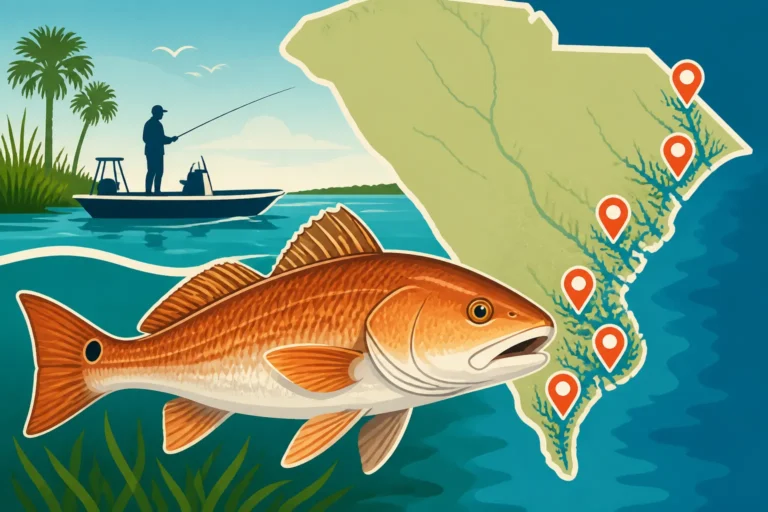
During certain times of the year, particularly in the lower, more brackish reaches of the river, anglers might even encounter saltwater species that push far upriver. This can include anything from striped bass, which are also a major draw in South Carolina rivers, to the occasional redfish or flounder venturing upstream. This unique blend of freshwater and occasional saltwater visitors truly highlights the Edisto's ecological richness.
Top Fishing Spots and Access Points Along the Edisto
The Edisto River stretches for over 250 miles, offering a vast array of fishing opportunities from its upper reaches near the "Forks" to its tidal estuary. Knowing where to access the river and what to expect in each section can make all the difference in planning a successful trip. The river changes character significantly along its course, so let's break down some prime areas.
Upriver: From the Forks to Branchville
The upper Edisto, where the North Fork and South Fork converge to form the main stem, offers a more intimate, winding river experience. This section is characterized by narrower channels, abundant downed timber, and dense forest canopy, making it a fantastic destination for smaller boats, canoes, and especially kayaks. Access here is often through informal launch sites or smaller public landings. One popular area is near the town of Branchville, where several bridges provide easy bank access or informal put-in spots for kayaks.
Fishing in this upper section is primarily focused on largemouth bass and various panfish. The numerous log jams and submerged trees create excellent habitat for bass, which ambush prey from cover. Anglers drifting slowly and pitching jigs, spinnerbaits, or Texas-rigged worms into these structures can find consistent action. For panfish, targeting shaded areas around brush piles and slow-moving eddies with crickets, worms, or small jigs is highly effective. Remember, the dark water here means fish often rely more on scent and vibration than sight, so noisy lures or live bait can be particularly effective.
Mid-River: Around Givhans Ferry State Park
As the Edisto flows further south, it widens and deepens in sections, offering a slightly different experience. A standout location in this mid-river stretch is around Givhans Ferry State Park. This state park is not only a beautiful spot for camping and recreation but also offers excellent public access to the river. There's a well-maintained boat ramp that can accommodate larger john boats and even small bass boats, along with ample opportunities for bank fishing or launching kayaks. You can find more details about Givhans Ferry State Park Fishing Spots on the Edisto River if you plan to visit.
The waters around Givhans Ferry are known for producing good numbers of largemouth bass, catfish, and panfish. The river here still retains its blackwater charm but opens up in places, offering longer stretches for trolling or drifting. Anglers targeting catfish will find deeper holes and bends where they can set up bottom rigs with cut bait or chicken livers. For bass, look for submerged timber, cypress stands, and the mouths of smaller creeks entering the main river. The state park also provides convenient facilities, making it a great option for families or those seeking a more comfortable outing.
Lower Edisto: Towards the Estuary and Beyond
As the Edisto River continues its journey towards the coast, it begins to widen considerably and eventually becomes tidal, leading into the vast saltwater marshes and the Atlantic Ocean. This lower section, particularly below the Highway 17 bridge near Jacksonboro, offers a unique blend of freshwater and brackish water fishing. Access points here typically include larger public boat landings capable of handling various boat sizes.
In these lower reaches, while freshwater species like bass, catfish, and panfish are still present, you'll start to encounter more brackish and saltwater species. Redfish, spotted seatrout, and even flounder can be found pushing upriver on incoming tides, especially during the warmer months. This creates exciting opportunities for anglers to target a mixed bag of species. Focus on marshy creeks, oyster beds, and the edges of spartina grass lines for saltwater invaders, while still checking deeper holes and structure for freshwater favorites. This transition zone is incredibly dynamic, and the fishing can be exceptional, offering a taste of both worlds.
Effective Fishing Techniques for Edisto River Anglers
Mastering the Edisto River requires adapting your techniques to its unique blackwater environment and diverse fish populations. What works on a clear-water lake might not be as effective here, so a flexible approach and an understanding of the river's nuances are key to consistent success.
Bank and Kayak Fishing Strategies
The Edisto River is an absolute dream for bank anglers and those who prefer the quiet approach of a kayak or canoe. For bank fishing, look for public access points like those at Givhans Ferry State Park, bridge crossings, or small roadside pull-offs that offer safe entry to the water's edge. Targeting downed trees, brush piles, and any sudden changes in depth close to the bank can be incredibly productive for bass and panfish. A simple worm and bobber rig or a small spinnerbait cast parallel to the bank can yield excellent results. For catfish from the bank, a heavy bottom rig with a strong hook and smelly bait deployed in deeper pockets is often the ticket.
Kayak fishing on the Edisto is perhaps the most rewarding way to experience the river. The maneuverability of a kayak allows you to silently navigate narrow channels, paddle into secluded oxbows, and effectively target fish hiding deep within cover. Paddle quietly, using your stealth to get close to prime areas without spooking fish. Flipping and pitching jigs or soft plastics into tight cover, or slowly trolling small crankbaits along cypress tree lines, are highly effective Edisto River Kayak Fishing Spots techniques. Always be aware of currents and potential hazards like submerged logs when paddling.
Lures and Baits That Get Bites
Given the Edisto's blackwater characteristics, choosing the right lures and baits often means favoring options that create strong vibrations, offer a distinct profile, or emit an enticing scent. For largemouth bass, spinnerbaits with large, thumping blades (like Colorado blades) are excellent choices, especially in stained water, as they create a lot of disturbance. Buzzbaits can be deadly topwater lures, particularly in low light conditions or when fish are active near cover. Soft plastics, such as Texas-rigged worms or creature baits in darker colors (junebug, black, plum), are also highly effective when pitched into heavy cover. Don't forget to consider a Best Bait for Largemouth Bass in South Carolina Lakes guide for more specific recommendations.
When it comes to panfish, live bait is often king. Crickets, red worms, and small earthworms fished under a bobber are irresistible to bluegill and redbreast sunfish. Small jigs (1/32 to 1/16 ounce) in bright colors like chartreuse, pink, or white, tipped with a piece of grub or a crappie nibbler, also work wonders. For catfish, the scent factor is paramount. Cut bait (shad, mullet), chicken livers, and prepared stink baits are perennial favorites for both channel and flathead catfish.
Reading the Current and Structure
Understanding how current and structure interact is vital for consistently catching fish on the Edisto. Even in a relatively slow-moving blackwater river, current plays a significant role in positioning fish. Fish will often hold in slack water areas adjacent to stronger currents, conserving energy while waiting for food to be swept past them. Look for eddies behind fallen trees, inside bends of the river, and the downstream side of submerged humps.
Structure on the Edisto is abundant. Cypress trees, tupelo gums, log jams, underwater stumps, lily pad fields, and grass lines are all prime targets. Each type of structure offers unique ambush points and cover for fish. For example, bass will often hug the shady side of a cypress tree or sit just on the edge of a lily pad field. Catfish will typically relate to deeper holes and heavy log jams where they can hide and ambush larger prey. Pay close attention to your depth finder (if using a boat) and observe any visible changes in the riverbed or shoreline, as these often indicate prime holding areas for fish.
Seasonal Considerations for Edisto River Fishing
Fishing the Edisto River is a year-round affair, but the tactics you employ and the species you target will undoubtedly shift with the seasons. Understanding these seasonal patterns is crucial for maximizing your success and making the most of what the river has to offer.
Spring: Spawning Frenzy
Spring on the Edisto River is arguably one of the most exciting times to fish. As water temperatures begin to rise, fish become incredibly active, driven by their spawning instincts and a renewed hunger after the cooler winter months. Largemouth bass move into shallower waters, often around protected coves, lily pad fields, and flooded timber, to spawn. During this time, sight fishing can be effective in clearer backwater areas, but even in the stained blackwater, bass will be aggressive towards nesting intruders. Spinnerbaits, chatterbaits, and soft plastics fished around visible cover are excellent choices.
Panfish, including bluegill and redbreast sunfish, also enter their spawning cycles in the spring and early summer. They create beds in shallow, sandy, or gravely areas, often congregating in large numbers. This makes them incredibly accessible and fun to catch on light tackle with crickets or worms. Catfish also become more active, moving into shallower waters to feed more aggressively before and during their own spawning period, which typically happens a bit later in the spring or early summer.
Summer: Heat and Deep Water
Summer on the Edisto can be challenging, but it's far from unproductive. The intense heat means fish often seek refuge in deeper, cooler water or in heavily shaded areas with good cover. Early mornings and late evenings often provide the best bite, as fish venture out from their daytime retreats to feed. During the middle of the day, focus your efforts on deep bends, log jams, and the shadiest sections of the river. Bottom fishing for catfish becomes particularly productive in these deeper areas, especially at night.
For bass, try pitching heavy jigs or creature baits into dense cover, or target them with topwater lures during low-light conditions. Frogs and weedless soft plastics can be very effective over lily pads and thick vegetation where bass are hiding from the sun. Panfish can still be found in shaded shallows, especially around submerged brush or docks, and will readily hit small worms or crickets. Remember to stay hydrated and protect yourself from the sun during summer outings.
Fall and Winter: Cooler Bites
As fall arrives, the Edisto River comes alive again. Water temperatures cool, and fish, especially bass and panfish, begin to feed heavily in preparation for winter. This is a fantastic time for aggressive fishing, as fish are often found shallow, chasing baitfish. Spinnerbaits, crankbaits, and topwater lures can be incredibly effective during the fall, especially around areas where baitfish are schooling. The changing leaves also add a beautiful backdrop to your fishing adventure.
Winter on the Edisto sees fish movements slow down, but it doesn't mean fishing stops. Fish become more lethargic and often congregate in deeper, more stable temperature zones. Targeting deep holes, brush piles, and river channels for catfish, crappie, and even sluggish bass can be very rewarding. Slow-moving baits like jigs, spoons, or live minnows for crappie, and cut bait for catfish, are generally the most productive. While the bite might be slower, winter fishing often yields some of the biggest fish of the year for those with patience.
Planning Your Edisto River Fishing Adventure
Embarking on a fishing trip to the Edisto River requires a bit of preparation to ensure a safe, enjoyable, and successful experience. From understanding the practicalities of gear to navigating regulations, a little foresight goes a long way.
Essential Gear and Safety Tips
Given the Edisto’s diverse fishery, a versatile medium-light to medium-heavy spinning or baitcasting rod and reel combo is a good starting point for most anglers. Spool your reels with 8-12 lb monofilament or fluorocarbon, or 20-30 lb braided line for added strength when fishing around heavy cover. Beyond your rod and reel, make sure you have a tackle box stocked with a variety of lures (spinnerbaits, soft plastics, topwater frogs) and live baits (worms, crickets, cut bait) to cover your bases. A pair of pliers for hook removal, a net for landing fish, and a cooler for your catch are also essential.
Safety on the blackwater river is paramount. Always wear a personal flotation device (PFD) if you're in a boat or kayak, especially when navigating unfamiliar waters or strong currents. Inform someone of your float plan, including your intended route and return time. Bring plenty of water, sunscreen, insect repellent (mosquitoes and gnats can be plentiful), and a first-aid kit. Be mindful of wildlife, particularly alligators, which are common residents of the Edisto. Observe them from a distance and never feed them.
Hiring a Local Guide or Charter
While the Edisto River offers fantastic DIY opportunities, if you're new to the area or want to maximize your chances of success, hiring a local guide is an invaluable investment. A seasoned guide knows the river intimately—its hidden channels, productive eddies, and seasonal fish patterns. They can provide all the necessary gear, bait, and local knowledge, significantly cutting down your learning curve and increasing your chances of a memorable catch. Guides are particularly beneficial for targeting specific species or navigating challenging sections of the river.
Platforms like FishingBooker are excellent resources for finding reputable, experienced fishing guides who specialize in the Edisto River. You can browse local guides, read reviews from other anglers, and book a trip that suits your preferences, whether it's a half-day bass trip or a full-day catfish adventure. A good guide will also ensure you're fishing legally and sustainably.
Understanding Regulations and Licenses
Before you even think about casting a line, it's crucial to understand the fishing regulations specific to South Carolina and the Edisto River. Every angler aged 16 and older needs a valid South Carolina fishing license. For most of the Edisto, a freshwater fishing license will suffice, but if you plan to fish the lower, tidal sections where saltwater species might be present, you might consider a combination license or be aware of saltwater regulations. You can easily obtain your South Carolina Fishing License Guide online through the SCDNR website or from authorized vendors.
Always be aware of bag limits, size restrictions, and seasons for the species you intend to target. These regulations are in place to ensure the health and sustainability of the fishery. For instance, specific rules apply to largemouth bass, catfish, and any potentially encountered brackish water species. Penalties for fishing without a license or violating regulations can be steep, so it's always best to be prepared. Take a moment to review the South Carolina Annual Fishing License Price Breakdown to choose the right option for your trip.
| Section of Edisto River | Primary Target Species | Best Access Type | Ideal Techniques | Key Features |
|---|---|---|---|---|
| Upper Edisto (Forks to Branchville) | Largemouth Bass, Bluegill, Redbreast Sunfish | Kayak, Canoe, Small Jon Boat, Bank | Flipping/Pitching Jigs, Spinnerbaits, Worm/Bobber | Narrow, winding, dense cover, more secluded |
| Mid-Edisto (Givhans Ferry area) | Largemouth Bass, Channel Catfish, Panfish | Mid-sized Boat (Jon, Bass), Kayak, Bank | Bottom Fishing, Trolling, Casting Soft Plastics | Widens in sections, good public facilities at State Park |
| Lower Edisto (Below Jacksonboro) | Largemouth Bass, Catfish, Redfish, Spotted Seatrout | Larger Boats, Kayak, Bank | Live Bait, Jigging, Popping Corks, Trolling | Tidal influence, brackish water, marshy creeks |
Disclaimer
Fishing conditions and regulations in South Carolina can change. Always consult the latest South Carolina Department of Natural Resources (SCDNR) guidelines before heading out on your fishing trip to ensure compliance and safety.