Best Bait for Largemouth Bass in South Carolina Lakes
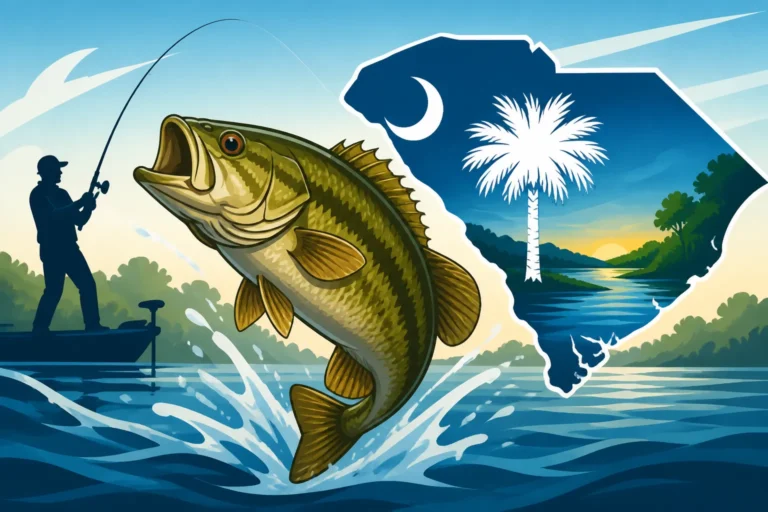
It's a common frustration for anglers visiting or new to South Carolina's beautiful lakes: you've got your rod, your reel, and all the excitement in the world, but staring at that tackle box, you wonder, "What's the best bait for largemouth bass here?" The truth is, there's no single magic bullet, but understanding what these feisty fish are looking for, when, and where, will absolutely transform your success. This guide is all about equipping you with the knowledge to pick the perfect offering for those South Carolina largemouth.
Understanding Largemouth Bass Behavior in South Carolina Lakes
Before you even think about tying on a lure or baiting a hook, it’s crucial to get inside the head of a largemouth bass. These creatures are driven by instinct – primarily feeding and reproduction – and these drives shift dramatically with the seasons and their environment in the diverse waters of the Palmetto State. Knowing their habits is the first step to choosing the right bait.
Seasonal Feeding Patterns
Just like us, largemouth bass have different "moods" and appetites throughout the year. What works in the heat of summer probably won't cut it in the chill of winter.
Spring: The Feast Before the Fast
Ah, spring! This is arguably the most exciting time for bass fishing in South Carolina. As water temperatures begin to climb from the winter lows, usually starting in late February or early March, the bass start to shake off their lethargy.
- Pre-Spawn: This period is all about bulking up. Bass are ravenously feeding to gain energy for the upcoming spawn. They'll often move from deeper wintering holes into shallower, warmer coves and flats, looking for easy meals. Big, easy-to-spot baits that mimic large prey fish or crawfish are excellent choices now. They're not overly cautious and will chase down a meal. You can find some great insights into this period in Bass Fishing Techniques for Spring Pre-Spawn.
- Spawn: Once the water temperature consistently hits the mid-60s Fahrenheit, bass begin to bed. During the actual spawning process, their primary focus shifts entirely to reproduction and protecting their nests. They're less interested in feeding and more interested in defending. Baits presented directly to a bed, often provoking a strike out of irritation rather than hunger, can be effective, but many anglers prefer to leave bedding fish alone to ensure future generations.
- Post-Spawn: After the spawn, female bass are exhausted and often retreat to slightly deeper water to recover. Males remain on the beds for a while to guard the fry. This can be a tricky time as some fish are still lethargic, while others are starting to feed aggressively again to regain lost energy. Smaller, more subtle baits can be key here, as they're not always ready to chase a big meal.
Summer: Deep Dives and Early Bites
When the South Carolina summer sun beats down, surface water temperatures can soar. This pushes many largemouth bass deeper into the water column, especially during the brightest parts of the day.
- Mid-Day Retreat: Bass will seek out cooler, more oxygenated water. This means looking for them in deeper offshore structures like ledges, humps, and submerged timber. They'll often school up during this time. To learn how to reach these fish, check out How to Fish Deep Structure for Bass in Summer.
- Dawn and Dusk Aggression: The coolest parts of the day—dawn and dusk—are prime feeding times in summer. Bass will move shallower during these low-light conditions to ambush prey. Topwater action can be incredible during these windows. Consider the advice in What Time of Day Do Bass Bite Best? to maximize your chances.
Fall: The Autumn Ambush
As temperatures begin to drop in the autumn, largemouth bass kick into high gear, often mirroring their pre-spawn aggressiveness. This is another fantastic time to fish.
- Forage Frenzy: Bass are trying to pack on weight for the lean winter months. They'll often chase schooling baitfish like shad into the backs of coves or along creek channels. Fast-moving reaction baits often shine during this period.
- Shifting Depths: As fall progresses and water cools, bass might move shallower or deeper depending on the day's conditions, often following the baitfish. Staying versatile with your bait choices and presentation is key.
Winter: Slow and Steady
Winter fishing for largemouth bass in South Carolina can be challenging but incredibly rewarding for those with patience.
- Reduced Metabolism: Bass's metabolism slows significantly in cold water, meaning they eat less frequently and are less willing to expend energy chasing food.
- Deep and Subtle: They'll typically hold in deeper water, often near significant structure or cover, and bites can be incredibly subtle. Finesse techniques and slow presentations with small baits are often necessary to entice a strike.
Habitat Preferences and Forage
Knowing where bass live and what they eat specifically in South Carolina's lakes is paramount. Different lakes have different primary forage bases, and bass will always key in on what's most readily available.
Structure: The Bass Highway System
Structure refers to changes in the lake bottom's topography. Think about it like a highway for fish.
- Ledges and Humps: These underwater elevation changes are classic bass hangouts, especially in larger reservoirs like Lake Murray or the Santee Cooper Lakes. Bass will use these areas to ambush baitfish moving between deep and shallow water. Crankbaits, jigs, and Carolina-rigged worms are fantastic here.
- Points and Channel Swings: Points that extend into the lake and sudden bends in creek or river channels are also prime locations. These bottlenecks funnel baitfish, making them ideal ambush spots for bass.
Cover: The Bass's Living Room
Cover is anything that provides protection, shade, or an ambush point on the structure. This is where bass feel safe and can hide from prey.
- Brush Piles and Submerged Timber: These are goldmines. Whether natural fallen trees or man-made fish attractors, brush piles offer excellent cover for both bass and their prey. Jigs, Texas-rigged worms, and weedless creature baits are perfect for these snags.
- Vegetation (Lily Pads, Hydrilla, Grass Beds): Many South Carolina lakes are rich in aquatic vegetation. This dense cover provides shade, oxygen, and a home for baitfish. Bass will often hide in or on the edges of these beds. Frogs, swim jigs, and punching baits are essential tools.
- Docks and Piers: Human-made structures like docks and piers offer shade and cover, attracting baitfish and, consequently, bass. Skipping soft plastics or jigs under docks can be incredibly effective, especially in highly pressured areas. You might be interested in Best Largemouth Bass Spots on Lake Murray, South Carolina for specific examples.
Prey: The South Carolina Bass Menu
Largemouth bass are opportunistic predators. While they'll eat just about anything they can fit in their mouths, certain prey items dominate their diet in South Carolina.
- Shad: Threadfin and Gizzard shad are a primary food source in many of South Carolina's major reservoirs. Lures that imitate shad, in terms of size, profile, and color, are often incredibly effective.
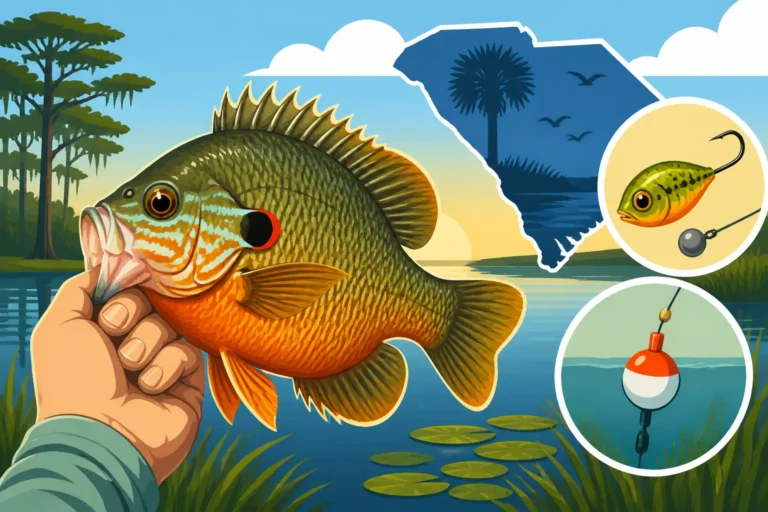
- Bluegill and Other Panfish: These smaller sunfish are a staple for larger bass. Any bait that mimics the wide, pan-shaped profile of a bluegill can be deadly, especially for trophy-sized bass.
- Crawfish: These crustaceans are a favorite meal for bass, particularly in rocky or hard-bottomed lakes and rivers. Jigs and creature baits that resemble crawfish are almost always a good bet.
- Frogs and Lizards: Bass will readily strike frogs moving across the surface or lizards swimming through cover. Topwater frogs are especially popular in lily pad fields.
Live Bait: The Natural Advantage
When it comes to pure, undeniable effectiveness, it's tough to beat live bait for largemouth bass. There's something about the natural movement, scent, and texture that bass just can't resist, especially when they're a bit finicky.
Shiners and Minnows
These are classic live baits for a reason. Their natural movements are often irresistible to hungry bass.
- Effectiveness and Presentation: Shiners and minnows mimic natural baitfish, a primary food source for bass in many South Carolina lakes. For rigging, a simple hook (size appropriate for the bait) through the lips or just behind the dorsal fin allows the bait to swim naturally. You can fish them under a bobber in shallower water, free-line them, or use a slip-sinker rig to get them down to deeper structure. The key is to let the shiner do the work; its frantic swimming will often trigger a strike.
- Pros and Cons: The biggest pro is their effectiveness. Bass are accustomed to eating these types of fish. However, there are cons. Keeping them alive can be a hassle, requiring aerated bait buckets, and they can be pricey if you're buying a lot. Plus, they can be delicate. If you're looking for where to acquire these, local bait shops are your best bet.
Crayfish and Worms
Mimicking the bottom-dwelling meals that bass often encounter, crayfish and worms offer different advantages.
- Crayfish: The Bottom Snack: Crayfish are a protein-packed meal for bass, especially in lakes with rocky bottoms. You can rig a live crayfish by hooking it lightly through the tail or the very back of its carapace. Present it near cover or structure on the bottom, letting it scuttle around naturally. Bass often grab them on the fall or as they're trying to hide. This is a fantastic choice for those bigger, lazier bass.
- Worms: The Universal Attractor: While nightcrawlers might be more synonymous with panfish or catfish, a large, lively nightcrawler can definitely tempt a largemouth, especially after a rain. Rig them wacky style or Texas-rigged for a more weedless presentation. Their scent and movement are very natural.
- Pros and Cons: Crayfish are incredibly effective, especially for larger bass, but can be hard to find and keep alive. Worms are widely available and relatively easy to keep, offering a strong scent trail and natural action, but smaller fish can often pick at them.
Bluegill and Other Panfish
For those targeting truly massive largemouth, larger live baits like bluegill can be the ticket.
- Legality and Effectiveness: Before using any live game fish as bait, always double-check the current South Carolina Fishing Regulations – specifically, any rules regarding the use of game fish as bait. Assuming it's legal, a live bluegill, particularly one in the 4-6 inch range, is a natural predator's meal. Hook them through the back near the dorsal fin (avoiding the spine) or through the lips. Fish them near heavy cover where trophy bass lurk.
- Presentation for Trophy Bass: This isn't about numbers; it's about targeting a lunker. Use heavy enough tackle to handle a potential monster bass. A slip bobber rig can keep the bluegill at a specific depth over submerged cover, or free-line it with just a hook near deep ledges. The struggle of a live bluegill is a powerful attractant.
- Pros and Cons: The main pro is the potential for a truly giant bass. The cons include the effort required to catch your own bait (most bait shops don't sell bluegill as bait), the specific regulations that might apply, and the fact that you'll likely get fewer bites than with smaller baits. Remember that these larger baits are often for dedicated trophy hunters.
Artificial Lures: Versatility and Strategy
Artificial lures offer incredible versatility, allowing you to imitate virtually any forage and adapt to countless fishing conditions. Plus, you don't have to worry about keeping them alive! The modern angler's tackle box is a treasure trove of innovation, and many excellent options can be found easily, sometimes even with just a few clicks online.
Soft Plastics: Worms, Creatures, and Senkos
Soft plastics are perhaps the most versatile category of bass lures, capable of being fished in almost any situation.
Rigging for Success: Texas, Carolina, Wacky
The effectiveness of soft plastics often comes down to how you rig and present them.
- Texas Rig: This is the ultimate weedless rig, perfect for fishing in thick cover like grass, brush piles, or lily pads. You thread the worm or creature bait onto the hook, then embed the hook point back into the plastic body, making it virtually snag-proof. This allows you to punch through vegetation and get right into a bass's living room. A bullet weight typically precedes the hook, allowing it to penetrate cover. This rig is great for imitating a crawfish digging or a worm wiggling.
- Carolina Rig: When bass are holding deeper or scattered over a wide area, the Carolina rig shines. It uses a heavy sinker separated from the hook by a swivel and a leader, allowing your soft plastic bait to float or drift more freely behind the weight. This provides a very natural, weightless presentation, mimicking a baitfish or crawfish just off the bottom. It's excellent for fishing deeper points, humps, and ledges in lakes like Lake Hartwell.
- Wacky Rig: A favorite for its incredibly natural, fluttering fall, the wacky rig involves hooking a stick bait (like a Senko) directly through its middle. As it falls, both ends of the worm wiggle enticingly. It's best used in open water or around sparse cover, as it's not weedless, but its subtle action can be deadly on pressured fish. You can find a huge variety of these plastics and the hooks needed on Amazon, making it easy to experiment with different colors and styles.
Versatility and Situations
The sheer variety of soft plastics means there's almost one for every scenario.
- Worms: From traditional finesse worms to large ribbon-tail worms, these are incredibly effective. Smaller finesse worms excel in clear, highly pressured water or cold conditions, while larger worms are perfect for searching out aggressive bass in warmer water or heavier cover.
- Creature Baits: Designed to mimic crawfish, lizards, or other aquatic critters, creature baits have appendages that create a lot of action and vibration. They are outstanding for flipping, pitching, or Texas-rigging into dense cover, providing a bulky profile that bass often key in on.
- Senkos/Stick Baits: These deceptively simple baits, known for their unique wiggle on the fall, are dynamite on lethargic or wary bass. Their effectiveness often lies in their simplicity; cast it out and let it sink on a slack line.
Crankbaits and Jerkbaits
These hard-bodied lures are designed to provoke aggressive strikes, often covering water quickly to locate active fish.
Depth, Action, and Retrieves
Crankbaits and jerkbaits excel at imitating fleeing baitfish at various depths.
- Crankbaits: These lures feature a lip that causes them to dive to a specific depth when retrieved. Shallow divers run just below the surface, medium divers hit the 5-10 foot range, and deep divers can plunge to 20 feet or more. The shape of the lip and body dictates their wobble and action. Square-bill crankbaits, for example, are great for deflecting off shallow cover, mimicking a crawfish fleeing. Round-bill crankbaits have a more pronounced wobble and are good for open water or deeper structures. Experimenting with different dive depths is crucial for targeting fish at specific levels.
- Jerkbaits: Unlike crankbaits, jerkbaits are designed to be retrieved with a series of "jerks" and pauses. Many are suspending, meaning they will hover at a certain depth during the pause, often enticing a strike from bass that follow but are hesitant to commit to a continuous retrieve. They mimic wounded baitfish with their erratic darting action, making them particularly effective in cooler water or when bass are feeding on shad. Check Amazon for popular jerkbait models known for their suspending action.
Colors and Water Conditions
Color choice can be critical for both crankbaits and jerkbaits.
- Clear Water: Natural baitfish patterns (shad, sunfish) or translucent colors often work best. Bass in clear water have a good look at your lure, so realism is key.
- Stained/Muddy Water: Brighter colors (chartreuse, firetiger, hot pink) or those with strong contrast (black and blue) are often more visible. Also, lures that create more vibration can help bass locate them in low visibility.
Spinnerbaits and Chatterbaits
These "reaction baits" excel at creating a commotion in the water, often triggering strikes from bass that might not be actively feeding.
Vibration, Flash, and Weedless Design
Spinnerbaits and chatterbaits are all about sensory appeal.
- Spinnerbaits: With their distinctive blades (Willow, Colorado, Indiana) that spin and flash, spinnerbaits are excellent for covering water, especially around cover. The flash mimics baitfish scales, and the vibration is felt by a bass's lateral line, helping them locate the lure even in stained water. Their single hook design, often riding upright, makes them relatively weedless. They're fantastic for fishing through sparse grass, around docks, or over submerged timber. You can find various blade configurations and skirt colors on Amazon to match local forage.
- Chatterbaits (Bladed Jigs): These lures feature a unique hex-shaped blade attached to the jig head, which causes the bait to violently vibrate and dart erratically. This creates an incredible amount of vibration and flash, making them highly effective in a variety of conditions, especially when bass are aggressive or in stained water. They combine the flash of a spinnerbait with the erratic action of a crankbait and the bulk of a jig. They are also quite weedless, allowing them to be fished through cover effectively.
Situations for Optimal Use
Knowing when to tie on a spinnerbait or chatterbait can make a huge difference.
- Windy Days: The chop on the water surface breaks up light, and the wind helps push baitfish around. Spinnerbaits and chatterbaits cut through the wind well and their vibration is easily detected.
- Stained Water: The flash and vibration are crucial for helping bass locate your lure in murky conditions.
- Through Cover: Both are designed to be fished through grass, wood, and other obstacles without snagging excessively, making them ideal for targeting bass that are hiding deep within cover.
Topwater Lures: Frogs, Poppers, and Walking Baits
There's nothing quite like a bass exploding on a topwater lure. These baits are all about surface action and visual appeal.
Excitement and Conditions
Topwater fishing offers some of the most thrilling strikes in bass fishing, but it's not always the right choice.
- Calm, Low-Light Conditions: Early mornings, late evenings, and overcast days with minimal wind are prime times for topwater. The calm surface allows the bass to easily track the lure, and the low light makes them feel more comfortable hunting in the open.
- Weedless Frogs: For fishing over heavy matted grass or lily pads, weedless hollow-body frogs are unmatched. They can be walked, popped, or paused right in the thickest cover, often enticing violent strikes from bass lurking below.
Presentation: Walking the Dog, Popping, and Gliding
The retrieve is everything with topwater lures.
- Walking the Dog (Zara Spooks, Pencil Poppers): This retrieve involves imparting a side-to-side, zig-zagging motion to the lure. It mimics a baitfish struggling on the surface and requires a rhythmic twitch of the rod tip. It's incredibly effective for covering open water and drawing bass from a distance.
- Popping (Poppers): Poppers have a cupped face that "spits" water when twitched, creating a disturbance that resembles a feeding fish or frog. Vary your retrieve with pops and pauses, allowing the ripples to dissipate before popping again.
- Gliding (Prop Baits, Buzzbaits): Prop baits have small propellers that churn water, creating a fizzing sound and disturbance. Buzzbaits have a large, noisy propeller that creates a gurgling sound as it's retrieved quickly across the surface, often drawing vicious strikes. The action for these is more about consistent, steady retrieves.
Matching Bait to South Carolina Lake Conditions
The perfect bait isn't just about the lure itself; it's about how that lure interacts with the environment. South Carolina's lakes present a range of conditions, and adapting your bait choice and presentation to these factors is a hallmark of a truly skilled angler.
Water Clarity and Color Choices
The visibility in the water heavily influences what colors and presentations bass can see and how they react.
Clear Water: Natural Colors, Subtle Presentations
In crystal-clear waters, bass have excellent visibility and can be very wary.
- Natural Hues: Think greens, browns, watermelon, clear with glitter, and natural baitfish patterns. These colors blend in and don't alarm bass. Lures that mimic the actual forage in the lake are key.
- Finesse is Key: With clearer water, bass often respond better to smaller baits and more subtle presentations. Light line, smaller hooks, and slower retrieves can make all the difference. Think about finesse worms, shaky heads, or light jigs. The bass can scrutinize your bait, so a natural look and action are critical. Sometimes, simply letting a weightless Senko sink slowly is all it takes.
Stained/Muddy Water: Darker Colors, Vibration, and Scent
When the water takes on a brownish or greenish tint, or becomes downright muddy after a heavy rain, visibility drops drastically.
- Darker, Contrasting Colors: Black and blue, junebug, or dark purples provide a strong silhouette against the low light, making them easier for bass to see. Chartreuse and bright oranges can also stand out. The goal is contrast, not realism.
- Vibration and Sound: Since bass rely less on sight, their lateral line becomes crucial. Lures that create a lot of vibration, like spinnerbaits with large Colorado blades, bladed jigs (Chatterbaits), and lipless crankbaits, are highly effective. A rattles in a lure can also help bass pinpoint it.
- Scent: Don't underestimate the power of scent in murky water. Using soft plastics that are pre-scented or adding a scent attractant to your lures can give bass an extra reason to bite. This is a great time to lean on a good old How to Catch Bass After a Cold Front guide if the conditions shift drastically.
Water Temperature and Retrieve Speed
Water temperature directly impacts a bass's metabolism and activity level, dictating how fast or slow you should work your bait.
Cold Water: Slow, Subtle, Deep
When water temperatures dip below 50-55 degrees Fahrenheit, bass become much less active.
- Slow it Down: Think glacial speeds. Bass won't chase a fast-moving bait. Jigs, finesse worms, and suspending jerkbaits fished with long pauses are incredibly effective. The goal is to put the bait right in front of them and keep it there for an extended period, requiring minimal effort from the fish.
- Deep Presentation: Bass often seek the most stable water temperatures, which are usually in deeper zones during winter. Target deep structure like humps, ledges, and channel swings. Vertical jigging or slow-rolling a deep-diving crankbait can also be effective.
Warm Water: Fast, Aggressive, Varied Depths
As water temperatures rise, especially into the 70s and 80s, bass become much more active and aggressive.
- Speed Up the Retrieve: Fast-moving reaction baits like spinnerbaits, crankbaits, and topwaters shine. Bass are willing to chase down a meal. Experiment with burning a retrieve or using sudden stops and starts to trigger a reaction.
- Varied Depths: Bass can be found at various depths, from shallow cover during low light to deep offshore structure during the heat of the day. Be prepared to fish the entire water column, using different lure types to match. For instance, Lake Murray Summer Striped Bass Techniques in South Carolina gives some insight into how fish move to deeper, cooler water.
Fishing Pressure and Bait Selection
The more often a lake is fished, the more educated the bass become. This requires a shift in your approach.
Heavily Fished Areas: Finesse and Unusual Baits
In popular spots, bass have seen it all.
- Finesse Techniques: Downsize your baits, use lighter line, and employ more subtle presentations. Shaky heads, drop shots, and weightless wacky-rigged worms can fool even the most wary bass. These techniques often imitate a dying or easily caught baitfish.
- Unusual or Off-the-Wall Baits: Sometimes, showing them something they haven't seen before can trigger a strike. This might mean an odd color combination, a forgotten lure from the back of your tackle box, or a new retrieve nobody else is using.
- Targeting Untouched Cover: Bass in pressured areas will often retreat into the densest, hardest-to-reach cover. Learn to flip and pitch into tight spots that others overlook.
Less Pressured Areas: More Aggressive Presentations
If you're lucky enough to find a less-pressured lake or a remote section of a larger one, you can often be more aggressive.
- Larger Baits: Bass here are less cautious and will often strike bigger, more visible baits that present a substantial meal.
- Faster, More Aggressive Retrieves: You can often cover water more quickly with crankbaits, spinnerbaits, and topwaters, drawing out aggressive strikes without needing to be overly subtle. These fish are more likely to react instinctively rather than inspect your lure critically.
Essential Considerations for Largemouth Bass Anglers
Beyond the bait itself, several other factors contribute significantly to your success when chasing largemouth bass in South Carolina. Paying attention to your gear, understanding local rules, and maintaining an adaptive mindset are crucial for consistent catches.
Gear Selection and Presentation
Having the right tool for the job makes all the difference, and how you use that tool is equally important.
Rod, Reel, and Line Matching Bait Type
Think of your rod, reel, and line as a system, each component working in harmony with your chosen bait.
- Heavy Cover, Heavier Gear: If you're flipping a big creature bait into thick hydrilla or submerged timber, you'll need a heavy-action rod (e.g., a "flipping stick"), a robust baitcasting reel with a fast retrieve ratio, and heavy braided line (50-65 lb test). This setup gives you the power to extract a bass from dense cover.
- Open Water, Medium Gear: For casting crankbaits or spinnerbaits in more open water, a medium-heavy or medium-action rod with a moderate retrieve baitcaster and fluorocarbon or monofilament line (12-20 lb test) is often ideal. The more forgiving action of the rod helps absorb the shock of a strike and allows for better casting of these heavier lures.
- Finesse Techniques, Lighter Gear: When fishing a shaky head or drop shot in clear, pressured water, a spinning rod with a fast tip, a small spinning reel, and light fluorocarbon or braided line with a fluorocarbon leader (6-10 lb test) is paramount. This setup provides the sensitivity to detect subtle bites and the ability to present smaller baits naturally.
Casting Accuracy and Retrieve Techniques
Even the best bait won't work if it's not placed correctly or worked properly.
- Accuracy is Paramount: Bass often hold tight to cover. Being able to cast a jig under a dock or pitch a worm into a small opening in the lily pads dramatically increases your chances. Practice different casting methods like pitching, flipping, and skipping.
- Vary Your Retrieve: Don't just cast and reel. Experiment with pauses, twitches, changes in speed, and vertical movements. Different retrieves can trigger different reactions from bass. For example, a "stop-and-go" retrieve with a crankbait can be deadly, mimicking a dying baitfish. Consider reviewing Year-Round Fishing Techniques in South Carolina for a broader perspective on presentation.
Local Regulations and Conservation
As responsible anglers, it's our duty to understand and adhere to the rules that protect South Carolina's precious fisheries.
Size Limits, Bag Limits, and Catch and Release
These regulations are put in place to ensure healthy fish populations for future generations.
- Check Before You Go: Always consult the South Carolina Department of Natural Resources (SCDNR) for the most current regulations regarding South Carolina Fishing Bag Limits Explained and size limits for largemouth bass. These rules can change, so a quick check before each season or trip is always a good idea. For instance, specific lakes might have slot limits that differ from the statewide regulation.
- Practice Catch and Release: While keeping a few fish for a meal is part of the angling experience, practicing catch and release, especially for larger breeding-size bass, helps maintain a robust fishery. Handle fish gently, minimize their time out of water, and use proper de-hooking tools. For an in-depth look at bass fishing in the state, see Largemouth Bass Fishing in South Carolina: The Complete Guide.
Experimentation and Adaptation
Perhaps the most important "bait" an angler can possess is an open mind and a willingness to adapt.
Don't Be Afraid to Switch It Up
What worked yesterday might not work today, and what works on one lake might not work on another.
- Read the Fish and the Water: Pay attention to how the bass are reacting (or not reacting) to your presentations. Are they ignoring topwater? Try going deeper. Are they biting short? Downsize your bait or switch to a different retrieve. Look for changes in water color, temperature, or current.
- Change Lure Types, Colors, and Sizes: If one lure isn't producing, don't keep throwing it for hours. Cycle through different categories—soft plastics, crankbaits, spinnerbaits, topwaters. Change colors, even subtle shades. Vary the size of your offering. A tackle box purchased from Amazon or a local shop should have a good range of options.
Learning from Success and Failure
Every cast is a learning opportunity, whether you catch a fish or not.
- Keep a Fishing Journal: Note down what baits worked, what didn't, where you caught fish, water temperature, weather conditions, time of day, and retrieve speed. Over time, you'll start to see patterns and build a valuable knowledge base specific to your local South Carolina lakes.
- Observe Other Anglers (Respectfully): While it's bad etiquette to crowd other anglers, observing what kinds of presentations seem to be working for others from a distance can provide valuable clues.
- Embrace the Challenge: Bass fishing is a continuous puzzle. The joy comes not just from catching fish, but from the process of figuring them out. Stay persistent, stay curious, and enjoy the beautiful challenge that South Carolina's largemouth bass present!
Disclaimer
This article is for general informational purposes only and does not constitute professional advice. Laws, prices and regulations vary by location and change over time. Consult a qualified professional for guidance on your specific situation.