Redfish Fishing in South Carolina: Rules, Spots, and Tips
Few things get an angler's heart pumping quite like the sight of a bronze beauty tailing in a shallow marsh, or the brutal thud of a red drum hitting your line. If you've ever dreamt of battling one of these magnificent fish, you're not alone. South Carolina is absolutely brimming with opportunities for redfish, but tackling these wily creatures requires more than just a rod and a prayer. This guide is your ultimate companion to mastering redfish fishing in the Palmetto State, covering everything from the intricate regulations to the hottest spots and the most effective techniques to help you land that trophy.
Understanding South Carolina's Redfish: The Lowcountry's Beloved Bruiser
Redfish, often called red drum or spot-tail bass, are arguably the most iconic inshore game fish in South Carolina's coastal waters. They're not just popular; they're a true staple of the Lowcountry fishing scene, known for their powerful fights and stunning bronze-to-copper coloration. But what exactly makes these fish such a draw for anglers, and what do you need to know about them before you even cast a line? Let's dive into the fascinating world of Sciaenops ocellatus.
What Makes a Redfish So Special?
From the moment you hook one, you understand why redfish are so revered. Their aggressive strike is often followed by powerful, head-shaking runs that test even experienced anglers. These fish aren't just strong; they're tenacious, using their broad tails and muscular bodies to put up an incredible fight all the way to the boat. It's a thrill that never gets old, whether you're sight fishing a shallow flat or blind casting into a creek.
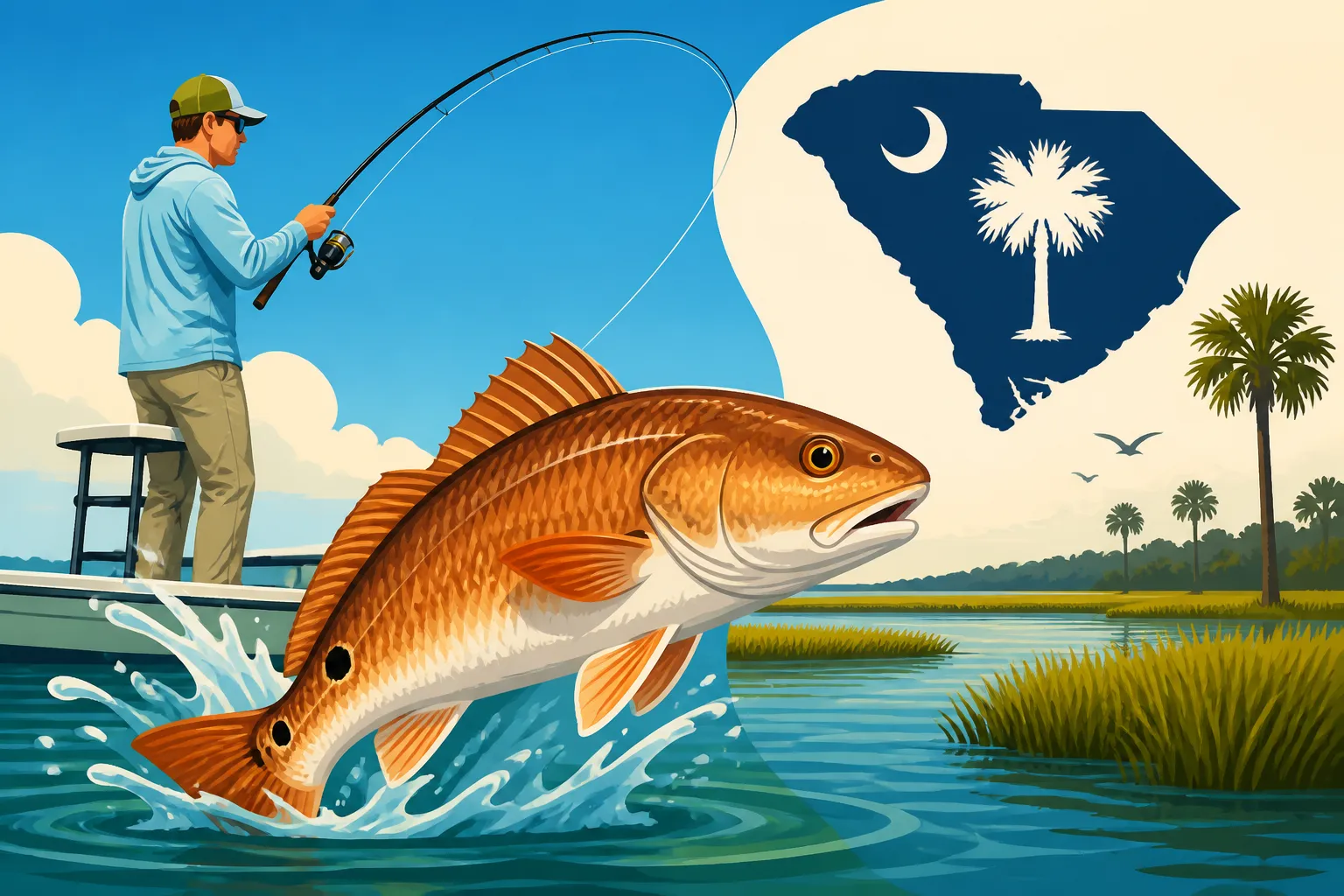
Beyond their fighting prowess, redfish are also incredibly beautiful. Their bodies shimmer with various shades of copper, bronze, and gold, often deepening to a darker hue on their backs. But their most distinctive feature, and where they get their "spot-tail" nickname, is the prominent black spot or spots on the upper part of their tail base. While most have one spot on each side, it's not uncommon to see fish with multiple spots, adding to their unique charm. These spots are believed to mimic eyes, potentially confusing predators. They're truly a sight to behold when pulled from the clear marsh waters.
Redfish Habitat and Behavior
Redfish are perfectly adapted to the dynamic estuarine environments of the South Carolina coast. They thrive in the brackish waters of tidal creeks, salt marshes, bays, and sounds, where they can find ample food and shelter. You'll often find them cruising over shallow oyster beds, navigating intricate creek systems, or lurking around submerged structures like docks and fallen trees. They're opportunistic feeders, constantly on the prowl for shrimp, crabs, and small baitfish like mullet and mud minnows. This adaptable diet is one reason they can be found in so many different areas, making them a fantastic target year-round.
Their behavior changes with age and size. Younger, "slot" sized redfish (more on slot limits later!) tend to stick together in large schools, often seen tailing in the shallows as they root for food in the mud. These schools are a magnificent sight, especially during low tide when their tails break the surface. As they grow larger, often called "bull reds," they move to deeper waters, frequently congregating near inlets, jetties, or even offshore reefs. Their movements are highly influenced by the tides, temperature, and food availability, so understanding these patterns is key to consistent success. Learning to "read the water" and understand where the bait is moving can make all the difference in locating a hungry school of redfish.
Decoding South Carolina's Redfish Regulations: Staying on the Right Side of the Law
Before you even think about putting a hook in the water, understanding South Carolina's redfish regulations is paramount. These rules are in place for a good reason – to protect our valuable fisheries and ensure healthy populations for future generations of anglers. Ignoring them can lead to hefty fines and a real damper on your fishing trip. So, let's break down the essential guidelines you absolutely need to know. Remember, regulations can change, so always double-check the latest South Carolina Department of Natural Resources (SCDNR) information before heading out. For a broader overview, take a look at our Saltwater Fishing Rules in South Carolina guide.
The All-Important Slot Limit
South Carolina employs a strict slot limit for redfish, which means there's a specific size range within which you can legally keep a fish. The current regulation specifies that redfish must be between 18 and 27 inches in total length. Any fish shorter than 18 inches or longer than 27 inches must be immediately released, unharmed. This is crucial for conservation. The smaller fish are too young to have contributed significantly to the spawning population, and the larger "bull reds" are the prime breeders, responsible for replenishing the stock. Protecting these larger fish ensures the future of redfish in our waters.
The slot limit might seem a bit tricky at first, especially if you're used to only minimum size limits. But it's designed to create a sustainable fishery by allowing anglers to harvest mature, but not yet critical, spawning-aged fish. Always carry a reliable measuring device on your boat or kayak, and know how to use it quickly and accurately. If there's any doubt about a fish's size, err on the side of caution and release it. You can learn more about this specific rule in our South Carolina Redfish Slot Limit 18 to 25 Inches article.
Daily Bag and Vessel Limits
In addition to the slot limit, there are also limits on how many redfish you can keep per person and per vessel. Currently, the daily bag limit for redfish is 2 fish per person, per day. This means each licensed angler can keep two redfish that fall within the legal slot limit. This individual limit helps distribute the harvest more evenly among anglers.
However, there's also a crucial vessel limit: no more than 6 redfish can be possessed on any boat at any given time, regardless of how many licensed anglers are on board. So, if you have four anglers on your boat, theoretically each could keep two fish, totaling eight. But because of the vessel limit, you'd only be allowed to keep a maximum of six fish combined. This vessel limit is particularly important for groups and fishing charters, as it prevents excessive harvest by larger parties. Understanding how the South Carolina Redfish Vessel Limit Explained works is critical for staying compliant. Always communicate with your fishing buddies to make sure your group collectively adheres to both the individual and vessel limits.
Licensing Requirements for Redfish
Fishing for redfish in South Carolina's coastal waters absolutely requires a valid South Carolina saltwater fishing license. There's no getting around this one! Even if you're just visiting or fishing from a pier, you generally need a license unless you fall under a specific exemption (like fishing on a licensed charter boat where the captain's license covers everyone, or during a designated free fishing day). Whether you're a resident or a nonresident, and whether you want an annual or a short-term license, options are available.
It's easy enough to obtain one online through the SCDNR website, at many sporting goods stores, or even bait shops across the state. Don't risk a ticket – make sure your license is current and easily accessible. You can find all the details in our comprehensive South Carolina Fishing License Guide or dive deeper into South Carolina's Freshwater Fishing Regulations and Saltwater Fishing Rules in South Carolina to ensure you're covered for whichever water type you're targeting.
Top Redfish Fishing Spots in South Carolina: Where the Action Is
South Carolina's coastline is a labyrinth of salt marshes, tidal creeks, and estuarine systems that make for phenomenal redfish habitat. From the northern reaches near Myrtle Beach all the way down to the picturesque Lowcountry around Hilton Head, there are countless places where you can encounter these hard-fighting fish. The key is knowing where to look and understanding why redfish favor certain areas. Let's explore some of the most productive redfish fishing grounds in the state. For an even deeper dive into various locations, check out our Redfish Hot Spots Along the South Carolina Coastline article.
The Famed Lowcountry Estuaries
When people talk about redfish fishing in South Carolina, the Lowcountry estuaries are often the first places that come to mind. Areas like Charleston, Beaufort, and McClellanville are legendary for their vast expanses of Spartina grass, intricate creek networks, and abundant oyster beds. These environments provide everything a redfish needs: shelter from predators, an endless buffet of bait, and plenty of shallow water to patrol.
- Charleston Harbor and Surrounding Creeks: The Charleston area offers an incredible diversity of redfish opportunities. The main harbor itself has deep channels and structure that hold larger bull reds, especially during cooler months. However, it's the countless creeks and bays radiating off the harbor, like those around Shem Creek in Mount Pleasant or the waters near James Island and Folly Beach, that truly shine for slot-sized fish. Here, you can find redfish tailing in inches of water at low tide, or pushing bait against grass edges on a rising tide. Charleston Harbor Redfish Fishing Spots in South Carolina delves into more specifics for this region.
- Beaufort and the ACE Basin: Further south, the Beaufort area, encompassing the Broad River, Chechessee River, and the expansive ACE Basin (Ashepoo, Combahee, and Edisto Rivers), is a redfish paradise. The sheer size and pristine nature of these estuaries mean less pressure and incredibly healthy fish populations. Anglers often find large schools of redfish cruising deep into the marsh. Access points are plentiful, from public boat ramps to quiet kayak launches. This area is a sight-fishing dream, especially on clear, calm days.
- McClellanville: Tucked away north of Charleston, McClellanville is a quaint fishing village surrounded by some of the most untouched marshland in the state. It's a bit off the beaten path, which means less boat traffic and a truly immersive fishing experience. The Cape Romain National Wildlife Refuge is nearby, offering vast, protected areas where redfish thrive. Local guides here specialize in navigating the intricate creeks and finding those hidden honey holes.
Creeks, Inlets, and Shallow Flats
Beyond the major estuaries, specific features along the coast consistently produce redfish action. Targeting these smaller, more defined areas can often yield great results, especially for anglers in kayaks or smaller skiffs.
- Murrells Inlet: South of Myrtle Beach, Murrells Inlet is a vibrant fishing hub. This natural inlet, surrounded by jetties and extensive marsh, is a fantastic spot for redfish. The jetties themselves hold fish, as do the numerous creeks and oyster beds within the inlet system. Anglers can fish from boats, kayaks, or even try their luck from the jetties themselves. You can often find redfish working the current lines and structure around the inlet. For more detailed information, check out Murrells Inlet Redfish Fishing Spots in South Carolina.
- Mount Pleasant: Just across the harbor from Charleston, Mount Pleasant boasts an incredible network of marsh creeks. Areas like Shem Creek, Copahee Sound, and the various smaller tidal creeks off the Wando River are prime redfish territory. These spots are easily accessible for boaters and kayakers, and offer excellent opportunities for sight fishing during low tide and casting to schooling fish on higher tides. Our guide on Mount Pleasant Redfish Fishing Spots in South Carolina has more local insights.
- Hilton Head Island: Down near the Georgia border, Hilton Head Island and its surrounding waters are another redfish hotspot. The vast Calibogue Sound, May River, and the intricate creeks that wind through the island's many plantations are home to robust redfish populations. Here, anglers often focus on fishing around oyster shells, docks, and grass lines. Many excellent fishing charters operate out of Hilton Head, offering guided trips into these productive waters.
- Shallow Flats: Regardless of the specific location, shallow mud and grass flats are quintessential redfish hunting grounds. These areas, particularly during low tide, offer exceptional sight-fishing opportunities. Redfish will "tail" as they root through the mud for crabs and shrimp, exposing their tell-tale black-spotted tails above the surface. Spotting a tailing redfish is one of the most exciting experiences in saltwater fishing and often precedes an exhilarating fight.
Nearshore Reefs and Wrecks
While redfish are primarily known as an inshore species, larger "bull reds" will often venture out to nearshore reefs, wrecks, and artificial habitats, particularly during the cooler months or when schooling up for spawning. These deeper structures provide refuge and a concentrated food source.
Fishing these nearshore spots typically requires a boat capable of handling open water conditions. Anglers will often anchor upcurrent of a wreck or reef and drift baits down to where the fish are holding. This can be an incredibly productive way to target truly massive redfish, sometimes exceeding the legal slot limit and requiring immediate release. Always be mindful of the slot limit even when fishing these larger, deeper fish. They are the breeders, and their health is vital to the fishery.
Essential Gear for South Carolina Redfish Fishing: Equipping Your Adventure
Embarking on a redfish adventure in South Carolina requires the right tools for the job. While you don't need to break the bank, having reliable, well-suited gear will significantly improve your chances of success and make the experience much more enjoyable. From rods and reels to the baits that seal the deal, let's explore what you'll need to gear up for those bronze beauties. Sometimes, a quick trip to a trusted online retailer like Amazon can get you all set up with the essentials.
Rods, Reels, and Line: Building Your Setup
Choosing the right rod and reel combination is crucial for redfish. You need a setup that offers a balance of sensitivity to feel those subtle bites, backbone to handle strong runs, and durability to withstand the saltwater environment.
- Rods: A medium-heavy to heavy power spinning rod, typically 7 to 7.5 feet in length, is ideal for most redfish applications. This length provides good casting distance for covering flats and reaching distant targets, while the power allows you to cast heavier lures and fight larger fish effectively. A fast action tip is preferred as it gives you the sensitivity to detect light bites and the quick hook-setting power needed for a redfish's bony mouth. If you're specifically targeting bull reds in deeper water, you might opt for a slightly heavier rod, but for general inshore fishing, the 7-7.5ft medium-heavy is your workhorse.
- Reels: A sturdy spinning reel in the 3000 to 4000 size range is a fantastic choice. Look for models designed for saltwater use, with sealed drag systems and corrosion-resistant components. A smooth, powerful drag is non-negotiable, as redfish will peel line off your reel with surprising speed. Brands known for their reliable saltwater spinning reels are always a safe bet. Ensure your reel has enough line capacity for those longer runs.
- Line: Braided line is the go-to for redfish fishing due to its incredible strength-to-diameter ratio, minimal stretch (which means better sensitivity and hook sets), and long casting capabilities. A 15-20 lb test braided line is a good all-around choice for most inshore redfish. For a leader, you'll want to use fluorocarbon, which is less visible underwater and more abrasion-resistant than monofilament. A 20-30 lb test fluorocarbon leader, typically 2-3 feet long, is a good starting point. You can connect your braid to your leader using a strong knot like an FG knot or a double uni knot.
Terminal Tackle and Lures: Baits and Rigs That Get Bites
Once you have your rod and reel, it's time to think about what you're putting in the water. Redfish aren't overly picky, but certain baits and lures consistently produce results. Having a well-stocked tackle box is essential.
- Live Bait: When redfish are being finicky or when you just want to maximize your chances, live bait is often the ticket.
- Shrimp: Live shrimp are redfish candy. Rig them on a small J-hook or circle hook under a popping cork or on a Carolina rig. They're irresistible to nearly every fish in the marsh, including redfish.
- Mud Minnows (Killifish): These hardy little fish are excellent redfish bait, especially when fished on a Carolina rig near oyster shells or grass lines. They're tough and stay alive on the hook for a long time.
- Finger Mullet: Small mullet, when available, are another top choice. They can be freelined or fished on a Carolina rig. Larger mullet can be cut into chunks for cut bait, which also works well for redfish, particularly in deeper holes. You can learn more about specific bait choices in Best Bait for Redfish in South Carolina's Marsh Creeks.
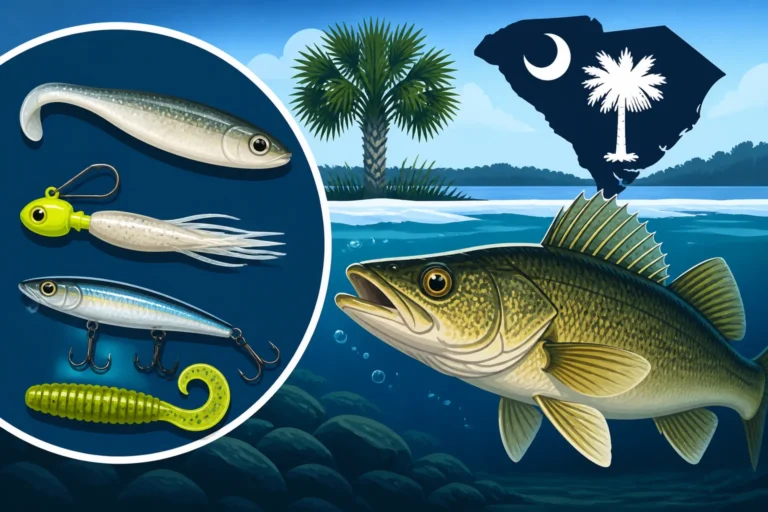
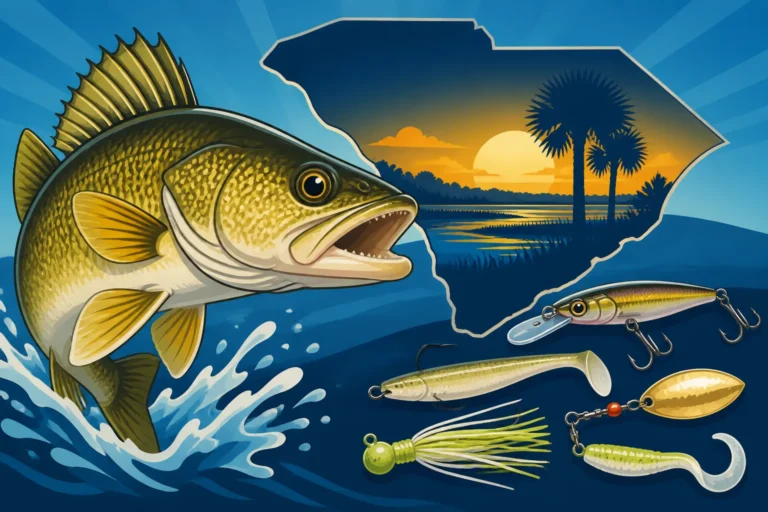
- Artificial Lures: For those who prefer to cast and retrieve, a wide array of artificials will entice a redfish strike.
- Soft Plastics: Grubs, paddle tails, and jerk shads in natural colors (e.g., green pumpkin, root beer, new penny) or brighter colors (e.g., chartreuse, white) are incredibly effective. Rig them on a jig head that matches the water depth and current, typically 1/8 oz to 1/2 oz. Fishing them slowly along the bottom or jigging them near structure often gets bites.
- Spoons: Gold or silver weedless spoons are fantastic for covering a lot of water, especially over grass flats. Their flash and wobble mimic fleeing baitfish.
- Topwater Plugs: For exhilarating strikes, nothing beats a topwater lure at dawn or dusk, especially over shallow flats. Walk-the-dog style lures or poppers can trigger aggressive surface explosions from hungry redfish.
- Scented Baits: Brands like Berkley Gulp! offer soft plastics infused with scent that can be incredibly effective when redfish are hesitant. These can be rigged like regular soft plastics and often perform just as well as, if not better than, live bait on some days.
Must-Have Accessories
Beyond your rod, reel, and tackle, a few essential accessories will make your redfish fishing trip smoother and more comfortable. You can find many of these crucial items easily on Amazon.
- Pliers/Forceps: You'll need a good pair of pliers or forceps for removing hooks, especially if you're using treble hooks or when a fish has swallowed the bait. Look for a saltwater-resistant pair on Amazon that can also cut line.
- Measuring Device: A tape measure or a fish ruler is absolutely essential to ensure your catch falls within the legal slot limit. This is non-negotiable for adhering to the South Carolina Redfish Slot Limit Rules.
- Cooler with Ice: If you plan on keeping fish, a quality cooler packed with ice is necessary to preserve your catch. Even if you're catch-and-release, a cooler is great for drinks and snacks.
- Sun Protection: South Carolina sun is no joke, especially on the water. A wide-brimmed hat, polarized sunglasses (crucial for sight fishing!), long-sleeved UPF clothing, and plenty of sunscreen are a must.
- Tackle Box/Bag: A good tackle management system, whether it's a dedicated tackle box or a waterproof bag with utility trays, will keep your lures and terminal tackle organized and protected from the elements.
- Landing Net or Lip Gripper: A rubberized landing net is ideal for safely landing redfish, minimizing damage to their slime coat if you plan to release them. A lip gripper can also be useful for controlling a fish at the boat side.
Mastering Redfish Fishing Techniques: Tips for Every Angler
Catching redfish consistently isn't just about showing up at the right spot; it's about understanding their behavior and presenting your bait or lure in a way that triggers a strike. Different situations call for different approaches, and adapting your technique to the conditions is a hallmark of a successful redfish angler. Let's explore some proven strategies for landing these powerful fish.
Live Bait Strategies
When redfish are being picky, or when you simply want to increase your chances, live bait is often your best bet. It offers natural movement and scent that can be irresistible.
- Popping Corks: This is a classic and highly effective method, especially when redfish are spread out over shallow flats or lurking near grass lines. You rig a live shrimp (or mud minnow) on a small J-hook or circle hook (size 1/0 to 3/0) with a 2-3 foot leader underneath a rattling popping cork. Cast it out, let it sit for a few seconds, then give the rod tip a sharp twitch to make the cork "pop." This sound mimics a feeding shrimp or baitfish, attracting redfish from a distance. The cork also acts as a visual strike indicator. This technique is fantastic for beginners because it's easy to learn and incredibly productive.
- Carolina Rig: When redfish are holding deeper in creeks, near oyster bars, or around submerged structure, a Carolina rig is the way to go. This rig consists of an egg sinker (1/2 oz to 1 oz, depending on current) threaded onto your main line, followed by a swivel, then a 1-2 foot fluorocarbon leader, and finally your hook (again, 1/0 to 3/0 circle or J-hook) with live bait. Cast it out, let it sink to the bottom, and slowly retrieve it with short drags and pauses. The sinker keeps the bait near the bottom, while the leader allows the bait to move naturally. This is particularly effective for presenting live mud minnows or cut bait.
- Free-lining: In situations with minimal current and when you suspect redfish are actively feeding on the surface or just below it, free-lining a live bait can be deadly. Simply tie your leader directly to your hook and attach a live shrimp or small mullet. Cast it out and let it drift naturally with the current or retrieve it very slowly. The natural, unweighted presentation is often too tempting for a hungry redfish to resist. This technique requires a good eye for spotting fish or knowing their likely ambush points.
Artificial Lure Tactics
For those who enjoy the challenge and active nature of lure fishing, redfish provide endless opportunities to experiment with artificials. Plus, it's often more efficient for covering ground.
- Soft Plastics on Jig Heads: This is arguably the most versatile and popular artificial technique for redfish. Rig a 3-4 inch paddle tail, grub, or jerk shad on a jig head ranging from 1/8 oz to 1/2 oz. The weight depends on current and depth. Cast towards likely redfish holding areas – oyster bars, grass edges, creek mouths, or submerged structures. Let it sink to the bottom, then work it back with a series of short hops, drags, and pauses. The key is to imitate a bottom-dwelling baitfish or crustacean. Vary your retrieve speed and jigging motion until you find what the fish prefer. Using different colors, from natural marsh tones to brighter chartreuse, can also make a difference depending on water clarity.
- Spoons: Weedless spoons, especially gold-colored ones, are fantastic for targeting redfish in grassy areas or over oyster beds where other lures might snag. Cast them out and retrieve them with a steady, moderate speed, allowing the spoon to wobble and flash. You can also add an occasional twitch of the rod tip to give it more erratic action. The flash and vibration are excellent for attracting attention from cruising redfish.
- Topwater Plugs: Nothing beats the adrenaline rush of a redfish exploding on a topwater lure. This technique is most effective during low light conditions (dawn and dusk) or on overcast days, especially over shallow, clear flats. "Walk-the-dog" style lures, which glide side-to-side across the surface, and popping plugs, which create a splash, are both highly effective. The key is to create a commotion that mimics a struggling baitfish, triggering an aggressive reaction strike. While not always the most consistent method, it's certainly the most exciting!
- Scented Artificials (e.g., Berkley Gulp!): These soft baits, pre-loaded with attractant, can sometimes outperform traditional soft plastics, especially in stained water or when fish are less aggressive. They bridge the gap between live bait and traditional artificials. Fish them just as you would a regular soft plastic on a jig head.
Reading the Tides and Water Conditions
Redfish are intimately connected to their environment, and understanding the tides, water clarity, and even the weather can drastically impact your success. Does Tide Timing Matter for South Carolina Redfish? is a must-read for serious anglers.
- Tide Charts are Your Bible: In saltwater fishing, the tide dictates everything. Redfish will move with the tide, entering shallow creeks and flats on a rising tide to feed, and retreating to deeper channels and creek mouths on a falling tide. Learning to read and interpret a local tide chart is crucial.
- Rising Tide: As the water floods into the marsh, redfish follow, pushing into grass lines and over oyster beds to hunt. This can be a great time for sight fishing as fish become more accessible.
- Falling Tide: As the water recedes, redfish often congregate in deeper holes, creek mouths, and ambush points where bait is funneled out of the marsh. This is a prime time for targeting them with live bait or bottom-bouncing lures. Low tide can also be excellent for sight fishing, as fish are often concentrated in small puddles or exposed mud flats, making their tails visible.
- Water Clarity: Clear water is fantastic for sight fishing, allowing you to spot redfish from a distance. However, in stained or murky water (often after heavy rain or strong winds), redfish rely more on their sense of smell and lateral line. In these conditions, baits with strong scent or lures that create significant vibration can be more effective. Gold spoons and noisy popping corks can be great choices here.
- Weather and Temperature: Redfish are somewhat tolerant of temperature changes, but extreme heat or cold can affect their behavior. In summer, they might feed more actively during cooler mornings and evenings, retreating to deeper, cooler water during the heat of the day. In winter, they tend to school up in deeper, sun-warmed creeks and can be lethargic, requiring a slower, more patient approach with your presentations. Always adjust your strategy to the prevailing conditions.
Seasonal Redfish Fishing in South Carolina: Planning Your Trip
South Carolina offers year-round redfish opportunities, but the best times to target them, and the techniques you'll use, change with the seasons. Understanding these seasonal shifts will help you plan your trips for maximum success, whether you're chasing trophy bull reds or abundant slot fish.
Spring and Fall: Prime Time for Redfish
Hands down, spring and fall are considered the absolute prime times for redfish fishing in South Carolina. The mild temperatures and abundant bait migrations create ideal conditions for active fish.
- Spring (March – May): As water temperatures begin to rise after the winter chill, redfish shake off their lethargy and become incredibly active. They disperse from their wintering holes and move onto the shallower flats and into the intricate creek systems to feed heavily. This is an excellent time for sight fishing, especially on sunny days when the water warms up quickly. The spring brings an abundance of shrimp and baitfish, and redfish are eager to gorge themselves. Popping corks with live shrimp are deadly, as are soft plastics retrieved slowly. This is a fantastic season for catching plenty of slot-sized redfish.
- Fall (September – November): If spring is good, fall is often even better! The cooling water temperatures signal an intense feeding frenzy as redfish fatten up for the leaner winter months. Baitfish, like mullet, are migrating out of the creeks and into the ocean, creating a buffet line for predators. This is a time when you can find massive schools of redfish pushing bait or tailing aggressively on the flats. Topwater action can be phenomenal during this period, especially in the early mornings. The fall also sees the return of larger bull reds to the nearshore waters as they prepare to spawn. It's a truly magical time to be on the water for redfish, offering both quantity and quality.
Summer Redfish Challenges and Rewards
Summer in South Carolina brings heat, humidity, and often more boat traffic. While it can be a more challenging season, there are still plenty of redfish to be caught, especially if you adapt your approach.
- Heat and Early Mornings: During the hot summer months (June – August), redfish tend to be most active during the cooler parts of the day – early mornings, late evenings, and even into the night. As the sun gets high and the water heats up, they'll often retreat to deeper, cooler water, such as shaded creek banks, deep holes, or under docks. Your best bet is to be on the water at first light, targeting shallow flats before the sun gets too intense. Topwater lures can still work well early, and live bait fished in shaded areas can be productive throughout the day.
- Thunderstorms and Rain: Summer also brings frequent afternoon thunderstorms. While these can clear out the crowds, they can also affect fishing. After a heavy rain, the water might become muddy, making sight fishing difficult. In these conditions, switch to scented baits or lures that create a lot of vibration, like gold spoons or noisy rattling soft plastics, to help fish locate your offering. The upside? Storms can often cool the water slightly and trigger a bite.
- Targeting Deeper Structure: When the heat is on, focus on fishing docks, bridge pilings, and other structures that provide shade and deeper water. Carolina rigs with live bait are excellent for these scenarios, getting your offering down to where the fish are seeking refuge.
Winter Redfish: A Unique Opportunity
Winter fishing for redfish (December – February) can be incredibly rewarding, though it often requires more patience and a different strategy. The crowds thin out, and you can have some truly peaceful days on the water.
- Schooling in Deep Holes: As water temperatures drop, redfish typically consolidate into large schools in deeper, warmer creek holes, channels, and sometimes near power plant outflows. These schools can be massive, and if you find one, you can have an epic day! The challenge is finding them. Once located, they can be a bit lethargic due to the cold, so a slow presentation is key.
- Slow Presentations: Forget fast retrieves. In winter, redfish want an easy meal. Live mud minnows, shrimp, or cut bait presented on a Carolina rig and slowly dragged along the bottom are highly effective. Small soft plastics on light jig heads, hopped very slowly, can also work. The bites will often be subtle, feeling more like a "thump" or added weight on your line rather than an aggressive strike.
- Solar Warming and Sunny Days: Look for periods of consistent sunshine. On clear, calm winter days, the sun can warm up shallow, dark-bottomed mud flats, drawing redfish into these areas for a short feeding window. These can be prime opportunities for sight fishing for large, grouped-up schools. A good pair of polarized sunglasses from Amazon can significantly aid in spotting these fish.
- Bull Reds Nearshore: Larger bull reds will also congregate in deeper nearshore waters during the winter, often around artificial reefs or wrecks. This requires a boat and suitable weather, but can offer a chance at truly giant fish using heavy tackle and large cut baits.
Beyond the Catch: Handling and Releasing Redfish Responsibly
As anglers, we have a responsibility to protect the fisheries we enjoy. This means not only adhering to regulations but also practicing ethical handling, especially for fish we intend to release. Redfish are a robust species, but proper care after the catch can significantly improve their survival rate. And for those slot-sized beauties you do decide to keep, there are best practices for preparing them for the table.
Best Practices for Catch and Release
Releasing fish successfully is a critical component of sustainable fishing, particularly with species like redfish that have strict slot limits. The goal is to minimize stress and injury to the fish.
- Minimize Fight Time: While a long battle is fun, it exhausts the fish, making it more vulnerable after release. Use appropriately sized tackle to land the fish as quickly as possible without over-stressing it.
- Keep 'Em Wet: The most important rule of catch and release is to keep the fish in the water as much as possible. Avoid dragging it onto hot boat decks or sandy banks. If you must lift it for a photo, do so quickly and support its body horizontally to avoid damage to its internal organs. Never hold a fish by its jaw vertically without supporting its belly.
- Handle with Care: Use wet hands when touching a fish to protect its protective slime coat. This coat is its first line of defense against disease. Avoid putting your fingers in its gills or eyes.
- Proper Hook Removal: Use a pair of long-nosed pliers or forceps (which you can easily find on Amazon) to quickly remove the hook. If the fish has swallowed the hook, especially a J-hook, it's often better to cut the line as close to the hook as possible rather than trying to dig it out. Circle hooks, when used correctly, tend to hook in the corner of the mouth, making removal much easier and less traumatic.
- Revival: For an exhausted fish, hold it gently in the water, facing into the current, allowing water to flow over its gills. You might need to gently move it back and forth if there's no current. Wait until the fish shows signs of strength, such as trying to swim away, before releasing it. Let it go only when it's ready to swim off on its own power. This is especially important for South Carolina Redfish Daily Bag Limit Per Person fish that are released.
Filleting and Cooking Your Keeper Redfish
If you've caught a slot-sized redfish and decide to keep it for dinner, you're in for a treat! Redfish meat is firm, white, and has a mild, delicious flavor. It's excellent cooked in a variety of ways.
- Cooling Your Catch: As soon as you decide to keep a fish, dispatch it humanely and immediately place it on ice in your cooler. Rapid cooling is essential for preserving the quality of the meat.
- Filleting Basics: Filleting a redfish is similar to filleting most other fish. Use a sharp, flexible fillet knife. Start behind the gill plate, cut down to the backbone, and then turn your blade parallel to the spine, working back towards the tail. Repeat on the other side. Don't forget to remove the rib cage and any bloodline, which can impart a stronger flavor.
- Popular Cooking Methods: Redfish is incredibly versatile.
- Blackened Redfish: A Lowcountry classic! Season your fillets heavily with a blackening spice blend and sear them in a screaming hot cast-iron skillet with a touch of butter until a dark crust forms.
- Grilled: Seasoned fillets can be grilled directly over medium-high heat or cooked in a foil packet with vegetables and herbs.
- Baked: Simple and healthy, baked redfish with lemon, butter, and herbs is always a winner.
- Fried: For a crispy treat, dip fillets in an egg wash, dredge in seasoned cornmeal or flour, and deep-fry until golden brown.
Understanding the Future of Redfish Conservation
The reason we have these regulations, from the South Carolina Redfish Slot Limit Rules to daily bag and vessel limits, is all about conservation. Redfish populations, like many other popular game fish, can be susceptible to overfishing. The SCDNR and other conservation groups constantly monitor redfish stocks, conduct scientific research, and adjust regulations as needed to ensure the species remains healthy and abundant.
As anglers, our participation in these conservation efforts is vital. By respecting the rules, practicing responsible catch and release, and even participating in citizen science programs (like reporting tagged fish), we contribute directly to the long-term health of the redfish fishery. It's about more than just catching fish; it's about being stewards of our natural resources so that future generations can experience the same thrill of battling a South Carolina redfish.
Disclaimer
This article is for general informational purposes only and does not constitute professional advice. Laws, prices and regulations vary by location and change over time. Consult a qualified professional for guidance on your specific situation.