South Carolina Free Fishing Days Explained
The thrill of fishing in South Carolina is undeniable, but the thought of navigating licensing requirements can often feel like a tangled line before you even cast. For many aspiring anglers, or even seasoned folks just looking for a low-cost outing, the need for a fishing license can be a barrier. Thankfully, South Carolina offers specific "Free Fishing Days" each year, providing a fantastic opportunity for everyone to enjoy the state's incredible waters without needing to purchase a license. This guide will unravel everything you need to know about these special days, from when they happen to what rules still apply, ensuring you can make the most of this unique opportunity.
What Exactly Are South Carolina's Free Fishing Days?
South Carolina's Free Fishing Days are essentially a special offer from the state's Department of Natural Resources (SCDNR) designed to encourage more people to get out and experience fishing. It's a fantastic initiative that removes one of the initial hurdles for newcomers and allows seasoned anglers to enjoy the sport without the usual administrative step of purchasing a license for that specific day.
The Concept of License-Exempt Fishing
The core idea behind license-exempt fishing days is straightforward: for a designated 24-hour period, the requirement for a valid state fishing license is temporarily waived. This means that if you're planning a fishing trip on one of these dates, you don't need to worry about obtaining a freshwater or saltwater fishing license. It's the state's way of promoting outdoor recreation, introducing families to the joy of angling, and perhaps even inspiring a lifelong love for the sport. Think of it as an open invitation to explore the abundant lakes, rivers, and coastal waters that South Carolina boasts. The goal is to make fishing more accessible, fostering a connection between people and the natural environment, and ultimately contributing to the long-term health of the state's fisheries through increased participation and eventual license purchases.
Who Can Participate on Free Fishing Days?
One of the best aspects of South Carolina's Free Fishing Days is their inclusivity. Unlike some state programs that might restrict participation to residents only, or to specific age groups, the statewide Free Fishing Days in South Carolina are open to everyone. That's right – whether you're a long-time resident of the Palmetto State or visiting from out of town, you can take advantage of these days to fish without a license. This makes it a perfect opportunity for families on vacation or friends passing through to experience the local fishing culture without an extra cost or bureaucratic step. This broad eligibility truly makes these days a community event, welcoming all who wish to drop a line into South Carolina's rich aquatic habitats. Children, adults, and seniors, regardless of their home state, can cast away legally on these designated dates. For details on regular requirements, you can check out the comprehensive Fishing License Requirements in South Carolina.
What Species Can You Target?
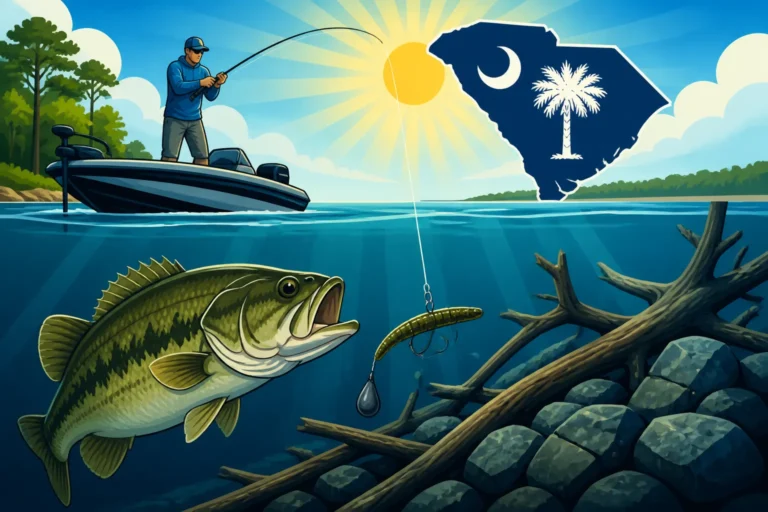
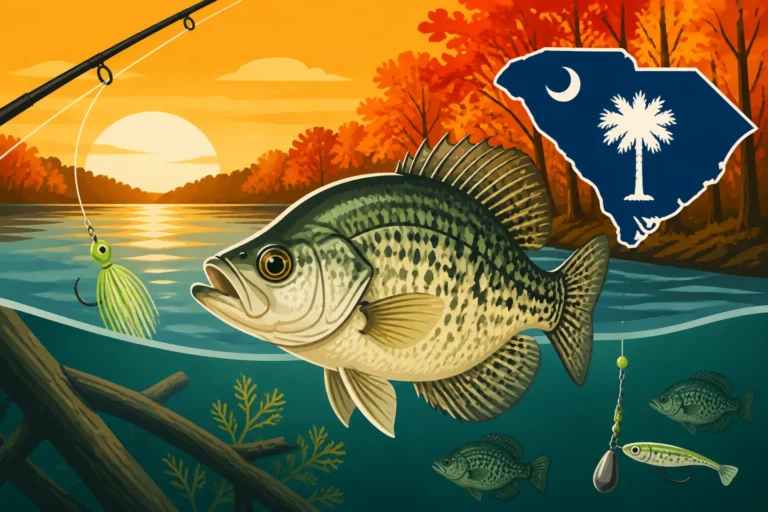
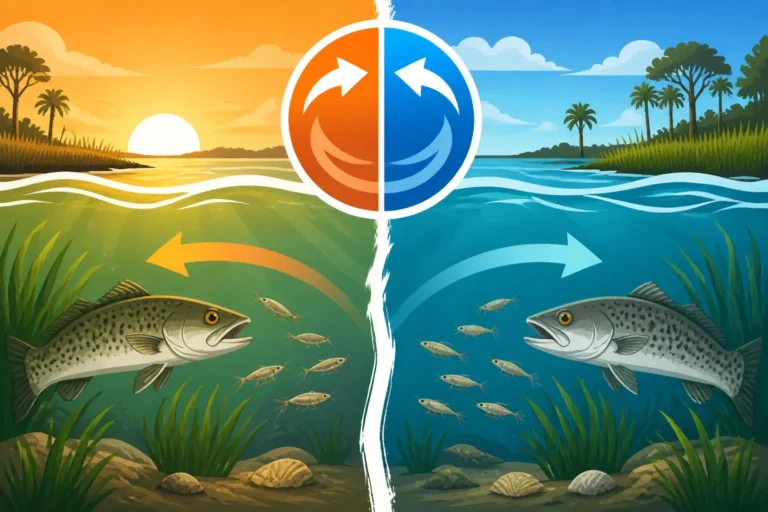
On Free Fishing Days, you can target nearly all the popular freshwater and saltwater species that are typically fair game in South Carolina. This means you can pursue largemouth bass in a local pond, try for crappie in a sprawling reservoir like Lake Murray, or cast a line for redfish and spotted seatrout in the coastal estuaries. There aren't special restrictions on what you can fish for just because the license requirement is waived. The intent is to give everyone a taste of the diverse fishing opportunities available across the state. However, and this is a crucial point we'll delve into deeper, while the license is free, all other fishing regulations—such as size limits, bag limits, and gear restrictions—still apply. You're simply exempt from the license fee, not from responsible angling practices. This ensures that even on these popular free days, the state's fish populations remain protected and healthy for future generations of anglers.
When Are South Carolina's Free Fishing Days in 2026?
Knowing the specific dates for Free Fishing Days is absolutely critical for planning your angling adventure. South Carolina typically designates two separate days each year, one for freshwater fishing and one for saltwater, to give everyone a chance to enjoy their preferred environment. Based on current information and historical patterns, the dates for 2026 are already set to align with popular holiday weekends, making it easier for families and individuals to participate.
Freshwater Free Fishing Day
For 2026, the designated Freshwater Free Fishing Day in South Carolina is anticipated to be on Saturday, May 23, 2026. This date typically falls on the Saturday of Memorial Day weekend, a perfect time for many to kick off the summer season with a relaxing day on the water. On this day, you can grab your rod and reel and head to any of South Carolina's incredible freshwater lakes, rivers, or ponds, from the Upstate mountains to the Midlands. Imagine spending a sunny Saturday on Lake Hartwell, trying to land a largemouth bass, or exploring the Congaree River for catfish. The convenience of not needing a license means you can focus entirely on the fishing experience itself, perhaps introducing a friend or family member who has always wanted to try. Just remember, while the license is free, understanding South Carolina's Freshwater Fishing Regulations is still key to a successful and legal outing.
Saltwater Free Fishing Day
The Saltwater Free Fishing Day for 2026 is generally scheduled to coincide with Independence Day, providing another fantastic opportunity for coastal anglers. The anticipated date for saltwater fishing without a license is Saturday, July 4, 2026. This day allows you to explore the vast opportunities along South Carolina's beautiful coastline, including the intricate marsh systems, tidal creeks, and even public fishing piers. Whether you're interested in casting for redfish in Murrells Inlet, targeting spotted seatrout near Charleston, or enjoying a day of surf fishing at Myrtle Beach, this is your chance. The Fourth of July holiday makes it an ideal time for many families to combine patriotic celebrations with a fun day on the water. Just as with freshwater, all standard Saltwater Fishing Rules in South Carolina concerning bag and size limits will remain in full effect, so always be prepared and informed.
Why These Specific Dates?
The SCDNR carefully selects these dates with a few key objectives in mind. First, by placing the Freshwater Free Fishing Day on the Saturday of Memorial Day weekend, they capitalize on a long holiday weekend when many families are already planning outdoor activities. It’s a prime time for people to be off work and school, making it convenient to gather friends or introduce children to fishing. The weather is usually warm and inviting, perfect for spending hours by the water.
Similarly, the Saltwater Free Fishing Day typically falling on the Fourth of July weekend leverages another major summer holiday. The coastal areas are bustling with tourists and residents alike during this time, providing maximum exposure and participation for the free fishing initiative. These strategic placements maximize the likelihood that both experienced anglers and complete novices will take advantage of the license exemption, fostering a greater appreciation for South Carolina's natural resources and the sport of fishing itself. It’s all about making fishing as accessible and enjoyable as possible for the largest number of people.
What Regulations Still Apply on Free Fishing Days?
While the "free" aspect of Free Fishing Days is certainly appealing, it's absolutely crucial to understand that "free" only applies to the license itself. Every other regulation governing fishing in South Carolina remains firmly in place. Ignoring these rules, even on a free day, can lead to fines and penalties, quickly turning a fun outing into a frustrating one. Think of it this way: you're granted a temporary pass to skip the license fee, but you're still expected to be a responsible and informed angler.
Bag and Size Limits Remain in Effect
This is arguably the most important point for any angler participating in a Free Fishing Day. While you don't need a license, you must adhere to all established bag limits (the number of fish you can keep) and size limits (the minimum or maximum length a fish must be to be kept). For instance, if you're targeting largemouth bass, there will be specific rules on how many you can harvest and what size they need to be. The same goes for popular coastal species. You might find that South Carolina Redfish Slot Limit Rules dictate a specific size range, say 18 to 25 inches, for what you can keep, and a daily bag limit of two fish per person. Similarly, if you're chasing spotted seatrout, you'll need to know the Spotted Seatrout Size and Bag Limits in South Carolina, which often involves a minimum length and a daily creel limit.
These limits are not arbitrary; they are carefully designed by the SCDNR to protect fish populations and ensure sustainable fishing for years to come. Going over the bag limit or keeping undersized (or oversized, in the case of slot limits) fish can severely impact the ecosystem and result in significant fines. Always check the most current regulations for the specific body of water and species you plan to target before you head out, as they can sometimes change seasonally or due to conservation efforts.
Gear and Method Restrictions
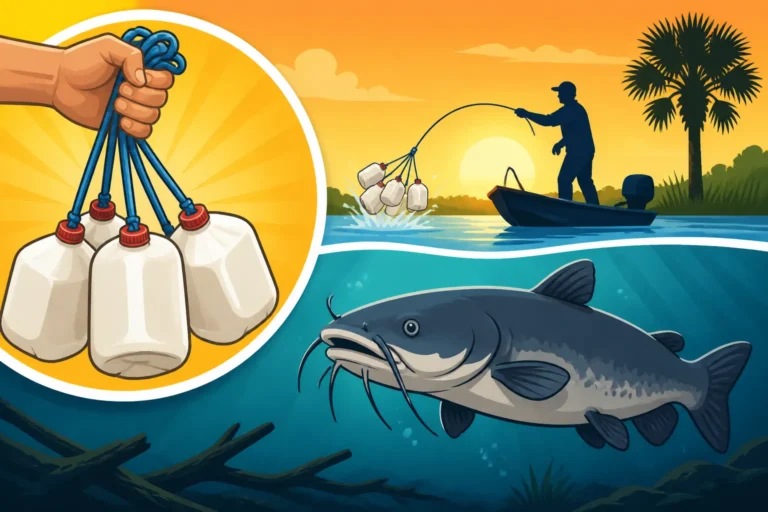
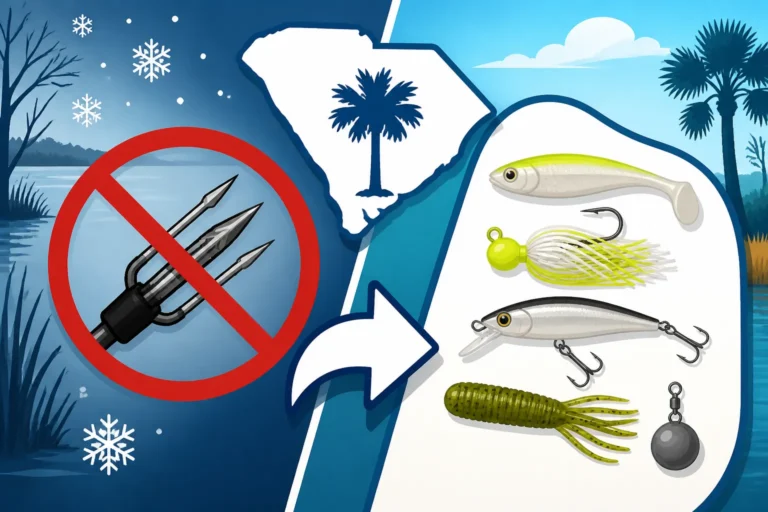
Beyond bag and size limits, there are also specific rules about the types of gear and fishing methods you can use, and these restrictions are also fully enforced on Free Fishing Days. For example, in freshwater, while standard rod and reel fishing is universally allowed, certain methods like trotlines, jug fishing, or commercial gear might require special permits or be restricted to specific areas, even if you don't need a personal license. If you're planning a nighttime trip for certain species, be aware of specific bans, such as South Carolina's Winter Gigging Ban for Seatrout, which prohibits gigging for seatrout during certain months regardless of license status.
In saltwater, specific nets, traps, or even certain bait collection methods may have their own regulations. For instance, cast nets for baitfish are generally allowed, but there might be size limits on the net itself or restrictions on where you can deploy it. The key takeaway here is to stick to conventional, widely accepted rod and reel methods if you're unsure, and always consult the official SCDNR regulations if you're considering a less common technique. Ignorance of the law is never an excuse, and game wardens are active on Free Fishing Days just as they are on any other day to ensure compliance.
Private vs. Public Waters
Another common question revolves around whether Free Fishing Days apply to all bodies of water. Generally, these days are intended for fishing in public waters – state-managed lakes, rivers, coastal waters, and public access points like piers and boat ramps. If you're fishing on a genuinely private pond or lake, particularly one that is entirely self-contained and not connected to public waterways, you typically don't need a state fishing license at any time of year, provided you have the landowner's permission.
However, if that "private" pond or lake is fed by a public stream or river, or if it allows public access for fishing, then it would likely fall under state regulations, and the Free Fishing Day would apply just as it would in any other public water. The safest assumption is that if you're on a water body where a license would normally be required, then the Free Fishing Day exemption applies. Always err on the side of caution. For truly private ponds where no license is ever needed, the Free Fishing Day offers no additional benefit beyond what's already permitted. Understanding the distinction between public and private access is a key part of responsible angling in South Carolina. For more clarity on specific locations, exploring resources like Best Fishing Spots in South Carolina can provide context on public access points.
Maximizing Your Experience on Free Fishing Days
Free Fishing Days are a golden opportunity, especially for those new to fishing or looking to introduce others to the sport. To make the most of these license-exempt days, a little planning and preparation go a long way. It's not just about showing up with a rod; it's about setting yourself up for success and a truly enjoyable experience.
Top Spots to Consider for Free Fishing
South Carolina offers a diverse range of fishing environments, and on Free Fishing Days, many of them become even more accessible. For beginners and families, State Parks often provide excellent, easy-access fishing opportunities with amenities like restrooms and picnic areas. Many state parks have ponds or access to larger bodies of water that are perfect for a casual day of fishing. Public fishing piers along the coast, such as those in Myrtle Beach or Folly Beach, are fantastic options for saltwater enthusiasts who don't have a boat. These piers usually have bait shops nearby and can be very productive.
In freshwater, smaller community ponds or designated public fishing lakes maintained by the SCDNR are ideal for targeting panfish like bluegill or smaller bass. For a more expansive experience, consider larger reservoirs like Lake Murray or the Santee Cooper lakes, but focus on easily accessible bank fishing spots or public boat ramps if you have a small craft. Even some stretches of the Edisto River or Congaree River near public access points can offer great river fishing experiences. Choosing a spot that aligns with your skill level and available gear will significantly enhance your enjoyment on these special days.
Essential Gear and Preparations
You don't need to break the bank to enjoy fishing on Free Fishing Days. For freshwater, a simple spinning rod and reel combo is perfect. Look for an entry-level combo, perhaps a 6-foot medium-light action rod with a small spinning reel spooled with 6-8 pound monofilament line. Brands like Ugly Stik or Penn offer durable, affordable options often available on platforms like Amazon. Pair this with a small tackle box containing essentials:
- Bobbers: Simple clip-on bobbers are great for panfish.
- Hooks: Small hooks (size 6-10) for panfish, slightly larger (size 1/0 – 2/0) for bass or catfish.
- Sinkers: Split shot sinkers or small egg sinkers to get your bait down.
- Bait: Live worms (red wigglers or nightcrawlers) are universally effective for freshwater. For saltwater, shrimp is a popular choice, or even cut bait.
- Pliers/Forceps: Essential for removing hooks safely.
- Measuring tape: Crucial for checking those size limits!
- Cooler with ice: To keep your catch fresh if you plan to keep any.
Beyond the fishing gear, don't forget personal items. Sunscreen, a hat, sunglasses, plenty of water, and snacks are non-negotiable for comfort and safety. A small first-aid kit is also a good idea. Layered clothing is always smart, as temperatures can change throughout the day. Having a basic setup ensures you're ready to cast a line without fuss, allowing you to immerse yourself in the experience.
Learning Basic Techniques
For many, Free Fishing Days are their first foray into fishing. Don't feel intimidated! Simple techniques are often the most effective, especially for beginner-friendly species like bluegill, crappie, or even small bass.
- Bobber Fishing: This is the quintessential beginner technique. Attach a bobber to your line, a small weight, and a hook with a live worm or crickets. Cast it out, watch the bobber, and when it dips or zips, gently reel in. This is incredibly visual and exciting, particularly for kids.
- Bottom Fishing: For catfish or larger panfish, you might want to try bottom fishing. Use a heavier sinker to keep your bait (like a piece of cut bait or a worm) on the bottom, where these fish often feed. This can be done effectively from a pier or bank.
- Simple Casting: Practice a basic overhead or sidearm cast in an open area before you get to the water. Focus on smooth motions rather than power. Many online videos and resources can guide you through the initial steps.
The goal on Free Fishing Days isn't necessarily to catch a trophy fish, but to enjoy the process, learn the basics, and experience the tranquility or excitement that fishing brings. Resources like South Carolina Fishing Seasons Guide can give you an idea of what species are active during certain times of the year, helping you tailor your approach for better success on your chosen free fishing day.
Transitioning Beyond Free Fishing Days: Getting Your License
Free Fishing Days are a fantastic introduction, but they're just a temporary pass. If you discover a passion for fishing in South Carolina, the next natural step is to obtain your own annual license. This not only keeps you legal year-round but also contributes directly to the health and management of the fisheries you enjoy.
Why a License is Important Year-Round
Beyond the legal requirement, purchasing a fishing license plays a vital role in conservation and funding. The revenue generated from license sales in South Carolina goes directly back into managing the state's diverse aquatic resources. This includes funding for fish stocking programs, habitat restoration projects, research into fish populations, public access improvements (like boat ramps and fishing piers), and enforcement by game wardens. Essentially, every license purchased is an investment in the future of fishing in South Carolina. Without these funds, many of the programs that ensure healthy fish populations and accessible fishing spots would not be possible. Plus, having a license means you're always prepared for that spontaneous fishing trip, without having to check dates or worry about Penalties for Fishing Without a License in South Carolina. It's a small annual fee for a huge return in outdoor enjoyment and environmental stewardship.
How to Purchase a South Carolina Fishing License
Getting a South Carolina fishing license is a straightforward process, designed to be as convenient as possible. You have a few main options:
- Online: The most popular method is through the SCDNR's Go Outdoors South Carolina online portal. This allows you to purchase your license from the comfort of your home, anytime, day or night. You'll simply need to create an account, select the type of license you need (freshwater, saltwater, or combo), and complete the payment. You can then print a temporary license immediately or have a physical card mailed to you. For a detailed walkthrough, check out Buying a South Carolina Fishing License Online.
- In-Person: If you prefer a face-to-face transaction, licenses can be purchased at numerous authorized license vendors across the state. These often include tackle shops, sporting goods stores like Dick's Sporting Goods or Bass Pro Shops, and even some convenience stores. This is a great option if you have questions or need last-minute advice on local fishing spots.
- By Phone: You can also purchase a license over the phone by calling the SCDNR's licensing customer service during business hours.
Regardless of the method you choose, you'll need to provide some personal information, including proof of residency if you're applying for a resident license. It's a quick and efficient process, ensuring you're back on the water legally in no time. For a comprehensive overview, refer to How to Get a Fishing License in South Carolina.
Different License Types and Costs
South Carolina offers a variety of fishing license types to cater to different needs and durations. Understanding these options can help you choose the most cost-effective solution for your angling habits.
- Annual Licenses: These are the most common and cost-effective for year-round anglers. There are separate annual licenses for freshwater and saltwater.
- Combo Licenses: For those who enjoy both freshwater and saltwater fishing, a combo license often provides a slight discount compared to buying two separate annual licenses.
- Short-Term Licenses: If you're only planning a short trip or a weekend outing, 14-day freshwater or 7-day/1-day saltwater licenses are available for both residents and non-residents. These are perfect for visitors or those testing the waters for the first time outside of Free Fishing Days.
- Senior/Lifetime Licenses: South Carolina offers special, reduced-cost or free lifetime licenses for qualifying senior residents, which are fantastic long-term investments.
The costs vary depending on residency, license type, and duration. For example, a resident annual freshwater license is very affordable, while a nonresident annual saltwater license will naturally be more expensive. It's always a good idea to consult the Fishing License Costs in South Carolina guide to see the exact pricing structure for your specific situation. Keep in mind that for children, Fishing License Rules for Kids in South Carolina indicate that those under 16 generally don't need a license, making fishing a fantastic, accessible activity for youngsters.
Common Misconceptions and FAQs About Free Fishing Days
Despite their popularity, Free Fishing Days often come with a few lingering questions and common misunderstandings. Getting these clarifications straight can save you a headache and ensure your outing is enjoyable and compliant.
Are Free Fishing Days Open to Nonresidents?
This is perhaps the most frequently asked question regarding Free Fishing Days, and for South Carolina, the answer is a resounding yes! As we touched on earlier, South Carolina is one of the states that extends its Free Fishing Days to both residents and non-residents alike. This is a huge benefit for visitors planning a vacation to places like Myrtle Beach, Charleston, or Hilton Head, as it allows them to experience the local fishing scene without the additional expense of a non-resident license.
So, if you're visiting from North Carolina, Georgia, or anywhere else, you can absolutely grab a rod and join in on the fun on the designated Freshwater (May 23, 2026) and Saltwater (July 4, 2026) Free Fishing Days without purchasing a state license. This policy truly emphasizes the welcoming nature of South Carolina's outdoor recreation opportunities and encourages broader participation in the sport. Just remember, while the license is waived, all other state and federal fishing regulations, including bag and size limits, still apply to everyone, regardless of residency.
Do Charter Trips Require a License on These Days?
This is another excellent question, especially for those considering a guided fishing experience. When you book a fishing charter or guide service in South Carolina, the good news is that the charter vessel itself holds a commercial license that covers all passengers on board. This means that typically, you do not need your own personal fishing license when fishing with a licensed charter or guide, even on regular days.
Therefore, on Free Fishing Days, this aspect remains the same – you still wouldn't need a personal license if you're on a licensed charter. The Free Fishing Day simply provides an additional layer of exemption for those fishing independently or with friends and family on their own boats or from the bank. If you're thinking about booking a trip, ensure your chosen guide is properly licensed, and they will take care of the group's fishing permit requirements. It's always a good idea to confirm this detail with your charter captain when booking, but rest assured, licensed charter operations are set up to handle this aspect for their clients.
What Happens If You Break the Rules?
Even though it's "free fishing," violating any of the other standing regulations on these days carries the same consequences as on any other day of the year. Game wardens are actively patrolling South Carolina's waters, ensuring that anglers are respecting bag limits, size limits, and gear restrictions. Getting caught breaking these rules can lead to:
- Fines: The most common penalty is a monetary fine, which can range from minor to substantial depending on the severity of the infraction (e.g., keeping an undersized fish versus grossly exceeding the bag limit).
- Confiscation of Equipment: In more serious cases, your fishing gear, and even your boat, could be seized by enforcement officers.
- Loss of Future Fishing Privileges: Repeated or severe violations could result in a suspension or revocation of your fishing privileges in South Carolina, meaning you wouldn't be able to purchase a license or fish for a set period.
- Criminal Charges: For very serious offenses, such as poaching or commercial fishing without proper permits, criminal charges can be filed.
The SCDNR takes conservation seriously, and these regulations are in place to protect the state's valuable fish populations. So, while you can enjoy the freedom from a license fee on these special days, always remember to respect the rules. It's always better to release a questionable fish or double-check the regulations than to face the unpleasant consequences of a violation. Stay informed, fish responsibly, and you'll have a fantastic time enjoying South Carolina's aquatic treasures.
Disclaimer
The information provided in this guide is for general informational purposes only and is subject to change. While we strive to provide accurate and up-to-date details, fishing regulations, including Free Fishing Day dates and rules, can be modified by the South Carolina Department of Natural Resources (SCDNR) at any time. Always consult the official SCDNR website or relevant state publications for the most current and authoritative information before planning your fishing trip. Compliance with all federal, state, and local fishing laws and regulations is the sole responsibility of the angler.