Fishing License Costs in South Carolina
There's nothing quite like the excitement of planning a fishing trip to South Carolina – whether you're a seasoned local or an eager visitor. But before you even think about casting a line into our beautiful lakes, rivers, or coastal waters, a common hurdle often trips up even the most prepared angler: figuring out the exact fishing license costs. It can feel like navigating a maze of different licenses, durations, and confusing categories, leaving you wondering if you've got the right one, or worse, if you're about to face a penalty. This comprehensive guide is here to untangle all that for you, breaking down every cost, option, and nuance for fishing licenses in the Palmetto State so you can focus on the catch, not the confusion.
Why Understanding Fishing License Costs Matters for Every Angler
Nobody wants to have their relaxing day on the water ruined by an unexpected fine or the realization that they’ve spent money on the wrong license. The rules and regulations around fishing licenses in South Carolina, much like any state, are designed to protect our precious natural resources and fund conservation efforts, but they can certainly be tricky to understand at first glance. Taking the time to really grasp the costs involved not only keeps you on the right side of the law but also helps you plan your trips more effectively.
Avoiding Fines and Headaches
Imagine this: you've driven hours to Lake Murray, got your gear ready, boat launched, and you're just about to drop a line when a friendly but firm SCDNR officer approaches. They ask for your license, and suddenly, your heart sinks. You realize you bought a saltwater license when you're in freshwater, or maybe your annual license expired last week. The situation quickly goes from serene to stressful, potentially ending with a hefty fine rather than a glorious catch. The Penalties for Fishing Without a License in South Carolina can be significant, sometimes reaching hundreds of dollars, not to mention the embarrassment and wasted time. It’s far better to spend a few minutes understanding the specific requirements for where and how you plan to fish than to learn the hard way.
This scenario isn't just hypothetical; it happens all the time. People often assume one license covers everything, or they forget to check the expiration date. Even a small error can lead to a citation. Being well-informed about the precise costs and types of licenses ensures that your focus remains on the joy of fishing, the tranquility of nature, and the thrill of the bite, rather than the anxiety of being caught unprepared. It’s a simple preventative measure that saves both money and mental anguish.
Budgeting for Your Fishing Adventures
Every good fishing trip starts with a budget, right? From gas for the boat or car, bait and tackle, maybe even a new lure you spotted on Amazon, the costs can add up quickly. Your fishing license is an essential part of that budget. Knowing exactly how much your license will cost allows you to allocate funds properly, preventing any unwelcome surprises that might cut into other aspects of your trip. Whether you're planning a weekend getaway or a full week of angling, understanding the various license options, such as short-term versus annual passes, can make a big difference in your overall expenditure.
For example, if you're a nonresident planning a single weekend trip, a 7-day or 14-day license might be much more economical than an annual one. Conversely, if you live here and fish frequently, a 3-year option could save you money in the long run. Thinking ahead and comparing these costs, which we’ll dive into shortly, empowers you to make smarter financial decisions for your passion. It’s about making sure your hard-earned money is spent wisely, maximizing your time on the water without breaking the bank.
Resident Freshwater Fishing License Costs: What to Expect
For those of us lucky enough to call South Carolina home, there are several convenient and affordable options for freshwater fishing licenses. These licenses cover everything from the serene mountain streams in the Upstate to the sprawling Santee Cooper Lakes and everything in between. It's crucial to differentiate between freshwater and saltwater, as they have distinct licensing requirements, even for residents. If you're new to the state or just getting into fishing, this section will lay out the most common choices.
Annual License Breakdown
The most popular option for South Carolina residents is typically the annual freshwater fishing license. As of my last check, a basic annual resident freshwater fishing license costs around $10. This is an incredibly reasonable price for a full year of access to South Carolina's fantastic freshwater fisheries. It’s valid for 365 days from the date of purchase, which is a great perk because it doesn't just expire at the end of a calendar year. You'll find a detailed breakdown of this in our guide to Resident Freshwater Fishing License Costs in South Carolina.
This annual license is perfect for residents who enjoy regular outings, whether it's chasing largemouth bass on Lake Hartwell, targeting crappie on Lake Greenwood, or simply spending a quiet afternoon catching bluegill in a local pond. The low cost makes it an easy decision for anyone who plans to fish more than a couple of times a year. It's a foundational piece of your fishing kit, just as important as your rod and reel.
Short-Term and Multi-Year Options
While the annual license is a great value, South Carolina also offers flexibility with short-term and multi-year options for residents, allowing you to tailor your license to your fishing habits. For a shorter stint, perhaps a spontaneous week-long trip, you might consider a 14-day freshwater license, which typically costs about $5. This is an excellent choice if you know you'll only be fishing for a brief period and don't want to commit to an annual fee. It’s significantly cheaper and prevents you from paying for a full year of coverage you won’t use.
On the flip side, if you're a dedicated angler and want to avoid the hassle of annual renewals, a 3-year resident freshwater fishing license is available for around $30. While it might seem like a larger upfront cost, it offers convenience and locks in the price, which can be beneficial if costs increase in the future. This long-term option is a smart investment for those who are committed to fishing our beautiful freshwater systems for years to come. You can explore these further in the South Carolina 3-Year Fishing License Options and South Carolina 14-Day Fishing License Options articles.
Special Resident Discounts and Exemptions
South Carolina prides itself on recognizing and supporting its diverse angling community, which includes offering special discounts and exemptions for certain resident groups. For instance, residents aged 65 and older can often qualify for significantly reduced rates or even a special lifetime license, which we’ll cover in more detail later. There are specific guidelines for obtaining these, often requiring proof of age and residency.
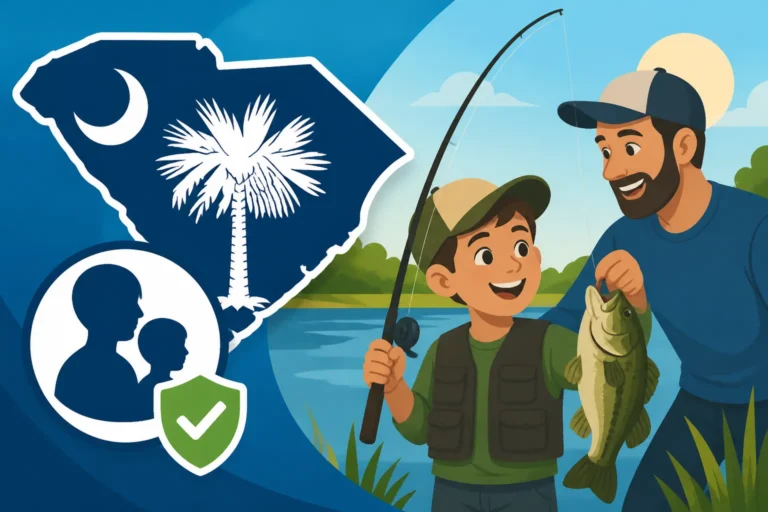
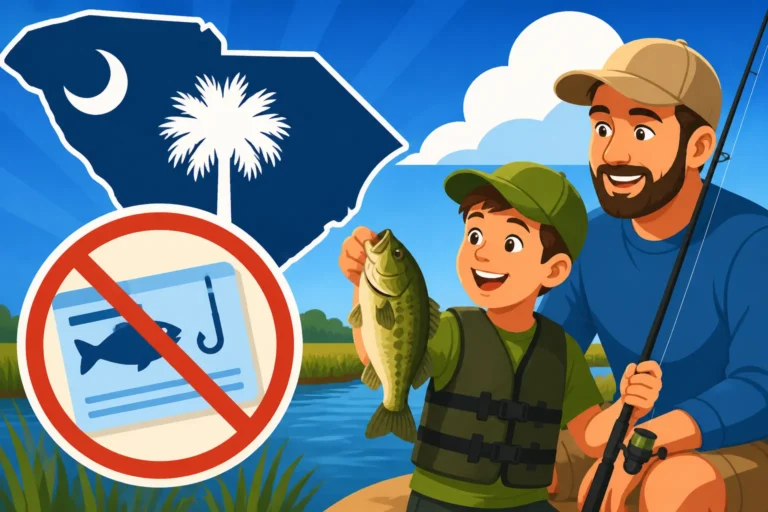
Furthermore, there are typically exemptions for children below a certain age. Generally, kids under 16 do not need a fishing license to fish in South Carolina, which is fantastic news for families looking to introduce youngsters to the sport. This makes it incredibly easy and affordable for parents and grandparents to take kids out fishing without worrying about extra costs. It's always wise to double-check the current Fishing License Rules for Kids in South Carolina to ensure compliance, as regulations can occasionally be updated. These provisions help make fishing accessible to all generations and income levels within the state.
Resident Saltwater Fishing License Costs: Navigating Coastal Waters
If your angling dreams involve the vast expanse of the Atlantic, the intricate marshlands, or the bustling estuaries along South Carolina's stunning coastline, you'll need a saltwater fishing license. Even for residents, this is a separate category from freshwater, reflecting the different management and conservation efforts required for our marine ecosystems. Don't make the common mistake of thinking your freshwater license will cover you for a trip to the coast!
Annual License for the Coast
For South Carolina residents, an annual saltwater fishing license is your golden ticket to exploring our incredible inshore and nearshore fisheries. This license typically costs around $15, providing a full year of access to chase redfish, spotted seatrout, flounder, and countless other species that call our coastal waters home. Similar to the freshwater license, it's valid for 365 days from the date of purchase, giving you year-round flexibility. More information is available in our Resident Saltwater Fishing License Costs in South Carolina guide.
This annual permit is a must-have for anyone who regularly enjoys surf fishing, casting from a pier, or taking their boat into the bays and creeks of the Lowcountry. It's a small investment for the immense opportunities our saltwater environment offers. Just imagine a crisp autumn morning, the sun rising over the marsh, and the thrill of a redfish pulling drag – all made possible by having the proper license in your pocket.
Combined Freshwater/Saltwater Options
To make things easier for those of us who enjoy both the lakes and the ocean, South Carolina offers combination licenses. These "all-in-one" options are incredibly convenient and often provide a slight cost savings compared to purchasing both licenses separately. For example, a resident combination annual freshwater and saltwater fishing license typically runs around $25. This single license covers all your recreational fishing needs within the state, whether you're chasing bass upriver or casting for trout in the salt marsh.
This combined license is a no-brainer for versatile anglers who might fish Lake Murray one month and the Charleston Harbor the next. It simplifies the process, requiring only one renewal and one document to carry. It's truly the most hassle-free option for residents who appreciate all the diverse fishing opportunities South Carolina has to offer, from the mountains to the sea.
Pier Fishing and Charter Considerations
A common question arises for coastal fishing: "Do I need a license if I'm fishing from a public pier or on a charter boat?" This is where the rules can get a little nuanced. If you're fishing from a licensed public fishing pier in South Carolina, you are generally covered under that pier's blanket license, meaning you typically do not need to purchase your own individual saltwater license. Always double-check with the specific pier, as policies can vary slightly.
However, if you're venturing out on a for-hire fishing charter or with a licensed guide, you are usually covered under the captain's commercial license. This means passengers on these trips typically do not need to buy their own individual saltwater recreational fishing license. This is a huge convenience, especially for visitors or those who only fish saltwater occasionally. But if you're fishing from your own boat, a friend's boat, or any other private vessel in saltwater, you will absolutely need your individual resident saltwater license. It's always best to clarify these specifics before your trip to ensure compliance with Saltwater Fishing Rules in South Carolina.
Nonresident Freshwater Fishing License Costs: Planning Your Visit
South Carolina welcomes anglers from all over, eager to experience our renowned freshwater fisheries. However, for those visiting from out of state, the licensing structure is different from what residents pay. It's designed to reflect that nonresidents don't contribute to the state's tax base in the same way, which often helps fund conservation efforts. Don't be surprised by the difference in price; it's standard practice across the country.
Annual License for Out-of-Staters
If you're a nonresident planning multiple trips to South Carolina's freshwater lakes and rivers throughout the year, or perhaps an extended stay, an annual nonresident freshwater fishing license might be your best bet. This license typically costs around $35. While more expensive than the resident equivalent, it still provides a full year of access to world-class fishing, from chasing trophy bass to reeling in catfish. Our Nonresident Freshwater Fishing License Costs in South Carolina article provides a detailed breakdown of this option.
This annual license is ideal for snowbirds who spend several months in the Palmetto State or for those who frequently travel here for fishing tournaments or family visits. It offers convenience and full coverage, preventing you from having to purchase multiple short-term licenses if your visits are frequent. It ensures that you can enjoy every freshwater opportunity without concern for expiring permits.
Short-Term Trip Options
For most nonresidents, a single trip or a short vacation is the norm, making short-term licenses a more practical and economical choice. South Carolina offers flexible short-term options that are perfect for a weekend getaway or a week-long fishing expedition. For freshwater, you can typically purchase a 14-day nonresident fishing license for around $11. This is a fantastic option if you're coming for a specific week-long vacation to a place like Lake Murray or Lake Hartwell.
If your trip is even shorter, perhaps just a long weekend, the 14-day option is still the primary choice for freshwater. It offers a good balance of coverage and cost-effectiveness for brief visits. Planning which one to get upfront helps avoid overspending. For more detailed information on options for visitors, check out our South Carolina Nonresident Fishing License Guide.
Border Water Reciprocity Explained
Fishing on border waters can often be a confusing aspect of licensing for nonresidents. South Carolina shares several significant waterways with neighboring states like Georgia and North Carolina. Good news: South Carolina has reciprocity agreements for some of these border waters, meaning a valid fishing license from a neighboring state might be accepted. For instance, on specific sections of the Savannah River (which borders Georgia) or certain lakes like Lake Hartwell (which also borders Georgia), you might be able to fish with a valid Georgia license, and vice versa. Similarly, some border waters with North Carolina may also have reciprocity.
However, this reciprocity usually applies only to specific stretches of water and for certain species. It's absolutely critical to confirm the exact regulations for the specific body of water you intend to fish. Relying on assumptions can lead to fines. Always consult the South Carolina Department of Natural Resources (SCDNR) website or call them directly for the most up-to-date information on South Carolina Fishing License Reciprocity With North Carolina or Georgia. It's better to be safe than sorry when it comes to navigating shared waterways.
Nonresident Saltwater Fishing License Costs: Ocean-Bound Adventures
Just like with freshwater, nonresidents looking to fish South Carolina’s beautiful coast will need a specific saltwater license. The Atlantic offers incredible opportunities, from surf fishing along Myrtle Beach to targeting prized species in the Lowcountry estuaries. Understanding these costs is key to enjoying a stress-free coastal fishing trip.
Annual Coastal License for Visitors
For nonresidents who frequently visit South Carolina’s coast throughout the year, an annual saltwater fishing license can be a cost-effective choice. This license typically costs around $75. While a bigger investment than the resident version, it grants a full 365 days of access to the state's vibrant marine fisheries. It's perfect for those who own vacation homes, make multiple extended trips, or have family in coastal areas and want to fish every time they visit.
This annual permit is a smart move if you anticipate spending more than a few weeks per year fishing in South Carolina's saltwater. It simplifies the process and ensures you're always covered, whether you're casting for redfish in Murrells Inlet or exploring the waters around Hilton Head Island. For a complete overview of these prices, refer to our Nonresident Saltwater Fishing License Costs in South Carolina article.
One-Day and Seven-Day Choices
Most nonresidents planning a singular, shorter visit will find the short-term saltwater options far more suitable for their needs. South Carolina offers a 1-day nonresident saltwater fishing license, usually around $10. This is an excellent choice for a quick trip, perhaps a single day of surf fishing or a spontaneous outing. For a longer weekend or a full week of coastal angling, the 7-day nonresident saltwater fishing license is available, typically costing about $35.
These flexible options allow visitors to pay only for the time they'll actually be fishing, making a weekend trip to Charleston or a week in Myrtle Beach much more budget-friendly. It’s important to accurately assess how many days you'll be fishing to choose the most economical short-term option. For example, if you're only fishing for two days, two 1-day licenses would be $20, while a 7-day license would be $35. Doing that quick math can save you a few bucks that could go towards bait or tackle from Amazon.
Considerations for Charter Boats and Piers
Similar to residents, nonresidents generally do not need an individual saltwater fishing license if they are fishing from a licensed public fishing pier. The pier's blanket license covers all patrons. This is a fantastic option for visitors who want to experience coastal fishing without committing to an individual license, making it very accessible.
The same often applies to passengers on a licensed for-hire charter boat or with a professional fishing guide. In most cases, the captain's commercial license covers everyone on board, meaning you, as a nonresident passenger, would not need to purchase your own recreational saltwater license. This is a common practice and a huge benefit for tourists, simplifying their experience. However, always confirm with your specific pier or charter captain beforehand to ensure you understand their policy, as regulations can change. If you're fishing from a private boat, you will need your own individual nonresident saltwater license.
Specialty Licenses and Permits: Beyond the Basics
While the standard recreational freshwater and saltwater licenses cover most anglers, South Carolina also has a few specialty licenses and permits that apply to specific situations or types of fishing. These are less common for the average recreational angler but are vital for those engaged in particular activities or seeking certain privileges.
Commercial vs. Recreational Licenses
It’s crucial to understand the fundamental difference between commercial and recreational fishing licenses in South Carolina. Recreational licenses, which we've been discussing, are for individuals fishing purely for sport or personal consumption, within established bag and size limits. Commercial licenses, on the other hand, are for individuals or businesses that harvest fish or shellfish for sale or profit. The requirements, costs, and regulations for commercial licenses are significantly more complex and expensive than recreational ones.
Commercial licenses often require specific gear permits, quotas, and strict reporting, and they are regulated by a different set of rules designed to manage commercial fisheries sustainably. If you're just fishing for fun and bringing home a few fish for dinner, you definitely need a recreational license. If you're thinking about selling your catch, then you're entering the realm of commercial fishing, and you’ll need to contact the SCDNR directly for their commercial licensing division. The two should never be confused.
Tournament Angler Rules
For many passionate anglers, competitive fishing is a major part of the sport. South Carolina hosts numerous fishing tournaments throughout the year, from local bass club events on Lake Wateree to large-scale saltwater competitions. While a standard recreational fishing license is almost always required for tournament participants, there can sometimes be additional rules or permits, particularly for tournament organizers or for very large events.
Typically, individual anglers participating in a tournament only need their standard recreational fishing license (freshwater or saltwater, depending on the tournament location) and must adhere to all state bag and size limits, even if the tournament has different rules for weigh-ins. However, tournament organizers may need to obtain specific permits from the SCDNR, especially if the event is large or involves special rules. If you're planning to participate in or organize a tournament, it's always wise to check with the SCDNR for any specific Tournament Angler License Rules in South Carolina or event permits that might be required to ensure everything runs smoothly and legally.
Federal Permits for Offshore Trips
While South Carolina's state saltwater fishing license covers recreational fishing in state waters (generally up to 3 miles offshore), venturing further into federal waters can sometimes require additional federal permits, depending on the species you're targeting. For example, if you're planning a trip far offshore to target highly migratory species like tuna, marlin, or swordfish, or certain reef fish like snapper and grouper, you might need a federal HMS (Highly Migratory Species) permit or a federal reef fish permit.
These federal permits are issued by the National Oceanic and Atmospheric Administration (NOAA) Fisheries, not the SCDNR, and come with their own set of costs and regulations. Most recreational anglers sticking to inshore or nearshore fishing won't need these, but if you're chartering a boat for a serious offshore big-game adventure or taking your own vessel far out, ensure your captain (or you, if it's your boat) has all necessary federal permits in addition to the state license. Always research the specific federal requirements for the species you intend to pursue if you plan to fish beyond state waters.
Lifetime Licenses: A Long-Term Investment for South Carolina Residents
For committed South Carolina residents, a lifetime fishing license represents an incredible value and a lasting commitment to the sport. It's not just about convenience; it's a long-term investment that pays dividends over many years, ensuring you're covered for all your future angling adventures.
Eligibility and Benefits
South Carolina offers lifetime fishing licenses primarily for its residents, with specific eligibility criteria often tied to age or other factors. The most prominent program is for senior residents, but there are also options for younger individuals. The key benefit is straightforward: purchase once, and you’re covered for life for either freshwater, saltwater, or both, depending on the type you choose. No more annual renewals, no more worrying about expiration dates, and you're protected from future price increases. This alone provides immense peace of mind for any dedicated angler. You can delve into the full details of these benefits in our South Carolina Senior Lifetime License Benefits guide.
Imagine never having to remember to renew your license again. It’s a game-changer for regular anglers, allowing them to focus entirely on the fishing experience. Plus, by purchasing a lifetime license, you're making a direct, significant contribution to the conservation and management of South Carolina's fish populations and aquatic habitats, ensuring that future generations can enjoy the same opportunities.
Cost Structure for Different Age Groups
The cost of a lifetime fishing license in South Carolina varies significantly based on the applicant's age at the time of purchase. Younger residents can purchase a lifetime license, but the cost is higher, reflecting the longer period of coverage. For example, a lifetime license purchased for a child might be several hundred dollars. This is a fantastic gift idea for young budding anglers, setting them up for a lifetime of fishing.
As residents get older, the cost typically decreases. South Carolina offers a substantially reduced rate for senior residents. For example, for residents aged 64, the cost of a comprehensive hunting and fishing lifetime license bundle is around $9.00. For those born before July 1, 1940, the comprehensive lifetime license is free. This phased pricing makes lifetime licenses more accessible and reflects a recognition of long-time residents' contributions to the state. It's worth noting that these prices can be subject to change, so always verify current rates with the SCDNR. Our article, South Carolina Senior Lifetime License Cost at Age 64, provides further information.
What a Lifetime License Covers and Doesn't
A South Carolina lifetime hunting and fishing license, particularly the comprehensive version, is incredibly robust. It generally covers all state recreational freshwater and saltwater fishing, as well as all state hunting privileges. This includes all common methods of recreational fishing, from rod and reel to cast nets for baitfish, within legal limits. It's essentially an all-encompassing pass for most outdoor pursuits within South Carolina’s borders.
However, "lifetime" typically refers to state licenses. It's important to understand that it does not cover federal permits for certain offshore species, federal waterfowl stamps, or any special tags that might be required for specific big game hunting seasons. For instance, if you decide to go shrimping with a cast net, your lifetime license would cover the recreational aspect, but if you wanted to commercially harvest shrimp, you'd need additional commercial permits. Always confirm the specific inclusions and exclusions of your lifetime license, especially if you engage in niche or federally regulated activities. Generally, for 99% of recreational fishing in South Carolina, a lifetime license has you covered.
Where and How to Purchase Your Fishing License
Once you've decided which type of South Carolina fishing license is right for you, the next step is actually getting your hands on it. Thankfully, the South Carolina Department of Natural Resources (SCDNR) has made the process quite straightforward, offering several convenient options to fit everyone's needs.
Online Portals and Convenience
In today's digital age, buying your fishing license online is arguably the easiest and most popular method. The SCDNR operates an excellent online licensing portal, often referred to as Go Outdoors South Carolina. Through this website, you can purchase annual, short-term, or even lifetime licenses from the comfort of your home, 24/7. All you need is an internet connection, a credit card, and some basic personal information. The site guides you through the process step-by-step.
Once purchased, you typically have the option to print your license immediately or store a digital copy on your smartphone, which is perfectly acceptable as proof of license. This instant access means you can even buy a license on your way to the fishing spot if you suddenly remember you need one. For a full walkthrough, check out How to Buy a Fishing License on Go Outdoors South Carolina. It’s designed for maximum convenience and is truly a game-changer for spur-of-the-moment fishing trips.
Local Vendors and Retailers
For those who prefer a more traditional approach or want to support local businesses, fishing licenses can also be purchased in person at numerous authorized vendors across the state. These typically include sporting goods stores like Academy Sports + Outdoors, Bass Pro Shops, or even many local tackle shops and general stores in fishing communities. These locations are equipped to process your license on the spot.
Purchasing from a local vendor also gives you the opportunity to chat with experienced staff who might offer valuable local fishing tips, recommend specific baits, or even help you pick out a new piece of gear, whether it's a specific lure or some new fishing line you saw on Amazon but wanted to see in person. It’s a great way to connect with the local angling community and get real-time advice on current fishing conditions. Just be sure to bring a valid ID and be prepared to provide your personal information.
Physical Locations like SCDNR Offices
While less common for routine purchases, you can also buy fishing licenses directly from SCDNR regional offices. These offices are located in various parts of the state, including Charleston, Columbia, Florence, and Clemson, among others. Visiting an SCDNR office might be particularly helpful if you have complex licensing questions, need to address a specific issue, or are looking for detailed information beyond what’s available online.
The staff at SCDNR offices are experts in all things regulations and licensing, so you can be assured you're getting the most accurate information. While it might require a trip during business hours, it offers a direct line to the regulatory body, which can be invaluable for unique situations or if you prefer face-to-face assistance. Always check their operating hours before you plan a visit.
South Carolina Fishing License Costs Summary Table
To help you quickly compare the most common fishing license options and their typical costs for both residents and nonresidents in South Carolina, here's a handy table. Please note that these are approximate costs and can be subject to change by the SCDNR. Always verify the most current prices when making your purchase.
| License Type | Resident Annual (Approx. Cost) | Nonresident Annual (Approx. Cost) | Resident Short-Term (Approx. Cost) | Nonresident Short-Term (Approx. Cost) | Coverage Details |
|---|---|---|---|---|---|
| Freshwater Fishing | $10 | $35 | 14-day: $5 | 14-day: $11 | All state freshwater, 365 days from purchase (or specific short-term) |
| Saltwater Fishing | $15 | $75 | 14-day: $10 | 1-day: $10, 7-day: $35 | All state saltwater, 365 days from purchase (or specific short-term) |
| Freshwater/Saltwater Combo | $25 | N/A (must buy separately) | N/A (must buy separately) | N/A (must buy separately) | All state freshwater & saltwater, 365 days from purchase |
| 3-Year Freshwater | $30 | N/A | N/A | N/A | All state freshwater, 3 years from purchase |
| 3-Year Saltwater | $45 | N/A | N/A | N/A | All state saltwater, 3 years from purchase |
| Lifetime (Senior, age 64+) | ~$9.00 | N/A | N/A | N/A | All state hunting & fishing, for life |
| Youth Lifetime (under 16) | ~$100-$500 (varies by age) | N/A | N/A | N/A | All state hunting & fishing, for life (cost varies significantly by age) |
This table should give you a quick reference point for the most common licenses. Remember to always check the official SCDNR website for the latest pricing and any new options available before you purchase.
Final Tips for Smart License Purchasing
Navigating the world of fishing license costs in South Carolina doesn't have to be a headache. With a little foresight and understanding, you can ensure you're fully prepared and legal for every cast. Here are a few final tips to keep in mind:
Firstly, always plan ahead. Before you even pack your tackle box, know where you'll be fishing (freshwater or saltwater), for how long, and your residency status. This clarity will instantly narrow down your options and make choosing the right license much simpler.
Secondly, verify current regulations and prices. While this guide provides a comprehensive overview, regulations and costs can change. The South Carolina Department of Natural Resources (SCDNR) website is your definitive source for the most up-to-date information. A quick visit before your purchase can save you from potential mistakes.
Lastly, don't forget about essential gear. Once your license is secured, you'll want to make sure you have everything else you need for a successful trip. From appropriate bait to a sturdy tackle box and a reliable set of waders, you can often find what you need by browsing on Amazon or visiting your local tackle shop. Having the right tools complements your legally obtained license, ensuring you're ready for whatever South Carolina's waters have in store.
By following these guidelines and utilizing the resources available, you'll be well on your way to enjoying the incredible fishing opportunities that await you in the Palmetto State, confident that your license is in order. Happy fishing!
Disclaimer
The information provided in this guide is for general informational purposes only and is subject to change. While we strive to keep the content accurate and up-to-date, fishing regulations and license costs are determined by the South Carolina Department of Natural Resources (SCDNR) and can be updated without prior notice. Always consult the official SCDNR website or contact them directly for the most current and authoritative information before purchasing any fishing license or engaging in fishing activities in South Carolina. We are not responsible for any inaccuracies or changes in regulations or pricing.