South Carolina Saltwater Fishing Seasons
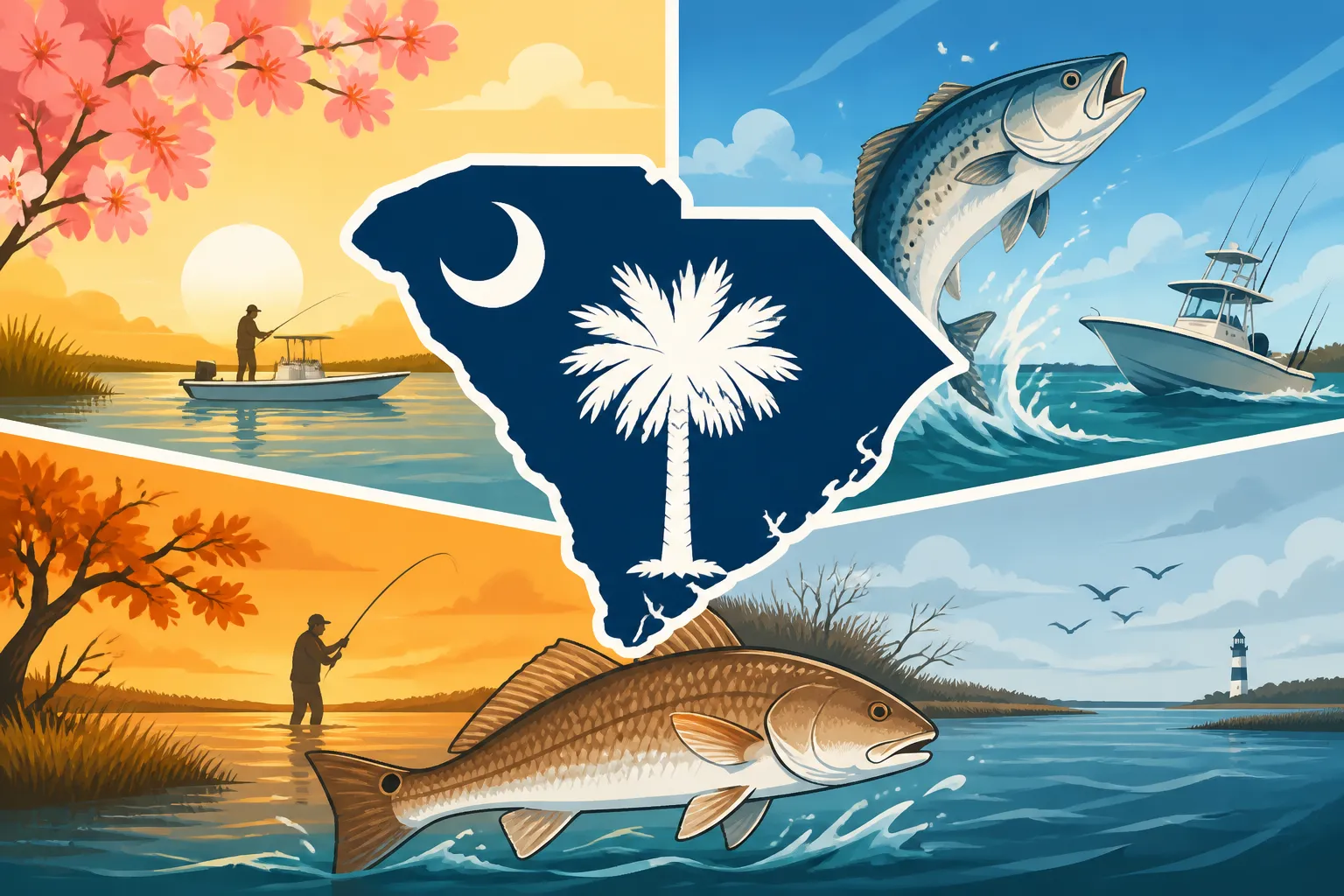
There’s nothing quite like the salty air, the distant cry of gulls, and the anticipation of a bent rod on the South Carolina coast. But if you’ve spent any time trying to chase a particular species, you know the frustration: one week they’re biting everything you throw, the next they’ve vanished without a trace. Understanding the dynamic ebb and flow of South Carolina's saltwater fishing seasons is crucial to transforming those hit-or-miss days into consistently rewarding experiences. This guide will walk you through the year, helping you predict fish movements, refine your techniques, and make the most of every cast.
The Rhythms of South Carolina's Saltwater Coast: An Overview
South Carolina's coastline is a vibrant, ever-changing ecosystem, stretching from the temperate North Carolina border down to the subtropical Georgia line. This diverse environment, encompassing vast marsh systems, intricate tidal creeks, expansive estuaries, and the open Atlantic, creates a dynamic fishery where conditions shift dramatically with the seasons. Trying to fish without acknowledging these natural rhythms is like trying to sail without understanding the wind – you might get lucky, but you're probably going to be frustrated more often than not.
Understanding the Dynamic Coastal Environment
The sheer variety of habitats along the South Carolina coast plays a huge role in how fish behave throughout the year. Our tidal creeks and saltmarshes act as nurseries and feeding grounds, offering protection and abundant forage. Further out, the nearshore reefs and wrecks provide structure for bottom-dwelling species and ambush points for predators. Then, of course, there's the vast expanse of the offshore waters, home to migrating pelagics and deep-sea dwellers. Each of these zones experiences different environmental pressures and changes based on the time of year, dictating where fish congregate, what they eat, and how aggressively they'll bite. It's a complex puzzle, but a fascinating one to unravel.
Seasonal Shifts and Their Influence on Fish Behavior
The primary drivers of fish behavior in saltwater are water temperature, photoperiod (daylight length), and food availability. As the seasons progress, these factors fluctuate dramatically, triggering migrations, spawning events, and changes in feeding patterns. For instance, cold winter waters might send some species offshore or into deeper, more stable creek systems, while the warming waters of spring draw them back into the shallows to spawn and feed. Summer brings a bounty of baitfish, creating feeding frenzies, but also challenges like lower oxygen levels in stagnant areas. Fall is often heralded as the "sweet spot" by many anglers, as cooling temperatures ignite aggressive feeding before winter sets in. Understanding these overarching trends is the first step in unlocking the secrets of our local waters.
Spring: Reawakening the Inshore Fisheries
As the chill of winter finally loosens its grip, usually around March, a palpable energy returns to the South Carolina coast. Spring is a season of transition, marked by steadily warming water temperatures, longer daylight hours, and the revitalization of the entire ecosystem. For saltwater anglers, it's a time of renewed hope and often, incredible action, as many species become more active, moving out of their winter hideouts and into more accessible areas.
The Energetic Start to the Fishing Year
The transition from winter to spring in South Carolina's coastal waters is a gradual but profound one. Early spring, usually March, can still have some unpredictable weather, but by April, the warmer days become more consistent. This rise in ambient temperature directly translates to rising water temperatures in the shallow marsh creeks and estuaries. This is the signal many fish species have been waiting for. They begin to shake off the lethargy of winter, their metabolisms speeding up, and their appetites returning with a vengeance. Baitfish, like finger mullet and glass minnows, become more abundant, creating a smorgasbord for predatory species. It's a fantastic time to be on the water, experiencing the coast come alive.
Prime Species and Productive Techniques
During spring, the inshore fishery truly shines. Redfish, which might have been schooled up tightly in deeper creeks during winter, start to spread out, moving onto shallow mudflats and oyster beds to gorge on shrimp, crabs, and small baitfish. This is a prime time for sight-fishing for "tailing" reds on high tides, or casting soft plastics and spinnerbaits like a Z-Man Chatterbait into creek mouths and along grassy banks. You can find excellent advice on specific approaches in our guide to Inshore Redfish Techniques for Beginners.
Spotted Seatrout also become much more active. After the winter gigging ban lifts in late February, they'll be found throughout the estuaries, particularly around oyster reefs and grass lines. They respond well to suspending lures, popping corks with live shrimp or mud minnows, and soft plastic paddletails. The key is often finding areas where bait is congregating.
Flounder begin their migration back into the estuaries from offshore spawning grounds in late spring, usually April and May, though their numbers really swell in summer. While not yet in peak season, you can start targeting them around structure like docks, pilings, and creek mouths using live mud minnows or Gulp! shrimp on a Carolina rig. If you're looking for detailed information, check out our Flounder Fishing Guide for South Carolina Anglers.
Finding the Sweet Spots: Spring Locations
In spring, focus your efforts on areas that warm up fastest. Shallow, dark-bottomed mudflats and oyster rakes exposed to direct sunlight are excellent starting points for redfish. Look for areas with good current flow but also nearby deeper pockets where fish can retreat if temperatures drop or predators appear. Creeks that connect to larger sounds or bays are often productive, as they serve as highways for fish moving in and out with the tides. Places like Murrells Inlet, with its extensive creek systems, and the vast marshlands around Mount Pleasant offer fantastic spring opportunities. When planning your trip, consider checking out some of the Best Inshore Fishing Spots in South Carolina.
Summer: From Sizzling Inshore to Deep Blue Adventures
Summer along the South Carolina coast brings consistent heat and sunshine, transforming the fishing scene into a vibrant, albeit sometimes challenging, landscape. The waters are warm, teeming with life, and the options for anglers expand dramatically, from bustling inshore creeks to the wide-open expanse of the Atlantic. While the heat can be intense, smart planning and early starts can lead to unforgettable catches.
Embracing the Summer Inshore Challenge
The high summer heat, typically from June through August, means water temperatures in the shallow estuaries can climb well into the 80s and even 90s. This has a few implications for inshore fishing. First, fish become less active during the hottest parts of the day. Their metabolism is high, but they often seek cooler, deeper water or areas with strong current flow that brings in oxygenated water and food. Early mornings and late evenings, or even night fishing, become prime times for targeting species like redfish and spotted seatrout.
When fishing during the day, focus on shaded areas, deep holes in creeks, and near structure that provides cover and a current break. Live bait like shrimp, mud minnows, and finger mullet become incredibly effective. Topwater lures can also produce explosive strikes in the early morning hours when fish are actively feeding on the surface before the sun gets too high. Remember that during these warmer months, a lot of smaller baitfish and crabs are everywhere, so consider downsizing your presentation if the fish seem finicky.
The Call of the Offshore: Pelagic Pursuits
Summer is undoubtedly the peak season for offshore fishing in South Carolina. The warm waters of the Gulf Stream push closer to our coast, bringing with it a parade of highly sought-after pelagic species.
- Mahi-Mahi (Dolphin): These colorful, acrobatic fish are a summer staple. They're often found around weed lines, floating debris, and temperature breaks offshore. Trolling ballyhoo or artificial lures is a popular and effective method.
- King Mackerel: Known for their blistering runs, "kings" are abundant in the nearshore to mid-range offshore waters during summer. They can be caught by slow-trolling live bait like menhaden or cigar minnows, or by pulling spoons and other artificials.
- Wahoo and Tuna: While present year-round, summer offers consistent opportunities for these powerful fighters, especially further offshore. High-speed trolling is often the ticket for wahoo, while blackfin and yellowfin tuna can be targeted with trolling or chunking techniques.
- Snapper and Grouper: These bottom-dwelling species are a favorite for many offshore anglers. Summer offers excellent conditions for dropping baits and jigs to wrecks, reefs, and ledges. However, be acutely aware of seasonal closures and specific regulations, as these species are heavily managed.
Booking an offshore charter is a fantastic way to experience this fishery, and many operators in places like Murrells Inlet or Charleston offer half-day and full-day trips geared towards these summer species.
Managing the Heat and Maximizing Your Catch
Summer fishing in South Carolina demands respect for the elements. Hydration is paramount, so bring plenty of water and electrolytes. Sun protection, including wide-brimmed hats, UV-protective clothing, and sunscreen, is non-negotiable. Consider starting your trips at dawn to beat the midday sun and capitalize on prime feeding times.
For gear, breathable fabrics are your friend. A good pair of polarized sunglasses is essential for spotting fish and structure in the glare. If you're fishing inshore, having a shallow-draft boat or kayak can open up access to cooler, less pressured areas deep within the marsh. On the offshore front, make sure your reels are spooled with fresh line, as summer pelagics will test your tackle to its limits. Many anglers find high-quality braided line from brands found on Amazon provides the necessary strength and sensitivity for these powerful fish.
Fall: The Epic "Fall Run" and Unforgettable Action
If there's one season that gets South Carolina saltwater anglers truly giddy, it's fall. As September rolls around, a glorious transformation begins. The oppressive summer heat gives way to cooler, more comfortable temperatures, the humidity drops, and the coastal waters ignite with a level of fishing activity that is simply unmatched. This period, often referred to as the "Fall Run," is a highlight of the angling calendar.
The Phenomenon of the Fall Feeding Frenzy
The "Fall Run" isn't just a catchy phrase; it's a critical biological event driven by instinct. As water temperatures begin to cool from their summer highs, many baitfish species, particularly various types of mullet, start their annual migration out of the estuaries and along the coast, heading south towards warmer waters. This massive exodus triggers an epic feeding frenzy among predatory fish. Redfish, spotted seatrout, flounder, bluefish, and even migratory species like Spanish mackerel and jack crevalle gorge themselves, packing on fat reserves in preparation for the leaner winter months and the upcoming spawning season.
The sheer volume of bait in the water can be astounding, with schools of mullet "nervously" skipping across the surface, often pursued by hungry gamefish. Anglers often witness incredible scenes of fish crashing bait, sometimes right at their feet, making for truly exhilarating fishing experiences. The fish are aggressive, less finicky than in the heat of summer, and often willing to strike a wider variety of baits and lures.
Top Inshore Targets and Foolproof Fall Strategies
Inshore, redfish, spotted seatrout, and flounder are the stars of the show.
- Redfish: Fall is arguably the best time to target trophy redfish. As they school up and push bait, they become more visible and aggressive. Look for them in deeper holes in the marsh, around oyster beds, and along creek edges where baitfish are abundant. Cut bait, live finger mullet, and larger soft plastics or spoons are incredibly effective. Sight fishing on flood tides in the grass can also be phenomenal. For a deep dive into rules, make sure you're up-to-date on South Carolina Redfish Slot Limit Rules.
- Spotted Seatrout: Trout fishing absolutely explodes in the fall. They'll be found throughout the estuaries, from the shallow grass flats to the deeper channels. Popping corks with live shrimp or artificial shrimp imitations are deadly. Suspending twitch baits, like the MirrOlure MirrOdine, can also be incredibly productive when fished with a slow, erratic retrieve.
- Flounder: While many flounder have moved offshore to spawn by late fall, the early fall months (September, early October) can still offer excellent flattish action before they fully depart. Target them around jetties, inlets, and creek mouths using live mud minnows or Gulp! shrimp.
Many anglers find that getting out on the water right at sunrise during the fall can be magical. The cooler air, the mist rising off the water, and the aggressive feeding activity combine for a perfect start to the day.
Chasing Offshore Giants in Cooler Conditions
The offshore scene remains vibrant in the fall, though some species may begin to transition. King mackerel and Spanish mackerel are often still plentiful in nearshore and mid-range waters, continuing to follow the bait schools. As water temperatures continue to drop, species like wahoo, tuna, and sailfish remain excellent targets further offshore, especially along the Gulf Stream eddies. The cooler air temperatures make offshore runs much more comfortable than in the sweltering summer.
For those venturing offshore, having a reliable marine radio and GPS is always important, but particularly as weather can become more unpredictable with the change of seasons. Checking marine forecasts regularly is key. Make sure your tackle is stout enough for whatever you might encounter; fall offshore fish are often feeding heavily and fighting with maximum vigor.
Winter: Quiet Waters and Unique Opportunities
Winter on the South Carolina coast, typically December through February, ushers in a period of quieter waters and fewer anglers, offering a serene fishing experience for those willing to brave the chill. While some species migrate away or become less active, winter also presents unique opportunities for targeting certain fish that thrive in colder conditions or congregate in predictable patterns. Don't let the colder temperatures deter you; winter fishing can be incredibly rewarding.
Finding Fish in Colder Inshore Waters
When cold fronts push through, dropping air and water temperatures, inshore fish like redfish and spotted seatrout don't disappear entirely; they simply change their behavior and location.
- Redfish: These hardy fish will seek refuge in deeper, warmer pockets within the marsh. Look for them concentrated in residential canals, deep creek bends, and dark-bottomed mudflats that absorb and retain solar heat. They often "mud-fish," stirring up the bottom as they forage, which can be a key visual cue. They become less active and slower-moving, so a slow presentation is crucial. Finesse soft plastics, cut shrimp, or fiddler crabs fished slowly along the bottom are excellent choices. Finding a school of winter reds can lead to incredible action, as they often stay grouped together. Remember that cooler temperatures also tend to concentrate baitfish, so finding the bait is often key to finding the reds.
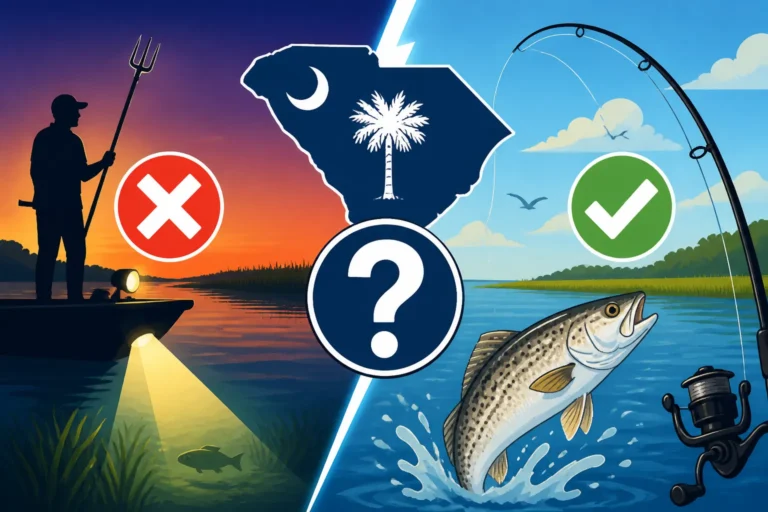
- Spotted Seatrout: While their activity generally slows, trout can still be caught in winter, often in the same deeper holes and creeks where redfish are found. They tend to school up more tightly. Be aware of South Carolina's Winter Gigging Ban for Seatrout, which typically runs from December through February, meaning anglers must use hook-and-line. Suspending lures, jigged slowly, or live shrimp fished under a float in deeper channels can entice bites.
- Sheepshead: This is arguably the prime season for sheepshead. These "convict fish," with their distinctive black and white stripes and human-like teeth, thrive in colder water. They congregate around structure like bridge pilings, jetties, oyster reefs, and dock pilings. Fiddler crabs, barnacles, and clams are irresistible baits. Their subtle bite requires keen focus, but catching a big sheepshead is a true winter accomplishment.
Specialized Offshore Opportunities in Winter
Offshore in winter, the focus shifts slightly. While many migratory pelagics have moved south, there are still fantastic opportunities:
- Tuna and Wahoo: These powerful species can still be found along the edge of the Gulf Stream in winter, often requiring longer runs but offering a chance at true trophy fish. High-speed trolling is a popular method.
- Snapper and Grouper: Bottom fishing for snapper and grouper remains productive, provided the weather allows for safe passage offshore. Again, it's critical to be aware of the specific seasonal regulations for these managed species, as seasons can close during winter months.
- Amberjack: These powerful fighters are often found around offshore wrecks and reefs, offering a brutal battle on heavy tackle. Jigging or live baiting over structure are effective methods.
Winter offshore trips are highly weather-dependent. Calm days can be spectacular, but strong cold fronts can bring rough seas. Always check the marine forecast before heading out.
Essential Cold Weather Gear and Safety
Winter fishing demands proper preparation. Layering clothing is essential to stay warm and dry. A good waterproof and windproof outer shell, insulated base layers, and warm hats and gloves are crucial. Thermal boots are also a game-changer. Brands like Columbia or Simms (often found on Amazon) offer excellent options for cold-weather fishing apparel.
Safety is paramount. The colder water temperatures mean hypothermia is a serious risk if you were to fall overboard. Always wear a PFD (Personal Flotation Device), even if you're not usually inclined to do so in warmer months. Ensure your boat's safety equipment is in top condition, including flares, a marine radio, and a fully charged cell phone in a waterproof case. Tell someone where you're going and when you expect to return. While the fishing can be fantastic, the winter environment demands extra respect.
Key Coastal Species: When and Where to Find Them
Understanding the general seasonal trends is a great start, but truly dialing in your South Carolina saltwater fishing means getting to know the specific habits of our most popular coastal species. Each fish has its own preferred temperatures, migration patterns, and feeding behaviors that dictate when and where you'll have the best chance of encountering them.
Redfish: Year-Round Presence with Seasonal Nuances
Red Drum (Redfish) are perhaps the most iconic inshore gamefish in South Carolina, and thankfully for us, they're available year-round. However, their behavior changes significantly with the seasons.
- Spring: As waters warm, redfish disperse from their winter schools. They move onto shallow flats and oyster bars, actively feeding on newly abundant shrimp and crabs. This is a prime time for sight-fishing for "tailing" reds on high tides, especially in March and April. They'll readily strike soft plastics, spinnerbaits, and cut bait.
- Summer: In the heat of summer, redfish often seek deeper, cooler water in the middle of the day. Early mornings and late evenings become prime fishing times. They'll still cruise grass lines and oyster reefs, but may be harder to find in the intense midday sun. Live bait like finger mullet or mud minnows, fished near structure or deeper holes, are highly effective. Topwater lures can also be thrilling in the low light.
- Fall: This is peak redfish season. The "Fall Run" sees huge schools of redfish aggressively feeding on migrating mullet. They can be found almost anywhere in the estuaries – creek mouths, jetties, beachfronts, and open bays. Larger soft plastics, spoons, and live mullet or cut bait are irresistible. This is often the best time to target larger "bull reds" that have moved inshore. Be mindful of the two-fish South Carolina Redfish Vessel Limit Explained.
- Winter: Redfish congregate in tight schools in deep creeks, canals, and dark-bottomed mudflats to conserve energy and find warmer water. They become less active, but a slow-fished jig, soft plastic, or cut bait presented directly to a school can result in multiple hook-ups. Patience and quiet approaches are key.
Spotted Seatrout: Following the Temperature Swings
Spotted Seatrout (Speckled Trout) are another inshore favorite, known for their delicate bite and delicious fillets. Their activity is more temperature-dependent than redfish.
- Spring: As water temperatures rise into the 60s Fahrenheit, trout become very active. They move into the vast network of marsh creeks and grass flats, feeding heavily on shrimp and small baitfish. Popping corks with live shrimp or artificials, soft plastics, and suspending twitch baits are highly effective.
- Summer: Trout remain active in summer, though they may seek slightly deeper or more shaded areas during the hottest parts of the day. Early mornings and late evenings are best. They'll still readily hit popping corks and soft plastics.
- Fall: Fall is prime time for trout fishing. As baitfish migrate and temperatures cool, trout go on a feeding binge, often schooling up in large numbers. Targeting them with popping corks and shrimp or various soft plastic paddletails and shrimp imitations can lead to fast and furious action. For specific rules, check out Spotted Seatrout Size and Bag Limits in South Carolina.
- Winter: Trout become more sluggish and vulnerable in colder waters. They often congregate in deeper channels, holes, and residential canals. Their metabolism slows, so slow presentations are crucial. Suspending lures, fished with a very slow twitch, or live shrimp on a simple jig head, are effective. Be aware of the winter gigging ban, and handle all caught trout with care to ensure high survival rates for released fish.
Flounder: Migration Patterns and Prime Times
Flounder are master ambush predators, excellent table fare, and a popular target for many anglers. Their movements are strongly tied to spawning migrations.
- Spring: Flounder begin to migrate from their offshore spawning grounds back into the nearshore and inshore waters as spring progresses. They can be found around inlets, jetties, and the deeper channels of estuaries by late spring (April/May). Live mud minnows or Gulp! shrimp fished on a Carolina rig are highly effective.
- Summer: Summer is often considered peak flounder season inshore. They are abundant throughout the estuaries, hiding in ambush positions around structure like docks, bridge pilings, jetties, and sandbars. Live bait is king for flounder, with mud minnows and finger mullet being top choices. Jigging soft plastics or bucktails along the bottom can also be productive.
- Fall: Early fall can still offer excellent flounder fishing inshore before they begin their offshore migration for spawning. As temperatures drop and bait moves, flounder will feed aggressively. By late fall, most adult flounder have moved offshore.
- Winter: Flounder are primarily offshore in deeper waters during winter for their spawning cycle. Inshore catches are rare, typically smaller fish that haven't matured enough to migrate. Anglers generally shift their focus to other species during this time.
Navigating Tides, Moon Phases, and Regulations
Beyond the seasonal calendar, a successful saltwater angler in South Carolina understands that external forces like the tides, the moon, and, critically, current regulations play an enormous role in fishing success and compliance. Ignoring these factors can lead to frustrating days or, worse, legal trouble.
Harnessing the Power of Tides and Currents
In a tidal environment like South Carolina's coast, the movement of water is arguably the single most important factor influencing fish behavior. Tides dictate water depth, current speed, and bait movement, essentially acting as the pulse of the estuary.
- Incoming Tide (Flood Tide): As water flows in from the ocean, it brings in cooler, oxygenated water and pushes baitfish and shrimp into the marsh grass and shallow flats. Fish often follow this incoming water, moving into areas that were previously dry or too shallow. This can be excellent for sight-fishing redfish as they "tail" in the flooded grass.
- Outgoing Tide (Ebb Tide): As water recedes, it pulls baitfish out of the marsh and concentrates them in creek mouths, channels, and along oyster rakes. This "bottleneck" effect creates prime ambush points for predatory fish like redfish, trout, and flounder. Falling tides can be incredibly productive, especially around creek mouths and points where current funnels bait.
- Slack Tide (High or Low): The period of minimal water movement at the peak of high or low tide can sometimes be slower for fishing, as the current isn't actively concentrating bait or pushing fish into new areas. However, some species, particularly sheepshead, can bite well during slack tide around heavy structure.
- Tidal Flow: The strength of the current is also critical. Too strong, and fish may seek shelter; too weak, and bait might be too dispersed. Often, the hours leading up to and immediately after peak current (either incoming or outgoing) are the most productive. Understanding your local tide charts – available online, in apps, or from local bait shops – is non-negotiable for serious saltwater anglers.
The Moon's Mysterious Pull on Fish Activity
The moon, through its gravitational pull, directly influences the tides. Therefore, the moon phase indirectly impacts fishing by affecting the strength and timing of the tides.
- New Moon and Full Moon (Spring Tides): During these phases, the gravitational pull of the sun and moon combine, resulting in stronger tidal currents and greater differences between high and low tide. These "spring tides" can be excellent for fishing, as the stronger currents dislodge more bait and create more pronounced feeding lanes. However, very strong currents can also make fishing challenging in certain areas.
- First and Last Quarter Moon (Neap Tides): When the sun and moon are at right angles, their gravitational pulls partially cancel each other out, leading to weaker tidal currents and less extreme highs and lows. These "neap tides" might offer slower fishing in some areas, but can be good for targeting fish in shallower, calmer waters that might be too turbulent during spring tides.
While tide charts are your immediate guide, understanding the moon phase helps you anticipate the type of tidal conditions you'll experience, allowing you to plan your trips accordingly.
Staying Up-To-Date on South Carolina's Ever-Evolving Fishing Rules
Perhaps the most critical, yet often overlooked, aspect of saltwater fishing in South Carolina is staying current with regulations. Fishing rules are not static; they change based on biological assessments, conservation efforts, and management goals. Ignorance of the law is not an excuse, and penalties for violations can be steep.
The South Carolina Department of Natural Resources (SCDNR) is the governing body for all fishing regulations. You can find their most up-to-date information on their website, often in a downloadable PDF format or through their mobile app. Key regulations to always check include:
- Minimum and Maximum Size Limits: Many species, like redfish and spotted seatrout, have slot limits, meaning you can only keep fish within a certain size range. This protects both juvenile and large spawning-size fish.
- Bag Limits: This is the maximum number of fish of a particular species you can keep per person, per day.
- Vessel Limits: Some species, like redfish, also have a vessel limit, meaning there's a maximum number of fish that can be kept on a single boat, regardless of how many licensed anglers are on board. This is important if you're fishing with a group.
- Seasonal Closures: Certain species, especially bottom fish like snapper and grouper, may have specific seasons when they can be harvested, or even be closed entirely for parts of the year.
- Gear Restrictions: There might be restrictions on the type of gear you can use (e.g., limits on the number of hooks, restrictions on certain nets).
- License Requirements: Don't forget that almost everyone needs a license to fish in South Carolina's saltwater, with some exceptions for children and those fishing on licensed charter boats. You can learn more about this in our Saltwater Fishing Rules in South Carolina guide or our comprehensive South Carolina Fishing License Guide.
Before every trip, make it a habit to quickly review the current regulations for the species you intend to target. This diligence ensures you're fishing legally and contributing to the conservation of our precious marine resources for future generations.
| Season | Typical Months | Key Inshore Species | Key Offshore Species | General Water Temp Range (F) | Primary Angling Focus |
|---|---|---|---|---|---|
| Spring | March – May | Redfish, Trout, Flounder (late) | Spanish Mackerel, King Mackerel, Mahi-Mahi (late) | 60 – 75 | Inshore reawakening, sight-fishing, early pelagic runs |
| Summer | June – August | Redfish, Trout, Flounder, Tarpon, Sharks | Mahi-Mahi, King Mackerel, Tuna, Wahoo, Snapper/Grouper | 75 – 85+ | Offshore pelagic peak, early/late inshore, heat management |
| Fall | September – November | Redfish, Trout, Flounder, Bluefish, Spanish Mackerel | King Mackerel, Wahoo, Tuna, Sailfish | 65 – 75 | "Fall Run" feeding frenzy, trophy inshore, comfortable offshore |
| Winter | December – February | Redfish, Sheepshead, Trout (slow) | Snapper/Grouper, Wahoo, Tuna, Amberjack | 50 – 65 | Solitude, bottom fishing (inshore/offshore), sheepshead |
Disclaimer
Fishing conditions and regulations in South Carolina can change rapidly. Always consult the official South Carolina Department of Natural Resources (SCDNR) website or regulations handbook before heading out on the water to ensure you have the most current information regarding licenses, bag limits, size restrictions, and seasonal closures. This guide provides general information and should not be considered a substitute for official regulations.