South Carolina Freshwater Fishing Calendar
Figuring out the absolute "best" time to hit the freshwater lakes and rivers in South Carolina can feel like trying to solve a puzzle with a million moving pieces. From shifting weather patterns to the intricate life cycles of various fish species, it's easy to get overwhelmed. This comprehensive guide is here to untangle that complexity, providing you with a clear, season-by-season breakdown of what to expect, what to target, and how to maximize your freshwater fishing adventures across the Palmetto State.
Why a Freshwater Fishing Calendar Matters
Anyone who's spent enough time on the water knows that fishing isn't just about dropping a line in and hoping for the best. It's a nuanced dance with nature, heavily influenced by the seasons, water temperatures, and the specific behaviors of different fish species. A reliable freshwater fishing calendar isn't just a guide; it's your strategic playbook, helping you understand when fish are most active, when they're spawning, and what techniques will yield the best results. Without this knowledge, you're essentially fishing blind, missing out on prime opportunities and increasing your frustration.
Understanding Seasonal Fish Behavior
Fish, like all creatures, operate on a seasonal clock. Their metabolism, feeding habits, and reproductive cycles are all tied to the changing seasons. For instance, in colder months, many fish become more sluggish, conserving energy, while in the warmer months, their activity levels surge, leading to more aggressive feeding. Knowing these patterns means you can predict where fish will be, what they'll be eating, and how they'll react to your presentation. This foresight isn't just about catching more fish; it's about connecting with the natural rhythm of the aquatic world.
Adapting Techniques and Tackle
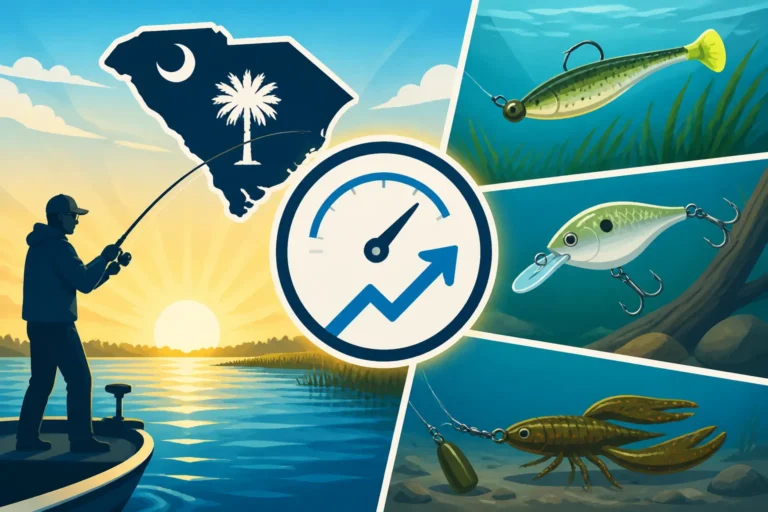
The gear and techniques that work wonders in spring might be completely ineffective in the dead of summer or winter. A calendar helps you adjust your approach. Think about it: during the spring spawn, bass are often shallow and aggressive, making topwater baits or soft plastics pitched to cover incredibly effective. Come summer, those same bass might be hunkered down in deeper, cooler water, requiring a completely different strategy like deep cranking or vertical jigging. Your tackle box should be a reflection of the season, and having a good calendar in mind ensures you're always prepared. Many anglers even categorize their tackle by season in their storage solutions, making it easier to grab what's needed for the day. For example, a dedicated spring box might hold various spinnerbaits and wacky worms, while a summer box focuses on heavy jigs and deep diving crankbaits. You can find excellent, well-organized tackle boxes on Amazon that make this kind of seasonal organization a breeze.
Spring: The Awakening (March, April, May)
Spring is arguably the most exciting time for freshwater anglers in South Carolina. After the sluggishness of winter, fish become incredibly active, driven by rising water temperatures and the instinct to spawn. This is a period of high energy and aggressive feeding, making it prime time for many species.
Largemouth Bass Pre-Spawn and Spawn
March and April are peak months for largemouth bass in South Carolina. As water temperatures climb into the 50s and 60s Fahrenheit, bass move from their deeper winter haunts into shallower waters, often around submerged cover, docks, and weed lines, to prepare for their spawn. This "pre-spawn" phase is characterized by aggressive feeding as they pack on energy. During the actual spawn, typically from late March through May depending on the specific lake and conditions, bass will be on their beds, protecting eggs and fry.
During the pre-spawn, crankbaits, spinnerbaits, and lipless crankbaits are highly effective for covering water and triggering strikes from actively feeding bass. As they move onto beds, soft plastics like wacky worms, creature baits, and jigs become excellent choices for precision pitching to visible fish. It's a thrilling time to be on the water, watching a big female guard her nest. If you're serious about targeting these magnificent fish, take a look at our full resource, Largemouth Bass Fishing in South Carolina: The Complete Guide, for even more detailed tactics.
Crappie Moving Shallow
Crappie, often called "sac-au-lait" in some Southern circles, also become incredibly active in spring. Their spawning period typically begins when water temperatures reach the upper 50s and low 60s, usually from March into April. They'll move into shallow brush piles, submerged timber, and around docks, making them accessible to both boat and bank anglers.
Small jigs, often tipped with a minnow or a soft plastic grub, are absolute killers for spring crappie. You can cast them to cover or vertically jig them. Light tackle is key for detecting their subtle bites. Many anglers employ spider rigging techniques with multiple poles when boat fishing to cover a larger area of shallow brush. For those looking to master the art of catching these tasty panfish, our guide on Crappie Jigging Techniques for Beginners offers fantastic starting points.
Catfish Beginning to Stir
While summer is often thought of as prime catfish time, spring sees these bottom-dwellers awakening from their winter lethargy. As water temperatures increase, channel catfish, blue catfish, and flathead catfish start to become more active and begin moving into shallower areas in rivers and creek arms to feed more aggressively before their summer spawning.
Spring is an excellent time to target channel and blue catfish with cut bait, stink bait, or even chicken livers. Look for them in deeper holes adjacent to shallower flats, especially in tributaries where warming water first concentrates baitfish. In larger systems like the Santee Cooper lakes, targeting the mouths of feeder creeks can be particularly productive. If you’re getting serious about landing some big ones, our article on Catfish Bottom Fishing Basics can provide invaluable insights into bait and rig choices.
Summer: The Heat of the Bite (June, July, August)
Summer fishing in South Carolina presents its own unique set of challenges and rewards. With soaring air temperatures and warming water, fish often seek refuge in deeper, cooler waters or become most active during dawn, dusk, and even night hours. Adaptability is the name of the game.
Largemouth Bass Going Deep
Once the summer heat sets in, especially from late June through August, largemouth bass tend to move away from the super-shallow spawning grounds. They'll retreat to deeper ledges, submerged brush piles, creek channels, and areas with good shade and oxygen, like the thermocline in deeper lakes.
This means you'll need to adjust your tactics significantly. Deep cranking, Carolina rigs, shaky heads, and heavy jigs become staples. Early morning topwater bites can still be fantastic, especially around grass edges or docks before the sun gets too high. Night fishing for bass can also be incredibly productive in summer, as they'll move shallower under the cover of darkness to ambush baitfish. If you're planning a trip to one of the state's most popular destinations, our Lake Murray Fishing Guide for South Carolina Anglers provides excellent localized advice for beating the summer heat.
Striped Bass Summer Patterns
Summer is a prime time for targeting striped bass, particularly in landlocked reservoirs like Lake Murray and the Santee Cooper lakes. These powerful fish will often "school up" in cooler, deeper parts of the lake, often following baitfish like blueback herring.
Finding the thermocline (the layer where water temperature changes rapidly) is crucial for summer stripers. Downrigging, trolling with bucktail jigs or spoons, and live baiting with blueback herring or gizzard shad are common and effective techniques. Early mornings and late evenings can also see stripers busting on the surface, offering exciting topwater action. For those specifically targeting Lake Murray's legendary stripers, our article Striped Bass Fishing on Lake Murray, South Carolina goes into great detail about summer strategies.
Catfish Feeding Frenzy
Summer is, without a doubt, a fantastic time for catfish in South Carolina's freshwater systems. With warmer water, their metabolism is high, and they feed aggressively. Channel, blue, and flathead catfish are all active.
Target them in deeper channels, river bends, and around structural elements that provide current breaks. Cut bait (shad, bream), chicken livers, and commercial stink baits are all excellent choices. For flatheads, live bait like bluegill or small bream is often preferred. Jug fishing and trotlining are popular summer techniques for catfish, particularly on vast systems like the Santee Cooper lakes. Anglers flock to these waters for the chance at a trophy cat. Read our guide on Santee Cooper Lakes: South Carolina's Legendary Bass Fishery to discover more about this incredible fishery, which is also a hotspot for catfish.
Fall: The Transition (September, October, November)
Fall offers some of the most comfortable and rewarding fishing experiences in South Carolina. As air and water temperatures begin to cool, fish become highly active, often mirroring their spring patterns but with a renewed sense of urgency as winter approaches.
Largemouth Bass Fall Feed
As the scorching summer heat gives way to cooler autumn days, largemouth bass sense the impending winter and begin a major feeding spree. They'll push baitfish into shallower pockets and coves, often schooling up and chasing shad.
This "fall turnover" can lead to incredible fishing, with bass aggressively hitting a wide variety of lures. Crankbaits, spinnerbaits, jerkbaits, and topwater lures (especially on overcast days or during low light) are all highly effective. Look for schooling activity, either on the surface or detected with your electronics. Bass will often follow baitfish into creek arms and main lake points. The cooler weather also means you don't have to be on the water at dawn to experience good action.
Crappie Schooling Up
Fall is another fantastic time for crappie fishing, rivaling spring in terms of productivity. As water temperatures cool, crappie will often move out of their deep summer haunts and begin schooling up in deeper brush piles, submerged timber, and along creek channels, particularly as they follow baitfish.
Vertical jigging with small jigs or minnows is a very effective technique. Pay close attention to your electronics to locate schools of crappie and their preferred depth. These fish will be actively feeding, trying to put on weight for the lean winter months. Finding a good brush pile can lead to filling a cooler in short order.
Sunfish and Bream Still Active
While not as intensely targeted as bass or crappie, sunfish and bream (bluegill, redbreast, shellcracker) remain active through much of the fall, especially early in the season. They'll continue to feed on insects and small crustaceans, making them a great target for family outings or those seeking a relaxing day.
Small worms, crickets, or even tiny artificial lures fished under a bobber can produce plenty of bites. Look for them around docks, lily pads, and other shallow cover, particularly in areas that still receive good sunlight. Fall can be a pleasant time to introduce new anglers to the sport, as the weather is mild and the action can be steady. Our guide to South Carolina's Nine Native Sunfish Species Explained details more about these accessible and fun-to-catch fish.
Winter: The Chill and the Challenge (December, January, February)
Winter fishing in South Carolina's freshwater can be a true test of patience and skill. Water temperatures are at their lowest, and fish metabolisms slow considerably. However, for those willing to brave the chill, winter can offer opportunities for trophy fish, particularly large bass and stripers, that are less pressured.
Largemouth Bass Slow and Deep
During the coldest months, largemouth bass will typically relate to deep water structure. This includes deep ledges, humps, standing timber, and creek channels in reservoirs. They'll often school up in these areas, becoming very lethargic.
The key to winter bass fishing is a slow, methodical approach. Jigs, jigging spoons, blade baits, and slow-rolled crankbaits are effective. You need to present your lure right on their nose and be prepared for incredibly subtle bites. Fishing on sunny days, especially later in the afternoon when water temperatures might warm slightly in shallow, dark-bottomed areas, can sometimes draw a few bass shallower. But generally, expect to be fishing deep and slow.
Crappie in Deep Schools
Just like bass, winter crappie will typically school up in deep water. They often suspend over channels, around deep brush piles, or near major creek junctions. Finding them with good electronics is paramount.
Once located, vertical jigging with tiny jigs or minnows is the most effective method. Some anglers prefer to "dead stick" a minnow under a bobber, letting it sit perfectly still at the depth where crappie are suspended. The bites will be incredibly light, often feeling like just added weight to your line, so sensitive rods and thin line are crucial. While it's slower than spring or fall, catching a cooler full of winter crappie is a testament to an angler's dedication.
Striped Bass Winter Activity
For striped bass, winter can be an excellent time, especially on the larger reservoirs. Stripers are often found in deep, open water, sometimes suspending in massive schools. They remain active even in cold water and can offer some of the most intense fights of the year.
Trolling with large deep-diving crankbaits or bucktail jigs is effective, as is vertical jigging with heavy spoons or blade baits when schools are located. Live baiting with gizzard shad or blueback herring is also a proven winter tactic. Pay close attention to bird activity, as gulls often betray the presence of schooling stripers pushing baitfish to the surface. Winter fishing for stripers often means covering a lot of water and relying heavily on your fish finder.
Key Freshwater Species & Their Peak Seasons
To make things a little easier to digest, here’s a quick overview of some of South Carolina’s most popular freshwater game fish and their general peak seasons for activity. Remember, these are general guidelines, and local conditions can always vary.
| Species | Peak Spring (Mar-May) | Peak Summer (Jun-Aug) | Peak Fall (Sep-Nov) | Peak Winter (Dec-Feb) | Notes |
|---|---|---|---|---|---|
| Largemouth Bass | Excellent (Spawn/Pre-spawn) | Good (Deep, Dawn/Dusk) | Excellent (Feed) | Fair (Deep, Slow) | Aggressive in spring & fall, deep tactics in summer/winter. |
| Crappie | Excellent (Spawn) | Fair (Deep, Low Light) | Excellent (School) | Good (Deep, Slow) | Shallow in spring, schooling in fall/winter. |
| Catfish | Good (Warming Water) | Excellent (High Metab) | Good (Feed) | Fair (Deep Holes) | Consistent through warmer months, can be targeted year-round. |
| Striped Bass | Good (Migration) | Excellent (Schooling) | Excellent (Feed) | Excellent (Schooling) | Active year-round, often deep in summer/winter reservoirs. |
| Sunfish/Bream | Excellent (Spawn) | Good (Shallow Cover) | Good (Continued Feed) | Fair (Deep Cover) | Great for beginners, aggressive during spawn. |
| Trout | Good (Stocked Rivers) | Fair (Coldwater) | Excellent (Fall Stock) | Excellent (Winter Stock) | Best in cold mountain streams, heavily influenced by stocking schedules. |
Largemouth Bass: The Undisputed King
The largemouth bass remains the most sought-after freshwater game fish in South Carolina. Their aggressive nature and impressive fighting ability make them a blast to catch.
- Spring: As mentioned, this is prime time for the spawn. Focus on shallow bays, coves, and areas with emergent vegetation. Plastic worms, spinnerbaits, and shallow crankbaits are go-to choices.
- Summer: They head deeper. Think offshore humps, ledges, and deep brush piles. Jigs, Carolina rigs, and deep crankbaits are essential. Early mornings and late evenings can still produce bites on topwater or shallow-running baits. Our post What Time of Day Do Bass Bite Best? has excellent advice on maximizing your chances during these periods.
- Fall: Another fantastic topwater season! Look for schooling bass chasing shad in creek channels and main lake points. Crankbaits, jerkbaits, and swimbaits also shine.
- Winter: Slow down. Fish deep, fish slow. Jigs, spoons, and blade baits presented meticulously on or near the bottom are your best bet.
Crappie: The Delicious Panfish
Crappie offer some of the best eating among freshwater fish and are a blast on light tackle.
- Spring: Their shallow spawn is legendary. Find them in brush, around docks, and lily pads. Small jigs and minnows are kings.
- Summer: They dive deep to find cooler water. Look for suspended schools over open water or around deep cover. Spider rigging or vertical jigging with electronics.
- Fall: They start to school up again and become more active as water cools. Seek out deep brush piles and channel edges.
- Winter: Similar to summer, but often even deeper and more lethargic. Electronics are crucial to locate tight schools.
Catfish: The Bottom Dwellers
South Carolina offers excellent catfishing opportunities for channel, blue, and flathead catfish.
- Spring: They start feeding more actively. Focus on river bends, creek mouths, and deeper holes.
- Summer: Peak season. They're active day and night. Use cut bait, stink bait, or live bait in deep channels and current breaks.
- Fall: Still very active, packing on fat for winter. Similar spots and baits as summer, perhaps a bit deeper as temperatures drop.
- Winter: They'll congregate in the deepest holes and slack water areas. Present baits directly on the bottom, often with longer waits between bites.
Striped Bass: The Freshwater Powerhouses
Found in several large reservoirs, landlocked stripers offer incredible fights.
- Spring: Migrations occur; they can be found in a variety of depths, often moving into tributaries. Trolling and casting swimbaits can be effective.
- Summer: They follow the thermocline and baitfish into deeper, cooler water. Downrigging, trolling, and live baiting are popular.
- Fall: Aggressive feeding as they chase baitfish. Look for schooling fish near the surface or suspended.
- Winter: Often found in large schools in deep water. Vertical jigging, live baiting, and trolling are highly productive for trophy fish.
Sunfish & Bream: Family Fun
These smaller panfish are perfect for beginners and provide consistent action.
- Spring: Excellent as they move into shallow beds to spawn. Worms, crickets, and small artificials under a bobber.
- Summer: Still active in shallow cover, but often bite best early and late in the day.
- Fall: Continue to feed in shallower areas, especially on warmer days.
- Winter: Retreat to deeper cover and become less active.
Trout: Upstate Gems
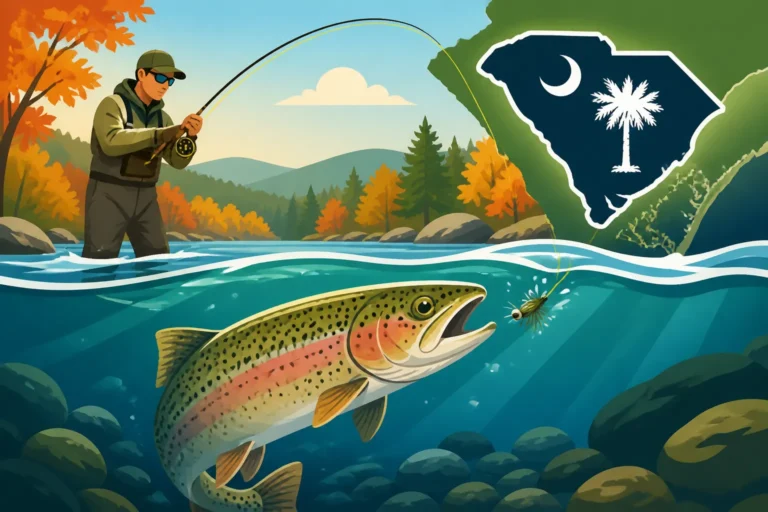
South Carolina's trout fishing is primarily found in the cold mountain streams of the Upstate, often in designated "trout waters" that are regularly stocked.
- Spring: Stocking typically begins in early spring, making this an excellent time to target them. Fly fishing with nymphs and streamers, or spin fishing with small inline spinners and trout magnets.
- Summer: Can be challenging as water temperatures rise, pushing trout into higher elevation, colder headwaters. Early mornings are best.
- Fall: Fall stocking often rejuvenates the fishery. This is a beautiful time to be in the mountains.
- Winter: Another prime time, especially for fly anglers, as fish are often less pressured and respond to subtle presentations. Be sure to check South Carolina Stocked Trout Daily Limit as limits can vary by stream section.
Understanding Environmental Factors
Beyond just the calendar month, a truly successful angler pays close attention to the smaller, but equally critical, environmental factors that dictate fish behavior. These elements can turn a slow day into a banner day, or vice-versa.
Water Temperature is King
Water temperature is perhaps the single most important factor influencing freshwater fish activity. Each species has a preferred temperature range for feeding, spawning, and general comfort. For example, largemouth bass actively feed when water temperatures are in the 60s and 70s Fahrenheit, while crappie spawn in the high 50s to low 60s.
- Monitoring: Investing in a good water temperature gauge for your boat or even a simple handheld thermometer for bank fishing is invaluable. Knowing the exact temperature can help you pinpoint depths where fish are most likely to be active.
- Microclimates: Understand that water temperature isn't uniform across a lake or river. Shallow, dark-bottomed coves warm up faster in spring, while deep channels and river mouths stay cooler longer. In summer, areas with deep springs or significant current can offer cooler refuges. Our article How Water Temperature Affects Fish Feeding delves deeper into these critical insights.
Weather Patterns and Barometric Pressure
Fish are highly sensitive to changes in weather and barometric pressure. A sudden cold front, heavy rain, or a stable high-pressure system can significantly impact their feeding patterns.
- Pre-Front: Just before a major cold front, when the barometric pressure is falling, fish often become very active, sensing the change and feeding aggressively. This can be an excellent time to be on the water.
- Post-Front: After a cold front, when the skies are clear and the pressure is high and stable, fishing often slows down dramatically. Fish tend to be lethargic and less willing to bite. This is when a slow, precise presentation is key.
- Overcast vs. Sunny: Overcast conditions often encourage fish to move shallower and be more active throughout the day, as bright sunlight can push them deep or into heavy cover.
- Rain: Light rain can sometimes improve fishing by washing insects and nutrients into the water, and reducing light penetration. Heavy, cold rains can shock the system and slow things down, especially if they drastically drop water temperatures.
Moon Phases and Tides (for River Systems)
While moon phases are perhaps more commonly associated with saltwater fishing, some freshwater anglers believe they can influence activity in larger lakes and river systems. Full and new moons are often cited as periods of increased activity, though scientific evidence for freshwater is less conclusive than for saltwater.
For freshwater rivers that are tidal, like parts of the Cooper River or the Edisto River, understanding tide cycles becomes extremely important. Just like in saltwater, changing tides in these brackish systems can trigger feeding frenzies as current brings baitfish to ambush points. Always check local tide charts if you're fishing these transition zones.
Gear and Seasonal Preparation
Being prepared for the season isn't just about knowing where the fish are; it's about having the right tools for the job. Your gear setup can make a huge difference in your success.
Rods and Reels for Diverse Conditions
While you don't need a rod for every single scenario, having a versatile set of rods and reels is wise.
- Light Tackle: Essential for crappie, sunfish, and finesse techniques for bass. A 6-7 foot light or medium-light spinning rod with a small reel spooled with 4-8 lb monofilament or fluorocarbon.
- Medium Tackle: Your workhorse for most bass and medium-sized catfish. A 6'6" – 7'3" medium or medium-heavy casting or spinning rod with a matching reel, spooled with 10-17 lb monofilament or fluorocarbon, or 20-30 lb braided line.
- Heavy Tackle: For big catfish, stripers, or punching through heavy cover for bass. A heavy action casting rod, 7' to 8' long, with a robust baitcasting reel spooled with 50-80 lb braided line.
Consider dedicated setups for techniques like flipping/pitching or deep cranking if those are your preferred methods. A well-stocked boat will often have 5-6 different rod setups ready to go. You can find robust and reliable fishing reels for every budget on Amazon, from trusted brands that stand up to the rigors of South Carolina fishing.
Seasonal Lure and Bait Selection
As highlighted earlier, lure choice is heavily seasonal.
- Spring: Focus on reaction baits (spinnerbaits, lipless crankbaits) and soft plastics (worms, creature baits) for the spawn. Minnows for crappie.
- Summer: Deep diving crankbaits, jigs, Carolina rigs for bass. Live bait (blueback herring, shad) for stripers and flatheads. Cut bait for channel and blue cats.
- Fall: Reaction baits again (crankbaits, jerkbaits, topwaters), swimbaits for schooling fish. Small jigs and minnows for crappie.
- Winter: Slow, subtle presentations. Jigs, jigging spoons, blade baits. Live bait.
Always have a variety of colors too. Natural baitfish colors often work well in clear water, while brighter or darker colors can be effective in stained or muddy water, or on cloudy days.
Essential Accessories and Safety Gear
Beyond rods and reels, a few key accessories will make your trip more enjoyable and safe.
- Sun Protection: South Carolina sun is no joke, even in winter. Hat, sunglasses, and sunscreen are non-negotiable.
- Rain Gear: Weather can change quickly. A good quality, lightweight rain suit is a lifesaver.
- Electronics: A modern fish finder/chartplotter with side imaging and down imaging is incredibly helpful, especially for locating deep schools of fish in summer and winter.
- Landing Net: Essential for securing your catch, particularly larger fish.
- First Aid Kit: Always have one readily accessible.
- Life Jackets: Required by law for certain ages and always a good idea to have on board for everyone.
- Fishing License: Don't forget this! Ensure your South Carolina Fishing License Guide is up-to-date and easily accessible. Penalties for fishing without a license can be steep.
Understanding the freshwater fishing calendar for South Carolina truly empowers you to fish smarter, not harder. By aligning your efforts with the natural rhythms of the fish and adapting to the seasonal conditions, you'll not only increase your catch rates but also deepen your appreciation for the rich and diverse fisheries of the Palmetto State. So, charge your batteries, rig up your favorite rods, and get out there – adventure awaits!
Disclaimer
Fishing regulations, seasons, and limits can change frequently. Always consult the latest South Carolina Department of Natural Resources (SCDNR) regulations before heading out on the water. This guide is for informational purposes only and does not supersede official SCDNR guidelines.