Best Bluegill Fishing Spots for Family Trips
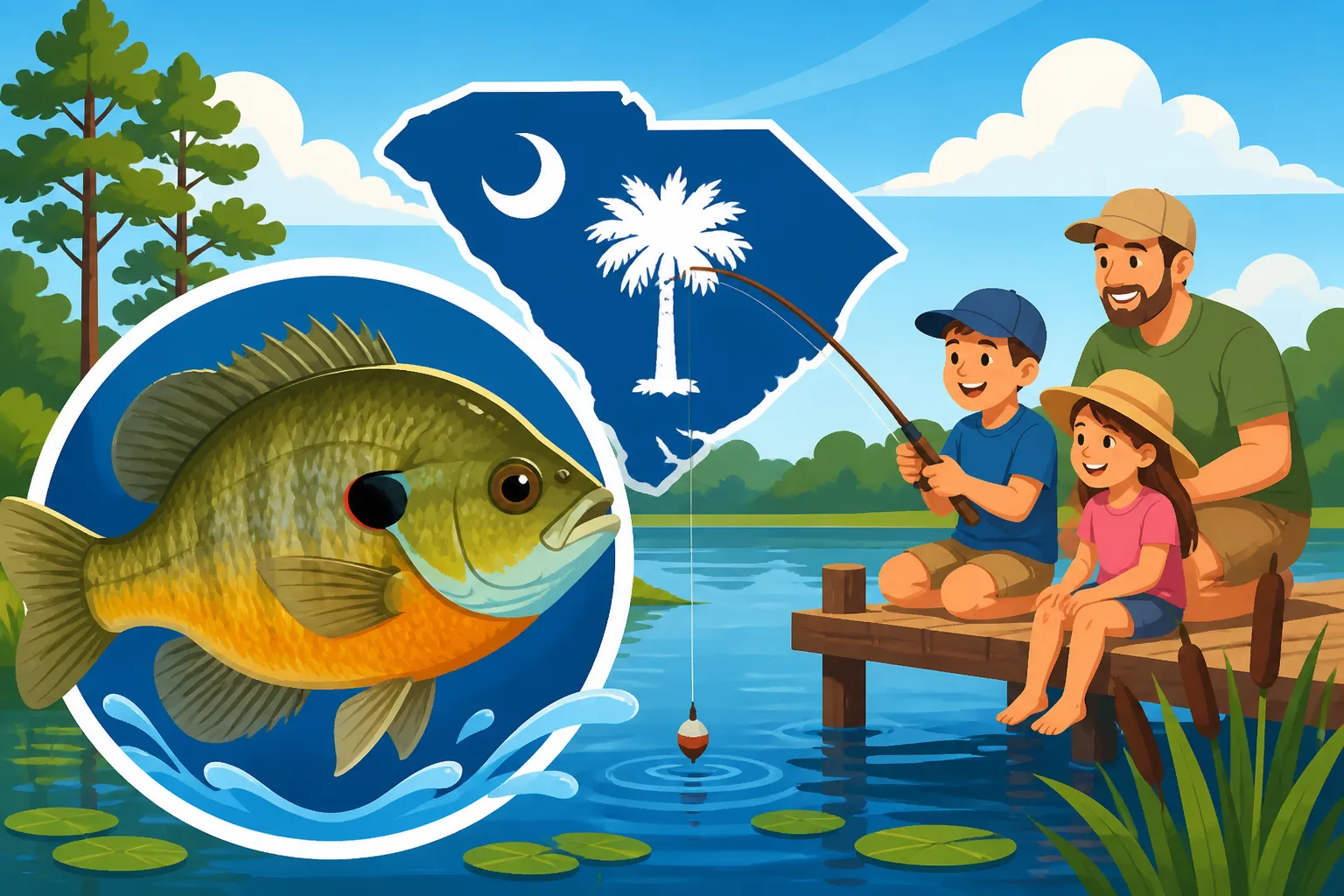
There's nothing quite like watching a child's face light up with excitement as they feel that first tug on their line. For many families, introducing kids to the joys of fishing begins and ends with the humble, yet incredibly abundant, bluegill. But let's be honest, finding that perfect spot—one that's genuinely family-friendly, safe, accessible, and practically guarantees some action—can feel like searching for a needle in a haystack. This guide is here to take the guesswork out of your next family fishing adventure, revealing some of the best bluegill hotspots across South Carolina where those precious memories are just waiting to be made.
Why Bluegill are the Ultimate Family Fish
Before we dive into specific locations, let's take a moment to appreciate why bluegill, often referred to as bream or sunfish, are truly champions of the family fishing world. They aren't the flashiest or the biggest fish out there, but what they lack in size, they more than make up for in eagerness and accessibility.
The Joy of the First Catch
For youngsters, fishing is less about landing a trophy and more about the experience of catching something. Bluegill are famously aggressive biters, especially during warmer months, which means kids aren't left waiting for hours on end, growing bored and restless. That immediate gratification of a bobber dipping under the surface, the thrill of reeling in a feisty little fish—it's a moment that can hook a child on fishing for life. Think of it: a simple worm or a small cricket, a lightweight rod, and within minutes, you're likely to have a fish on the line. It builds confidence and excitement, turning what could be a frustrating wait into an engaging adventure. This instant feedback is crucial for keeping short attention spans engaged, transforming potential disappointment into cheers of success.
Accessibility and Simplicity
One of the greatest benefits of targeting bluegill is how incredibly accessible they are. You don't need fancy boats, expensive electronics, or highly specialized gear. A simple spincasting rod and reel combo, often available for under $30, is more than enough. You can often find them close to the shore, in shallow coves, around lily pads, or near submerged logs, making them ideal for bank fishing or from a pier. This low barrier to entry means less stress on your wallet and less fuss on the actual fishing trip. For those just starting out, learning how to fish for bluegill is an excellent foundation for more advanced techniques later on, teaching patience, casting basics, and how to properly handle a fish. Just remember that even for these humble fish, adult anglers still need to adhere to the South Carolina Fishing License Guide. Additionally, it's wise to check the specific Fishing License Rules for Kids in South Carolina to ensure everyone in your party is covered.
Top Public Lakes and Ponds for Bluegill Fishing
South Carolina is blessed with an abundance of public waters, from sprawling reservoirs to tranquil ponds, many of which are absolutely brimming with bluegill. Knowing which ones offer the best blend of fish populations, access, and family-friendly amenities is key.
Lake Murray: The Jewel of the Midlands
Lake Murray, often called the "Jewel of the Midlands," is a massive reservoir near Columbia that's not just for striped bass and largemouth. Its vast shoreline, dotted with countless coves and shallow pockets, creates perfect habitat for bluegill and other panfish. The key here is to target the shallower, calmer areas, especially those with some kind of cover like submerged brush, docks, or overhanging trees.
Think about the numerous public access points and recreation areas around the lake. Dreher Island State Park, for example, offers excellent bank fishing opportunities, fishing piers, and calm coves that are ideal for setting up a few chairs and letting the kids cast. The water is generally clear, and the bluegill are usually plentiful. Early mornings or late afternoons tend to be the most productive times. If you're looking for bait, common choices like redworms, crickets, or even small pieces of hot dog work wonders. When planning your trip, online resources like FishingBooker can help you explore nearby accommodations or even find a local guide if you're interested in broadening your fishing horizons beyond bluegill.
Santee Cooper Lakes: A Panfish Paradise
The Santee Cooper Lakes, comprising Lake Marion and Lake Moultrie, are legendary for their fishing, and while often lauded for their trophy catfish and bass, they are also an absolute goldmine for bluegill. These shallow, fertile lakes are teeming with structure—cypress trees, lily pads, and grass beds—all of which bluegill adore.
Lake Marion, in particular, with its expansive shallow areas and cypress forests, provides endless opportunities. You can often find huge schools of bluegill congregating around the base of cypress trees or tucked into the calmer backwaters. Lake Moultrie also offers great panfish action, especially in the shallower northern sections. Access here is abundant, with numerous public boat ramps and bank fishing spots. Santee State Park, located right on Lake Marion, offers excellent fishing piers and easy bank access, making it a fantastic base for a family trip. For tips on what to use, check out our guide on the Best Bait for Catching Bluegill, which covers a range of effective options for these eager eaters. These lakes are so vast that exploring them feels like a true adventure, and the bluegill are usually big and aggressive, providing plenty of excitement for anglers of all ages.
Lake Wateree: A Northeast Midlands Hotspot
Just northeast of Columbia, Lake Wateree is another excellent choice for family bluegill fishing. This lake, smaller than Murray or Santee Cooper, still offers a fantastic fishery and is often less crowded than its larger counterparts, especially on weekdays. Lake Wateree is known for its healthy populations of panfish, making it a reliable spot for kids to get bites.
Focus on the numerous coves and shallow flats, particularly where you see docks or natural brush piles. The edges of grass lines can also be very productive. Public access is good, with several boat ramps and county parks offering bank fishing. Like Lake Murray, a simple setup with a bobber and a live worm or cricket is often all you need for consistent action. The bluegill here tend to be a decent size, providing a good fight for smaller rods. It's a peaceful setting, perfect for teaching kids about casting and patience while enjoying the natural beauty of the area. Don't forget to review our article on How to Catch Bluegill for Beginners before you head out, as it provides invaluable basic techniques.
South Carolina State Parks: Hidden Gems for Family Bluegill Trips
South Carolina's State Parks are not just about hiking and camping; many offer incredible, well-maintained fishing access that's perfect for families. These parks often feature piers, calm designated fishing areas, and amenities like restrooms and picnic spots, making them ideal for a stress-free outing.
Santee State Park: Lakeside Convenience on Lake Marion
As mentioned, Santee State Park is a prime location situated directly on the shores of Lake Marion. What makes this park truly special for families is the convenience. It boasts an excellent fishing pier that extends out into the lake, allowing access to deeper water without needing a boat. The pier is generally safe and wide, with plenty of room for multiple families to spread out.
Beyond the pier, there are numerous bank fishing opportunities in calm coves. The park also offers rental cabins and campsites, making it perfect for an extended family fishing vacation. Imagine waking up, stepping out of your cabin, and having prime bluegill water just a few steps away! The bluegill here are plentiful and often eager to bite, ensuring a good time for the kids. The calm, protected waters near the park's shore are ideal for young anglers. For more specific details on fishing within the park, you can refer to our guide on Santee State Park Fishing Spots on Lake Marion.
Table Rock State Park: Mountain Stream Panfish
While often associated with its stunning mountain views and hiking trails, Table Rock State Park, located in the Upstate near Pickens, also offers some serene fishing opportunities for bluegill and other panfish. The park has several small lakes and ponds, like Lake Oolenoy, that are regularly stocked and managed, providing a more intimate fishing experience away from the larger reservoirs.
These smaller bodies of water are typically very calm, clear, and well-suited for young anglers learning to cast. Bank access is excellent, and you might even find small designated fishing areas. The mountain setting provides a beautiful backdrop, making the fishing trip a full nature experience. While the bluegill might not be as numerous as in the massive Santee Cooper system, the quality of the experience in such a picturesque setting is unparalleled. It’s a great spot if your family enjoys a quieter outing amidst nature. Our guide on Table Rock State Park Fishing Spots in South Carolina delves deeper into what this beautiful park offers.
Hunting Island State Park: Coastal Pond Adventure
If your family is looking for a unique coastal fishing experience that still involves easy-to-catch bluegill, Hunting Island State Park near Beaufort is worth considering. While it's famous for its pristine beach and lighthouse, the park also features a 100-acre freshwater lagoon that's home to a variety of fish, including bluegill. This lagoon provides a calm, protected environment that's a stark contrast to the often challenging surf fishing.
The lagoon offers ample bank fishing access, and its brackish nature can sometimes yield interesting catches alongside the standard bluegill. It’s a fantastic option if you're combining a beach trip with a fishing trip, offering the best of both worlds. The accessibility and calm waters make it ideal for teaching kids the basics without the added complications of ocean currents or larger, more challenging species. For a comprehensive look at what to expect, check out our article on Hunting Island State Park Fishing Spots.
Tips for a Successful Family Bluegill Outing
Planning a family fishing trip, especially with kids, requires a bit more thought than just grabbing your gear and heading out. A few key considerations can make all the difference between a memorable day of laughter and a frustrating one.
Gear and Bait Essentials
Keeping it simple is the golden rule for bluegill fishing. For gear, a lightweight spinning rod and reel combo, ideally about 5-6 feet long with light line (4-6 lb test), is perfect for kids. A small bobber, a few split shot weights, and small hooks (size 8 or 10) are all you need. You'll want to avoid anything too complicated. For bait, bluegill aren't picky! Redworms, nightcrawlers (cut into smaller pieces), crickets, and even small bits of corn or bread work wonderfully. Small artificial baits like tiny jigs or spinnerbaits can also be effective, but for pure catch-rate with kids, live bait is usually king.
Don't forget the practical essentials: a small cooler with drinks and snacks (boredom often leads to hunger!), sunscreen, hats, insect repellent, and a small first-aid kit. A pair of needle-nose pliers can be handy for hook removal, and a wet towel or glove helps protect your hands (and the fish) when handling. For more detailed advice on kid-friendly setups, our Kid-Friendly Bluegill Fishing Techniques guide offers some great insights.
Best Time to Go
Timing can significantly impact your success. Bluegill are most active during the warmer months, typically from late spring through early fall. Within those seasons, the early morning hours (just after sunrise) and late afternoon/early evening (an hour or two before sunset) are usually the most productive. The fish tend to be more active and closer to the surface during these cooler times of the day.
Avoid the scorching midday sun if possible, as it can make both the fishing and the overall experience less enjoyable for everyone. If you're fishing in a pond that's known for being shady, midday can sometimes still work. Also, keep an eye on the weather forecast – a calm, overcast day with a light breeze can be perfect. For more general advice on seasonal fishing, our guide on the Best Time of Year to Catch Panfish can provide additional context.
Making it an Educational Experience
Fishing isn't just about catching fish; it's a fantastic opportunity for learning and connecting with nature. Before you even cast a line, talk about the fish you're hoping to catch, what they eat, and where they live. Explain the importance of conservation, like handling fish gently and practicing catch-and-release, especially for smaller bluegill.
Teach them how to identify different species of sunfish or local aquatic plants. You can turn it into a game: "Who can spot the most dragonflies?" or "What kind of bird is that?" Pack a small field guide to local fish or birds. This transforms the outing into more than just a fishing trip; it becomes a nature lesson, an exercise in patience, and quality family time. If you're looking for broader ideas, our Best Family Fishing Spots for Beginners in South Carolina article offers some general inspiration. For those truly bitten by the angling bug, consider using platforms like FishingBooker to discover even more family-friendly charter options across the state, which can offer deeper dives into local ecosystems and specific fish species.
Table: South Carolina Family Bluegill Hotspots at a Glance
| Location | Body of Water | Key Features for Bluegill | Family-Friendly Access | Best For |
|---|---|---|---|---|
| Dreher Island State Park | Lake Murray | Shallow coves, submerged brush | Bank access, piers, amenities | Easy bank fishing, picnic areas |
| Santee State Park | Lake Marion | Cypress trees, lily pads, piers | Fishing pier, bank access, cabins | Extended stays, varied fishing options |
| Lake Wateree | Lake Wateree | Coves, docks, grass lines | Public ramps, county parks, bank | Quieter experience, good-sized bluegill |
| Table Rock State Park | Lake Oolenoy & ponds | Calm, clear mountain waters | Excellent bank access, scenic views | Peaceful outings, nature immersion |
| Hunting Island State Park | Freshwater Lagoon | Protected, brackish environment | Easy bank access, combined beach trip | Unique coastal pond fishing, beach access |
| Local Community Ponds | Various Ponds | Often stocked, maintained | Piers, accessible banks, restrooms | Quick trips, reliable action, easy commute |
Remember, many smaller, local community ponds and park lakes are also fantastic bluegill spots, often managed by local municipalities or conservation groups. These can be incredible hidden gems, providing easy access and consistent action, perfect for those spur-of-the-moment fishing urges with the kids. Don't hesitate to explore your local area for these types of "secret" spots, as detailed in our guide on South Carolina's Best Ponds for Panfish Fishing, or even Kid-Friendly Fishing Ponds Near Columbia if you're in the capital region.
Disclaimer
Fishing regulations, including license requirements, bag limits, and specific rules for certain bodies of water, can change. Always check the latest regulations published by the South Carolina Department of Natural Resources (SCDNR) before heading out on any fishing trip. This guide is for informational purposes only and should not be considered a substitute for official regulations.