Spring and Fall Bass Fishing Spots on Lake Hartwell
Navigating a vast and dynamic fishery like Lake Hartwell can feel like solving a complex puzzle, especially when the seasons are shifting. One day, the bass are crushing topwater lures; the next, they've seemingly vanished into thin air, leaving you wondering where on earth they went. This frustrating reality is all too common for anglers trying to pinpoint those elusive largemouth and spotted bass during the crucial spring and fall transitions. This comprehensive guide is designed to cut through the confusion, offering you a detailed look at the prime bass fishing spots on Lake Hartwell during both spring and fall, along with the essential strategies to make your next trip a success.
Understanding Bass Behavior in Spring and Fall on Lake Hartwell
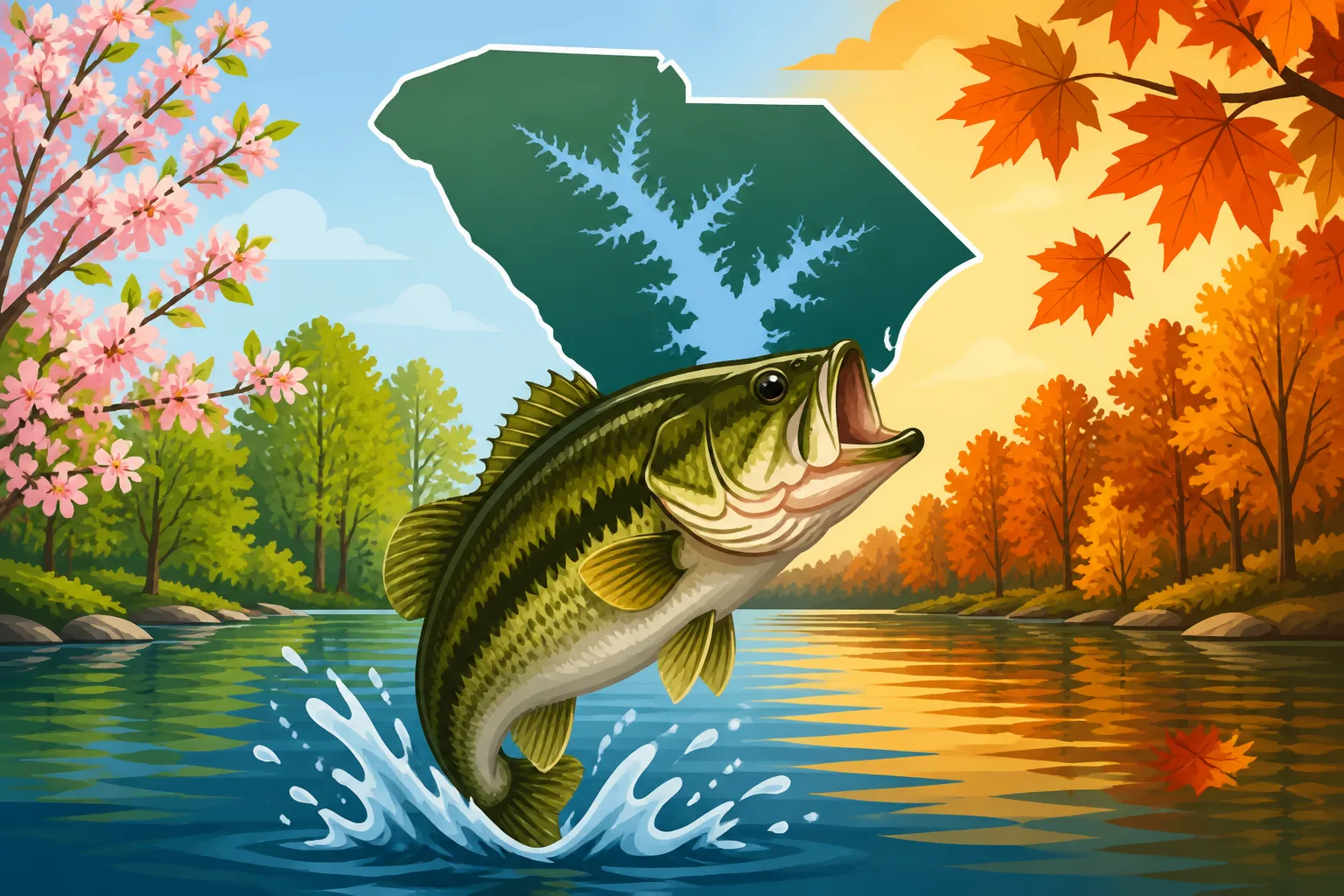
Before we dive into specific locations, it's crucial to grasp the fundamental shifts in bass behavior that define the spring and fall seasons on Lake Hartwell. These periods are characterized by significant changes in water temperature, baitfish movement, and, consequently, bass feeding patterns. Missing these subtle cues can mean the difference between a banner day and a frustrating skunk.
The Spring Spawning Migration
Spring on Lake Hartwell is a time of renewal and, for bass anglers, immense opportunity. As the cold grip of winter loosens, water temperatures begin to climb, signaling the start of the bass spawning migration. This isn't a sudden, unified rush, but rather a gradual movement that unfolds over several weeks, often starting in late February or early March and extending into May.
Initially, bass will stage in deeper waters near spawning flats and coves, waiting for the water to reach that magical 50-60 degree Fahrenheit range. They'll hold on drops, submerged timber, and rocky points just outside the shallows. As temperatures nudge into the mid-50s, the larger females, followed by males, will push into protected pockets, seeking out hard bottoms—gravel, sand, or even hardened mud—to build their nests. This pre-spawn period is legendary for catching truly trophy-sized fish, as bass are aggressively feeding to build energy reserves for the strenuous spawning process. Understanding the Largemouth Bass Spawning Season Explained can help you predict these movements.
Once spawning commences (typically when water hits the low 60s), the females will lay their eggs, and the males will guard the nests. During this peak spawn, bass can be finicky, often less interested in eating and more focused on protection. However, sight fishing for bedding bass can be productive for those with keen eyes and a patient approach. After the spawn, a brief post-spawn lull occurs where fish may be lethargic, recuperating before resuming their feeding patterns, often moving to slightly deeper cover near their spawning grounds.
Fall Transition and Shad Migration
Just as spring sees bass preparing for procreation, fall on Lake Hartwell is all about preparation for winter, which means one thing: eating. As the scorching summer heat gives way to cooler autumn nights, the lake's water temperature begins to drop, mirroring the seasonal changes. This cooling trend, typically starting in September and continuing through November, triggers a significant behavioral shift in bass as they embark on what's often referred to as the "fall feeding frenzy."
The key driver behind this autumn feeding spree is the abundance and movement of baitfish, primarily gizzard and threadfin shad. As temperatures cool, these vast schools of baitfish, which have been dispersed throughout the lake during summer, begin to congregate and move into the major creek arms and shallower main lake flats. Bass, being opportunistic predators, follow these baitfish relentlessly. This creates incredible opportunities for anglers, especially as bass often school up and actively chase shad on the surface. For more on seasonal changes, consider exploring the Fall Bass Fishing Around Rocky Points on South Carolina's Lake Hartwell.
Early fall will often see a mix of patterns, with some bass still relating to summer haunts and others already chasing bait. As the water cools further into mid-fall, the shad migration becomes more pronounced, drawing bass into predictable patterns along creek channels, points, and humps. Late fall, as water temperatures dip into the 50s and low 60s, will find bass grouped tightly around deeper structure, still feeding, but with a more subdued demeanor.
Top Spring Bass Fishing Spots on Lake Hartwell
Lake Hartwell, spanning nearly 56,000 acres with almost 962 miles of shoreline, offers an incredible array of habitats for bass. Pinpointing the best spots in spring means looking for areas that offer proximity to deep water, suitable spawning grounds, and protective cover.
Northern Coves and Feeder Creeks
The northern reaches of Lake Hartwell, particularly the Tugaloo River Arm and the Seneca River Arm, are absolute magnets for spring bass. These areas tend to warm up a bit faster than the main lake, signaling to bass that it's time to move shallower. The numerous coves and feeder creeks off these arms provide ideal staging and spawning grounds.
Consider areas like the coves around Coneross Creek or the protected pockets near the mouth of the Tugaloo River. Here, you'll find shallower, often stained water that absorbs sunlight efficiently, creating warmer zones. Look for shallow flats with a mix of gravel and submerged brush, as these are prime bedding areas. Points leading into these coves, especially those with some rock or timber, will hold pre-spawn bass waiting to move in. Don't overlook the very backs of these creeks, where standing timber and laydowns offer excellent cover for both pre-spawn and post-spawn fish. Many anglers find success by focusing on the Lake Hartwell Tugaloo River Bass Fishing Techniques in South Carolina during this period.
The challenge in these areas can be navigating the dense cover and finding the subtle transitions. Take your time, use your electronics to identify changes in bottom composition or hidden brush piles, and remember that bass can be holding very tight to cover. A patient approach with slower presentations often pays off here.
Main Lake Flats and Secondary Points
Beyond the protected creek arms, the main body of Lake Hartwell also offers fantastic spring bass fishing, especially on its expansive flats and numerous secondary points. These areas often feature a mix of rocky outcrops, submerged humps, and scattered brush, providing excellent structure for bass moving between deeper wintering grounds and shallower spawning areas.
One prime example is the extensive system of flats and points found around Andersonville Island or the large coves near Clemson. These spots are typically deeper than the creek backs but still offer accessible shallow areas. Pre-spawn bass will stage on the deeper ends of these points, congregating around submerged humps and rock piles in 15-25 feet of water. As the water warms, they'll push onto the shallower portions of the flats, seeking out subtle depressions or patches of gravel for spawning. These main lake features are also where you'll find a good mix of largemouth and the feisty Best Spotted Bass Spots on Lake Hartwell, South Carolina.
The key here is understanding the subtle depth changes. Use your sonar to identify contour lines, submerged roadbeds, or rock veins that act as highways for bass. During post-spawn, many bass will linger on these same structures, recovering and feeding on baitfish before dispersing for the summer. If you're looking for more guidance, especially if you're unfamiliar with the lake's contours, a local guide found on a platform like FishingBooker can provide invaluable insights into these specific seasonal patterns.
Prime Fall Bass Fishing Locations on Lake Hartwell
As autumn leaves begin to change, Lake Hartwell transforms into a playground for chasing bass. The cooling water reinvigorates the fish, and their focus shifts entirely to feeding aggressively. Knowing where to intercept these active schools is the ticket to fall success.
Major Creek Arms and Backs
Just as they are important in spring, Lake Hartwell's major creek arms become bass magnets in the fall, but for different reasons. This time, it's all about the baitfish. Creeks like Six & Twenty Creek, Twelvemile Creek, and the aforementioned Tugaloo and Seneca arms are prime areas where massive schools of shad congregate.
As the lake cools, shad push into the shallower, warmer waters of the creek backs, and the bass follow them in droves. You'll often find bass schooling up and busting on the surface, pushing baitfish against the banks or into the backs of coves. Look for areas with a defined creek channel, brush piles, or standing timber that can ambush points for bass. The shallow flats within these creek arms, especially those with some deeper water access nearby, can be incredible as bass herd the bait. Finding the Spring and Fall Bass Fishing Patterns in South Carolina specifically around these creek systems is crucial.
Keep an eye on birds diving and splashing on the surface, as this is a dead giveaway that baitfish are being harassed by schooling bass. This is often an aggressive bite, so be prepared with fast-moving baits and an eagerness to cover water. These creek runs are also fantastic for exploring by kayak or smaller boat, allowing you to get into areas where larger vessels might not venture.
Deep Main Lake Points and Humps
While the creek backs are hot spots for schooling fish, as fall progresses and water temperatures drop further, bass will start to relate more to deeper main lake points and humps. These structures provide excellent ambush points as baitfish move in and out of the deeper channels, and they offer bass refuge as they transition towards their winter patterns.
Think about prominent points that extend far out into the lake, especially those with sharp drops or adjacent creek channels. Areas around major offshore islands or the deep side of large coves can be incredibly productive. These spots often hold large schools of both largemouth and spotted bass that are still actively feeding but may require a more subtle presentation. Fishing Submerged Timber on Lake Hartwell in South Carolina is particularly effective here, as those woody structures create perfect hiding spots.
Your electronics will be your best friend in these deeper areas. Use side imaging and down imaging to scan for baitfish schools and bass holding on structure. Once you locate them, a vertical presentation or a slow-rolling bait can entice strikes. This is where patience and precise boat control can really pay off. If you're planning a trip to these spots, looking up local guides on FishingBooker can give you a tactical advantage, as they often have real-time knowledge of where these deeper schools are holding.
Essential Gear and Techniques for Seasonal Success
Having the right gear and knowing how to present your lures effectively are just as important as knowing where to go. Bass behavior shifts dramatically between spring and fall, and your tackle box should reflect that.
Spring Lure Selection and Presentation
Spring bass fishing on Lake Hartwell demands versatility, as you'll encounter bass in various stages of their spawn cycle. Your lure selection should cover everything from slow, subtle presentations to more aggressive reaction baits.
For pre-spawn bass staging on deeper points and ledges, jigs (like a football jig or a casting jig) fished slowly along the bottom are deadly. Pair them with a craw or creature bait trailer in natural colors like green pumpkin or black and blue. Spinnerbaits and chatterbaits are excellent for covering water quickly and eliciting a reaction strike, especially on windy days or in stained water. Look for bright, flashy blades or skirts that mimic baitfish. As bass move shallower, shallow-diving crankbaits and squarebills can be very effective, crashing off rocks and wood. For bedding bass, soft plastics like a Texas-rigged worm, a creature bait, or a lizard pitched into the bed are ideal. A subtle twitch and long pauses are often necessary to provoke a strike from a territorial fish. For more specific insights, check out Spring Bass Fishing on South Carolina's Lake Hartwell.
Remember, during spring, bass are often sluggish in colder water, so slow and deliberate presentations are key. As the water warms, you can gradually increase your retrieve speed and experiment with more erratic actions.
Fall Lure Selection and Aggressive Tactics
Fall fishing on Lake Hartwell calls for aggressive tactics and baits that mimic fleeing shad. Bass are actively chasing their food, and you need to capitalize on that predatory instinct.
Topwater lures are absolute fall staples. Poppers, walking baits, and prop baits can draw explosive strikes when bass are schooling on the surface. Try a Heddon Super Spook or a Zoom Horny Toad for exciting topwater action. For subsurface action, jerkbaits are incredibly effective at imitating dying or injured baitfish; a slow, erratic retrieve with long pauses can be irresistible. Swim baits (both hard and soft body) are also excellent for matching the larger shad that bass are feeding on. For deeper schooling bass, deep-diving crankbaits that can reach those 15-25 foot depths are essential, allowing you to cover vast areas quickly and trigger reaction bites. Vibrating jigs, like the Z-Man ChatterBait, are also fantastic for working through schooling fish or around submerged cover.
When you see birds diving or baitfish scattering, cast immediately into the commotion with a topwater or a fast-moving crankbait. Speed and covering water are often crucial during the fall. Don't be afraid to experiment with different retrieve speeds and lure colors until you find what triggers a bite on a given day. If you're planning a trip and want to maximize your chances, booking a guide through a service like FishingBooker can set you up with someone who knows the latest fall patterns and the hot baits.
Seasonal Bass Fishing Strategies for Lake Hartwell
| Season | Primary Bass Behavior | Key Areas to Target | Recommended Lure Types |
|---|---|---|---|
| Spring | Pre-spawn staging, spawning, post-spawn recovery | Northern coves & feeder creeks (Tugaloo, Seneca), main lake flats & secondary points (Andersonville, Clemson) | Jigs, Spinnerbaits, Chatterbaits, Shallow/Squarebill Crankbaits, Soft Plastics (worms, lizards, creature baits) |
| Fall | Aggressive feeding on baitfish, schooling | Major creek arms & backs (Six & Twenty, Twelvemile), deep main lake points & humps | Topwater (Poppers, Walking Baits), Jerkbaits, Swimbaits, Deep-diving Crankbaits, Vibrating Jigs |
Beyond the Lures: Key Factors for Success
Knowing the spots and the baits is a great start, but there are a few other critical factors that can significantly influence your success when bass fishing Lake Hartwell during these dynamic seasons. These elements can help you refine your approach and adapt to the ever-changing conditions.
Monitoring Water Temperature and Clarity
Water temperature is the single most important factor dictating bass behavior in both spring and fall. In spring, temperature dictates the progression of the spawn. A sudden cold front can push bass back to deeper water, causing a temporary shutdown. Conversely, a prolonged warming trend will accelerate their move to the shallows. Constantly monitor the surface temperature in the areas you're fishing. Your boat's electronics or a simple handheld thermometer can provide this crucial data. This is particularly important when considering the Lake Murray Summer Striped Bass Techniques in South Carolina (though different species and lake, the principle of water temp driving behavior is universal).
Water clarity also plays a significant role. In spring, stained water in creek backs can warm faster and often provides bass with a sense of security, making them more aggressive. In fall, clear water might mean bass are more wary and require longer casts and more natural presentations, while stained water can make them easier to approach with noisy baits. Pay attention to recent rainfall, which can significantly alter clarity in different parts of the lake.
Using Electronics to Your Advantage
Modern fishing electronics are game-changers, especially on a lake as large and varied as Hartwell. In spring, use your side imaging and down imaging to scan for submerged timber, rock piles, and subtle contour changes on those deeper staging points. You can often spot individual fish or small groups holding tight to cover before you even make a cast. When trying to locate the specific features, you might want to look for Submerged Timber and Rocky Points on Hartwell's Tugaloo Arm directly.
In the fall, your electronics become indispensable for finding those elusive baitfish schools and the bass that follow them. Look for large clouds of baitfish on your sonar, especially in creek channels or over humps. If you see arches (bass) mixed in with or below the bait, you've hit the jackpot. GPS mapping is also crucial for marking productive spots and navigating safely, particularly if you're exploring the extensive network of secondary points and coves found on Lake Hartwell.
Adapting to Weather Patterns
Spring and fall on Lake Hartwell can bring unpredictable weather, from warm, sunny days to sudden cold fronts and strong winds. Learning to adapt your strategy to these changes is a mark of a seasoned angler. On sunny, calm spring days, bass might move very shallow, making sight fishing possible. Cloudy, windy days might push them slightly deeper but can also make them more aggressive and less wary of your approach, ideal for spinnerbaits or chatterbaits.
In fall, post-cold front conditions can make bass lethargic and push them deeper, requiring slower, more subtle presentations. Warm, overcast days often mean aggressive feeding and fantastic topwater action. Always check the forecast before you head out, and be prepared with a variety of baits and techniques to match the conditions. If you're feeling overwhelmed by all the variables, consider checking out available guides on FishingBooker who specialize in adapting to Hartwell's ever-changing conditions.
Respecting Regulations and Conservation
Finally, always be mindful of South Carolina's fishing regulations, which are designed to protect and sustain the excellent fishery at Lake Hartwell. This includes understanding South Carolina's Freshwater Fishing Regulations, including size and creel limits for bass. Practicing catch-and-release, especially for larger breeding-size fish, helps ensure that Lake Hartwell remains a premier bass fishing destination for years to come.
Disclaimer
Please note that fishing conditions and regulations can change rapidly. Always consult the latest South Carolina Department of Natural Resources (SCDNR) guidelines before heading out on your fishing trip. This guide is for informational purposes only and does not constitute official legal advice.