Trophy Largemouth Bass Fishing Spots in the South Carolina Midlands
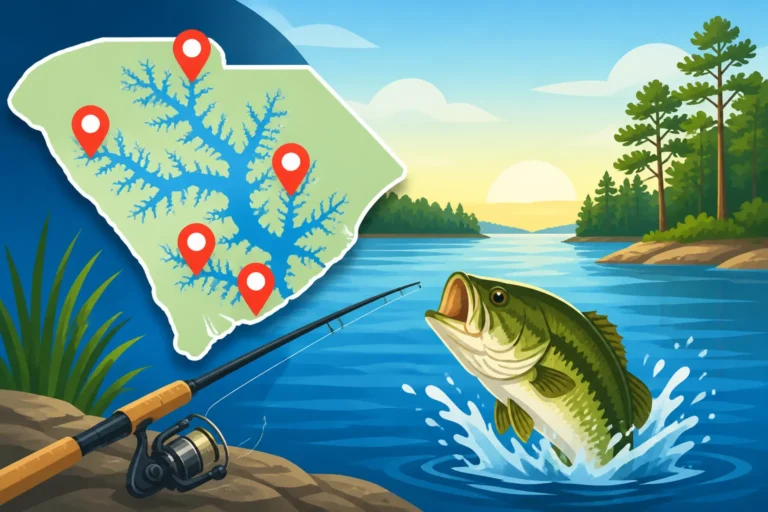
Let's be honest, chasing a truly monumental largemouth bass in the vast waters of South Carolina's Midlands can feel like searching for a needle in a haystack. Many anglers spend countless hours on the water, throwing every lure imaginable, only to come up short of that bucket-list fish. But don't despair! This guide is designed to cut through the noise, revealing the prime locations and proven strategies for finding those elusive trophy largemouth bass right here in the heart of the Palmetto State.
Understanding South Carolina's Midlands for Trophy Bass
The South Carolina Midlands region isn't just a picturesque landscape; it's a hotbed for some of the state's most formidable freshwater fisheries. What truly defines this area for trophy bass fishing are its expansive reservoirs, fed by rich river systems, offering diverse habitats and abundant forage that allow largemouths to grow to truly impressive sizes.
What Makes a "Trophy" Largemouth in South Carolina?
When we talk about a "trophy" largemouth bass, we're not just talking about any big fish. For most dedicated anglers in South Carolina, a true trophy often starts around the 8-pound mark, though some would push that closer to double digits. These are fish that have survived multiple seasons, grown past the average size of 3-5 pounds, and developed the length and girth that signify a truly mature specimen. They're typically longer than 22 inches, with a substantial belly, indicating years of successful feeding. Landing one of these giants requires patience, the right approach, and a deep understanding of their habits. It's a challenging endeavor, but the reward of holding such a magnificent creature makes every effort worthwhile. For a broader look at what to expect, you might check out our guide on South Carolina Largemouth Bass Average Size in Freshwater Lakes.
Key Environmental Factors for Big Bass
Trophy largemouth bass don't just appear; they thrive in specific environments. In the Midlands, these factors are critical:
- Abundant Forage: Large bass need a consistent and plentiful food supply. The reservoirs here are teeming with baitfish like threadfin shad, gizzard shad, and bluegill, along with crawfish and smaller fish. Lakes with robust populations of these forage species are prime candidates for producing big bass.
- Diverse Structure and Cover: Big bass are ambush predators. They seek out areas with ample structure and cover where they can hide and wait for prey. This includes submerged timber, brush piles, rock formations, ledges, creek channels, and expansive grass beds. The more complex and varied the underwater landscape, the better the chances of finding a lunker.
- Water Quality and Depth: Stable water quality and sufficient depth are crucial, especially during temperature extremes. Deep channels and thermal refuges allow big bass to escape the summer heat or winter cold, while healthy oxygen levels ensure they remain active and capable of rapid growth. The larger, deeper lakes of the Midlands naturally offer these conditions.
- Reduced Fishing Pressure (in specific spots): While popular lakes get a lot of attention, trophy bass often become wary of high-pressure areas. Finding less-frequented pockets or fishing during off-peak times can significantly increase your chances of hooking into a truly large fish that hasn't seen every lure in the tackle box.
The Best Time of Year to Catch Largemouth Bass in South Carolina
Timing is everything when it comes to trophy bass. While you can catch bass year-round, certain seasons offer distinct advantages for targeting giants.
- Spring (Pre-Spawn and Spawn): This is arguably the most productive time for trophy largemouth. As water temperatures rise into the 50s and 60s Fahrenheit, big females move into shallower waters to feed aggressively before the spawn, and then to build and guard their nests. They are at their heaviest weight during the pre-spawn. This period, typically from late February through April, is when many state records are broken. They are often more visible and focused on reproduction, making them slightly more vulnerable to a well-placed bait. Our article on Best Time of Year to Catch Largemouth Bass in South Carolina delves deeper into these seasonal nuances.
- Fall: As water temperatures begin to drop from summer highs, bass become more active, feeding heavily to prepare for winter. This "fall turnover" can scatter fish, but also congregates them around baitfish schools. September through November can be excellent for trophy bass, especially in areas where baitfish are abundant and schooling.
- Summer: While the heat can make midday fishing tough, summer nights and early mornings offer fantastic opportunities. Big bass often retreat to deeper, cooler water during the day, concentrating around thermoclines, offshore humps, and deep ledges. Knowing how to fish deep structure, as detailed in our guide on How to Fish Deep Structure for Bass in Summer, becomes paramount.
- Winter: Don't count out winter! While bass activity slows, they often school up in deep creek channels or around significant thermal cover. Slow-moving baits like jigs and spoons can entice less active but still substantial fish. It requires patience and precision but can yield rewarding catches. For an exhaustive look at techniques, our South Carolina Bass Fishing Techniques by Season guide is a great resource.
Top Trophy Largemouth Bass Lakes in the Midlands
South Carolina's Midlands are home to some genuinely renowned bass fisheries. While many lakes hold good numbers of bass, a few stand out for their consistent ability to produce trophy-class largemouth.
Lake Murray: The Jewel of the Midlands
Known affectionately as the "Jewel of South Carolina," Lake Murray is a sprawling 50,000-acre reservoir west of Columbia that has consistently produced monstrous largemouth bass. Its diverse underwater topography, including deep channels, expansive shallow flats, standing timber, and abundant hydrilla and coontail grass, creates an ideal habitat for trophy fish.
Many anglers target the lower end of the lake, particularly around the Dreher Island area and the various deep water humps and points. During the pre-spawn, big females can be found staging on main lake points and ledges before moving into the shallower coves to spawn. As summer heats up, these giants retreat to the thermocline, often suspending over deep water or relating to submerged brush piles and offshore humps. Look for areas with significant baitfish schools, as trophy bass will follow their food source. The upper Saluda River arm also holds quality fish, especially during periods of current. If you're planning a trip to this fantastic fishery, our comprehensive Lake Murray Fishing Guide for South Carolina Anglers offers even more specific insights.
Santee Cooper Lakes Marion and Moultrie: A Bass Angler's Paradise
The Santee Cooper Lakes, comprising Lake Marion (110,000 acres) and Lake Moultrie (60,000 acres), form a legendary bass fishery that needs no introduction. These vast, shallow-to-medium depth lakes are world-renowned for their incredible largemouth bass populations, including numerous trophy catches.
- Lake Marion: Often called "South Carolina's inland sea," Lake Marion is characterized by its massive cypress trees, stumps, and extensive grass beds. These features provide unparalleled cover and ambush points for big bass. The upper reaches of the lake, particularly the river channels and inundated timber, are prime spots. Anglers often find success flipping jigs or pitching Texas-rigged worms into dense cover. The cypress tree flats, such as those near Sparkleberry Landing, are classic spots where true giants hide. The abundance of shallow water also makes it fantastic for topwater action in the warmer months.
- Lake Moultrie: While connected to Marion by a diversion canal, Lake Moultrie offers a slightly different character. It's generally deeper in areas and features more open water, but also boasts plenty of standing timber, ledges, and submerged humps. The diversion canal itself is a hotspot for big bass, especially during periods of current. The "humps and bumps" in the main lake are excellent for targeting offshore bass with crankbaits or spoons. Both lakes benefit from a robust forage base, including herring, shad, and abundant bream, fueling the growth of these incredible bass. For an even deeper dive into this incredible system, make sure to read our guide, Santee Cooper Lakes: South Carolina's Legendary Bass Fishery.
Other Promising Midlands Lakes
While Murray and Santee Cooper often steal the spotlight, other Midlands lakes also offer solid trophy potential for the persistent angler.
- Lake Wateree: This 13,700-acre reservoir northeast of Columbia is a known producer of quality bass, with its fair share of 8-pounders and larger. It features significant standing timber, numerous creek channels, and a good mix of shallow and deeper water. The river section feeding the lake, along with the main lake points and humps, can hold impressive fish. Don't let its smaller size compared to Santee Cooper fool you; Lake Wateree is a serious contender. Our article, Lake Wateree Bass Fishing Spots for Beginners, can give you a starting point, even if you're aiming for more advanced targets.
- Lake Greenwood: Located on the Saluda River, Lake Greenwood offers 11,400 acres of prime bass habitat. While it might not have the same national reputation as its larger counterparts, it consistently kicks out quality largemouth, and trophy potential exists, especially in the spring and fall. Look for fish around its numerous docks, submerged brush, and rocky points. It’s a fantastic lake that often flies under the radar for trophy hunters.
Strategies for Landing That Lunker
Catching a trophy largemouth isn't just about being in the right place; it's about employing the right tactics with precision and confidence. These fish are often older, wiser, and more wary.
Advanced Techniques for Trophy Hunters
Forget the basic worm-and-bobber setup if you're serious about a giant. Trophy bass demand more sophisticated approaches.
- Swimbait Fishing: Large swimbaits, both hard-bodied and soft-plastic, are designed to imitate the large forage that trophy bass consume. These aren't baits for numbers; they're for targeting big bites. Work them slowly around deep structure, over submerged grass, or along major creek channel bends. Patience is key, as a trophy bass might track a swimbait for a long time before committing. Brands like Megabass and Gan Craft are popular among serious swimbait enthusiasts.
- Deep Cranking: When bass move offshore to deeper water, deep-diving crankbaits become indispensable. Choose models that can reach the desired depth, often 15-25 feet or more. Crawl them along ledges, humps, and submerged brush piles, making sure the bait deflects off the structure to trigger reactionary strikes. This is especially effective in summer and fall.
- Jig Fishing: Jigs, whether football jigs, flipping jigs, or swim jigs, are consistently high producers of big bass. They can imitate crawfish or various baitfish. Flipping and pitching jigs into dense cover (like cypress trees, brush piles, or heavy grass) is a classic tactic for pulling out lunkers from their hiding spots. Slow-dragging a football jig on deep main lake humps can also be deadly.
- Spoons: Oversized flutter spoons and jigging spoons are fantastic for vertical presentations on deep points, ledges, or near bait balls. The flash and erratic fall of a spoon can trigger aggressive strikes from otherwise lethargic fish, especially in cooler water or when bass are suspended.
Essential Gear and Bait
Your gear needs to be up to the task of not just hooking, but landing, a powerful trophy bass.
- Heavy Action Rods and Strong Line: For swimbaits, deep cranks, and heavy flipping, you'll want heavy or extra-heavy action casting rods (7' to 8' in length) to handle the lures and the fish. Pair these with baitcasting reels spooled with heavy braided line (50-80 lb) or fluorocarbon (17-25 lb) to ensure maximum power and abrasion resistance.
- Quality Hooks: Always check and upgrade your hooks, especially on crankbaits and swimbaits. Sharper, stronger hooks (e.g., Gamakatsu, Owner) are less likely to bend or pull out during a fight with a trophy fish.
- Live Bait Considerations: While many trophy hunters prefer artificials, large live baits can be incredibly effective, especially for wary giants. Large shiners, gizzard shad, or even small bluegill (check regulations for baitfish legality) fished on stout tackle under a float or Carolina rigged can entice a monster. Remember, catching big fish sometimes requires big bait, as outlined in What Do Largemouth Bass Eat in South Carolina Ponds?.
Reading the Water and Structure
Successfully targeting trophy bass relies heavily on your ability to interpret the water and understand how fish relate to underwater features.
- Submerged Timber and Brush Piles: These are classic ambush points. Use your electronics to locate isolated trees, stumps, and artificial brush piles. Flipping jigs, Texas-rigged plastics, or even slow-rolling spinnerbaits through these areas can draw strikes.
- Humps and Ledges: Offshore humps (underwater hills) and ledges (sharp drops in depth) are transition zones where bass often feed, especially in deeper lakes like Murray and Moultrie. These areas act as highways for baitfish and offer quick access to different depths. Deep cranking, jigging spoons, or even Carolina rigging can be effective here.
- Grass Lines and Hydrilla Beds: Healthy grass beds, particularly hydrilla, coontail, and milfoil, provide oxygen, cover, and a rich food source. Look for edges, holes, and irregularities within these beds. Punching heavy jigs or Texas-rigged creatures through dense mats, or working swim jigs and ChatterBaits along the edges, can be incredibly productive.
- Creek Channels and River Bends: In reservoirs, old creek and river channels act as highways for fish. Trophy bass will often use these channels for travel and will hold on the edges, bends, or where they intersect with other structure. Mapping tools on your fishfinder are essential for identifying these hidden gems.
Planning Your Trophy Bass Trip
A well-planned trip increases your odds significantly. From expert guidance to understanding regulations, every detail matters.
Hiring a Local Guide
One of the most effective ways to shorten the learning curve and increase your chances of catching a trophy bass is to hire a reputable local fishing guide. These professionals spend countless hours on the water, tracking fish patterns, understanding seasonal movements, and knowing exactly where the big ones hide. A guide can:
- Provide Local Knowledge: They know the lake intimately, including secret spots, current conditions, and what baits are working best right now.
- Teach Advanced Techniques: They can demonstrate specific techniques and help you refine your presentation for larger fish.
- Furnish Specialized Gear: Many guides provide high-quality gear and tackle suited for trophy bass, saving you from buying specialized equipment for a single trip.
- Maximize Your Time: Instead of searching, you'll be actively fishing the most productive spots.
When looking for a guide, consider platforms like FishingBooker. You can easily browse and book guides who specialize in largemouth bass on Lake Murray or the Santee Cooper Lakes. Many excellent guides list their services there, making it simple to find someone with a proven track record for putting clients on big fish.
South Carolina Fishing License Guide
Before you even think about casting a line, ensure you have the appropriate South Carolina fishing license. All anglers 16 years of age and older need a valid license.
- Freshwater vs. Saltwater: For trophy largemouth, you'll need a freshwater license. If you plan to fish coastal rivers that might occasionally hold brackish water species, a combination license might be wise, but strictly for largemouth in the Midlands lakes, freshwater is key.
- Resident vs. Nonresident: Prices and options differ for residents and nonresidents. Make sure to purchase the correct type.
- Where to Buy: Licenses can be purchased online through the South Carolina Department of Natural Resources (SCDNR) website, at authorized retail agents (like tackle shops or sporting goods stores), or over the phone. You can find comprehensive details in our South Carolina Fishing License Guide. It's always a good idea to have your license readily accessible, either digitally on your phone or a printed copy.
Conservation and Responsible Angling
Catching a trophy largemouth bass is an incredible experience, but it comes with a responsibility to ensure these magnificent fish can continue to thrive.
- Catch and Release: Most trophy bass anglers practice catch and release, especially for the largest females, which are critical for future spawning. These big fish contribute significantly to the genetics of the lake.
- Proper Handling: When you land a trophy bass, handle it with extreme care. Support its weight horizontally, especially around its belly, and avoid hanging it vertically by the jaw alone. Minimize its time out of the water, and ensure a quick, gentle release. If you must weigh it, use a cradle or a proper grip.
- Know the Regulations: Always be aware of current bag limits and size restrictions, though for trophy largemouth, the goal is often to release them anyway. Staying informed helps protect the fishery for everyone.
Remember, every trophy bass you release gives another angler the chance to experience that same thrill.
| Lake Name | Primary Trophy Features | Best Seasons for Trophy Bass | Key Lure Types | Notable Areas | Average Trophy Size (lbs) |
|---|---|---|---|---|---|
| Lake Murray | Deep humps, ledges, hydrilla, standing timber, abundant shad | Spring (pre-spawn), Fall, Summer (deep) | Large Swimbaits, Deep Cranks, Jigs, Spoons | Dreher Island, main lake points, major creek channels | 8-10+ |
| Lake Marion | Cypress trees, extensive grass beds, river channels, stumps | Spring (spawn), Fall | Flipping Jigs, Texas-Rigs, Topwater, Swimbaits | Sparkleberry Landing, upper river, cypress flats | 8-12+ |
| Lake Moultrie | Standing timber, deep ledges, humps, diversion canal | Spring, Fall, Summer (offshore) | Deep Cranks, Jigs, Carolina Rigs, Spoons | Diversion Canal, main lake humps, timbered flats | 8-11+ |
| Lake Wateree | Standing timber, creek channels, rocky points | Spring, Fall | Jigs, Spinnerbaits, Crankbaits, Carolina Rigs | Main lake points, river channel, large coves | 7-9+ |
Disclaimer
Fishing conditions and regulations in South Carolina can change. Always consult the official South Carolina Department of Natural Resources (SCDNR) website for the most current rules, limits, and advisories before planning your fishing trip. This guide is for informational purposes only and should not be considered legal advice.