Has South Carolina’s Redfish Slot Limit Changed Recently?
It’s a tale as old as time for us anglers here in South Carolina: you finally get a free weekend, the weather looks perfect, and you’re just about to hit the water when that nagging thought creeps in. "Didn't they just change the Redfish rules again?" The constant ebb and flow of fishing regulations, especially for popular species like Redfish, can be incredibly frustrating and confusing. Nobody wants to accidentally break the law, but keeping up with every single update feels like a full-time job. This guide is here to clear the waters, so to speak, addressing head-on whether South Carolina's Redfish slot limit has changed recently, what the current rules actually are, and how you can stay informed without losing your mind.
The Latest on South Carolina's Redfish Slot Limit: Have Things Changed?
Let's get right to it because I know that's why many of you are here, clicking frantically before your next trip to the marsh. The question on everyone's mind is, "Has South Carolina's Redfish slot limit changed recently?" The short answer is: not in the immediate, past few months, but there were significant and very important changes implemented a few years ago that are still firmly in place today. Many anglers still talk about these "recent" changes because they profoundly impacted how we fish for Redfish, especially those of us who grew up with older, more lenient regulations.
It's completely understandable to feel like regulations are a moving target. The truth is, they should be. Our state's fisheries biologists and conservationists are constantly monitoring fish populations, habitat health, and the impact of recreational and commercial fishing. If the data shows a species is struggling or thriving, adjustments need to be made. This proactive approach helps ensure that our children and grandchildren will still have robust Redfish populations to enjoy. But yes, for us on the receiving end, it often feels like we need a lawyer to interpret the rulebook before we cast a line! This guide aims to simplify that for you.
Direct Answer to the "Change" Question
To put your mind at ease for your upcoming trip: as of early 2024, the Redfish (Red Drum) slot limit and bag limits in South Carolina have remained stable since their last major overhaul. The regulations currently in effect were established by the South Carolina Department of Natural Resources (SCDNR) in the not-so-distant past, specifically with significant adjustments made in 2020. So, if you're asking if a brand-new, surprise change just dropped last week, the answer is generally no. However, if you haven't checked the rules since pre-2020, then yes, they've absolutely changed for you! It's vital to know these specific numbers, which we'll dive into next.
This stability, while a relief, doesn't mean you should ever assume the rules are static forever. Environmental factors, unforeseen population declines, or even new scientific insights could trigger future adjustments. That's why being a responsible angler means more than just knowing today's rules; it means being prepared to adapt. Think of it like constantly checking the tide charts—you wouldn't head out without that knowledge, right? The same goes for regulations.
A Look Back at Recent Major Adjustments
Before 2020, Redfish regulations in South Carolina were different, and many long-time anglers might still be operating under those outdated guidelines. Previously, the slot limit for Redfish allowed for a wider range of keeper fish and often a higher bag limit. However, concerns about the health and sustainability of the Redfish population along our coast led to a comprehensive review and, ultimately, more conservative measures.
The SCDNR, after extensive research and public input, implemented changes that many saw as a necessary step to protect this iconic species. These changes focused on reducing harvest pressure, particularly on larger, more prolific breeding fish, and ensuring a healthy population structure. It's often a difficult balance, pleasing both anglers who want to catch dinner and conservationists focused on long-term sustainability. But ultimately, these decisions are made with the health of the fishery in mind. If you were used to keeping larger "bull" Redfish, those days are largely gone from an inshore perspective, at least for harvest. Understanding these historical shifts helps us appreciate why the current rules are in place and why they're so important.
Decoding South Carolina's Current Redfish Regulations
Alright, let’s get down to the brass tacks: what are the current Redfish regulations in South Carolina? Knowing these numbers isn't just about avoiding a fine; it's about being a steward of our incredible coastal fishery. These rules apply to recreational anglers fishing in South Carolina's coastal waters, which include estuaries, sounds, and the nearshore ocean. For a more general overview of what applies when you're casting your line in saltwater, check out our guide on Saltwater Fishing Rules in South Carolina.
Here’s the current breakdown you absolutely need to commit to memory or, better yet, keep a printed copy or digital screenshot on your phone when you're out fishing.
The Critical Slot Limit
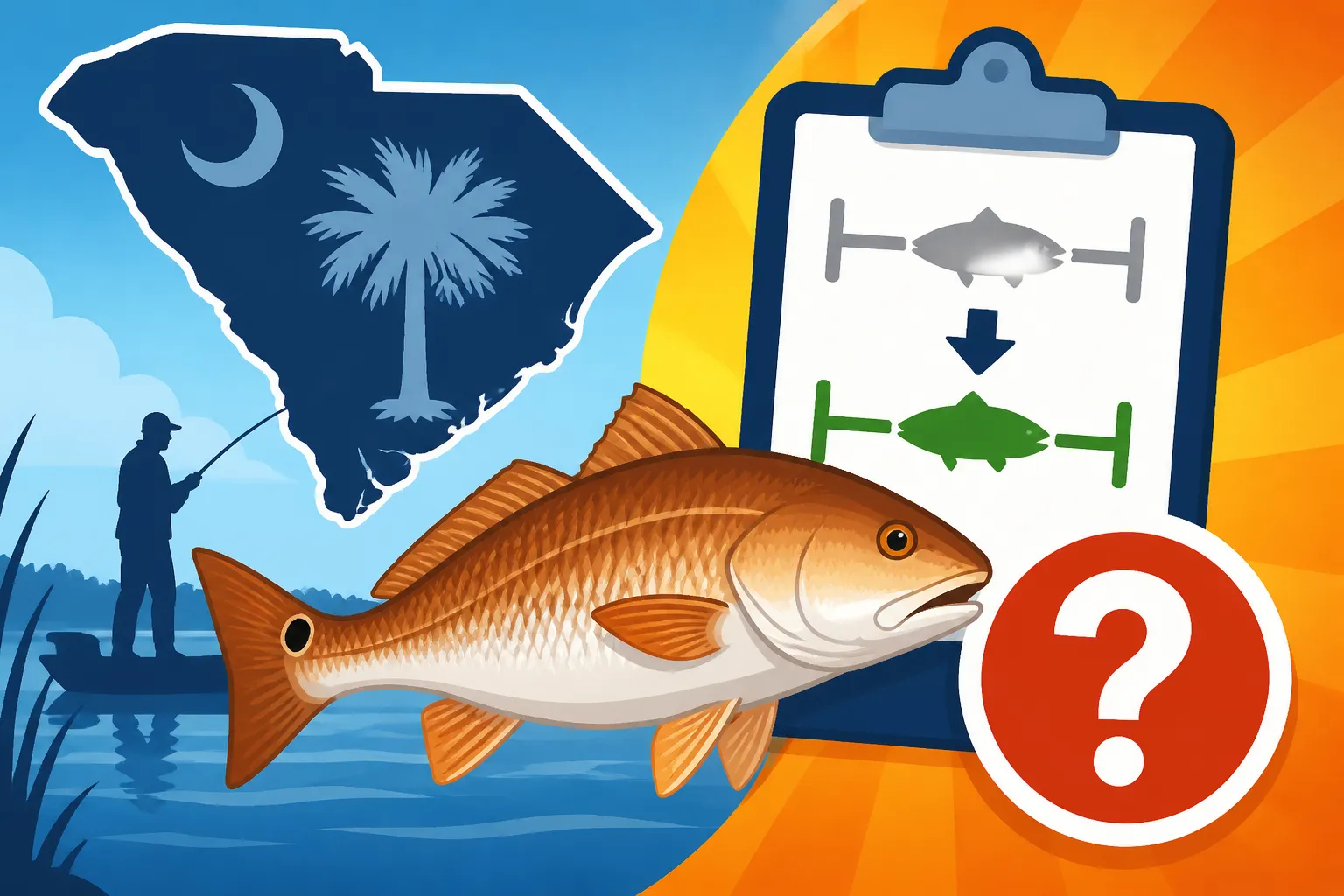
The most important rule for Redfish in South Carolina is the slot limit. This isn't just a minimum size; it's a range that dictates what fish you can legally keep. The idea behind a slot limit is to protect both the very young, immature fish and the large, mature breeding stock.
- Current Redfish Slot Limit: 15 to 23 inches total length.
This means any Redfish you catch must be at least 15 inches long and no more than 23 inches long from the tip of the nose to the tip of the tail (with the tail pinched together). If your fish measures 14.9 inches, it must go back. If it measures 23.1 inches, it must also go back. This protects the smaller fish so they can grow and reproduce, and it protects the larger, older fish that are the most important breeders for the population. We have a dedicated resource that delves into South Carolina Redfish Slot Limit 15 to 23 Inches if you want to explore this in more detail.
It takes practice to accurately measure a fish, especially a feisty Redfish on a rocking boat. I recommend having a reliable measuring device, like a bump board, clearly marked with the 15-inch and 23-inch lines. You can find excellent, waterproof options on Amazon that are designed specifically for marine environments. Don't rely on a flimsy tape measure that might stretch or be hard to read when wet.
Daily Bag Limits and Vessel Restrictions
Beyond the slot limit, you also need to be aware of how many Redfish you can actually put in your cooler. South Carolina has both a per-person daily bag limit and a vessel limit to further manage the harvest. These are crucial, especially if you're fishing with friends or family.
- Daily Bag Limit Per Person: 2 Redfish per person per day.
- Vessel Limit: 4 Redfish per boat per day.
Let's break this down with a scenario. Say you and three buddies head out on a charter. That's four anglers. Each person could theoretically keep two fish, making a total of eight. However, the vessel limit overrides the individual bag limit once it's reached. So, even though there are four licensed anglers, your boat is only allowed to have a maximum of four Redfish on board for the entire day. If two of you catch your two fish each, you've hit your vessel limit, and no one else on the boat can keep a Redfish, even if they haven't caught any yet. This is a common point of confusion, and it’s a rule designed to prevent excessive harvest by groups. For a deeper dive into this, you can read our article on South Carolina Redfish Two-Fish Vessel Limit Explained.
It’s always a good idea to confirm with your fishing partners or charter captain the specifics of these limits before you even leave the dock. You can also learn more about the individual limit by checking out South Carolina Redfish Daily Bag Limit Per Person.
Here's a quick summary table of the current Redfish regulations:
| Regulation Type | Current Rule (as of early 2024) | Notes |
|---|---|---|
| Slot Limit | 15 to 23 inches Total Length | Fish must be at least 15" and no more than 23". Measure from tip of nose to tip of pinched tail. |
| Daily Bag Limit | 2 fish per person per day | Each licensed angler may keep a maximum of 2 Redfish within the slot per day. |
| Vessel Limit | 4 fish per boat per day | This is the absolute maximum number of Redfish allowed on a single vessel, regardless of how many licensed anglers are onboard. |
Why These Rules Matter for the Future of Redfish
These strict regulations might feel restrictive at times, especially when you land a beautiful bull Redfish that’s just over the slot, but they are absolutely essential for the long-term health of the species. Redfish are a prized sport fish, and their popularity puts significant pressure on their populations. The slot limit ensures that prime breeding stock remains in the water to reproduce, contributing to future generations of Redfish. Without these protections, we could easily overfish them, leading to a drastic decline, just like we’ve seen with other species in different regions.
Think of it this way: every fish you release, especially those outside the slot, is an investment in our shared angling future. It's about ensuring that the thrill of catching a hard-fighting Redfish isn't just a memory for us, but a living tradition for those who come after us. This is why it’s imperative to always understand Current Redfish Regulations for Coastal Waters before you head out.
Staying Ahead of Regulation Updates: Your Angler's Checklist
So, now you know the current Redfish rules. But how do you stay on top of things moving forward? Because, as we discussed, regulations can and do change, even if not every other week. The worst feeling is getting back to the ramp after a fantastic day of fishing, only to find out you were unknowingly in violation. Believe me, ignorance of the law is no excuse, and the penalties can be significant, as detailed in our guide on Penalties for Fishing Without a License in South Carolina.
Official Sources for Real-Time Information
The absolute best way to stay current is to go straight to the source. The South Carolina Department of Natural Resources (SCDNR) is the governing body for all fishing and hunting regulations in our state. Their website is a treasure trove of information, and it's updated whenever a regulation changes.
- SCDNR Website: Make it a habit to check the official SCDNR website (www.dnr.sc.gov) before your fishing trips. They have a dedicated section for "Regulations" or "Fishing." This is where you’ll find the most accurate and up-to-date information on all species, including Redfish. It’s definitely your first and most reliable port of call.
- SCDNR App: Many state agencies, including SCDNR, offer mobile applications. These apps are incredibly handy, often providing instant access to regulations, licensing information, and even identification guides. Download it, keep it updated, and you'll have the rules in your pocket.
- Local Tackle Shops and Guides: Don't underestimate the wisdom of local tackle shop owners and professional fishing guides. These folks are on the water constantly and often hear about regulation changes long before the general public, or at least they know where to point you for the most current information. They have a vested interest in staying compliant and informed.
- Official SCDNR Publications: When you purchase your South Carolina Fishing License Guide or a specific permit, you'll often receive a printed copy of the regulations. While these are usually current at the time of printing, always double-check against the website for any super-recent adjustments.
It’s truly important to instill this habit. It only takes a few minutes, but it can save you a lot of grief. As we discuss in Why You Should Always Double-Check Current Redfish Rules, complacency can lead to unintended infractions.
Tools and Resources for the Informed Angler
Beyond just checking the SCDNR site, there are other ways to arm yourself with knowledge. Being prepared makes a world of difference.
- Measuring Devices: We mentioned this earlier, but having an accurate, clearly marked measuring device is non-negotiable. Look for waterproof bump boards made of durable plastic. Brands like Fish Stik or even generic options available on Amazon are excellent. Some even float, which is a huge plus if it goes overboard!
- Waterproof Regulation Cards: Some local tackle shops or even online retailers create laminated cards with current regulations. These are fantastic to tie onto your tackle box or boat console. They're quick reference guides that can clarify limits and sizes in a pinch. You might even find some general fishing regulation guides on Amazon that cover various species and current rules, though always cross-reference them with the official SCDNR site for the absolute latest.
- Fishing Forums and Social Media Groups: While not always official, many local South Carolina fishing groups on Facebook or online forums are great places to hear about changes and ask questions. Just remember to verify any information you get from these sources against the official SCDNR channels.
- Email Newsletters: Sign up for the SCDNR's email newsletters if they offer them. This is often a direct way to receive announcements about regulation changes, public meetings, and other important fishery updates.
- Podcast and YouTube Channels: Many regional fishing podcasts or YouTube channels dedicated to South Carolina fishing will discuss current regulations and any impending changes. Look for reputable content creators who often cite the SCDNR.
- Understanding the Licensing Process: Being up-to-date on regulations also ties into your license. Ensure you have the correct saltwater license, which you can purchase via methods outlined in How to Buy a Fishing License on Go Outdoors South Carolina. Knowing your license validity, discussed in South Carolina Annual Fishing License Price Breakdown, is also part of being a fully compliant angler. And remember, How Often Redfish Regulations Get Updated can vary, so vigilance is key.
Practical Strategies for Responsible Redfish Fishing
Knowing the rules is one thing; putting them into practice on the water is another. Redfish are powerful fighters, and handling them correctly, especially when releasing them, is vital to their survival and the health of the fishery. Being a responsible angler means more than just following the letter of the law; it means embodying the spirit of conservation.
Mastering Measurement and Safe Release
When you catch a Redfish, the clock starts ticking, especially if you're trying to measure it and determine if it's a keeper or needs to be released.
- Quick and Gentle Handling: Minimize the time the fish is out of the water. Redfish can suffocate quickly, and prolonged air exposure can damage their gills and internal organs.
- Use the Right Tools: Always have a good measuring device handy. A solid, flat bump board is best. Lay the fish flat on the board, pinch the tail to get the maximum length, and check if it falls within the 15-23 inch slot.
- Wet Your Hands: If you need to handle the fish directly, wet your hands first. Dry hands can remove the fish's protective slime coat, leaving it vulnerable to infections.
- Barbless or De-barbed Hooks: Consider using barbless hooks, or at least pinching down the barbs on your hooks. This makes hook removal much easier, faster, and less traumatic for the fish, increasing its chances of survival, particularly for those you intend to release.
- Proper Hook Removal: Use a de-hooker or long-nose pliers to remove hooks quickly and cleanly. If a fish is deeply hooked, especially in the gills or gut, it might be better to cut the line as close to the hook as possible rather than tearing internal organs trying to retrieve it.
- Revive the Fish: For released fish, gently hold them upright in the water, facing into the current. Move them back and forth slowly to push water over their gills until they regain their strength and swim away on their own. Don't just toss them back; ensure they are vigorous enough to survive. This is particularly important for larger fish or those that fought hard.
- Know Your Redfish Slot Limit Rules for Coastal Anglers: Releasing fish outside the slot isn't just about avoiding a ticket; it's about making a difference. Each released fish contributes to the breeding stock and the overall health of the ecosystem.
The Ethical Angler's Role in Conservation
Beyond the specific regulations, there's a broader ethic to consider. Our actions as anglers have a direct impact on the environment and the fish populations we cherish.
- Respect Bag and Vessel Limits: These aren't suggestions; they are maximums. Even if you're within the legal limit, consider if you truly need to keep every single fish. Sometimes, keeping just enough for a meal is a more sustainable approach. Remember, vessel limits can be tricky, especially for How Redfish Vessel Limits Work for Group Charters.
- Leave No Trace: Pack out everything you pack in. This includes fishing line, bait containers, and any other trash. Our coastal estuaries are fragile, and litter can be devastating to wildlife.
- Report Violations: If you witness blatant violations of fishing regulations, report them to SCDNR. It's often uncomfortable to do, but it protects the resource for everyone. You can usually find a hotline number on the SCDNR website or app.
- Support Conservation Efforts: Consider joining local or national conservation organizations that work to protect marine habitats and fish populations. Many organizations are dedicated to the preservation of species like Redfish and their ecosystems. A lot of information, from gear to educational books about fish conservation, can be found readily on platforms like Amazon.
- Educate Others: Share your knowledge of responsible fishing practices and current regulations with fellow anglers, especially newer ones. We're all in this together, and a well-informed angling community is a stronger community.
By embracing these strategies, we not only avoid legal trouble but also ensure that the incredible Redfish fishery in South Carolina remains vibrant for years to come. It’s about being part of the solution, not contributing to the problem.
Disclaimer
The information provided in this guide is for general informational purposes only and is subject to change. While we strive to offer the most accurate and up-to-date details, fishing regulations can be modified at any time by the South Carolina Department of Natural Resources (SCDNR). Always consult the official SCDNR website (www.dnr.sc.gov) or their most recent publications before engaging in any fishing activities to ensure full compliance with current laws.