When Does South Carolina’s Seatrout Gigging Ban End?
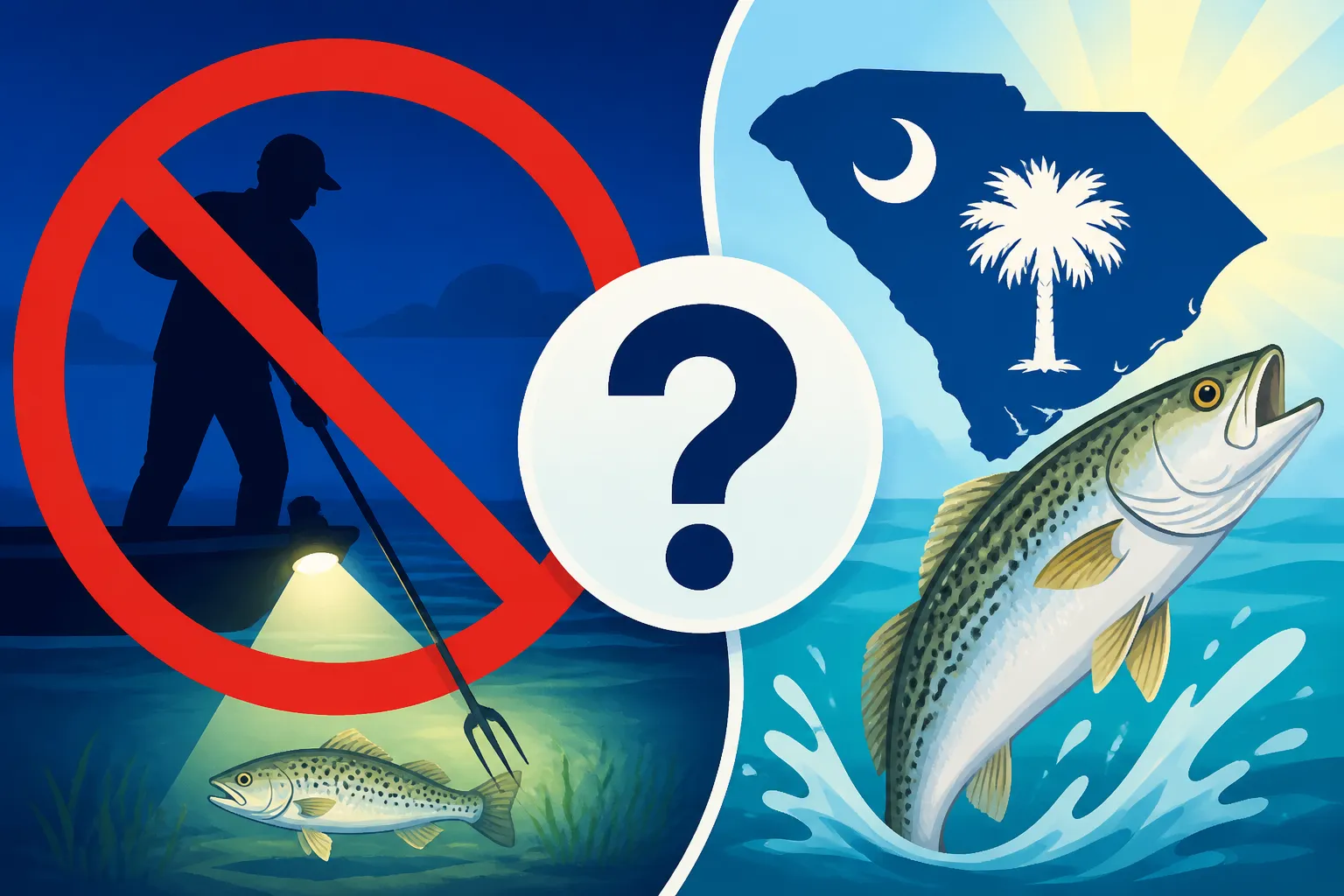
It’s incredibly frustrating when you’re geared up for a great night of seatrout gigging, only to realize there’s a seasonal ban in place. Many anglers get caught off guard by these regulations, wondering why they can’t pursue their favorite speckled beauties with a gig when they might still be able to catch them with a rod and reel. This guide will cut through the confusion, explaining exactly when South Carolina's seatrout gigging ban ends, why it’s necessary, and what your options are in the meantime.
Understanding the Seatrout Gigging Ban in South Carolina
South Carolina’s coastal waters are a treasure, brimming with diverse marine life that needs our protection. The gigging ban on spotted seatrout, a beloved species for many anglers, is a critical part of that conservation effort. It's not just some arbitrary rule; it's a carefully considered measure to ensure healthy fish populations for years to come.
Why the Ban Exists: Protecting Spawning Seatrout
The primary reason for the winter seatrout gigging ban is to protect spotted seatrout during a particularly vulnerable time: their spawning and overwintering period. Unlike rod-and-reel fishing, which allows for catch-and-release, gigging is a harvest-only method. When water temperatures drop, spotted seatrout become less active and tend to congregate in deeper, warmer pockets of estuaries and creeks. This makes them much easier targets for giggers.
Allowing unlimited gigging during these colder months could severely deplete local populations, especially the larger, more mature females that are crucial for successful spawning. The ban essentially gives these fish a much-needed break from harvest pressure, allowing them to conserve energy and reproduce effectively. It’s all about maintaining a sustainable fishery, making sure there are plenty of spotted seatrout for future generations of anglers to enjoy. If you're curious about why Gigging Prohibited From December Through February, it directly relates to this biological imperative.
The Specific Dates of the Gigging Prohibition
To be absolutely clear, the South Carolina Department of Natural Resources (SCDNR) prohibits gigging for spotted seatrout from December 1 through the end of February. This means that during the entire months of December, January, and February, gigging for seatrout is off-limits across all South Carolina coastal waters. This three-month window is considered the most crucial period for the species' survival and reproductive health.
It’s easy to forget exact dates, especially when you're itching to get out on the water. But marking these months on your calendar or setting a reminder on your phone can save you a lot of trouble. This isn't just a suggestion; it's a strict regulation, and understanding these dates is the first step in responsible angling. For a broader overview of coastal rules, you might want to read up on the general Saltwater Fishing Rules in South Carolina.
Geographic Scope: Where the Ban Applies
This gigging ban isn't limited to specific bays or inlets; it applies to all salt and brackish waters across the entire South Carolina coast. This means whether you're fishing near Murrells Inlet, Charleston Harbor, or down by Beaufort, the December-February gigging prohibition is in effect. There are no special zones or exemptions for particular areas; it’s a blanket regulation to protect the species universally within the state’s jurisdiction.
This comprehensive approach ensures that wherever seatrout might be overwintering or attempting to spawn along the coast, they receive the same level of protection. So, don't assume a remote creek will be an exception; if it's coastal or brackish water, the ban applies.
When the Gigging Ban Typically Ends and What Happens Next
The good news is that the ban doesn't last forever! Anglers who prefer the thrill of gigging can get back out there once the calendar turns. However, it's crucial to remember that lifting the ban doesn't mean "anything goes." Other important regulations remain firmly in place.
The Official Reopening Date for Seatrout Gigging
The South Carolina spotted seatrout gigging ban officially ends on March 1st. As soon as the clock strikes midnight on February 28th (or 29th in a leap year), gigging for spotted seatrout becomes legal again. This date marks the return of spring, usually accompanied by warming waters, which means seatrout start to disperse from their wintering holes and become more active.
Many seasoned giggers eagerly anticipate this date, planning their first post-ban outings to their favorite flats and creek bends. It's a fantastic time to be on the water, with the promise of fresh seafood and the unique experience that gigging offers under the night sky. Just be sure your gear is ready to go – a good, bright gigging light is essential, and you can find reliable options on Amazon.
Post-Ban Regulations: Size and Bag Limits Still Apply
Even though the gigging ban is lifted, you absolutely must adhere to all other South Carolina fishing regulations for spotted seatrout. This isn't a free-for-all; conservation is a year-round effort. The two most critical rules to remember are the size and bag limits:
- Minimum Size Limit: The South Carolina Spotted Seatrout Minimum Size 14 Inches (total length). This means any seatrout you gig must measure at least 14 inches from the tip of its nose to the end of its tail. It's always a good idea to carry a reliable measuring device with you, and many gigging boats have markings to make quick checks.
- Daily Bag Limit: The South Carolina Spotted Seatrout Daily Bag Limit of 10 Fish per person per day. This means each licensed angler is allowed to keep up to ten spotted seatrout within the legal size range during a 24-hour period.
These limits are designed to prevent overfishing and ensure that enough breeding-age fish remain in the population. Violating these rules can lead to significant penalties, so it's always better to be safe than sorry. Double-check your measurements, count your catch carefully, and when in doubt, release the fish. To get a full picture, take a look at the comprehensive guide on Spotted Seatrout Size and Bag Limits in South Carolina.
Preparing for the Post-Ban Season: Gear and Techniques
With the gigging ban lifting on March 1st, it's time to ensure your equipment is in top shape. A successful gigging trip depends on more than just knowing the regulations; it requires reliable gear and a bit of know-how.
First, inspect your gig itself. Are the tines sharp? Is the shaft sturdy? Many giggers carry a spare, just in case. Next, and arguably most important, is your lighting system. Whether you use powerful LED lights mounted to your boat or a handheld waterproof light, make sure batteries are charged, connections are clean, and bulbs are functioning perfectly. A dim light will severely hinder your success, especially when targeting subtle movements on the bottom. You can find a fantastic selection of waterproof LED gigging lights and replacement bulbs on Amazon to ensure you're well-equipped.
Beyond the physical gear, consider the tides. Seatrout gigging is often most productive on falling tides, as the receding water concentrates fish in shallower guts and against creek banks, making them easier to spot. Calm, clear nights are also ideal, as choppy water or turbidity can obscure your view. While you're preparing, it might be a good time to review your South Carolina Fishing License Guide to ensure all your paperwork is up-to-date for the new season.
Alternatives to Gigging During the Closed Season
Just because you can't gig for seatrout doesn't mean you have to hang up your fishing hat entirely for three months! South Carolina offers a wealth of other fantastic fishing opportunities, even in the cooler winter months. It's a great chance to broaden your angling horizons.
Rod-and-Reel Fishing for Spotted Seatrout During the Ban
One of the most important things to understand is that the ban is specifically on gigging for spotted seatrout, not on catching them. Rod-and-reel fishing for spotted seatrout is generally permitted year-round, provided you adhere to the size and bag limits mentioned earlier. This is a critical distinction, and it allows dedicated seatrout anglers to continue their pursuit during the gigging closure.
During the colder months (December-February), seatrout often move into deeper channels, tidal creeks, and even estuaries further upriver, seeking stable, warmer water. Fishing these areas with live bait like mud minnows or shrimp under a popping cork, or slowly working artificial lures like soft plastics on jig heads, can be highly effective. The key is to slow down your retrieve, as the fish are less active in colder water. You can learn more about specific tactics in the guide on How to Catch Spotted Seatrout in South Carolina During the Gigging Ban. Just remember, ethical catch-and-release is particularly important when water temperatures are low, as fish are more stressed.
Targeting Other Species: Diversifying Your Winter Fishing
Winter in South Carolina's coastal waters offers excellent opportunities for other species that are often overlooked when seatrout are the main target.
- Redfish: Often found in similar habitats to seatrout, redfish are a fantastic winter target. They'll frequent shallow, muddy flats on sunny days, soaking up warmth, or retreat to deeper holes in creeks. Live mud minnows, cut bait, or even slowly retrieved soft plastics can entice them. Be mindful of the South Carolina Redfish Slot Limit Rules, which are typically 18 to 25 inches, with a daily bag limit of two fish per person and a maximum vessel limit of six fish. For more on this popular species, check out Redfish Fishing in South Carolina: Rules, Spots, and Tips.
- Sheepshead: These "convict fish" are plentiful around structure like oyster beds, docks, and bridges in winter. They require a more specialized approach, often caught with fiddler crabs or barnacles on small, sharp hooks. It's a fun challenge and a delicious reward. Dive deeper into Sheepshead Fishing Tips for South Carolina's Brackish Waters for expert advice.
- Flounder: While flounder gigging is also regulated, rod-and-reel fishing for flounder can still be productive in certain areas during winter, though their activity slows. Look for them around structure or deep drops. A dedicated guide on Flounder Fishing Guide for South Carolina Anglers can provide more detailed seasonal insights.
Expanding your target species can make the winter months incredibly rewarding, keeping you active and connected to the water.
Exploring Other Fishing Opportunities
If saltwater fishing isn't cutting it during the colder months, South Carolina's freshwater options are always open!
- Bass Fishing: Lakes like Murray, Hartwell, and Santee Cooper remain prime locations for largemouth and striped bass. Winter bass fishing often means targeting deeper water with slower presentations, but trophy-sized fish are often caught this time of year.
- Crappie and Panfish: Many anglers swear by winter for crappie fishing. These schooling fish congregate in deep brush piles and around submerged timber, offering consistent action. Bluegill and other sunfish can also be caught, though they tend to be less active.
- Trout Fishing: In the mountainous Upstate, cold-water streams are home to rainbow and brown trout, and even native brook trout. Fly fishing or spin fishing with small inline spinners can be very productive on crisp winter days.
Winter is an excellent time to try a new fishing style or explore a different body of water. Perhaps grab some new freshwater lures from Amazon and explore a local pond or lake you've never visited before.
Staying Informed on South Carolina's Fishing Regulations
Navigating fishing regulations can feel like a maze sometimes, but staying informed is your responsibility as an ethical angler. Rules can and do change, and what was legal last year might not be this year.
Official Resources: SCDNR and Go Outdoors SC
When it comes to the definitive word on South Carolina fishing regulations, there are two primary resources you should always consult:
- South Carolina Department of Natural Resources (SCDNR): The SCDNR website is the official source for all hunting and fishing regulations in the state. They publish annual digests that detail all the rules, including specific dates, size limits, and bag limits for all species. This is the first place to look for any regulatory changes or clarifications. They often have helpful FAQs and news updates as well.
- Go Outdoors South Carolina Portal: This online portal is where you can purchase and manage your fishing licenses. It's also an excellent resource for current regulations, as the information is typically integrated directly into the licensing system. Setting up an account on Go Outdoors South Carolina is essential for any angler in the state, and it’s a quick way to check if your license is valid and review the rules.
Don't rely solely on word-of-mouth or outdated printouts. Always go to the source for the most accurate and up-to-date information.
The Importance of Annual Regulation Checks
Regulations are not set in stone; they are dynamic. Fisheries biologists continually monitor fish populations, environmental conditions, and angler harvest data. Based on this science, rules can be adjusted annually or even mid-season to ensure the health of the fishery. For example, the South Carolina Redfish Slot Limit Changes Over Time to reflect the health of the population.
This means that even if you've been fishing in South Carolina for decades, you still need to conduct an annual check of the regulations. Before your first trip of the new calendar year, make it a habit to visit the SCDNR website and download the latest version of the fishing guide. A quick scan can prevent an accidental violation and ensure you're compliant with the most current rules. Remember, ignorance of the law is no excuse, and wardens will expect you to know the rules.
Penalties for Non-Compliance
It's not just about doing the right thing for conservation; it's also about avoiding legal trouble. Violating fishing regulations, including the seatrout gigging ban or size and bag limits, can result in significant penalties. These can range from hefty fines, confiscation of your gear (including your boat and gigs), and even suspension of your fishing privileges.
For instance, Penalties for Fishing Without a License in South Carolina or exceeding bag limits can lead to hundreds or even thousands of dollars in fines, depending on the severity and frequency of the offense. Conservation officers are out there, and they are trained to enforce these laws. It's simply not worth the risk. Always make sure you have your South Carolina Fishing License Requirements in plain view and are abiding by all rules, no matter how minor they may seem.
South Carolina Seatrout Gigging Ban & Regulation Summary
To help you keep track of the key details regarding seatrout gigging and general regulations, here’s a handy table:
| Regulation Type | Specifics | Details |
|---|---|---|
| Gigging Prohibition | When does the ban apply? | Annually from December 1st through February 28th (or 29th). Gigging is prohibited during these months. |
| When does the ban end? | The ban officially lifts on March 1st. Gigging is permitted from March 1st onward. | |
| Where does the ban apply? | All salt and brackish waters along the entire South Carolina coast. | |
| Rod-and-Reel Fishing | During the ban (Dec-Feb) | Permitted year-round. Adhere to size and bag limits. |
| Minimum Size Limit | Spotted Seatrout | 14 inches total length (from tip of nose to end of tail). This applies to both gigged and rod-and-reel caught fish. |
| Daily Bag Limit | Spotted Seatrout | 10 fish per person per day. This applies to both gigged and rod-and-reel caught fish. |
| License Requirement | General | A valid South Carolina fishing license is required for all anglers aged 16 and older, for both freshwater and saltwater. |
| Official Resources | Where to check current regulations | SCDNR website (dnr.sc.gov) and Go Outdoors South Carolina online portal. Always verify before you go. |
This table provides a quick reference, but remember, always consult the official SCDNR regulations for the most current and complete information.
Disclaimer
The information provided in this guide is for general informational purposes only and is not a substitute for official legal advice or current regulations. Fishing regulations in South Carolina can change. Always refer to the most recent official publications from the South Carolina Department of Natural Resources (SCDNR) before engaging in any fishing activities.