Can Rangers Check Your Fishing License in South Carolina?
It’s a scenario many of us have experienced, or at least worried about: you’re out on a beautiful South Carolina lake or a peaceful coastal creek, rods in the water, minding your own business, when suddenly you see a boat approaching with official markings, or a uniformed officer walking the bank. A common thought immediately pops into your head: "Are they going to ask for my fishing license? And do they even have the right to?" This concern is totally normal! This comprehensive guide will walk you through exactly who has the authority to check your fishing license in South Carolina, what these encounters typically entail, and why these checks are a crucial part of maintaining our state's fantastic fishing opportunities.
The Authority to Check Your License in South Carolina
Let’s get straight to the point: Yes, certain officials absolutely have the right—and the duty—to check your fishing license in South Carolina. This isn't just a friendly request; it's a part of enforcing the laws designed to protect our natural resources. Understanding who these individuals are and the scope of their authority can help ease any anxiety you might have about these encounters.
Who Exactly Can Ask for Your License?
When you’re out on the water or exploring the vast fishing opportunities across the Palmetto State, the most common official you'll encounter who is empowered to check your fishing license is a South Carolina Department of Natural Resources (SCDNR) Law Enforcement Officer. These individuals are often referred to by a variety of names – "game wardens," "DNR officers," or sometimes even "rangers." Regardless of the informal title, it’s important to remember they are fully certified state law enforcement officers with specific training in wildlife and natural resource protection.
Their primary role is to ensure compliance with all state hunting, fishing, and boating regulations. They're out there patrolling our lakes, rivers, and coastal waters, not just to catch people doing wrong, but to educate and ensure everyone is doing their part to conserve our precious natural heritage. While local police or sheriff's deputies also have general law enforcement authority, they typically defer to DNR officers for specific fishing and wildlife violations unless a more serious crime is involved. So, if you see a uniformed officer on the water or near a fishing access point, it’s highly probable they are an SCDNR officer performing their duties.
Understanding Their Legal Authority and Your Obligation
The requirement to possess a valid fishing license when engaging in fishing activities in South Carolina isn't just a suggestion; it's a legal mandate established by state law. Consequently, SCDNR officers are explicitly granted the authority to enforce these regulations. When an officer asks to see your fishing license, they are not simply making a polite inquiry; they are carrying out a lawful enforcement action under the authority vested in them by the state.
Think of it this way: by choosing to fish in South Carolina, you are engaging in a regulated activity. This engagement comes with an implied understanding that you will adhere to the established rules and regulations, including the obligation to possess and present a valid fishing license upon request. This concept is similar to showing your driver's license when pulled over in your car. It’s not about suspicion; it’s about routine compliance. The officer's authority stems from the need to manage and conserve our fisheries effectively, ensuring that everyone contributes their fair share through license fees and adheres to sustainable practices. Your cooperation makes their job—and your experience—much smoother.
Common Scenarios for a License Check
DNR officers are dedicated to covering a wide range of areas where anglers are found. You might encounter them in various situations, each designed to ensure fair play and conservation. It's not always a dramatic chase scene; often, it's just a routine part of their day-to-day patrols.
On the Water: Boat Checks and Shoreline Patrols
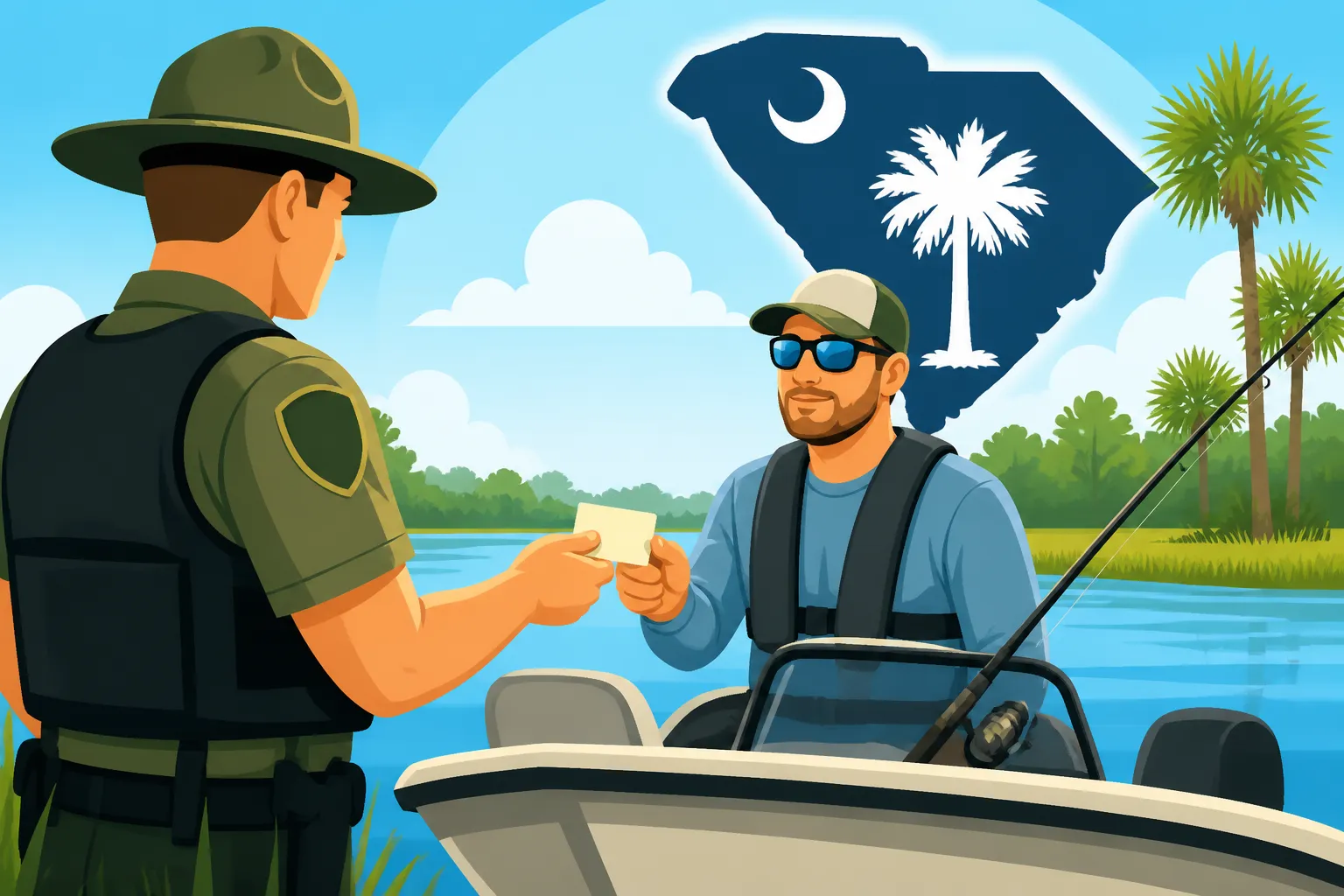
One of the most frequent places you'll encounter a license check is directly on the water. SCDNR officers actively patrol South Carolina’s expansive waterways in their own vessels. It’s not uncommon for them to pull alongside fishing boats to conduct routine checks. During these boat-to-boat interactions, they'll typically ask to see your fishing license, check for required safety equipment like life jackets and fire extinguishers, and might even inquire about your catch to ensure you're within legal bag and size limits. For instance, on a busy weekend on Lake Murray, or while drifting for redfish in Murrells Inlet, seeing a DNR boat is just a normal part of the day.
Beyond the open water, officers also conduct shoreline patrols. They might walk the banks of popular fishing spots along rivers like the Congaree River or scout public access areas on lakes such as the Santee Cooper Lakes. If you're enjoying some peaceful bank fishing, don't be surprised if an officer approaches you to check your license and perhaps offer a friendly word of advice or answer questions about South Carolina's Freshwater Fishing Regulations. It’s all part of their mission to connect with anglers and maintain a visible presence.
At Access Points: Ramps, Piers, and Public Docks
Another prime location for license checks is at various access points where anglers congregate. Boat ramps, especially during peak seasons or busy weekends, are hot spots for DNR officers. They might set up near the launch to quickly check licenses as boats are either entering or exiting the water. This can be an efficient way to ensure compliance without interrupting an angler's time on the water.
Public fishing piers are also common sites for checks. While some large commercial piers may hold a blanket license covering their patrons, many public piers still require individual anglers to possess their own South Carolina Fishing License Guide. An officer might simply walk the length of a pier, like those in Myrtle Beach, engaging with anglers and checking for valid licenses. Similarly, public docks and popular beach access points where surf anglers gather are frequently patrolled. If you’re casting a line from a public dock or along the coastline, be ready to present your credentials. It’s a standard procedure to ensure everyone fishing is contributing to the conservation efforts that keep our waters healthy and abundant.
Special Events and Tournaments
South Carolina is a hub for fishing tournaments, from competitive bass circuits on inland lakes to popular redfish tournaments along the coast. These events often attract a significant number of anglers, and with that comes increased attention from SCDNR law enforcement. You can expect a heightened officer presence at weigh-ins, boat launches, and even out on the water during these competitions. Officers will be there not only to check fishing licenses but also to ensure strict adherence to tournament-specific rules, as well as state regulations like the South Carolina Redfish Slot Limit Rules or limits on other targeted species. For example, during a major bass tournament on Lake Hartwell, officers will be diligent in ensuring all participants are properly licensed.
It's not just tournaments, either. Any organized fishing event, including youth fishing rodeos or even the annual South Carolina Free Fishing Days Explained, might see DNR officers present. While free fishing days often waive the license requirement for residents, officers are still on hand to educate the public about other regulations and ensure everyone is having a safe and lawful experience. The increased visibility at these events makes them ideal opportunities for officers to perform checks and maintain an orderly environment for all participants.
What Happens During a License Check?
Having your license checked by a DNR officer doesn't have to be an intimidating experience. In most cases, it's a brief, straightforward interaction. Knowing what to expect and how to properly respond can make the process smooth and quick, allowing you to get back to fishing with minimal interruption.
Presenting Your License: Digital vs. Physical Copies
When an SCDNR officer requests to see your fishing license, you have a couple of options for presentation. The traditional method is to present a physical copy. This could be the paper license you printed out after purchasing it online, or a physical card if you obtained it from an authorized vendor. Many anglers keep their paper license laminated or tucked into a wallet or a small tackle box to protect it from the elements.
However, in this digital age, South Carolina, like many states, has embraced technology. You can conveniently present your fishing license digitally on your smartphone through the Go Outdoors South Carolina app. This is a fantastic option for those who worry about losing a paper copy or getting it wet. Just make sure your phone is charged! It's always a good idea to have your digital license readily accessible, perhaps saved as a screenshot or in an easily retrievable folder on your device, just in case you're in an area with spotty cell service. For extra peace of mind, consider investing in a waterproof phone case or a small dry bag for your essentials – you can find excellent options on platforms like Amazon that will keep your license, phone, and wallet safe from splashes.
The Importance of Cooperation
When a DNR officer initiates a license check, the most crucial thing you can do is cooperate fully and respectfully. These officers are performing their job, which is vital for the conservation of our natural resources and the sustainability of our fisheries. A calm, polite demeanor will almost always lead to a quick and pleasant interaction. Simply acknowledge their presence, state that you understand their request, and proceed to present your license as promptly as possible.
Becoming uncooperative, argumentative, or attempting to evade an officer can quickly escalate a simple license check into a much more serious situation. This could lead to delays, additional scrutiny, and potentially further legal issues beyond the initial license violation. Remember, they are trained professionals, and treating them with respect goes a long way. Most officers are genuinely helpful and appreciate responsible anglers who understand and follow the rules. By being cooperative, you demonstrate that you're a responsible member of the angling community who supports their efforts to protect South Carolina's natural beauty and its incredible fish populations.
What If You Don't Have Your License?
This is where things can get a bit tricky, and it’s a scenario every angler hopes to avoid. If you are caught fishing without a valid South Carolina fishing license, you are in violation of state law, and there will be consequences. The exact outcome can vary depending on the circumstances and the officer's discretion, but typically, you're looking at a warning for a first-time, minor offense, or more commonly, a citation.
A citation means you'll be facing fines, which can be significant. For a detailed breakdown, you might want to look into Penalties for Fishing Without a License in South Carolina. In more severe cases, especially for repeat offenders or if the violation is coupled with other infractions (like exceeding bag limits or fishing in a closed area), officers may even confiscate your fishing gear or your catch.
If you genuinely forgot your license but you do actually possess a valid one, some officers might be able to verify it electronically on the spot using their patrol vehicle's computer or their mobile devices. However, this isn't guaranteed, especially in remote areas with poor signal, and it's ultimately your responsibility to have proof of your license. Even if an officer can verify it, they might still issue a citation that you'd have to get dismissed in court by presenting your valid license. The bottom line? It’s far easier and less stressful to simply have your license with you every single time you cast a line.
Why These Checks Are Important (and How to Make Sure You're Ready)
While a license check might feel like a minor inconvenience, it's actually a vital part of a much larger, incredibly important effort to preserve South Carolina's fishing heritage. Understanding the "why" behind these checks can help us all appreciate their necessity and ensure we're doing our part.
Protecting South Carolina's Fisheries
Every time an angler purchases a fishing license in South Carolina, a portion of that fee goes directly into critical conservation efforts. These funds are the backbone of programs dedicated to fish stocking, habitat restoration, scientific research, and, of course, the enforcement of fishing regulations. Without these funds, the vibrant ecosystems that support species like largemouth bass, striped bass, redfish, and trout would suffer immeasurably. For instance, the money helps maintain the health of our major freshwater bodies, as detailed in South Carolina's Freshwater Fishing Regulations, and ensures the sustainability of our rich coastal waters, which are governed by Saltwater Fishing Rules in South Carolina.
DNR officers, through their diligent checks, play a crucial role in upholding these regulations. When they verify licenses, they’re not just looking for a piece of paper; they’re ensuring that everyone is contributing their share and adhering to limits designed to prevent overfishing. This proactive enforcement ensures that bag limits, size restrictions, and seasonal closures (as outlined in our South Carolina Fishing Seasons Guide) are respected, preventing depletion of fish stocks and ensuring that future generations can enjoy the same incredible fishing opportunities we have today.
Ensuring You're Always Prepared
Nobody wants a peaceful day of fishing ruined by an avoidable citation. The easiest way to ensure a smooth interaction with an SCDNR officer is to simply be prepared. Make acquiring and renewing your fishing license a priority, almost like a ritual. Don't wait until the day before your big trip to figure out your South Carolina Fishing License Requirements in South Carolina. Many anglers mark their calendars for renewal, treating it like any other important annual task. You can typically get your license online, which is often the most convenient route. The article on How to Buy a Fishing License on Go Outdoors South Carolina is a great resource to walk you through the online process.
Beyond just having the license, always carry it with you. Whether it’s a printed copy in a waterproof holder, or stored digitally on your phone via the Go Outdoors app, having it easily accessible is key. Consider also storing a backup digital copy in a cloud service or emailing it to yourself, just in case your phone decides to quit on you in a remote location. Lastly, and equally important, make it a habit to regularly check current fishing regulations. Rules can change, and staying informed about species-specific limits and seasons will keep you in the clear.
Here's a quick checklist to help you stay ready for your next fishing adventure in South Carolina:
| Item | Importance | Notes |
|---|---|---|
| Valid Fishing License | Essential | Have a physical copy or the Go Outdoors app on your phone. Consider both for backup. |
| Photo ID | High | Officers may ask for identification to verify your license ownership. |
| Current Regulations | High | Know the latest bag limits, size restrictions, and seasons for the species you're targeting. Check the SCDNR website regularly. |
| Appropriate Safety Gear | High | For boaters: PFDs for everyone onboard, throwable device, whistle/horn, fire extinguisher. Check current boating safety requirements. |
| Waterproof Storage | Medium | Keep your phone, license, and wallet safe from water. Small dry bags or waterproof cases are readily available on Amazon. |
| First Aid Kit | Medium | For minor cuts, hook pricks, or scrapes. A compact kit is easy to carry and can be purchased from retailers like Amazon. |
| Sun Protection | High | Hat, polarized sunglasses, and sunscreen are crucial for long days on the water. |
These simple steps will help ensure that your time spent fishing in South Carolina remains enjoyable, lawful, and hassle-free, contributing to the health and abundance of our state's incredible fisheries.
Disclaimer
The information provided in this guide is intended for general informational purposes only and does not constitute legal advice. Fishing regulations in South Carolina can change, and it is the responsibility of each angler to stay informed of the most current rules and laws set forth by the South Carolina Department of Natural Resources (SCDNR). Always refer to the official SCDNR website or contact them directly for the most accurate and up-to-date information before engaging in any fishing activities.