South Carolina Redfish Charter Fishing Trips
There's nothing quite like the rush of a redfish screaming line off your reel, particularly when you're exploring the rich estuaries and marshlands of South Carolina. Many anglers dream of targeting these bronze beauties, but the idea of navigating unfamiliar waters, understanding complex regulations, and finding the fish can feel daunting. This guide is here to walk you through everything you need to know about booking and enjoying a South Carolina redfish charter, ensuring you have a memorable and successful trip without the stress of going it alone.
The Allure of Redfish: Why Anglers Flock to South Carolina's Coast
For anyone who’s spent time on South Carolina’s coast, the redfish, or red drum as they’re also known, is practically a local celebrity. They’re not just pretty to look at with their signature tail spot; they’re incredibly fun to catch. There’s a reason why so many anglers, from seasoned veterans to excited beginners, flock to the Palmetto State specifically for a chance to tangle with these powerful fish.
The Thrill of the Fight: What Makes Redfish Special
Imagine this: you're quietly poling through a shallow creek, the sun just starting to warm the air, when suddenly, you spot it – a red tail waving above the glassy surface. That’s a "tailing" redfish, feeding in the skinny water, completely oblivious to your presence. The cast is perfect, the bait lands softly, and then, wham! The fight is on. Redfish are notorious for their strong runs and stubborn head shakes. They pull hard, often trying to bury themselves in oyster rakes or grass beds, making every hook-up a genuine test of skill and tackle. It’s a full-body experience, a dance between angler and fish that leaves your arms aching but your spirit soaring. Many anglers describe the initial surge of a powerful redfish as one of the most exciting moments in inshore fishing, a feeling that keeps them coming back for more, year after year.
These fish are incredibly adaptable, thriving in the complex ecosystems of the Lowcountry. Their diet is diverse, making them targets for various baits and lures, which adds another layer of excitement. You might be sight-casting to a lone cruiser one minute and blind-casting into a deep creek bend for a schooling fish the next. The versatility and sheer power of redfish make them a truly captivating game fish, a species that embodies the wild spirit of South Carolina’s coastal waters and offers an unforgettable challenge to every angler.
South Carolina's Ideal Redfish Habitat: Marshes and Estuaries
South Carolina boasts an absolutely incredible network of marshes, tidal creeks, and expansive estuaries – the perfect playground for redfish. Our coastline is defined by these nutrient-rich, intricate systems, providing abundant food and protection for juvenile and adult redfish alike. Think of vast stretches of spartina grass, intersected by winding creeks that fill and empty with the rhythmic ebb and flow of the tide. These areas are teeming with fiddler crabs, shrimp, mullet, and small baitfish, all staple foods for a hungry red drum.
These shallow water environments create prime conditions for what we call "sight fishing," where you actively look for the fish before you cast. The clear, calm waters allow you to spot a redfish cruising the flats or, as mentioned, tailing in the grass. A good redfish charter captain knows these labyrinthine waterways like the back of their hand, understanding how the tides affect fish movement and where the best feeding grounds are. This intimate knowledge of the local habitat is precisely why booking a dedicated redfish charter is so valuable; they can put you right in the middle of the action, even if you've never set foot in a South Carolina marsh before.
Understanding Redfish Regulations Before Your Charter Trip
One of the most crucial aspects of any fishing trip, especially when targeting popular species like redfish, is understanding the local regulations. South Carolina takes its fisheries management very seriously, and for good reason – we want to ensure healthy populations for generations to come. While your charter captain will be an expert on the rules, it's always good for you as an angler to have a basic grasp of them before you even step on the boat. It helps you appreciate the conservation efforts and ensures a smooth, penalty-free experience.
South Carolina's Redfish Slot Limit: What It Means for Your Catch
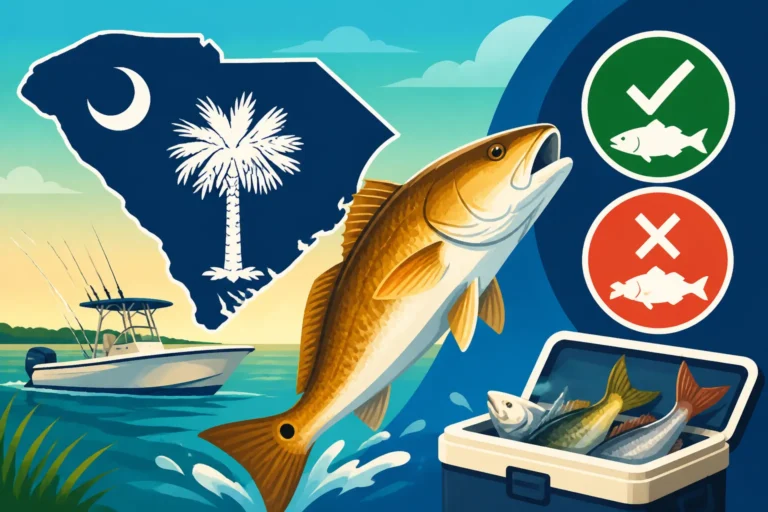
South Carolina employs a strict "slot limit" for redfish, which is a common and highly effective conservation tool. This means that you can only keep redfish that fall within a specific size range, typically measured from the tip of the nose to the tip of the tail. For South Carolina redfish, this slot limit is usually 18 to 25 inches. Fish smaller than 18 inches are considered juveniles and need to grow, while fish larger than 25 inches are often mature breeding stock, crucial for the future of the fishery, and also need to be released.
This regulation means that if you catch a monster redfish over 25 inches – which is certainly possible on a South Carolina charter – you’ll get an incredible fight and a fantastic photo opportunity, but you’ll have to release it gently. This can sometimes be a surprise to anglers unfamiliar with slot limits, especially if they’re hoping to bring home a massive trophy. However, it's vital for maintaining robust fish populations. Your captain will have a measuring device on board and will guide you on proper handling and release techniques to ensure the fish's best chance of survival. For a deeper dive, check out South Carolina Redfish Slot Limit Rules.
Daily Bag and Vessel Limits: Planning Your Keeper Fish
Beyond the slot limit, there are also "bag limits" and "vessel limits" to consider. The daily bag limit refers to the maximum number of legal-sized fish (within the slot) that each individual angler can keep in a single day. This is usually a conservative number to prevent overfishing. The "vessel limit" is equally important and means there’s a maximum number of fish that can be kept on a single boat, regardless of how many licensed anglers are on board. This often applies to popular species like redfish.
Typically, the daily bag limit for redfish per person in South Carolina is one fish per day. And the vessel limit is often set at two fish per boat per day, regardless of the number of anglers on board. So, even if you have four anglers on a charter, you can only keep two legal-sized redfish combined. These limits are subject to change based on scientific assessments, so it's always good practice to confirm the most current figures with your captain or the SCDNR website before your trip. These measures ensure that while you can enjoy the bounty of the sea, the resource is protected for sustained enjoyment. You can learn more about these specifics in South Carolina Redfish Daily Bag Limit Per Person and South Carolina Redfish Vessel Limit Explained.
What to Expect from a Redfish Charter Trip
Booking a redfish charter isn't just about hiring a boat; it's about gaining access to years of local knowledge, specialized gear, and a finely tuned strategy for finding and catching these elusive fish. Knowing what to expect beforehand can help you appreciate the value of your trip and ensure you're prepared for whatever the Lowcountry waters throw your way.
Inshore vs. Nearshore: Choosing Your Redfish Battleground
When you're talking about redfish in South Carolina, you're almost exclusively talking about "inshore" fishing. This means staying within the protective embrace of the coastal marshes, tidal creeks, and estuaries, often never venturing out of sight of land. Inshore fishing is fantastic for redfish because these areas are their primary habitat, offering abundant food and shelter. It's typically calmer waters, making it a great option for those prone to seasickness or families with younger children. The thrill comes from navigating tight creeks, polling shallow flats, and often sight-casting to fish in crystal-clear water.
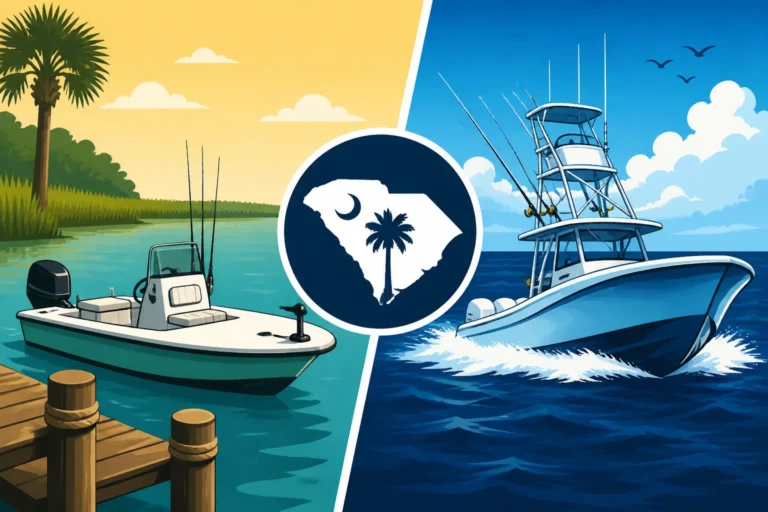
While redfish can occasionally be found in nearshore waters, sometimes around jetties or artificial reefs, the quintessential South Carolina redfish charter experience focuses on the rich inshore ecosystem. Your captain will likely employ a shallow-draft boat, specifically designed to access these skinny water areas where redfish love to feed. This distinction is important because if you’re looking for big game like tuna or mahi-mahi, you’d be booking an offshore trip, which is a completely different ballgame. For that classic redfish encounter, an inshore trip is precisely what you're after. Dive deeper into what these trips entail with South Carolina Inshore Fishing Charters Explained.
Common Redfish Techniques Employed by Guides
Redfish guides are masters of adaptation. They have a repertoire of techniques at their disposal, and they'll choose the best one based on the tide, weather, water clarity, and the fish's mood. One of the most exciting methods is sight fishing, where the guide uses a poling platform on the back of the boat to silently push through shallow flats, spotting redfish before they even know you’re there. This is a visual game, requiring keen eyesight and accurate casting. When sight fishing isn,t an option, they might employ blind casting into productive areas like oyster beds, creek mouths, or submerged structures.
Another primary method involves live bait, often mud minnows or live shrimp, fished under a popping cork or on a Carolina rig. The popping cork mimics the sound of shrimp flicking on the surface, drawing the redfish's attention. For artificial lures, guides frequently use weedless spoons, soft plastics rigged on jig heads (like Z-Man or Gulp! shrimp imitations), or topwater plugs in low-light conditions. Your guide will provide all the necessary tackle and bait, demonstrating the best techniques for the day. Their goal is to get you hooked up, whether that means finessing a fly into a tailing fish or soaking a live bait in a deep hole. To get a head start on understanding the basics, read up on Inshore Redfish Techniques for Beginners.
Gear and Licensing: What Your Charter Should Provide
One of the big advantages of booking a redfish charter, especially for visitors or new anglers, is that almost everything you need is provided. You won't have to worry about buying expensive rods and reels, figuring out what bait to use, or even obtaining a fishing license specifically for yourself. Most reputable South Carolina redfish charters operate under a blanket charter license that covers all passengers on board. This saves you the hassle and cost of getting a South Carolina Fishing License Guide for a single trip.
Your guide will supply high-quality rods and reels appropriate for redfish, a tackle box full of proven lures and hooks, and often live bait if that’s the chosen method for the day. They'll also have safety equipment like life jackets, a first-aid kit, and navigation tools. This means you can show up ready to fish without needing to invest in a ton of gear. However, it's always wise to confirm exactly what is included when you book your trip. Some specialized trips, like fly fishing charters, might require you to bring your own fly rod, but this will be clearly communicated upfront. Rest assured, the core fishing necessities will be taken care of. For more details on what's typically included, check out Does South Carolina Charter Price Include Gear and License?.
Top Redfish Charter Destinations in South Carolina
South Carolina's coast is a mosaic of fantastic redfish habitats, each with its own unique charm and fishing opportunities. From the bustling harbors to the quiet, pristine estuaries, you'll find top-tier redfish action. Knowing a bit about these hotspots can help you decide where to base your redfish charter adventure.
Charleston: Historic Waters and Abundant Redfish
Charleston is not only a city steeped in history and charm but also a premier destination for redfish charters. Charleston Harbor itself is a massive, productive estuary, fed by several rivers like the Ashley, Cooper, and Wando, and dotted with countless islands and marsh systems. This creates a vast and varied playground for redfish, offering everything from deep channels to expansive shallow flats. You'll find a strong population of redfish here, from smaller "rat reds" to formidable bull reds.
Charter captains operating out of Charleston know these waters intimately. They’ll take you into the winding creeks of Bulls Bay, the rich flats around Mount Pleasant, or the intricate estuaries surrounding the barrier islands. The fishing here can be fantastic year-round, with different patterns emerging with the seasons. Spring and fall are often considered prime times for sight fishing, but even in the heat of summer or the chill of winter, a skilled Charleston guide can put you on fish. If you're planning a trip, exploring Charleston Fishing Charters: South Carolina's Harbor Trips can give you a great starting point, and for specific hot spots, you might want to look at Best Redfish Spots in Charleston Harbor, South Carolina.
Hilton Head and Beaufort: Lowcountry Redfish Havens
Further south, the Hilton Head Island and Beaufort area are quintessential Lowcountry destinations, offering unparalleled redfish opportunities. This region is characterized by enormous stretches of undeveloped marshland, labyrinthine tidal creeks, and oyster-filled estuaries. The sheer volume of prime habitat here makes it a redfish paradise. The tidal swings are significant, creating strong currents that move bait and concentrate fish, making for exciting and productive fishing.
Captains in this region often specialize in navigating these complex marsh systems, knowing exactly where to find feeding redfish during different tide cycles. You might spend a day poling quiet creeks, casting to tailing fish, or working artificials around oyster rakes and creek bends. The area around Port Royal Sound, the May River, and the Broad River are particularly well-known for their robust redfish populations. A Hilton Head Island Fishing Charters, South Carolina trip provides access to these incredible waters, offering a truly immersive Lowcountry fishing experience. The guides here are adept at finding fish in all conditions, showcasing the rich biodiversity of this southern part of the state.
Murrells Inlet and Mount Pleasant: Northern Coast Gems
While Charleston and Hilton Head often get a lot of attention, the areas north of Charleston also offer exceptional redfish charter opportunities. Murrells Inlet, a short drive south of Myrtle Beach, is a prime example. This historic fishing village is built around a thriving saltwater estuary system that opens directly to the Atlantic. It’s a bit different from the expansive marshlands further south, offering a blend of open water, jetties, and intricate creek systems. Redfish are abundant here, often found cruising the edges of the inlet, around oyster beds, and deep in the backwaters.
Similarly, Mount Pleasant, just across the Cooper River from Charleston, has its own fantastic fishing grounds. Its numerous creeks and proximity to Bulls Bay and other barrier island systems make it a hotspot. Many charter captains launch directly from Mount Pleasant, giving quick access to prime redfish territory without the bustle of the main Charleston Harbor. Whether you choose Murrells Inlet for its unique charm and diverse waters, or Mount Pleasant for its easy access to vast marshes, both offer excellent chances to hook into some quality redfish. If you're considering a trip to the northern coast, checking out Murrells Inlet Redfish Fishing Spots in South Carolina or Mount Pleasant Redfish Fishing Spots in South Carolina can highlight some prime areas.
Booking Your South Carolina Redfish Charter
Once you’ve decided that a redfish charter is the way to go, the next step is actually booking the trip. This process can seem a little overwhelming with so many guides and options out there, but with a few key considerations, you can ensure you find the perfect match for your angling adventure.
Finding the Right Guide: Experience and Specialization
Finding a guide who genuinely specializes in redfish is paramount. Many captains are excellent all-around anglers, but a dedicated redfish guide lives and breathes these fish. They understand the nuances of seasonal patterns, tidal movements, and the specific baits and techniques that work best in their local waters for redfish. You'll want someone with a shallow-draft boat, often a skiff or bay boat, that can access the skinny water where redfish often feed. Don't be shy about asking prospective captains about their experience specifically targeting redfish and what kind of fishing you can expect.
Online platforms have made finding and booking charters incredibly easy. Websites like FishingBooker allow you to browse numerous guides in South Carolina, filter by target species (like redfish!), read reviews from other anglers, and compare prices and offerings. This is a fantastic way to do your research and ensure you're connecting with a reputable and experienced captain. When reviewing potential guides, look for those who regularly post photos of redfish catches and describe trips focused on inshore marsh fishing. This shows they have the expertise and the right equipment to make your redfish dreams a reality. To help you get started, read our guide on How to Book a Fishing Charter in South Carolina.
What to Discuss Before You Go: Expectations and Preferences
Before finalizing your booking, it’s always a good idea to have a clear conversation with your chosen captain to align expectations. Discuss things like trip length (half-day versus full-day), what specific species you’re hoping to target (even though this guide is about redfish, it’s good to confirm), and your preference for catch-and-release versus keeping a legal fish. If you have any specific physical limitations or preferences (e.g., you only want to use artificial lures), communicate these upfront.
It’s also wise to clarify the booking process itself, including any deposit requirements, the captain’s cancellation policy for bad weather or unforeseen circumstances, and what payment methods they accept for the remainder of the balance. A good captain will be happy to answer all your questions and ensure you feel comfortable and informed. For instance, many guides listed on platforms like FishingBooker clearly outline their policies and what's included, which helps streamline this communication. Don't assume anything; clear communication upfront prevents surprises later on and ensures everyone is on the same page for a fantastic day on the water.
Preparing for Your Trip: Essentials to Bring Along
While your charter captain will provide the essential fishing gear and license, there are a few personal items you should definitely bring along to make your redfish charter trip as comfortable and enjoyable as possible. The South Carolina sun can be intense, even on cloudy days, so sun protection is key. Think a wide-brimmed hat, sunglasses (polarized ones are a game-changer for spotting fish!), and plenty of reef-safe sunscreen. Lightweight, long-sleeved shirts and pants can also offer excellent sun protection.
Comfortable, non-slip shoes are a must for safety on the boat deck. You'll also want to pack plenty of water and snacks, as a few hours on the water can build up an appetite and thirst. A small cooler with your drinks and snacks is usually fine, but confirm with your captain beforehand. Don’t forget your camera or phone to capture those memorable catches! And if you're prone to motion sickness, take any preventative medication before you board, even for relatively calm inshore waters. Being prepared allows you to focus solely on the fishing and fully immerse yourself in the experience. For a more comprehensive list, check out What to Bring on a South Carolina Fishing Charter.
Maximizing Your Redfish Charter Experience
You've booked the trip, you're prepared, and now it's time to hit the water. To truly make the most of your redfish charter, there are a few considerations that go beyond just casting a line. These tips will help you not only catch more fish but also build a positive relationship with your guide and contribute to the health of the fishery.
Listening to Your Guide: Local Knowledge is Key
Your charter captain is your most valuable asset on a redfish trip. They spend hundreds of days a year on these waters, meticulously tracking fish movements, understanding tidal flows, and knowing exactly where the redfish are holding. They've invested countless hours into learning the intricacies of their local fishery, experiencing the ups and downs that come with ever-changing conditions. This isn't just a hobby for them; it's their livelihood and their passion.
Resist the urge to tell your guide how to fish or where to go. Trust their expertise. If they tell you to cast to a specific spot, use a particular retrieve, or be patient during a slow spell, heed their advice. They see things you don't, feel subtle changes in the environment, and can interpret the smallest signs of fish activity. The more you listen and follow their directions, the higher your chances of success. They want you to catch fish as much as you do, and their guidance is the fastest route to that goal.
Respecting the Resource: Catch and Release Best Practices
While the regulations allow you to keep a limited number of slot-sized redfish, many anglers, and certainly most guides, practice selective harvest or even catch and release, especially for larger breeding fish. Redfish are a precious resource, and proper handling ensures their survival after release. Always handle fish gently, supporting their weight, and minimizing their time out of the water. Avoid touching their eyes or gills.
Your guide will be adept at quickly and safely de-hooking fish, and they’ll show you the best way to revive a fish before releasing it. This often involves holding the fish upright in the water, facing into the current, until it kicks its tail strongly and swims away on its own. Using circle hooks, which many charter captains prefer, also significantly increases the survival rate of released fish by typically hooking them in the corner of the mouth, avoiding vital organs. Even if you plan to keep your limit, practicing responsible catch-and-release with the fish you don’t keep is crucial for sustaining this incredible fishery. Understanding the rules, like the South Carolina Redfish Slot Limit Rules for Charter Anglers, means you're already one step closer to being a responsible steward of the environment.
Gratuity and Follow-Up: Showing Appreciation
At the end of a successful redfish charter, it's customary and greatly appreciated to tip your guide. Charter guiding is a service industry, and tips are a significant portion of a guide’s income, recognizing their hard work, expertise, and effort throughout the day. A general guideline for tipping is 15-20% of the total trip cost, assuming you had a good experience. If your guide went above and beyond, consider tipping at the higher end of that scale.
Hand the tip directly to the captain at the end of the trip, perhaps with a sincere thank you. If you had an exceptional time and are comfortable doing so, a positive online review on platforms like FishingBooker or the guide's social media pages is also incredibly helpful. This not only acknowledges their great service but also helps other anglers find a fantastic guide. A brief phone call or email follow-up a few days later can also reinforce your appreciation and build a relationship that might lead to future bookings. For more detailed information, consider reading Tipping Your South Carolina Fishing Guide.
| Feature | Inshore Redfish Charter | Offshore Fishing Charter (for comparison) |
|---|---|---|
| Primary Target | Redfish, Spotted Seatrout, Flounder, Sheepshead | Tuna, Mahi-Mahi, Wahoo, King Mackerel, Snapper |
| Location | Tidal creeks, marshes, estuaries, protected bays | Open ocean, far from shore, often 20+ miles out |
| Boat Type | Shallow-draft skiffs, bay boats | Large center consoles, sportfishing yachts |
| Water Conditions | Generally calm, protected from open ocean swell | Can be rough, exposed to ocean waves |
| Fishing Techniques | Sight casting, live bait under corks, artificials | Trolling, bottom fishing, kite fishing |
| Trip Duration | Typically half-day (4 hrs) or full-day (6-8 hrs) | Often full-day (8+ hrs) or extended multi-day trips |
| Seasickness Risk | Lower due to calmer waters | Higher due to open ocean conditions |
| License Covered | Usually covered by charter's blanket license | Usually covered by charter's blanket license |
| Gear Provided | Rods, reels, bait, tackle | Heavy-duty rods, reels, specialized offshore tackle |
Disclaimer
This article is for general informational purposes only and does not constitute professional advice. Laws, prices and regulations vary by location and change over time. Consult a qualified professional for guidance on your specific situation.