Which Trip Type Gets You Farther From the Dock
One of the most common questions I hear from folks planning a fishing trip to our beautiful Palmetto State is, "Which type of fishing trip will take me farthest from the dock?" It’s a great question because the answer directly impacts everything from the kind of fish you’ll chase to the scenery you'll enjoy and even how much Dramamine you might need! Let's dive deep into the differences between South Carolina's popular inshore, nearshore, and offshore fishing adventures so you can pick the perfect outing for your crew.
Understanding the Different Fishing Trip Types in South Carolina
South Carolina offers an incredible diversity of fishing environments, from tranquil tidal creeks to the vast expanse of the open Atlantic. This variety means that fishing charters have adapted to specialize in different experiences, primarily categorized by how far they venture from the safety of the shore. Each type offers a unique adventure, appealing to different skill levels, target species, and comfort zones.
The "Close to Home" Experience: Inshore Fishing
When we talk about inshore fishing, we're talking about staying relatively close to land, typically in waters no deeper than about 20 feet. Think of the intricate network of salt marshes, tidal creeks, estuaries, and protected bays that define so much of our Lowcountry coast, from Hilton Head all the way up to Murrells Inlet. This is where you’ll find charters navigating small, nimble boats through mazes of spartina grass or fishing around oyster beds. The beauty of inshore fishing is its accessibility and the sheer abundance of life thriving in these nutrient-rich waters.
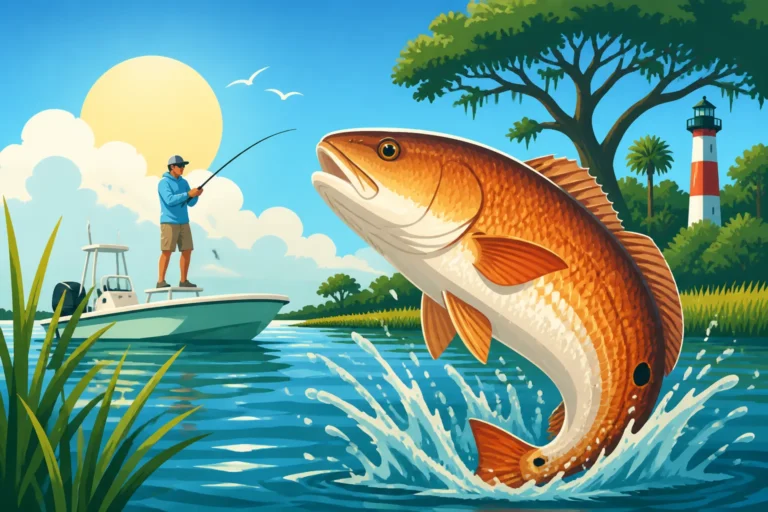
You're often within sight of land, perhaps even spotting historic homes or maritime forests as you cast your line. The waters here are generally calmer, making it an excellent choice for families with young children, beginners, or anyone prone to seasickness. The species you'll encounter are primarily those that thrive in shallow, brackish water, such as the ever-popular Redfish, Spotted Seatrout, Flounder, and even Sheepshead. The techniques are often casting artificial lures, live baiting with shrimp or mud minnows, or even fly fishing. Charters for inshore fishing might launch from a marina in Charleston and stay within the confines of Charleston Harbor, exploring its many nooks and crannies. If you're looking for more information on these trips, check out South Carolina Inshore Fishing Charters Explained.
Bridging the Gap: Nearshore Fishing Adventures
Nearshore fishing acts as a fantastic bridge between the calm, protected waters of inshore and the expansive, deep blue of offshore. These trips typically take you a bit farther out, usually anywhere from 3 to about 20 miles from the nearest inlet, into waters generally ranging from 20 to 60 feet deep. You might still be able to see the distant coastline, but the immediate surroundings are open ocean. The environment shifts from marsh grass and oyster beds to more structured bottom features.
Captains venturing nearshore often target artificial reefs, natural rock ledges, wrecks, and other submerged structures that attract baitfish and larger predators. This transition brings a different set of target species into play. While you might still hook into some larger Redfish or Spotted Seatrout, you’ll also start encountering species like Spanish Mackerel, King Mackerel, Black Sea Bass, smaller Groupers, and even some types of Snapper. The fishing techniques can vary widely, from trolling for mackerel to bottom fishing over reefs. The conditions can be a little choppier than inshore, especially if the wind picks up, so it's a step up in terms of potential motion on the water, but usually not as intense as a full offshore run.
Venturing Out: Offshore Fishing for the Deep Sea Thrill
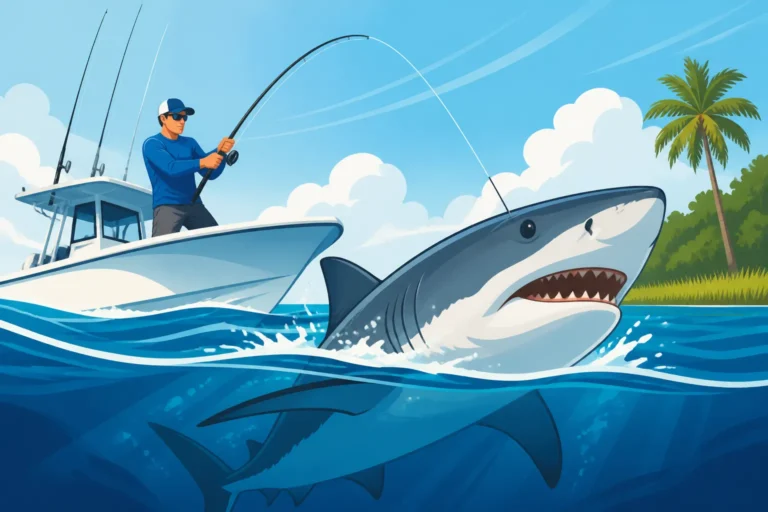
Now, if you're asking "which trip type gets me farthest from the dock," offshore fishing is your answer. This is where you truly leave the coastline behind, often losing sight of land entirely as you head into the deep blue. Offshore trips typically range from 20 miles out to as far as 100 miles or more, depending on the target species and the specific fishing grounds. The depths can range from hundreds to thousands of feet, and the boats are generally larger, faster, and more robust to handle the open ocean conditions.
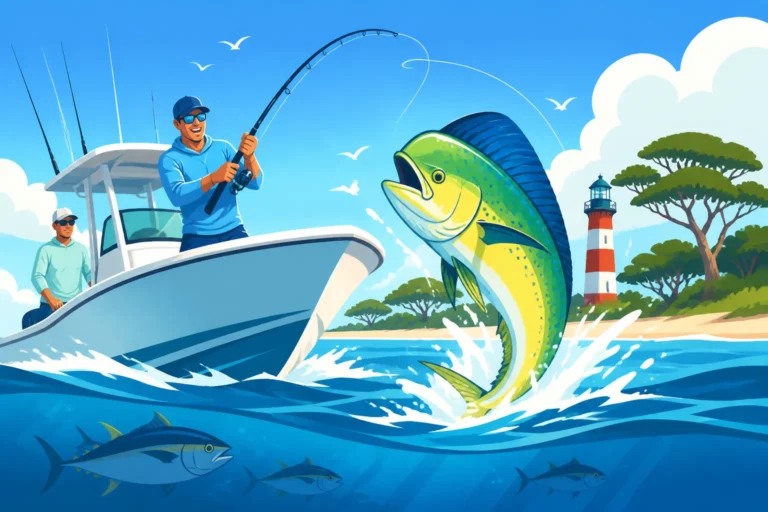
Offshore fishing is for anglers seeking the true deep-sea thrill, chasing powerful pelagic species that roam the open ocean. Imagine the excitement of battling a majestic Marlin, a fast-running Wahoo, a hard-fighting Tuna, or the beautiful and delicious Mahi-Mahi. You might also be bottom fishing for larger Groupers, Snapper species like Vermilion or Red Snapper, or even Amberjack over deeper wrecks and ledges. These trips require a significant time commitment, often full-day excursions or even overnight adventures, and they come with a higher price tag due to fuel consumption and the specialized equipment needed.
The ocean conditions can be unpredictable, and while captains always aim for safe weather windows, there's always the possibility of rougher seas, making it less suitable for those prone to severe seasickness or very young children. However, the rewards of a successful offshore trip—the sheer size and power of the fish, the vastness of the ocean, and the incredible challenge—are unparalleled for many anglers. If this sounds like your kind of adventure, you might want to read more about South Carolina Offshore Fishing Charters Explained.
Factors Influencing How Far Charters Go
It's not just about what a captain wants to catch; several practical factors dictate how far a fishing charter can safely and effectively travel from the dock. Understanding these can help you manage your expectations and choose the right trip.
Vessel Capability and Safety Considerations
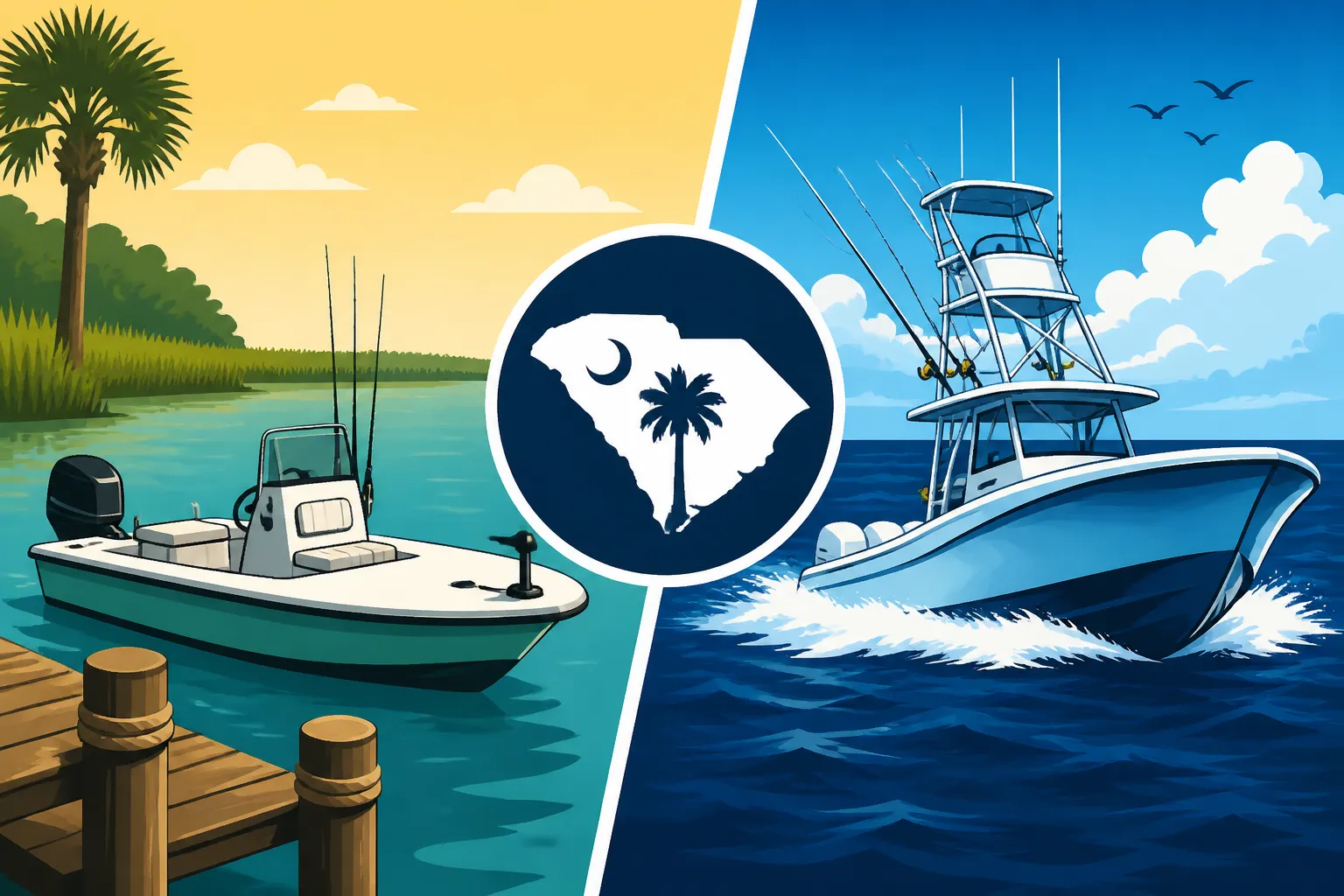
The boat itself is perhaps the most significant factor. A small, 20-foot bay boat designed for navigating shallow estuaries simply isn't equipped, nor is it safe, to venture 60 miles offshore into the rough Atlantic. Larger, heavier offshore vessels are built to handle big waves and strong currents, carry more fuel, and often have more advanced navigation and safety equipment.
A captain's primary responsibility is the safety of their passengers. If the forecast calls for rough seas or strong winds, a wise captain will opt for a shorter, more protected inshore trip, even if the original plan was for nearshore or offshore. This is why you'll often see larger offshore boats with powerful twin engines, high freeboards (the distance from the deck to the water), and amenities like full cabins that offer protection from the elements. When you're browsing options, perhaps on a platform like FishingBooker, pay attention to the boat's size and type listed by the captain.
Target Species and Habitat
Fish don't just swim anywhere; they have specific habitats and preferred environments. If your heart is set on catching a massive Yellowfin Tuna, you simply can't do that in a shallow creek. Tuna are pelagic species that live in deep, open ocean waters, often associated with temperature breaks, weed lines, or significant underwater structures hundreds of feet deep. Similarly, if you want to target Redfish, you'll need to be in the inshore estuaries and flats where they feed.
So, the fish you're hoping to catch directly dictates how far the charter needs to travel. A captain specializing in South Carolina Redfish Charter Fishing Trips will likely stay inshore, while one advertising South Carolina Mahi-Mahi Charter Fishing Trips will be heading far offshore. This is why discussing your target species with the captain beforehand is crucial. They know where the fish are likely to be at a given time of year and will tailor the trip distance accordingly.
Trip Duration and Customer Preference
Time is money, and in charter fishing, time also equals distance. A typical half-day trip, which might be 4-6 hours, simply doesn't allow for extensive travel far offshore and still leave enough time for actual fishing. By the time you travel 40-50 miles out, you've eaten up several hours of your trip just getting there and back. This is why shorter trips are almost exclusively inshore or nearshore.
Longer trips, such as full-day (8-10 hours) or extended offshore adventures, provide the necessary travel time to reach distant fishing grounds and maximize your fishing time once you're there. When considering Half-Day vs Full-Day Fishing Charters in South Carolina, remember that a longer trip inherently means the potential to go farther.
Customer preference also plays a huge role. Even on a boat capable of offshore travel, if the passengers express a desire for calmer waters, more frequent bites (even if smaller fish), or simply want to stay within sight of land, a good captain will adjust the plan. It's always a good idea to communicate your expectations and comfort level clearly when booking your trip.
Typical Distances From the Dock for Each Trip Type
Let's break down some realistic expectations for how far different charter types generally venture from the South Carolina coast. Keep in mind these are averages, and conditions, as well as specific fishing goals, can always alter a plan.
Inshore Fishing: Hugging the Coastline
For an inshore trip, you'll rarely be more than a few miles from the actual dock, and often much closer. In places like Murrells Inlet or the creeks around Mount Pleasant, you could be fishing minutes after leaving the marina, never really losing sight of homes, docks, or marsh grass. Many inshore charters will operate almost entirely within protected waterways, sometimes only a few hundred yards from shore.
The primary goal here is to target species like Redfish, Spotted Seatrout, and Flounder in their natural habitats. You'll spend your time navigating shallow flats, oyster beds, and mangrove-lined creeks. The calm waters make for a relaxing trip, and the quick access to fishing spots means more lines in the water. For example, a trip focused on South Carolina Speckled Trout Charter Trips will keep you close to the estuary systems, where these fish thrive.
Nearshore Fishing: A Short Boat Ride Away
Nearshore trips typically see captains heading anywhere from 3 to 20 miles offshore. This distance can vary significantly based on the location of specific artificial reefs, wrecks, or natural ledges that hold fish. For instance, out of Charleston, a captain might run 5-10 miles to a productive nearshore reef or a few miles further to a well-known wreck for Black Sea Bass.
This category often provides a good balance for anglers who want a taste of the open ocean without the full commitment (or potential motion sickness) of a long offshore run. It’s a great way to target larger game than typically found inshore, but without spending hours traveling. You might still see the faint outline of land on a clear day, but you'll certainly feel the ocean swell more distinctly than on an inshore trip.
Offshore Fishing: Miles and Miles from the Inlet
When you book an offshore charter, prepare for a significant journey. These trips typically start with a long run, often 20 miles or more, to reach the continental shelf or specific deepwater fishing grounds. Many captains will head 40, 60, or even 80+ miles offshore to reach prime spots like the Gulf Stream, which is a highway for pelagic species like Mahi-Mahi, Tuna, Wahoo, and Billfish. This journey alone can take 2-4 hours each way, depending on the distance and the boat's speed.
The table below illustrates the general relationship between trip type and distance from the dock:
| Trip Type | Typical Distance from Dock | Typical Water Depth | Target Species (Examples) |
|---|---|---|---|
| Inshore | 0-5 miles | 2-20 feet | Redfish, Spotted Seatrout, Flounder, Sheepshead |
| Nearshore | 3-20 miles | 20-60 feet | Spanish Mackerel, King Mackerel, Black Sea Bass, smaller Groupers |
| Offshore | 20-100+ miles | 60-many thousands feet | Mahi-Mahi, Tuna, Wahoo, Marlin, Sailfish, larger Groupers, Snapper |
This extended travel time means offshore trips are usually full-day excursions. The fuel burn is substantial, contributing to the higher cost. But for serious anglers, the opportunity to tangle with powerful, hard-fighting deep-sea giants is well worth the distance and expense. When planning these trips, especially if you're traveling a long way to South Carolina, you might be looking at various options on sites like FishingBooker to compare different captains and their specialized offshore offerings.
Choosing the Right Trip for Your South Carolina Adventure
Now that you know the differences in how far charters go, how do you decide which one is right for you? It really comes down to a few key considerations that balance your fishing dreams with practical realities.
Considering Experience Level and Comfort
For beginners, families with young children, or anyone who might be apprehensive about choppy seas, an inshore trip is almost always the best starting point. The calmer waters, shorter travel times, and generally more consistent action with smaller fish make for a much more enjoyable and confidence-building experience. You won't spend the day feeling green, and the kids will have a blast reeling in various panfish or smaller game. Family-Friendly Fishing Charters in South Carolina often specialize in these types of trips.
If you have a bit more experience, a stronger stomach, and are looking for a step up in terms of fish size and fighting power, nearshore is an excellent choice. It offers a taste of the open ocean without the full commitment of an offshore run.
Seasoned anglers seeking trophy fish, a true deep-sea battle, and an epic adventure will gravitate towards offshore trips. These are challenging and require endurance, but the potential rewards are immense. Just remember, a long ride out on rough seas can test even the most experienced angler's resolve!
Balancing Time, Cost, and Catch Expectations
Let's be realistic: generally, the farther a charter goes from the dock, the more it's going to cost and the longer it's going to take. Inshore trips are usually the most budget-friendly and offer shorter durations like half-day options. Nearshore trips fall in the middle, often available as half or three-quarter day excursions. Offshore trips are almost exclusively full-day or longer, and they represent the highest investment due to fuel, boat size, and specialized gear. You can often find a good overview of options and pricing structures on platforms like FishingBooker, where various captains list their trip types and durations.
It's crucial to set realistic catch expectations. While offshore trips offer the chance at truly enormous game fish, they can also involve long periods of waiting between bites. Inshore fishing might offer more consistent action with smaller, but still fun-to-catch, species. Consider what kind of "success" means to you on your trip. Is it a cooler full of fish, or the thrill of battling one monster? If you're wondering about costs, looking at resources like South Carolina Charter Fishing Costs and Trip Types can give you a clearer picture.
What to Ask Your Captain Before Booking
To ensure you book the perfect trip that aligns with your desired distance from the dock and overall experience, always have a good conversation with your potential captain before committing. Don't be shy – a good captain wants you to have a great time and will appreciate your thoroughness. Here are some questions to consider:
- "What type of trip do you recommend for someone who wants to stay relatively close to shore?"
- "How far do you typically go out on a half-day vs. full-day trip?"
- "What species will we be targeting at that distance from the dock?"
- "What's your plan if the weather gets rough? Do we stay closer, or do you reschedule?"
- "Are there any specific fishing spots you plan to hit that are X miles offshore?"
- "What are your boat's capabilities in terms of speed and comfort for longer runs?"
Asking these questions helps clarify what "farther from the dock" truly means for that specific charter and captain. It ensures that your expectations for distance, comfort, and target species are aligned, leading to a much more satisfying fishing adventure in South Carolina. Remember, Choosing the Right South Carolina Fishing Guide is key to a successful outing. Don't forget to ask What to Bring on a South Carolina Fishing Charter as well, as requirements can change with distance!
Disclaimer
This article is for general informational purposes only and does not constitute professional advice. Laws, prices and regulations vary by location and change over time. Consult a qualified professional for guidance on your specific situation.