Kid-Friendly Panfish Spots for Beginners
Finding a fishing spot that truly engages children, ensures their safety, and practically guarantees a catch can feel like searching for a needle in a haystack for many parents. You want to spark that lifelong love for the outdoors, but nothing extinguishes enthusiasm faster than hours of boredom with nary a nibble. This guide is dedicated to revealing the absolute best kid-friendly panfish spots scattered across South Carolina, along with tips and tricks to make sure every family outing results in beaming smiles and plenty of fish stories, turning frustrating trips into cherished memories.
Why Panfish Are Your Best Bet for Beginner Anglers
When you're introducing a child to the magic of fishing, the goal isn't necessarily to land a trophy-sized bass or a massive catfish. It's about the experience, the excitement of a tug on the line, and the joy of successfully reeling something in, no matter the size. That's precisely where panfish shine, making them the undisputed champions for young, eager anglers.
The Abundance and Eagerness of Panfish
One of the biggest frustrations for new anglers, especially kids, is the lack of action. Panfish, by their very nature, are often incredibly numerous and, more importantly, notoriously aggressive feeders. They're not shy, and they're usually not too picky. This means a higher chance of a bite, which translates directly into sustained interest and excitement for your little one. Instead of sitting for an hour with a still bobber, your child will likely experience frequent nibbles and catches, keeping them engaged and entertained. This consistent activity is the secret sauce to building confidence and fostering a genuine love for fishing that can last a lifetime.
Manageable Size and Safe Handling
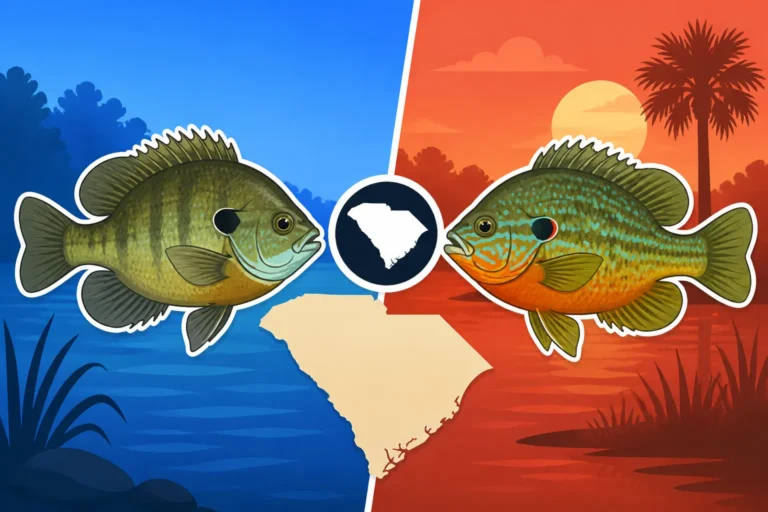
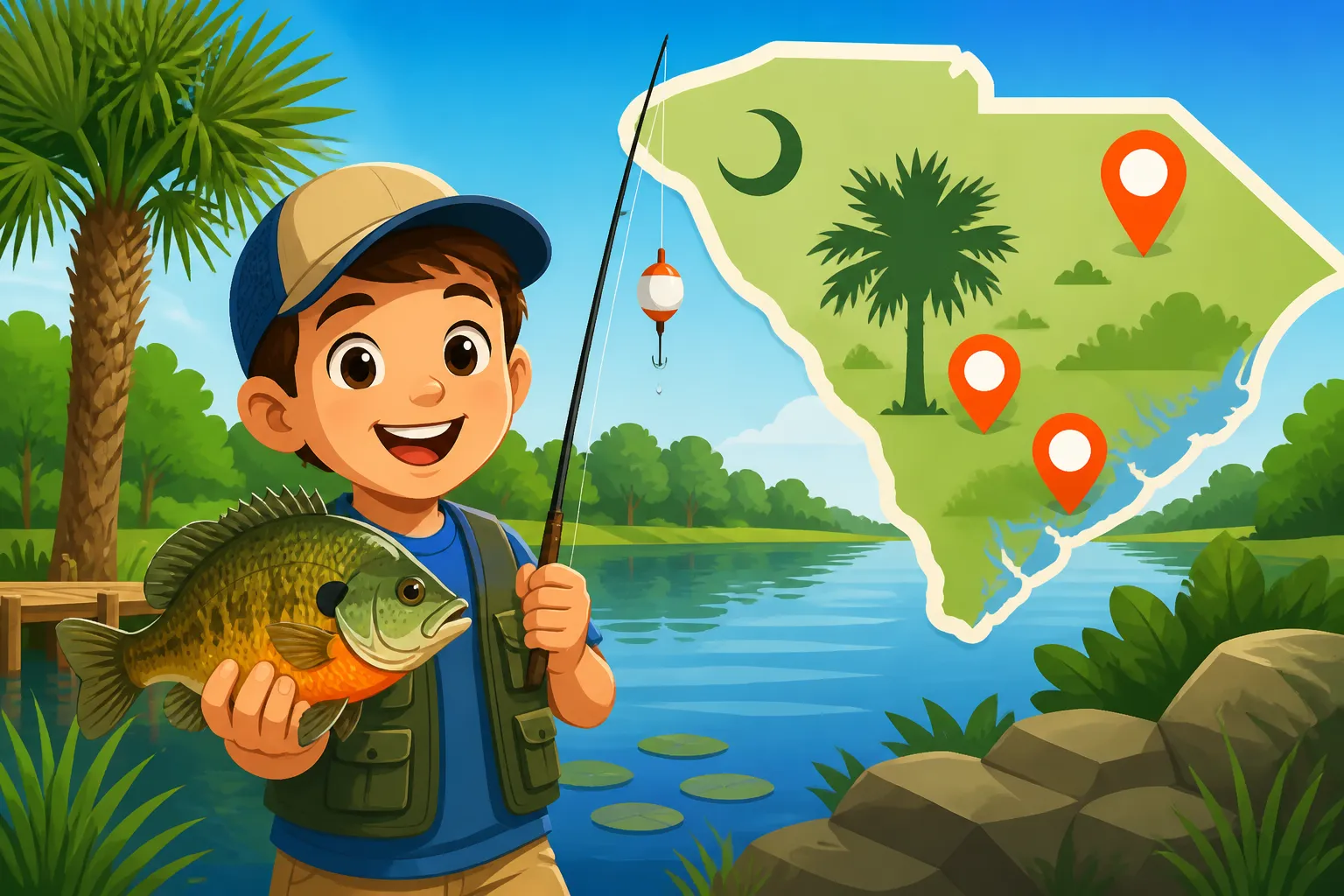
Another fantastic aspect of panfish is their size. While they can grow to respectable proportions, most of the panfish you'll encounter are small enough for a child to comfortably handle independently. A chunky bluegill or a vibrant redbreast sunfish fits perfectly in small hands, allowing kids to feel proud of their catch and participate in the entire process from hook to release. Their smaller mouths and often less intimidating teeth compared to, say, a toothy chain pickerel or a whiskered catfish, also make them much safer for little fingers to manage, reducing any anxiety about getting hurt. This ease of handling promotes a positive interaction with the fish, reinforcing respect for wildlife and the environment.
Simple Setup and Techniques
You don't need a boatload of fancy gear or complex techniques to catch panfish. This simplicity is a huge win for family fishing trips. A basic rod and reel combo, a bobber, a small hook, and some common bait are often all you need. Kids can quickly grasp the concept of casting out, watching the bobber, and reeling in. You won't be bogged down with intricate knots or specialized lures, which can be overwhelming for beginners. This straightforward approach allows you to focus more on the fun and less on the technicalities. Many online retailers, like Amazon, offer fantastic pre-packaged kids' fishing kits that include everything a beginner needs to get started, making the process even simpler for parents. For those just starting out, check out our guide on Simple Bream Fishing Techniques for Kids.
Identifying Truly Kid-Friendly Fishing Spots
Not all fishing spots are created equal when it comes to bringing along the younger generation. What might be a fantastic secluded honey hole for an experienced adult angler could be a perilous or frustrating ordeal for a family with children. It's crucial to evaluate a location based on factors that prioritize safety, accessibility, and the likelihood of success for little hands.
Safety First: Calm Waters and Gentle Banks
The number one priority when selecting a fishing spot for kids should always be safety. Look for locations with calm, shallow waters, especially near the bank. Fast-moving currents or deep drop-offs can be dangerous distractions. Gentle, stable banks free from slippery rocks, steep inclines, or dense, thorny brush are ideal. You want an area where kids can move around relatively freely without constant worry about falls or hazards. Many state parks and local community ponds are specifically designed with these safety considerations in mind, often featuring designated fishing piers or well-maintained bank access areas. These spots not only offer peace of mind but also allow children to focus on the exciting prospect of fishing rather than navigating tricky terrain.
Easy Access and Amenities
Imagine hauling fishing gear, a cooler, snacks, extra clothes, and maybe even a stroller over rugged terrain – not exactly a relaxing start to a family fishing trip. Kid-friendly spots boast easy access. Paved paths, short walks from parking, and readily available amenities make a world of difference. Picnic tables, restrooms, and even playgrounds nearby can turn a simple fishing trip into a full-day family adventure. These amenities aren't just about convenience; they contribute to the overall enjoyment and comfort, especially with younger children who might have shorter attention spans or sudden needs. Having a clean restroom nearby means less stress for everyone involved, and a playground can be a perfect "plan B" if the fish aren't biting immediately or the kids need to burn off some energy. Consider spots mentioned in Family-Friendly Fishing Spots in South Carolina for ideas.
High Probability of Catching Something
Let's be honest: for a kid, catching something is paramount. A spot that promises a high chance of a bite is invaluable. This usually means targeting waters known for healthy panfish populations. Small ponds, slow-moving creeks, and sheltered coves in larger lakes are often teeming with bluegill, redbreast sunfish, and other eager panfish. These areas tend to be less pressured and offer plenty of structure (like lily pads, submerged logs, or docks) where panfish love to congregate. Before you head out, do a little research. Online forums or local tackle shops can often point you towards specific "hot spots" for panfish. Sometimes, even simply asking another angler at the pond can yield valuable insights into what's biting. The thrill of feeling that first tug on the line is an unforgettable moment that hooks kids on fishing for life.
Prime Panfish Havens Across South Carolina for Little Anglers
South Carolina is blessed with an abundance of waters, and thankfully, many of them are perfect for introducing kids to fishing. From serene state park lakes to bustling community ponds, there are countless opportunities to create those cherished first fishing memories.
State Parks: Natural Beauty and Designed Convenience
South Carolina's state parks are truly gems for family outdoor adventures, and fishing is no exception. Many parks feature well-stocked ponds and lakes, often with dedicated fishing piers or easy bank access, making them ideal for kids. For instance, Santee State Park on the shores of Lake Marion offers numerous spots where panfish thrive, and the park amenities make for a comfortable outing. Kids can cast a line from the pier or find a quiet spot along the bank. Another excellent choice is Dreher Island State Park on Lake Murray, which, while known for its striped bass, also has plenty of coves and quieter areas where bluegill and other panfish can be found close to shore. These parks often have visitor centers, clean restrooms, and sometimes even nature programs that can add an educational layer to your fishing trip. The fees are usually minimal, and the peace of mind knowing you're in a well-maintained, supervised environment is priceless. Explore more in State Park Fishing Spots in South Carolina.
Community Ponds and Local Parks: Accessible Angling Adventures
Don't overlook the local community ponds and parks right in your backyard or a short drive away. Many towns and cities in South Carolina have municipal parks that feature small lakes or ponds specifically managed for recreational fishing. These spots are often incredibly convenient, reducing travel time and making spontaneous trips much easier. They might not have the sprawling natural beauty of a state park, but their accessibility and typically good panfish populations make them winners. For example, ponds in Saluda Shoals Park near Columbia often yield excellent panfish catches. These smaller bodies of water warm up faster in spring and cool slower in fall, extending the panfish season. They also tend to be less intimidating for young children than vast open lakes. Always check local regulations, as some community ponds might have specific rules regarding bait or catch limits. You can find more targeted information in Kid-Friendly Fishing Ponds Near Columbia.
Sheltered Coves and Backwaters of Larger Lakes
While large lakes like Lake Murray, Lake Hartwell, or the Santee Cooper lakes can seem overwhelming, their numerous sheltered coves and backwater areas are often fantastic panfish factories. These calmer, shallower sections offer protection from wind and boat traffic, creating ideal habitats for panfish. Look for areas with lily pads, docks, fallen trees, or brush piles, as these structures provide cover and food for bluegill, crappie, and other sunfish. For example, some of the quiet coves around Lake Greenwood or the shallower arms of Lake Wateree can be incredibly productive. The key is to find these less exposed areas where the fish feel safe and food is plentiful. Using Google Maps or local fishing apps to scout for these kinds of features before you go can save you a lot of time and boost your success rate. When exploring larger lakes, remember that parents and older children might need a South Carolina Fishing License Guide, and for kids, consult Fishing License Rules for Kids in South Carolina.
Gearing Up for Greatness: Essential Kid-Friendly Tackle and Bait
Getting the right gear for a child's first fishing trip doesn't have to be complicated or expensive. The goal is simplicity, durability, and ease of use to maximize their enjoyment and minimize frustration.
The Right Rod and Reel Combo
For beginners, especially young children, a spincast rod and reel combo is almost always the best choice. These reels are incredibly easy to operate: press a button, cast, and crank. There's no complex bail to flip or lines to untangle, which can quickly frustrate a child. Look for combos that are shorter (around 4-5 feet) and lightweight, so they're easy for small hands to manage without getting tired. Many brands offer bright, colorful kids' combos that are not only appealing but also durable enough to withstand a few drops or bumps. You can often find excellent starter kits on Amazon that bundle a rod, reel, and basic tackle, taking the guesswork out of assembling everything. Don't forget to spool it with light, visible line, like 6-8 lb monofilament, which is forgiving for casting errors and easy to see against the water. For more on what kids might need, check out Do Kids Need Special Gear to Catch Bluegill?.
Simple Yet Effective Bait Choices
When it comes to panfish, you don't need exotic baits. Simplicity and availability are key. The classics often work best:
- Worms: Red wigglers or nightcrawlers are absolute panfish magnets. They're natural, kids love putting them on the hook (or are fascinated by watching you do it!), and they're incredibly effective. You can buy them at almost any bait shop or even dig them up in your backyard after a rain.
- Cracker Crumbs/Bread Balls: Believe it or not, small balls of bread or cracker crumbs can be surprisingly effective for bluegill and other sunfish. They're cheap, readily available, and easy for kids to handle and bait their own hooks.
- Corn: Canned corn kernels are another surprisingly good bait for panfish, especially crappie and some types of sunfish. They're sweet, colorful, and easy to keep on the hook.
- Small Artificial Lures: If your child is a bit older and has mastered casting, tiny artificial lures like micro jigs (1/32 to 1/16 oz) or small spinners can be incredibly effective. They come in various colors and patterns, and some kids enjoy the challenge of working a lure. These can also be found easily on Amazon if you're looking for convenience.
Remember, the goal is to get a bite, so don't overthink the bait. Often, the most basic options yield the most success for beginners. More bait ideas can be found in Best Bait for Catching Bluegill.
| Bait Type | Effectiveness for Panfish | Ease of Use for Kids | Cost/Availability | Notes |
|---|---|---|---|---|
| Live Worms | Excellent | Medium | Low/High | Classic, irresistible, kids might need help baiting |
| Canned Corn | Good | High | Low/High | Colorful, easy to handle, less messy than worms |
| Bread Balls | Good | High | Very Low/High | Super cheap, easy for kids to bait, dissolves quicker |
| Small Jigs | Very Good | Medium (with practice) | Medium/High | Requires some lure movement, good for older kids |
| Small Spinners | Very Good | Medium (with practice) | Medium/High | Attracts fish with flash and vibration, good for older kids |
| Crickets | Excellent (seasonal) | Medium | Medium/Seasonal | Highly effective, can be harder to keep on hook |
Beyond the Catch: Making Every Family Fishing Trip a Treasure
While catching fish is definitely a highlight, a truly successful kid-friendly fishing trip is about more than just the fish count. It’s about the memories, the learning, and the shared experience.
Patience, Positivity, and Praise
Fishing requires patience, a virtue even adults struggle with! For kids, it's even harder. Set expectations low for the number of fish caught and high for the amount of fun had. Celebrate every nibble, every cast that goes a little further, and every moment of quiet observation. Praise their efforts, even if they're fumbling with the reel or tying a knot that looks more like a bird's nest. A positive attitude from you is contagious and will make the whole experience more enjoyable. If the fish aren't biting, pivot! Explore the shoreline, look for interesting bugs, skip some rocks. Sometimes the best memories are made when things don't go exactly as planned.
Educational Moments and Environmental Stewardship
A fishing trip is a fantastic opportunity for impromptu lessons. Talk about the different kinds of fish you might catch – Bluegill and Redbreast Sunfish: A Beginner's Guide is a great resource. Discuss the ecosystem of the pond or lake, identifying birds, plants, and other critters. Teach them about proper catch and release techniques, emphasizing gentle handling to ensure the fish's survival. Instill the importance of leaving no trace: picking up any trash, even if it's not yours, and protecting the natural environment. These lessons go far beyond fishing; they cultivate a respect for nature and responsibility that will serve them well throughout their lives. Remember to also discuss South Carolina Fishing License Exemptions by Age so they understand the rules.
Documenting the Adventure
Don't forget to capture these precious moments! Snap photos of their proud smiles with their first catch (even if it's just a tiny minnow). Encourage them to draw pictures of the fish they caught or the scenery around them. Keeping a simple fishing journal where they record the date, location, weather, and what they caught (or didn't catch!) can be a fun way to track their progress and create a lasting keepsake. These documented adventures become stories that they'll recount for years, reinforcing the positive memories and making them eager for the next family fishing outing. Whether it's a small bluegill or a fat crappie, the story of the catch is always bigger than the fish itself!
Disclaimer
This article is for general informational purposes only and does not constitute professional advice. Laws, prices and regulations vary by location and change over time. Consult a qualified professional for guidance on your specific situation.