Shortnose Sturgeon Sightings in South Carolina Rivers
For many anglers and nature enthusiasts in South Carolina, the idea of encountering a Shortnose Sturgeon in our rivers feels like catching a glimpse of a ghost. These ancient, enigmatic fish are incredibly rare and highly protected, making any sighting a truly special, almost mythical event. This guide will walk you through everything you need to know about these incredible creatures, where they might be found, and crucially, how to act responsibly if you are lucky enough to spot one in our beloved Palmetto State waters.
The Elusive Shortnose Sturgeon: A Protected River Giant
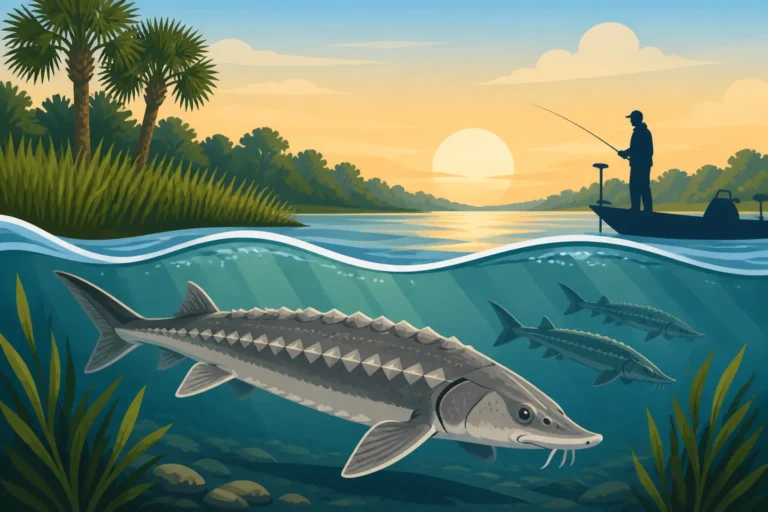
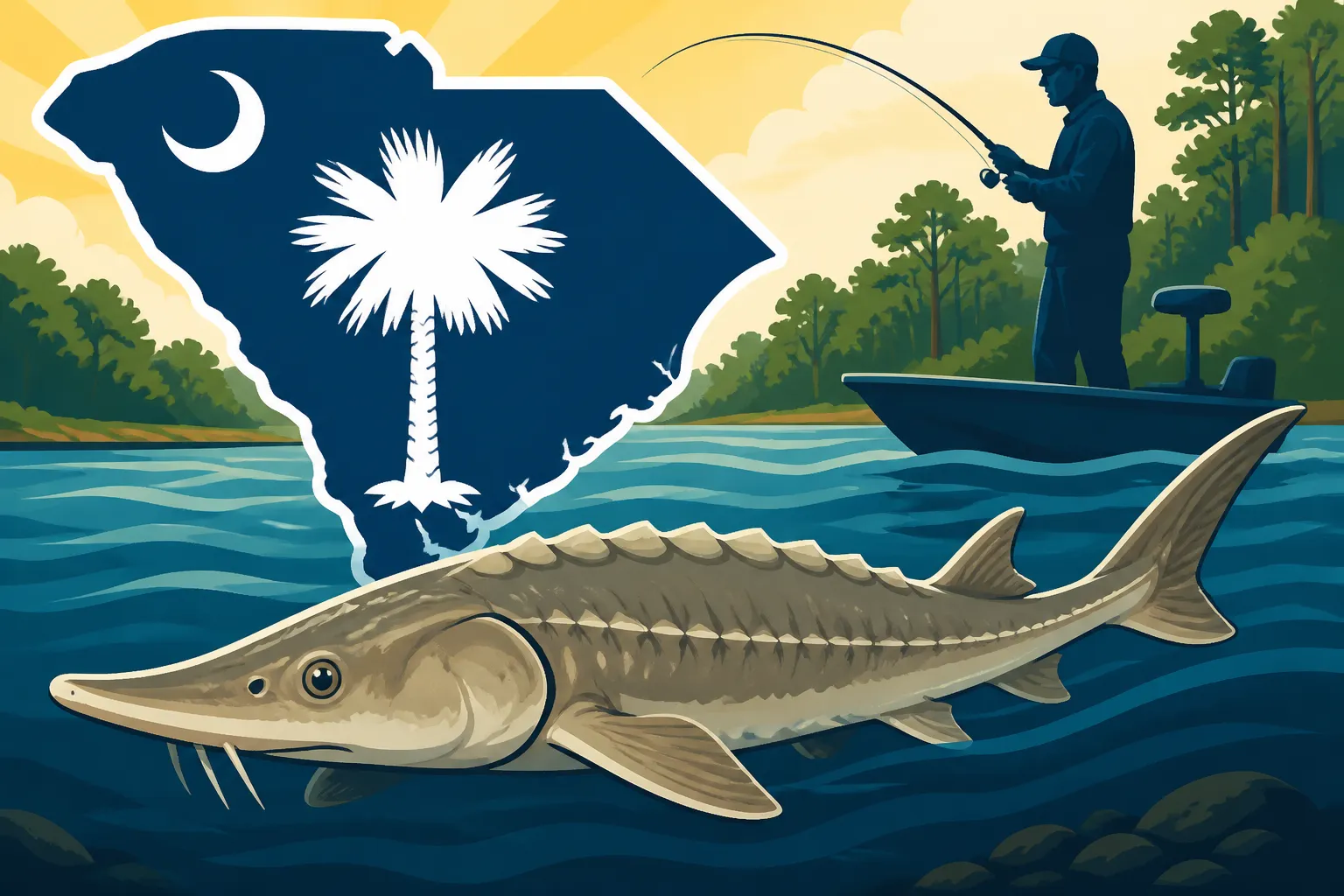
Imagine a fish that looks like it swam straight out of the Jurassic period, with bony plates instead of scales, a long snout, and a mouth on its underside that looks like a vacuum cleaner. That's a Shortnose Sturgeon for you – a truly prehistoric creature that has navigated our river systems for millions of years. These aren't your typical bass or catfish; they are a living link to an ancient past, a testament to the enduring power of nature.
While they might not reach the colossal sizes of some of their distant cousins, Shortnose Sturgeon are still impressive fish, typically growing between three and four feet long and weighing up to 50 pounds. They have a distinct torpedo-shaped body, rows of scutes (bony plates) along their back and sides, and a short, blunt snout, which gives them their name. Unlike the larger Atlantic Sturgeon, which spends more time in saltwater, the Shortnose Sturgeon prefers to stay in the brackish and freshwater reaches of coastal rivers, making its presence in South Carolina's major river systems all the more significant. They are bottom-feeders, using their sensitive barbels (whiskers) to locate small invertebrates and fish buried in the riverbed. Their slow growth and late maturity mean they are particularly vulnerable to environmental changes and human impacts, which sadly led to their decline. If you want to learn more about these fascinating fish and their even larger relatives, you might enjoy reading South Carolina's Sturgeon: The State's Rarest River Giants.
Why Shortnose Sturgeon Are So Heavily Protected
The story of the Shortnose Sturgeon is a poignant reminder of how human activity can impact even the most resilient species. For centuries, these fish were harvested for their meat and roe (caviar), leading to severe population declines across their range along the Atlantic coast. Coupled with habitat degradation from dam construction, pollution, and dredging, their numbers dwindled to critically low levels. By the late 20th century, the Shortnose Sturgeon was listed as an endangered species under federal law, granting it the highest level of protection.
This endangered status means that it is illegal to catch, harm, or possess a Shortnose Sturgeon, period. This isn't just a suggestion; it's a strict regulation designed to give these beleaguered populations a fighting chance at recovery. For us here in South Carolina, this means a profound responsibility. Every angler, every boater, every riverside resident plays a role in their survival. Understanding their vulnerability and the reasons behind their protected status is the first step in becoming a good steward of these magnificent fish. They represent a crucial part of our aquatic ecosystem, filtering sediments and serving as indicators of river health. The efforts to protect them also benefit countless other species sharing their habitat. This species' journey through conservation is fascinating and detailed in Why Sturgeon Are a Protected Species.
Where and When to Spot Shortnose Sturgeon in South Carolina
Spotting a Shortnose Sturgeon in South Carolina is a rare treat, a moment many anglers dream of but few experience. These fish are masters of camouflage and habit, often dwelling on the bottom of deeper river channels. However, there are specific river systems where their presence is known, offering you a sliver of hope for an encounter.
Key River Systems for Sturgeon Sightings
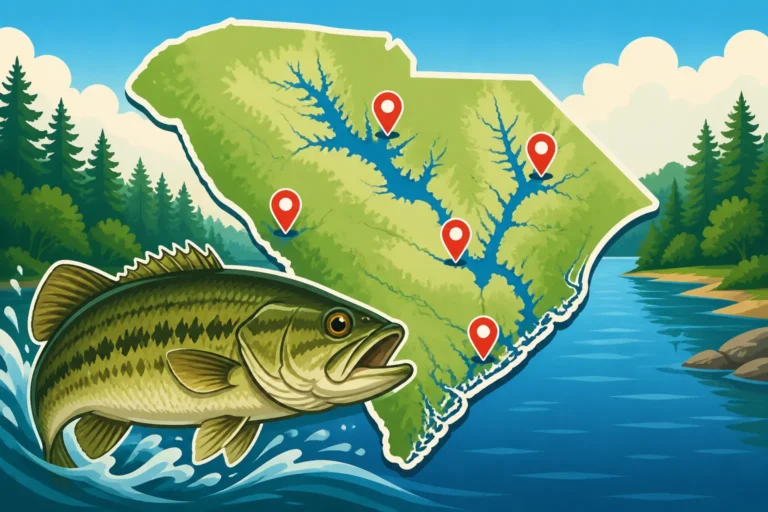
South Carolina's major coastal rivers are the prime locations where Shortnose Sturgeon are known to exist. Historically, and even today, these rivers provide the necessary freshwater and brackish environments for their life cycle, including critical spawning grounds.
- Cooper River: Flowing near Charleston, the Cooper River system is well-documented for its sturgeon populations. The section below the Pinopolis Dam, where freshwater meets tidal influence, is particularly important.
- Santee River: The vast Santee River system, especially the lower river and its estuarine reaches, is another significant habitat. This river offers extensive areas for sturgeon to feed and seek refuge. If you're looking for general fishing information about this area, you might check out Santee River Fishing Spots in South Carolina.
- Edisto River: Known as one of the longest free-flowing blackwater rivers in North America, the Edisto provides pristine habitat. Its relatively undeveloped stretches offer vital undisturbed areas for sturgeon. Anglers exploring Edisto River Fishing Spots in South Carolina might be interested in the full diversity of its aquatic life.
- Savannah River: Forming part of the border with Georgia, the Savannah River is a significant migratory corridor for sturgeon. Its extensive delta and various tributaries offer complex habitats that these fish utilize.
- Congaree River: While primarily a freshwater river, the lower Congaree, as it approaches its confluence with the Wateree to form the Santee, can also see sturgeon activity, particularly during spawning migrations. For those interested in the freshwater offerings, Congaree River Fishing Spots Near Columbia, South Carolina provides some great insights.
These rivers provide the deep channels, diverse substrates, and rich food sources that sturgeon require. However, remember that these are vast systems, and even within these rivers, sturgeon are not evenly distributed.
Seasonal Movements and Behaviors
Sturgeon are migratory fish, and their movements are largely dictated by spawning cycles and water temperature. Generally, they are more active and thus potentially more visible during specific times of the year.
- Spring (Late Winter/Early Spring): This is often when Shortnose Sturgeon undertake their spawning migrations upstream into freshwater. As water temperatures begin to rise, they move from their wintering grounds in brackish estuaries to specific spawning sites, usually in upstream freshwater reaches. During these migrations, they might be slightly more concentrated and potentially seen in shallower waters, though still rare.
- Summer: After spawning, sturgeon typically disperse throughout the river systems, often moving back towards the slightly brackish waters of the estuary to feed. They tend to stick to deeper, cooler waters during the heat of summer, making them even harder to spot.
- Fall and Winter: As temperatures drop, sturgeon will seek out deeper, stable wintering grounds, usually in the lower reaches of rivers or estuaries. They become less active during these colder months.
Their bottom-dwelling nature and preference for deeper water mean that even during migrations, sightings are infrequent. Most observations occur serendipitously by boaters or anglers, often when a fish breaches the surface or is accidentally snagged (which, as we'll discuss, requires immediate and careful release). Specialized equipment like high-definition sonar can sometimes detect their presence, but direct visual sightings are truly exceptional.
What to Do If You See a Shortnose Sturgeon (and What Not To Do)
Encountering a Shortnose Sturgeon in a South Carolina river is an unforgettable experience, but it comes with a significant responsibility. These aren't just any fish; they are a federally endangered species, and specific protocols must be followed to ensure their safety and contribute to their conservation. Knowing what to do, and more importantly, what not to do, is paramount.
The "Do's" of a Sturgeon Sighting
If you're lucky enough to spot a Shortnose Sturgeon, whether it's breaching, swimming near the surface, or even accidentally hooked, here's how to respond:
- Observe from a Distance: The most crucial "do" is to give the fish space. If you're in a boat, maintain a respectful distance. Do not pursue or harass the fish. Remember, human presence can cause stress, especially during sensitive times like spawning.
- Document If Possible (Carefully): If you can safely and non-invasively take a photo or video from a distance without disturbing the fish, do so. Clear images can be incredibly valuable for biologists, helping them identify individual fish or confirm populations. Just make sure your focus is on the fish's well-being, not just getting the shot. Sometimes, a good pair of binoculars or a camera with a decent zoom, perhaps even specialized gear you might find on Amazon, can help you observe without getting too close.
- Report the Sighting: This is perhaps the most important action. The South Carolina Department of Natural Resources (SCDNR) relies on public sightings to track populations and understand sturgeon movements.
- Who to Contact: Immediately contact the SCDNR. Look for their main number or an online reporting portal for endangered species sightings.
- What Information to Provide: Be prepared to give specific details:
- Date and Time of Sighting: The more precise, the better.
- Exact Location: Use GPS coordinates if possible, or describe landmarks (e.g., "approximately 1 mile upstream from the Highway 17 bridge on the Cooper River, near a large bend").
- Number of Fish: How many sturgeon did you see?
- Estimated Size: Roughly how long were they?
- Behavior Observed: Were they swimming, breaching, resting?
- Any Identifying Marks: Did you notice any tags, scars, or anomalies?
- Photos/Videos: If you have them, inquire how to share them with SCDNR.
Reporting helps conservationists build a more complete picture of the sturgeon's distribution and health in South Carolina.
The "Don'ts" of a Sturgeon Encounter
These are just as important as the "do's," if not more so, because violating these rules can lead to serious consequences and harm the fish.
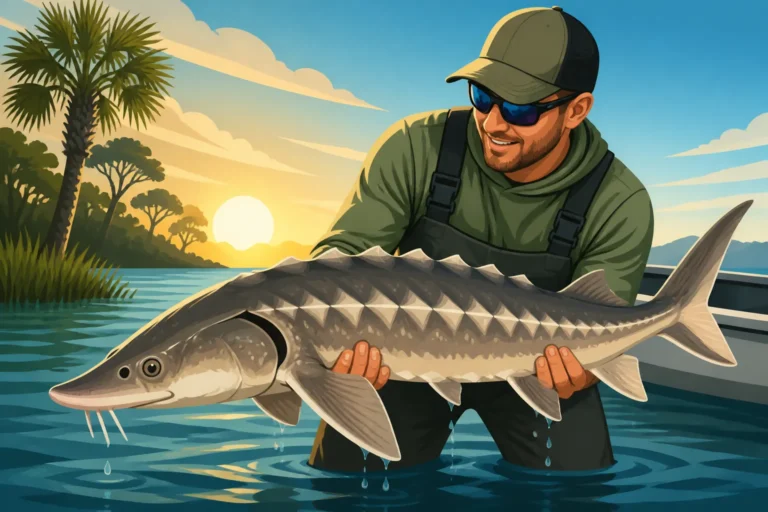
- Do NOT Attempt to Catch or Handle: This is a federal offense. Intentional targeting or attempting to land a Shortnose Sturgeon is illegal. If you accidentally snag one while fishing for other species (which can happen, given their bottom-dwelling habits), do everything in your power to release it immediately and with minimal harm while the fish is still in the water. Cut your line if necessary. Never bring it into your boat or onto shore. Is It Legal to Catch Sturgeon in South Carolina? explicitly states the rules around this.
- Do NOT Harass or Chase: Do not try to get closer to the fish for a better look or photo if it involves disturbing its natural behavior. This includes blocking its path or creating excessive noise.
- Do NOT Remove from Water: As mentioned, even if accidentally hooked, do not take the sturgeon out of the water. Their large size and delicate internal organs are not suited for being out of their aquatic environment, and it's illegal.
- Do NOT Share Exact Locations Widely: While reporting to SCDNR is vital, broadly sharing precise locations on social media or public forums can inadvertently lead to increased pressure on the fish from curious or even ill-intentioned individuals. Encourage reporting to official channels instead.
Following these guidelines ensures that you contribute positively to the recovery of this magnificent species. Knowing your South Carolina's Freshwater Fishing Regulations is always a good idea, and this knowledge extends to protecting endangered species.
Here's a quick summary table for easy reference:
| Action | What to Do | What NOT to Do |
|---|---|---|
| Observation | Maintain a respectful distance; use binoculars/zoom lens. | Pursue, harass, or attempt to get close enough to touch. |
| Documentation | Take non-invasive photos/videos from afar (if safe). | Disturb the fish for a photo opportunity; remove from water. |
| Reporting | Immediately contact SCDNR with detailed info (date, time, location, size, behavior). | Post exact locations widely on public social media. |
| Accidental Hook | Cut line if necessary; release immediately without removing fish from water. | Bring into boat or onto shore; attempt to land with a net. |
| Interference | Allow fish to continue natural behavior unimpeded. | Block migratory paths; make loud noises or splashes near fish. |
A good waterproof field guide, available on platforms like Amazon, can be invaluable for identifying other species in the water, but for sturgeon, the key is knowing what not to do.
The Role of Conservation in South Carolina's Sturgeon Future
The continued presence of Shortnose Sturgeon in South Carolina rivers is a testament to ongoing conservation efforts, but the journey is far from over. These ancient fish face persistent challenges, and their future depends on a multi-faceted approach involving scientific research, habitat restoration, and sustained public awareness.
Current Conservation Efforts and Research
The SCDNR, in collaboration with federal agencies like the U.S. Fish and Wildlife Service, plays a critical role in monitoring and protecting sturgeon populations. This includes:
- Population Surveys: Scientists regularly conduct surveys using various methods, including gillnetting and acoustic tagging, to estimate population sizes, track movements, and identify critical habitats such as spawning and foraging grounds. These efforts help them understand population health and trends.
- Genetic Studies: Genetic analysis helps determine the connectivity between different river populations and identify any unique genetic strains within South Carolina's sturgeon. This information is vital for ensuring genetic diversity and resilience.
- Habitat Monitoring and Enhancement: Research focuses on understanding water quality, flow regimes, and sediment composition in sturgeon habitats. Efforts are made to protect existing habitats from degradation and, where possible, restore historical spawning or nursery areas. This can include advocating for improved water management practices and addressing pollution sources.
These scientific endeavors are the backbone of sturgeon recovery, providing the data needed to make informed management decisions.
Habitat Restoration and Dam Removal
One of the most significant historical impacts on sturgeon populations has been the construction of dams, which block migratory pathways to spawning grounds. While removing large, existing dams is a complex undertaking, smaller barriers are sometimes targeted for removal, and fish ladders or bypasses are considered for larger structures to allow fish passage.
Habitat restoration also extends to protecting riparian buffers – the vegetated areas along riverbanks. These buffers help filter pollutants, stabilize banks, and provide critical cover and food sources for the entire aquatic ecosystem, benefiting sturgeon indirectly by improving overall river health. Projects focused on reducing sedimentation and controlling invasive species also contribute to creating healthier environments for these sensitive fish. The importance of healthy river systems for species like the Shortnose Sturgeon cannot be overstated; it truly underscores the interconnectedness of our natural world.
Public Awareness and Angler Education
Ultimately, the long-term survival of the Shortnose Sturgeon hinges on public understanding and support. Most people genuinely want to do the right thing when it comes to wildlife, but they need to know what that "right thing" is.
- Educational Outreach: SCDNR and conservation groups conduct educational programs to inform the public about sturgeon biology, their endangered status, and the importance of reporting sightings and responsible angling practices. These programs target schools, fishing clubs, and local communities.
- Angler Guidelines: Specific guidelines are often published for anglers, detailing how to identify sturgeon, what to do in case of an accidental catch, and the severe penalties for harming them. Awareness of these rules helps prevent unintentional harm. Considering the gear you use, such as durable rain gear or even certain types of insulated waders often found on Amazon, can also contribute to a comfortable, responsible day out while keeping an eye out for these rare fish.
- Citizen Science: Encouraging citizens to become "eyes on the water" and report sightings is a powerful tool. Every piece of data, responsibly collected and reported, helps biologists piece together the sturgeon's story and guide future conservation efforts. Knowing that individual actions, like simply reporting a sighting, can make a tangible difference often motivates people to get involved.
The sight of a Shortnose Sturgeon in a South Carolina river is a glimpse into a healthier future, a future where these ancient residents can once again thrive. While rare, each sighting is a hopeful sign and a call to action. By understanding and respecting their protected status, and by carefully reporting any encounters, you become an active participant in their journey towards recovery. So, the next time you're out on the Cooper, the Edisto, or the Santee, keep your eyes peeled – you just might witness a living legend. And if you do, you'll know exactly how to play your part in protecting it, perhaps after considering purchasing gear like polarized sunglasses or a high-quality camera from retailers like Amazon to aid in your observations.
Disclaimer
This article is for general informational purposes only and does not constitute professional advice. Laws, prices and regulations vary by location and change over time. Consult a qualified professional for guidance on your specific situation.