Redbreast Sunfish Fishing Spots in South Carolina
Finding the perfect spot to chase after those feisty Redbreast Sunfish in South Carolina can feel like searching for a hidden treasure, especially if you're new to the area or just trying to expand your fishing horizons. It’s easy to get overwhelmed by all the rivers and ponds, wondering which ones actually hold a good population of these delightful panfish. This guide is here to cut through the confusion and point you toward some of the best Redbreast Sunfish fishing spots across the Palmetto State, offering insights and tips to make your next outing a success.
Understanding Where Redbreast Sunfish Thrive in South Carolina
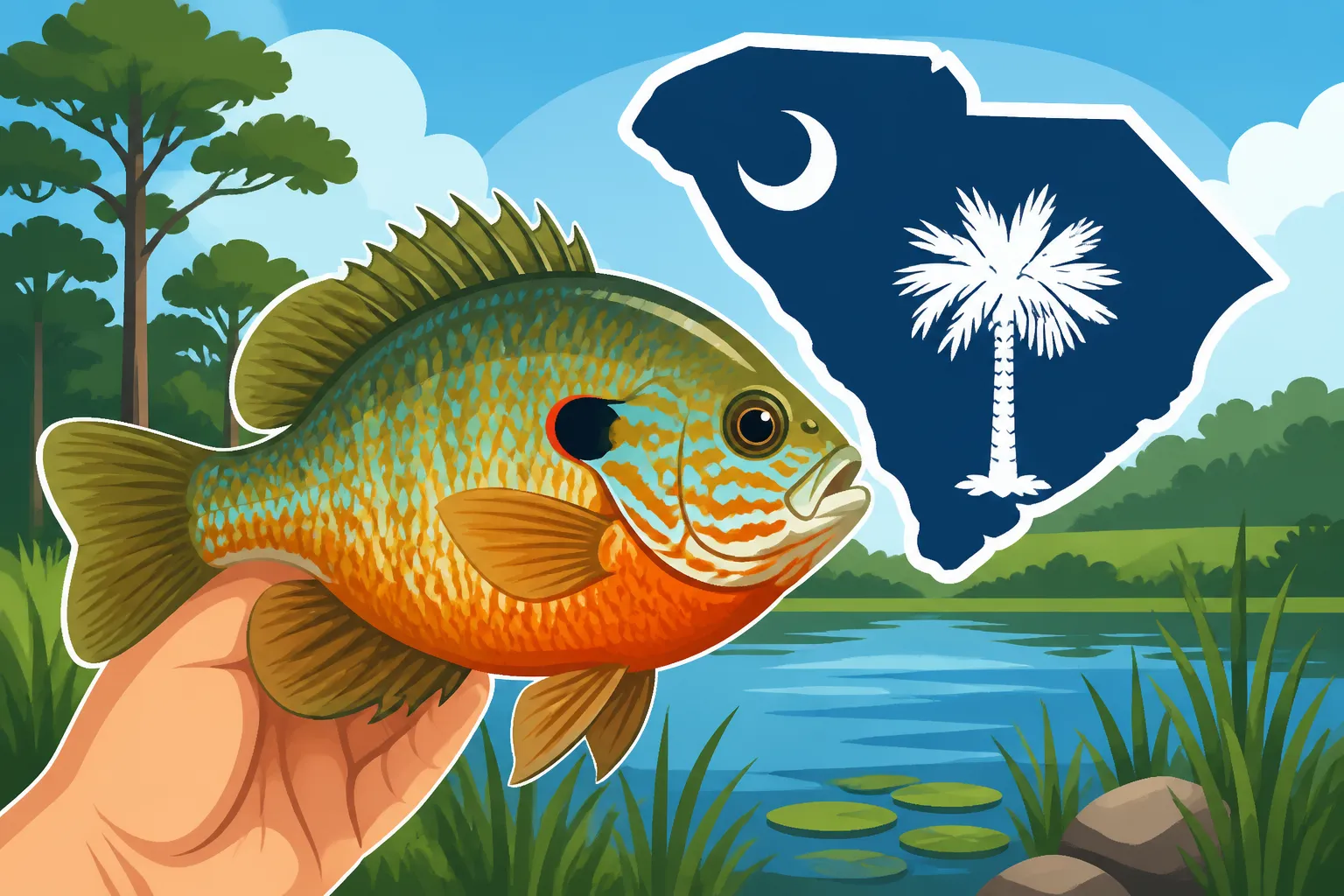
Redbreast sunfish are truly a gem of South Carolina's waterways, known for their vibrant colors and spirited fight, especially on light tackle. They’re a favorite among anglers of all ages, from seasoned veterans to excited kids just getting started. But where do these beautiful fish really love to hang out? Well, it's all about habitat. They prefer clean, flowing waters, often found in rivers and streams, but they've also adapted wonderfully to many of our state's lakes and ponds, particularly those with good cover and structure.
Think about areas with submerged logs, undercut banks, aquatic vegetation, or even just patches of lily pads. These provide shelter from predators, ambush points for their own meals, and a bit of shade during those scorching South Carolina summers. Redbreast sunfish also appreciate a bit of current, which helps bring food to them and keeps the water oxygenated. Unlike some other sunfish species that might tolerate murkier, slower waters, the redbreast often indicates a healthier, more vibrant aquatic ecosystem. If you’re seeing clear water, some current, and plenty of natural cover, you're likely in a good spot for these beautiful fish. You can learn more about these fascinating fish in our guide to Bluegill and Redbreast Sunfish: A Beginner's Guide.
The Ideal Habitat: Rivers, Creeks, and Flowing Waters
Rivers and larger creeks are truly the natural home of the Redbreast Sunfish. They're built for life in moving water, with streamlined bodies that allow them to hold their position in a gentle current without expending too much energy. This preference for flowing water sets them apart from some of their sunfish cousins, like bluegill, who are often more abundant in stiller ponds and lakes. When targeting redbreast in rivers, look for areas where the current slows down slightly – perhaps behind a sandbar, in a bend in the river, or around submerged logs and rock formations. These spots offer a break from the main flow, making it easier for the fish to feed without being swept downstream.
Consider smaller feeder creeks that empty into larger rivers. These often have shallower, warmer water in the spring, drawing redbreast in for spawning, and providing excellent opportunities throughout the warmer months. The Edisto River, for instance, with its blackwater character and countless feeder creeks, is a prime example of a perfect redbreast environment. They often congregate near these tributary mouths, waiting for insects and small baitfish to be washed into the main river system.
Lake and Pond Adaptations: When Still Water Holds Redbreast
While rivers are their forte, Redbreast Sunfish have successfully colonized many of South Carolina's lakes and larger ponds, particularly those with good water quality and riverine characteristics. These aren't your typical farm ponds choked with weeds; rather, they are often reservoirs or natural lakes fed by significant rivers or large creeks, maintaining some level of current or flow, especially near inlets and outlets. In these environments, you'll still find them gravitating towards areas with structure. Docks, fallen trees, brush piles, and rocky outcroppings are all prime real estate.
In larger lakes, look for the upper reaches where a river or major creek flows in. These areas often retain the characteristics that redbreast love: shallower water, some current, and plenty of woody debris. The transition zones where a river meets a lake are often hot spots. They might not be as universally abundant as bluegill in every pond, but when you find a lake with a healthy population of redbreast, they can offer fantastic fishing, especially for those who appreciate their unique colors and spirited fight. Our guide on South Carolina's Best Ponds for Panfish Fishing can provide more general insights into finding great stillwater spots.
Top River Systems for Redbreast Sunfish in the Palmetto State
South Carolina is blessed with an incredible network of rivers and creeks, many of which are absolute havens for Redbreast Sunfish. These waterways offer diverse environments, from the tannin-stained blackwater rivers of the Lowcountry to the rocky, clear-flowing streams of the Upstate. Knowing which river systems consistently produce healthy redbreast populations can save you a lot of time and lead to some truly memorable fishing trips.
Remember that river conditions can change with rainfall and season. A high-water event might push fish into calmer backwaters, while low, clear water might have them hugging the deepest cover. Always check local river levels and conditions before heading out, and adjust your tactics accordingly.
The Edisto River: Blackwater Paradise
The Edisto River holds a special place in the hearts of many South Carolina anglers, and for good reason. It's often called the "longest free-flowing blackwater river in North America," and its dark, tannin-stained waters are absolutely teeming with Redbreast Sunfish. This river system, including its North and South Forks, offers miles upon miles of prime habitat. The gentle current, abundant cypress trees, and countless fallen logs create a labyrinth of cover where redbreast thrive.
Fishing the Edisto is often an experience in itself – paddling a canoe or kayak, drifting slowly downriver, casting small jigs or live worms to every piece of structure you see. The fish here are often vibrant, showcasing their namesake redbreasts in stunning fashion. Access points are plentiful, from public boat ramps to smaller informal launches along the banks. For more detailed information, check out our piece on Edisto River Fishing Spots in South Carolina.
The Congaree and Wateree Rivers: Midlands Treasures
Moving slightly inland to the Midlands, the Congaree and Wateree Rivers are also fantastic destinations for Redbreast Sunfish. The Congaree, flowing through Columbia, is known for its wide, often powerful current and substantial populations of various fish, including redbreast. While it's a larger river than the Edisto, the principles remain the same: target areas with current breaks and cover. Look for the slower stretches, oxbows, and the mouths of feeder creeks.
The Wateree River, which flows into the Santee Cooper Lakes system, offers a similar experience. It's a slightly more developed river in some stretches but still maintains excellent habitat. Both these rivers are popular for catfishing and bass, but don't overlook the incredible redbreast fishing they offer, especially if you're willing to explore some of the more secluded bends and backwaters. The beauty of fishing these rivers is that you might hook into a surprise bass or even a catfish while targeting sunfish. You can find more spots in the general Congaree River Fishing Spots Near Columbia, South Carolina guide.
The Santee River System: Lower Country Bounty
The lower Santee River, as it winds its way toward the coast after flowing out of the Santee Cooper Lakes, is another excellent destination. While often overshadowed by the lakes themselves, the river section offers classic redbreast habitat with slower currents, extensive cover, and a rich food source. Anglers here often find success targeting the numerous bends, cut banks, and log jams that dot the river.
The Santee, particularly its lower stretches, feels wild and untamed, offering a serene fishing experience alongside the opportunity for a fantastic redbreast haul. Whether you're navigating by small boat or kayak, you'll find plenty of productive water. The sheer scale of the Santee River system means there's always a new bend to explore, and invariably, a new redbreast honey hole to discover. For more on this productive waterway, read up on Santee River Fishing Spots in South Carolina.
Lakes and Ponds with Abundant Redbreast Sunfish
While rivers are the traditional stronghold, don't discount South Carolina's lakes and ponds. Many of them, especially those with good inflow and outflow, support healthy populations of Redbreast Sunfish. These spots can be particularly inviting for family outings or for those who prefer calmer waters without the constant challenge of river currents.
When you're looking for these fish in stiller waters, remember their instinctual preference for cover and slightly cleaner water. Focus your efforts on the upper arms of reservoirs where rivers flow in, or smaller, well-maintained public ponds with plenty of structure.
Lake Moultrie and Lake Marion (Santee Cooper System)
The massive Santee Cooper Lakes, Lake Marion and Lake Moultrie, are renowned for their bass and catfish, but they also offer surprisingly good Redbreast Sunfish fishing, especially in the riverine sections of their upper arms. In Lake Marion, focus on the upper reaches where the Congaree and Wateree Rivers flow in. These areas still have a river-like feel with plenty of stumps, cypress trees, and slower currents where redbreast thrive.
Similarly, in Lake Moultrie, look for areas where smaller creeks feed in or where there's good woody cover along the shorelines. While you won't typically find them in the wide-open, deep main lake areas, the backwaters, coves, and river channels within the lake system can be incredibly productive. A small boat or kayak is ideal for exploring these shallower, cover-rich zones. You might even stumble upon some great Best Crappie Spots on the Santee Cooper Lakes while you're there!
Smaller Public Ponds and State Park Lakes
Beyond the major river systems and large reservoirs, many smaller public ponds and lakes within state parks across South Carolina hold thriving populations of Redbreast Sunfish. These are often excellent choices for beginners, families, or anyone looking for a more accessible fishing experience. State parks like Table Rock State Park or others with established fishing programs often manage their ponds for healthy panfish populations.
These ponds might not have the same current as a river, but they often have abundant aquatic vegetation, submerged brush, and overhanging trees that provide the necessary cover. Always check the regulations for specific state park ponds, as some might have special rules or limits. These smaller, more intimate settings can be perfect for introducing kids to the joy of fishing, as redbreast are typically eager biters. For kid-friendly options, explore Kid-Friendly Fishing Ponds Near Columbia.
Essential Gear and Techniques for Redbreast Sunfish
Catching Redbreast Sunfish doesn't require a tackle shop full of expensive gear. In fact, that's part of their charm! Light tackle makes the fight even more exciting, and simple baits often outperform more complex lures. You can usually find everything you need for a successful redbreast trip on sites like Amazon, making it easy to stock up before your next adventure.
The key is finesse and presentation. These fish have smaller mouths than bass or catfish, so a small hook is essential. They are also curious and aggressive, often hitting anything that looks like a tasty meal, whether it's an insect, a small minnow, or a piece of worm.
The Right Rod, Reel, and Line
For Redbreast Sunfish, a lightweight setup is king. A light or ultralight spinning rod, typically in the 5 to 6.5-foot range, paired with a small spinning reel (size 1000 or 2000) is ideal. This combination allows for accurate casting of small baits and makes even a modest-sized redbreast feel like a trophy. Spool your reel with 4 to 6-pound test monofilament or fluorocarbon line. Monofilament is often preferred for its stretch and forgiving nature, especially when fishing with bait.
Using lighter line also makes your bait or lure look more natural in the water, which can be crucial on clear days or in heavily fished areas. Don't worry about them breaking your line; their fights are spirited but generally don't involve long, powerful runs that snap lighter lines. A good ultralight combo can be purchased relatively inexpensively, making it an accessible entry point into fishing for everyone. You might even find some great deals on beginner combos on Amazon.
Baits and Lures That Redbreast Can't Resist
Redbreast Sunfish are not particularly finicky eaters, which is great news for anglers. Live bait is often the most effective choice. Small worms, crickets, grasshoppers, and even small minnows are all highly productive. A simple #6 or #8 hook, a small split shot weight, and a bobber are all you need for a classic bait presentation. Drop your bait near cover, let it drift with the current, or suspend it just above submerged vegetation.
When it comes to artificial lures, smaller is definitely better. Tiny spinners (like an in-line spinner), micro jigs, and small beetle spins are deadly effective. Chartreuse, white, and black are often good color choices, but don't be afraid to experiment. Work these lures slowly around cover, giving them subtle twitches. Fly fishing with small poppers, nymphs, or wet flies can also be incredibly rewarding for redbreast, offering a truly engaging experience. If you’re looking to stock up on a variety of small lures or hooks, check out the fishing sections on Amazon for a wide selection.
Here's a quick comparison of common redbreast fishing scenarios:
| Location Type | Ideal Conditions | Recommended Bait/Lure | Key Technique | Best for |
|---|---|---|---|---|
| Rivers & Creeks | Moderate current, woody debris, undercut banks | Crickets, worms, small spinners | Drifting bait, slow retrieve of lures | Active fish, exploring |
| Lake Inlets/Outlets | Slight current, submerged structures | Worms, small jigs, beetle spins | Casting near structure, slow retrieval | Consistent bites |
| Ponds & Backwaters | Aquatic vegetation, docks, fallen trees | Crickets, worms, small poppers | Bobber fishing, topwater in low light | Beginners, families |
Tips for Finding Your Own Secret Redbreast Spots
While this guide points you to some fantastic known areas, there's a unique thrill in discovering your own secret spot. Finding those tucked-away places where the redbreast are biting frequently is a rewarding part of the angling experience. It takes a bit of observation, exploration, and understanding of what these fish truly need to thrive.
Don't be afraid to venture off the beaten path a little. Sometimes, the most productive spots are those that require a bit of a hike or a paddle to reach. These less-pressured areas can often yield larger fish and more consistent action. Remember, patience and persistence are your best friends in fishing! For general panfish advice, check out South Carolina Sunfish and Panfish: A Beginner's Guide.
Reading the Water: Signs of Life
Learning to "read the water" is perhaps the most valuable skill an angler can develop. For Redbreast Sunfish, this means looking for the signs of their preferred habitat. As you approach a river, creek, or pond, scan the surface for any activity: subtle dimples from rising fish (often feeding on insects), or splashes that might indicate a predator chasing baitfish, suggesting a healthy ecosystem. Look for changes in current speed, where faster water meets slower eddies. These are natural congregation points.
Also, pay close attention to structure. Any submerged object – a fallen tree, a rock pile, a dock, or even dense aquatic grasses – offers cover and a potential feeding station. Overhanging branches that cast shade or drop insects into the water are also prime targets. The clearer the water, the more obvious these structures will be. Don't just cast blindly; aim for the edges of cover, the seams of current, or any point of interest that looks like it could hold a fish. Understanding How to Identify a Bluegill vs a Redbreast Sunfish can also help you target specific species.
Seasonal Movements and Spawning
Like most fish, Redbreast Sunfish exhibit seasonal movements, with spawning being a key factor in where you'll find them. They typically spawn in late spring and early summer when water temperatures are consistently warm. During this time, they move into shallower areas, often creating circular "beds" on hard bottom, typically near some form of cover. If you find one bed, chances are there are many more in the vicinity.
After spawning, they might disperse slightly, but generally remain in areas with good food sources and protection. In cooler months, they tend to move to slightly deeper water, though they rarely go to extreme depths. They might gather in deeper river pools or along the drop-offs in lakes. Understanding these seasonal patterns, especially the Best Time of Year to Catch Panfish, can help you predict their whereabouts and plan your trips for maximum success. By being aware of these behaviors, you can adjust your fishing strategy throughout the year to consistently find those beautiful South Carolina Redbreast Sunfish.
Disclaimer
This article is for general informational purposes only and does not constitute professional advice. Laws, prices and regulations vary by location and change over time. Consult a qualified professional for guidance on your specific situation.