Bluegill Fishing Tips for South Carolina Ponds
If you've ever spent an afternoon trying to wrangle a feisty bluegill out of a placid South Carolina pond, you know there's a special kind of simple joy in it. But sometimes, those little panfish can feel impossible to find, or you're just not sure if you're using the right approach. This guide is all about sharing tried-and-true tips to help you consistently find and catch bluegill in the Palmetto State's countless farm ponds and small lakes, making every trip a success.
Understanding Bluegill in South Carolina Ponds
There's something truly quintessential about bluegill fishing in South Carolina. For many of us, it was the first fish we ever caught, sparking a lifelong love affair with the water. These little dynamos might not be the biggest fish in the pond, but what they lack in size, they more than make up for in sheer enthusiasm and accessibility, making them an absolute treasure for anglers of all ages and skill levels.
Why Bluegill Are Perfect for Pond Fishing
Bluegill are, hands down, one of the most beloved freshwater fish for a reason. They're abundant, aggressive eaters, and they put up a surprisingly spirited fight on light tackle. In South Carolina, virtually every farm pond, community lake, and even many larger reservoirs hold a healthy population of bluegill. They thrive in these calmer, often shallower waters, making them incredibly accessible for bank anglers, kayakers, or those fishing from a small boat. You don't need fancy equipment or a deep understanding of complex fish patterns to enjoy success with bluegill; they're generally quite cooperative, especially when you know what they like. Plus, they're fantastic table fare, offering a delicious reward for your efforts. When you’re looking for a relaxing day on the water, with plenty of action and a good chance to bring home dinner, bluegill fishing in a pond is tough to beat. They truly are the unsung heroes of family fishing trips and a great entry point into the sport. If you're looking to introduce someone to fishing, bluegill are definitely the way to go. To get a broader understanding of other species, check out South Carolina Sunfish and Panfish: A Beginner's Guide.
Identifying Bluegill vs. Other Panfish
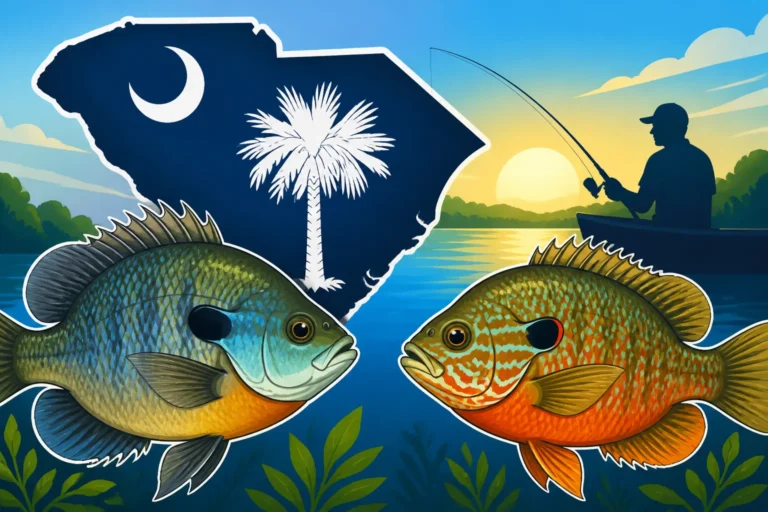
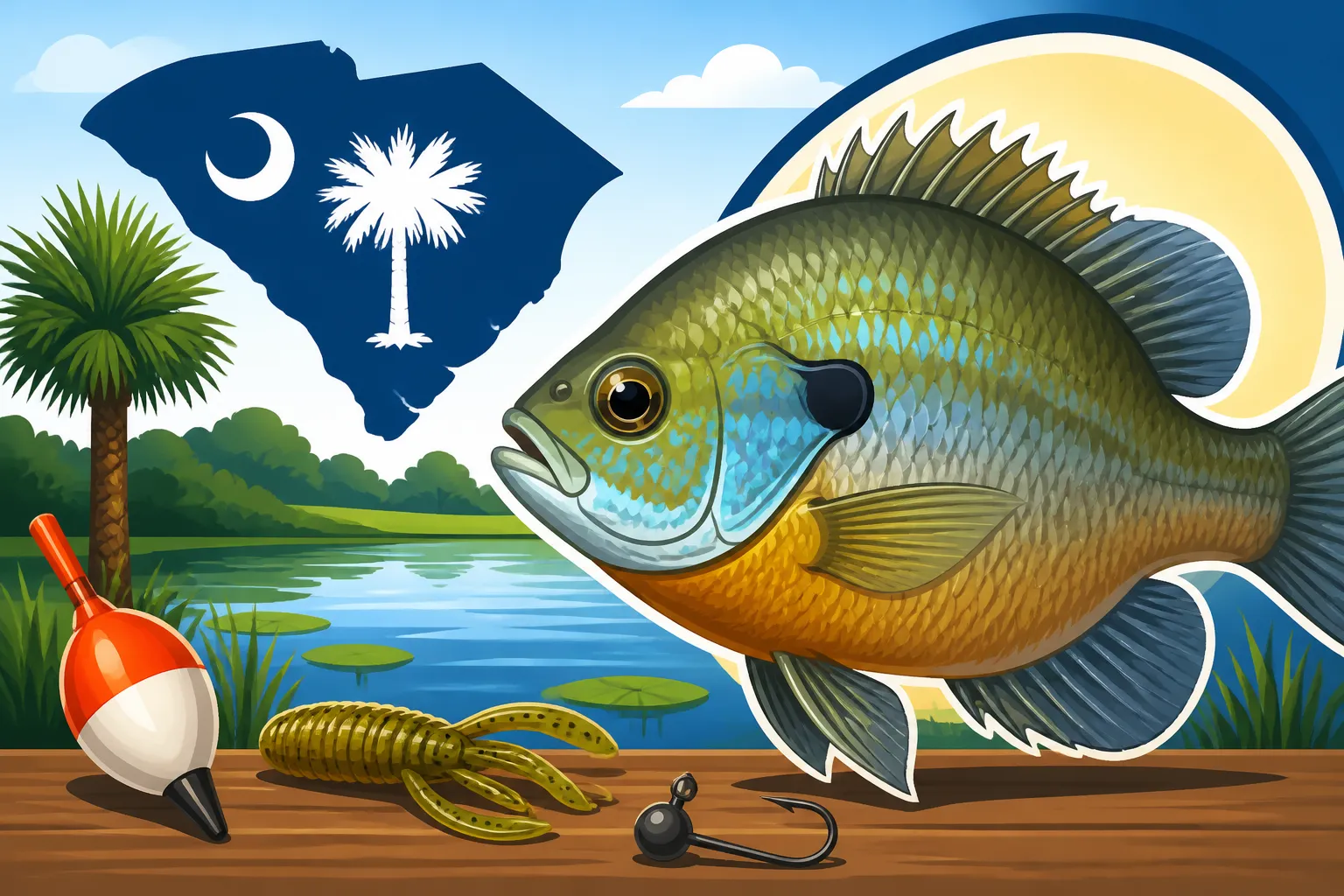
While bluegill are common, South Carolina's ponds are also home to a variety of other panfish, sometimes called "bream," which can occasionally be confused with bluegill. The most distinguishing feature of a true bluegill is the prominent, dark-colored spot on the posterior edge of its gill flap (operculum). This spot will be solid black and typically lacks any red or orange outline. Bluegill also tend to have a smaller mouth compared to some of their sunfish cousins, and their bodies are typically deep and compressed, with a vibrant olive to blue-green color on their back, fading to a yellowish belly. Males, especially during spawning season, can exhibit bright orange or rusty red on their breasts. Other common panfish you might encounter include redbreast sunfish, which have a much longer, ear-like gill flap often outlined in red, and pumpkinseed sunfish, known for their speckling and often a bright red or orange spot at the very tip of the gill flap. Knowing these subtle differences can help you identify your catch and understand which species you're targeting. For a deeper dive into these similar species, you might want to read Bluegill and Redbreast Sunfish: A Beginner's Guide.
Essential Gear and Bait for Pond Bluegill
One of the beautiful things about bluegill fishing in South Carolina ponds is that you don't need to break the bank or haul a ton of gear. Simplicity is often key, and the right basic setup can bring you countless hours of enjoyment. This makes it an ideal activity for both seasoned anglers looking for a relaxing day and newcomers or kids just getting started.
Simple and Effective Rod and Reel Setups
For bluegill, light tackle is not just a recommendation; it's practically a requirement for maximum fun and effectiveness. An ultralight spinning rod, typically 5 to 6 feet long, paired with a small spinning reel, is the perfect combination. This setup allows you to cast those tiny baits and lures with ease, and it makes even a modest bluegill feel like a heavyweight champion, providing an exciting fight. Spool your reel with 4 to 6-pound monofilament or fluorocarbon line. Monofilament is often preferred for bluegill due to its stretch, which helps prevent hooks from tearing out of their soft mouths, and its affordability. Fluorocarbon is less visible underwater and can be a good choice if the fish are particularly spooky in clear ponds. You can find excellent, budget-friendly ultralight combos and a wide variety of lines on Amazon, which makes getting geared up incredibly easy for anyone. Don't feel pressured to buy the most expensive gear; a basic, well-matched ultralight setup will serve you perfectly.
Best Baits That Bluegill Can't Resist
Bluegill are not picky eaters, which is another reason they're so much fun to catch! They have a broad diet, but there are a few go-to baits that almost guarantee success.
The undisputed champion of bluegill baits is the good old red wiggler worm or nightcrawler. A small piece of a worm threaded onto a tiny hook is irresistible. Crickets are another fantastic choice, especially in warmer months when bluegill are more active near the surface. Mealworms, wax worms, and even grub worms are also highly effective, particularly when fish are a bit more lethargic. These live baits mimic the insects and larvae that naturally make up a significant portion of a bluegill's diet.
For those who prefer artificials, tiny jigs (1/32 to 1/64 ounce) tipped with a small piece of plastic (like a micro-grub, tube bait, or even a small crappie jig) can be incredibly productive. Small spinners with a single blade, like a tiny Rooster Tail or Mepps Aglia, are also excellent, especially when retrieved slowly near structure. When using artificials, the key is to match the hatch, so to speak, in terms of size and to present them subtly. Remember, a little goes a long way with bluegill baits. For more detailed insights into what these fish love to munch on, check out Best Bait for Panfish in Farm Ponds.
Terminal Tackle: Hooks, Sinkers, and Bobbers
Getting your bait to the bluegill requires the right terminal tackle, and again, keeping it small is the golden rule.
For hooks, you'll want tiny ones. Sizes #8 to #12 are generally perfect for bluegill. A small, thin-wire Aberdeen hook is a popular choice because it's less likely to tear the fish's mouth and is easy to remove.
When it comes to sinkers, a single small split-shot weight, crimped a few inches above your hook, is usually all you need. This helps cast your light bait and gets it down to the fish's feeding zone without being too heavy or unnatural. Too much weight can make your bait sink too fast and look unnatural, or even make the bluegill feel the resistance and drop the bait.
And then there's the bobber – the classic indicator of a bluegill bite! Small, sensitive bobbers are best. A simple red-and-white clip-on bobber works wonderfully, but many experienced anglers prefer a slip bobber. Slip bobbers allow you to adjust your bait's depth easily by sliding a knot up or down the line, which is fantastic when bluegill are suspended at specific depths or when fishing in deeper ponds. Using a bobber makes it easy to see the slightest nibble, adding to the excitement, especially for kids. You can find all these essential terminal tackle items in bulk packs or individually on Amazon, ensuring you're well-stocked for multiple trips.
| Tackle Item | Recommended Size/Type | Why It Works for Bluegill |
|---|---|---|
| Rod | Ultralight Spinning | Maximizes fight, easy casting of light baits. |
| Reel | Small Spinning | Balances ultralight rod, holds light line well. |
| Line | 4-6 lb Monofilament | Good stretch, affordable, less visible than heavier lines. |
| Hooks | #8 – #12 Aberdeen | Small, thin wire, easy on fish, less likely to snag. |
| Sinkers | Small Split-Shot | Just enough weight for casting and depth without spooking fish. |
| Bobbers | Small Clip-on or Slip | Sensitive strike detection, easy depth adjustment with slip bobbers. |
| Bait | Worms, Crickets | Natural, irresistible to bluegill, readily available. |
| Lures | 1/32-1/64 oz Jigs, Small Spinners | Mimics insects, provides flash and vibration for active fish. |
Where and When to Find Bluegill in Ponds
Knowing the right gear and bait is a fantastic start, but truly successful bluegill fishing in South Carolina ponds also comes down to understanding their habits. Bluegill are creatures of comfort and convenience, much like us, and they'll gravitate towards areas that offer them food, shelter, and safety.
Locating Bluegill Beds and Structure
Bluegill love structure. Period. In a pond, "structure" can mean anything from submerged logs, brush piles, and rock formations to weed beds, lily pads, and even man-made features like docks, culverts, or bridge pilings. These areas provide cover from predators, ambush points for feeding on insects, and shade from the intense South Carolina sun.
During the spring and early summer, your absolute best bet for finding bluegill is to look for their spawning beds. These are typically shallow, circular depressions in the pond's bottom, often found in clusters, in depths ranging from 1 to 5 feet. They'll be in gravelly or sandy areas, often near the bank or around points. You can sometimes spot them visually on clear days, or even smell a faint, fishy odor when you're close. These fish will be aggressively guarding their nests, making them easy targets.
Outside of the spawn, target the edges of lily pad fields, underneath overhanging trees, and around fallen timber. If a pond has a dock, you can bet bluegill will be hanging out in its shade. Pay attention to changes in depth too; a sudden drop-off or a submerged hump can hold a concentration of fish. Understanding these preferences is key to a productive day, and for more tips on finding those hotspots, check out How to Find Bluegill Beds in Spring.
Best Times of Day and Year to Target Bluegill
Bluegill are generally active throughout the day, but like many fish, they have peak feeding times. Early morning, from dawn until a couple of hours after sunrise, and late afternoon, from a few hours before sunset until dusk, are typically the most productive periods. During these times, the light is lower, and the water temperature is often more comfortable, encouraging bluegill to venture out from cover to feed actively. On overcast days, or during cooler parts of the year, they might be more active throughout the mid-day as well.
Seasonally, late spring and early summer are prime times for bluegill fishing in South Carolina due to the spawning activity. This is when they are most concentrated and aggressive. However, bluegill can be caught year-round. In the heat of summer, they might move to deeper, cooler water or seek dense shade. In fall, they'll feed heavily to bulk up for winter, often moving back into shallower feeding areas. Even in winter, a warm, sunny day can draw them out to shallower, sun-warmed spots for a quick meal. Adapting your approach to the season and time of day will significantly increase your success. For a broader look at seasonal patterns, you might find Best Time of Year to Catch Panfish helpful, and if you're curious about daily patterns, definitely read Best Time of Day to Catch Bluegill.
Tried-and-True Bluegill Fishing Techniques
Once you've got your gear, your bait, and a good idea of where the bluegill might be hiding, it's time to actually get that line in the water! There are a few fundamental techniques that consistently put bluegill in the net, and mastering them will make you a formidable panfish angler.
The Classic Bobber and Bait Method
This is probably the most iconic and effective way to catch bluegill, especially for beginners and kids, and for good reason: it works!
Here's how you do it:
- Attach your bobber: If using a clip-on, place it about 1 to 3 feet above your hook. For a slip bobber, tie on your stopper knot, thread the bobber, and then tie your hook.
- Add a small split-shot: Crimp one or two small split-shot weights a few inches above your hook. This helps your bait sink and keeps it relatively still under the bobber.
- Bait your hook: Thread a small piece of worm, a cricket, or a mealworm onto your small hook. Make sure the hook point is exposed for a good hookset.
- Cast it out: Gently cast your setup towards the desired structure – a patch of lily pads, the edge of a weed line, or near a submerged log.
- Watch the bobber: This is the fun part! Bluegill often "peck" at the bait first, causing the bobber to twitch or dip slightly. Resist the urge to set the hook immediately. Wait until the bobber disappears completely underwater or starts to move horizontally with purpose.
- Set the hook: With a gentle but firm upward sweep of your rod, set the hook. Bluegill have soft mouths, so you don't need a powerful jerk.
This method is incredibly visual and exciting, especially when you see that bobber vanish! It's a fantastic way to enjoy a relaxing day while waiting for a bite. If you're looking for more details on this technique, How to Fish a Bobber for Bream goes into even greater depth.
Light Tackle Lure Presentation
While bait fishing is a staple, don't overlook the thrill of catching bluegill on artificial lures. It adds a different dimension to the experience and can be incredibly effective when bluegill are actively feeding or when you're trying to cover more water.
The key here is using those tiny, ultralight lures we talked about earlier:
- Small Jigs: Cast a 1/32 to 1/64 ounce jig (perhaps tipped with a small plastic grub or a piece of Gulp! bait) near structure. Let it sink for a few seconds, then retrieve it with a slow, steady retrieve, adding subtle twitches of your rod tip. Sometimes a simple slow retrieve is all it takes. Other times, a stop-and-go retrieve, mimicking a struggling insect or baitfish, will elicit a strike.
- Small Spinners: Cast a tiny inline spinner, like a Mepps or Rooster Tail, past your target and retrieve it just fast enough to get the blade spinning. The flash and vibration are often irresistible to curious bluegill. Vary your retrieve speed and depth until you find what they're hitting.
The beauty of lure fishing is that you're actively engaging with the fish, trying to trick them with your presentation. The strike on ultralight tackle is exhilarating, even from a small bluegill! You'll find a wide array of these specialized ultralight lures on Amazon, making it easy to experiment and find what works best for your local ponds.
Tips for Catching More and Bigger Bluegill
While bluegill are plentiful, there are always ways to improve your catch rate and even target those larger, "hand-sized" specimens.
- Stealth and Quiet: Bluegill in shallow, clear ponds can be surprisingly spooky. Approach your fishing spot quietly, avoid loud noises, and try not to cast shadows over the water where you're fishing. Wearing neutral-colored clothing can even help.
- Vary Your Depth: If you're not getting bites, try adjusting the depth of your bait. Bluegill might be holding higher in the water column or hugging the bottom. A slip bobber makes this particularly easy.
- Keep Moving: If a spot isn't producing after 10-15 minutes, move to another promising area of the pond. Bluegill tend to be in schools, so once you find one, you'll likely find more.
- Focus on the Edges: Often, the best bluegill fishing isn't in the middle of open water, but right on the edges of cover where they feel safe.
- Practice Catch and Release for Smaller Fish: While bluegill are delicious, if you're consistently catching very small fish, consider releasing them to allow them to grow larger. This helps maintain a healthy population of bigger bluegill in the pond.
- Keep Your Bait Fresh: Live bait loses its appeal quickly if it's dead or shriveled. Change your bait often to ensure you're presenting the most enticing offering possible.
By combining these techniques with the right gear and an understanding of bluegill habits, you're well on your way to consistent success in South Carolina's ponds. These simple yet effective strategies are outlined further in How to Catch Bluegill for Beginners and Simple Bream Fishing Techniques for Kids.
Disclaimer
This article is for general informational purposes only and does not constitute professional advice. Laws, prices and regulations vary by location and change over time. Consult a qualified professional for guidance on your specific situation.