Best Time of Day to Catch Bluegill
Ever headed out to your favorite South Carolina pond or lake, full of optimism, only to spend hours with barely a nibble? It's a classic scenario, and often, the culprit isn't your bait or your technique, but simply your timing. Bluegill, those feisty, fun-to-catch panfish, have definite preferences for when they like to bite. This guide will dive deep into understanding bluegill behavior throughout the day and across the seasons, helping you pinpoint the best times to cast your line for a truly rewarding fishing experience.
Understanding Bluegill Behavior: Why Timing Matters
It's easy to think that if fish are in the water, they're always ready to eat, right? Not quite! Bluegill, like most fish, are creatures of habit. Their activity levels are heavily influenced by environmental factors, and knowing these patterns is like having a secret weapon in your tackle box. If you've ever felt frustrated by a slow day on the water, chances are you were there during their "off-hours."
The Bluegill's Daily Routine: Feeding Patterns
Bluegill aren't just swimming aimlessly; they have a daily agenda centered around feeding and safety. They're constantly balancing the need to find food with the risk of becoming food themselves. This means they'll often be most active when conditions give them an advantage or when their prey is readily available. Think of it like a grocery store – there are peak hours when everyone is out shopping, and quiet times when the aisles are empty. Bluegill have their peak hours too!
During different parts of the day, bluegill will move from deeper, safer waters to shallower feeding grounds, and then retreat again. This movement is directly tied to factors like light, temperature, and the presence of predators. Learning to anticipate these movements is a huge step toward consistently catching more fish. For those just starting out, understanding these fundamental shifts is key to successful How to Catch Bluegill for Beginners A bluegill's metabolism also plays a role; colder water can make them sluggish, while warmer water can make them more active, but also more sensitive to harsh sunlight.
Impact of Water Temperature and Light Levels
Water temperature is perhaps the single biggest factor influencing bluegill activity. These fish are cold-blooded, so their internal temperature matches the water around them. When the water is too cold, their metabolism slows down, making them less inclined to chase bait. When it's too hot, they become stressed and will seek cooler, deeper waters or dense shade. Light levels also play a crucial role. Bluegill often feel more secure under lower light conditions, as it provides cover from birds of prey and larger predatory fish.
Imagine a bright, sunny afternoon in July. The water's surface might be shimmering, but underneath, those bluegill are likely hunkered down in the shade of a dock or deep within a brush pile, trying to escape the intense sun and heat. Conversely, on a cloudy day, they might feel comfortable venturing out into more open water for a longer period. This constant push and pull between comfort, safety, and hunger dictates when and where you'll find them willing to bite. Understanding these dynamics is crucial for any angler.
Prime Time: The Golden Hours for Bluegill Fishing
When it comes to bluegill fishing, there are definitely certain times of day that stand out as consistently better than others. These "golden hours" often align with periods of lower light and more comfortable water temperatures, making the bluegill feel safer and more inclined to feed aggressively. If you're planning a trip, trying to hit these windows can drastically improve your chances of a full stringer.
Early Mornings: The Dawn Patrol Advantage
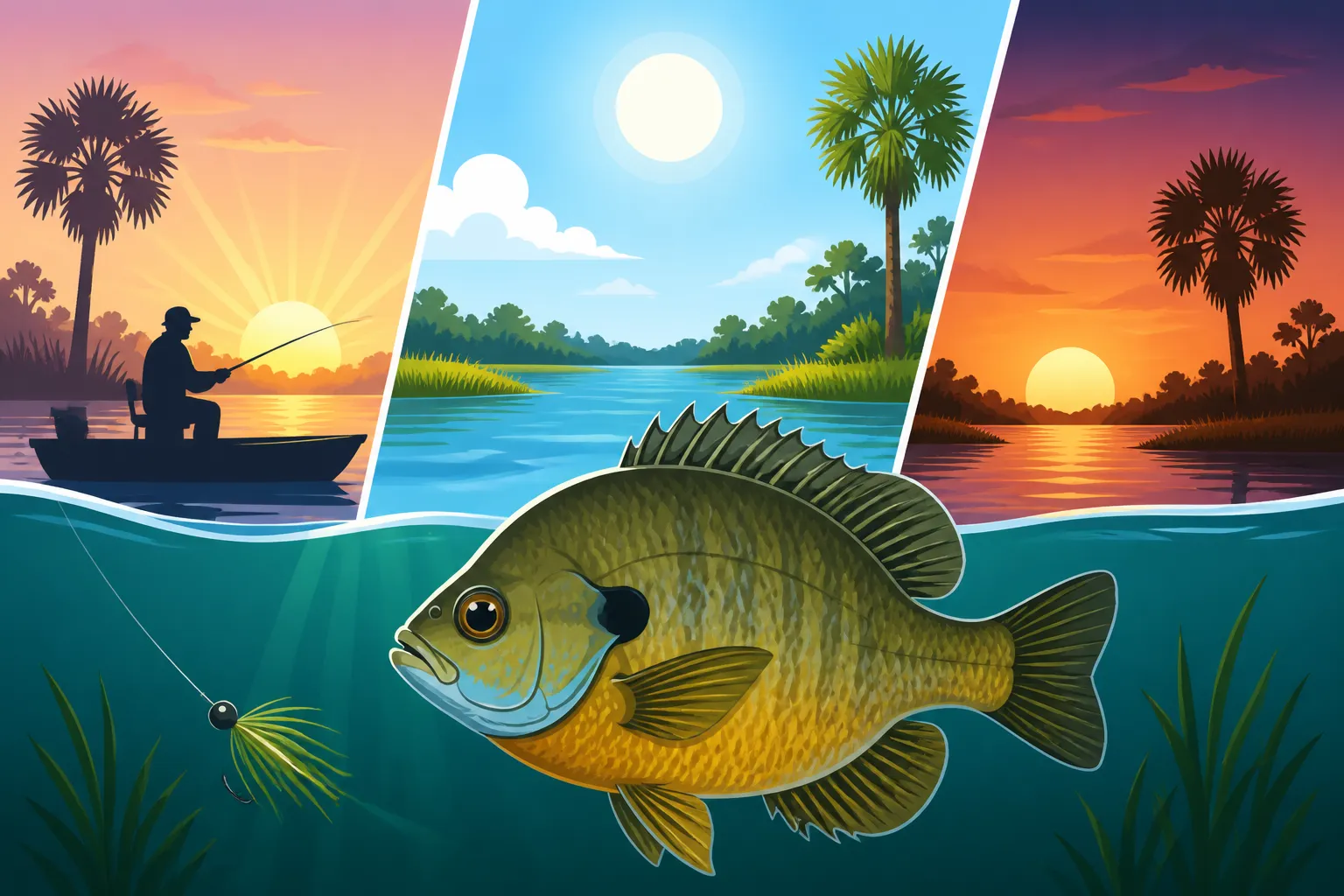
Many seasoned anglers will tell you that the early bird gets the worm, and for bluegill fishing, this adage holds true. As the sun begins to peek over the horizon, casting its first soft light, the water often cools from the night before, and the bluegill start to stir. This period, from first light until a couple of hours after sunrise, is often incredibly productive. The light is low enough to make them feel secure, and insects are often very active, providing a natural feeding opportunity.
Think about it: the water has had all night to cool down, oxygen levels are usually good, and terrestrial insects might be falling onto the surface. Bluegill emerge from their nocturnal resting spots, often in deeper water or heavy cover, and move towards shallower areas to forage. This is an excellent time to target them near weed lines, lily pads, or submerged structures. If you're practicing Dawn Fishing Techniques for Freshwater Lakes, bluegill should definitely be on your target list. A gentle cast with a small bait or a tiny jig can often yield consistent bites during this peaceful time of day.
Late Afternoons and Evenings: Sunset Success
Just as morning offers a prime window, the late afternoon and early evening hours, from a couple of hours before sunset until dusk, are another fantastic time to target bluegill. As the sun begins its descent, the intense midday heat dissipates, and the light softens. This creates another comfortable feeding window for bluegill, mirroring their morning activity.
During this period, bluegill often move back into those shallower feeding areas they visited in the morning. They might be looking for a final meal before settling down for the night. This is a perfect time to take the kids out, as the air temperature is usually more pleasant than midday, and the action can be steady. You can often find them cruising the edges of docks, along banks with submerged vegetation, or near brush piles. Trying some Dusk Fishing Techniques for Bass and Crappie will often put you in the path of hungry bluegill too, as many of these species share similar feeding windows.
Overcast Days and Rainy Weather: Bluegill Bonuses
Don't let a cloudy sky or a light drizzle deter you; these conditions can actually be a huge bonus for bluegill fishing. Overcast days naturally provide lower light levels throughout the entire day, making bluegill feel more secure and less exposed to predators. This often means their feeding windows extend, and they might be active in shallower water for longer periods than on a bright, sunny day.
If you're dealing with a light rain, that can be even better! Rain can wash insects and other small food sources into the water, creating a natural buffet for the bluegill. The disturbance on the water's surface also breaks up light penetration, further enhancing their sense of security. Just remember to prioritize safety during stormy weather, but a gentle rain often translates to great fishing. These are the days when you might catch bluegill throughout the late morning or early afternoon, breaking the typical pattern.
Here's a quick summary of general bluegill activity by time of day:
| Time of Day | Light Levels | Water Temp (General) | Bluegill Activity | Key Strategy |
|---|---|---|---|---|
| Pre-Dawn to Dawn | Very Low | Cool | Low, increasing | Preparation, setting up |
| Sunrise + 2 hours | Low to Moderate | Cool to Warming | High | Aggressive feeding, target shallow cover |
| Mid-Morning | Moderate | Warming | Moderate, slowing | Move to deeper edges or dense shade |
| Midday (Noon) | High | Warm/Hot | Low | Seek deep cover, shade, or suspended fish |
| Afternoon | High to Moderate | Warm | Low to Moderate | Begin to move out of deepest cover |
| Sunset + 2 hours | Moderate to Low | Cooling | High | Aggressive feeding, target shallow cover |
| Nighttime | Very Low | Cool | Low | Generally inactive, occasional opportunistic feeding |
Seasonal Shifts: Adapting Your Approach Throughout the Year
While morning and evening generally hold true as prime times, bluegill behavior isn't static. It shifts dramatically with the seasons in South Carolina, meaning what works best in April might not work at all in August. Being able to adapt your timing and technique to the time of year is what separates a good angler from a truly great one.
Spring Spawning Season: All-Day Action
Spring is arguably the absolute best time for bluegill fishing, especially once the water temperatures consistently hit the mid-60s to low-70s Fahrenheit. This is when the bluegill move into shallow water to spawn, creating beds that are often visible. During this period, their focus is heavily on reproduction and protecting their nests, making them incredibly aggressive.
When bluegill are on their beds, they are less wary of bright light or slightly higher temperatures. They're territorial and will strike almost anything that comes near their nest, making for some of the most exciting and consistent fishing of the year. This means that during the peak of the spawn, you can often find success throughout much of the day, not just during the golden hours. Knowing How to Find Bluegill Beds in Spring is an absolute game-changer, turning potentially slow days into fantastic ones. Look for circular depressions in sandy or gravelly bottoms in shallow, protected coves.
Summer's Heat: Deep Water and Shade
Once the scorching South Carolina summer sun truly kicks in, bluegill change their habits dramatically. The shallow waters they loved in spring become too hot and oxygen-depleted during the middle of the day. This forces them to seek refuge in deeper, cooler water or dense, oxygen-rich cover. If you try to fish the same shallow beds you did in spring during a July afternoon, you'll likely be disappointed.
During summer, the early morning and late evening become even more critical for bluegill fishing. They'll use these cooler, lower-light periods to briefly move into shallower areas to feed before retreating to sanctuary during the harsh midday. Target them around structures like docks, fallen trees, brush piles, or bridges that cast significant shade. Also, look for drop-offs near shallow feeding flats, as they'll often stage there. You might need to adjust your gear too; a heavier sinker to get your bait down quickly, or perhaps even a boat to access deeper structure.
Fall Cooling Trends: Pre-Winter Feeding Frenzy
As autumn arrives and the water temperatures begin to cool down from their summer highs, bluegill enter another excellent feeding period. They sense the impending winter and instinctively know they need to bulk up their fat reserves. This often triggers a renewed appetite and increased activity. The cooler water also means they can be more comfortable in a wider range of depths and light conditions.
In the fall, you can often find bluegill active for longer stretches of the day, similar to spring. They might be concentrated around deeper weed lines that haven't died off yet, or transitioning to deeper points and structures. They'll actively chase bait, so a slowly retrieved tiny spinner or a jig can be very effective. This is a great time to enjoy the beautiful South Carolina scenery while enjoying some consistent panfish action.
Winter Lulls: Patience is Key
Winter bluegill fishing can be challenging, but it's not impossible, especially in South Carolina's milder climate. When water temperatures drop significantly, bluegill's metabolism slows way down. They become sluggish and less aggressive, often schooling tightly in deeper water around structures like channel bends, submerged humps, or deep brush piles. Their feeding windows become very short, and they often won't chase bait aggressively.
During winter, your best bet is to focus on the warmest parts of the day – usually late morning to early afternoon, when the sun has had a chance to penetrate the water. Even then, you'll need a lot of patience and a very slow, subtle presentation. Tiny jigs tipped with a wax worm or a slow-fished piece of corn on a small hook are often the most effective. It's not about quantity during winter; it's about the challenge and the satisfaction of finding those deep, dormant schools.
Optimizing Your Bluegill Trip: Beyond Just Time of Day
While knowing the best time of day is a huge step, it's just one piece of the puzzle. To truly maximize your bluegill catches, you need to consider a few other factors that work in conjunction with timing. After all, even if you're fishing at the perfect time, if you're in the wrong spot or using the wrong gear, you might still end up scratching your head.
Reading the Water: Structure and Cover
Bluegill are rarely found in vast, open expanses of water. They are a prey species, meaning they constantly seek shelter and food. This makes structure and cover absolutely essential areas to target. "Structure" refers to changes in the lake bottom, like drop-offs, humps, or creek channels, while "cover" refers to physical objects like fallen trees, weed beds, lily pads, docks, and brush piles.
Even during prime feeding times, if you're casting into a barren stretch of water, your chances are slim. Focus your efforts on the edges of weed beds, underneath overhanging trees, along the shady side of docks, or near submerged timber. These spots provide both protection and a buffet of insects and smaller aquatic life. When fishing with kids, teaching them how to spot these areas can make the experience more engaging and rewarding. For some excellent guidance, check out articles like Bluegill Fishing Tips for South Carolina Ponds or Kid-Friendly Panfish Spots for Beginners. Remember, bluegill like to "bed up" in colonies, so if you catch one, there are likely many more nearby!
Gear and Bait Considerations
You don't need fancy, expensive gear to catch bluegill, which is part of their charm! However, having the right simple gear can make a big difference. An ultralight spinning rod and reel combo is ideal, allowing you to cast small, lightweight baits and feel even the most subtle bites. Light line, typically 4-6 pound test monofilament, is perfect. Small hooks (size 8 or 10) are a must to fit their small mouths.
As for bait, bluegill aren't picky, but some options are definitely more effective. Live bait like crickets, mealworms, wax worms, and small pieces of nightcrawler are often irresistible. Artificial options include tiny jigs (1/32 to 1/64 ounce) tipped with a grub or a piece of Gulp! bait. A small bobber is also a classic and effective tool, especially when teaching children. For more details on what to use, take a look at our guide on the Best Bait for Catching Bluegill or even Best Bait for Panfish in Farm Ponds. You can find a fantastic selection of these items, from ultralight rods to a variety of small baits and tackle, on Amazon, making it easy to stock up before your next outing.
Kid-Friendly Techniques and Family Fun
Bluegill are truly the ultimate "starter fish," making them perfect for introducing kids to the joys of fishing. Their abundance, willingness to bite, and relatively small size mean less frustration and more action for young anglers. Beyond just timing, focusing on simple, effective techniques will keep them engaged.
A classic bobber setup is fantastic for kids. It's easy to cast, and they get to see the excitement of the bobber disappearing under the water. Teaching them the basics of How to Fish a Bobber for Bream is a great starting point. Live bait is often the most productive and exciting for kids, as they get more consistent bites. Ensure they have appropriate gear; small rods that fit their hands are crucial. You can find a great selection of kid-sized fishing combos and even multi-packs of hooks and bobbers on Amazon, perfect for getting them started without breaking the bank. Patience, encouragement, and celebrating every catch (no matter how small!) are key to fostering a lifelong love of fishing. And remember, sometimes the best time of day for kids is simply when they are most excited to be out there!
Disclaimer
This article is for general informational purposes only and does not constitute professional advice. Laws, prices and regulations vary by location and change over time. Consult a qualified professional for guidance on your specific situation.