Best Time of Year to Catch Largemouth Bass in South Carolina
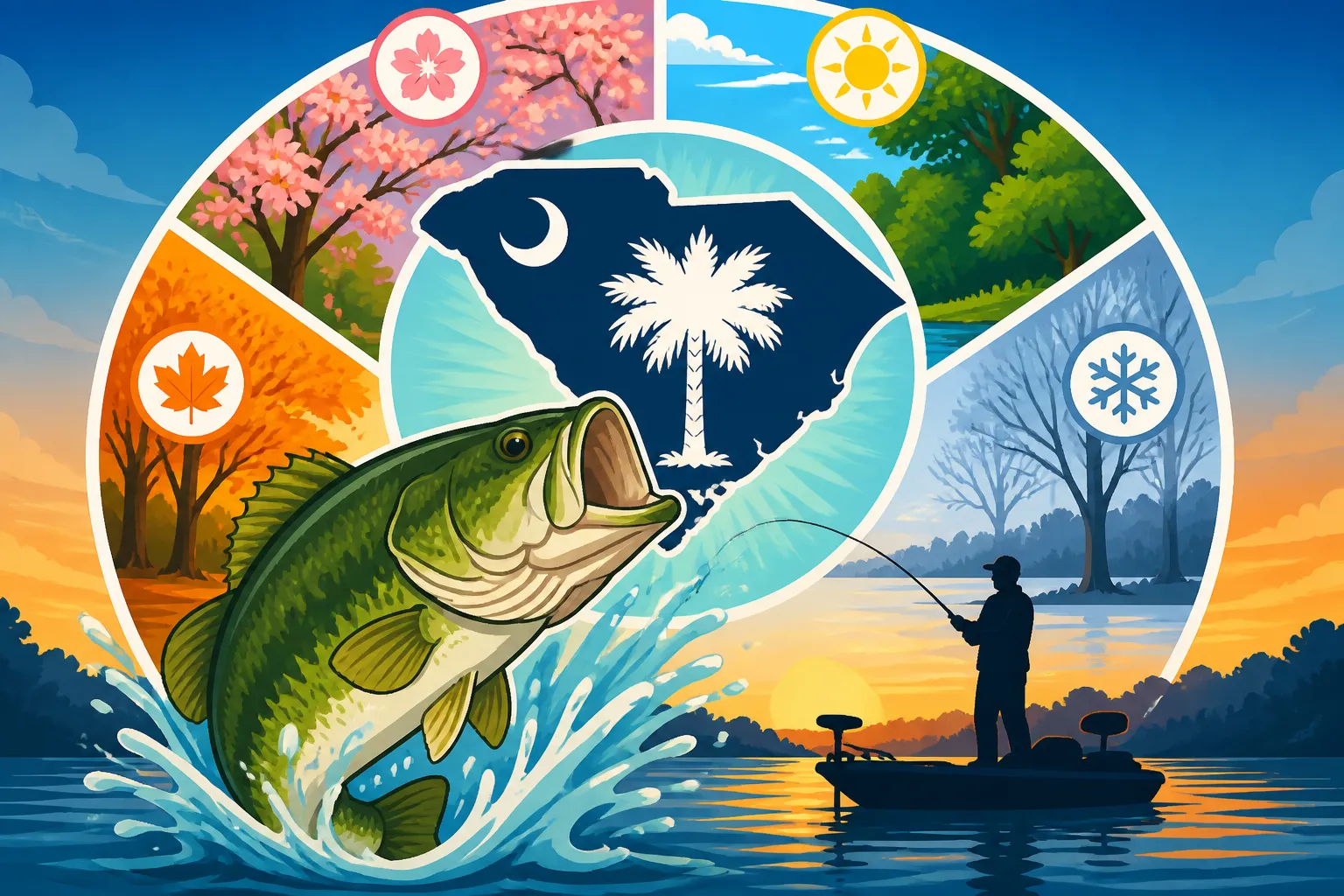
Oh, the age-old question for every angler dreaming of that trophy catch in the Palmetto State: when exactly is the best time of year to catch largemouth bass in South Carolina? It's a question that can lead to a lot of head-scratching and even more frustrating days on the water if you're not clued into what those finicky fish are doing. If you've ever felt like you're casting into an empty lake or just can't seem to figure out the bite, you're certainly not alone. This guide is all about demystifying largemouth bass behavior through the seasons, giving you the insights and actionable tips you need to maximize your chances of success, no matter the time of year.
Understanding Largemouth Bass Seasonal Behavior in South Carolina
Largemouth bass are creatures of habit, but their habits are profoundly dictated by the environment around them, especially the changing seasons in our beautiful state. From the Upstate lakes to the Lowcountry ponds, these fish respond to very specific cues. Ignoring these cues is like trying to guess the winning lottery numbers – pure luck. Understanding them, however, gives you a significant edge, turning those frustrating days into memorable catches.
The Impact of Water Temperature on Bass Activity
Think of water temperature as the grand conductor of the bass fishing symphony. It dictates everything: where the fish are, what they're eating, and how aggressively they'll strike. In South Carolina, our waters can swing dramatically from chilly winter lows to bath-like summer highs. When the water is too cold, a bass's metabolism slows down, making them lethargic and less inclined to chase a meal. They'll often hold tight to structure, conserving energy, and you'll need a much slower, more deliberate presentation to coax a bite.
Conversely, when the water gets too warm in the peak of summer, bass can become stressed. They'll seek out cooler, more oxygenated water, often retreating to deep thermoclines, spring-fed areas, or dense, shaded cover. The "comfort zone" for largemouth bass typically falls in the 55-75 degree Fahrenheit range, though they can certainly be caught outside of this. Knowing the current water temperature of your chosen lake or river is perhaps the single most important piece of information you can have for locating active bass. Many modern fish finders and even simpler portable thermometers can provide this crucial data, helping you to pinpoint their likely haunts.
How Weather Patterns Influence Bass Movement
Beyond just temperature, overarching weather patterns play a huge role in bass behavior. A stable period of warm, sunny weather, for instance, can get bass into a predictable rhythm, making them easier to target. However, a sudden cold front sweeping through, especially in spring or fall, can shut down the bite almost completely. Bass are highly sensitive to barometric pressure changes. A rising barometer, often associated with clear, high-pressure systems following a front, tends to make them sluggish and less aggressive, pushing them deeper or tighter into cover.
Conversely, a falling barometer, often preceding a storm or front, can sometimes trigger a feeding spree as bass sense an impending change and feed aggressively. Wind also plays a significant role; a steady breeze can create current and chop on the surface, which disorients baitfish and concentrates them, often bringing bass out to feed. It also breaks up the surface, making it harder for bass to see you. Understanding these subtle shifts in weather allows you to adjust your approach, from changing your lure selection to altering your retrieve speed, ensuring you're presenting baits in a way that matches the bass's mood.
Spring: The Prime Season for Largemouth Bass Action
Ah, spring in South Carolina! It's a time of renewal, blooming azaleas, and for bass anglers, it often feels like the absolute sweet spot. The longer days and rising water temperatures kick-start the bass's metabolism, signaling the start of their most active period. If you're looking to catch a lot of fish or target some real lunkers, this is often the season to do it. The bass are moving from their deeper winter haunts into shallower, warmer water, preparing for the most important event of their year: the spawn.
Pre-Spawn Aggression and Feeding Frenzies
As winter's chill recedes and water temperatures climb into the 50s and low 60s, largemouth bass enter the pre-spawn phase, and this is where the real magic happens for many anglers. They're recovering from the colder months, and more importantly, they're bulking up on protein to prepare for the energy demands of spawning. This translates into a period of aggressive feeding. Bass will often stage in transitional areas—points, creek channels, and secondary points leading into spawning coves—waiting for the water to warm even further.
During this time, larger, more caloric meals are preferred. Think lipless crankbaits, jerkbaits, spinnerbaits, and even large jigs or swimbaits. They're actively chasing down baitfish and crawfish, and they're not shy about it. You might find them in depths ranging from 5 to 15 feet, depending on the lake and how quickly the sun warms the shallower zones. This is also when many of the year's biggest bass are caught, as the females are heavy with eggs and extremely hungry. Target areas with access to deeper water but also proximity to emerging shallow cover. Understanding these patterns is key to finding those heavy Pre-Spawn Bass Techniques for South Carolina's Lake Murray.
Navigating the Spawn and Bed Fishing
When water temperatures consistently hit the mid-60s to low 70s, typically from late March through May in South Carolina, the largemouth bass spawn is on! Bass move onto shallow flats, protected coves, and pockets with hard bottoms (like sand, gravel, or shell beds) to build their nests. The males clear the beds, and the females move in to lay eggs. While some anglers ethically avoid targeting spawning fish, others find bed fishing to be a highly effective, albeit challenging, technique.
During the spawn, bass become highly territorial and protective of their nests. They might not be feeding aggressively in the traditional sense, but they will strike anything that they perceive as a threat to their eggs or fry. This requires a more visual approach. Polarized sunglasses are your best friend for spotting beds in clear water. Lures like Texas-rigged soft plastics, shaky heads, or even weightless worms become effective because you can present them directly into the bed. The goal is to irritate the bass into striking, rather than appealing to their hunger. Always remember that fishing during the spawn can put a lot of stress on the fish, so if you do target them, practice quick releases and responsible angling. You can learn more about Largemouth Bass Spawn Timing in South Carolina Reservoirs.
Post-Spawn Recovery and Secondary Bites
Once the main spawn is over, usually by late May or early June, bass enter the post-spawn period. This can be a tricky time for anglers because bass are often exhausted and scattered. The females, especially, need time to recover from the strenuous spawning process. They’ll often move to slightly deeper, but still accessible, cover—like submerged brush piles, boat docks, or the edges of grass lines—to rest and regain strength.
The males, on the other hand, might stay shallower a bit longer, guarding the fry. As they recover, bass will begin to feed again, but often in shorter, less aggressive windows. You might find them suspended over deeper water near baitfish schools or cruising the edges of cover. Downsizing your lures and using more subtle presentations like finesse worms, small jigs, or topwater baits during low-light conditions can be very effective. This period also often sees bass schooling up again as they transition to their summer patterns. Knowing Post-Spawn Bass Patterns on South Carolina's Santee Cooper can make a huge difference in your success.
Summer: Adapting to the Heat and Deep Water Tactics
Summer in South Carolina means heat, humidity, and often, tough fishing for largemouth bass if you're not adjusting your tactics. As water temperatures climb into the high 70s and 80s, bass behaviors shift dramatically. The comfort of shallow water becomes a thing of the past for much of the day, forcing anglers to adapt or face empty livewells. But don't despair! Summer offers its own unique challenges and opportunities for those willing to brave the heat.
Early Summer Transitions and Schooling Behavior
As spring fully transitions into summer, typically in June, bass will start to move out of their post-spawn recovery areas and establish more definitive summer patterns. This is often characterized by schooling behavior, especially in larger reservoirs. Bass will follow baitfish (like shad or herring) to main lake points, humps, ledges, and creek channel bends where there's access to both deep water and abundant food.
This early summer period can be fantastic for power fishing if you can locate the schools. Crankbaits, spoons, and large swimbaits can be highly effective when retrieved through schooling fish. Electronics become absolutely essential here, as you'll be looking for baitfish schools and bass congregating on submerged structure in depths ranging from 15 to 30 feet, or even deeper in clearer lakes like Lake Keowee. Keep an eye out for surface activity during early morning or late evening, as bass might push bait to the surface for a brief feeding frenzy.
Mid-Summer Dog Days: Going Deep or Going Early/Late
The dog days of July and August are undeniably the toughest for consistent largemouth bass fishing in South Carolina. The scorching sun and super-warm surface temperatures push bass into their deepest, coolest, and most oxygenated haunts. Often, this means fishing vertical structure like submerged timber, deep brush piles, offshore humps, and ledges on the main lake. Bass will relate tightly to these structures, often suspending just above the thermocline if one is present.
This is the time for precision fishing and relying heavily on your electronics. Drop-shot rigs, Carolina rigs, deep-diving crankbaits, and heavy jigs are your go-to lures. How to Fish Deep Structure for Bass in Summer becomes a critical skill. The bite can be incredibly subtle, so sensitive rods and braided line are a huge advantage. If you prefer shallow water, your best bet is to fish during low-light periods: dawn, dusk, or even at night. During these times, bass will temporarily move shallower to feed under the cover of darkness or reduced light.
Night Fishing for Summer Bass
When the daytime heat becomes unbearable, many South Carolina anglers turn to the cool relief and often explosive action of night fishing for largemouth bass. This isn't just a comfort thing; bass are often more active feeders at night in the summer. The cooler water temperatures and the predatory advantage of darkness make them bolder, sometimes moving into incredibly shallow water to ambush prey that they wouldn't dare approach during the day.
Lures that create a strong profile and vibration are key. Big bladed spinnerbaits, dark-colored jigs with chunky trailers, buzzbaits, and large topwater lures like Whopper Ploppers or Jitterbugs are excellent choices. You're relying on the bass's lateral line and sense of vibration, not sight. Target lighted docks, shallow points, and grass beds near deeper water. Bring plenty of insect repellent and a reliable headlamp (though try to avoid shining it directly on the water too much). You can find more tips on Night Fishing Techniques for Freshwater Anglers. Finding a good selection of specialized night-fishing lures is easy on platforms like Amazon, where many anglers share their favorite glow-in-the-dark or high-vibration options.
Fall: The Feeding Binge Before Winter
Fall is another fantastic season for largemouth bass fishing in South Carolina, often rivaling spring in terms of action. As the oppressive summer heat breaks and cooler temperatures start to settle in, the bass sense the approaching winter. This triggers a frantic feeding period, much like the pre-spawn, where they try to pack on as much weight as possible. The fish become more aggressive, and they're often found in predictable patterns.
Cooler Water and Increased Forage Activity
The gradual cooling of water temperatures throughout September, October, and into November is the primary driver of fall bass activity. As surface temperatures drop, the water column often "turns over" in deeper lakes, leading to more consistent oxygen levels from top to bottom. This allows bass to use a wider range of depths and moves baitfish, like shad, from their deep summer sanctuaries.
This is a time of plenty, as shad and other forage species are often abundant and vulnerable. Bass will actively chase schools of baitfish, often pushing them to the surface in spectacular feeding frenzies. Look for these "breaks" on the surface, especially in the early mornings or late evenings. When you see them, cast a topwater lure, a schooling swimbait, or a fast-moving crankbait right into the action. If you're on a lake known for striped bass, these fall patterns can often overlap, leading to exciting mixed bags. For anglers visiting Lake Hartwell, this can be an especially rewarding time to fish, as discussed in Lake Hartwell Spring and Fall Bass Fishing Patterns in South Carolina.
Locating Fall Bass in Transitional Areas
Similar to spring, fall bass often relate to transitional areas, but in reverse. Instead of moving into spawning coves, they might be moving out of summer deep-water haunts and towards major creek channels or main lake points where baitfish congregate before winter. Key structures include points, ledges, humps, and areas where creek channels swing close to the bank. Think about where baitfish would travel and where bass could ambush them.
Spinnerbaits and lipless crankbaits excel at covering water and locating these active schools. Jigs and Texas-rigs are great for probing submerged timber or brush piles where bass might be hiding, waiting for an easy meal. The fish can be anywhere from a few feet deep to 20 feet or more, depending on the day's temperature and baitfish location. Don't be afraid to experiment with different depths and retrieves until you find the pattern. Check out Best Bass Lures for Fall Fishing to stock your tackle box. Many anglers find great deals on a variety of fall bass lures on Amazon, ensuring they have plenty of options for different conditions.
Winter: Slow and Steady Wins the Race
When the crisp air of fall gives way to the colder bite of winter in South Carolina, largemouth bass fishing definitely slows down. This is often considered the toughest season, but it can also be incredibly rewarding for patient anglers who understand how to target cold-water bass. Don't expect fast and furious action, but you can certainly catch some quality fish if you adjust your approach.
Deep Water Haunts and Subtle Bites
As water temperatures plummet into the 40s and low 50s, largemouth bass become much less active. Their metabolism slows to a crawl, and they move less, preferring to conserve energy. They will often seek out the most stable water temperatures they can find, which usually means deep water. Look for them holding tightly to main lake creek channels, deep points, offshore humps, and vertical structure like bluff walls or deep timber. They'll often school up in these deep areas, sometimes suspended, other times relating directly to the bottom.
The bites during winter are typically very subtle. You won't feel that aggressive thump you get in spring. Instead, it might feel like a spongy weight, a slight tic, or just your line going slack. You need to be hyper-attentive to your line and rod tip. Using highly sensitive graphite rods and fluorocarbon line (which has less stretch) can help you detect these faint takes. Patience is absolutely crucial.
The Importance of Slow Presentations
During winter, speed kills your chances. Bass are not going to chase down a fast-moving lure. Your presentation needs to be agonizingly slow and deliberate. Finesse techniques shine during this time. Blade baits, spoons, jigs, and slow-rolled crankbaits are effective, but the key is the retrieve. Think about barely moving your lure. Let a jig sit on the bottom for an extended period, or slowly crawl a crankbait along a deep ledge.
Vertical jigging spoons or drop-shotting a small worm directly over deep-schooled bass can also be incredibly effective once you locate them with your electronics. If you're using a Texas-rig, make sure your retrieve is practically a crawl, just ticking the bottom occasionally. Don't be afraid to fish one spot for a long time, meticulously working every inch of structure. The payoff can be a surprisingly large, healthy bass. And remember, even in winter, a little bit of sunshine can warm up a dark bottom in a shallow, protected cove, sometimes bringing a few bass up to soak in the warmth for a brief feeding window. If you're looking for gear to handle colder conditions or more sensitive presentations, you'll find a wide selection of specialized rods and reels on Amazon.
| Season | Typical Water Temperature | Bass Behavior | Prime Locations | Recommended Lures/Techniques |
|---|---|---|---|---|
| Spring | 55-70°F | Pre-spawn aggression, spawning, post-spawn recovery | Transitional areas, spawning coves, shallow cover | Crankbaits, jigs, spinnerbaits, soft plastics, topwater |
| Summer | 75-90°F+ | Retreats to deep, night feeding, schooling | Deep offshore structure, shaded cover, lighted docks | Deep crankbaits, jigs, drop-shot, buzzbaits (night), topwater (low light) |
| Fall | 60-75°F | Aggressive feeding, chasing baitfish | Main lake points, creek channels, schooling baitfish | Spinnerbaits, lipless crankbaits, topwater, jigs, swimbaits |
| Winter | 40-55°F | Lethargic, deep schooling, subtle bites | Deep channels, bluff walls, submerged timber | Jigs, spoons, blade baits, slow-rolled crankbaits, drop-shot |
Disclaimer
This article is for general informational purposes only and does not constitute professional advice. Laws, prices and regulations vary by location and change over time. Consult a qualified professional for guidance on your specific situation.